REVIEW · ENGLAND
Beginner Foraging Walk: Wild food walking tour & tasters
Book on GetYourGuide →Operated by Fieldstudy LTD · Bookable on GetYourGuide
Stumble on dinner in the hedgerows. This beginner wild food walk on the Isle of Wight is a friendly way to learn edible plant and fungi identification with Joseph Thurbin, plus you get to taste what you’re learning along the route. It’s pitched for first-timers, so the lesson stays practical and upbeat rather than academic.
I also like that it mixes classroom-style tips with real field time in one of the island’s quieter corners near Niton, starting at The Buddle Inn. The obvious drawback: it’s a 2-mile walk and it’s not suitable for people with mobility impairments, wheelchair users, or those with low fitness. Also, if you have food allergies, this isn’t the right fit.
In This Review
- Key highlights
- Why Niton’s wild edges make sense for first-time foragers
- Meeting at The Buddle Inn: who guides you and how it feels
- The 2-mile walk lesson: how identification clicks
- Wild tastings along the way (including the nettle moment)
- Learning to photograph plants and fungi for identification at home
- Gear that actually helps in British weather
- Price and value: what $33.67 gets you
- Who should book this beginner foraging walk on the Isle of Wight
- Should you book it or keep shopping?
- FAQ
- What’s the duration of the beginner foraging walk?
- How far do you walk?
- Where does the tour start?
- Where does the tour end?
- Who is the guide?
- What language is the tour in?
- What’s included in the price?
- What should I bring?
- Is it suitable for children?
- Is it refundable if plans change?
- Is there a pay later option?
Key highlights
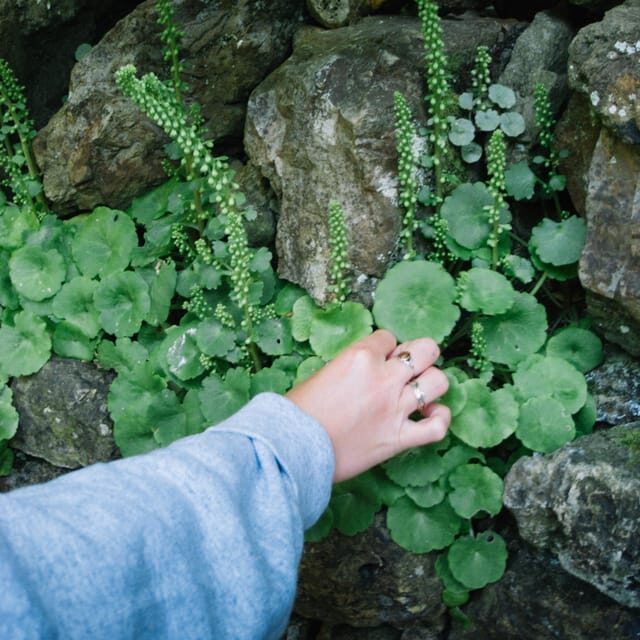
- Joseph Thurbin teaches you how to identify wild edible plants and fungi, step by step
- Tasters on the walk so you connect names with flavor (and not just theory)
- A 2-mile, 1.5-hour countryside loop with time to stop, look, and take notes
- Photo tips included so you can identify plants and fungi later at home
- Great for beginners who want confidence, not confusion
Why Niton’s wild edges make sense for first-time foragers
The Isle of Wight has a way of making you feel like you’re walking through a living nature textbook. On this tour, you get that benefit without needing to be an expert. The route is short, the pace is beginner-friendly, and the whole point is to help you notice edible features you’d normally walk past.
I like that the experience is built around easy-to-identify species rather than rare, high-risk finds. That matters for you because most people don’t struggle with curiosity. They struggle with confidence. When someone like Joseph Thurbin shows you what to look for, you leave with a mental checklist you can reuse outdoors later.
You’ll also be in a secluded part of the island, which keeps the focus where it should be: on the plants, fungi, and the small skills of observation. And yes, the weather can be British—so you’ll want to dress for puddles and wind. That actually helps the tour stay real.
You can also read our reviews of more tours and experiences in England.

Meeting at The Buddle Inn: who guides you and how it feels

Your walk begins at The Buddle Inn in Niton, with parking in the large carpark opposite. Joseph Thurbin is the guide, and he carries a foraging basket, which is a small detail but a useful one: it sets the tone right away that this is about practical foraging, not a lecture with handouts.
The tour is in English and runs about 1.5 hours, covering roughly 2 miles. That timing is ideal for beginners. You get enough time to learn multiple things and try tasters, but you’re not stuck for a full day of muddy uncertainty.
From what you can expect on the ground, the vibe is friendly and encouraging. People come in curious, and Joseph’s style is meant to keep you moving from you-can-do-this to okay, I can actually spot a plant and explain why. One key value here is that the guidance includes not just what to find, but how to recognize it reliably enough to try it safely.
If you’re the type who likes to ask questions, this format works well. Stops are part of the experience, and you’re encouraged to take notes or photos as you go.
The 2-mile walk lesson: how identification clicks
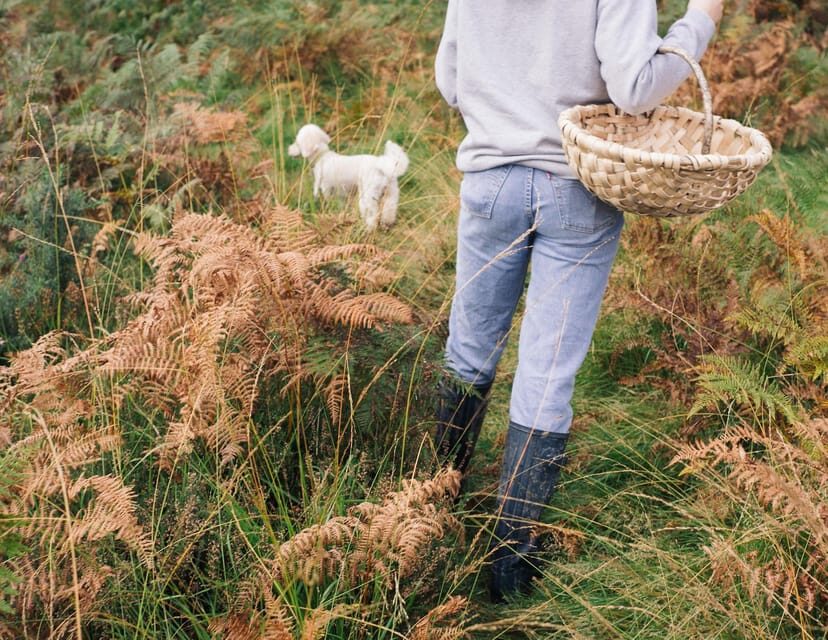
The core of the tour is learning basic plant identification in the field. For a beginner, that’s the difference between a fun walk and a real skill. Joseph’s approach focuses on recognizable characteristics—things you can check on the spot—so you’re not relying on memory alone.
You’ll also learn that foraging is more than hunting. It’s observation plus context. That’s why the walk is only two miles. It gives you time to stop, look closely, and compare what you’re seeing to what Joseph points out.
You’ll cover multiple edible species, including both plants and fungi, which is great if you’re starting from zero and want a broader picture of what’s possible. And if you’re worried about technical terms, don’t. The goal is confidence and simple identification strategies, not turning you into a botanist.
You’ll also get tips on photographing plants and fungi during the walk. That’s hugely practical for you because you’ll be able to look again later and refresh what you noticed. Bring your charged smartphone or a notebook so you can capture details right away.
Wild tastings along the way (including the nettle moment)
This is the part that makes the tour stick in your memory. You don’t just look at wild foods—you nibble on snacks made with wild ingredients. The highlight is wild plant tasting, and it’s designed as a confidence builder.
One of the most memorable takeaways for many people is a newfound appreciation for nettles. That might sound like a small thing, but it’s actually a perfect beginner foraging win: nettles are common, and they’re often the first edible people learn to respect and enjoy when they understand what they’re doing.
Taste moments also do something practical: they help you connect the identification skill with real-world use. When you later see nettles—or another edible plant you learned about—you can think, I know what that is, and I know it can be used in cooking.
Just keep in mind one important limitation: this tour is not suitable for people with food allergies. Since tasters are part of the experience, it needs to be safe for you to participate. If allergies are a risk, you’ll want to choose a different kind of foraging outing.
Learning to photograph plants and fungi for identification at home

You’ll get explicit guidance on how to photograph plants and fungi so you can identify them later. This is one of those “sounds small” benefits that becomes big once you’re back home.
A charged smartphone matters here, because the whole workflow depends on capturing the right details while you’re still in the moment. You’ll likely be advised to record features you can’t easily remember later—shape, texture, and identifying marks—so your photos don’t just become pretty pictures. They become notes.
I especially like that the tour links field skills to at-home follow-up. That’s what turns a one-off walk into an ongoing hobby. You finish with a set of images and notes, and you can revisit them when you’re planning what to cook next.
If you enjoy nature photography, this part adds structure. If you don’t, it still helps you. You’re not expected to be artistic; you’re expected to document.
Gear that actually helps in British weather
The tour is about walking outdoors, so your clothing affects your comfort as much as your curiosity. Bring sturdy waterproof shoes and a raincoat, and plan for the fact that the Isle of Wight can change quickly.
Other practical items:
- A bottle of water (bring what you’ll comfortably drink in 1.5 hours)
- A notebook or phone for notes and photos
- Comfortable clothes that you can move in
There are also clear boundaries: high-heeled shoes aren’t allowed, and intoxication or alcohol and drugs aren’t permitted. That keeps the foraging part grounded and safe.
One tip that helps you get more value from the session: if your phone is your main tool, make sure it’s charged before you leave. If it dies halfway, you lose the best part of the “photo for identification later” plan.
Price and value: what $33.67 gets you
At $33.67 per person for about 1.5 hours, the price is reasonable because you’re paying for more than a walk. You’re paying for guided instruction in plant and fungi identification, the chance to taste wild foods prepared as part of the experience, and a guide who can translate what you see into something you can use later.
What makes it good value for beginners is the combination:
- A short route that stays focused
- Multiple species covered, not just a single plant
- Hands-on tasters, so you connect learning with flavor
- Photo and note guidance so you can practice after
If you’ve ever tried to learn foraging from videos alone, you know the gap: outdoors, everything looks slightly different than online. A guided field lesson narrows that gap fast. You also get the confidence boost that comes from learning features in person instead of guessing.
Who should book this beginner foraging walk on the Isle of Wight
This tour fits you best if you want:
- A beginner-friendly introduction to wild food identification
- A walk that’s short enough to feel manageable
- A guide-led way to learn what to look for in plants and fungi
- Tasters that make the experience fun, not just educational
It’s also a great choice if you like taking notes and building a hobby you can repeat. The photo tips and the idea of identifying later at home make this more than a one-time outing.
Skip it if any of these apply:
- You have food allergies
- You have mobility impairments or use a wheelchair
- You have low level of fitness for a 2-mile walk
- You’re traveling with children under 18
- You’re hoping for a no-walking, sitting-down style activity
Should you book it or keep shopping?
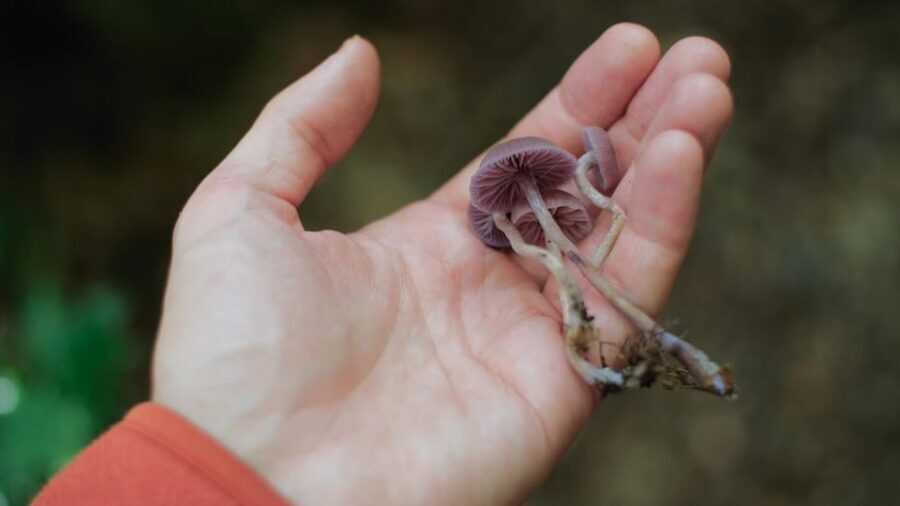
I’d book this if you’re a beginner who wants a guided, realistic entry into wild food foraging on the Isle of Wight. You get a short but skill-building walk, you taste wild plants, and you leave with photo-based tools to keep learning at home. The focus on identifying multiple plants and fungi helps you move beyond guessing, which is exactly what you want at the start.
I’d hesitate only if you need a fully accessible experience, have allergies, or can’t comfortably handle the 2-mile walking time. If none of those blockers apply, this is a solid, value-packed way to spend an afternoon outdoors and leave feeling more capable than when you started.
FAQ
What’s the duration of the beginner foraging walk?
It runs for about 1.5 hours.
How far do you walk?
The walk is about 2 miles.
Where does the tour start?
It starts at The Buddle Inn in Niton. Park in the large carpark opposite the pub.
Where does the tour end?
The tour ends back at the same meeting point.
Who is the guide?
The guide is Joseph Thurbin, a lifelong forager and filmmaker.
What language is the tour in?
The tour is in English.
What’s included in the price?
You learn the basics of plant identification, how to identify wild edible plants, you enjoy a countryside walk, and you nibble on tasty snacks made with wild ingredients.
What should I bring?
Bring comfortable shoes, water, comfortable clothes, and a charged smartphone (or notebook) for notes.
Is it suitable for children?
No. It’s not suitable for children under 18 years.
Is it refundable if plans change?
Yes. You can cancel up to 24 hours in advance for a full refund.
Is there a pay later option?
Yes. You can reserve now and pay later.
If you tell me your travel month and whether you’ll have a car, I can suggest the easiest way to time this walk with the rest of your Isle of Wight day.