REVIEW · CANTERBURY
Guided Nature Tour: Pilgrims Way & Bigbury Fort
Book on GetYourGuide →Bookable on GetYourGuide
Blean Woods turns a walk into a learning break. You’ll follow the Pilgrim’s Way footpath through semi-ancient woodland, then pause at Bigbury Camp and a traditional orchard nature reserve, learning to spot plants, mushrooms, birds, and invertebrates as you go. I like that the guide Greg (a Farm Environmental Advisor who has guided on the Great Barrier Reef) makes nature practical, not vague, and that you get real takeaways like mushroom and invertebrate identification guides plus a tea/coffee stop. One consideration: this is a moderate-walking tour with no public toilets, so plan for muddy ground and bring water.
The payoff is twofold: you get Kent outdoors time and a gentle dose of calm through shinrin-yoku (forest bathing). If you want history with your woodland walk and you like slowing down to listen, this one fits. If you’re expecting big landmarks and lots of indoor time, you may find the pace more thoughtful than flashy.
In This Review
- Key highlights to look for
- Blean Woods, Pilgrim’s Way, and Bigbury Camp in one 2-hour loop
- Meet Greg: a guide who links nature skills to everyday attention
- Stop 1: Chatham Hatch Village Hall start point and your first nature tools
- Stop 2: Bigbury Camp for guided walk time and Iron Age context
- Stop 3: The 20-minute tea or coffee break that actually helps
- Stop 4: No Man’s Orchard nature reserve for wildlife viewing
- Shinrin-yoku forest bathing: how the tour turns calm into an activity
- What to bring and what to expect on the ground
- Price and value: what $20.20 really buys you
- Who this tour suits best
- Should you book this Pilgrim’s Way and Bigbury Camp nature tour?
- FAQ
- How long is the Pilgrim’s Way & Bigbury Fort guided nature tour?
- Where does the tour start and end?
- How much does it cost?
- What’s included in the ticket price?
- Do I need to arrange transportation?
- What should I wear for the walk?
- Are there public toilets during the tour?
- Is this tour suitable for young children or accessibility needs?
Key highlights to look for
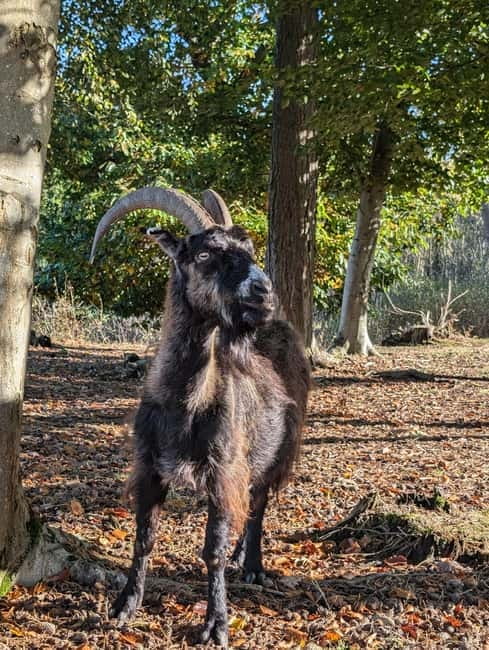
- Pilgrim’s Way route in Blean Woods: a guided woodland walk you can actually follow without feeling lost.
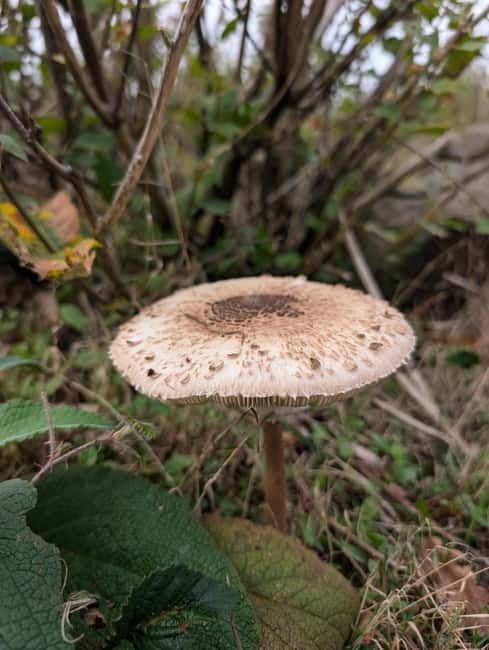
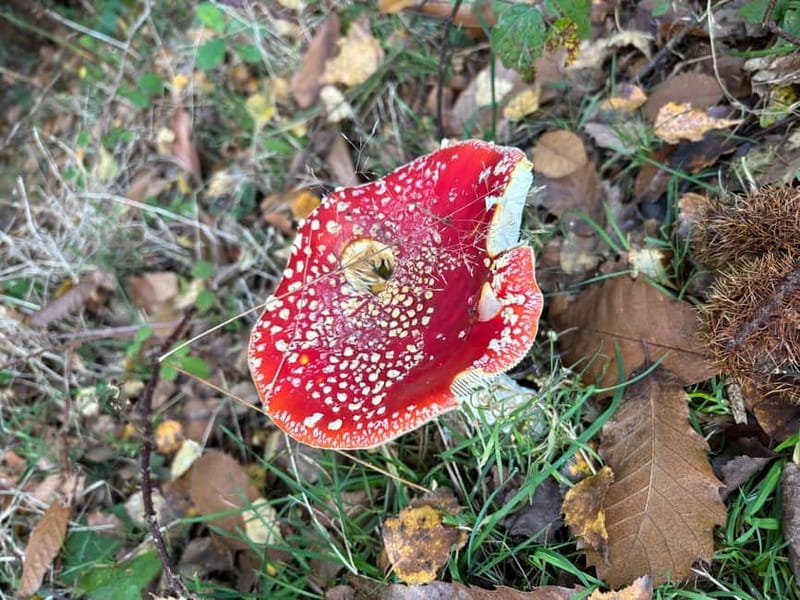
- Plant, mushroom, and bird spotting with guides: you’ll get help identifying what you’re seeing as you walk.
- Bigbury Camp stop: a focused, guided look at an Iron Age hill fort area.
- No Man’s Orchard nature reserve: wildlife viewing and orchard history vibes without rushing.
- Tea or coffee break with views: a real pause for warmth and regrouping.
- Shinrin-yoku forest bathing: a structured way to lower stress and tune into forest sounds.
Blean Woods, Pilgrim’s Way, and Bigbury Camp in one 2-hour loop
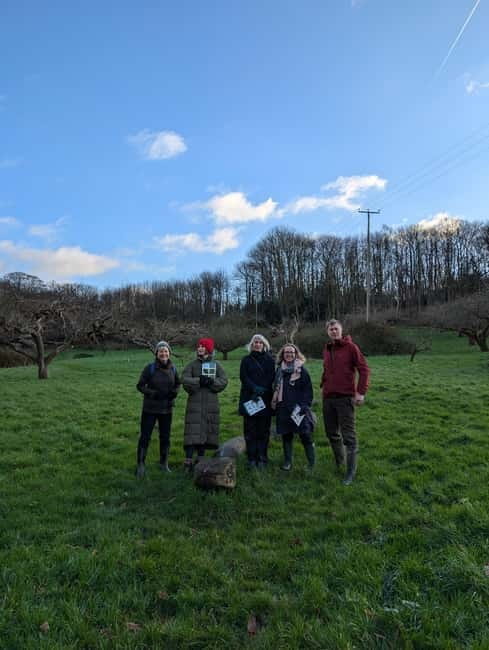
This tour is built around a simple idea: slow down in a real place and let the details come to you. You start at Chartham (Chatham Hatch) Village Hall, then you walk through Blean Woods along the Pilgrim’s Way footpath. The route connects three different “modes” of the outdoors: woodland, hill fort ground, and an orchard nature reserve.
What I like about the format is that it’s not just a stroll. There are clear waypoints with a guided focus, plus short breaks so you don’t feel like you’re working the whole time. The total time is 2 hours, which is long enough to notice changes in the woods, yet short enough to fit easily into a day in Kent.
The history angle is also grounded, not museum-only. You’ll hear about the Iron Age past and learn about the clash between Romans and Britons in this region. That context helps the landscape make sense, even when you’re mostly staring at leaves and listening for birds.
And yes, you also get that calming forest-bathing practice called shinrin-yoku. The tour explains it as a way to reduce stress hormones and help lower blood pressure, and notes that in Japan it’s prescribed by doctors for depression, chronic stress, and anxiety. You’re not doing a yoga class in the woods, but you are being guided to slow down and use your senses.
Meet Greg: a guide who links nature skills to everyday attention
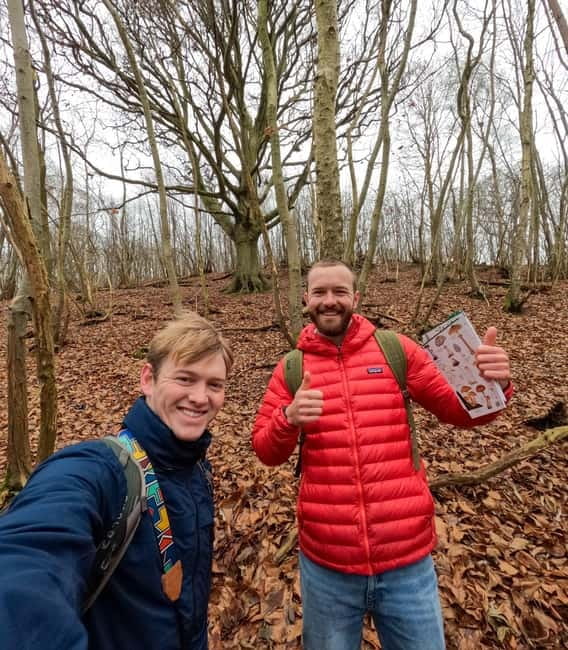
You’ll meet your guide at the village hall carpark, with the guide there at least 10 minutes early. Greg is described as tall and generally wearing wellies, which matters because this kind of walk is about staying comfortable in wet ground.
Greg’s background is unusual in a good way. He works as a Farm Environmental Advisor and has guiding experience on the Great Barrier Reef, which translates into one key strength: he’s comfortable teaching people how to notice living things. In a British woodland, that skill turns into practical guidance: what to look for, how to look without stepping on everything, and how to connect a plant or fungus to what it does in the ecosystem.
If you’re bringing kids, this approach is especially helpful. A 12-year-old experience described alongside this tour highlights how Greg can make tree and flower spotting feel like discovery rather than a lecture. The learning stays grounded in what you’re actually seeing in front of you.
Stop 1: Chatham Hatch Village Hall start point and your first nature tools
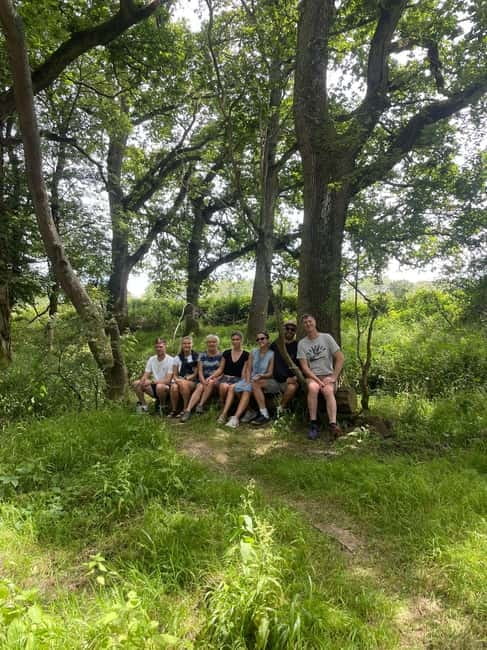
The tour begins at Chartham Hatch Village Hall. Expect a quick reset before you head into the woods. This is where the guide sets expectations and hands out identification guides for mushrooms and invertebrates.
That matters more than it sounds. When you’re given a guide at the start, you’re not spending the walk mentally guessing. You’ll be looking for specific traits, which makes the tour feel like progress instead of wandering.
Practical tip: arrive ready to stand and listen for a few minutes. The early part is about getting your eyes focused, then you’ll move into the walking rhythm.
Also keep in mind the basic rules that make the experience smoother: no smoking, and you’ll want to wear weather-appropriate clothing and be ready for muddy conditions. Trainers may get muddy, so comfortable shoes are not optional.
Stop 2: Bigbury Camp for guided walk time and Iron Age context
Your next focus is Bigbury Camp, and you’ll spend about 45 minutes here with guided walking and interpretation. This is the historic anchor of the outing. You’re in an area associated with an Iron Age hill fort, and the tour connects that setting to the broader story of how people lived and fought in Kent long ago.
The value of this stop is that it gives you something to hold onto while you’re in nature. When your brain has a timeline—Iron Age defenses, then the later Romans and Britons clash—you start reading the ground differently. You notice why vantage points matter, why paths matter, and why certain spots keep reappearing in human history.
Here’s what to do to get the most out of it:
- Walk slower than your normal pace, especially in pauses when the guide points out features.
- Listen for birds while you look around. Even in an apparently quiet woodland, there’s usually movement if you tune in.
Possible drawback: if you’re only interested in modern wildlife and plants, the historical discussion may take up some of your attention during this segment. But it’s woven into the walk, not delivered as a long talk.
Stop 3: The 20-minute tea or coffee break that actually helps
You’ll get a 20-minute break, with tea or coffee included. This isn’t just a snack stop. It’s a chance to reset your senses after time on uneven ground.
The tour also describes taking in views of the woodland below from this pause point. Even if it’s grey weather, that pause helps you notice how the woods sound when you’re not rushing. It’s also a useful moment to hydrate and check your energy.
Bring your own snacks and water if you can. Tea or coffee is provided, but having extra water helps if it’s warm or if you tend to get thirsty during walks.
Stop 4: No Man’s Orchard nature reserve for wildlife viewing
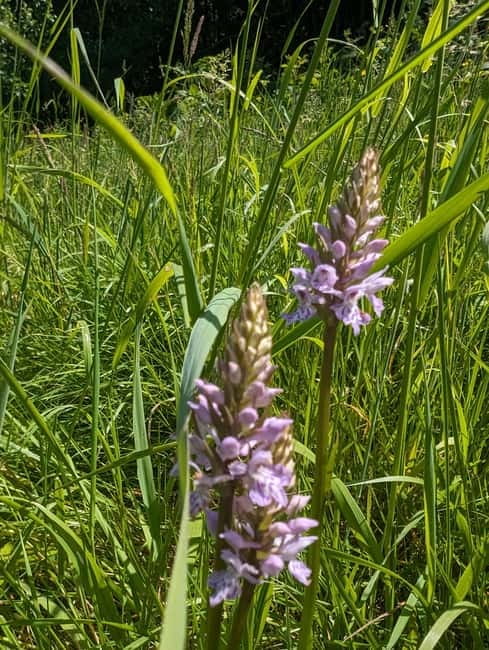
After the break, the walk leads you through No Man’s Orchard, a traditional orchard that’s now a nature reserve. You’ll spend about 45 minutes here with wildlife viewing.
This part of the tour is great if you like small-scale nature watching. Orchards can be lively in subtle ways: insects, birds moving between branches, and lots of plant detail you might otherwise miss.
The tour also keeps an eye on what you might see overhead. You could glimpse jays, woodpeckers, or buzzards soaring above. You’re not guaranteed specific sightings, but the point is that you’ll learn how to look for them instead of just hoping.
And since you received identification help earlier, this is where the guides start paying off. You’ll be better at noticing plant structure, leaf shapes, and the kind of “signs” animals leave behind.
This stop is also one reason the tour works well for different interests. If history didn’t grab you as much as you expected, the orchard nature reserve can win you back with real-life wildlife attention.
Shinrin-yoku forest bathing: how the tour turns calm into an activity
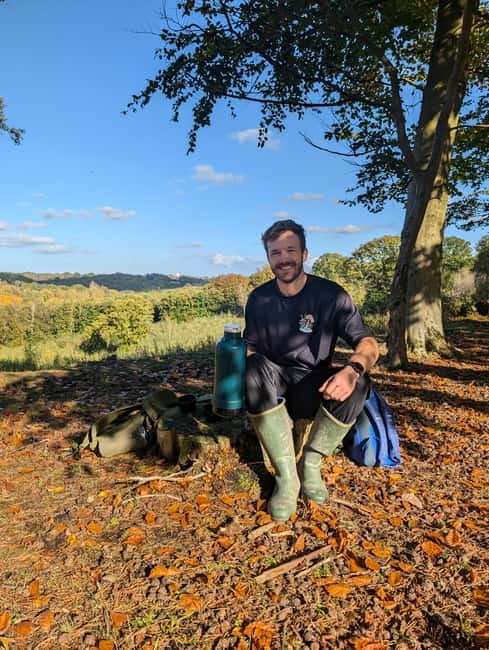
This tour doesn’t treat shinrin-yoku as a buzzword. It frames forest bathing as a practice that started in Japan and describes the potential benefits: reduced stress hormones and even lower blood pressure, with doctor-prescribed use in Japan for depression and chronic stress.
In practical terms, that shows up as guided pausing and sensory prompts. You’re encouraged to slow down and take in the sights and sounds of semi-ancient woodland—basically using your senses instead of powering through.
For me, the best part of this concept is that it gives you permission to do less. If you spend most days in fast mode, you’ll likely feel your attention shift within minutes. You start listening for the quiet signals: soft calls, wing beats, and the hum of life in the canopy and undergrowth.
If you like mindfulness but you don’t want a silent retreat vibe, this is a solid compromise. It’s active, but the goal isn’t speed.
What to bring and what to expect on the ground
This is an outdoor walk in woodland conditions. The tour expects moderate walking and no public toilets, so plan accordingly.
Bring:
- Comfortable shoes (and expect mud)
- Snacks and water
- Weather-appropriate clothing
- Wellies if it’s wet (or sturdy hiking boots if conditions look sloppy)
In the field, trainers are likely to get muddy. That’s not a dealbreaker, but it is a real comfort factor if you want to enjoy the walk instead of thinking about your feet.
You should also plan for no toilets at the stops. If that’s a deal for you, handle it before you arrive at the meeting point.
Price and value: what $20.20 really buys you
At $20.20 per person for a 2-hour guided tour, you’re paying for more than direction. You’re paying for:
- A guided route through Blean Woods on the Pilgrim’s Way
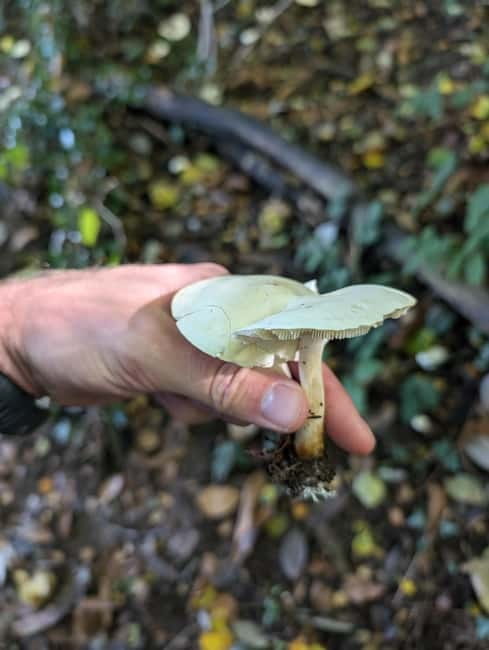
- Teaching support via mushroom and invertebrate identification guides
- Focused history time around Bigbury Camp
- A structured shinrin-yoku approach to forest attention
- A tea/coffee break included
If you’ve ever done a self-guided woodland walk, you know the difference. Self-guided is free, but you often miss what matters. Here, the guide helps you notice living things you’d otherwise walk past. That’s the value: turning passive scenery into an experience you can name and remember.
It’s also good value because the tour fits into normal touring schedules. Two hours is a manageable slot in Kent, and it ends back at Chartham Hatch Village Hall, so you can plan your next activity without complicated logistics.
Who this tour suits best
This tour is a strong match if you:
- Like nature walks but want help identifying what you see
- Want a calm experience without sitting still the whole time
- Enjoy history that’s tied to the places you walk through
- Are curious about shinrin-yoku and want a gentle, guided way to try it
- Travel with families who can handle a moderate walk (it’s not suitable for children under 5)
It’s probably not the best choice if you:
- Need wheelchair-friendly access (it’s not suitable for wheelchair users)
- Have mobility impairments that make muddy, moderate walking difficult
- Want public toilets or indoor backup if the weather changes quickly
Should you book this Pilgrim’s Way and Bigbury Camp nature tour?
I think you should book it if your ideal Kent day includes slow nature noticing, plant and mushroom learning, and a bit of history you can connect to the ground under your boots. The inclusion of identification guides, plus a tea or coffee break, makes it feel like a guided experience rather than a paid walk with no structure.
Skip it if you’re looking for heavy sightseeing, easy accessibility, or long stops for photos only. This is a guided nature outing with moderate walking, and the best results come when you’re ready to look closely and pause often.
If you’re the type who enjoys both quiet and curiosity, this one’s a smart use of your time in Kent.
FAQ
How long is the Pilgrim’s Way & Bigbury Fort guided nature tour?
The tour lasts 2 hours. You’ll need to check availability to see starting times.
Where does the tour start and end?
It starts at Chartham Hatch Village Hall, with free parking in the village hall carpark. It ends back at the same meeting point.
How much does it cost?
The price is $20.20 per person.
What’s included in the ticket price?
The ticket includes a guided tour of Blean Woods, identification guides for mushrooms and invertebrates given at the start, and a tea or coffee break.
Do I need to arrange transportation?
Transportation to and from Blean Woods is not included, so you’ll need your own way to get there.
What should I wear for the walk?
Wear comfortable shoes. Depending on conditions, wellies or sturdy hiking boots are recommended. Trainers will most likely get muddy.
Are there public toilets during the tour?
No public toilets are available.
Is this tour suitable for young children or accessibility needs?
It’s not suitable for children under 5. It’s also not suitable for people with mobility impairments or for wheelchair users.