REVIEW · LONDON
London: British Museum Archaeology Course and Guided Tour
Book on GetYourGuide →Bookable on GetYourGuide
Archaeology feels real at the British Museum. This 5.5-hour archaeology course and guided tour turns the museum from a stack of rooms into a story you can follow, from early tools to major empires. You’ll connect famous objects to the methods that explain them, including how scholars decipher ancient writing.
Two things I love: you get a tour led by an archaeologist guide (Rossa gets repeatedly mentioned for holding a 13-year-old’s attention), and you learn the “how we know” behind the objects, not just the “what.” One consideration: the tour is information-heavy, so wear comfortable shoes and expect to do a lot of walking and standing for 5.5 hours.
In This Review
- Key Highlights You’ll Feel During This Tour
- Why This Archaeology Course Beats a Random Museum Day
- Starting at Russell Square: Quick to Find, Easy to Begin
- Inside the British Museum: A Timeline You Can Actually Follow
- The Writing Lesson: How Hieroglyphs and Cuneiform Get Decoded
- Archaeology Science, Explained in Plain English
- Ancient Everyday Life: Playing the Royal Game of Ur
- Time, Walking, and Breaks: How to Stay Comfortable
- Price and Value: What You’re Really Buying for $81
- Who Should Book (and Who Might Prefer Something Else)
- After the Tour: How to Use Your New Museum “Map”
- Should You Book This British Museum Archaeology Tour?
- FAQ
- Where is the meeting point?
- How long is the tour?
- Is museum entrance included?
- Do I need to bring lunch?
- What should I wear or bring?
- Are bags allowed?
- Will I be able to skip the lines?
- What language is the tour in?
- Is it suitable for limited mobility?
- What happens if my plans change?
Key Highlights You’ll Feel During This Tour
- Expert archaeologist-led pacing that makes world history chronological and understandable
- Hands-on-style learning about deciphering hieroglyphs and Sumerian cuneiform
- Real museum highlights tied to methods and evidence, not just sightseeing
- Royal Game of Ur played in the museum, connecting archaeology to everyday life long ago
- Archaeology science explained: how things get buried and how objects are dated
- Skip-the-line access via a separate entrance, saving time in a busy museum
Why This Archaeology Course Beats a Random Museum Day
I like museums most when they teach me how to look. This tour does that. Instead of you wandering room to room and hoping the right labels catch your eye, the guide builds a path that links objects to bigger ideas.
You’ll follow the human story across time, with clear stops in major themes: early origins, the first cities in Mesopotamia, and the big powers that shaped the Mediterranean world and beyond. And then the tour shifts from “what happened” to “how archaeologists figure it out.” That’s the part that makes it feel different.
The best value angle here is simple: the British Museum entrance is free and included, so what you’re paying for is the structured course brain—an expert guiding your attention to the evidence.
Starting at Russell Square: Quick to Find, Easy to Begin
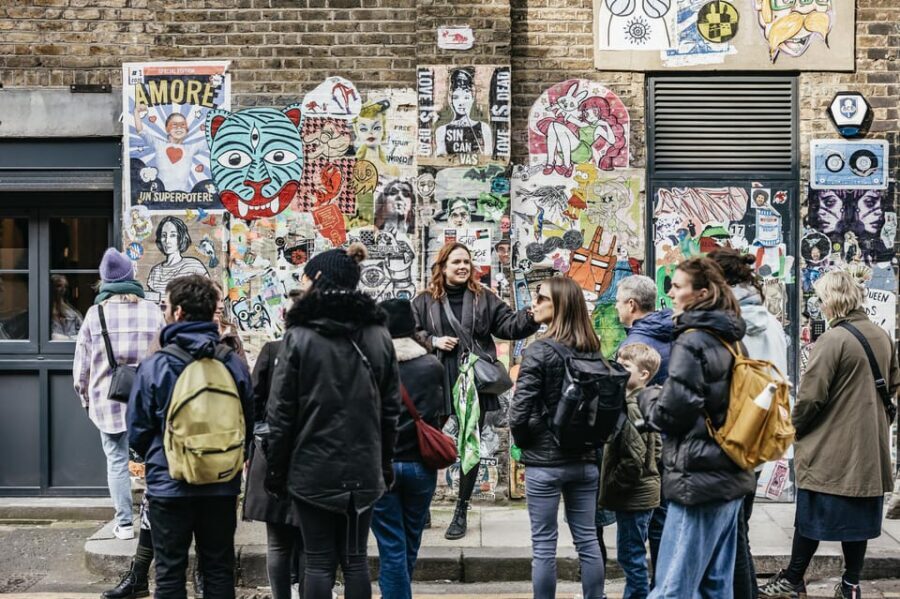
You meet outside Russell Square Station, and your guide holds an iPad with the local partner name showing on the screen. Plan to arrive about 10 minutes early so you don’t start the day stressed.
From there, you’re on foot for about five minutes to the British Museum. This matters more than it sounds. A short approach means you spend more of your paid time actually inside, not wandering streets trying to orient yourself.
Also note the tour includes a break. In a museum this large, even one organized pause makes the whole 5.5-hour experience feel more human.
Inside the British Museum: A Timeline You Can Actually Follow
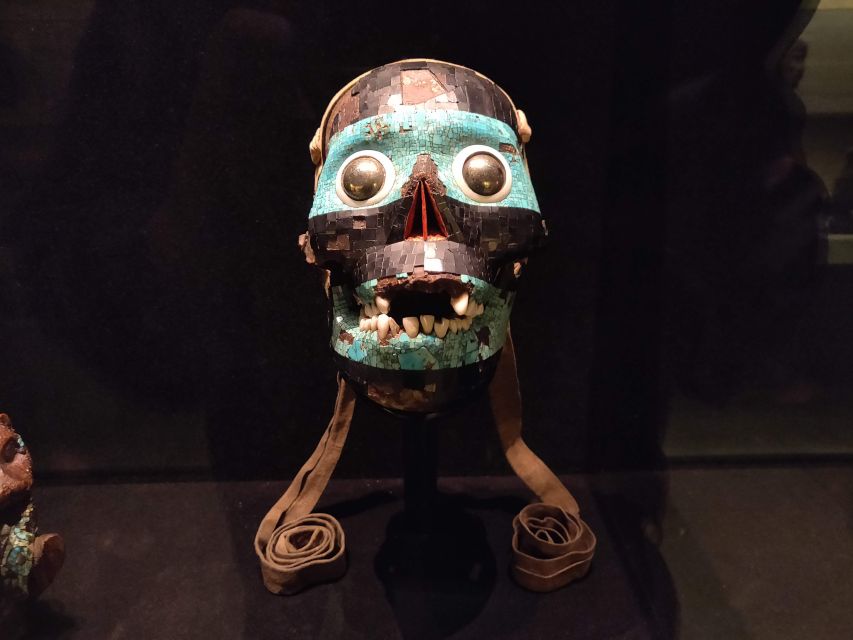
The tour takes you through the museum’s major galleries and turns them into checkpoints on a historical timeline. You’ll move through themes and collections that cover:
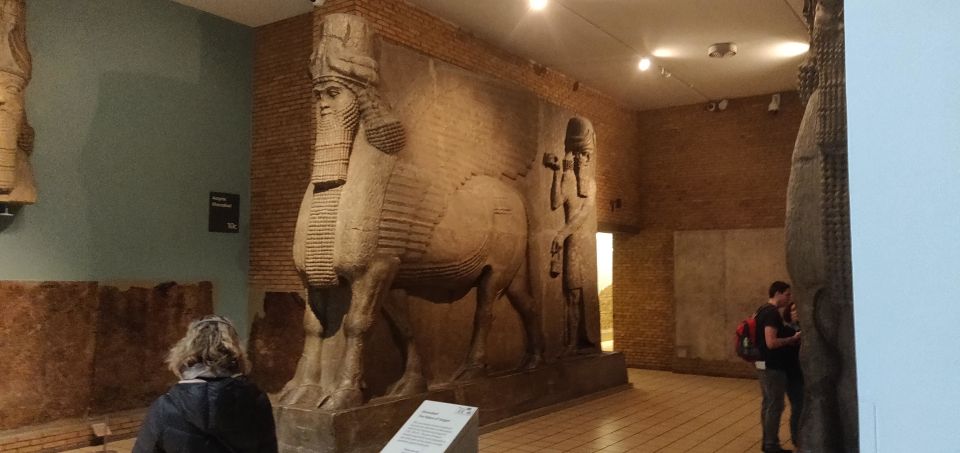
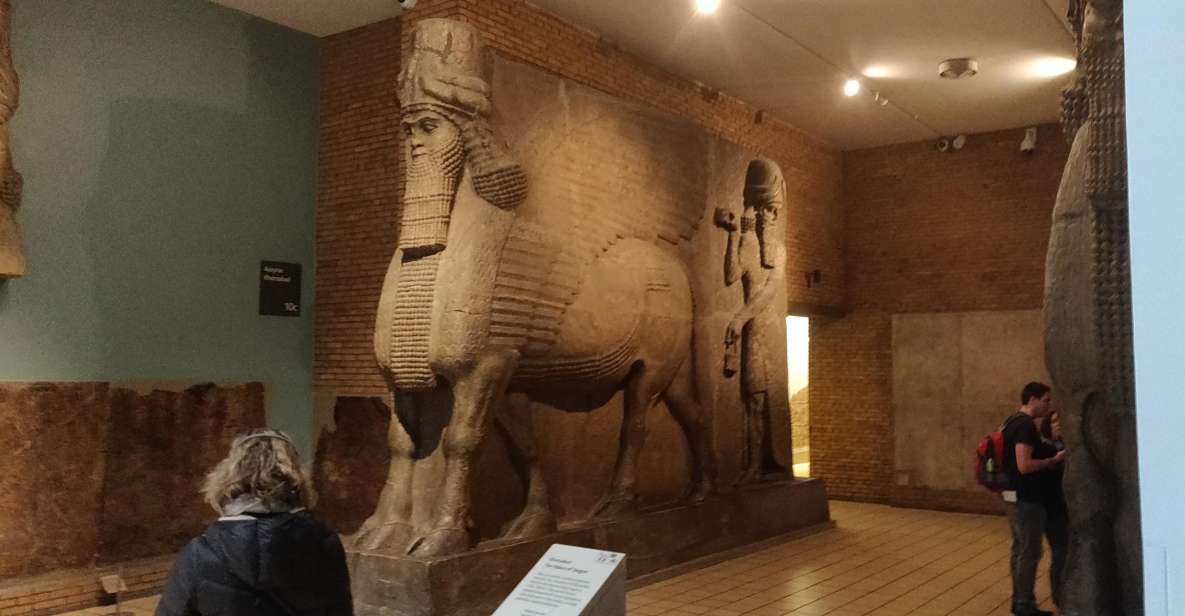
- Ancient Egypt and Assyria
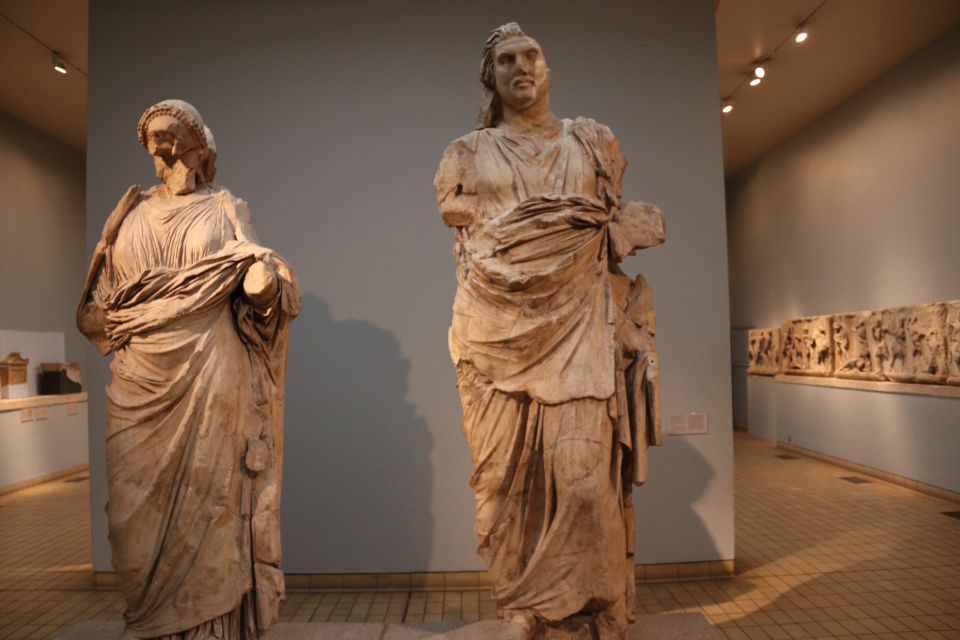
- Ancient Greece and Rome
- Viking material
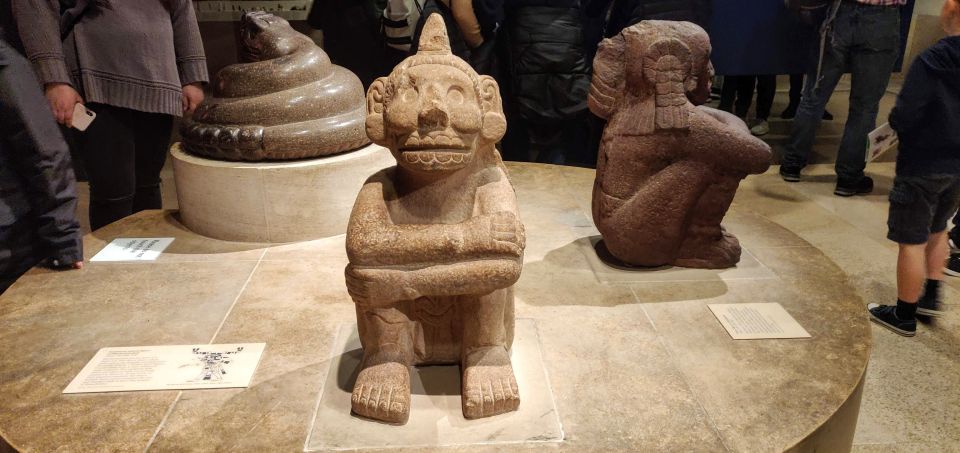
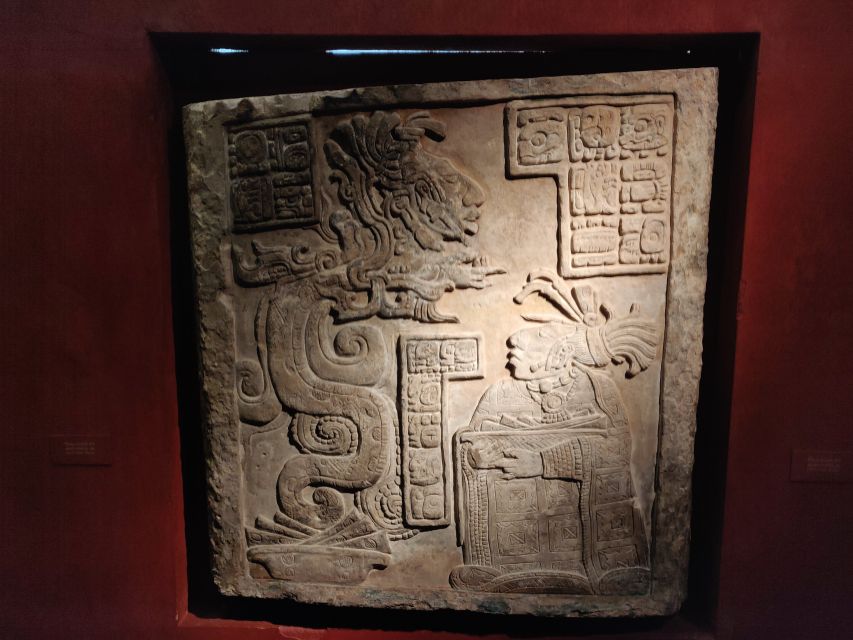
- Aztec objects
What makes this useful is that the guide doesn’t treat these rooms like unrelated side quests. You get connections across geography and time—how innovations spread, how empires rise, and what happens when systems collapse.
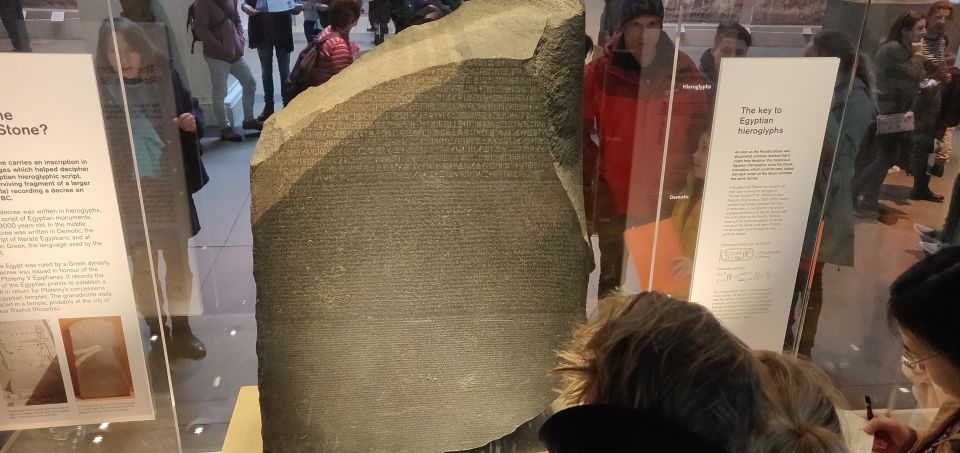
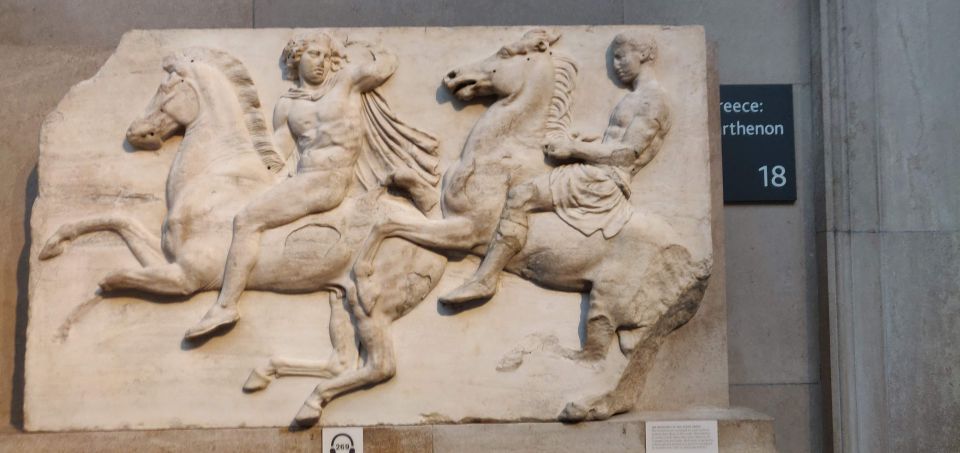
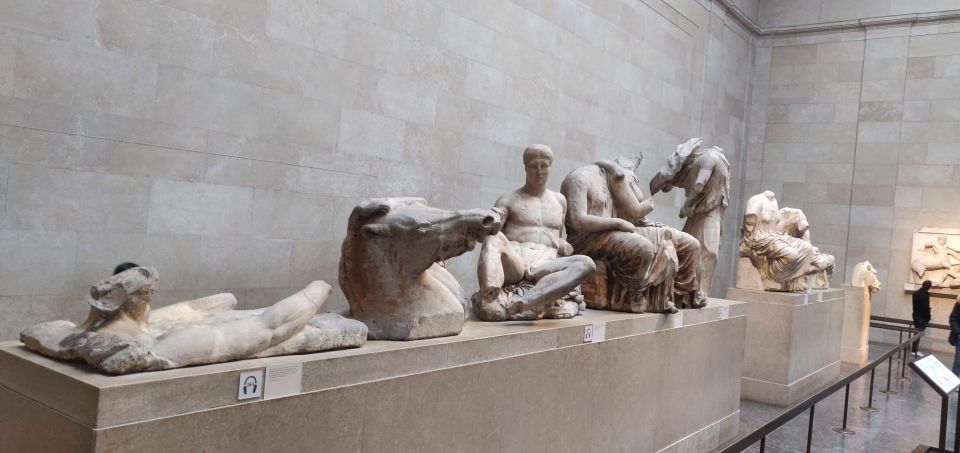
You’ll also see big-name artifacts brought into context, including the Rosetta Stone, the Parthenon Marbles, the Sutton Hoo Helmet, and the Lewis Chessmen. The point isn’t that these objects are famous. It’s that each one is a key example of evidence—what survives, what was found, and what can be inferred from it.
A small but important reality check: the British Museum is enormous. A 5.5-hour tour can’t cover “everything.” What it can do well is show you what to notice and how to interpret it, so you don’t feel like you just grazed the surface.
The Writing Lesson: How Hieroglyphs and Cuneiform Get Decoded
If you’ve ever wondered how anyone figured out ancient languages, this tour makes that question central.
You’ll learn about the breakthroughs behind deciphering Egyptian hieroglyphs and Sumerian cuneiform. Even if you’re not a language person, this part works because it’s explained as a detective story: scholars had fragments of information and used comparative clues to reconstruct meaning.
And yes, the Rosetta Stone gets woven into that theme—not as a shiny trophy behind glass, but as a turning point in understanding how writing can be interpreted. You’ll leave with a better sense of why decipherment is so important for archaeology. Without readable text, many details about politics, religion, and everyday life stay buried in mystery.
Archaeology Science, Explained in Plain English
This tour doesn’t stop at artifacts. It also teaches the archaeology “toolkit.”
You’ll get clarity on how ancient sites end up buried—because that’s where preservation comes from. Then you’ll learn how objects are dated and how archaeologists build timelines from evidence.
The practical value here is huge for museum visitors. Once you understand dating and context, the labels start to feel like reasoning, not trivia. You’ll be better at asking questions like:
- What clues helped narrow the time period?
- What does the object’s material tell us?
- What might be missing because we don’t always recover whole contexts?
There’s also room for the ongoing mysteries. Archaeology isn’t “solved forever.” You’ll hear how some puzzles still puzzle people—because evidence isn’t always complete, and interpretation evolves.
Ancient Everyday Life: Playing the Royal Game of Ur
One of the most fun parts of the day is the stop where you play the Royal Game of Ur. The rules were deciphered by British Museum scholars, which is a neat loop back to the writing-and-evidence theme.
This isn’t a random gimmick. It’s a way to feel how archaeology connects to culture, not only kings and battles. A board game is a slice of daily life—simple, repeatable, and often easier to relate to than formal inscriptions.
For families, this section can be the energy reset. For adults, it’s a reminder that the past wasn’t just monuments. It was people having fun, learning, competing, and passing time.
Time, Walking, and Breaks: How to Stay Comfortable
This is a 5.5-hour tour inside one of the world’s biggest museums. Even with organized pacing, you should prepare for standing and moving.
A few practical tips I’d follow:
- Wear comfortable shoes. You’ll thank yourself later.
- If you want to sit during breaks, look for a portable stool at the entrance area. Some people also mention a folding chair option early on.
- Plan for lunch, since it’s not included. You can bring a packed lunch or use the museum’s food outlets.
- Bring enough water for the day. It’s London, and you don’t want your “history stamina” to crash.
Also, on busier days, having a guide who can project clearly makes a difference. The good news is that the tour is paced so the group can hear and follow along, even when the museum is crowded.
Price and Value: What You’re Really Buying for $81
At about $81 per person for a 5.5-hour guided archaeology experience, the value comes from three things:
- You pay for expertise, not just access. Museum entry is free and included.
- You’re getting a structured route through key galleries instead of guessing what matters most.
- You’re getting the “methods” education: decipherment, dating, evidence, and reasoning.
If you were to do this on your own, you’d probably end up doing one of two things: either you rely on guide signs and miss the bigger ideas, or you spend time reading lots of material with no clear pathway. This tour gives you the pathway and then teaches you how to think about what you’re seeing.
Is it cheaper to DIY? Often, yes. Is it more efficient for learning? That’s where this tour tends to win.
Who Should Book (and Who Might Prefer Something Else)
This tour fits best if you like:
- Big historical context that stays chronological
- The science side of archaeology—how we date and interpret objects
- Kids who get restless with long lectures (the guide approach here is built to keep attention)
- Seeing famous objects with explanations tied to evidence
If you’re the type of visitor who wants total freedom to wander slowly and read everything in your own time, you might feel slightly constrained. But if your goal is to understand how the British Museum collection makes sense, this is a smart way to start your visit.
After the Tour: How to Use Your New Museum “Map”
One advantage of learning the “how” is that it makes your later time easier. Once you’ve got the timeline in your head and you understand dating/decipherment basics, you’ll be able to wander and actually connect rooms.
You’ll also be ready to choose where to go next because you’ll know what types of objects matter for different questions. And you’re less likely to miss the museum’s famous items because the guide has already set you up to recognize them.
If you still want to do some independent exploring, grab a free map at the entrance area and use the tour route as your starter outline.
Should You Book This British Museum Archaeology Tour?
Book it if you want a guided experience that teaches you the methods behind the artifacts—especially if you’re curious about how writing was decoded and how archaeologists date and interpret what they find. The $81 price makes sense here because you’re paying for an expert route through the collection plus learning that sticks.
Skip it if you mainly want quiet browsing, or if you hate standing/walking in a large museum environment. This tour is built for momentum and explanations, not slow drifting.
If you’re visiting London and the British Museum is on your list, this is one of the best ways to make that visit feel like more than just a day of looking.
FAQ
Where is the meeting point?
Meet your guide outside Russell Square Station. The guide will be holding an iPad with the name of the local partner displayed.
How long is the tour?
The duration is 5.5 hours.
Is museum entrance included?
Yes. Entrance is free and included in the tour price.
Do I need to bring lunch?
Lunch isn’t included. You can bring a packed lunch or use food options inside the British Museum.
What should I wear or bring?
Wear comfortable shoes. Bring what you need to stay comfortable during several hours inside the museum.
Are bags allowed?
Luggage or large bags are not allowed.
Will I be able to skip the lines?
Yes. The tour includes skip-the-line access through a separate entrance.
What language is the tour in?
The live tour guide delivers the tour in English.
Is it suitable for limited mobility?
The tour is listed as suitable for people with limited mobility. If you have special requirements, you should contact them.
What happens if my plans change?
There is free cancellation up to 24 hours in advance for a full refund, and you may be able to reserve and pay later.