REVIEW · SOUTHAMPTON
Private Southampton Walking Tour
Book on GetYourGuide →Operated by Travelusion · Bookable on GetYourGuide
Southampton has more history than you’d guess. This private walking tour strings together the town’s big moments—from the Middle Ages to the Second World War—so you start seeing the city as a living timeline. I love the small-group flexibility (you can set the pace, ask questions, and adjust the route), and I also love how the guide storytelling connects monuments you might otherwise walk past to the people and events behind them. One possible drawback: it’s still a 1.5-hour, all-walking experience, so comfortable shoes matter.
You’ll begin at the Bargate, meet your guide near the lion statue, and then move through key sights tied to Southampton’s port legacy. The route covers the City Walls, the Tudor House, several churches, the Mayflower memorial, and Titanic-related locations, with time for local heroes and the town’s tougher chapters too. If you’re expecting ticketed museum stops or lots of indoor time, you’ll want to know this tour has no entries included.
In This Review
- Key things to love about this Southampton walking tour
- Southampton History Starts at the Bargate Lion Statue
- Middle Ages to WWII: The Route Feels Like a Timeline
- City Walls and Tudor House: Architecture That Explains Power
- Churches, Local Heroes, and the Town’s Real Character
- Mayflower Memorial and Titanic Sites: Maritime Stories You Can Follow On Foot
- Tour Logistics That Make It Easy to Say Yes
- Who This Southampton Walk Suits Best
- Should You Book This Southampton Walking Tour?
- FAQ
- FAQ
- How long is the Southampton walking tour?
- Where do we meet the guide?
- Is this tour private?
- What sights will we see during the walk?
- Are tickets or entry fees included?
- Does the tour run in bad weather?
- What languages are the guides available in?
- Is the tour wheelchair and pet friendly?
Key things to love about this Southampton walking tour
- Bargate lion meeting point: easy start, right in the thick of the old-town story
- You set the pace: the itinerary adapts to your comfort and questions
- Big landmarks, no museum tickets: walls, Tudor House, churches, plus Mayflower and Titanic sites
- Guides who tell it like a story: you may hear vivid, passionate narration from guides such as James, Michelle, or Lillian
- Worth it even with kids: short enough to stay fun, long enough to feel like you learned something real
- Mostly flat walking: it’s designed to be manageable on foot, with mobility-friendly support
Southampton History Starts at the Bargate Lion Statue
When a tour begins at the Bargate, you already know you’re in the old part of town. This meeting point is simple to find and it sets the right tone: fortifications and architecture first, then the human stories that shaped Southampton. You meet by the lion statue at the Bargate, and from there you’ll walk out into the places that explain how Southampton became such an important port.
I like that the tour doesn’t pretend you need to sprint between stops. The guide will walk at your pace and amend the itinerary based on what feels comfortable for you—whether that’s slowing down for photos, lingering at a church, or skipping something if you’ve got limited time or energy. That pacing flexibility shows up again in the way people describe the experience: it’s taught like a conversation, not a march.
You’ll also get a bit of “local brain” built into the walk. Guides provide tips for places to visit on your own, plus recommendations for food and drink. That matters because once you know the historical spine of the city, it’s easier to choose where to spend your remaining hours.
One more practical point: there’s no hotel pickup. You’re expected to meet your guide at the Bargate, and drop-off can be flexible though it’s normally a central location. If you like tight logistics, this is refreshingly straightforward.
You can also read our reviews of more walking tours in Southampton



Middle Ages to WWII: The Route Feels Like a Timeline
The tour’s main value is how it connects eras. Southampton is one of those cities where modern streets sit right beside older layers, and it can be hard to sort it out without context. Here, the guide builds a chain from the Middle Ages through the Second World War, so you’re not just collecting facts—you’re understanding how the city changed.
That “timeline” effect is exactly why the tour works well for different kinds of travelers. If you’re curious about medieval fortifications, you’ll get the City Walls and the sense of why this place mattered. If you’re more interested in maritime turning points, the Mayflower memorial and Titanic-related sites give you the seafaring side. And if you’re history-inclined but want to ask questions, you’ll have space to do that.
Several guide styles show up in the feedback, and they point to the same strength: the narration tends to be story-driven. People praised guides like James for making connections and for his enthusiasm, and others highlighted the engaging, passionate delivery they experienced with guides such as Michelle or Lillian/Lily. You’ll likely feel that the guide doesn’t just recite dates; they focus on why each site exists and what kind of life the people around it lived.
The tour also includes “local heroes” and the turbulent past of the city. That’s important because Southampton’s story isn’t only pageantry. Port towns deal with conflict, hardship, change, and big waves of movement—so the tour doesn’t flatten everything into an easy postcard version.
As for the pacing across history: with only 1.5 hours, the goal isn’t to cover every chapter in full. It’s more like you’re getting the spine of the story, then you’re left with enough names, places, and themes to follow up on your own.
City Walls and Tudor House: Architecture That Explains Power

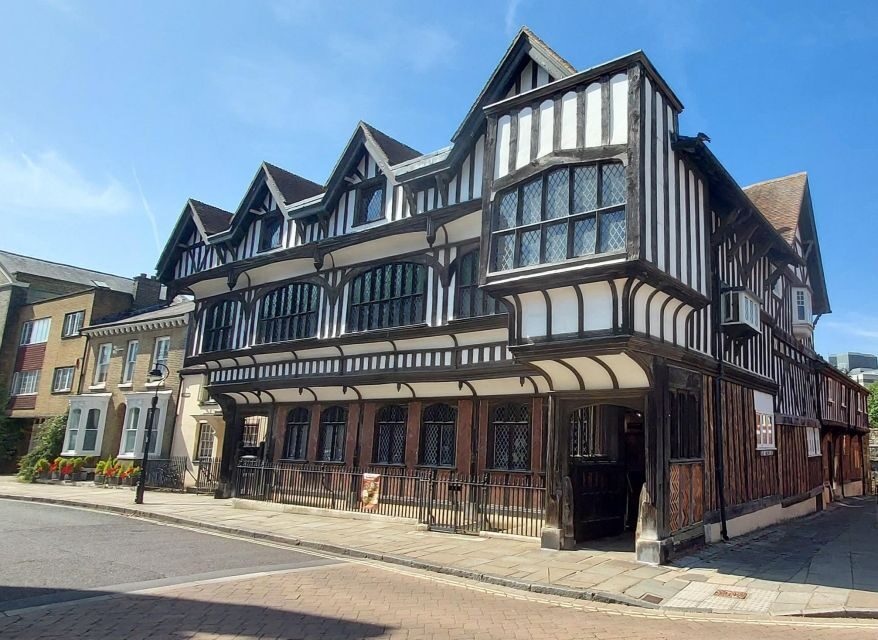
You’ll see some of Southampton’s most important monuments along the way, including the City Walls and the famous Tudor House. Even if you’re not the type who reads every plaque, these stops work because they show how Southampton organized itself—where people could defend, where status lived, and how the built environment shaped daily life.
The City Walls are the kind of place where your brain instantly switches on. You can look at the scale and location and start asking practical questions: Why is it there? Who would it protect? What did it mean for a busy port? A walls-and-gates tour usually sounds dry, but here it tends to get animated by the guide’s storytelling—especially when the guide can tie the architecture to the town’s real ups and downs.
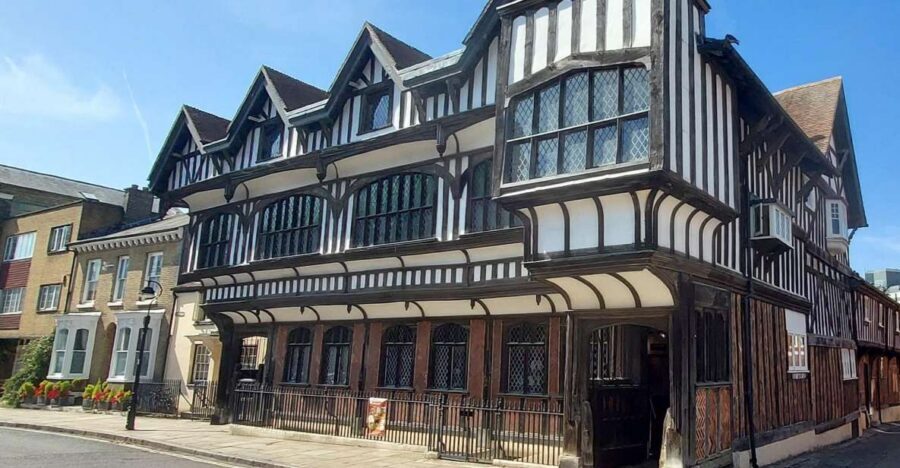
The Tudor House adds a different flavor. Tudor-era buildings can feel “small” until you remember they stood in a place that kept changing. This stop helps you understand that Southampton didn’t become historically important overnight; it built layers over centuries. You’ll get a stronger sense of continuity—how a port town grows and reshapes without ever fully starting from scratch.
I also like that the route includes churches. Churches can feel like background scenery in other itineraries, but in this kind of history walk, they act like anchors. You can point at them and say, This is where community life gathered, where beliefs were practiced, where the past can still be felt in the present street view.
A practical note: the tour is walking-only and does not include entries. Still, people have described getting into a church when access is available, which can be a nice bonus. Just don’t count on every stop being open in the same way every day—plan for “outside viewing” as your baseline.
Churches, Local Heroes, and the Town’s Real Character
Some tours just hit the famous landmarks and move on. This one spends enough time on churches and local stories that Southampton starts to feel like a place with people, not just a list of sights.
The churches you’ll see aren’t included as an afterthought. They fit the larger theme of Southampton’s long timeline—community structures that helped define local identity through centuries of change. If your guide has the kind of storytelling style described by multiple visitors, you’ll probably get answers to questions you didn’t even think to ask, like why a particular church matters in the bigger Southampton story.
The “local heroes” element is a standout. It pushes the tour beyond national history and makes it more personal. Instead of thinking only in terms of big ships and big disasters, you’re nudged toward the individuals and communities that shaped day-to-day resilience.
This is where the private format really pays off. Because it’s private, you can adjust your focus. Want more about specific eras? You can steer the conversation. Want to keep it kid-friendly? The guide can shift the tone to match your group. Feedback repeatedly notes that the tour works well for both kids and adults, which usually means the pacing and explanations are built to be understandable without being dumbed down.
You’ll also appreciate the route’s manageability. One review specifically noted the walk was pleasant and flat, and the tour’s design is described as mobility friendly. That doesn’t remove the reality of 1 hour 30 minutes of walking, but it suggests the physical strain is not the main event here.
Mayflower Memorial and Titanic Sites: Maritime Stories You Can Follow On Foot
Southampton’s maritime connections are a big reason visitors come. This tour doesn’t treat those connections like trivia; it treats them like threads that connect different centuries.
You’ll visit the Mayflower memorial and also stop at locations connected to the Titanic. Even if you only know these stories in broad strokes, the guided walk helps you locate them in the city. That’s key: seeing a memorial in context makes it easier to remember, and it’s often more meaningful than learning from a book and never connecting it to actual street geography.
The Titanic-related part is especially important for Southampton identity. Port towns become famous when they’re part of world events, and Southampton is one of those places where global history leaves physical markers. When the guide connects the local setting to the wider story, you get a better sense of why the city’s name shows up in so many international conversations.
The Mayflower memorial adds another maritime angle. Whether you’re drawn to early settlement stories or you simply want to understand why Southampton’s port mattered across different time periods, this stop helps round out the picture. It shows how Southampton’s role as a ship and travel hub spans far beyond any single event.
If you’re a “walk it and learn it” person, this is where that style shines. You’re not stuck staring at a single statue and moving on. You’re moving between key points, so the city becomes a map of what you’re learning.
You can also read our reviews of more private tours in Southampton

Tour Logistics That Make It Easy to Say Yes
This is a private group walking tour lasting 1.5 hours. The price is $31 per person, and the value depends on what you want from the experience. If your goal is a guided orientation plus a historical story that makes monuments make sense, this price feels reasonable. You’re paying for a guide, a tailored route, and thoughtful context—without entry fees adding up.
If you’re comparing it to tours that include museums, this one is different: no entries are involved. That’s not a downside if you’re more interested in seeing and understanding. It can even be an advantage in bad weather, since you’re not forced into places you didn’t plan for. But if your ideal tour is mostly indoors, you might find it less aligned.
Weather is straightforward: the tour runs rain or shine, unless conditions are dangerous. That means you’re never waiting around for perfect sunshine. Just bring rain protection and expect the city streets to be a little slick if it’s wet.
Group size also matters. Because it’s private, you get a lower-pressure environment. You can ask questions without feeling like you’re holding up a large bus tour schedule. Multiple notes mention that the guide will accommodate needs, including going at your pace.
Languages are English and Spanish, which is great if you want that option for smoother communication. And yes, the tour is described as pet friendly and wheelchair accessible, which is unusual for some walking-focused city tours. You’ll still be on your feet for most of the time, but it suggests the route design and handling are mindful.
Who This Southampton Walk Suits Best
This tour is a strong fit if you want:
- A first visit to Southampton that gives you context fast
- History that’s told in human terms, not just dates
- A manageable length that won’t eat your whole day
- A guide who can adjust the walk for questions and comfort
It’s also a good choice if you’re traveling with kids. People highlighted that it works well for both children and adults, and at 1.5 hours, you’re less likely to hit the “we’re bored” wall that can happen on longer history walks.
If you’re a mobility-conscious traveler, it’s worth considering because the tour is labeled wheelchair accessible and the walk is described as flat and easy to pace. Still, bring reasonable expectations: it’s entirely a walking tour, so you’ll cover about that 1.5-hour distance.
If you’re a Titanic or Mayflower fan, this is a practical way to connect those themes to real streets and monuments. You’ll see the relevant memorial and Titanic-related points in a route that also includes the older medieval foundation of the city.
If you’re someone who hates walking tours, though, you may feel constrained by the format. The tour isn’t trying to solve that problem; it’s embracing it.
Should You Book This Southampton Walking Tour?
I’d book it if you want a smart introduction to Southampton that balances major monuments with real town character. The biggest reasons to say yes are the pace flexibility, the guide storytelling described as passionate and engaging, and the way the walk stitches together Middle Ages, Tudor-era architecture, churches, local heroes, and maritime history in just 1.5 hours.
I’d skip or rethink it if you’re only looking for indoor attractions or if you’re unwilling to spend that long on foot. Also, if you’re the type who wants a ticketed, attraction-heavy day, the “no entries involved” format means you’ll be mostly sightseeing outdoors.
If you’re deciding between a generic overview and a tailored history walk, this one leans toward the better kind of orientation: you leave with a mental map and a story thread you can follow on your own.
FAQ
FAQ
How long is the Southampton walking tour?
The tour lasts 1.5 hours, and it is entirely a walking experience.
Where do we meet the guide?
You meet at the Bargate, waiting by the lion statue.
Is this tour private?
Yes. It’s a private group tour.
What sights will we see during the walk?
You’ll see key monuments including the City Walls, the Tudor House, different churches, the Mayflower memorial, and locations related to the Titanic.
Are tickets or entry fees included?
No entries are involved in this tour, and nothing is listed as an included admission.
Does the tour run in bad weather?
It runs in rain or shine unless the weather is dangerous.
What languages are the guides available in?
The live guide is available in English and Spanish.
Is the tour wheelchair and pet friendly?
Yes. It’s described as wheelchair accessible and pet friendly.