REVIEW · LONDON
Roman Ruins to Blitz Bombings: London’s Fiery History
Book on GetYourGuide →Bookable on GetYourGuide
London’s past walks beside you. This compact, small-group route through the City of London strings together Roman ruins and centuries of power, from Londinium to the Tower’s darkest chapters. You’ll learn why parts of the ancient city still show through the modern streets.
What I like most is how the route turns famous landmarks into a clear timeline you can actually follow. Stops such as the Roman Wall of Londinium, London Stone, and the Bank of England get explained in plain, street-level terms, and you don’t need museum tickets to enjoy the core experience. I also like the guide approach—people (including Tom) are praised for clear delivery, good humour, and answering lots of questions without making it feel like a lecture.
One thing to consider: this is a 2-hour walk with about 2.5 miles of pavement, so comfortable shoes matter more than you’d think, especially if the weather is cool or damp.
In This Review
- Key highlights worth marking on your map
- A 2-hour loop that makes the City of London click
- Starting outside Tower Hill: set your bearings fast
- Roman Wall of Londinium: seeing Rome without crossing a country
- Tower of London: where power, fear, and politics collide
- St Dunstan in the East Church Garden: the quiet middle you’ll remember
- The Monument to the Great Fire: measuring catastrophe in stone
- London Stone and the Lord Mayor: civic power on the street
- Bank of England: the vault story and what you learn from it
- Guildhall and St Paul’s Cathedral: authority and rebuilding in one view
- Ye Olde Cheshire Cheese: a perfect end point that feels like London
- What you’re really paying for: $26 and the value of expert storytelling
- Who this tour suits best (and who should adjust expectations)
- Pace, shoes, and staying comfortable
- Should you book this Roman-to-World-War walk?
- FAQ
- Where does the tour start?
- Where does the tour end?
- How long is the walking tour?
- How far do you walk?
- What’s the group size?
- What’s included in the price?
- What is not included?
- What language is the live guide?
- What should I bring?
- Is free cancellation available?
- Can I reserve without paying right away?
Key highlights worth marking on your map
- Roman Wall of Londinium in the middle of modern London, so the past feels close.
- Tower of London stories that focus on the frightening, political side of history.
- Fire-and-war survival themes, from the Great Fire moment to later conflicts.
- London Stone and the Lord Mayor’s old role, tying civic power to the streets.
- Bank of England vault lore, delivered as a fun cautionary tale rather than a dry lesson.
- A small group (15 max), which helps you ask questions and actually hear the answers.
A 2-hour loop that makes the City of London click
This tour is built for momentum. In about two hours you cover roughly 2.5 miles and hit a concentrated cluster of places that usually require planning across different neighborhoods. The trick is that the guide connects the dots for you—who controlled the City, what changed after major disasters, and why those changes are still visible if you know what to look for.
I like that it stays street-level. You’re not stuck hunting for interior exhibits, and you’re not forced into museum time. Instead, you learn how the City’s identity shifts across Roman London, medieval rule, and later rebuilding efforts—so you leave with a mental map, not just photos.
And because ticket sales are limited to fifteen, the pacing feels human. It’s the kind of small-group format where the guide can answer odd questions without the tour turning into a one-way speech.
Starting outside Tower Hill: set your bearings fast
You begin outside Tower Hill Station. Aim for the exit area and find your guide standing at the base of the steps leading up to the sundial, holding an Historic London Tours sign.
This matters more than it sounds. Tower Hill puts you right next to the places people often talk about but don’t understand in sequence. Starting here helps the tour explain early London before it gets to the medieval power centers, so the Tower of London doesn’t feel like it pops out of nowhere.
Tip: if you’re arriving from elsewhere, give yourself a few extra minutes. The meeting point is straightforward, but you’ll have a smoother start if you’re not speed-walking while trying to spot the sign.
Roman Wall of Londinium: seeing Rome without crossing a country
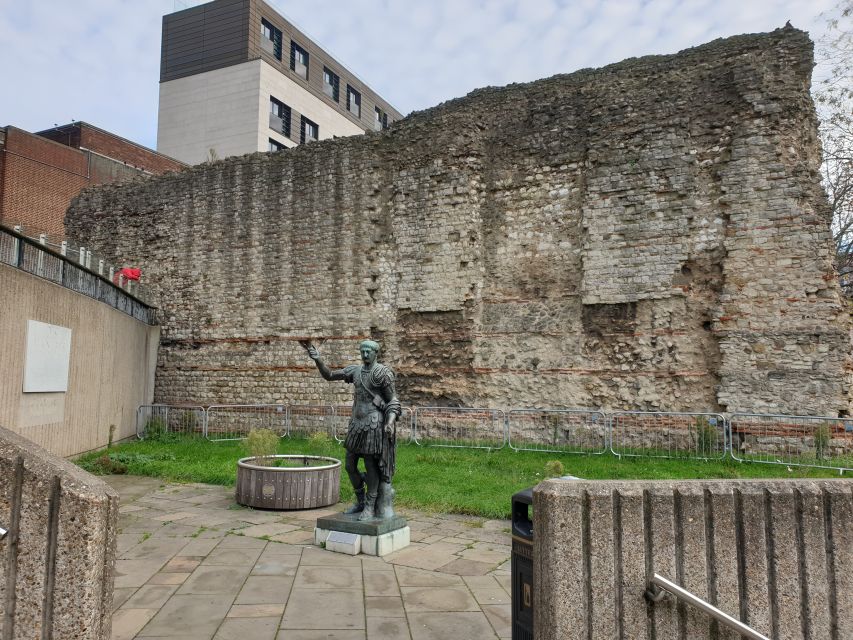
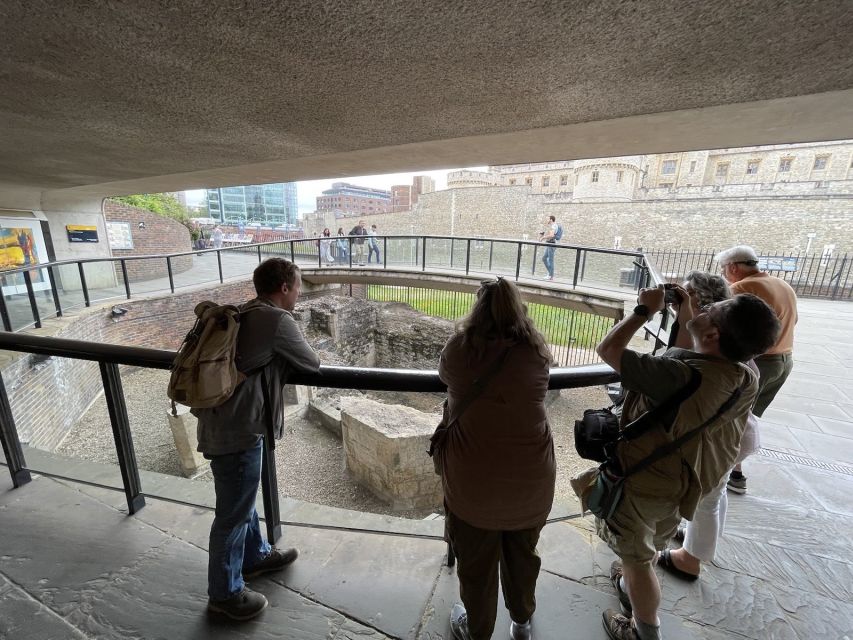
One early stop is the Roman Wall of Londinium. Even if you’ve heard of Roman London, this is the part that makes it real—because you’re looking at evidence while standing in the modern City.
The guide doesn’t treat Rome like a distant chapter. Instead, you learn what the City was like two thousand years ago and why the area still matters today. The most useful angle here is perspective: you stop thinking of London as one continuous city and start seeing it as layers, with Roman foundations influencing later street logic and building locations.
A quick note on expectations: because this is a walking tour, you’re getting “what you can see outside” rather than a museum-grade Roman collection. That’s also the charm. You get the thrill of identifying remnants in the middle of everyday London life.
Tower of London: where power, fear, and politics collide
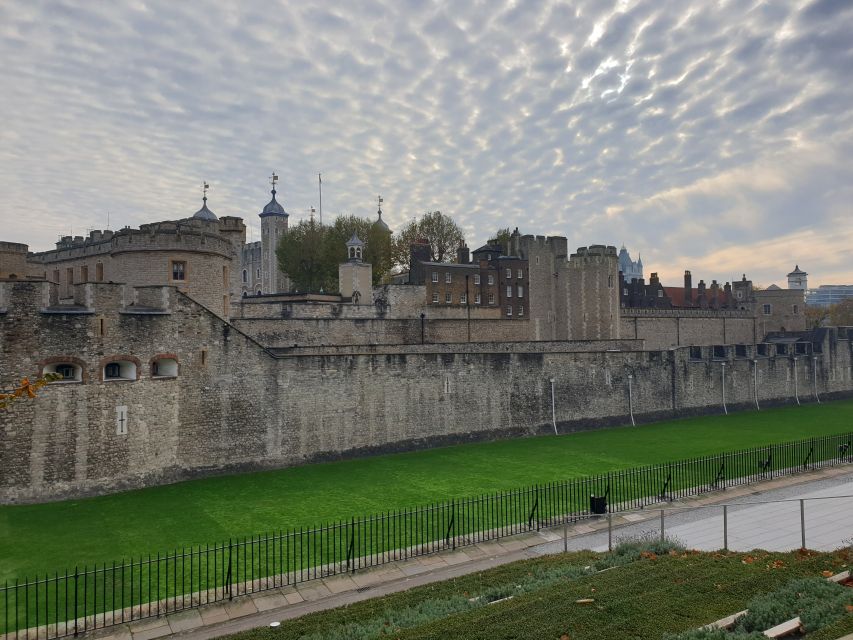
Next up is the Tower of London, and the tone shifts. This isn’t just about royal names—it’s about control, punishment, and the consequences of being on the wrong side of power.
This is where you’ll hear about the Tower’s sinister and bloody past, and how those stories shaped what people imagined about the Crown for centuries afterward. You also get the ghostly angle: the tour includes a stop where you learn about Anne Boleyn’s ghost, and that supernatural thread works because it’s tied to real fear and real history.
Another standout theme is how the guide links later figures and myths to the same power space. You’re not just hearing what happened—you’re learning why the stories stick around. And because the group is small, the guide has time to answer follow-ups instead of rushing forward.
If you like your history with edges—courts, conspiracies, and people paying for mistakes—this stop will feel like the tour’s dramatic center.
St Dunstan in the East Church Garden: the quiet middle you’ll remember
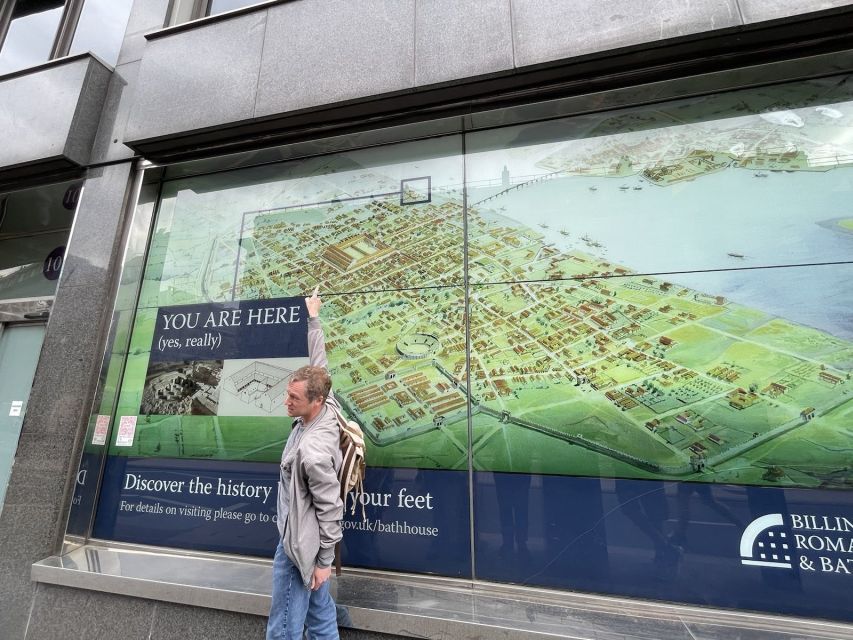
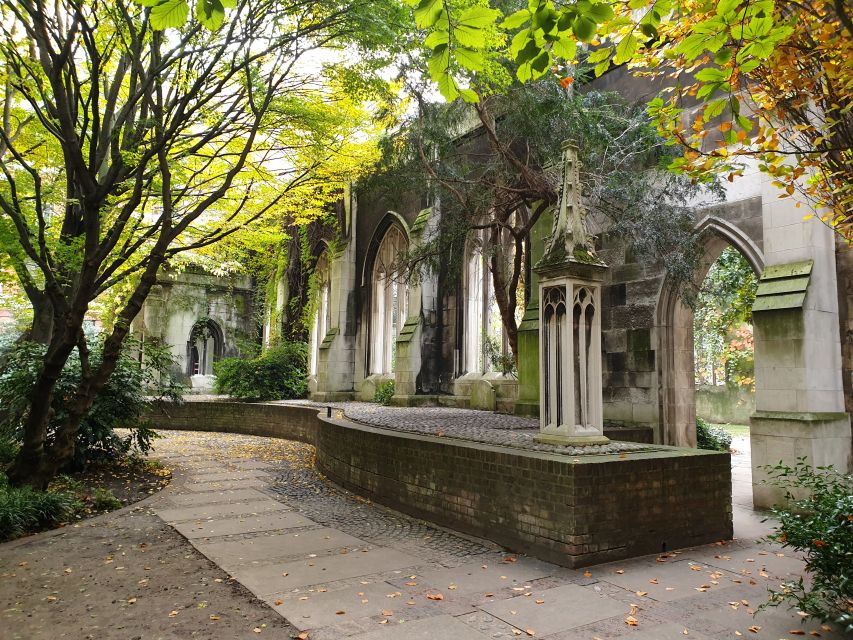
After the Tower, the tour takes you to Saint Dunstan in the East Church Garden. This kind of pause is important. London has plenty of big sights, but the garden setting gives you a breather while the guide continues the timeline.
This stop also helps you appreciate how London’s identity isn’t only carved by major events. Churches and small spaces carry their own survival stories—how communities kept functioning even when the big political world was shaking.
So while the Tower is built for shock, this garden stop is built for clarity. It’s the moment where you can re-orient your mental timeline and notice how often London’s big moments connect back to everyday places.
The Monument to the Great Fire: measuring catastrophe in stone
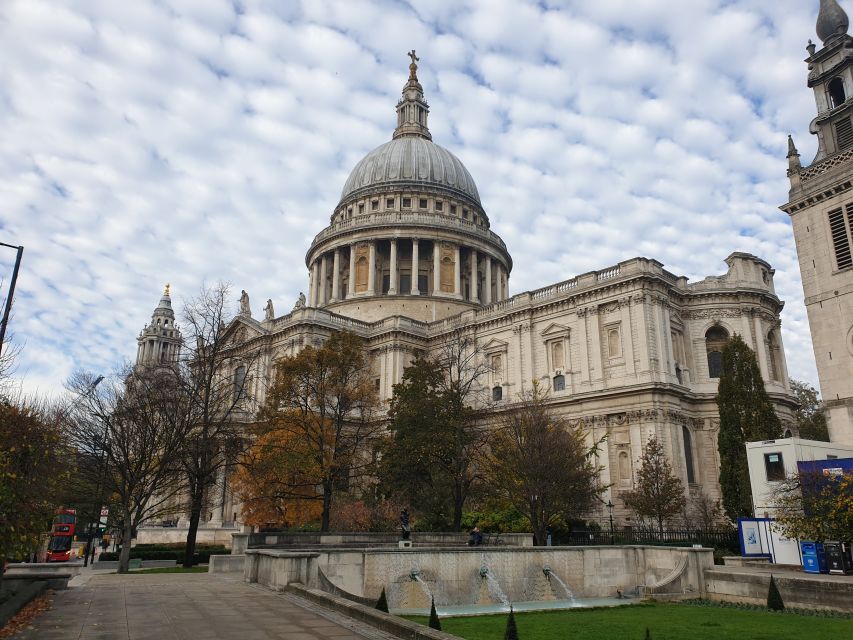
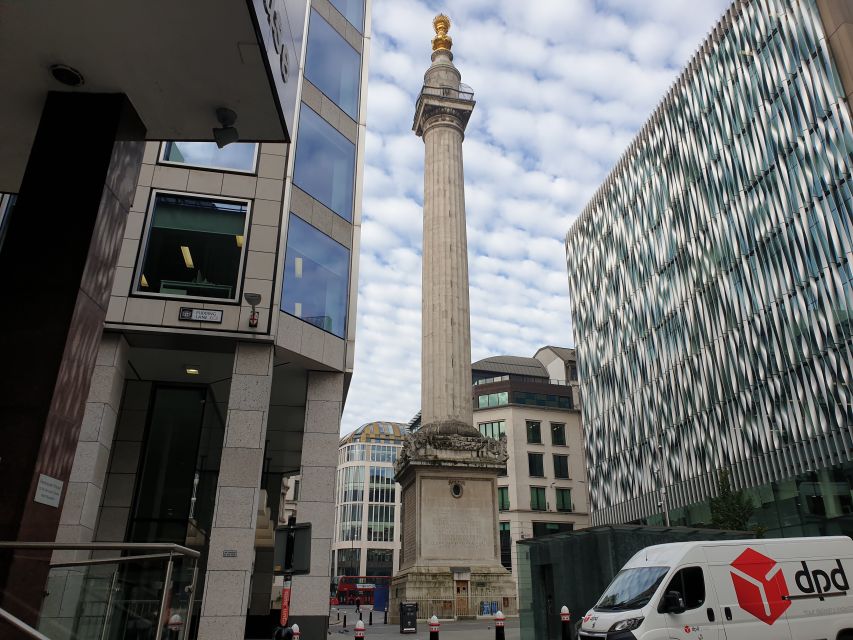
Then comes the Monument to the Great Fire of London. The Great Fire is the kind of event that changes cities forever, and the guide uses it as more than a disaster story. You learn how the City’s physical and political structure adapted, and why rebuilding became part of London’s identity.
What I like here is the cause-and-effect explanation. Fire isn’t just “a bad day.” It becomes a pivot point that helps you understand later architecture, rebuilding priorities, and why you’ll still see signs of older patterns even after major destruction.
It also connects neatly to the tour’s bigger theme: London survives, but it doesn’t survive unchanged. That’s the thread that carries you from the Roman era to later conflicts and rebuilding, and it makes the City feel like one continuous story of resilience.
London Stone and the Lord Mayor: civic power on the street
At London Stone (the remaining part), the tour shifts again—toward civic authority. This is a clever stop because it’s small compared to the grand monuments, yet it carries real meaning.
You’ll learn about the eight-century-old position of Lord Mayor, and how the City’s governance grew into a system that mattered to trade, law, and daily life. This isn’t only political history in abstract terms. It’s the kind of knowledge that helps you understand why certain institutions show up where they do and why some symbols endure.
In practical terms, London Stone is the stop where the tour starts to feel useful for walking around after the tour ends. You’ll look at signs of City government—narrow streets, civic buildings, official-looking corners—and your brain will start filing them as part of a long-running structure.
Bank of England: the vault story and what you learn from it
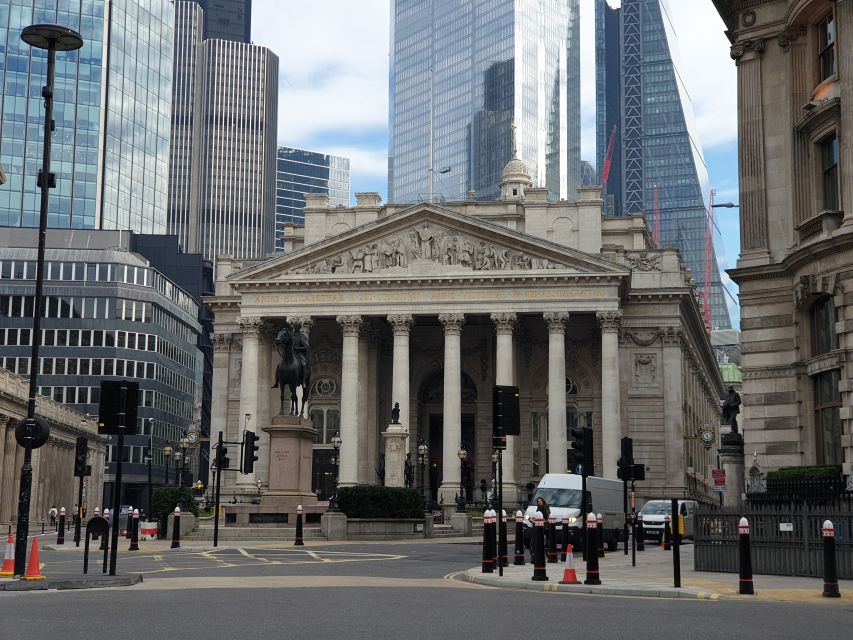
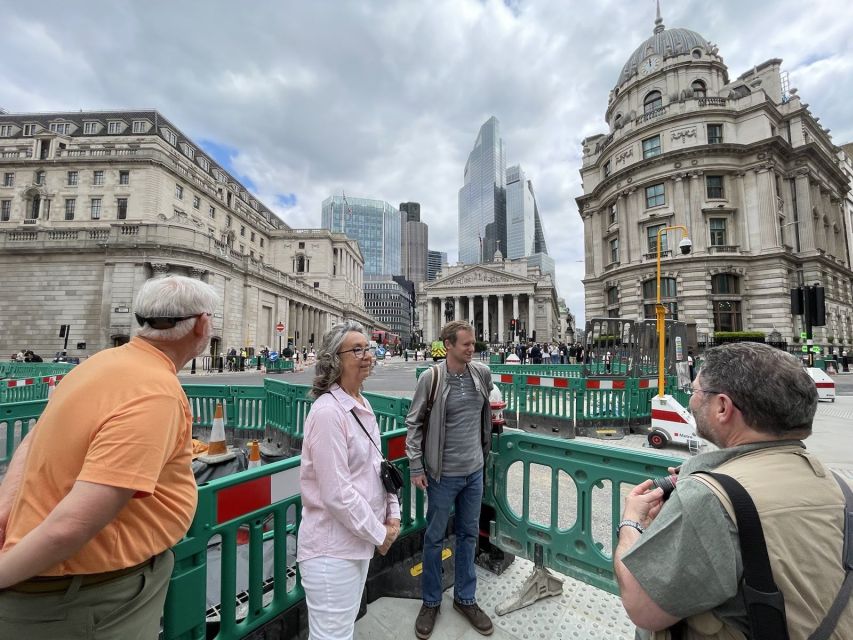
The Bank of England stop is short, but it’s memorable because the guide makes it feel like a story, not a textbook. One of the highlights is the “easiest way to tunnel into the Bank of England’s vaults,” and you should treat this as guided lore and an engaging way to talk about security, power, and the way institutions protect themselves—not as an instruction manual.
Even with a playful delivery, the point lands. The Bank isn’t just a building; it’s an idea: London’s ability to manage wealth, stability, and influence. And once you’ve heard that framing, the Bank stop stops being scenery and becomes context.
This section is also where you’ll appreciate the tour’s balance. It includes dramatic moments (like Tower stories) and then drops you into the machinery behind the drama.
Guildhall and St Paul’s Cathedral: authority and rebuilding in one view
From the Bank area, you move to Guildhall, London, another power-linked stop. The value of Guildhall on this walk is that it reinforces how governance and public identity overlap. It’s not just a bunch of offices—it’s part of the City’s long self-image.
Then you reach St Paul’s Cathedral, and that’s where the story touches later eras through key figures like Christopher Wren. Even if you don’t know the details, the guide uses Wren as a thread to help you connect rebuilding, design, and the way London reasserted itself after major shocks.
In my opinion, St Paul’s works best when you slow your eyes and look at it as a “then-and-now” landmark. The cathedral sits in the modern skyline, but the guide prompts you to see it as the product of decisions made after earlier destruction.
Ye Olde Cheshire Cheese: a perfect end point that feels like London
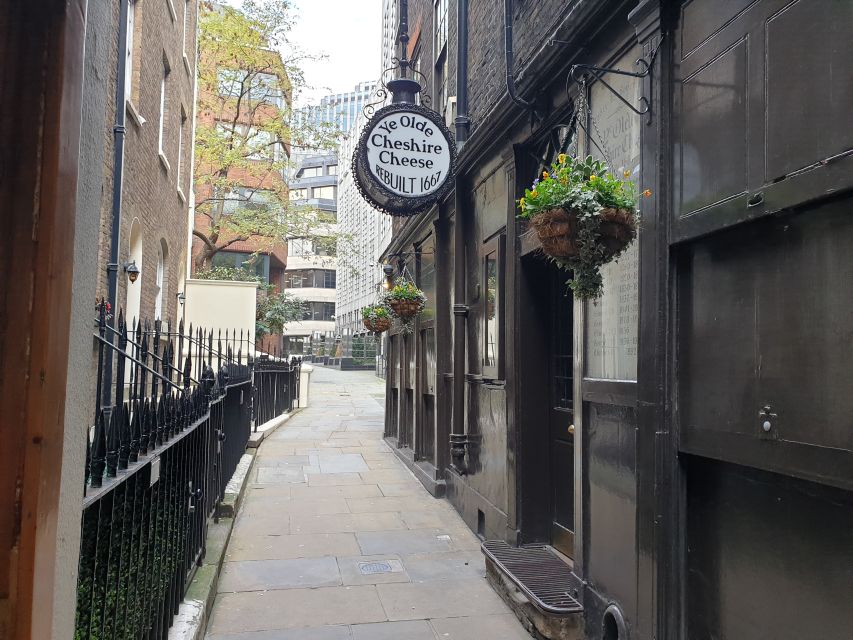
The tour finishes at Ye Olde Cheshire Cheese. It’s a fitting wrap-up because the place is tied to the idea of London’s continuity—history you can talk about over a drink without turning your day into a museum marathon.
Since the tour ends near Blackfriars Station, it also works well if you’re connecting onward. You get a natural stopping point where you can recap what you learned instead of rushing immediately into your next transport plan.
If you’re hungry, this is also a good moment to decide whether you want a quick bite nearby or something more substantial. The key is that you’ll have enough context by now to pick a direction with confidence.
What you’re really paying for: $26 and the value of expert storytelling
At $26 per person for a two-hour guided walk, the price makes sense if you think about what’s included: a guided tour plus a local guide, delivered to a small group. You’re not paying for museum entry, and you’re not paying for transport.
So the value comes from interpretation. Seeing famous sites is easy. Understanding why they matter—how Roman London survives into later centuries, how major events like the Great Fire change the city, and how civic power shows up in places like London Stone and Guildhall—is harder without someone who can connect the timeline for you.
The best part is that the guide’s delivery is reported as clear and well-paced, even when the knowledge base is encyclopedic. One common theme is that the guide doesn’t overload you. Instead, you get enough detail to make the stories stick, and you still have room for questions.
If you like asking why and how (and you appreciate history that’s explained in plain language), this is a strong value for the time.
Who this tour suits best (and who should adjust expectations)
This walking route is ideal if you want a high-impact intro to London’s core layers: Roman traces, medieval power, firefight survival, and the shift into later institutional life. It’s also great if you like tours that mix trivia with firmer history, keeping the energy up while still giving real substance.
It might feel less ideal if you’re looking for lots of museum time or extended indoor stops. This walk is about what you can see and understand on foot. You’ll enjoy it most if you’re comfortable standing, walking, and listening for a couple of hours.
Also, because the group is limited and the tour is interactive, you’ll get more from it if you’re willing to ask at least a few questions. The guide’s style—clear diction, humour, and a friendly manner—makes that easier.
Pace, shoes, and staying comfortable
With about 2.5 miles on mostly urban sidewalks, comfortable shoes are the smart move. The tour is around two hours, so you won’t be walking all day—but you’ll still feel the distance if you’re in flimsy shoes.
I’d also plan for typical London weather. This walk happens outdoors, between stops, so bring a light layer you can handle if the sky changes. And because several stops are short (think quick guided moments rather than long stays), being ready to move helps the whole experience feel smooth.
Should you book this Roman-to-World-War walk?
Book it if you want a focused, small-group way to understand how the City of London became what it is. You’ll get standout stops like the Roman Wall of Londinium, the Tower of London, and the Great Fire anchor, plus connective tissue that ties in figures like William the Conqueror and Christopher Wren—and even the more playful threads like the Boudica-to-Harry-Potter connection.
Skip it if you want mostly museum interiors, long sittings, or a slow-paced “coffee and chat” tour with few landmarks. This one is for people who like their history organized, explained, and wearable.
If you’re the type who likes to look at a street and figure out what used to be there, this walk is an easy yes.
FAQ
Where does the tour start?
Arrive at the exit of Tower Hill Station and look for your guide standing at the base of the steps leading up to the sundial. They will be holding an Historic London Tours sign.
Where does the tour end?
The tour finishes at Ye Olde Cheshire Cheese, near Blackfriars Station.
How long is the walking tour?
It runs for around 2 hours.
How far do you walk?
The total walking distance is about 2.5 miles.
What’s the group size?
Ticket sales are limited to fifteen attendees.
What’s included in the price?
The tour includes a walking tour and a local guide.
What is not included?
Entrance to museums is not included.
What language is the live guide?
The live tour guide speaks English.
What should I bring?
Wear comfortable shoes.
Is free cancellation available?
Yes. Cancel up to 24 hours in advance for a full refund.
Can I reserve without paying right away?
Yes. You can reserve now and pay later (book your spot and pay nothing today).