REVIEW · LONDON
Buckingham Palace: The Royal Mews Entrance Ticket
Book on GetYourGuide →Operated by Royal Collection Trust · Bookable on GetYourGuide
The Royal Mews is where tradition rolls in. This ticket takes you into Buckingham Palace’s working stables, where road transport for the King and Royal Family runs on schedule like a behind-the-scenes operation. I like that you’re not just looking at props in a gallery; you’re walking through the same kind of spaces where royal horses and harness equipment are part of daily life.
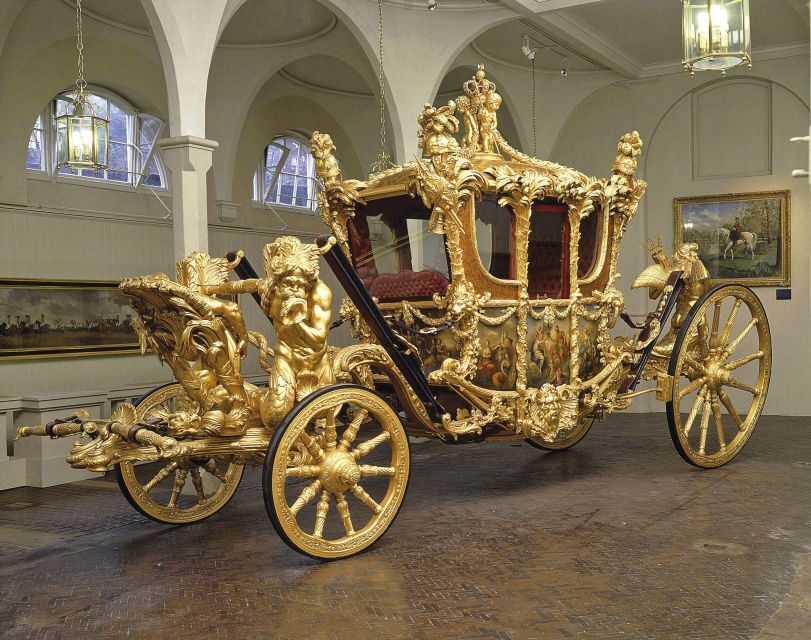
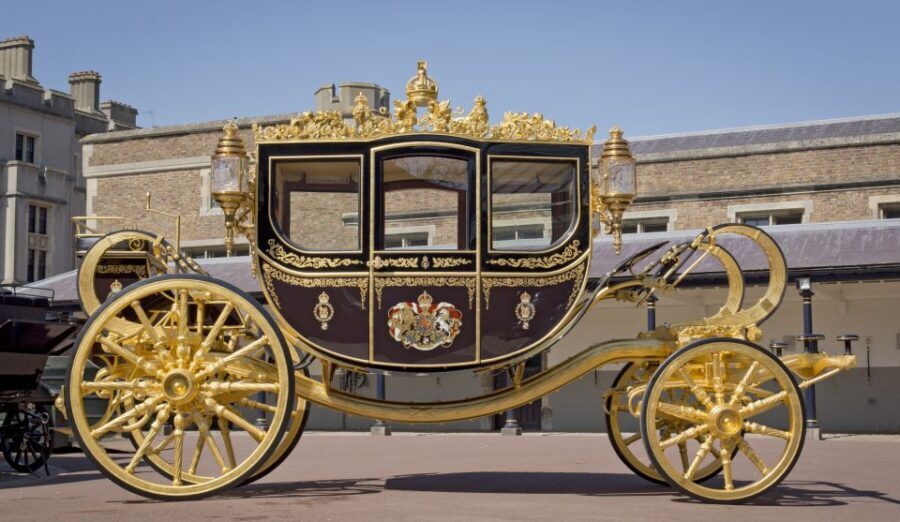
Two big wins for me: seeing the Diamond Jubilee State Coach up close, and getting a close look at the Gold State Coach, the coronation carriage used at every coronation since William IV. One thing to keep in mind: you may not see many horses at once—some visits focus more on carriages and stabling than on a full stable crowd.
In This Review
- Key highlights to focus on
- Why the Royal Mews feels different from a museum visit
- Tickets, timing, and getting there without stress
- The walk-in experience: security first, then the stables
- How the multimedia tour makes the coaches make sense
- Diamond Jubilee State Coach: the one that feels cinematic
- Gold State Coach: coronations, continuity, and a lot of gold
- Other coaches worth your attention: Australian and Irish state carriages
- Horses in the stables: what you can realistically expect
- Small group size (10 max) and why it matters
- Practical etiquette: phones, photos, and how not to be the bottleneck
- Who this Royal Mews ticket is perfect for
- Value check: is $22.90 worth it?
- Should you book the Royal Mews Entrance Ticket?
Key highlights to focus on
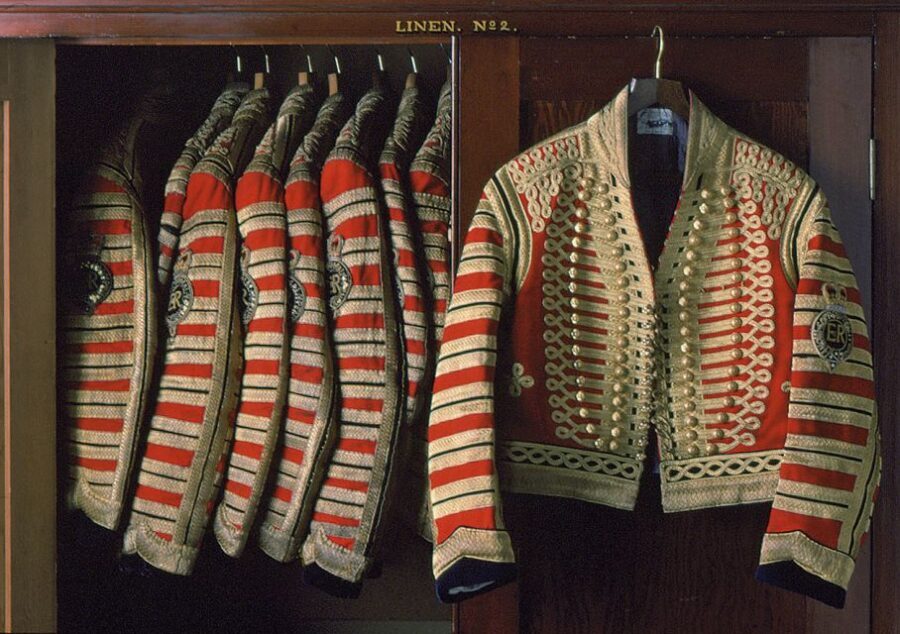
- Working stables feel real: you’re viewing a live transport operation, not a dusty showroom.
- Diamond Jubilee State Coach: the carriage that took Queen Elizabeth II to the State Opening of Parliament in 2014.
- Gold State Coach: used at every coronation since William IV, most recently for King Charles III in 2023.
- Australian State Coach: with central heating and electric windows, used after the 2011 wedding route.
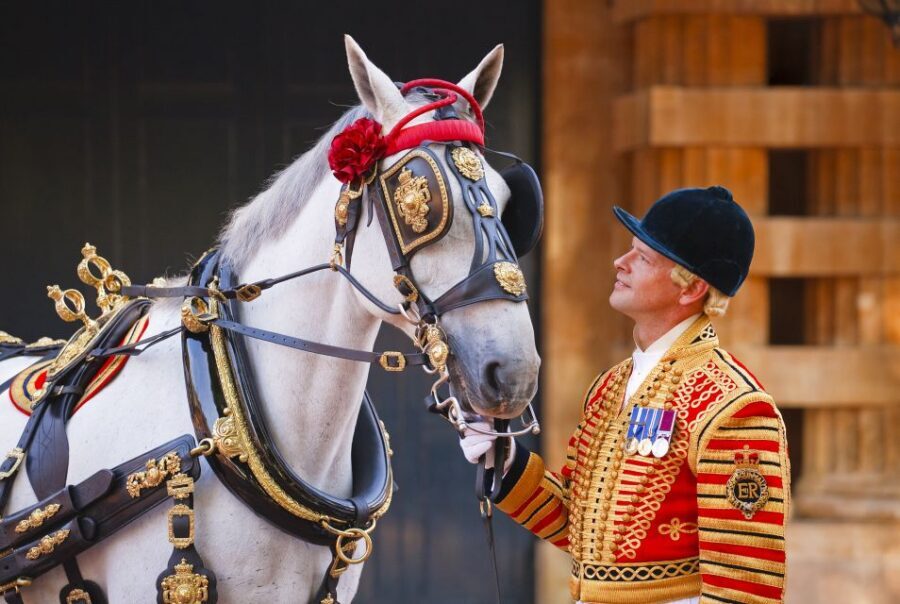
- Windsor Greys and Cleveland Bays: you’ll have a chance to see the horses that pull the royal carriages.
- Small groups (max 10): easier pacing when you’re moving between vehicles and stalls.
Why the Royal Mews feels different from a museum visit
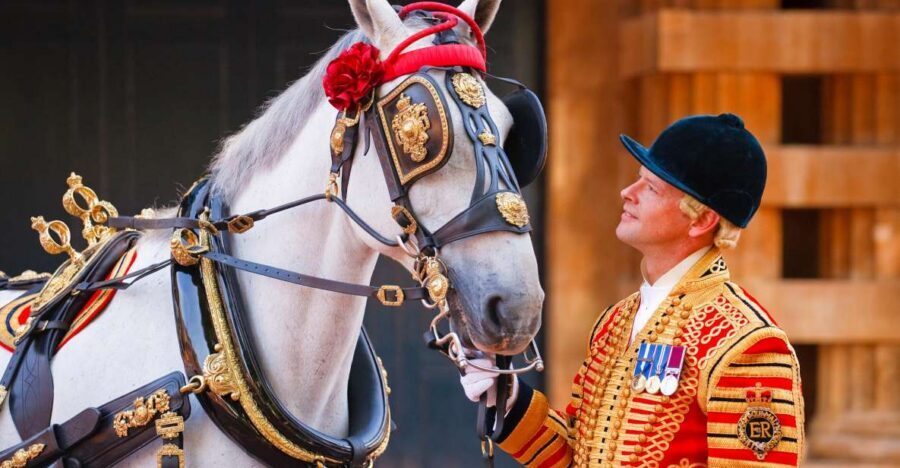
This isn’t just a building with antiques. The Royal Mews is a working stable and transport hub responsible for the road travel arrangements of the King and Royal Family—horse-drawn carriages and motor cars, all handled in one place. That “still in use” element changes how you experience the displays. Everything feels earned, not archived.
I also like that the star attractions are clearly explained by what they did in real events. You’re not only seeing gold paint and ornate carvings; you’re learning how each coach fits into major ceremonial moments.
You can also read our reviews of more tours and experiences in London
Tickets, timing, and getting there without stress
Your ticket is valid 1 day, but you’ll need to check the available starting times before you lock in your plan. That matters because the Royal Mews is a real working site with timed visitor entry, not a drop-in hallway you can wander into anytime.
On arrival, the process starts with voucher exchange at the ticket office, then you head to the visitor entrance on Buckingham Palace Road. The tour ends back at the meeting point, so you’re not charting a long scavenger route across central London.
Two practical tips that save time:
- Bring minimal stuff. On arrival you’ll go through airport-style security checks.
- Leave the “just in case” bag at home. Luggage or large bags aren’t allowed, and there are no cloakroom facilities.
The walk-in experience: security first, then the stables
Once you exchange your voucher, you’ll go through security screening and then proceed into the visitor areas. The security piece is worth treating like part of the visit, not an annoying delay. If you travel light, you get through faster and you can spend your energy on the horses and coaches.
Inside, the pace works well if you like to look at details without racing. This is one of those places where stopping for one more look doesn’t feel like you’re slowing everyone down. The site is set up so you can move at your own speed while still following the flow.
How the multimedia tour makes the coaches make sense
You’ll have a multimedia tour included, offered in 9 languages: Spanish, Chinese, English, French, German, Italian, Japanese, Portuguese, and Russian. That’s a big deal if you’re traveling as a mixed group. It also means you don’t have to fight for a single audio device or hope someone’s explanation matches your interests.
The format is also part of why this works for different trip styles. If you’re a “read every plaque” type, you’ll enjoy the storytelling angle. If you’re more of a “show me the object” person, you’ll still get useful context without needing a formal group lecture.
For me, the key value is that these coaches are easier to appreciate once you know the purpose behind them—who used them, what event they served, and why their design matters.
Diamond Jubilee State Coach: the one that feels cinematic
The Diamond Jubilee State Coach is one of the headliners, and for good reason. It was used to convey Queen Elizabeth II to the State Opening of Parliament on 4 June 2014. Seeing it in person changes the scale. On screen, you can underestimate what “state” really looks like—up close, the coach feels heavy with purpose.
What I love about this stop is that it connects everyday government life to ceremonial pageantry. It’s not just royal theater; it’s a real route in a real national event. When you understand that, you start noticing the craftsmanship with different eyes.



Gold State Coach: coronations, continuity, and a lot of gold
If you only have time for one vehicle, the Gold State Coach is the one to prioritize. It’s been used at every coronation since that of William IV. Queen Elizabeth II used it in 1953, and it was used again at the coronation of King Charles III in 2023.
This coach is dazzling, yes—but the most interesting part is the timeline. You’re standing in front of an object that links multiple reigns through one ceremonial tradition. That continuity is part of the emotional punch here. It’s also why the Gold State Coach often becomes the focal point for photos and lingering looks.
Other coaches worth your attention: Australian and Irish state carriages
Two additional vehicles round out the big lineup:
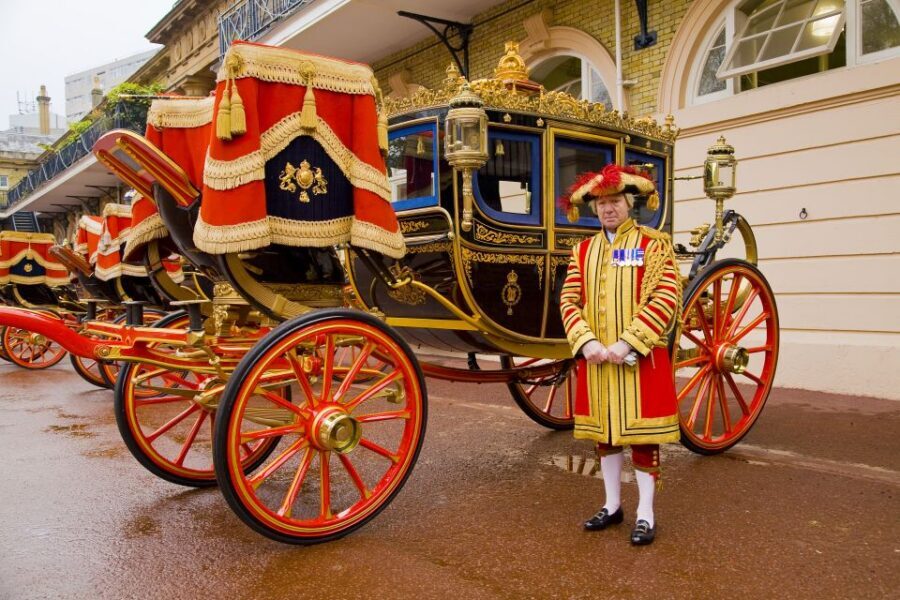
- The Australian State Coach: used by Queen Elizabeth II and the Duke of Edinburgh after the 2011 Royal Wedding, on the journey from Westminster Abbey to Buckingham Palace. It’s described as having central heating and electric windows, which makes it feel surprisingly modern beside all the historical pageantry.
- The Irish State Coach: purchased by Queen Victoria in 1852. Queen Victoria, King George VI, and Queen Elizabeth II all traveled to the State Opening of Parliament in it.
These coaches help you see that “state travel” wasn’t one-off fashion. It evolved across decades, with comfort and practicality mixed into ceremonial design. That’s especially fun if you like travel tech—electric windows and climate control in a palace setting is the kind of detail that makes history feel human.
Horses in the stables: what you can realistically expect
The Royal Mews isn’t only about coaches. You’ll also see the horses that pull royal carriage travel, trained and managed for this purpose. The horses mentioned are the Windsor Greys and Cleveland Bays.
Here’s the honest consideration: you might not see a huge number of horses during your visit. Some visits focus more on the carriages and stables than on a full lineup of animals. So don’t set yourself up for a guaranteed “every stall has a horse” moment.
Even so, the experience still lands because seeing horses in a royal working-stable environment adds a layer that you can’t recreate from photos. It’s one thing to see a horse on a documentary screen; it’s another to see them connected to harness work and carriage access.
Small group size (10 max) and why it matters
With limited to 10 participants, the visit tends to feel smoother than bigger attraction crowds. You’re able to pause at the vehicles without the constant pressure of shoulder-to-shoulder movement.
That small group limit also helps your viewing. The Royal Mews highlights are visually dense: gold details, carriage design, harness elements, and stall spaces all compete for attention. A smaller group makes it easier to slow down and notice what you’d otherwise miss.
Practical etiquette: phones, photos, and how not to be the bottleneck
Photography and filming for non-commercial purposes are welcomed. So if you want pictures, you’re allowed to do it—just keep it respectful. Mobile phones can be used too, with the usual common sense: don’t block sightlines.
Also, plan your visit like a security-screened site. There are restrictions on items you can bring in, and there’s no cloakroom. In plain terms: wear the stuff you need, bring the minimum, and you’ll spend less time managing your bag and more time looking at the carriages.
Who this Royal Mews ticket is perfect for
This is a smart pick if you like any of the following:
- Horse lovers who want to see royal stables used for real training (not only display)
- Coronation fans or anyone interested in how ceremonial travel actually works
- Family travel, especially with kids who enjoy seeing big vehicles and animals close up
- Travelers who want a short, high-impact royal stop without a whole-day commitment
It also works well as a “break” between bigger London landmarks. You still get the Buckingham Palace connection, but in a smaller space with strong focus. If your day is packed, this is one of those experiences where you can get a lot of satisfaction without needing to cram in extra activities.
Value check: is $22.90 worth it?
At $22.90 per person, you’re paying for access to a highly curated set of royal transport vehicles plus a multimedia tour in multiple languages. The value here isn’t just that you see famous coaches—it’s that you see them in context: a working stables environment where horses and transport systems are part of the same operation.
The pricing also makes sense for the “time return.” This isn’t a half-day museum marathon. You get a concentrated experience centered on the biggest ceremonial carriages, plus horses, in a visit that’s typically easy to fit into a London itinerary.
If you’re the type who likes learning through objects—how something was designed, how it was used, and why it matters—this ticket tends to feel like money well spent.
Should you book the Royal Mews Entrance Ticket?
Book it if you want a real working royal stables experience and you care about seeing ceremonial vehicles close up—especially the Diamond Jubilee State Coach and the Gold State Coach. With a small group size and a multimedia tour in 9 languages, it’s set up to be an easy win even if your group has different interests.
Skip it only if you’re mainly chasing a guaranteed full stable of horses. This place is centered on the coaches and the working environment, and the horse count can vary. If your dream is a crowded animal moment, you might want to pair this with another London stop designed for animal viewing.
If you time it right, travel light, and plan to spend time standing still, the Royal Mews is exactly the kind of place that makes you think: so that’s where the magic machinery lives.