REVIEW · LONDON
London: Tower Bridge Entry Ticket
Book on GetYourGuide →Operated by Tower Bridge · Bookable on GetYourGuide
Tower Bridge is London’s famous walk-in-workshop. This ticket takes you up between the towers for 42-metre-high views and that nerve-tingling glass floor moment, then guides you through how the bridge actually moved and worked. The Victorian Engine Rooms add the mechanical story behind the landmark, with displays that make the engineering feel real.
I especially love the glass walkway for seeing the Thames and traffic far below in a way photos can’t match, and I like the Engine Rooms because you don’t just look at architecture—you learn the machinery and the people who kept it running. One possible drawback: you’re not getting fast-track entry, and the on-site search means you should plan for a bit of waiting and time for bag checks.
In This Review
- Key things to notice before you go
- Tower Bridge’s glass walkway: what that 42-metre height feels like
- Inside the Victorian Engine Rooms and the Blue Line trail
- The views over the Thames: photo spots and the moments you’ll remember
- How the visit flows in about one hour (and where time can stretch)
- Price and value: what $21 gets you, and who it’s best for
- Practical entry tips: queues, searches, and what to bring
- Who should book this Tower Bridge ticket?
- Should you book this Tower Bridge entry ticket?
- FAQ
- How long does the Tower Bridge entry ticket take?
- Does this ticket include fast-track entry?
- Where do I enter Tower Bridge?
- Are children free?
- Are there bag restrictions?
- Is Tower Bridge wheelchair accessible?
- Will my bag be searched?
Key things to notice before you go
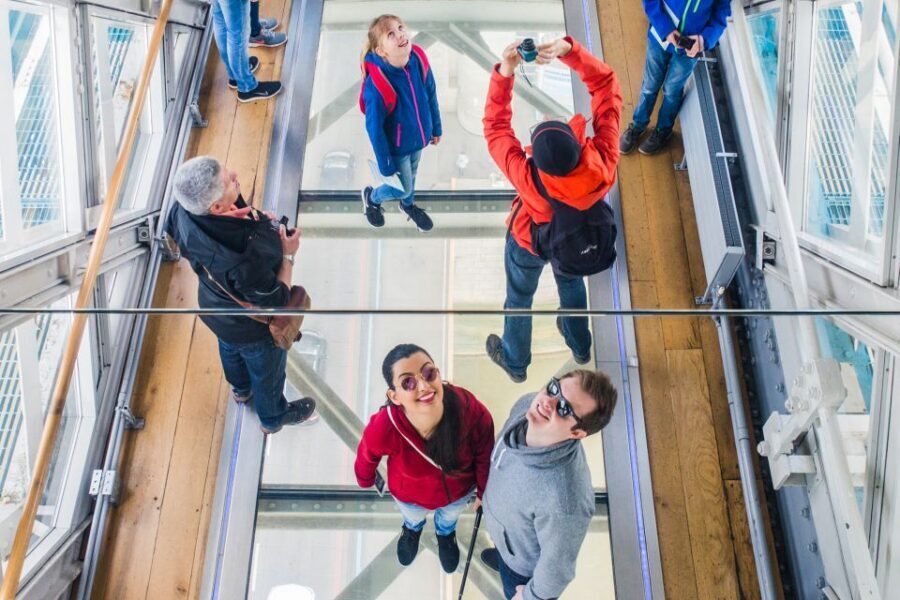
- 42 metres up on the glass walkway gives you a true sense of height over the Thames
- Glass floor panels let you look straight down for easy, memorable photos
- Victorian Engine Rooms explain the bridge’s power and raise mechanism
- Blue Line trail connects the workers featured in the exhibition as you move through the site
- Climate help on the walkway such as heaters in cooler weather and cooling fans in hot weather
- Staff can be genuinely helpful, including visitors who named people like Gary and Nick for support
Tower Bridge’s glass walkway: what that 42-metre height feels like
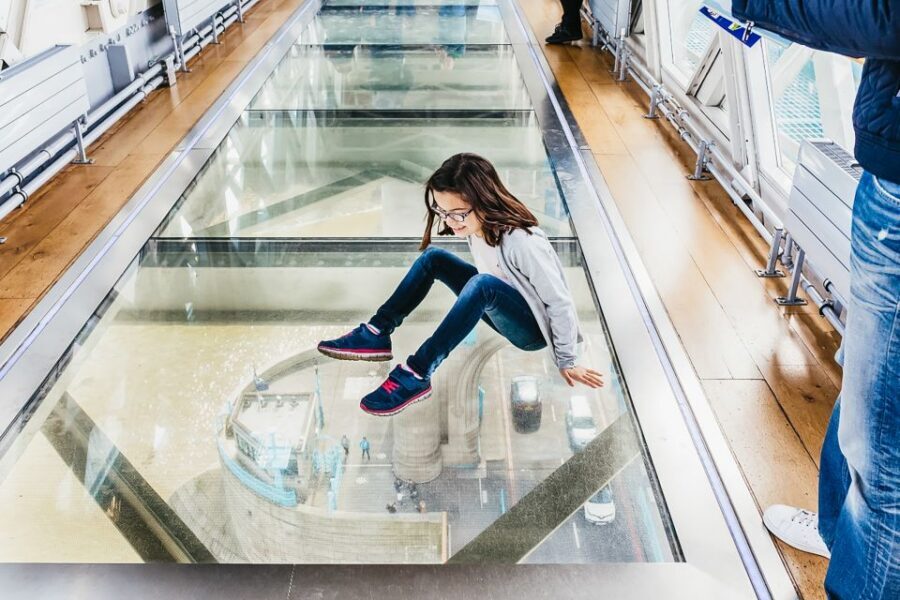
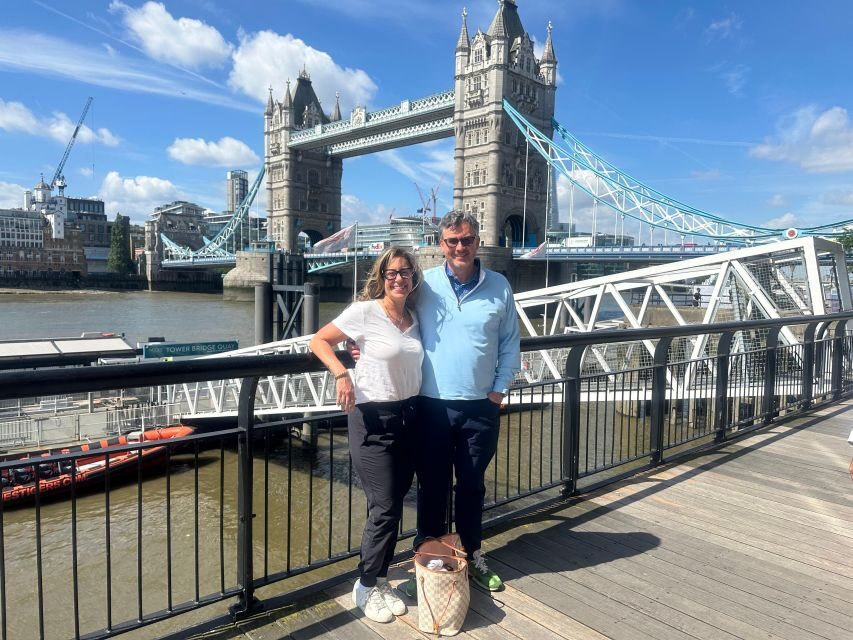
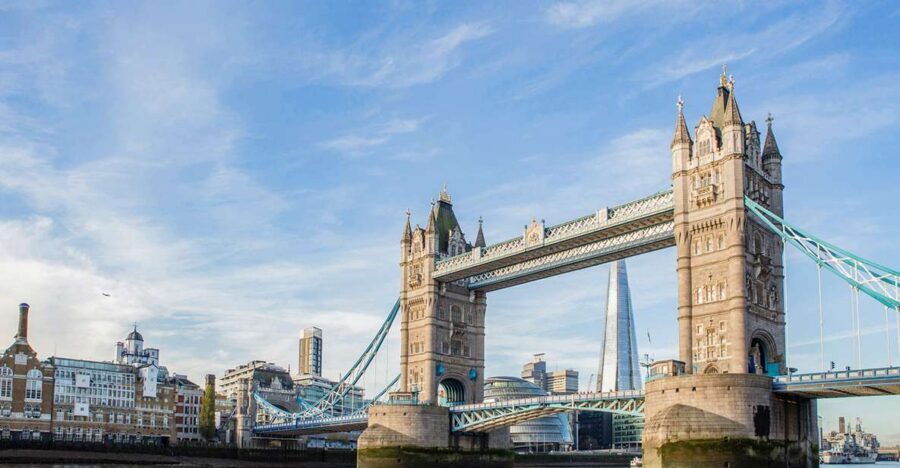
The main event is walking across the top of Tower Bridge between the two towers. You’ll reach a level set about 42 metres above the River Thames, and the views are immediate: boats, the river bends, and the spread of London on both sides.
The experience isn’t just looking forward. The glass sections encourage you to pause and actually notice the setting. One of my favorite moments is stepping onto the glass floor, because it changes your perspective fast—you can look down at the river and the roadway with that strange, slightly unreal feeling that makes people take extra photos and slow down.
If you’re worried about heights, you’ll still likely be okay. You move at your pace, you can hold the handrail, and the rest of the visit includes a lot of indoor, read-and-watch stops to balance out the open-air top walking.
You can also read our reviews of more tours and experiences in London


Inside the Victorian Engine Rooms and the Blue Line trail
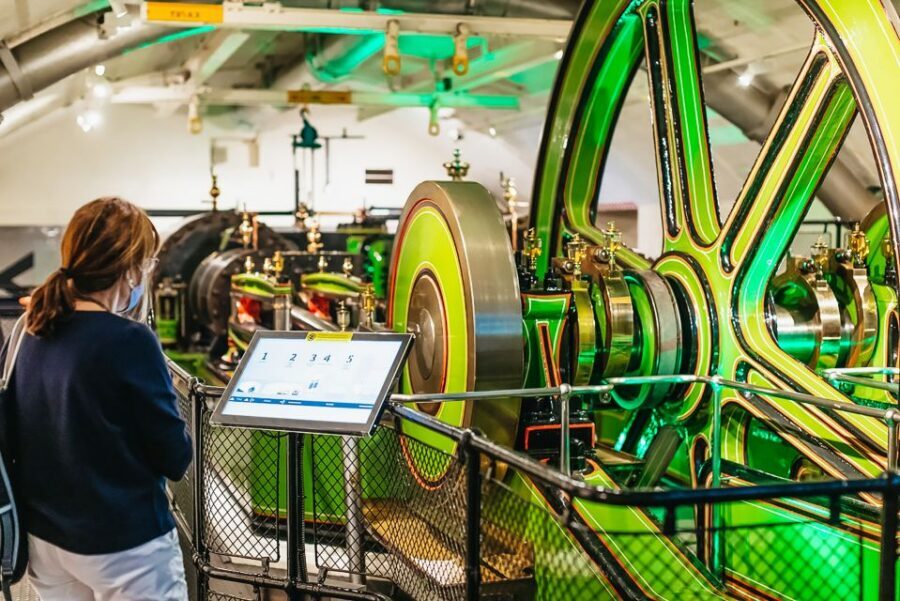
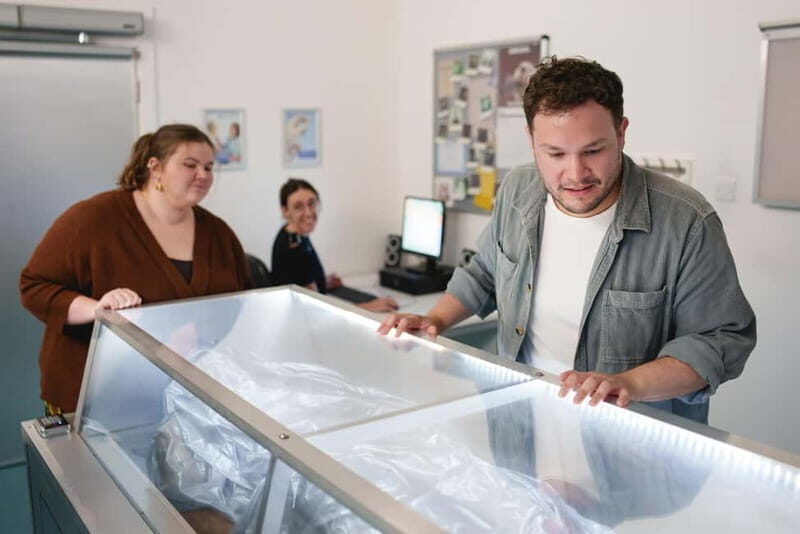
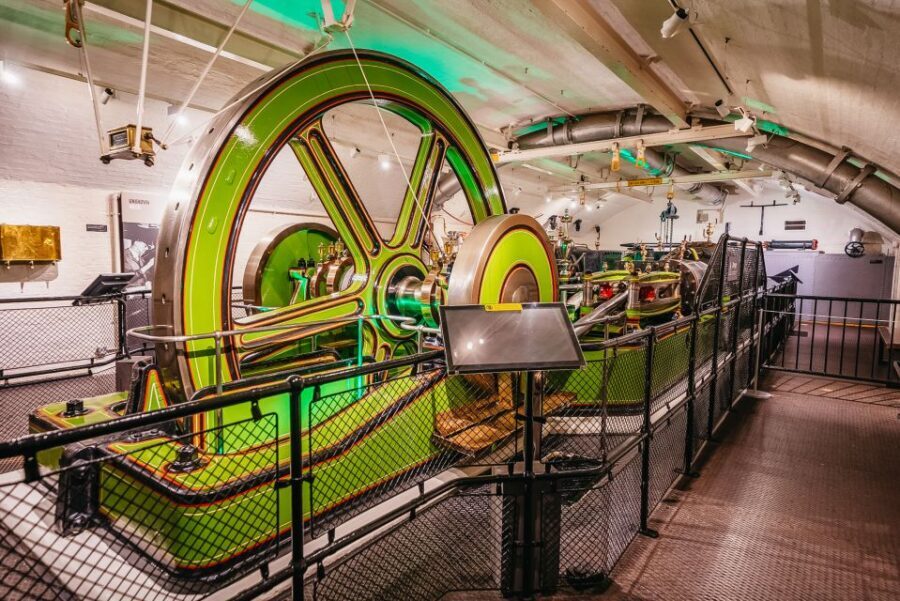
After the walkway views, the best switch happens: you turn from sightseeing to machinery. The Victorian Engine Rooms are where Tower Bridge stops being just a postcard and becomes a working system with real effort behind it.
This part matters because the bridge wasn’t built to sit still. It had to raise, and it had to do it reliably. The displays focus on the engines that required around 80 people to operate the bridge’s raising action, which gives you a sense of scale and teamwork—not just one clever inventor.
Look for the Blue Line pathway too. It visually links points through the towers down toward the Engine Rooms, highlighting the people who kept the bridge functioning. It’s a small detail, but it turns your walk into a guided story even without a full live guide.
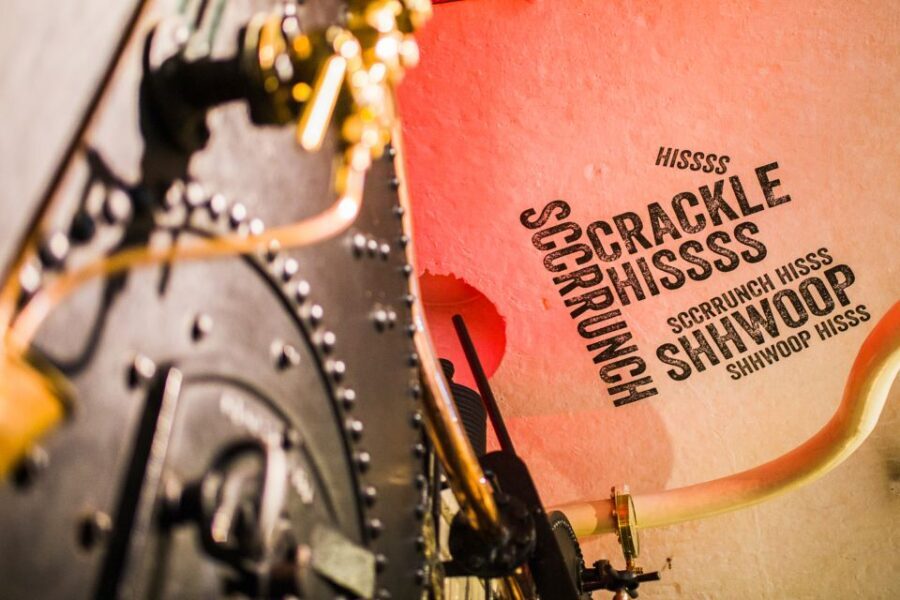
A bonus in these rooms is that they feel designed for attention. You get a mix of visuals and readable information, so if you like to learn, you can take your time. If you’re traveling with kids or teens, it can still work well because it’s hands-on in theme, mechanical in subject, and very different from typical museum rooms.
The views over the Thames: photo spots and the moments you’ll remember
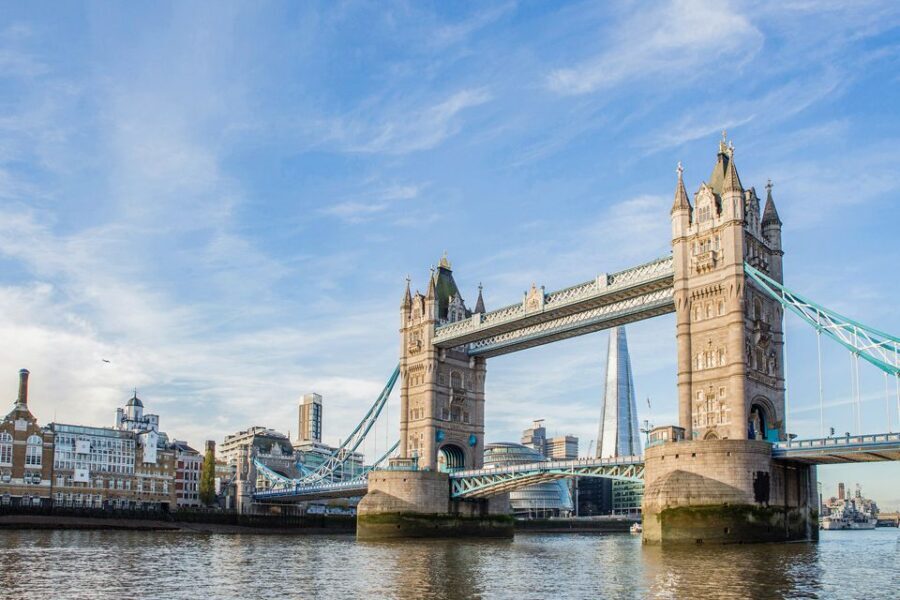
The Thames view is the obvious win, but the better point is how you see it. From up top, the river looks like a long moving map. You notice passing boats and the flow of traffic below, and it helps you understand why this crossing matters.
Photo-wise, the glass walkway and glass floor naturally create strong shots. If you want the clearest pictures, bring your patience for crowd timing because the top walkway can get busy. The good news is that there are plenty of angles, and once you find a spot, you can often keep shooting while others pass.
Timing can also help. Early in the day often means lighter lines, and being there when the bridge is actively raised can turn the visit into something extra cinematic. You can’t count on a raising moment, but if it happens during your window, it’s the kind of surprise that makes the trip feel like you planned better than you did.
Also keep in mind comfort. On colder days, you may appreciate heaters provided along the walkway area. On warmer days, there can be cooling fans, which helps when you’re standing still to take photos.
How the visit flows in about one hour (and where time can stretch)
The visit is designed to fit around 1 hour, but your personal pace matters. A good rhythm is: start with check-in and orientation, go up to the towers and walkway, take your time with the glass floor photos, then move into the Engine Rooms for the main learning portion.
One practical detail that affects your flow: there’s an elevator experience built into the plan for getting up and back down. That helps if you want the views without spending the whole hour climbing stairs. Still, if you’re physically able, you may want to take the stairs for at least part of the route, because it adds a bit of the excitement of getting up close to the structure.
The walkthrough includes information boards and video-style learning. Even if you don’t read everything, scanning the key points makes the visit click. You’ll understand why the bridge has that dual identity: it looks like a grand monument, but it was engineered to lift and work.
If you like photos, your time can stretch a touch. That’s not a problem if you’re not trying to cram three other major sights into the same hour, but it’s worth planning a little breathing room in your schedule.
Bridge conquered? The modern rival stands a mile upstream and ten times higher. TripsToLondon.com reviews The View from the Shard with the same eye for queue mechanics and weather risk, and the attraction’s own site sells the saver tickets that undercut walk-up prices.
Price and value: what $21 gets you, and who it’s best for
At about $21 per person, this ticket is a strong value if you want one concentrated London landmark experience: big views plus real engineering learning in a short window. Many London attractions either focus on views only or history only; Tower Bridge gives you both, and it does it without needing a long multi-part day.
This is also a good buy if you like architectural specifics. The Engine Rooms part makes the story practical. You see the machinery conceptually, you learn how the raising system was managed, and you get context for why the bridge looks the way it does.
Who should book? You’ll get a lot out of this if you’re traveling with:
- Adults who like engineering, architecture, or Victorian industrial stories
- Teenagers who need something more active than a typical building tour
- Families who want a mix of heights, views, and indoor exhibits
Kids can find it fun too, especially when the site includes playful add-ons like a Cat Trail Hunt that some visitors have done with teens. Even if you skip those, the walkway and glass floor alone often keep younger visitors engaged.





Practical entry tips: queues, searches, and what to bring
Here’s the realistic part: you’re entering Tower Bridge through an on-site outside queue, and you should expect checking on arrival. The site uses a 100% searching policy, meaning bags are subject to search even if you’re only there for an hour.
Plan what you bring. Bags are allowed up to 45cm x 35cm x 20cm, and wheeled bags aren’t allowed. Wheelchairs and prams are allowed, but they’re also subject to search.
If you bring snacks or small items, keep packaging simple and easy to open. The goal is to reduce fuss during search, so you can get moving toward the towers faster.
Also note a key limitation: this ticket does not include fast-track entry. That means you’re not buying your way past the basic wait. If you’re the type who hates queues, go earlier in the day or plan for a small delay as normal.
Finally, if you’re taking public transport, give yourself time to reach the western side entrance of the North Tower. That detail matters because it changes how easy it is to find the line and check-in.
Who should book this Tower Bridge ticket?
Book this if you want a “hit list” style landmark with depth. You’ll spend time up high on the glass walkway, then switch to the Engine Rooms where the bridge becomes a story about people, labor, and mechanical systems.
I’d also recommend it if you’re traveling with mixed interests in your group. Someone can focus on city views and photos, while someone else concentrates on machinery and the exhibition. Both lanes make sense within the same hour.
If you’re purely chasing the lowest-effort option, you might find it too structured. It’s not a casual stroll with no information. There are boards, videos, and a clear route. For most people, that structure is a plus, but if you strongly dislike learning moments, you may want to skim instead of reading every sign.
Should you book this Tower Bridge entry ticket?
Yes, I’d book it if you want one landmark that delivers both skyline drama and engineering context in about one hour. The combination of glass walkway views, the glass floor, and the Victorian Engine Rooms makes this feel like more than a photo stop.
Skip it only if queues stress you out or if you know you won’t enjoy heights at all. The heights are a major part of the experience, even though you can slow down and hold the rail. If that’s a deal-breaker, pick a different London stop where you can keep your feet safely on solid ground the whole time.
FAQ
How long does the Tower Bridge entry ticket take?
The visit is set up for about 1 hour, though your time may vary depending on how long you spend on the walkways and photos.
Does this ticket include fast-track entry?
No. This pre-booked ticket does not permit fast-track entry to Tower Bridge.
Where do I enter Tower Bridge?
The entrance is on the western side of the North Tower. You join the outside queue, and the Tower Bridge team helps you enter.
Are children free?
Yes. Children under 5 years are free.
Are there bag restrictions?
Yes. You can bring bags up to a maximum size of 45cm x 35cm x 20cm, and wheeled bags are not allowed.
Is Tower Bridge wheelchair accessible?
Wheelchair access is available.
Will my bag be searched?
Yes. Tower Bridge operates a 100% searching policy, so bags are subject to search on arrival.