REVIEW · LONDON
Unveil the Rosetta Stone, Parthenon at British Museum
Book on GetYourGuide →Operated by CENTURION · Bookable on GetYourGuide
One museum. Five worlds.
This short British Museum guided tour is built for people who want the big hits without getting lost in galleries. I like how it spotlights the Rosetta Stone and the Parthenon Sculptures as clear anchors for understanding ancient civilizations. I also like that the tour time is tight, so you get momentum fast. The main drawback is that it’s on foot for about 2 hours, so comfortable shoes matter.
The tour style seems to hit the right tone for families too, with guides praised for being upbeat and entertaining—one review calls out Joe by name. If you’re expecting a slow, hang-around museum day, you might feel a little rushed.
In This Review
- Key highlights you’ll feel immediately
- Starting at the British Museum main entrance and Great Court magic
- The Rosetta Stone: how one object changed an entire language
- The Parthenon Sculptures (Elgin Marbles) and the repatriation debate
- Ancient Egypt galleries: mummies explained without the creepy factor
- Sutton Hoo helmet: early England’s “wow” artifact
- Winged Bulls from Khorsabad: Assyrian power at full scale
- How the 2-hour format works (and how to get the most from it)
- Price and value: is $70.35 worth 2 hours with a guide?
- Who this tour suits best
- Should you book it? My practical take
- FAQ
- FAQ
- Where do I meet the guide?
- How long is the tour?
- Is the tour private?
- What language is the guide?
- What should I bring?
- Is the tour suitable for wheelchair users?
- What’s included in the price?
- Is food or hotel pickup included?
- Can I cancel, and what if my chosen time isn’t available?
Key highlights you’ll feel immediately

- Rosetta Stone focus: why one slab became the key to reading Egyptian hieroglyphs
- Parthenon Sculptures context: the Elgin Marbles story plus the repatriation debate, presented in a balanced way
- Egypt gallery momentum: Egyptian mummies explained through burial practice and belief
- Sutton Hoo helmet spotlight: a 7th-century craft marvel tied to England’s early medieval world
- Winged Bulls from Khorsabad: royal Assyrian guardians—colossal, dramatic, and story-driven
Starting at the British Museum main entrance and Great Court magic
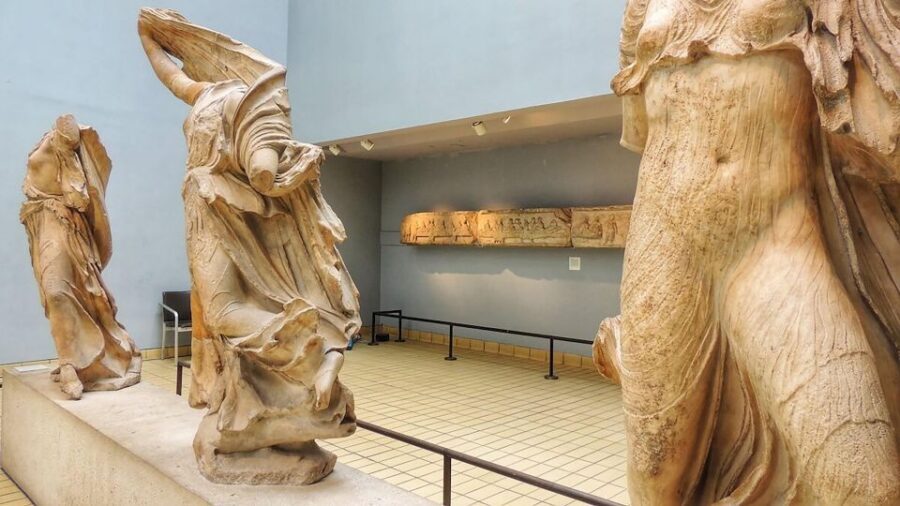
Your tour begins at the British Museum main entrance, meeting your guide on the stairs after security. Plan to arrive 15 minutes early so you’re not doing that last-minute scramble with your ID and your ticket.
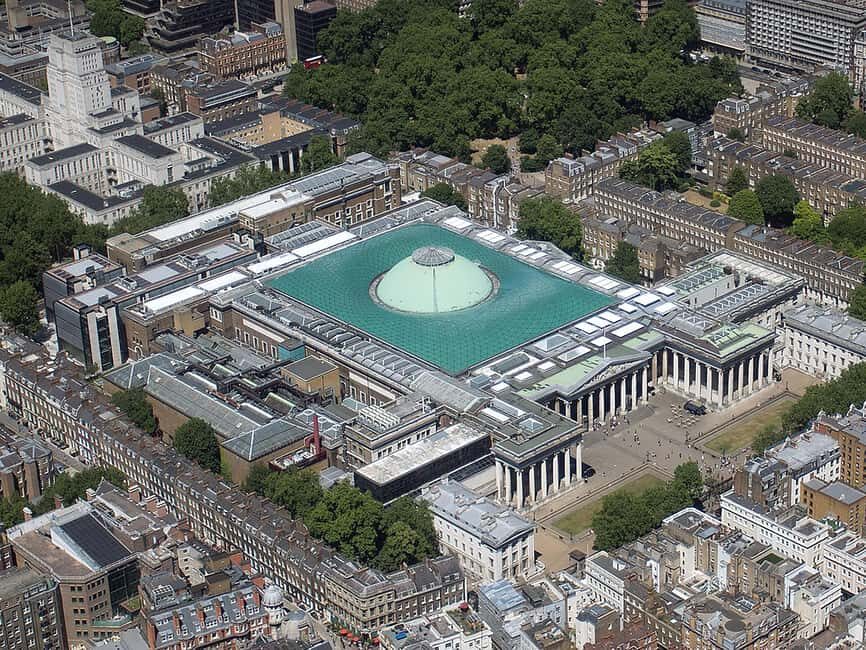
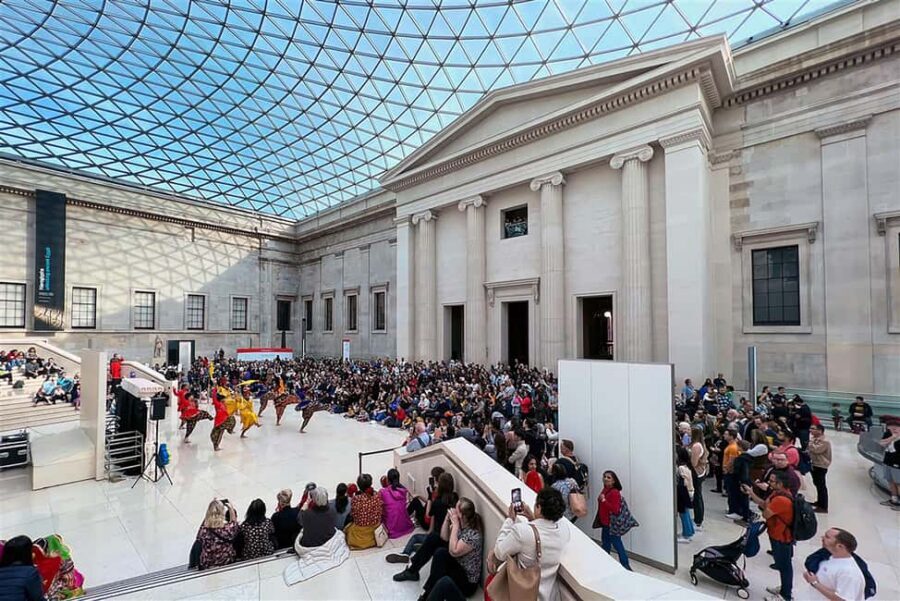
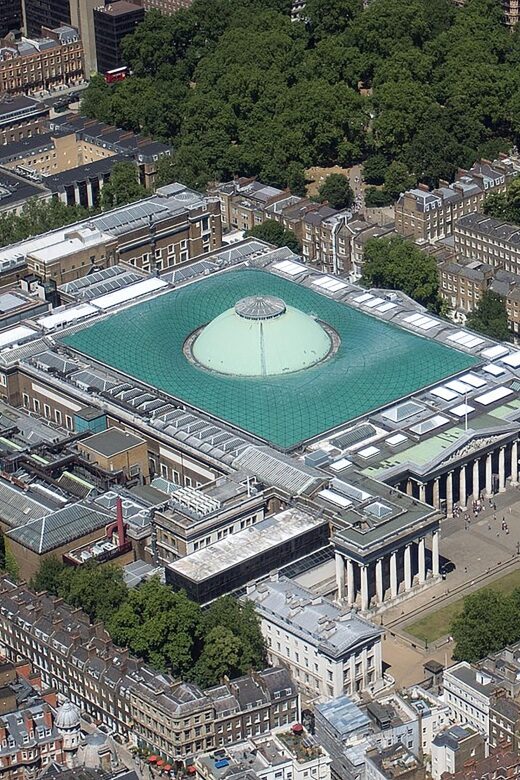
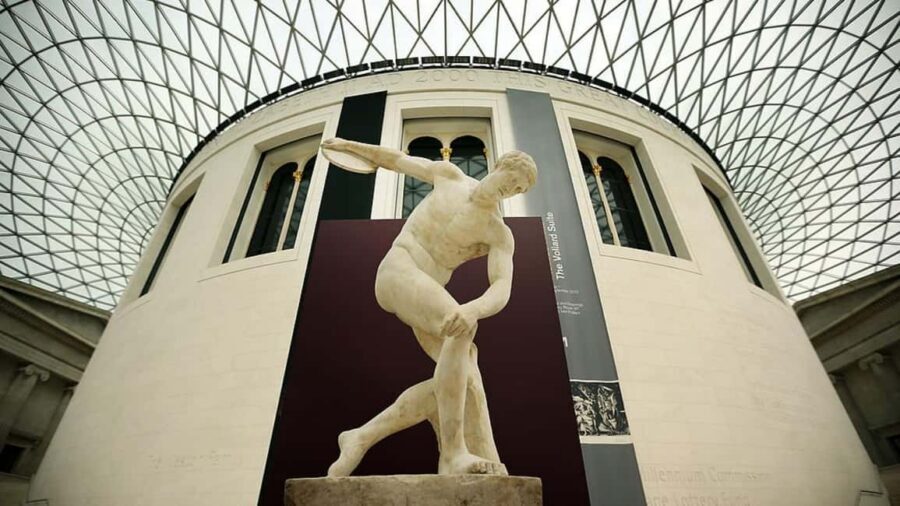
Once you’re through, the first big visual payoff is the Great Court. You’ll get that sweeping view of the museum ceiling, then the space opens up under the glass roof designed by Norman Foster. It’s more than a pretty ceiling. It helps you orient yourself mentally before you start running toward five very different ancient worlds. In a museum this large, orientation is half the battle.
Practical note: this tour is not private, and it’s English only. Also, it’s not suitable for wheelchair users. If you’re traveling with mobility limitations, you may want to stick with a self-guided plan where you can pause as needed.
You can also read our reviews of more museum experiences in London



The Rosetta Stone: how one object changed an entire language
The tour’s first major stop is the Rosetta Stone. Discovered in 1799, it’s famous for one reason: it provided the key needed to decipher Egyptian hieroglyphs. Your guide will connect the dots—why three scripts on one stone mattered and how scholars used that overlap to translate meaning that had been locked away for centuries.
What I like about this stop is the way it turns a museum artifact into a story you can hold onto. Once you understand the Rosetta Stone as a translation tool, the rest of the Egyptian galleries make more sense. It stops feeling like random objects behind glass and starts feeling like a connected system of writing, belief, and power.
Look for your guide to point out the basic idea of the inscriptions—how they relate across languages. Even if you don’t retain every detail, you’ll walk away with the big takeaway: this stone didn’t just crack a code. It helped reopen a whole chapter of history.
The Parthenon Sculptures (Elgin Marbles) and the repatriation debate

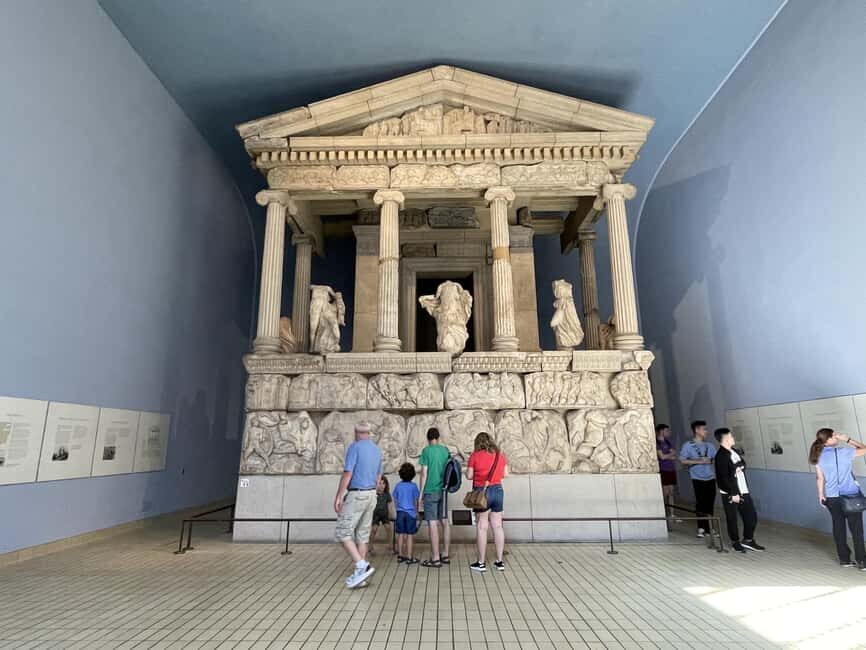
Next comes the Parthenon Sculptures, also known as the Elgin Marbles. These are marble carvings that were part of the Parthenon in Athens. Lord Elgin brought them to Britain when he was the British ambassador to the Ottoman Empire, and their presence in the British Museum is still debated today—especially around cultural heritage and repatriation.
A lot of tours either gloss over the controversy or turn it into a shouting match. This one aims for balance. You’ll get the origin story, the move to Britain, and why people argue about what should happen now. That matters because the sculptures are more than pretty statuary. They’re political and cultural symbols, and the way we talk about them affects how we understand history.
What to watch for during this stop:
- The difference between artistic importance and legal ownership claims
- How the context of removal changes what visitors think they’re looking at
- The fact that a museum can be both a place of preservation and a target of ethical debate
If you’re the type who likes art history but also wants the real-world issue attached to it, this stop is likely to keep your attention.
Ancient Egypt galleries: mummies explained without the creepy factor
Then the tour shifts to ancient Egypt, where the Ancient Egyptian galleries help you connect dots from the Rosetta Stone to burial traditions. The highlight here is the Egyptian mummies and what they can teach you about daily life, religion, and the end-of-life rituals Egyptians believed mattered.
Mummies can go one of two ways in a tour: either the guide treats them like a spooky Halloween prop, or they get flattened into dry labels. The better approach—what you should expect here—is a human explanation of burial practices and beliefs. You’ll learn how mummification and funerary customs fit into an overall worldview.
Even if you’re not a full-on Egypt fan, you’ll probably enjoy this stop because your guide can translate the artifacts into ideas. Questions like what people feared, what they hoped for, and what rituals signaled status can come through more clearly when an expert talks you through them.
Sutton Hoo helmet: early England’s “wow” artifact

Next, you’ll be taken to the Sutton Hoo helmet, a standout from an Anglo-Saxon burial site linked to a 7th-century burial ship. This is the kind of object that makes you forget you’re inside a museum. It looks like a piece of lived craftsmanship—metalwork, design, and status all tied together.
The tour connects it to the larger story of early medieval England. That’s important, because Sutton Hoo isn’t just a single famous item. It’s a snapshot of power, identity, and burial practice during a period when written records are thinner. Your guide’s role here is to explain why this find changed how historians understand that era.
If you’re traveling with kids, this is one of the stops that often keeps attention. It’s visual, iconic, and easier to grab than something that needs extra explanation to appreciate. Even adults who think they know this stuff tend to leave with sharper context.






Winged Bulls from Khorsabad: Assyrian power at full scale
Finally, you’ll see the Winged Bulls from Khorsabad. These colossal statues once guarded the entrance to the palace of Assyrian king Sargon II. “Guardian” is a key word here. These weren’t decorative. They were meant to signal authority and intimidate anyone approaching.
The “wow” factor is obvious in size and presence, but the value comes from the story: how these figures were used as part of royal architecture and power display. Your guide will walk you through the significance of their placement and what they represented in Assyrian ideology.
This stop also gives your whole tour a satisfying structure. You start with deciphering language, move to imperial art and ethical questions, travel through Egyptian burial beliefs, jump to Anglo-Saxon craftsmanship, and end with Assyrian royal authority. That arc makes a museum visit feel less like a checklist and more like a guided conversation across civilizations.
How the 2-hour format works (and how to get the most from it)

The experience lasts about 2 hours. That’s ideal if you want major artifacts and clear explanations, but it’s not ideal if you plan to stop for long reading marathons in every gallery.
Because it’s on foot, you’ll want comfortable shoes and a passport or ID card (they specifically note bringing one). And since food and drinks aren’t included, it helps to have a snack planned for before or after. Think of this tour as the “main course” of your museum visit. You’ll still want time afterward to wander at your own pace—especially if the mummies or Greek sculptures grab you.
One more note: starting times depend on availability. If the time you pick isn’t available, you’ll be transferred to another slot on the same day (example given: choosing 10:00 and being moved to the first available slot like 14:00). If seats are limited for last-minute booking, placement may happen on the following day. It’s not a big deal if you’re flexible, but it matters if you’re on a tight schedule.
Price and value: is $70.35 worth 2 hours with a guide?
At $70.35 per person, it’s not a budget activity. But for a world-class museum, you’re paying for focused interpretation and time-saving. A two-hour guided highlight tour is essentially buying yourself:
- a curated route through the museum’s most recognizable “name-brand” objects
- explanations that connect artifacts to meaning (writing, ritual, politics, power)
- an expert guide who keeps the experience moving without turning it into a lecture
If you were planning to tour the British Museum anyway, this can be a good value because it helps you decide what to linger on afterward. If you’re already prone to skipping guided tours, or you prefer reading everything slowly, you might decide to go self-guided. But if you want the best chance of feeling like you saw the point of the collection in a short window, the pricing starts to make sense.
Who this tour suits best
This is a strong match for:
- First-time British Museum visitors who want the top artifacts in a short time
- People who appreciate context, not just objects behind glass
- Families who benefit from an engaging guide style
It may be less ideal for:
- Anyone who needs a very slow pace or long quiet time in galleries
- Wheelchair users, since it’s not suitable
Should you book it? My practical take
I’d book this tour if you want high-impact highlights in a limited amount of time and you like the idea of someone making the connections for you. The Rosetta Stone and Parthenon Sculptures are two of the most talked-about pieces in the museum for a reason, and tying them to Egyptian burial practices, Sutton Hoo craft, and Assyrian guardians gives the visit real shape.
If you’re the kind of traveler who enjoys hours of self-guided wandering and reading, you might skip the tour and build your own route. But if you want a guided hit of meaning—plus a guide who can keep attention—this is a smart way to get oriented fast.
FAQ
FAQ
Where do I meet the guide?
You’ll meet your guide on the stairs at the main entrance of the British Museum, after security checks.
How long is the tour?
The duration is 2 hours. Starting times vary, so you’ll need to check availability.
Is the tour private?
No. It’s a live tour with a group, not a private experience.
What language is the guide?
The live tour guide speaks English.
What should I bring?
Bring a passport or ID card.
Is the tour suitable for wheelchair users?
No. The tour is not suitable for wheelchair users.
What’s included in the price?
It includes the British Museum guided tour and online support at the time of boarding the tour.
Is food or hotel pickup included?
No. Pick up from your hotel and food and drinks are not included.
Can I cancel, and what if my chosen time isn’t available?
Cancellation is free up to 24 hours in advance for a full refund. If your chosen time isn’t available, you’ll be transferred to another time on the same day; and for some last-minute situations, you may be placed on the following day.