REVIEW · LONDON
London: Jack the Ripper Museum Tickets
Book on GetYourGuide →Operated by Golden Tours - Gray Line London · Bookable on GetYourGuide
Jack the Ripper Museum is a tense walk through 1888 London. What makes it work is the careful room-by-room staging, from a Mitre Square murder scene to the museum’s recreation of the Whitechapel Police Station. I also like how the visit doesn’t just chase the myth of Jack, it slows down to focus on the victims, their lives, and the grim investigation details.
Plan on a small footprint. The museum is tightly packed, so you can finish in about 45 minutes if you skim, but you can also stretch it to around an hour and a half if you take your time reading and looking closely. One possible drawback: if you’re expecting a huge museum with lots of unrelated exhibits, this won’t feel that way.
In This Review
- Key things that make this ticket worth it
- Jack the Ripper Museum in Whitechapel: what the ticket actually gets you
- Location and getting there
- Six floors of Ripper rooms: your best route through the museum
- Step 1: Mitre Square and the Catherine Eddowes scene
- Step 2: Jack the Ripper’s sitting room and the “real objects” feeling
- Step 3: Whitechapel Police Station and the evidence boards
- Step 4: Period sound and the room-by-room atmosphere
- Step 5: Attic bedroom of Mary Jane Kelly
- Step 6: The morgue room and autopsy photos
- Extra rooms to watch for
- Price and value: is $18.86 per person fair?
- How long to plan: pace it for what you actually enjoy
- Best for: who should book these London Jack the Ripper tickets
- Should you book?
- FAQ
- Where is the Jack the Ripper Museum?
- How long is the ticket valid?
- What does the ticket include?
- How do I get there using public transport?
- Is there anything intense inside the museum?
- Is it open on Christmas Day?
- What if I need a refund or want to change plans?
Key things that make this ticket worth it
- Six floors of Ripper rooms with a strong sense of setting and story order
- Whitechapel Police Station boards with items tied to the investigation, including letters and period newspapers
- Mitre Square recreation featuring a wax figure of P. C. Watkins discovering Catherine Eddowes
- Jack’s sitting room with Victorian medical tools, maps, letters, and memorabilia linked to the case
- Attic bedroom of Mary Jane Kelly showing domestic life details, from photos to clothing and a straw-mattress bed
- Morgue access for autopsy photos and written reports covering the nine victims
Jack the Ripper Museum in Whitechapel: what the ticket actually gets you
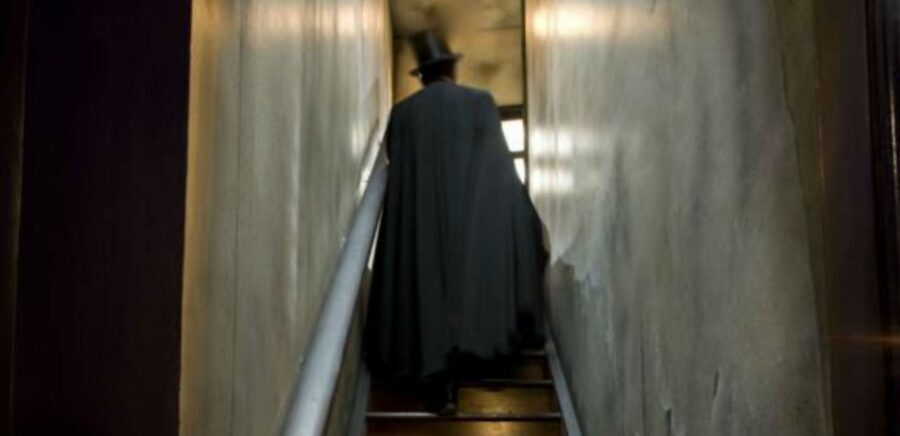
Your Jack the Ripper Museum ticket is admission to the museum only. No guide escort is included in the basic ticket, so you’ll do this at museum pace—walking room to room, reading labels, and taking in the staging. The payoff is that the museum is built like a guided experience, even when you’re doing it yourself.
The museum runs on the idea that the Ripper story is more than a single villain. It’s also about the police work, the evidence, and the very real human cost. That’s why the best parts here aren’t just the scare-factor props. They’re the recreated investigation spaces and the way the museum keeps returning to what the victims’ lives looked like before the violence.
You can also read our reviews of more tours and experiences in London


Location and getting there
The museum’s address is 12 Cable Street, London E1 8JG. For public transport, the nearest options listed are Tower Gateway, Tower Hill, and Aldgate East (via underground and train connections). Transportation isn’t included with the ticket, so build it into your day plan.
Cable Street sits in East London, the zone that’s often the base for exploring Whitechapel. If you’re doing other nearby stops (markets, churchyards, and old street blocks), this fits well as an after-lunch activity, or as a late-afternoon “slow and eerie” indoor stop.
Six floors of Ripper rooms: your best route through the museum
This is a walk-through across six floors, with distinct rooms that feel like set pieces rather than display cabinets. Even if you don’t read every label, the staging helps you understand what you’re looking at. And if you do read, you’ll likely feel that the museum is steering you through the timeline and the investigation logic.
Step 1: Mitre Square and the Catherine Eddowes scene
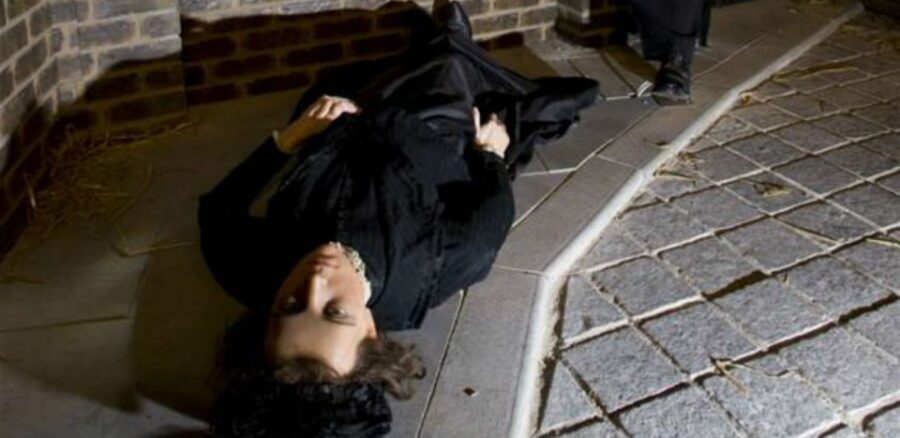
One of the first rooms to hit hard is Mitre Square. You’ll see a realistic wax recreation of P. C. Watkins discovering the body of Catherine Eddowes. The museum treats this as an “arrival point” into the case—this is where the horror becomes concrete, tied to a named place and a named person.
What makes this room especially effective for a first-time visitor is that it doesn’t just show a moment. It frames it like a discovery that triggered a wider police response. You’ll get the sense of why the investigation turned into a hunt for clues, rather than just a chilling story retold.
Practical note: this part is intentionally intense. If you’re sensitive to crime-scene displays or graphic implication, you may want to pace yourself and take short breaks as you move upward.
Step 2: Jack the Ripper’s sitting room and the “real objects” feeling
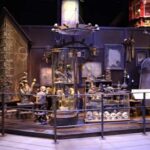
Next up, you move into Jack’s sitting room, designed to look like a collector’s space of ideas and tools. The museum includes medical instruments, plus books, maps, and letters, along with Victorian-era Ripper memorabilia.
The centerpiece people often notice is an original drawing tied to a prime suspect—Walter Sickert’s original drawing of the body of a woman on a metal bed, signed in red ink. Even if you don’t know the debate around suspects, you’ll recognize the museum is presenting this as something tangible and historically grounded, not just a spooky silhouette.
For you, this room matters because it connects the Ripper myth to the period’s tools and thought process. It’s less about sensational horror and more about how investigators and journalists of the time tried to interpret evidence.
You can also read our reviews of more museum experiences in London






Step 3: Whitechapel Police Station and the evidence boards
Then comes the Whitechapel Police Station recreation—often the most practical-feeling part of the museum. Here, you can study what the investigation looked like on the inside: evidence presented on crime scene boards, plus items tied to the case.
The museum highlights include the From Hell and Dear Boss letters. You’ll also see original newspapers and police artifacts used to show what the case looked like in the public record at the time. One small detail that really lands is a whistle: P. C. Watkins blew to call for help, along with his notebook, handcuffs, and truncheon—displayed to the public.
Why this room is a standout: it teaches you how a big mystery got organized into leads and paperwork. If you like true crime that focuses on process, this is the part to linger over.
Step 4: Period sound and the room-by-room atmosphere
A big reason people come back to this museum is the use of audio. Some rooms include sound effects and spoken elements that help the setting feel more period-authentic. One example called out in guest comments is the upstairs attic area, where a singing voice through a speaker creates an eerie mood.
You don’t need to be a “horror person” to appreciate this. Sound design is one of the quickest ways a museum can control pacing. It makes the stairs and landings feel like chapters instead of just transit.
If you’re visiting on a day with other intense sightseeing (graveyards, memorials, court buildings), plan a steady pace. Audio can amplify the mood.
Step 5: Attic bedroom of Mary Jane Kelly
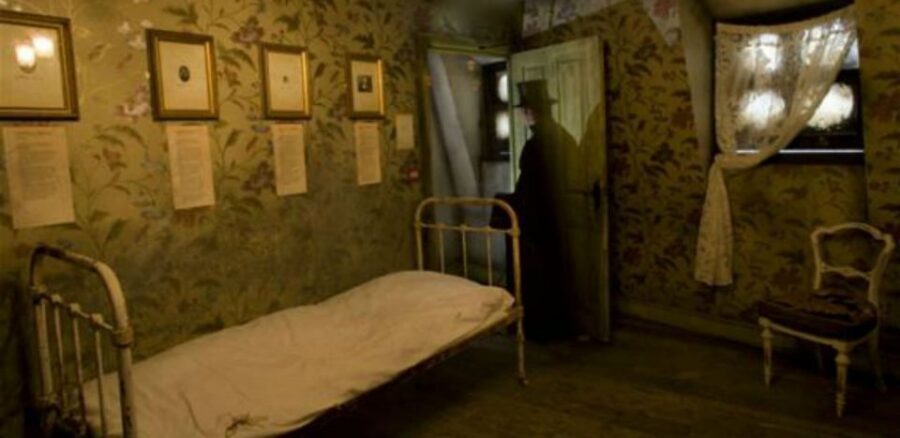
In the attic, the museum recreates Mary Jane Kelly’s bedroom, presented as the scene of the Ripper’s most horrific murder. This is where the museum shifts again—from investigation rooms back to human scale.
You’ll see how the women lived: domestic photographs of Kelly and her family, along with boots, bonnets, and a metal-framed bed with a straw mattress. The idea is to show how small, ordinary possessions became all that remained in the aftermath.
For many visitors, this room is the emotional heart of the museum. It’s also the part that can feel most respectful, because it’s built around daily life rather than graphic spectacle.
Step 6: The morgue room and autopsy photos
If you dare—there’s a morgue room. Here, you can study actual autopsy photos and read reports describing the mutilation and murder of the nine women targeted in the case.
This is the “hardest” stop for most people. It’s also why the museum feels different from a cheap thrill ride. The display leans into historical documentation, not fantasy.
If you want to handle this in a safer way, do it last. After you’ve seen the investigation rooms and domestic life details, you’ll have more context for what you’re looking at. Going in cold can feel disconnected and overly shocking.
Extra rooms to watch for
Beyond the named highlights above, the museum also features other creepy touches that people remember. Guest comments call out things like a detectives room and two mannequins in the basement. Those details aren’t just for scares—they help fill out the feeling of a full, period-building experience rather than a few highlight rooms.
Price and value: is $18.86 per person fair?
At $18.86 per person, the ticket price is in the “small museum” range. The value comes from two things:
1) Breadth of rooms for the money
You’re getting a full multi-floor visit built around multiple locations and themes: Mitre Square, a suspect’s sitting room, a police station recreation, an attic bedroom, and a morgue stop.
2) Specific artifacts and recreations
The museum doesn’t rely only on generic storytelling. It points you toward identifiable case items like the From Hell and Dear Boss letters, newspapers, and police artifacts, plus the whistle and Watkins’ items.
If you have a limited time window in London and want an experience that’s clearly East London–centered and story-driven, this ticket can be a good fit. If you’re looking for big collections, lots of rotating exhibits, or a longer museum day, you may find the footprint smaller than expected.
How long to plan: pace it for what you actually enjoy
Based on how visitors describe their timing, you’ll likely fall into one of two patterns:
- If you skim labels and keep moving, expect something closer to 45 minutes.
- If you read carefully and take in the audio and room staging, you can easily spend up to about an hour and a half.
My practical advice: pick the room types you care about most. If you love evidence and police process, focus on Whitechapel Police Station and Jack-related objects. If you’re more emotionally drawn to the human angle, make time for Mary Jane Kelly’s attic bedroom. Then decide whether you’ll go to the morgue room when you’re feeling ready.
Best for: who should book these London Jack the Ripper tickets
This ticket is a strong match if you’re into any of these:
- True crime with historical context, not just modern gore
- London history in an East End setting, tied to named places like Mitre Square and Whitechapel
- Atmosphere-driven museum visits where audio and staging do real work
- Curious minds who want to see both evidence boards and daily-life details
It may be less suitable if you want a family-friendly day at a normal pace. The museum includes extremely intense content, including autopsy photos and reports. Even if kids are interested in history and macabre stories, you’ll want to judge maturity level carefully before committing.
Should you book?
Yes, I’d book it if you want a focused, story-built museum visit that stays grounded in names, places, and evidence. The value is strongest when you treat it as a single-ticket museum afternoon: read what you can, linger where it matters, and use the floors like chapters in the same grim book.
Book it with caution if you’re sensitive to crime-scene themes or graphic documentation. And if you prefer huge museums with lots of variety, remember the museum is intentionally compact.
If you tell me your travel dates and what else you want to do that day (Tower area? Whitechapel walking tour? shows?), I can help you fit it into a sensible route.
FAQ
Where is the Jack the Ripper Museum?
The museum is at 12 Cable Street, London E1 8JG.
How long is the ticket valid?
The ticket is valid 1 day. You’ll want to check availability to see the starting times.
What does the ticket include?
The ticket includes museum admission only.
How do I get there using public transport?
The nearest underground/train stations listed are Tower Gateway, Tower Hill, and Aldgate East.
Is there anything intense inside the museum?
Yes. The museum includes a morgue room where you can study actual autopsy photos and read reports related to the nine victims.
Is it open on Christmas Day?
No. The museum is closed on Christmas Day.
What if I need a refund or want to change plans?
It offers free cancellation up to 24 hours in advance for a full refund.