REVIEW · LONDON
British Museum & National Gallery Highlight Tour 8 guests 5h
Book on GetYourGuide →Operated by Babylon Tours London · Bookable on GetYourGuide
Art museums feel different when someone points to the right things.
This highlight tour is built for people who want fewer random stops and more meaning: you pair National Gallery masterpieces from the 1300s onward with the British Museum’s 6000 years of objects, and your guide turns the walls into a storyline. You’re not just looking; you’re learning how the same human questions show up in painting and then in sculpture, armor, writing, and daily life.
I especially like the live commentary. On tours like this, the guide’s voice matters, and names like Matilda and Becky have been singled out for lively, witty explanations that make familiar artists feel less like schoolwork and more like characters in a plot.
One consideration: the museums are huge and entry lines can be slow, so if your tour is delayed or if you get confused about check-in, it can be stressful. I’d also plan on moderate walking, and only bring what you can comfortably carry since large bags aren’t allowed.
In This Review
- Key things worth knowing before you go
- Two museums in one session: how the 5.5 hours really works
- National Gallery first: from big artist names to what’s actually happening
- Lunch break strategy: how to stay energized without losing the day
- British Museum: seeing 6000 years like a living Rosetta Stone
- Pace and logistics: what moderate walking really means in practice
- The value question: is $206 worth it for this combo tour?
- Guides make the difference: why live commentary changes everything
- Should you book? Who this tour fits best
- FAQ
- How long is the British Museum & National Gallery Highlight Tour?
- How many people are on the semi-private tour?
- What’s included in the price?
- Is hotel pickup and drop-off included?
- Is lunch included?
- Do I need an ID to join the tour?
- Is luggage allowed?
- Is the tour wheelchair accessible?
- What’s the cancellation policy?
- What age or group requirement is there for booking?
Key things worth knowing before you go
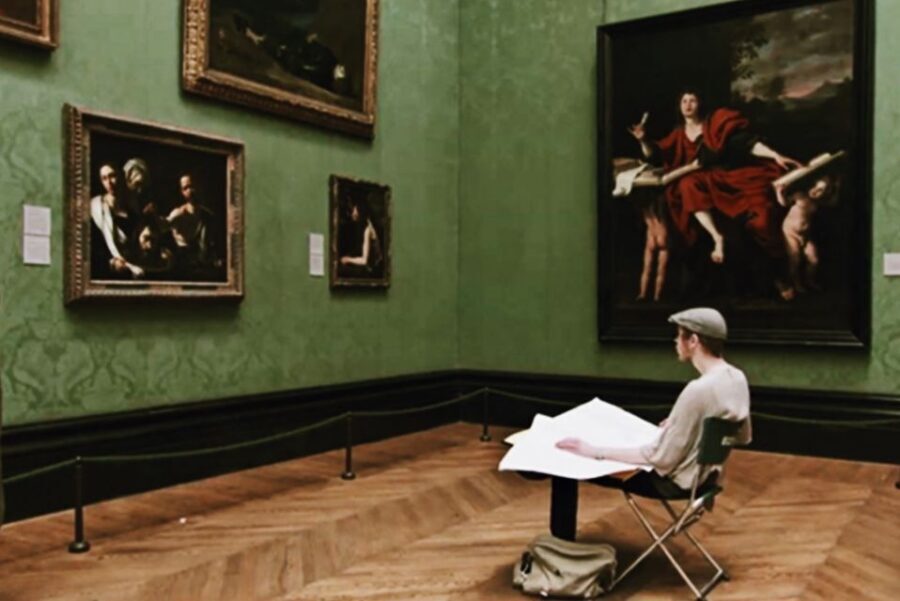
- Two top-tier museums, one connected theme: art techniques in London, then human history in objects.
- A shortlist of major works: you’ll be led toward specific paintings and artifacts, not just wandering.
- Short, guided museum time: 5.5 hours is efficient, but it’s not a “see everything” kind of day.
- Break between museums for lunch: you’ll have time to reset, but food is at your own expense.
- Moderate walking and no large bags: plan to move and travel light.
Two museums in one session: how the 5.5 hours really works
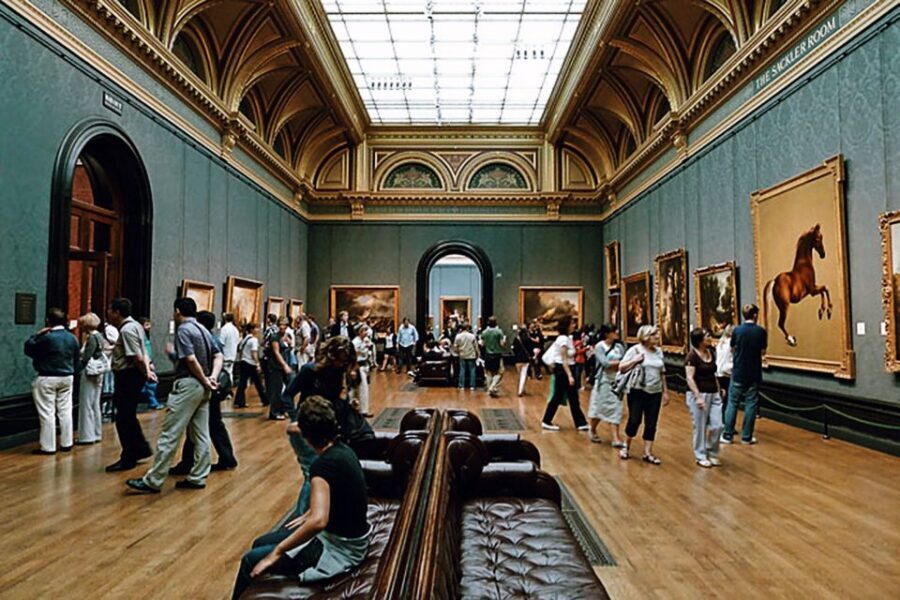
This tour is timed like a good museum day should be: you get focused art time first, then you switch gears to history and material culture at the British Museum. The total duration is about 5.5 hours, with a lunch break that sits between the two museum visits. That lunch break is at your own expense, but it’s useful. You’re going from painting to artifacts, and your brain needs a pause.
Group size is small, with a maximum of 8 people on the semi-private option. That matters. In big group setups, guides can only speak to the loudest parts of the room. Here, the pacing stays human, and it’s easier to ask a question without feeling like you’re stepping on top of strangers.
Also: this is a daily tour, and it’s designed for an English-speaking guide. Meeting point can vary by booking option, so when you confirm, read the exact address and arrive early. In London, a few minutes can turn into a long wait—especially when you’re trying to connect museum highlights with a tight timeline.
You can also read our reviews of more museum experiences in London



National Gallery first: from big artist names to what’s actually happening
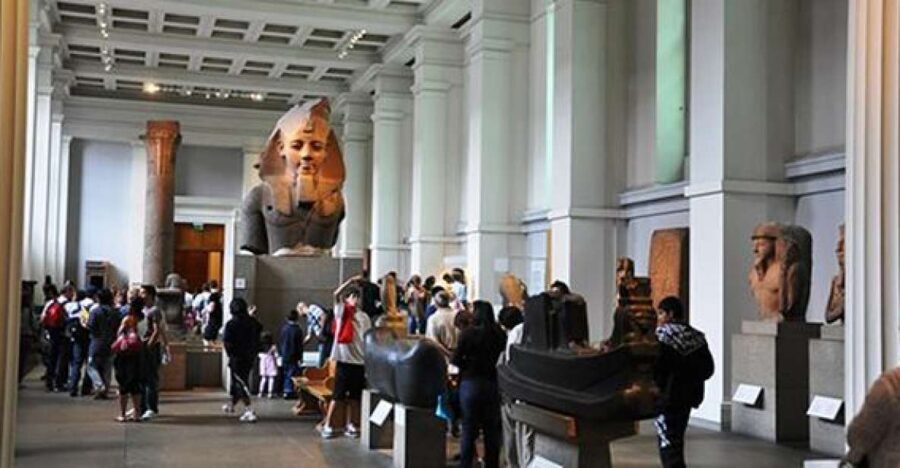
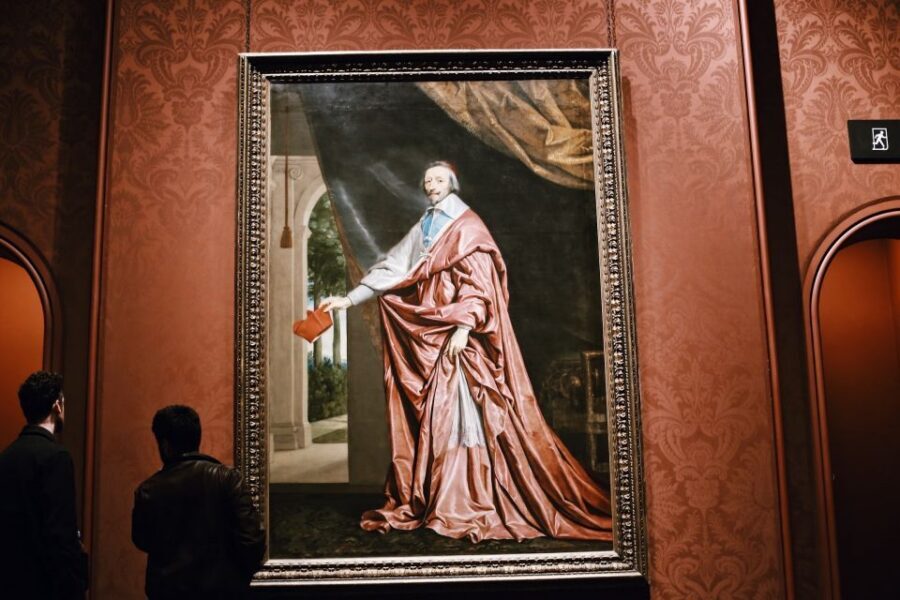
The National Gallery visit starts with the stories behind the painters whose names you’ve probably heard even if you can’t place the details. You’ll move through works painted from around the 1300s onward, so the timeline naturally answers a question you’ll have as you walk: how style, symbols, and subject matter change over centuries.
What you’ll love here is the “orientation” your guide gives you. Even if Van Gogh and da Vinci are the only names you know, you’ll get a way to connect the artist to the artwork: what to look for, why details matter, and how to spot shifts in technique and taste across time.
As you go, you may see major highlights such as:
- A Young Woman standing at a Virginal
- Sunflowers
- The Madonna of the Pinks (La Madonna dei Garofani)
- The Toilet of Venus (The Rokeby Venus)
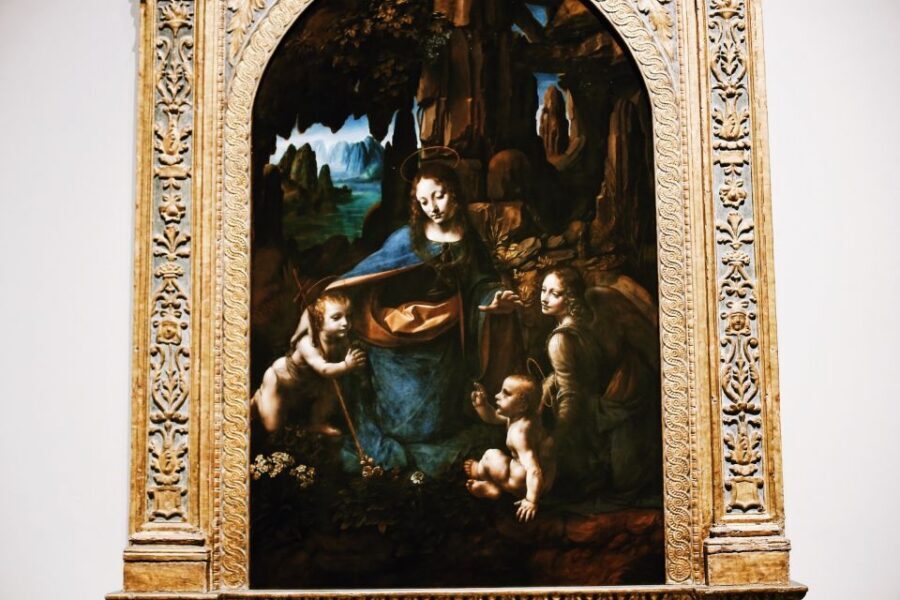
- The Virgin of the Rocks (from panels of the S. Francesco Altarpiece)
- The Ambassadors
- The Arnolfini Portrait
- Venus and Mars
One reason this stop feels worthwhile is the way the guide connects paintings to the larger “why.” For example, you might start with a single famous scene, then learn how composition, symbolism, and style change from one period to another. The tour description hints at that forward-and-back mental switch: you’re shown a well-known piece, then you jump to a later work so you can feel the differences in style rather than just hear about them.
Tip for your visit: wear shoes you can stand in for a while. The tour is short, but it’s still a museum inside a museum—your feet do the navigating while your guide does the explaining. If you’re the type who likes to linger at paintings, you’ll have to choose. Let your guide point out what’s most important for the tour arc, and then take a second look if time allows.
Lunch break strategy: how to stay energized without losing the day
Between museums, you’ll have a lunch break, but food isn’t included. The practical win here is that you get to reset before the British Museum. Painting galleries can be visually intense; artifacts can feel dense; a real pause helps you actually remember what you saw next.
Because the tour is 5.5 hours total, don’t treat lunch as a long sit-down. Plan something quick and nearby, or choose a place you can return from fast. You want enough time to regroup, use the restroom, and get back without turning lunch into a delay.
Also remember the bag policy: no luggage or large bags. If you’re carrying a day bag, keep it compact so you’re not stuck juggling it in crowded museum corridors. That’s a small thing, but it makes the experience smoother.
British Museum: seeing 6000 years like a living Rosetta Stone

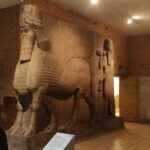
After lunch, the tone shifts. The British Museum stop is all about connecting civilizations through objects you can touch with your eyes: sculptures, jewelry, and artifacts that span thousands of years.
The guide takes a guided route through a curated selection, and the goal is to make the collection feel understandable rather than overwhelming. The British Museum is vast, so the value of this part is the same as the National Gallery piece: you’re given a path and a set of questions to carry.
Here’s what you can look for during this section, assuming highlights are available and not temporarily removed:
- The Rosetta Stone
- Assyrian Lion Hunt reliefs
- Parthenon Sculpture
- Lewis Chessmen
- Oxus Treasure
- Royal Game of Ur
- Mummy of Katebet
- Samurai Armour
If you’ve ever stood in front of a museum display and felt like you needed a cheat sheet, this is the antidote. The tour description frames the British Museum as a kind of Rosetta Stone for human achievement—how we record power, trade, belief, and daily life.
You’ll also get cultural context that makes the objects feel less like isolated masterpieces and more like evidence. A relief might tell you about leadership and warfare. A chess set might tell you that leisure and strategy are universal. Armor might show you how artistry and engineering meet under real-world pressure.
Reality check: because this museum is huge, you won’t see everything in 2ish hours. But if you arrive with a guided shortlist in mind, the experience becomes a focused survey. That’s often the best way to “do” the British Museum without burning out.
Pace and logistics: what moderate walking really means in practice
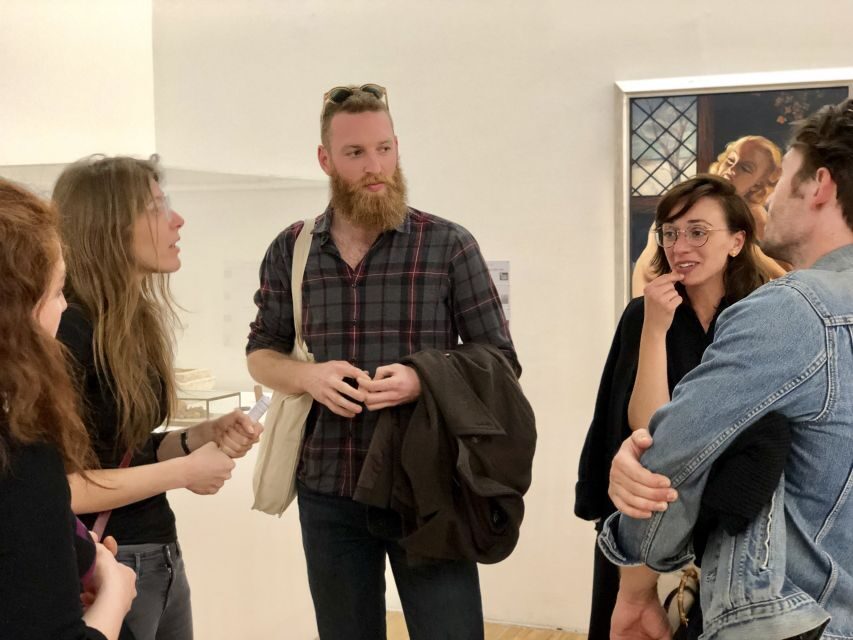
This tour includes a moderate amount of walking. That’s not a dealbreaker, but it is a reason to plan for your body, not just your itinerary. Think: standing time, museum corridors, and moving between galleries efficiently.
There’s also a clear constraint: you can’t bring luggage or large bags. Keep your carry-on light, and keep your essentials in a bag you can move quickly through crowds. If you’re traveling with extra items, consider leaving them somewhere safe before you start the day.
Accessibility is a bit mixed in the details you’ll see. The info notes tours are available for wheelchair users on request, but there’s also a note saying it’s not suitable for wheelchair users. In real terms, I’d treat this as: you’ll need to confirm suitability directly with the provider before committing. If you use a wheelchair, ask exactly what route they plan inside each museum and whether any segments are hard to navigate.





The value question: is $206 worth it for this combo tour?
At $206 per person for about 5.5 hours, the honest value depends on what you want from London museums.
If your goal is to maximize learning per minute and avoid aimless wandering, this price starts to make sense. Two world-famous museums plus a live guide is not just “entry tickets.” You’re paying for someone to guide your attention, set context, and keep the day on track so you see the most meaningful highlights rather than the first rooms you stumble into.
If your goal is to roam freely and linger for long stretches, you might feel constrained. This isn’t a slow, sit-everywhere experience. It’s a highlights tour, which means decisions get made for you: what to see, what to prioritize, and where to spend time.
Also, note what’s not included: food and drinks and temporary exhibits. So budget for lunch, and treat the tour as a focused museum education rather than a full-service day with meals included.
Finally, bring passport or ID. It’s a small step that prevents last-minute problems.
Guides make the difference: why live commentary changes everything
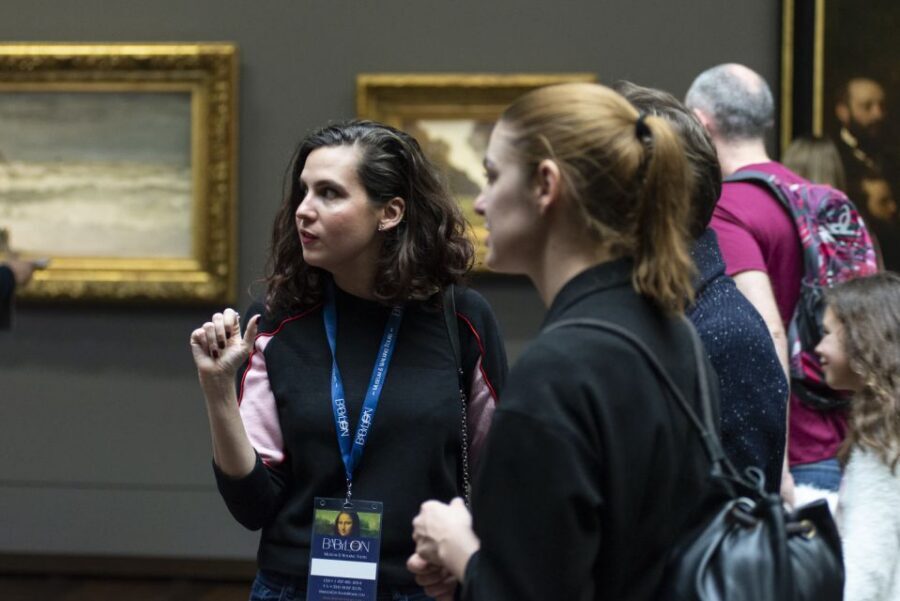
This kind of tour lives or dies on the guide’s style. The best version of this day is when someone helps you notice what you’d otherwise miss: symbols in paintings, why certain compositions became famous, how artifacts reflect trade routes or belief systems, and how small details prove big historical ideas.
That’s why names like Matilda and Becky get mentioned with praise. When a guide delivers lively, witty explanations, the museums stop being background and start being interactive. Even if you only remember a few facts, you’ll remember the feeling: you know what you’re looking at and why it matters.
A practical trick: as you move through galleries, pick one question to ask yourself. For National Gallery, it could be about how style changes over time. For the British Museum, it could be about what everyday objects reveal about a civilization. Your guide’s job is to supply the answer. Your job is to keep your eyes open.
Should you book? Who this tour fits best
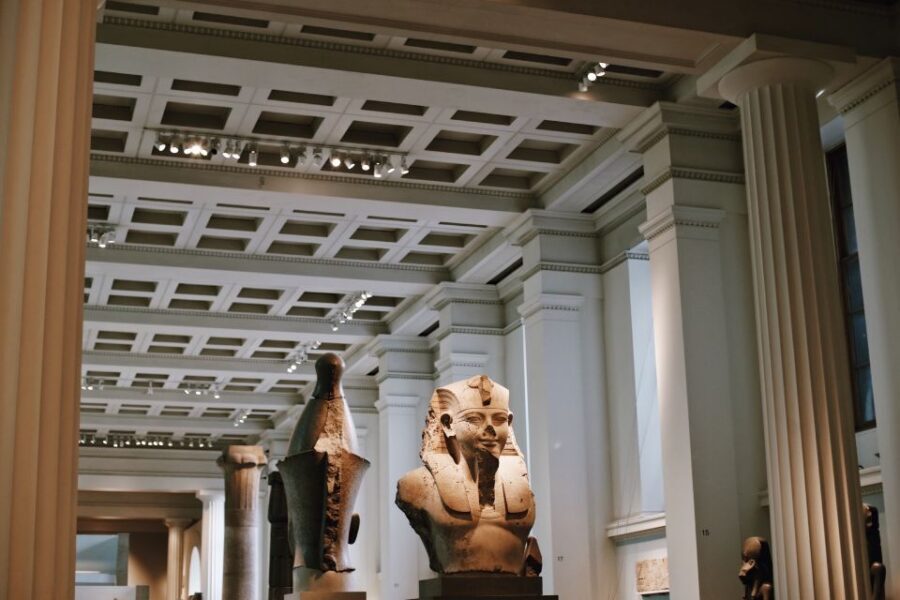
You should book this tour if you want a structured highlight route through two of London’s biggest museums, and you like learning while you walk. It’s a strong fit for first-time visitors who feel intimidated by the scale of both museums, and for anyone who wants to see iconic works like The Virgin of the Rocks, The Arnolfini Portrait, The Rosetta Stone, and the Lewis Chessmen without spending the day planning.
You might skip it if you want total freedom to roam or you’re the kind of person who needs to sit for long periods in front of art. In a 5.5-hour window, you’ll see a lot, but not everything. Also, if you have strict mobility needs, confirm accessibility carefully.
One last practical move: if you’re paying via a voucher or third-party process, confirm in advance that your payment method will be accepted smoothly at the museum. When queues are long and time is tight, avoiding check-in confusion is worth extra attention.
FAQ
How long is the British Museum & National Gallery Highlight Tour?
It runs about 5.5 hours total.
How many people are on the semi-private tour?
The semi-private option is capped at 8 people.
What’s included in the price?
You get a professional local tour guide and private and semi-private options. Food and drinks are not included.
Is hotel pickup and drop-off included?
No, hotel pickup and drop-off aren’t included.
Is lunch included?
No. There is a lunch break between the museum visits, and food and drinks are at your own expense.
Do I need an ID to join the tour?
Yes. You should bring a passport or ID card.
Is luggage allowed?
No luggage or large bags are allowed.
Is the tour wheelchair accessible?
Tours are noted as available for wheelchair users on request, but there’s also a note that it is not suitable for wheelchair users. You should confirm suitability with the provider before booking.
What’s the cancellation policy?
You can cancel up to 24 hours in advance for a full refund.
What age or group requirement is there for booking?
A minimum of 2 adults per booking is required.