REVIEW · LONDON
London: Natural History Museum Guided Tour
Book on GetYourGuide →Operated by The Great Weekender · Bookable on GetYourGuide
This tour gives you the fast track to the Natural History Museum’s biggest wow objects, without you getting lost in a sea of cases. I especially like the focus on headline specimens like Sophie the Stegosaurus and the evolution storyline built around Dodo and the Archeopteryx fossil. One drawback to keep in mind: at times the info can feel more like museum highlights than a deep, nerdy lecture, so if you already know the basics it may feel pricey.
You’ll do it with a live English guide on a private or small-group format, and you’ll skip the express security check. Meet outside the red telephone box opposite the Exhibition Road entrance, then spend about 2.5 hours moving through the museum’s main attractions.
In This Review
- Key highlights to look for
- First stop: getting in smoothly at the Natural History Museum
- Sophie the Stegosaurus: the moment your attention locks in
- Dodo and Archeopteryx: evolution as a physical tour, not just a theory
- Giant Sequoia cross-section: the 1300-year feeling hits fast
- Pompeii casts and Vesuvius: history you can stand beside
- Darwin’s first edition: a classic you can actually see
- Earth’s vault, Moon and Mars rock, and the science behind the sparkles
- Price and value: is $93 per person worth it?
- Who should book this tour, and who might want a different format
- Should you book? My practical take
- FAQ
- Where do I meet for the Natural History Museum guided tour?
- How long is the tour?
- What is included in the price?
- Is the tour private or small group?
- What language is the tour guide?
- Can I take photos with flash?
- Is this tour suitable for wheelchair users?
- Can I cancel and get a full refund?
- Can I reserve and pay later?
- Who provides the tour?
Key highlights to look for
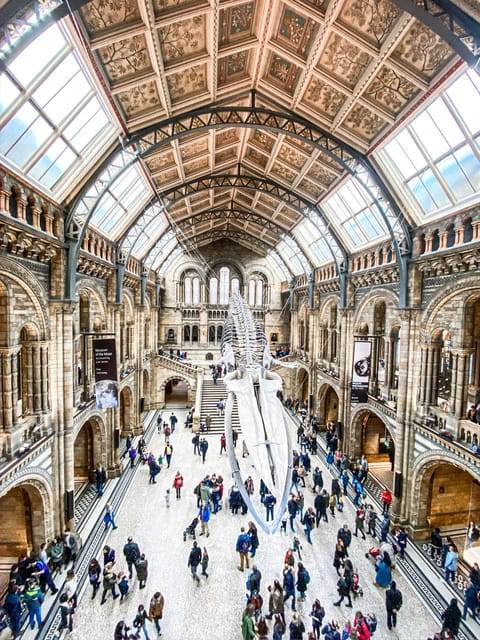
- Sophie the Stegosaurus: the world-famous, nearly complete skeleton that anchors the dinosaur stops
- Archeopteryx fossil: the often-cited link between dinosaurs and birds
- Giant Sequoia cross-section: a tree already about 1300 years old when it was felled in the 19th century
- Pompeii plaster casts: victims of Mount Vesuvius, shown in a way you can stand close to
- Darwin’s On the Origin of Species (first edition): a scientific classic you can actually see
- Gem displays plus Moon and Mars rock: geology and space collectibles under one roof
First stop: getting in smoothly at the Natural History Museum
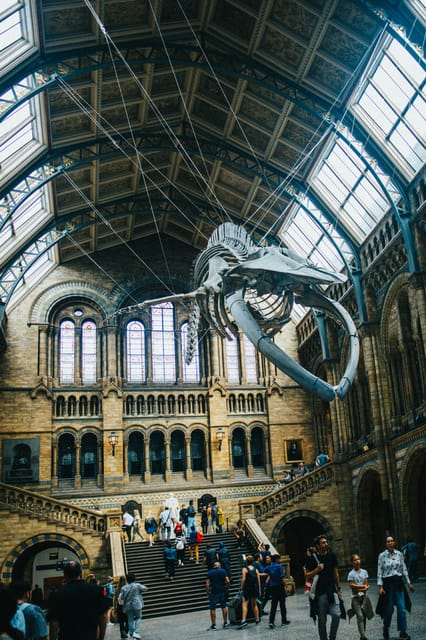
London’s Natural History Museum can be a “wow” just by walking in. The best part of a guided format here is that you’re not stuck figuring out what to prioritize, especially when the museum is built around an 80 million-specimen collection. This tour is built around the main highlights, so you get the key sights with an actual plan and pacing.
The meeting point is straightforward: outside the red telephone box opposite the Exhibition Road entrance. You also get skip-the-line access through an express security check, which matters because museum security lines can chew up your energy. The tour runs about 2.5 hours, but it’s described as a 2-hour guided walk through the museum’s top sights, so you still get a little time to get your bearings and absorb what you see.
One practical note: flash photography is not allowed. That’s normal for museums, but it can affect how quickly you can take photos of cases and fossils. If you care about pictures, plan to use your regular camera settings and be ready to wait your turn around the most popular displays.
You can also read our reviews of more tours and experiences in London.



Sophie the Stegosaurus: the moment your attention locks in
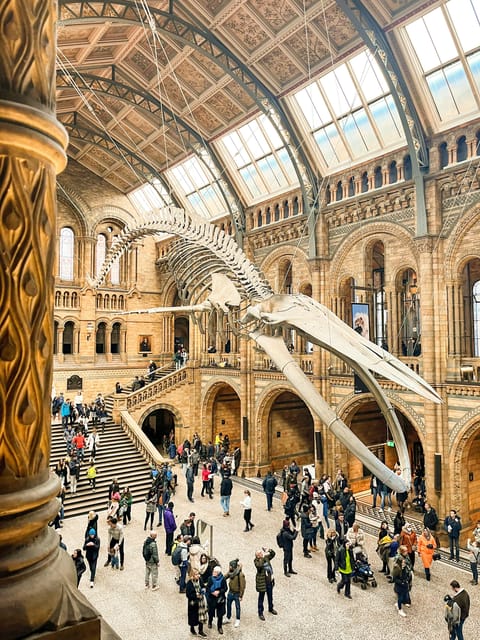
If you only do one dinosaur in London, Sophie is the one most people mean. This tour centers that fact. You’ll go see Sophie the Stegosaurus, the world’s most complete stegosaurus skeleton, and that matters because it lets you study the full shape of the animal instead of just peeking at a partial mount.
What I like about putting Sophie early is psychological. Your brain is primed for “big animal + bones” right away, so later stops on evolution and classification land better. And standing near a skeleton like this is different from seeing a photo. You can really feel the scale, the long posture, and the overall layout of the body—plus the museum context that explains what you’re looking at.
Possible drawback: because Sophie is a headline attraction, the area can be busy. A guide helps you make sense of what you’re seeing quickly, so you’re not just waiting for the crowd to move. Still, expect a bit of jostling around the most popular dinosaur display, especially if you’re traveling during peak visitor hours.
Dodo and Archeopteryx: evolution as a physical tour, not just a theory
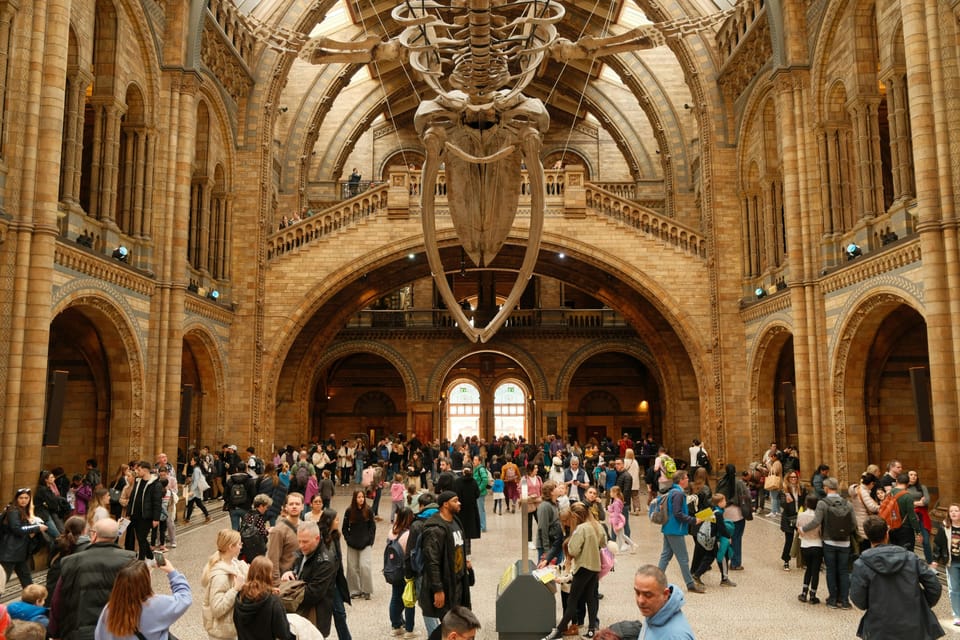
After Sophie, the tour shifts from “wow bones” to “how life changes.” You’ll see the Dodo and then the standout fossil for this storyline: Archeopteryx. The tour frames Archeopteryx as a missing-link connection between dinosaurs and birds, and the point for you is simple: this isn’t abstract. You’re looking at the evidence the museum places in front of you.
What works well here is that you’re not only learning what the animals are. You’re seeing how the museum presents evolution through specimens—some extinct, some transitional, and all tied to the idea of how traits show up and shift over time. Dodo also adds an emotional jolt. It’s the kind of extinct animal you can’t just admire as a fossil; it reads like a story about lost life.
One more practical detail: the tour is designed as a highlights loop. That means you likely won’t have time to thoroughly read every label in every room. If you want to go deep on evolution on your own afterward, this guide can be your “starter map,” not your final textbook.
Giant Sequoia cross-section: the 1300-year feeling hits fast
Next comes something you might not expect from a dinosaur-heavy plan: a Giant Sequoia cross-section, described as a tree about 1300 years old when it was felled in the 19th century. This is one of those museum moments that changes how you think about time.
Standing in front of a cross-section can do something visuals can’t: it turns years into a tangible object. You see a thick, complex slice of growth, and you start to realize that “history” isn’t only about people and cities. It’s also about trees that lived while empires rose and fell elsewhere.
The good news for your pacing: this stop is intense but quick to grasp. You don’t need geology training to connect with it. The guide helps translate what you’re looking at, and you move on with a stronger sense of scale across different kinds of natural history.
Pompeii casts and Vesuvius: history you can stand beside
Then the tour heads to the plaster casts taken of victims of the eruption of Mount Vesuvius in Pompeii. This is where the museum’s natural history shifts into human history, and it can feel heavier than the dinosaur rooms.
What makes this stop meaningful is proximity. Instead of only learning from a description, you stand there with a display that conveys the tragedy in a direct, physical way. It’s the kind of exhibit that sticks with you because it’s specific: named place, specific event, real people turned into a museum artifact.
This isn’t a “happy wow” stop, so keep that in mind if you want a purely upbeat tour. But if you prefer your museum visits honest and grounded—where nature and catastrophe overlap—this is one of the most memorable parts of the route.



Darwin’s first edition: a classic you can actually see
A highlight for science fans is the chance to admire Darwin’s On the Origin of Species (first edition). When you see a first edition artifact in person, it shifts the story from “famous ideas” to “real work, real pages, real era.”
Why this stop matters for you: it helps connect the fossil and evolution materials into a broader scientific framework. You’re not only looking at bones and plants. You’re seeing the documentary side of science—the publication that helped change how people think.
This is also a good pause. After fossils and catastrophe casts, you get a moment of quiet focus on paper and ideas. The guide’s job here is to point out what makes it special and how it fits into the bigger evolution narrative running through the tour.
Earth’s vault, Moon and Mars rock, and the science behind the sparkles
The tour also includes stops that pull you from Earth’s past into Earth’s minerals and beyond. You’ll see some of the finest gemstones from the earth’s vault, plus rock from the Moon and Mars. Even if you don’t call yourself a science person, this part is fun because it turns “space stuff” into something you can look at closely.
Gem displays can be easy to skim if you’re not told what to notice. A guide helps you look past the shine and toward the science angle—how minerals form, why samples matter, and how museums organize materials into meaning. And the Moon and Mars rock adds instant scale. You’re standing inside a museum in London, but your eyes are pointed at objects that came from other worlds.
Potential drawback: if you want a long, hands-on geology class, this is still a highlights tour. You’ll get guided context, but you won’t spend hours studying mineral structure the way you might in a specialized course. Think of it as a well-informed teaser that makes you want to read labels afterward.
Price and value: is $93 per person worth it?
At $93 per person for about 2.5 hours, the value depends on what you want from a museum visit.
Here’s what you’re paying for, in practical terms:
- A live English guide who leads you through the museum’s main highlights
- A private or small-group format (which usually means less wandering and more attention per person)
- Skip the line through express security check, which can save real time in London
- Access to the museum’s top displays in a tight, curated route
Now for the honest side: one criticism you should take seriously is that the tour can feel basic if you already know a lot about volcanoes, gems, dinosaurs, and earth science topics. That doesn’t mean it’s bad. It means the “headline highlights” format won’t satisfy everyone who wants a deep lecture style.
On the guide quality front, the highest praise in the feedback points to strong engagement. Names mentioned include Sasha and Wesley, both praised for being engaged and making time feel fast. That’s a big deal for a tour like this. If the guide is lively and organized, you leave feeling like the museum was mapped for you, not just visited.
Who should book this tour, and who might want a different format
This tour makes the most sense if you want a smart route through a huge museum. It also fits well if you’re traveling with kids or a mixed group, because the headline objects are instantly gripping: dinosaur skeleton, fossil link, ancient tree rings, and the Pompeii casts.
You might want to choose a different style if:
- you already know the main science stories and would rather spend time reading everything on your own
- you’re expecting a long, highly technical explanation for every stop
- you need wheelchair access (this tour is not suitable for wheelchair users, based on the provided information)
If you’re the type who likes museums but also likes efficiency, you’ll probably enjoy this. You’ll get enough guidance to understand what you’re seeing and enough time to appreciate it without turning the day into a marathon.
One last note: because one report mentions a guide not showing up, I’d treat this like any organized activity—arrive at the meeting point on time, confirm your group details, and if anything seems off, ask the provider right away. Most tours run smoothly, but it’s still smart to be alert at check-in.
Should you book? My practical take
I’d book this tour if you want the Natural History Museum’s best hits in a guided loop, with headline specimens and science context that helps the exhibits land. The strongest reasons to go are the display power—Sophie the Stegosaurus, Archeopteryx, the Giant Sequoia cross-section, and the Pompeii casts—plus the reported payoff from guides like Sasha and Wesley who keep things lively.
Skip it if your main goal is deep, detailed interpretation of every topic, or if you already feel confident in the subject areas the tour touches. And if mobility is an issue for your group, don’t count on this being a wheelchair-friendly choice.
If you want a museum visit that feels guided but not stiff, this is a solid bet.
FAQ
Where do I meet for the Natural History Museum guided tour?
Meet outside the red telephone box opposite the Exhibition Road entrance to the Natural History Museum.
How long is the tour?
The experience lasts about 2.5 hours, including a 2-hour tour of the museum’s main highlights.
What is included in the price?
You get a guided tour of the museum’s main highlights, access to the museum accompanied by a tour guide, and the express security check.
Is the tour private or small group?
Yes. It’s offered as private or small groups.
What language is the tour guide?
The live tour guide provides the tour in English.
Can I take photos with flash?
No. Flash photography is not allowed.
Is this tour suitable for wheelchair users?
No. It is not suitable for wheelchair users.
Can I cancel and get a full refund?
Yes. Free cancellation is available up to 24 hours in advance for a full refund.
Can I reserve and pay later?
Yes. You can reserve your spot and pay nothing today.
Who provides the tour?
The provider listed is The Great Weekender.