Holborn has a second life underground. This is an expert-led look at Holborn station from the inside out, including disused areas that have stayed out of the public eye for nearly 30 years. I especially like the chance to see the former Aldwych branch platforms and spot original design details, posters, and even an early signaling cabin.
The one catch is the physical side: expect a lot of walking through uneven ground, low lighting, and stairs, with no elevators, so it’s not a great fit if you’re claustrophobic or have mobility limits.
If you like London that feels real, not staged, this tour leans hard into first-hand accounts and practical history: what people built, used, hid, and changed as the Underground grew and modernized.
In This Review
- Key highlights you’ll care about
- Entering Holborn’s underground world from Gate Street
- The concealed doors and the 1906 station setup
- Aldwych branch platforms: what’s left of a forgotten line
- How the spaces changed: labs, shelter, and a model rail club
- The 1930s modernization plan and the British Museum station closure
- Lighting, stairs, and uneven ground: your practical heads-up
- Future of the Underground: why a “hidden” tour isn’t just nostalgia
- Price and value for an 85-minute, guide-led access tour
- Who should book this Hidden Tube tour
- Should you book Holborn’s Secret Platforms?
- FAQ
- How long is the Hidden Tube tour of Holborn’s secret platforms?
- Where does the tour start and end?
- Is the tour guided, and what language is it in?
- What should I bring?
- What isn’t allowed during the tour?
- Is the tour suitable for young children or people with mobility issues?
Key highlights you’ll care about
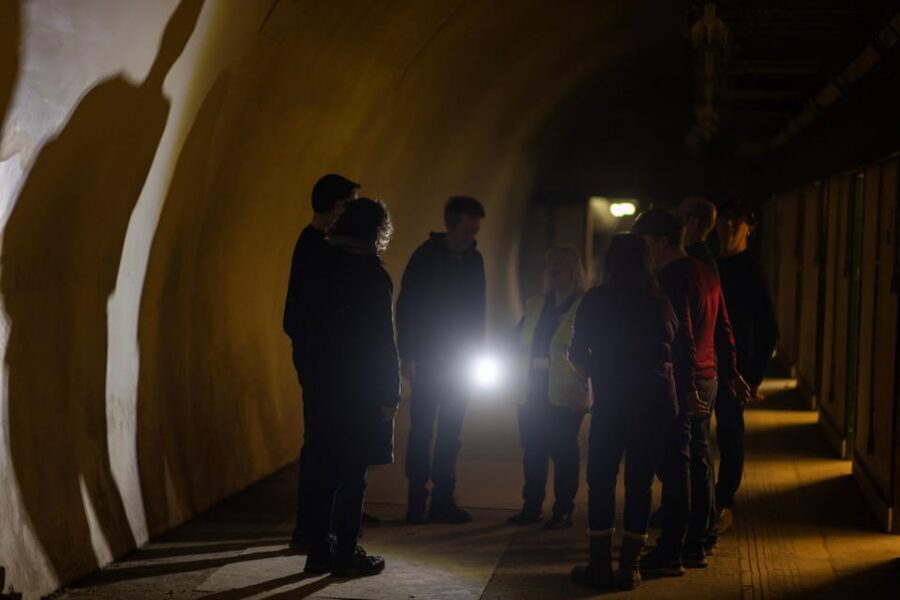
- A behind-the-scenes look at Holborn’s hidden spaces, not just the busy station you see above ground
- Aldwych branch platforms closed for about 30 years, with vintage posters and Edwardian-era features
- An unexpected view of the Piccadilly line, paired with disused parts of the system
- Stories of the Blitz and wartime shelter, plus surprising sideline uses like labs and a model rail club
- 1930s modernization context, including how big upgrades affected nearby stations like British Museum
Entering Holborn’s underground world from Gate Street
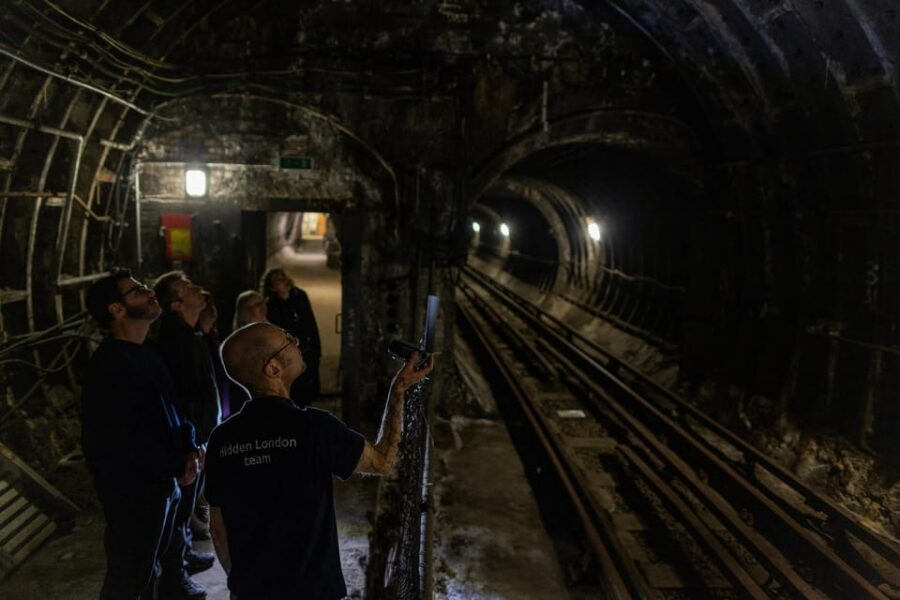
Your tour starts on the corner of Gate Street and Kingsway (WC2B 6AA), with the What3Words pin ///towers.rift.forest. From there, you’ll move as a group on foot—smart shoes matter because you’ll cover more ground than a typical “stand and look” attraction.
This tour works well because it’s designed around a single idea: Holborn is an interchange today, but it used to be something else entirely—an evolving rail setup with branches, temporary uses, and spaces that later became obsolete. Once you’re inside the hidden zones, you can actually feel how the station’s roles shifted over time.
And the guides are the real engine. Based on the strong reputation for being well informed, you can expect clear explanations and grounded storytelling, not vague “old London” talk.
You can also read our reviews of more tours and experiences in London.



The concealed doors and the 1906 station setup
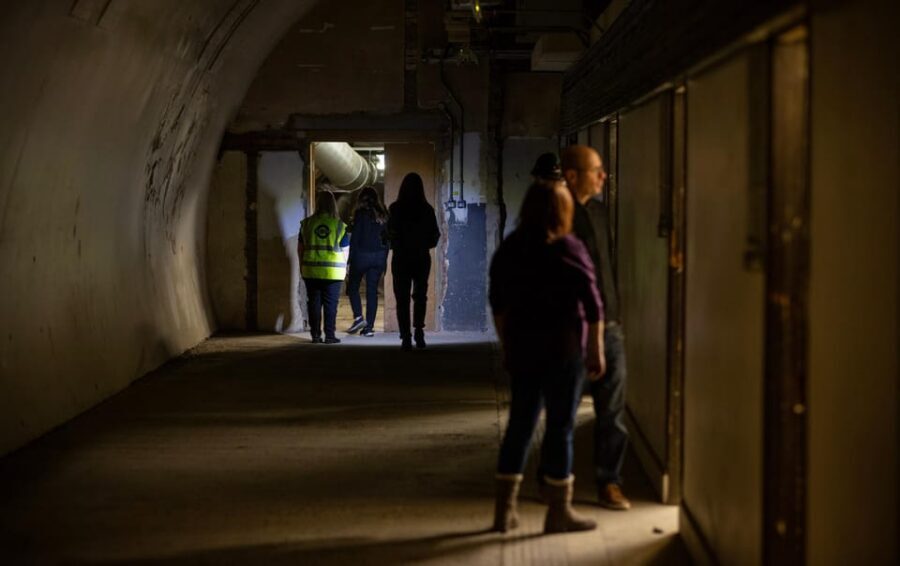
One of the most interesting threads here is how the Underground planned for growth early on. The station originally opened in 1906 as a complex of four platforms serving the Piccadilly line, and the tour gives you a way to picture that layout in your head—then compare it to what you see today.
As you step behind concealed doors, you’ll enter expansive disused areas that are described as having been closed to the public for around 30 years. That matters, because you’re not just reading old photos. You’re in the spaces themselves, seeing how ventilation, signage placement, and corridor geometry can shape what a station feels like.
This is also where you’ll get an unexpected view of the Piccadilly line. That contrast—active trains on one side, silent platforms on the other—is the moment when the station stops being “a stop” and turns into a living system with layers.
Aldwych branch platforms: what’s left of a forgotten line
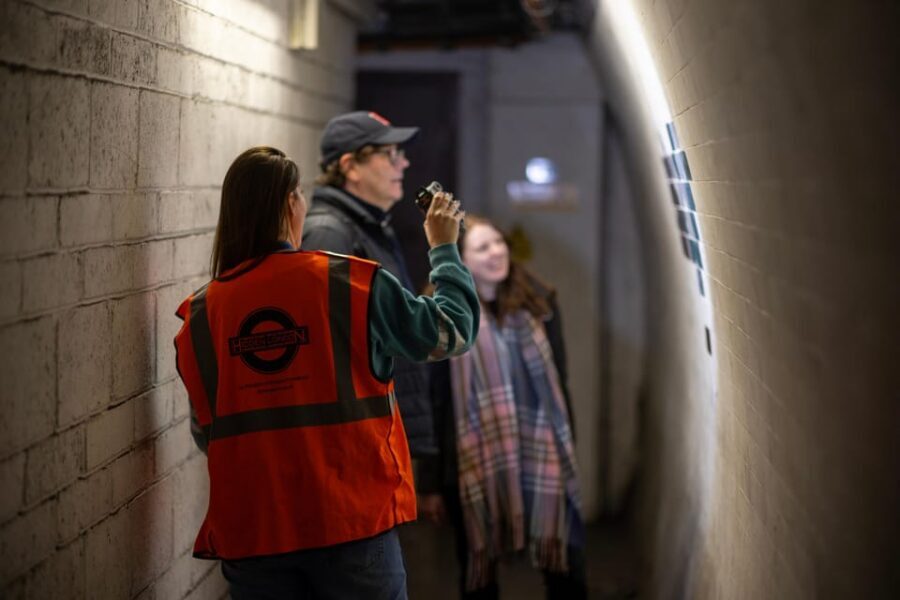
The tour’s signature stop is the former Aldwych branch line. You’ll see the two closed platforms that have been shut for roughly 30 years. This is a rare chance to view platforms that are no longer part of the daily transit flow, and that changes how you experience the station. Instead of movement and noise, you get stillness and detail.
Pay attention to the visuals. The tour highlights vintage posters and an original Leslie Green Edwardian design. If you’ve walked past tube station facades before, this is where that architecture becomes more than a pretty old-school look—you get to connect the street-level style with the railway infrastructure that matched it.
One of the most memorable details is the mention of an original early 20th century signaling cabin. Even if you’re not a rail nerd, it helps to see where control decisions used to happen. It puts “modern Underground” into context: today’s system depends on signals and upgrades you never notice, but back then those controls were literal rooms full of equipment.
How the spaces changed: labs, shelter, and a model rail club
The tour’s story doesn’t stay stuck in the past. It follows how disused parts of the station became useful again—sometimes in ways that feel surprising.
You’ll hear about use during wartime, including shelter for London Transport staff during the height of the Blitz. That’s not trivia. It’s a reminder that rail infrastructure often becomes emergency infrastructure. When cities face crisis, the Underground’s underground spaces can shift from transit to protection fast.
You’ll also learn about scientific laboratories using parts of the station at some point. That’s another example of London’s practical mindset: if there’s space below ground, people find a purpose for it. And then there’s the mention of a model rail club. That detail lands because it’s so human—people aren’t only using the station for survival and work, but also for hobby and community.
If you like history that reads like how real people solved real problems, these “alternate use” stories are the heart of the tour.
The 1930s modernization plan and the British Museum station closure
A big chunk of the tour focuses on the modernization program of the 1930s and how upgrades reshaped the network. The guides explain how the modernization project led to closure of the nearby British Museum station.
Why does that matter for your experience? Because it shows how London doesn’t just replace old with new. It reassigns roles. Stations can close not because the Underground gives up, but because the system is being redesigned for efficiency and safety.
This is also where you’ll better understand why you can still find pieces of old layouts in places like Holborn. When the network changes, some infrastructure gets retired and some gets repurposed—until one day it becomes a hidden remainder. In this tour, those remnants aren’t cleaned up into a theme-park exhibit. They’re presented as functional spaces from another era, with their story intact.


Lighting, stairs, and uneven ground: your practical heads-up
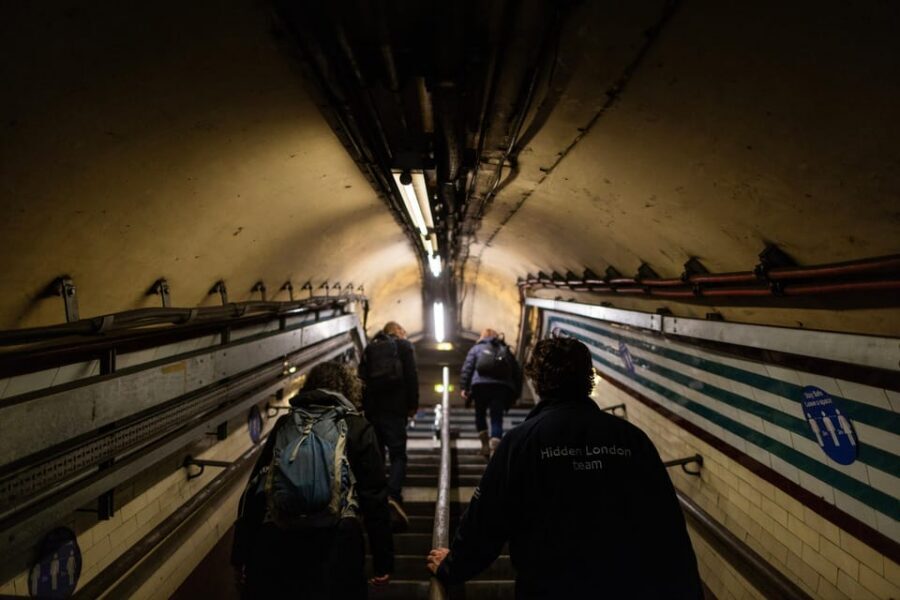
This tour is not a relaxed stroll. The route involves a lot of walking, including areas with uneven ground, low lighting, and stairs. There are no elevators, so plan your comfort level accordingly.
Also note the no-go items and rules that keep the spaces workable:
- No food and drinks
- No luggage or large bags
- No open-toed shoes
You’ll want to bring passport or ID, comfortable shoes, and water. In a tour like this, your footwear and water plan are part of the history experience. When you’re moving through darker, older spaces, you don’t want sore feet stealing your attention.
If you’re considering it with kids, the group limit is strict: a maximum of four children aged 10 to 15 per adult. And children under 10 aren’t suitable.
Future of the Underground: why a “hidden” tour isn’t just nostalgia
It’s easy to treat old platforms like a museum display. This one refuses to stay in that lane. You’ll also learn how Holborn is still playing a key role in future Underground work, including a massive upgrade project of the signaling system.
That’s a smart angle for two reasons. First, it connects what you’re seeing (old signaling spaces and earlier layouts) with what’s happening now (modern signaling upgrades). Second, it gives the tour a sense of momentum. You’re not just learning how the Underground used to operate. You’re learning how it’s still being improved.
In other words, the tour feels like a bridge between eras: 1906 planning, 1930s modernization decisions, wartime adaptation, and today’s signaling upgrades.
Price and value for an 85-minute, guide-led access tour
At $60.61 per person, this isn’t a “cheap and cheerful” stop on your London day. But it also isn’t priced like a generic walking tour. The value here comes from access—getting behind doors to disused areas of Holborn that aren’t routinely open to the public.
The duration is 85 minutes, so you’re not paying for hours of waiting. You’re paying for guided time inside spaces that most visitors will never see. You also get a live English guide and a structured route focused on specific features: the Aldwych platforms, the vintage and Edwardian elements, and the signaling cabin, plus the layered stories about how the station was used during different eras.
And because the tour ends back at the meeting point, it’s easy to plug into your schedule without a big logistics headache.
If you’re the kind of traveler who loves rail history but doesn’t want to spend a whole day hunting through archives, this price-to-time ratio can feel fair.
Who should book this Hidden Tube tour
This tour is best for you if:
- You enjoy behind-the-scenes city history and want access, not just photos
- You like the Underground as engineering and infrastructure, not only as transport
- You want stories tied to real station functions—interchanges, branches, modernization, wartime uses
It may not be your best match if:
- You have mobility impairments or struggle with stairs and uneven ground
- You’re claustrophobic
- You want a fully seated or low-movement experience
- You’d prefer daylight views over low-light underground spaces
Should you book Holborn’s Secret Platforms?
I’d book it if you want London that feels specific and tactile—platform edges, old signage, Edwardian design details, and the kind of station storytelling that explains why the Underground looks the way it does. The strong highlight from the experience is the guide quality: the tour is praised for guides who can connect facts to real places, and that’s exactly what makes the “hidden” part worth your time.
Skip it if you can’t handle the physical realities (stairs, uneven ground, low lighting, no elevators) or if underground spaces make you uneasy.
If you go in with the right shoes, some water, and a curiosity for how rail networks evolve, this tour delivers an unusually personal view of London’s Underground—one you can’t easily recreate on your own.
FAQ
How long is the Hidden Tube tour of Holborn’s secret platforms?
The tour lasts 85 minutes.
Where does the tour start and end?
It starts at the corner of Gate Street and Kingsway (WC2B 6AA) and ends back at the same meeting point.
Is the tour guided, and what language is it in?
Yes. You’ll have a live English tour guide.
What should I bring?
Bring your passport or ID card, comfortable shoes, and water.
What isn’t allowed during the tour?
Food and drinks are not allowed, and you also can’t bring luggage or large bags. Open-toed shoes are not allowed.
Is the tour suitable for young children or people with mobility issues?
The tour isn’t suitable for children under 10. It also isn’t suitable for people with mobility impairments, since the route includes walking, uneven ground, low lighting, and stairs with no elevators.