REVIEW · WILTSHIRE
From London: Stonehenge Summer Solstice Sunset Tour (Jun 20)
Book on GetYourGuide →Operated by Premium Tours · Bookable on GetYourGuide
Summer Solstice at Stonehenge is not just sightseeing. It’s a timed-in-the-dark kind of experience, where prehistory, astronomy, and ceremony all collide on Salisbury Plain. You also get more than one stone site: a stop at Avebury and an early dinner in Lacock before you head to Stonehenge for the evening event.
I particularly love the way the schedule leads you straight to the sunset moment, when crowds surge and the stones feel bigger than usual. I also like the extra value of seeing Avebury henge and stone circles (entry included) and then sitting down for a one-course dinner in Lacock so the day feels like a full outing, not a rushed drive-by.
One thing to plan for: this is a long day with an on-foot approach at Stonehenge, including a 20–30 minute walk from the coach park. And because the event is tightly connected to weather and traffic, your sunset timing can get stressed if conditions are rough.
In This Review
- Key things that make this tour worth your attention
- Why the Summer Solstice at Stonehenge feels different than daytime visits
- London-to-Stonehenge timing: a 12-hour day with a midnight finish
- Avebury henge and stone circles: your “context stop” before the big moment
- Lacock dinner: the calm in the middle of the heavy day
- Stonehenge at sunset: crowds, walk time, and what you can realistically control
- The guides and drivers: how the day stays organized
- What to pack: shoes, warmth, and the no-alcohol rule
- Price and value: what you’re paying for at $183 per person
- Should you book this Stonehenge Summer Solstice tour?
- FAQ
- What time does the tour start and when do we return?
- How long is the tour?
- What’s included in the price?
- Is the sunset guaranteed?
- How much walking is involved at Stonehenge?
- Is alcohol allowed during the tour?
Key things that make this tour worth your attention
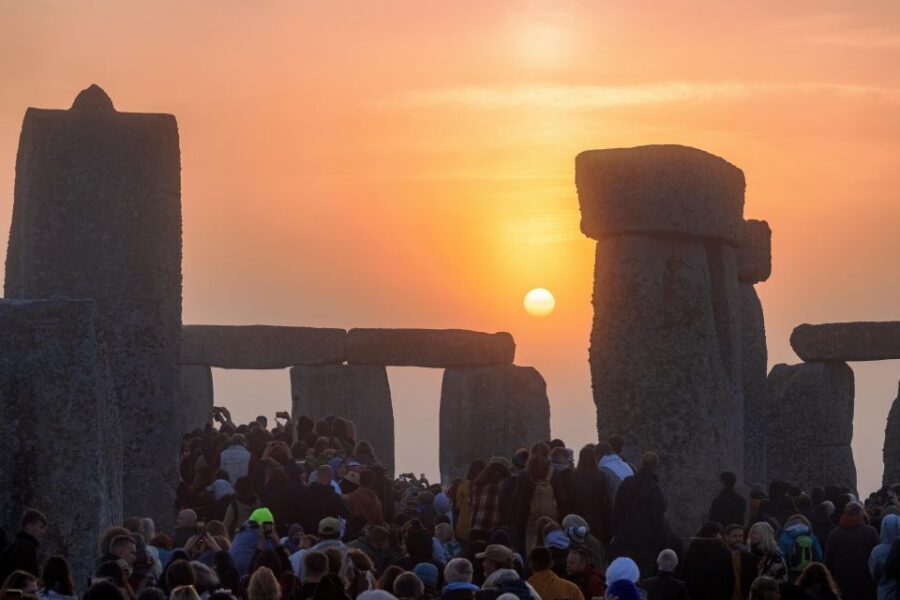
- Summer Solstice event access at Stonehenge with time built in for the sunset and evening atmosphere
- Avebury henge + stone circles stop included, giving you a second angle on the prehistoric puzzle
- Dinner in Lacock before you face the Stonehenge crowds
- The walk to the stones (20–30 minutes each way), so comfortable shoes matter
- Sunset depends on weather, so bring warm layers and plan to be outside a while
- Live guidance in English, with examples of guides like John and Eva keeping the group moving (when schedules behave)
Why the Summer Solstice at Stonehenge feels different than daytime visits
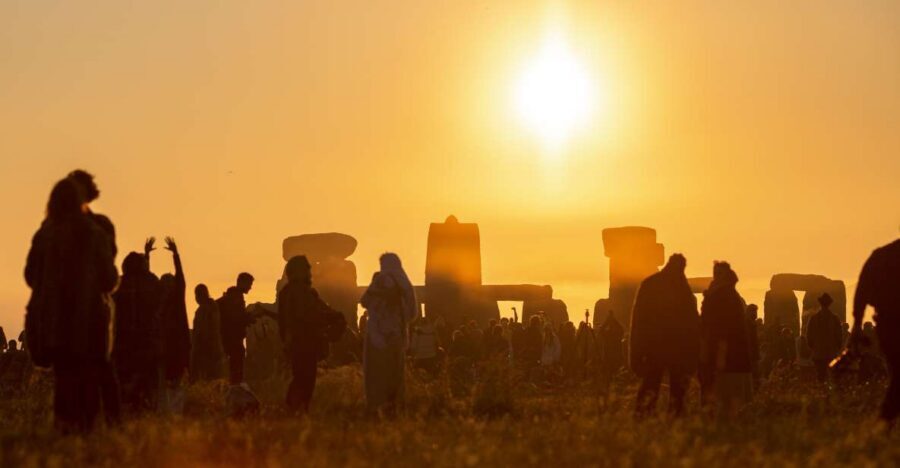
Stonehenge works best when you stop thinking of it as a monument and start treating it as a piece of ancient timekeeping. The Summer Solstice is an astronomy event: the sun reaches its highest apparent height, then the rising pattern changes afterward. In plain terms, the day has a “turning point,” and that’s exactly why people gather here twice a year.
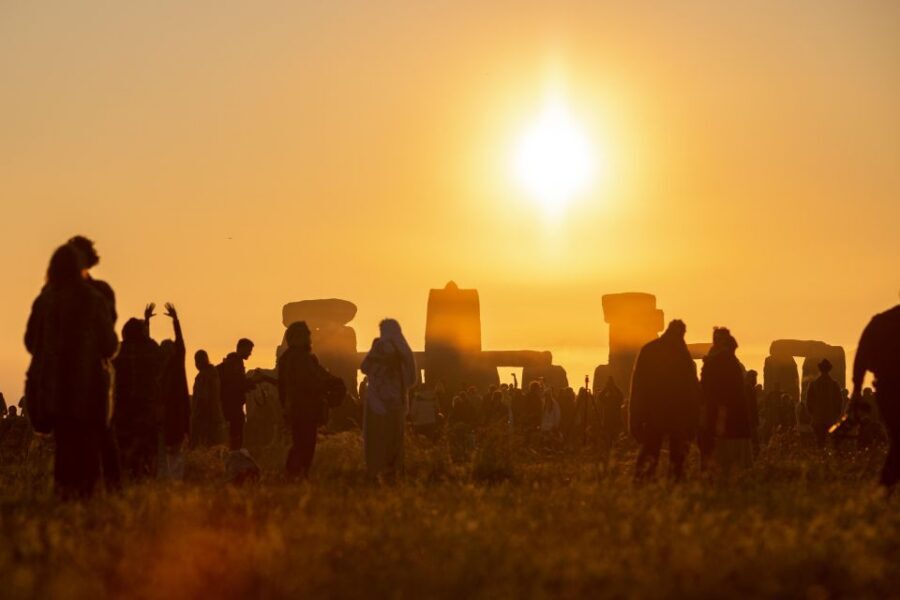
On this tour, you’re there for the annual Summer Solstice celebration, not a normal open-hours visit. As daylight drops, you’ll feel the shift from curious viewing to actual atmosphere—crowds packing in, people moving between different spots, and ceremonies happening at intervals throughout the evening. If you’re into history, you’ll appreciate the fact that Stonehenge has sparked debate for nearly all of its modern existence: Was it a moon observatory, a sun temple, or something else like a cemetery? You won’t solve it in one night, but you will see why the questions never die.
And if you’re curious about the spiritual angle, the tour’s framing leans into why pagans and festival-goers come. For many, the solstice marks the peak of the sun’s power, with ritual tied to the changing seasons. You’ll be able to observe the ceremonies taking place, while keeping your own comfort level in mind (you can watch from where you stand; you don’t need to join anything).
Practical tip: bring warm clothing even in June. The sun sets over a place like this, and once you’re standing still with a crowd, you’ll want layers more than you expect.
You can also read our reviews of more tours and experiences in Wiltshire.

London-to-Stonehenge timing: a 12-hour day with a midnight finish
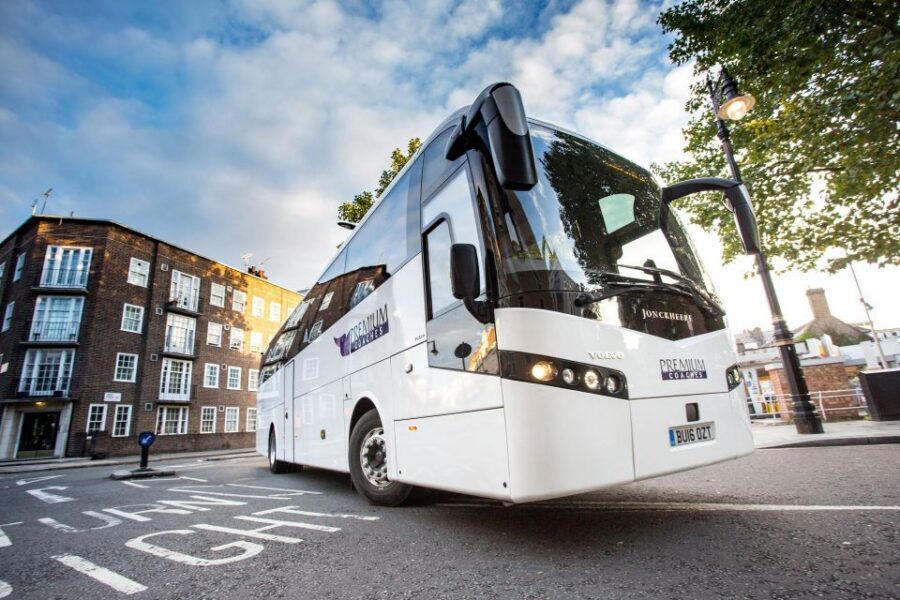
This is a full-day trip by coach. You depart from the Millennium Gloucester Hotel London Kensington around 12:00 noon, then you’re on the road for about two hours before you reach the first major stop. The idea is simple: you’re not trying to sprint across the countryside at dawn. You’re using the daytime travel to set up your evening.
A couple of timing points matter a lot for how satisfying the evening feels. First, you’re scheduled to reach Stonehenge around 19:00, with the solstice event already underway or starting to gather steam. Second, you have a dedicated stretch of time at Stonehenge—about three hours—which is important because the sun sets at a specific time, and the crowd energy builds around that.
Then there’s the return: you’re back in London around midnight. That’s the trade. You get a once-a-year night at a truly famous site, but you’re giving up a normal evening out. If you’re the type who needs downtime before bed, plan your next day accordingly.
Also, a note that’s worth taking seriously: the evening is famous, and the access roads around Stonehenge can get clogged. On one run, the schedule got strained enough that a group had less time at the stones than ideal and had to walk farther (about 45 minutes) after a traffic delay. That’s not something you can control, but you can control your mindset—go in expecting crowds and possible friction.
Avebury henge and stone circles: your “context stop” before the big moment
Your first real stone-site experience is Avebury, and it’s a smart addition. While Stonehenge gets all the attention, Avebury helps you see that the prehistoric story isn’t a single monolith—it’s a whole landscape of monuments and human patterns.
You’ll have about one hour at Avebury, with entry to the henge and stone circles included. That hour is short, but it’s not just a photo break. It gives you time to walk around and notice something important: these sites aren’t built for “stand in one place” sightseeing. Even when you’re just moving through designated spaces, your brain starts connecting the geometry to real life—wide open sky, big stones, and the feeling that people built with astronomical or seasonal awareness in mind.
Potential drawback: one hour means you’ll need to keep pace with the group. If you’re the type who likes to linger and read every interpretation board, you might feel time pressure. That said, the value here is momentum: you’re not arriving at Stonehenge thinking you only understand one monument.
Lacock dinner: the calm in the middle of the heavy day
After Avebury, you head to Lacock for dinner, with about 75 minutes for your meal. It’s included as a one-course dinner, which sounds basic until you think about the alternative: trying to find food near Stonehenge during one of the busiest nights of the year.
This stop is also a sanity saver. You’re about to spend hours outdoors in wind-chill territory, so sitting down matters. Lacock gives you a real pause before the Stonehenge rush—time to eat, recharge a bit, and handle what you need (coats, shoes, umbrellas) so you’re not scrambling once you’re back on the coach.
One practical note: timing is tight. If the earlier leg runs behind schedule, dinner time can become more about fuel than lingering. Still, I like this kind of planned meal because it keeps you from turning the evening into a search-and-stress mission.
Stonehenge at sunset: crowds, walk time, and what you can realistically control
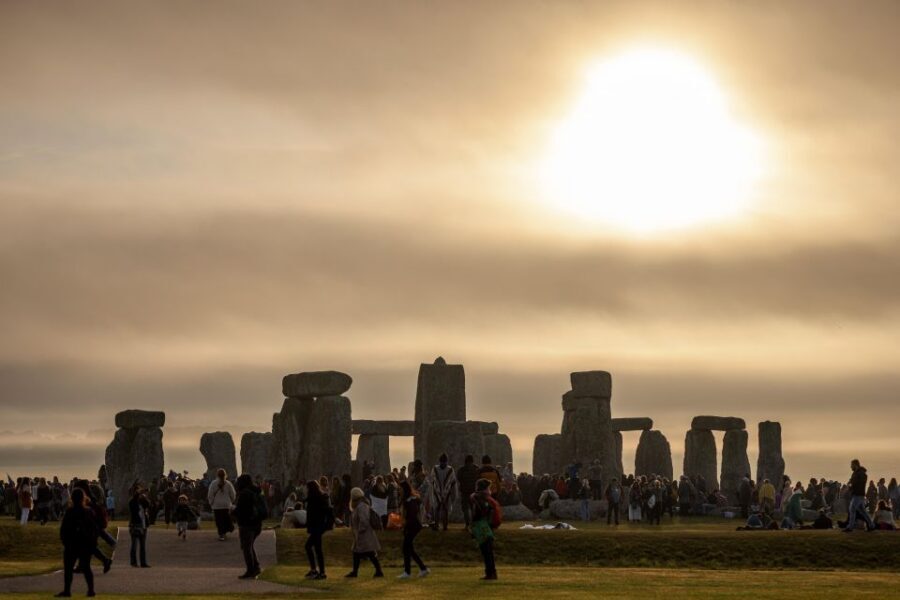
Stonehenge is the star of the show, but the real experience is how the evening unfolds. You’ll arrive around 19:00, then spend about three hours in the event area. This isn’t the quiet museum vibe. Expect huge crowds and a lot of moving parts: people gathering, ceremonies happening at intervals, and everyone timing their view around the sunset.
Two things you should take seriously ahead of time:
- There is a 20–30 minute walk involved from the coach park to the monument and back.
- Sunset viewing is subject to weather conditions.
If you show up in shoes that are fine for a city sidewalk but not for long standing, you’ll feel it. And if you plan for sunshine but it’s clouded, you’ll still want the evening energy—just don’t count on a perfect “sun drops into the horizon” moment.
In heavy traffic conditions, plan for schedule stress. In at least one recent outing, the group faced a delay that forced people to walk farther to reach the stones in time for sunset. The key takeaway: when this event sells out, delays can happen fast. I recommend you give yourself a mental buffer. If you get to the stones quickly, great—you’ll have more time. If you don’t, at least you won’t feel blindsided.
What about the “pagan rituals” side? The tour description focuses on the idea that ceremonies take place throughout the night. So you can expect to see ritual action and participants within the event atmosphere, not just static monuments. You don’t need to be a practitioner to find it interesting; the human layer is part of why Stonehenge is so unforgettable.
The guides and drivers: how the day stays organized
A long coach day lives or dies by how well the team keeps the group together. This tour includes a local guide and a coach driver, and the English-speaking guidance can make the difference between “I’m trying to keep up” and “I know what to do next.”
I’ve seen examples of guides keeping things clear and upbeat. One conductor named John was described as polite and knowledgeable, and another conductor named Eva was praised for humor and keeping the group organized even when something went wrong with the schedule. The driver Miguel was mentioned for careful driving on countryside roads and a comfortable ride.
You can’t guarantee which guide you’ll get, but you can assume the system is built around a live handler: someone will manage timing, entry coordination, and movement between Avebury, Lacock, and Stonehenge. Still, remember that traffic and event crowds aren’t fully in anyone’s control.
Tip: when your guide gives instructions about where to meet and when, take it seriously. Stonehenge crowds can scatter people quickly, especially around sunset. Get your bearings fast, then enjoy what you can.
What to pack: shoes, warmth, and the no-alcohol rule
This is a nighttime outdoors event, and the weather can flip the feel of the trip. Your essentials are straightforward:
- Comfortable shoes (for the walk and standing)
- Warm clothing (layers you can add as the sun drops)
- Umbrella (because a British evening can switch moods fast)
There are also clear restrictions: no alcohol and drugs are allowed. That matters for planning if you were hoping to bring a celebratory drink for the sunset. You’ll want to bring snacks or water only if the tour’s rules allow it—but based on the data you have, the safe bet is to assume the dinner is your main food stop and keep the rest simple.
Also note who should skip this one. It’s not suitable for pregnant women, people with mobility impairments, and children under 18. If you don’t fit those limits, you can still have a great time—but the walk and the crowd intensity are real.
Price and value: what you’re paying for at $183 per person
$183 sounds like a lot until you break down what’s included. You’re not just buying a ticket to Stonehenge. You’re getting:
- Return transportation from London
- Entry to the Stonehenge Summer Solstice event
- Entry to Avebury henge and stone circles
- Dinner in Lacock
- A local guide in English
That bundle is where the value comes from. If you tried to assemble this yourself—transport, timed Stonehenge access, and the Avebury component—you’d likely spend similar money once you factor in time and hassle. Here, you’re paying for coordination and the fact that Stonehenge’s solstice access isn’t a standard “walk in whenever” situation.
That said, it’s still a premium day: long travel, late return, and lots of standing. So I’d call it value for the right traveler—someone who wants the solstice night atmosphere, is okay with crowds and walking, and likes the idea of pairing Stonehenge with Avebury and Lacock instead of doing only one stop.
Should you book this Stonehenge Summer Solstice tour?
Book it if you want the closest thing to a once-a-year event experience without organizing a complex day yourself. You’re paying for event access, timed sunset viewing, and a full route that includes Avebury and a meal in Lacock. It’s also a strong fit if you enjoy seeing how ancient sites work in modern ritual and crowd energy—without needing to participate in anything yourself.
Skip it (or think twice) if you dislike long outdoor hours, you have trouble with walking, or you need guaranteed sunset conditions. Weather is out of your hands, and traffic on this kind of night can squeeze time.
If you do book: pack for cold, wear sturdy shoes, and mentally budget extra walking and crowd navigation. Then you’ll be ready for the main payoff—Stonehenge at the turning point of the year, where the sky changes and people gather for reasons older than any single explanation.
FAQ
What time does the tour start and when do we return?
The tour departs London at 12:00 noon and returns to the Millennium Gloucester Hotel London Kensington at around midnight.
How long is the tour?
It runs for about 12 hours.
What’s included in the price?
You get round-trip transportation, entry to the Stonehenge Summer Solstice event, entry to Avebury henge and stone circles, a one-course dinner in Lacock, and a local English-speaking guide.
Is the sunset guaranteed?
No. Sunset viewing depends on weather conditions.
How much walking is involved at Stonehenge?
There’s a 20–30 minute walk from the coach park to the monument and back.
Is alcohol allowed during the tour?
No. Alcohol and drugs are not allowed.