REVIEW · LONDON
The Old City of London – Guided Walking Tour 12 guests 2,5h
Book on GetYourGuide →Operated by Babylon Tours London · Bookable on GetYourGuide
London has a quick-change act.
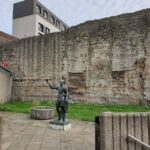
This 2.5-hour guided walking tour strings together the big story of the Old City: Roman London’s fortified wall traces (built in 220 AD), the Temple Church and its Knights Templar links, and the dramatic rise of the medieval power center around the Tower of London. You also get modern skyline context along the Thames, including how Tower Bridge compares with the newer Millennium Bridge—so the centuries don’t feel like random dates.
I especially like two parts. First, the Temple Church stop connects history to pop culture, including scenes tied to The Da Vinci Code, but you’ll also hear what the site meant beyond the novels. Second, the guide makes the walk feel personal and story-driven; in reviews, Colin is singled out for sharing tales from different angles, which is exactly what you want in a compact tour like this.
One drawback to plan for: there’s moderate walking on uneven city ground, and some attractions may only be viewed from the outside due to security. Also, no large bags are allowed—so travel light.
In This Review
- Key highlights worth your attention
- Why this Old City route makes sense from the first block
- Meeting points and what to bring (so the walk stays pleasant)
- Temple Church: Knights Templar history plus The Da Vinci Code context
- St Bride’s Church and St Mary-le-Bow: smaller stops with big payoff
- St Paul’s Cathedral: seeing the dome with the Charles and Diana thread
- Guildhall and the Bank of England: power buildings with a walking-lens
- The Monument to the Great Fire: a quick pause with real meaning
- Thames stroll and bridge comparisons: Tower Bridge versus Millennium Bridge
- Tower of London area: the finale that locks the story in
- Pricing and value: $61 for 2.5 hours of guided context
- Who should book this tour, and who should skip it
- Should you book it?
- FAQ
- How long is the Old City of London guided walking tour?
- Where does the tour start?
- What language is the tour guide?
- Is the tour mostly outdoors, or do you go inside attractions?
- How much walking is involved?
- Are large bags or luggage allowed?
- Is it suitable for wheelchair users?
Key highlights worth your attention
- Roman wall clues (220 AD): you’ll learn how London’s defense lines shaped the city you see today.
- Temple Church stop: a strong blend of Knights Templar history and The Da Vinci Code storytelling.
- Church-and-city rhythm: you’ll move through several historic churches that act like time markers.
- Big London landmarks, practical pace: St Paul’s, the Monument, and the Tower of London area without rushing nonstop.
- Thames bridges comparison: Tower Bridge plus the Millennium Bridge gives you an easy “then vs now” mental map.
Why this Old City route makes sense from the first block
This tour works because it’s not just a list of landmarks. It’s a guided line through time in the exact place where London concentrated power: defense, religion, government, disaster, and world-famous river crossings. You start with the Temple area, then move through City institutions like the Bank of England and Guildhall, and you hit the Great Fire memorial with the Monument before ending in the Tower zone.
That structure matters for you, because it turns “I saw buildings” into “I understand why these buildings are here.” London is famous for layers, but it can also feel like a blur. This format helps you sort it out fast, especially if you have limited time and don’t want to stitch the story together on your own.
The group size is described as small, and the tour is designed for a guided walk with frequent photo and guidance moments. You’re looking at about 2 to 2.5 hours of time on your feet, and it runs daily depending on availability.
You can also read our reviews of more walking tours in London



Meeting points and what to bring (so the walk stays pleasant)
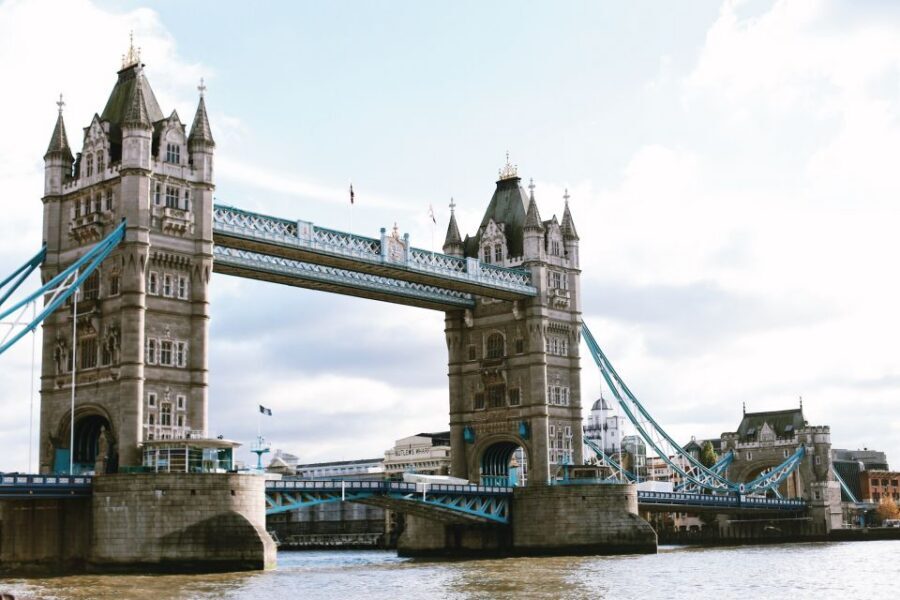
Your meeting point can vary based on the option you book, but Temple Station is one of the listed starting areas. Plan to arrive a few minutes early so you can start without stress. This isn’t a “jump on a bus and disappear” type of experience. It’s a walking circuit, and your guide needs a clean start to keep the flow.
Bring:
- A passport or ID card (photo ID is required)
- Comfortable shoes (you’re on sidewalks and stone streets)
- A bottle of water
- An umbrella if rain is around
- A hat during summer
Important practical point: no luggage or large bags. That’s not a small issue. If you’re carrying a suitcase, you’ll run into friction fast. Travel with a day bag and you’ll have a much smoother day.
Also note: the tour operates in all weather conditions, so dress for the day, not the forecast on your phone.
Temple Church: Knights Templar history plus The Da Vinci Code context
The tour’s early momentum comes from Temple Church. You’ll have a photo stop, then visit and get a guided look for about 10 minutes on foot. This is one of those locations where a guide can do real work, because it’s easy to walk past churches and miss the “why.”
You’ll hear about its role as former headquarters linked to the Knights Templar, and you’ll also connect it to The Da Vinci Code scenes. That pairing is useful because it gives you a story hook for remembering details later. But the goal isn’t just entertainment; it’s understanding why this area mattered to power, faith, and authority.
Even if you can’t go everywhere inside, you’ll still get plenty of value from orientation: what you’re seeing, what period it reflects, and how it fits into the larger Old City line you’re walking. This is also where the tour sets expectations for the rest of the day: London’s “today” is built on choices made centuries ago.
St Bride’s Church and St Mary-le-Bow: smaller stops with big payoff
After Temple Church, you’ll move to St Bride’s Church for another short photo and guided visit. These churches can feel repetitive at first glance—until you realize they’re not just religious buildings. In the Old City, churches are historical markers: they show you what survived, what changed, and what communities valued.
Next comes St Mary-le-Bow Church, again with a photo stop, visit, and guided sightseeing for a short window. The time commitment here is small, so you won’t get a long lecture at each doorway. But the guide can point out the practical contrasts: how different structures express different eras, and how these pockets relate to the broader City landscape you’re moving through.
Why you’ll care: if you’re the type who enjoys architecture but gets impatient with museum pacing, this kind of church-and-street rhythm is a sweet spot. You get context without feeling stuck.
St Paul’s Cathedral: seeing the dome with the Charles and Diana thread
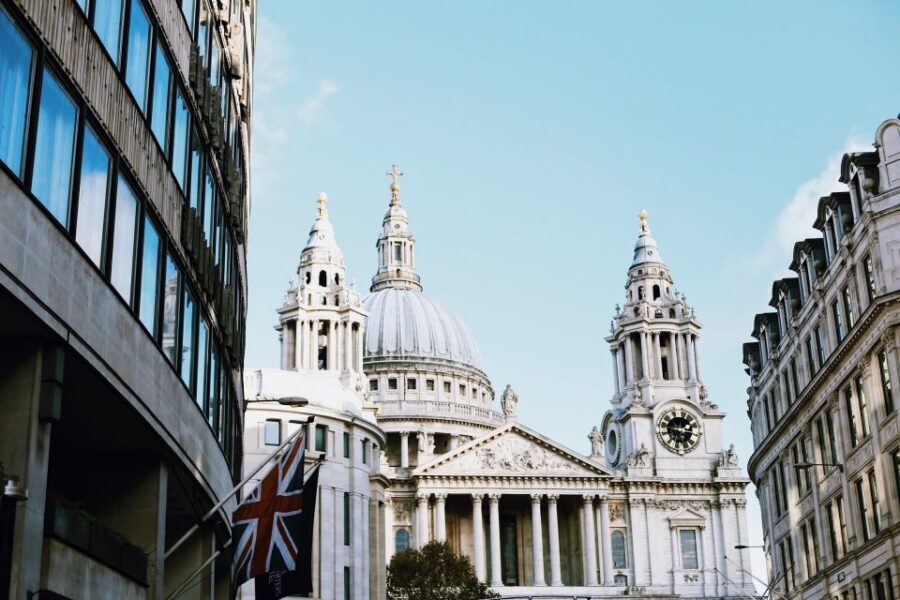
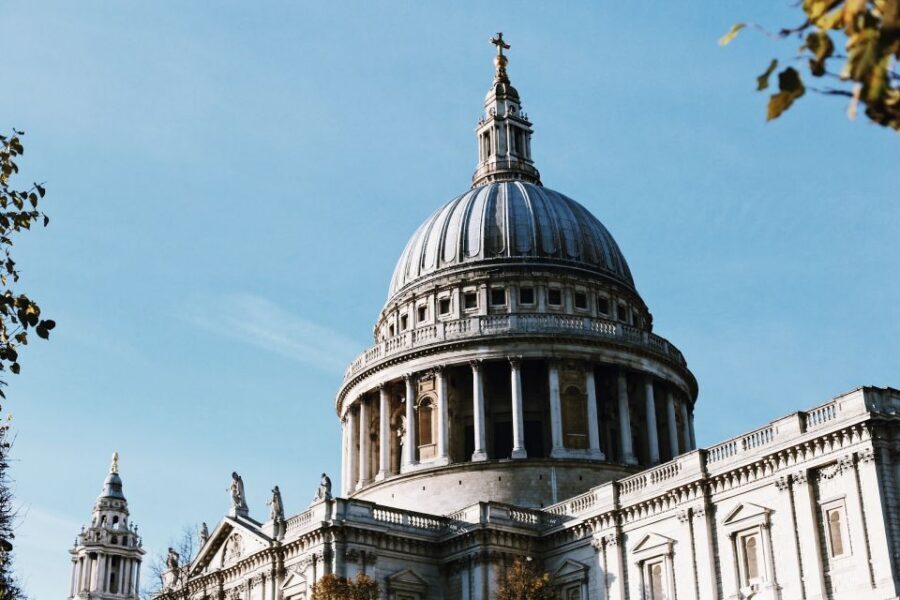
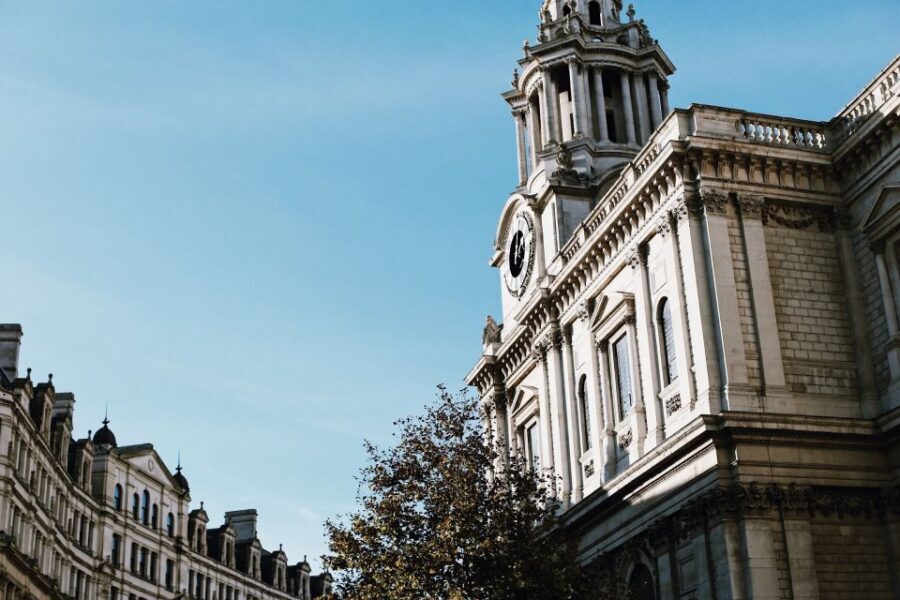
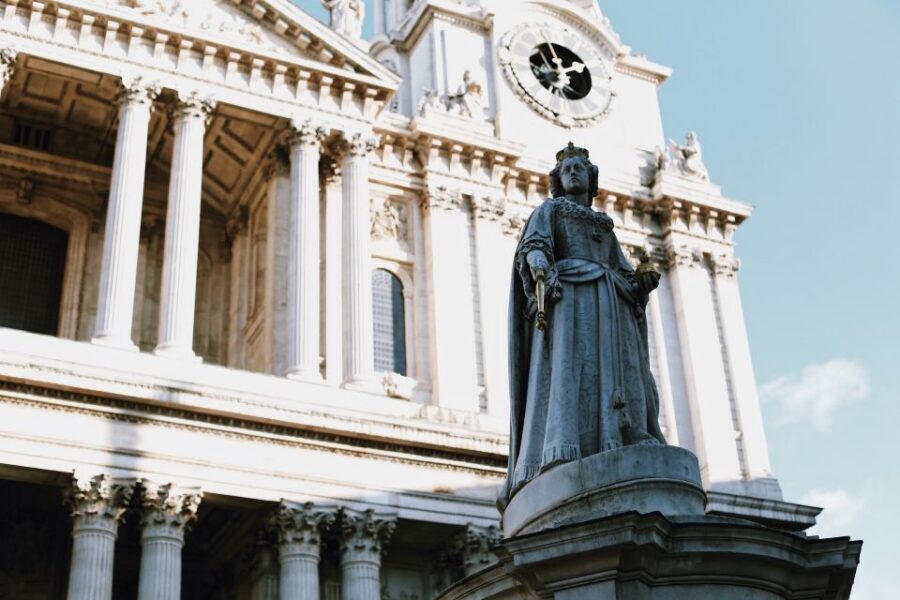
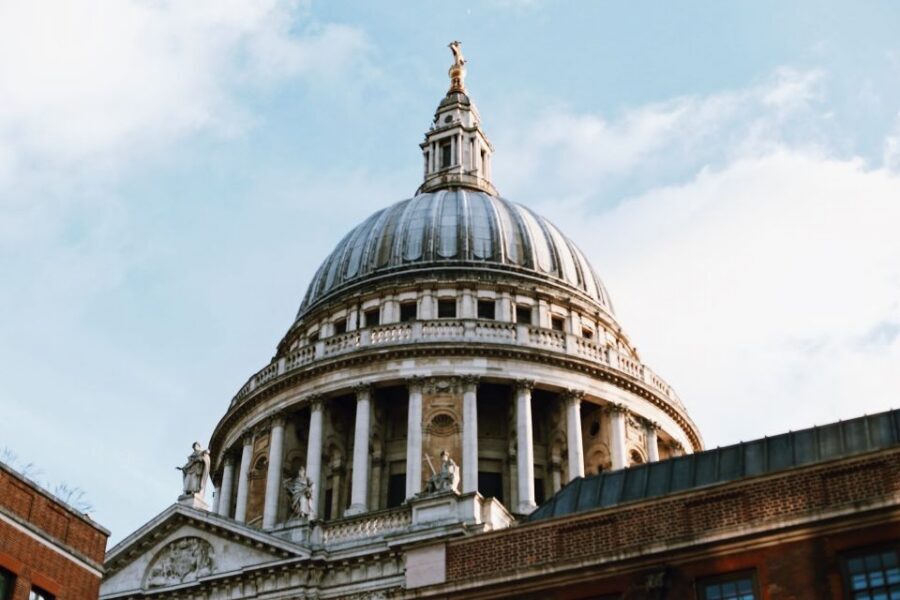
St Paul’s Cathedral is the standout “major landmark” moment in the middle of the walk. You’ll get a photo stop and guided visit, again around the 10-minute mark.
Here’s a specific detail you’ll want to remember: St Paul’s is noted as a wedding hall for Charles and Princess Diana in 1981. That’s the kind of fact that makes a historic building feel immediate, because it ties the cathedral to something you may have seen in photos or news clips.
You may not be able to go fully inside depending on security and access conditions. Still, the guided approach helps you read what you see from the street: the way the cathedral anchors the City skyline and how it fits into the tour’s story about authority and endurance.
If you’re short on time and don’t want to commit to a separate attraction ticket day, this stop is a strong “big-name London” payoff without needing extra hours.
You can also read our reviews of more guided tours in London






Guildhall and the Bank of England: power buildings with a walking-lens
Once you hit the City’s civic and financial core, the tour becomes more about institutions than monuments. You’ll pause at Guildhall, London and the Bank of England, with guided sightseeing around each spot.
These aren’t just impressive facades. The value here is learning how the Old City’s functions evolved and why this district concentrated decision-making. Even from the outside, a guide can help you connect the dots: how the City operated, how authority was displayed, and why the landmarks keep showing up in different stories and eras.
If you like history but get tired of dates, this part is for you. It’s easier to remember big-picture ideas when you connect them to buildings you can point at.
The Monument to the Great Fire: a quick pause with real meaning
The tour then turns to one of London’s defining turning points: the Great Fire of London. You’ll reach the Monument with another photo stop and guided visit.
The Monument is dedicated to the fire’s memory, and getting that context matters because it changes how you think about the Old City. Before the fire, London looked and functioned differently than after. You’ll be learning how disaster reshaped the city’s story, which ties back into the “layers” theme of the whole walk.
Practical tip for you here: if the weather’s rough, this is a good moment to slow down and catch your breath. The tour pacing includes short timed stops, but you’ll still want to keep energy for the Thames and Tower Bridge segment later.
Thames stroll and bridge comparisons: Tower Bridge versus Millennium Bridge
After the Monument, you’ll continue through the Old City streets and squares and eventually get a Thames-focused stretch. There are a few short timed photo and guided moments along the way, and the plan ultimately supports one goal: helping you see where you are and how to navigate out of the City with landmarks as your reference points.
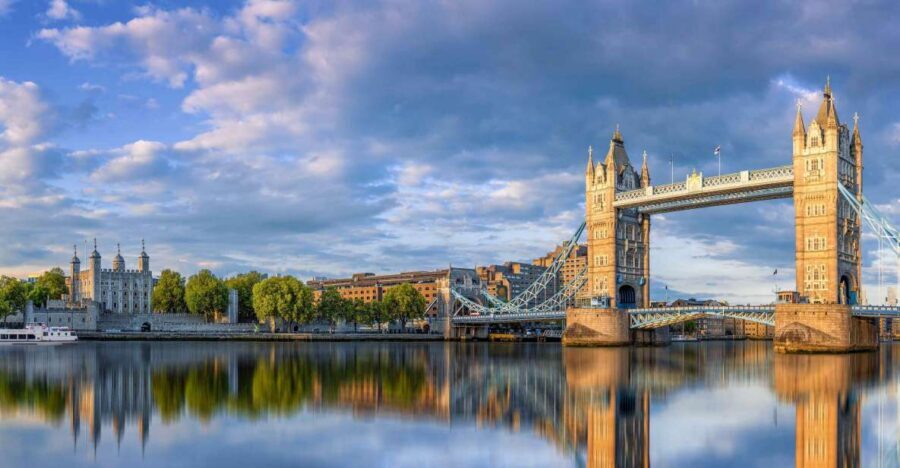
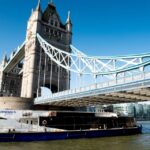
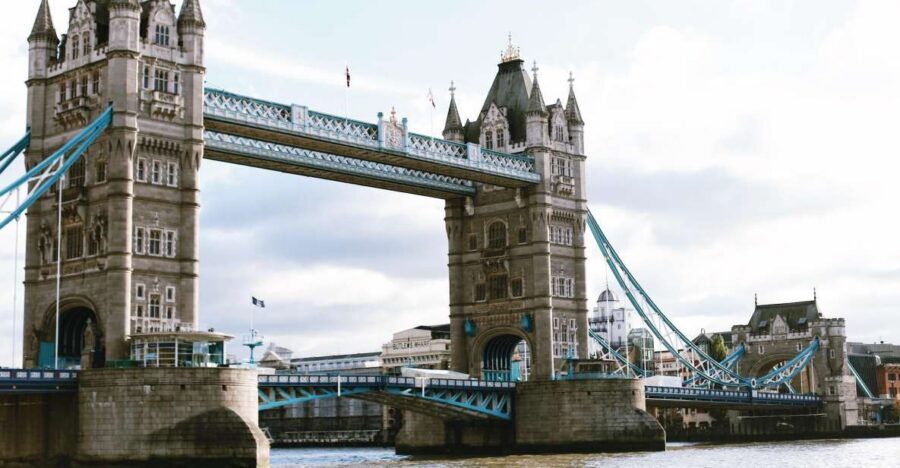
Then comes Tower Bridge. You’ll see it with guided sightseeing, and you’ll also learn about it in relation to the newer Millennium Bridge. That comparison is more than trivia. It gives you a mental map of time and engineering style: Tower Bridge feels built for identity and spectacle, while Millennium Bridge reads as modern confidence with a different visual language.
Why this matters to your travel day: if you use bridges as wayfinding cues, you’ll move around London with less guesswork. This is also one of the most photo-friendly stretches because the Thames gives you natural framing, even when the lighting isn’t perfect.
Tower of London area: the finale that locks the story in
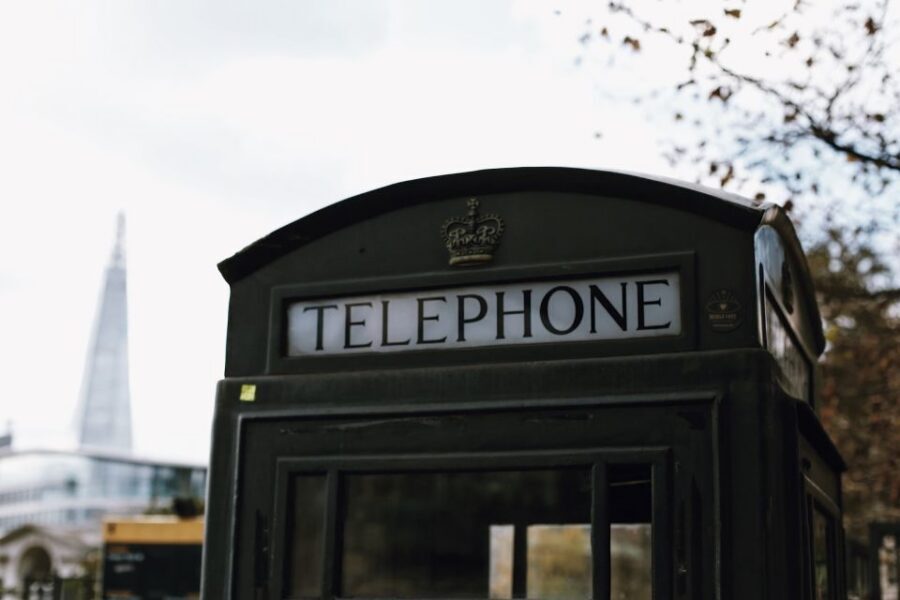
The tour ends at the Tower of London area. You’ll have a photo stop and guided sightseeing, again around the 10-minute window.
The value of ending here is that the earlier stops all prepare you for it. You’ve learned about Roman defense traces, medieval religious power at Temple Church, City institutions, and a major national disaster. By the time you arrive near the Tower, those pieces snap into place as a single idea: power concentrated in one district, again and again.
Even without a long inside visit, you’ll leave with better orientation. You’ll know what to notice from the outside and how the Tower fits into London’s bigger timeline, rather than just being a famous name on a skyline.
If you’re planning the rest of your day, this finale is useful. You’ll have a stronger sense of how to continue your route out of the City while still using the river and bridge landmarks as anchors.
Pricing and value: $61 for 2.5 hours of guided context
At $61 per person for about 2.5 hours, you’re paying for something more useful than ticking off stops: you’re buying clarity. London’s Old City can feel like a collage. A guide turns that collage into an ordered story, so you remember it later.
This is good value especially because:
- You cover major landmarks in a short time: Temple Church, St Paul’s, the Monument, Tower Bridge, and the Tower of London area
- The tour includes a professional local guide with a storytelling approach
- You get practical guidance about orientation and route planning along the Thames
One thing to keep in mind: the tour can’t guarantee inside access everywhere due to security, so the “value” is mostly about explanation and sightlines rather than time spent inside ticketed spaces. If that matches your travel style, you’ll likely feel the price is fair.
Who should book this tour, and who should skip it
This tour is a great fit if:
- You want a time-efficient guided introduction to the Old City
- You enjoy history that connects to real places, not just facts in a book
- You like the idea of seeing several major landmarks plus the quieter church stops that fill in context
You might want to skip it (or at least think twice) if:
- You don’t handle walking well. It’s described as involving a moderate amount of walking.
- You need wheelchair accessibility. The information states wheelchair-friendly tours are available upon request only, and it’s also noted as not suitable for wheelchair users. So confirm specifics before you commit.
Also, if you’re carrying large luggage, this is probably not your best day. The no-large-bags rule is strict.
Should you book it?
Yes, book it if your goal is a guided story of London’s Old City that connects Roman-era foundations, medieval power, and the Thames bridges into one walkable route. It’s especially appealing if you want the “main sights” without switching between separate ticket days.
Pause before booking if you’re traveling with heavy luggage, hate walking on busy streets, or need reliable inside access to specific attractions. The tour is built for outdoor viewing and guided explanation, with indoor entry not always possible.
If you like the sound of Temple Church and the Knights Templar angle, plus a solid St Paul’s moment and a Tower Bridge-to-Millennium Bridge comparison, this is a strong use of a half-day in London.
FAQ
How long is the Old City of London guided walking tour?
The tour is listed as lasting about 2 to 2.5 hours, with a total duration of 2.5 hours for the experience format.
Where does the tour start?
The meeting point may vary depending on the option you book. Temple Station is one of the listed starting-location options.
What language is the tour guide?
The live tour guide is English.
Is the tour mostly outdoors, or do you go inside attractions?
The tour involves visits, but some attractions can’t be visited from the inside due to increased security measures. You’ll still get guided sightseeing and photo stops.
How much walking is involved?
A moderate amount of walking is involved, and the route includes multiple short stops along the way.
Are large bags or luggage allowed?
No. Luggage or large bags are not allowed during this tour.
Is it suitable for wheelchair users?
Wheelchair-friendly tours are available upon request only, but the tour is also noted as not suitable for wheelchair users. If this is a factor for you, you’ll want to request confirmation in advance.