REVIEW · LONDON
London: Modern Architecture & Building Guided Walking Tour
Book on GetYourGuide →Operated by Ridge Trips Ltd · Bookable on GetYourGuide
London’s skyline tells a story you can walk.
This small-group guided walk with Sam (former Construction Management professional) takes you from the Sugar Quay Jetty area to the heart of the Square Mile, with up-close looks at modern icons like the Shard, Walkie Talkie, and Gherkin. What makes it different is the emphasis on the big idea behind the buildings: not just what you see above street level, but what major projects have shaped London and what’s planned next.
I especially like two things here: the chance to spot iconic forms at street level—close enough to understand their scale—and Sam’s knack for turning architecture into clear, practical stories, including how engineering work under London helped create what we see now. One drawback to plan around: this is not suitable for people with mobility impairments or wheelchair users, and it’s an outdoor walk that keeps going in normal weather.
In This Review
- Key highlights worth your attention
- Walking modern London the smart way: Thames to the Square Mile
- Sugar Quay Jetty: the skyline starts where the river meets the City
- City Hall and the Thames: engineering stories you can picture
- The Shard, Walkie Talkie, and Lloyd’s: iconic shapes with real backstory
- Leadenhall and 30 & 70 St Mary Axe: two Gherkin-adjacent moments worth slowing down
- Liverpool Street Station and the Barbican: modern architecture isn’t only glass
- Finishing at the NLA models: your last 15–30 minutes of payoff
- Price and value: what $52.53 gets you for two hours
- What to bring, and how weather affects your experience
- Who this tour is best for (and who should skip it)
- Should you book the London Modern Architecture & Building tour?
- FAQ
- How long is the London Modern Architecture & Building Guided Walking Tour?
- Where does the tour start?
- Where does the tour end?
- Is the tour guided in English?
- Can I enter the buildings on the itinerary?
- Which modern buildings will I see during the walk?
- Can I visit the NLA on Sundays or Mondays?
- What should I bring for the tour?
- Is the tour suitable for wheelchair users or limited mobility?
Key highlights worth your attention
- Start at Sugar Quay Jetty near the Tower of London, then follow the Thames into the City’s modern core
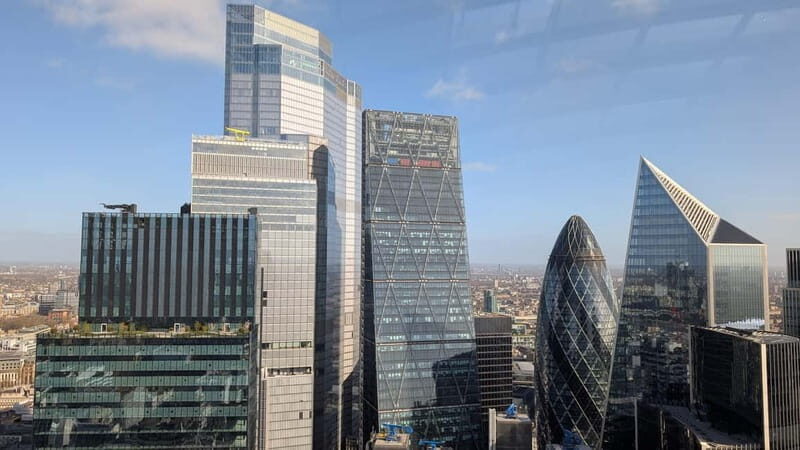
- Street-level looks at the Shard, Walkie Talkie, and Gherkin without any building-entry pressure
- Sam’s construction-management perspective makes the stories easier to follow, even if you’re not an architecture nerd
- You see what’s beneath the streets and hear how London’s engineering projects shaped today’s skyline
- Free time at the NLA (London Centre) to study scaled skyline models at your own pace
Walking modern London the smart way: Thames to the Square Mile
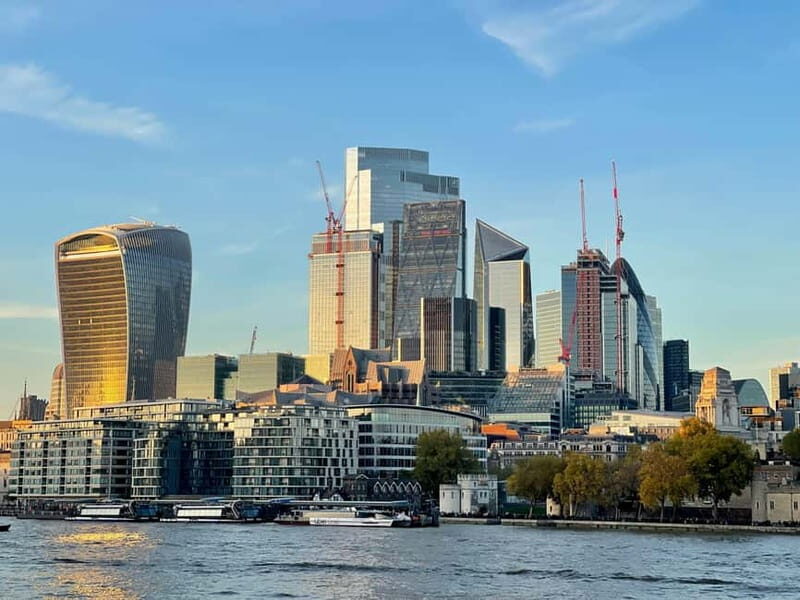
Modern London can feel like a photo set: the big names, the skyline shots, the quick pass-by. This tour slows that down. You’re not hunting for viewpoints on your own or guessing what each tower is really doing up there. Instead, you walk a logical line through the City of London—starting on the northern side of the Thames and working toward the cluster of contemporary landmarks.
I like that the focus isn’t just on individual buildings. You also get the “how did London get here?” angle—what lies beneath the streets and how large engineering projects helped shape the city. That matters because London’s skyline isn’t random. It’s the result of planning, constraints, and the kind of work that rarely makes it into postcards.
The other practical advantage: the route is designed for sightseeing on foot. You’ll be outside most of the time, but that’s also the point. You’re meant to get a real sense of scale by seeing these structures up-close.
You can also read our reviews of more walking tours in London



Sugar Quay Jetty: the skyline starts where the river meets the City
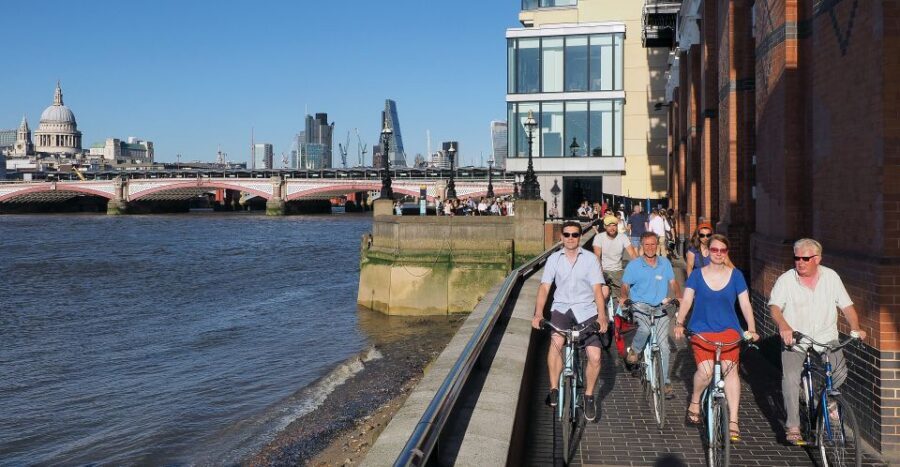
You kick things off at Sugar Quay Jetty, near the Tower of London. This is a good starting choice because it gives you immediate geographic context. Before you zoom into skyscrapers, you’re grounded in where the river is and how the City’s modern development lines up along it.
From here, you’ll get that first “this is really happening” reaction as London’s modern forms rise above the older fabric of the area. The tour also sets expectations early: you’re walking, you’re listening, and you’re collecting facts you can use later when you look up at the skyline on your own.
If you’re coming straight from the Tube, this is also where comfortable shoes pay off. Expect a walking pace that keeps the group moving, not a stop-every-30-seconds kind of tour. That’s one reason the total time stays around 2 hours, before you add extra time at the end.
City Hall and the Thames: engineering stories you can picture
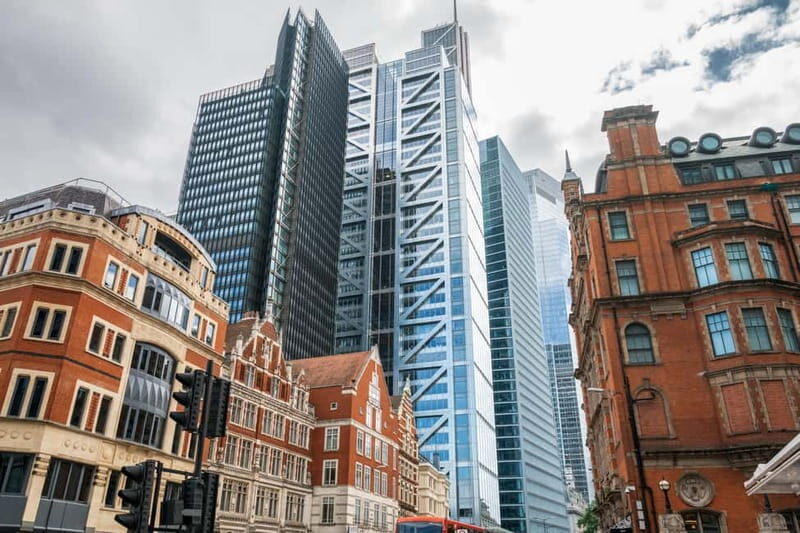
One of your first real sightseeing moments is City Hall, London. Even if you’ve seen it in pictures, it’s different when you’re standing nearby. You can better judge the shape, massing, and how the building sits in the area without the skyline doing all the talking.
Then the route naturally turns toward the River Thames viewpoints. This is where the tour earns its “more than architecture” value. London’s skyline is tied to how the city works as a system—transport, space, and the infrastructure beneath streets. You’ll hear what major past and present engineering projects lie beneath London, and it helps you connect why certain areas developed when they did.
Practical tip: if you like photos, this is a good zone to shoot while you’re still fresh. You’ll have a lot of visual material later around the towers, but the river setting gives you a broader shot of the city’s layout.
The Shard, Walkie Talkie, and Lloyd’s: iconic shapes with real backstory
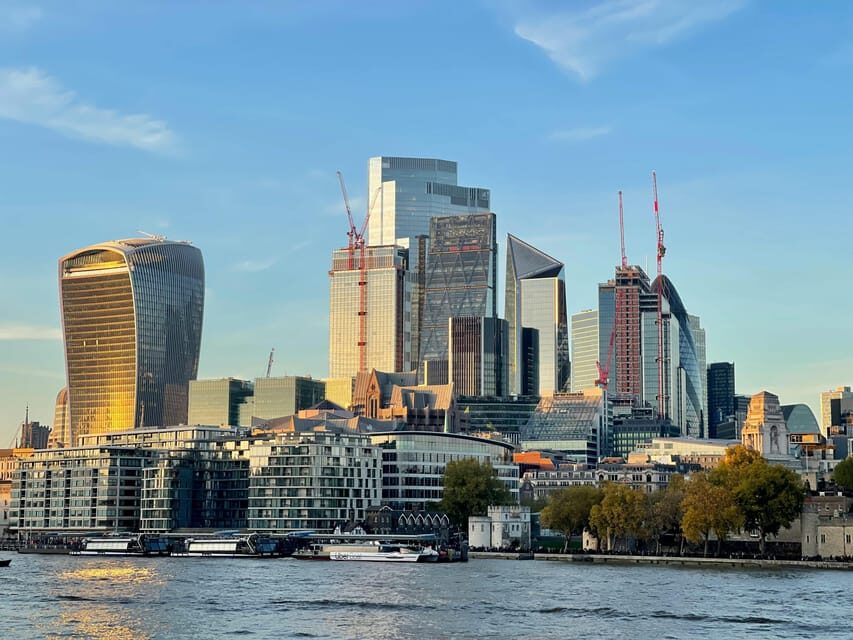
The core modern cluster starts to land in your lap in quick succession. You’ll see the Shard, then the Fenchurch Building (often called the Walkie Talkie), and then Lloyd’s of London.
Here’s what makes this part of the walk work for real-world travelers: these buildings are famous, but you’re not just getting a name list. Sam is there to explain the design and construction angle in a way that stays clear for people who don’t live and breathe building techniques.
Atstreet-level views of the Shard are especially useful because the scale is hard to grasp from a distance. Standing near it helps you understand how it changes the skyline even when you’re not staring up the entire time. The same goes for the Walkie Talkie form—its presence is about more than height. It’s about shape and what that shape means for the building’s function and city image.
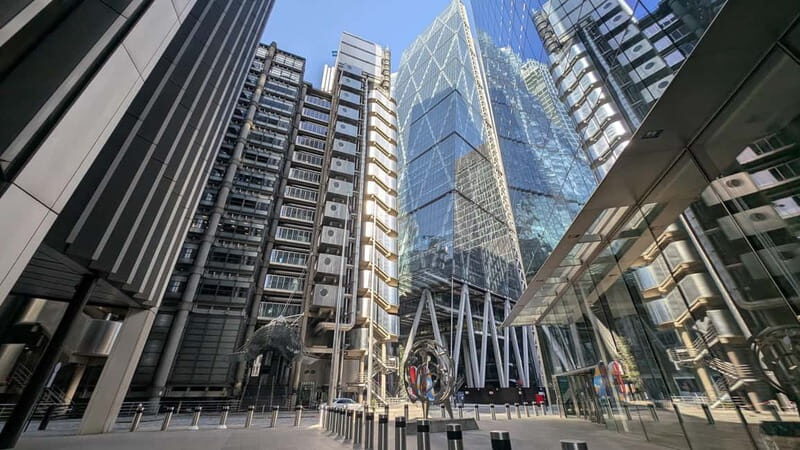
Lloyd’s of London adds a different tone to the mix. You’re not just seeing a glass tower; you’re seeing how major institutions express themselves through architecture. By the time you’ve walked between these stops, you start to notice patterns in how modern London communicates power, purpose, and identity.
Possible drawback in this section: since entry into buildings is not included, you’re relying on what you can see from outside. That’s not bad—just know what you’re signing up for: conversation and street-level viewing, not indoor access.
Leadenhall and 30 & 70 St Mary Axe: two Gherkin-adjacent moments worth slowing down

Next up you’ll hit a pair of St Mary Axe landmarks that many people recognize instantly, even if they don’t know the full names. You’ll see 30 St Mary Axe (the Gherkin) and also 70 St Mary Axe (The Can of Ham).
Standing near these towers is a fun reset for your eyes. Earlier stops are about extreme silhouettes and landmark “wow” factors. Here, the conversation shifts toward recognizable modern geometry and how the skyline reads as a collection. It becomes easier to see why these buildings became symbols: their shapes are memorable, and they’re placed where they can be seen from multiple lines of sight across the City.
You also visit the Leadenhall Building. If you’re the type who likes to understand how buildings fit into a larger skyline story, this stop helps. You’ll start linking what you notice—form, placement, and how the streets frame these structures—to the larger theme the tour keeps returning to: what’s beneath the surface, and what’s next for London’s development.
Quick photo advice: don’t just point your camera up. Try to include the street edge or nearby landmarks in a few shots. The scale becomes clearer when your image has context.
You can also read our reviews of more guided tours in London






Liverpool Street Station and the Barbican: modern architecture isn’t only glass
After you’ve taken in the headline towers, the walk turns to Liverpool Street Station and then the Barbican.
This shift matters. If you only focus on skyscrapers, modern architecture can start to feel like a single category. But the City has modern work at multiple scales. Liverpool Street Station is an anchor point in the urban machine—transport is part of the architecture story even when you’re not touring inside. Seeing it during the walk gives you the “this is where the city moves” context behind the skyline.
Then the Barbican brings you into a different kind of modern expression. It’s a reminder that modern London includes large, complex projects that aren’t just about a single dramatic height. Here you’re more likely to notice how massing and layout shape how people experience the space.
If you’re traveling with someone who thinks architecture tours are all about looking up, this section can win them over. It breaks the pattern and shows modern design applied to real neighborhoods and public-facing spaces.
Finishing at the NLA models: your last 15–30 minutes of payoff
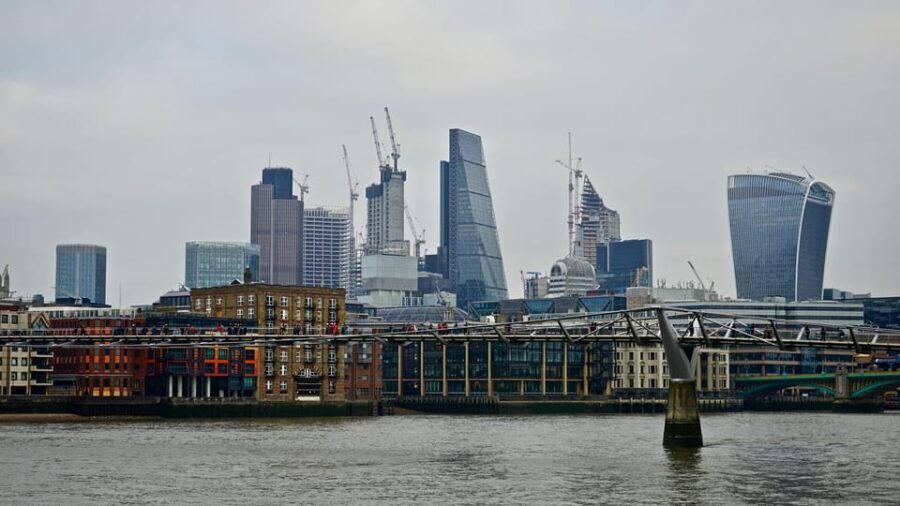
The tour finishes at NLA – The London Centre. This is where you get a valuable “now I get it” moment.
Entry is free, and you’ll find information plus scale models of London’s skyline you can read and study at your leisure. This is genuinely useful because skyline viewing from street level is only half the learning. The models help you connect the dots across distances and understand where each modern building sits in the larger urban picture.
Timing note: the tour takes around 2 hours, but I’d plan an extra 15–30 minutes for the NLA. Also pay attention to opening hours: NLA is open Tuesday to Saturday until 17:00. That means Sunday, Monday, and evening tours won’t be able to enter.
A small caution that’s easy to miss: the tour description says it ends back at the meeting point, but the itinerary also says it finishes at NLA. In practice, you may end near the NLA area depending on the day’s route. If you’re trying to catch a train right after, give yourself breathing room.
Price and value: what $52.53 gets you for two hours

At $52.53 per person, the value comes from what’s included: a guided walking tour that bundles multiple iconic buildings, guided commentary, and a construction/engineering storytelling approach.
You’re not paying for building entry (that’s not included). And that’s key. Instead of spending money on indoor tickets, you’re buying expert explanation and a walking route that hits the most recognizable modern landmarks in the City of London. For many travelers, that’s a better deal than a tour that spends most of its time standing outside one building or paying for access you don’t fully use.
Also, the guide experience seems to matter. In the reviews, people consistently highlight Sam’s engagement and how he keeps the tour understandable. One of the strongest signals: even if you don’t think you care about architecture, the pace and explanations can flip that switch.
If you’re on a short trip and want a high density of modern architecture without extra planning, this price can feel fair.
What to bring, and how weather affects your experience

This is an outdoor walk, so pack for reality. Bring:
- Comfortable shoes
- Camera
- Water
- Weather-appropriate clothing
The tour proceeds in normal conditions. That’s not just a warning—it’s a design choice. You’re walking between points, so you’ll spend time outside for viewpoints and explanations. If it’s windy or rainy, dress for the conditions you’ll actually face near the Thames and around the City.
One more small strategy: if you like taking notes, consider bringing a small notebook or using notes on your phone. Sam is there with stories and fun facts, and you’ll likely want to remember a few.
Who this tour is best for (and who should skip it)
This tour suits you if you want modern London with context. I’d especially recommend it to:
- First-time visitors who want skyline highlights in one focused walk
- Architecture-curious travelers who like clear explanations more than technical jargon
- Couples or friends with mixed interests, since the tour has a way of keeping the pace engaging
It’s not a match if mobility is an issue, because it’s listed as not suitable for wheelchair users and not designed for people with mobility impairments.
If you’re looking for a hands-on workshop or indoor access to the buildings themselves, you’ll be disappointed. This is about seeing the architecture from the street and learning the stories behind it.
Should you book the London Modern Architecture & Building tour?
Book it if you want a smart, guided walk that connects iconic buildings to the engineering and development forces shaping London today. The close-up building viewing plus Sam’s construction-management angle is a strong mix, and the NLA scale models at the end are a great bonus if your day fits the Tuesday–Saturday opening hours.
Skip or choose something else if you need a wheelchair-friendly route, hate outdoor walking in mixed weather, or you specifically want to go inside the buildings you see. This is a listening-and-looking tour, not an entry-ticket tour.
If your schedule works for the NLA and you can handle two hours on foot, this is the kind of experience that makes the skyline feel understandable instead of just impressive.
FAQ
How long is the London Modern Architecture & Building Guided Walking Tour?
The tour duration is about 2 hours. Plan extra time at the end for NLA (roughly 15 to 30 minutes).
Where does the tour start?
You meet at Sugar Quay Jetty near the Tower of London.
Where does the tour end?
The tour ends at NLA – The London Centre. The activity description also notes that it ends back at the meeting point, so it’s smart to confirm the exact finishing area with the operator on the day.
Is the tour guided in English?
Yes, the live tour guide offers the tour in English.
Can I enter the buildings on the itinerary?
No. Entry into any buildings seen on the tour is not included, so you’ll view them from outside.
Which modern buildings will I see during the walk?
You’ll see major modern landmarks including the Shard, the Walkie Talkie (Fenchurch Building), the Gherkin (30 St Mary Axe), the Can of Ham (70 St Mary Axe), Lloyd’s of London, City Hall, Leadenhall Building, Barbican, and you’ll also pass by Liverpool Street Station.
Can I visit the NLA on Sundays or Mondays?
No. NLA is open Tuesday to Saturday until 17:00, so Sunday and Monday tours (and evening tours) unfortunately won’t be able to enter.
What should I bring for the tour?
Bring comfortable shoes, a camera, water, and weather-appropriate clothing.
Is the tour suitable for wheelchair users or limited mobility?
No. The tour is listed as not suitable for people with mobility impairments and not suitable for wheelchair users.