REVIEW · LONDON
Handel Hendrix House Ticket
Book on GetYourGuide →Operated by Handel Hendrix House · Bookable on GetYourGuide
Two music legends, one set of rooms. At Handel Hendrix House in Mayfair, you move from George Frideric Handel’s world of baroque court music to Jimi Hendrix’s London living room energy, all inside the same small, carefully restored building. It’s a rare contrast: formal wigs and royal rehearsals down one staircase, then 1960s guitar culture up the next floors.
I love two things most: the wonky Grade 1 listed stairway (yes, it really feels like it’s doing its own thing) and the way the antique harpsichord keeps showing up as you tour. If musicians are practicing that day, the sound makes the rooms feel alive instead of like a quiet display case.
One drawback to plan for: the venue is compact. You can see a lot in an hour or two, but if you’re expecting a huge warehouse of original Hendrix artifacts, manage your expectations—part of the Hendrix story is told through careful restoration and research rather than endless originals.
In This Review
- Key takeaways before you go
- Handel Hendrix House in 1–2 hours: how the visit flows
- Handel’s Mayfair rooms and the Messiah story you’ll remember
- The Grade 1 stairway: why those wonky steps matter
- Upstairs Handel: dressing room, bedroom, and the quiet weight of age
- The jump to the 1960s: Hendrix’s 23 Brook Street life
- Records, amps, pedals, and the mechanics behind the sound
- Live music moments: when the day adds extra sound
- Price and value: is $19 worth it?
- Getting there in Mayfair: where you meet and what to expect on arrival
- Who should book this, and who might skip it
- Should you book this ticket?
- FAQ
- How long should I plan to spend at Handel Hendrix House?
- What does the ticket include?
- Where is the museum and what’s the nearest Tube station?
- Is there a limit on luggage or bags?
- Is the museum wheelchair accessible?
- What’s the group size like?
Key takeaways before you go
- Handel’s Messiah connections: you’ll see the rooms tied to the story of Cuzzoni and those famous windows
- Baroque sound in real rooms: an antique harpsichord is part of the daily atmosphere
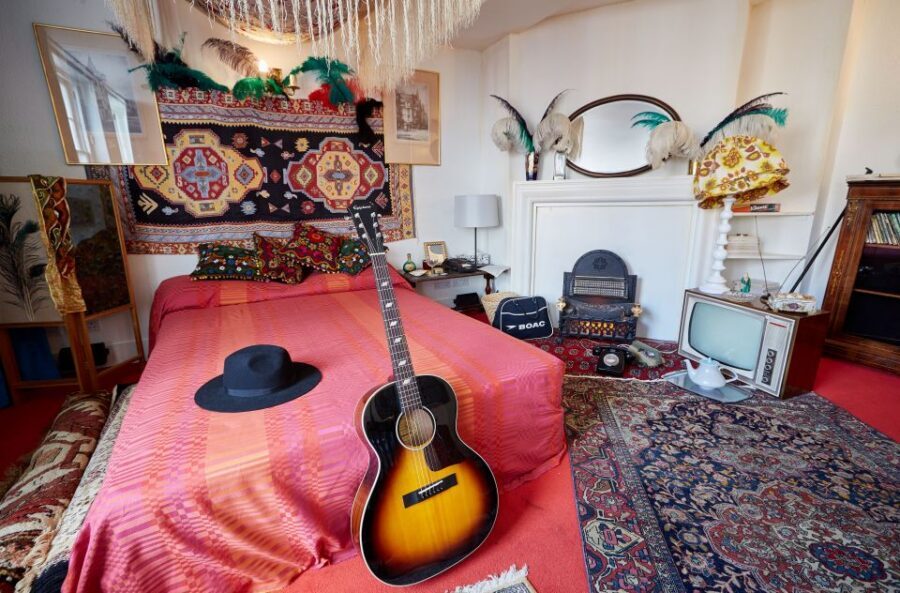
- A recreated 1969 London flat: Hendrix’s Brook Street life is rebuilt with help from Kathy Etchingham
- Gear plus context: records, amps, pedals, and an acoustic guitar help explain how his sound was made
- Small group size (up to 9): it’s easier to ask questions and actually hear the details
- Plan 1–2 hours: it’s a tight museum stop in the center of Mayfair
Handel Hendrix House in 1–2 hours: how the visit flows
This is a museum you can fit into a busy London day without feeling rushed. For most people, a solid visit is about one to two hours as you go floor by floor, stopping for explanations and taking in the sound atmosphere.
The route has a simple rhythm: you start in Handel’s rooms on the lower levels, then work upward to the later-life and death rooms. Then the building pivots to the 1960s, with a full shift in objects, music cues, and mood when you reach the Hendrix portion.
Because the group is small, the experience feels closer to a guided walk than a cattle-line museum. You’ll also have time to slow down and look at the details—things you’d miss if you were sprinting.
You can also read our reviews of more tours and experiences in London


Handel’s Mayfair rooms and the Messiah story you’ll remember
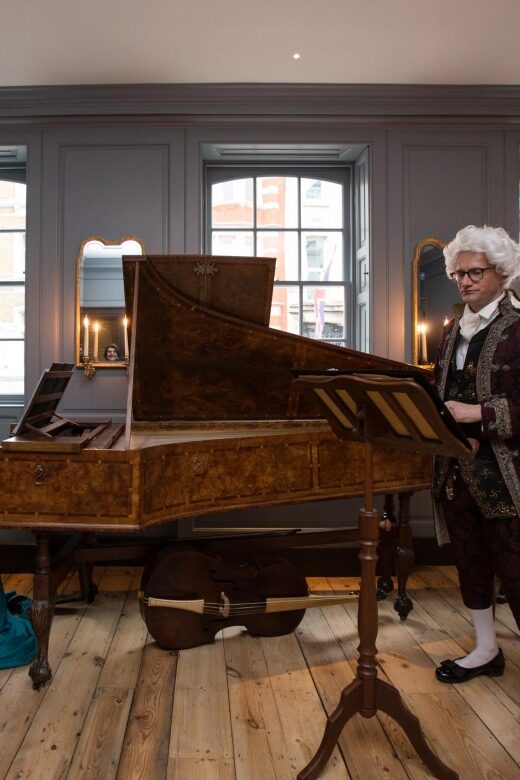
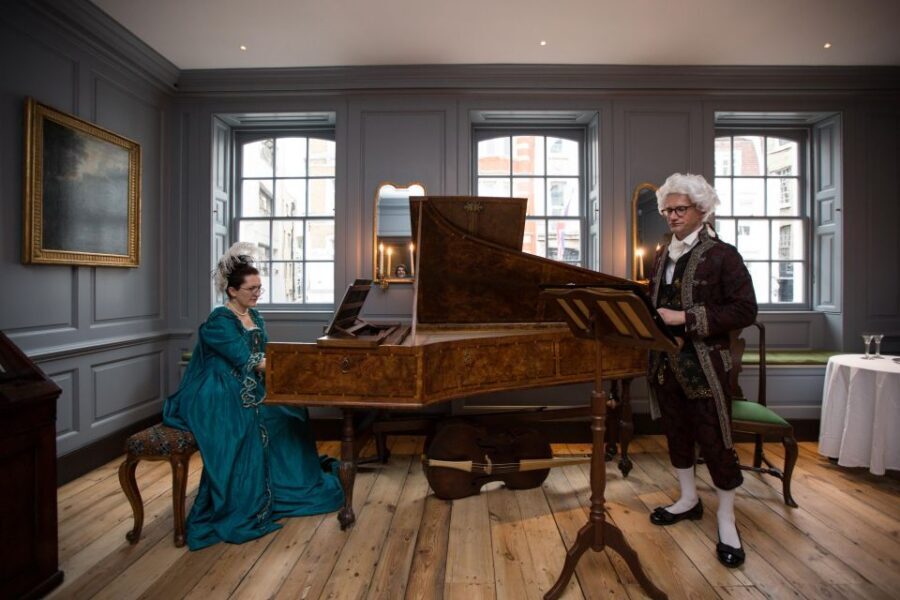
George Frideric Handel’s part of the museum is the emotional first act. Even before you get deep into specific rooms, the feeling is that you’re walking through working spaces: places where performances happened, where rehearsals likely sounded different than you expect today, and where the social world of music was all mixed together.
Handel is tied to Messiah, and the museum uses that connection to pull you into the stakes of baroque performance life. You’ll also come across a dramatic story about Handel threatening soprano Cuzzoni from the windows when she refused to sing one of his arias. Whether you view it as literal, theatrical, or both, it paints Handel as a working artist with temper and control.
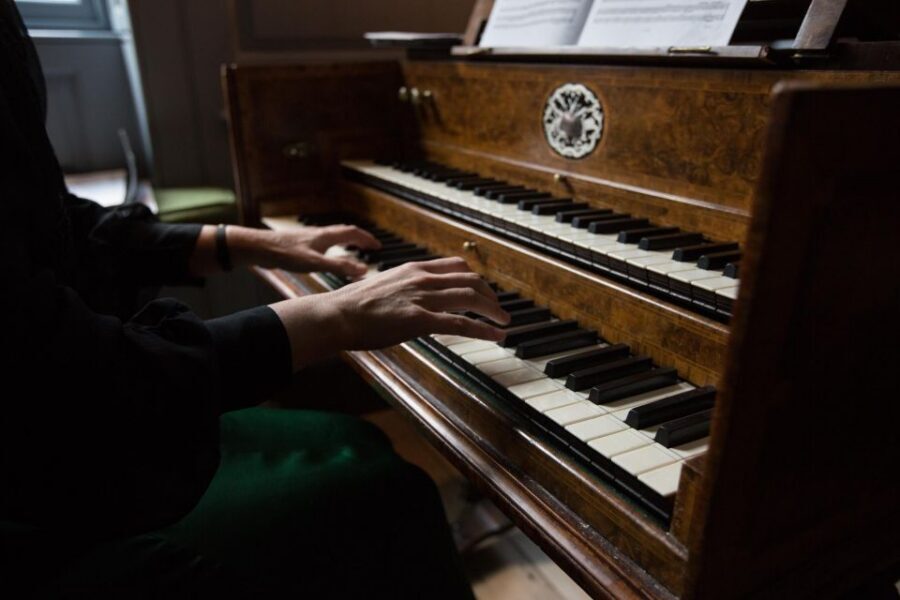
As you move, keep an ear open. Musicians are often practicing on an antique harpsichord, and the sound changes the whole experience. Instead of reading about baroque music in a sterile way, you hear how the rooms might have resonated.
The Grade 1 stairway: why those wonky steps matter
That stairway isn’t just a background detail. It’s part of the story because it forces you to physically slow down. It’s also part of the building’s status as a Grade 1 listed property, which means the structure is protected and the museum keeps the feel of the original space.
Going up can be a little awkward in the best way. You’ll step carefully, look down at the layout, and realize how different daily life was when people climbed to different working areas of a home or office by hand rather than by elevator logic.
Practically, this affects timing. If you want photos, or you’re a slower walker, give yourself a bit more room in your schedule. If you’re visiting with limited mobility, plan to ask staff on arrival how the route works best for your needs. The museum is wheelchair accessible, but the famous stairway is still something you should think about.
Upstairs Handel: dressing room, bedroom, and the quiet weight of age
On the second floor, the tour shifts from the more dramatic Messiah-era stories to the more human side of Handel’s later life. You’ll see a dressing room and the bedroom where Handel eventually died of old age after decades at the center of English court music.
This floor works best if you let it get a little still. The rooms don’t feel built just for spectacle. They feel like a working home for a man whose craft shaped the music world around him.
You don’t have to be a baroque expert to get value here. The museum’s strength is how it connects art and daily life. Even the layout—how rooms relate to each other—helps you picture how Handel moved through his workday.
The jump to the 1960s: Hendrix’s 23 Brook Street life

Then comes the shift that makes this place special. Upstairs, you’re transported to 60s London, right at the height of that swinging era when London made Jimi Hendrix famous.
The key idea is that this is the first place Hendrix called truly home in London, at 23 Brook Street, shared with his girlfriend Kathy Etchingham. That matters because the museum doesn’t treat Hendrix like a myth you only encounter through albums and stage footage. It frames him as a person building a life here—one room at a time.
A big part of the Hendrix section is a short step away to a room made famous in film footage and photographs. The museum’s recreation aims to capture the look and feeling of how he lived, loved, and played in 1969, just a year before his tragic death at age 27.




Records, amps, pedals, and the mechanics behind the sound
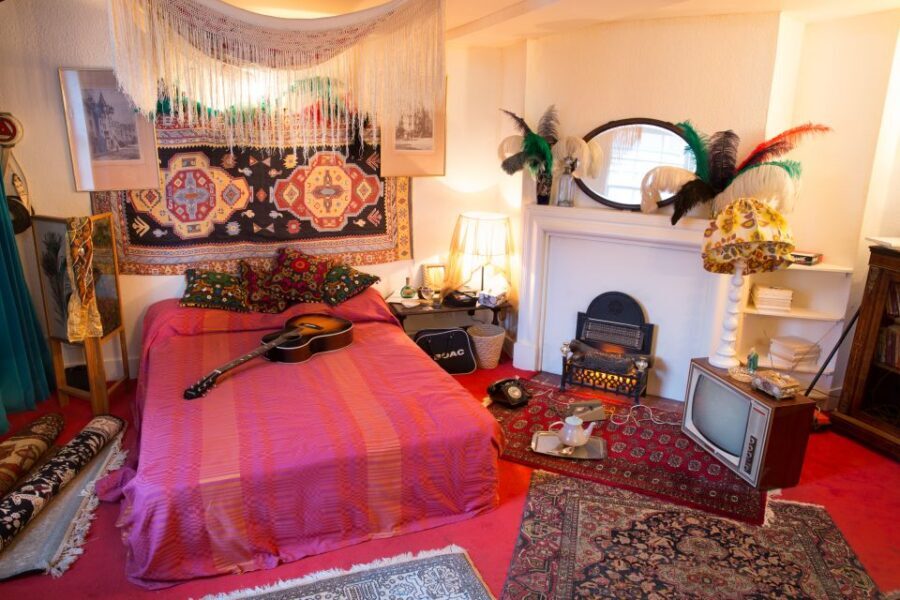
Here’s where the museum turns from mood to method. The Hendrix portion isn’t only about the visual world; it’s also about the tools that shaped his signature sound.
You’ll be able to browse his record collection and learn what each album meant in context—plus the kinds of anecdotes connected to Kathy Etchingham. Even if you know Hendrix already, this section is useful because it connects listening to living. It answers the question of what he might have been absorbed in, not just what he performed on stage.
Then you move into the equipment area: amps and pedals used to recreate his unique sound, and you’ll also see his acoustic guitar. This is the part I’d recommend if you’re the type who gets curious about how music is built. The museum gives you a way to think about the chain—how sound starts, gets shaped, and becomes the thing you recognize instantly.
Live music moments: when the day adds extra sound
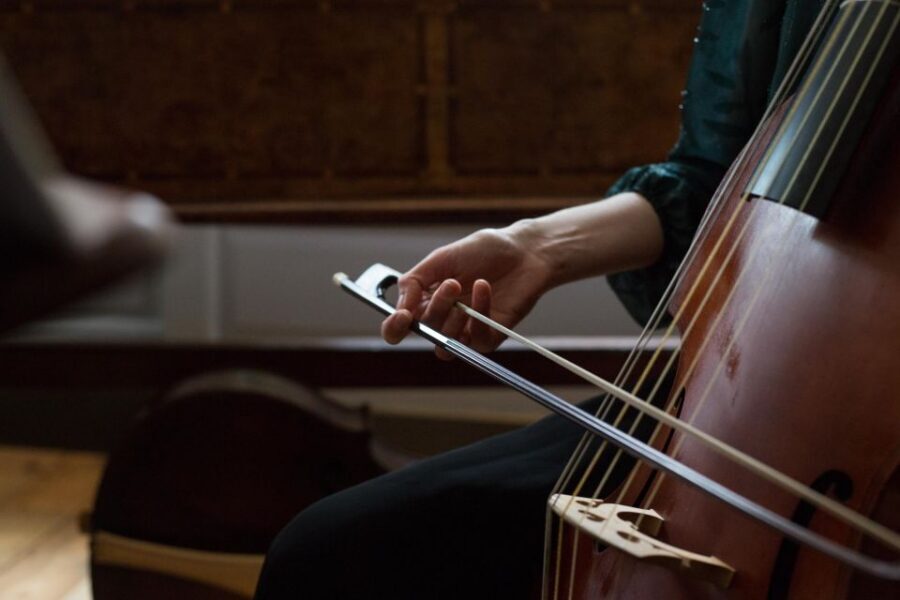
One bonus to know: the museum sometimes includes extra performances. In some visits, there’s been a live cello concert, and other days you might catch a live rehearsal of Handel’s music on the harpsichord.
Important point: standard admission covers museum entry, and events may not be included. So if you see a special concert listed on the day you go, don’t assume it’s automatic. Still, these occasional moments can turn a great visit into a memorable one.
Price and value: is $19 worth it?
At around $19 per person, the value comes from two angles at once.
First, you’re paying for access to two major musical worlds that rarely share the same building: Handel’s baroque life in rooms that are physically protected as Grade 1 listed, and Hendrix’s London home recreated using intensive research. That contrast is not a gimmick—it’s the entire point.
Second, you get a guided, small-group style experience with up to 9 participants, and you can typically ask questions when staff and volunteers are present. That makes the ticket feel less like a walkthrough and more like a guided conversation.
Is it a bargain if you only care about Hendrix? It can still be worth it, but the Hendrix side is more about environment and sound-building than a huge archive. If you want tons of original Hendrix objects, you may prefer a different museum type. If you want the story told through rooms, gear, and context, this price is fair.
Getting there in Mayfair: where you meet and what to expect on arrival
You meet at 25 Brook Street, Mayfair (W1K 4HB). The nearest Tube is Bond Street Station on the Central and Jubilee lines.
Mayfair is busy, so I’d keep your arrival plan simple: get there a few minutes early, find the entrance, and be ready to check in. Also note the practical rule: no luggage or large bags. If you’re coming straight from a hotel with a big suitcase, either plan ahead or expect a delay finding storage.
Once you’re inside, the structure of the visit is easy to follow—floor by floor, with the sound cues doing a lot of the work. Your best strategy is to slow down at the spots where stories connect to objects: the Messiah windows on the Handel side, then the Hendrix flat recreation and gear area on the top floors.
Who should book this, and who might skip it
You should book if you:
- love music history, but you want it grounded in real rooms, not just timelines
- are a Hendrix fan who likes learning the sound-building side—records, amps, and pedals
- are a baroque fan (or curious beginner) and want to hear how a harpsichord changes the feel of the space
- want a small-group experience with room to ask questions
You might skip if you:
- want a large museum with lots of original Hendrix artifacts lined up like a warehouse
- need a very stroller-free, stair-free route (the building is wheelchair accessible, but the iconic stairs are still a real feature)
- plan to travel with big luggage
Should you book this ticket?
Yes—if your goal is to see a smart, tightly focused museum that turns music into place. Handel Hendrix House is worth it because you get both the baroque human drama and the Hendrix sound-mechanics in one compact stop. The $19 price feels reasonable for what you’re getting: real atmospheres, small-group pacing, and the kind of details you remember later when you listen to the music again.
If you’re going on a day when there’s a performance scheduled, it can be extra. Just remember: museum entrance is included, while added events may require separate entry.
FAQ
How long should I plan to spend at Handel Hendrix House?
Plan on about one to two hours. That gives you time to move through the floors, read the key explanations, and stop where the harpsichord practice or on-site music adds atmosphere.
What does the ticket include?
Your ticket includes museum entrance fees. Entry to events isn’t included.
Where is the museum and what’s the nearest Tube station?
The meeting point is 25 Brook Street, Mayfair, London (W1K 4HB). The nearest Tube station is Bond Street on the Central and Jubilee lines.
Is there a limit on luggage or bags?
Yes. Luggage or large bags are not allowed.
Is the museum wheelchair accessible?
Yes, the experience is wheelchair accessible.
What’s the group size like?
The tour runs as a small group limited to up to 9 participants, and the host/greeter is English.