REVIEW · LONDON
London: Self-Guided Notting Hill Walking Tour with an APP
Book on GetYourGuide →Operated by Trippy Tour Guide · Bookable on GetYourGuide
Notting Hill, but on your schedule. This self-guided loop turns the neighborhood into a photo hunt and a story walk, with an app that delivers movie-location narration and turn-by-turn direction across the crescents and mews. I especially liked the self-paced audio that helps you notice details you’d miss on your own, from the classic blue door moments to bookshop scenes tied to the films. One drawback to plan for: the audio is app-based and AI voice playback can be a little inconsistent in certain languages.
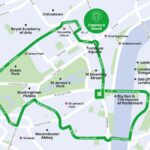
You’ll spend about two hours moving at a comfortable walking pace, starting at Notting Hill Gate and finishing at Westbourne Park Station. Along the way, you’ll hit Portobello Road’s market energy, spot recognizable architectural “set pieces,” and end with cinematic atmosphere around Electric Cinema. If you want London at a relaxed tempo, this is a strong way to do it without waiting for anyone else.
In This Review
- Key highlights in a tight 2-hour walk
- Starting at Notting Hill Gate: the app runs the show
- Pembridge Crescent and the calm side streets you actually enjoy
- Denbigh Terrace to Elgin Crescent: spotting the recognizable looks
- Ormrod Court and Powis Mews: the small stops that feel special
- Portobello Road and Electric Cinema: the classic London “pause”
- How the Trippy Tour Guide app works as you walk
- Finishing at Westbourne Park Station with a clearer sense of the area
- Price and value: is $14 a good deal for Notting Hill?
- Who this self-guided route is best for
- Quick practical tips so your walk feels smooth
- Should you book this London Notting Hill walking tour?
- FAQ
- How long is the Notting Hill walking tour?
- Where does the tour start and where does it end?
- What’s included in the tour price?
- Do I need to download an app, and which one?
- Do I need headphones?
- Are entry fees included?
- Can I control the audio while walking?
Key highlights in a tight 2-hour walk
- Hugh Grant era photo moments: the iconic blue door and bookshop scenes
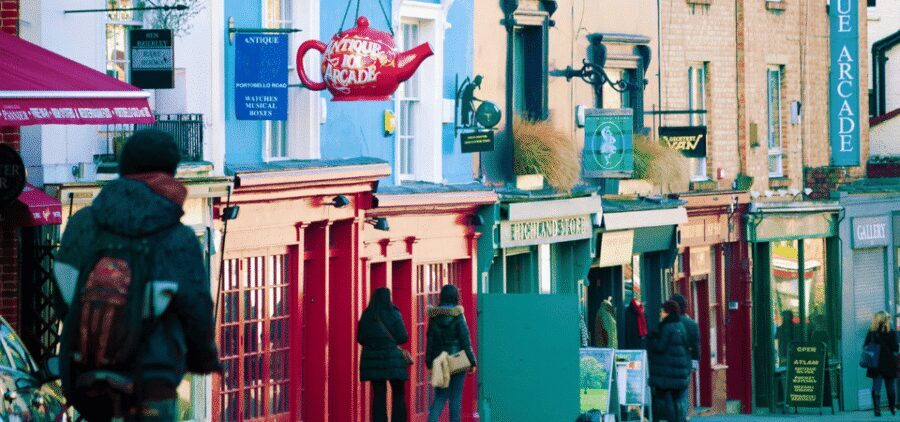
- Portobello Road market time: a lively stretch that feels like the neighborhood’s heart
- Electric Cinema atmosphere: classic film culture, right in the mix
- Crescent-and-arch architecture: big facades at Lansdowne Crescent and colorful streets like Elgin Crescent
- Hidden mews and tucked-away courts: Ormrod Court and Powis Mews add variety without detours
- Easy pacing: stories play automatically as you go, with controls to replay or rewind
Starting at Notting Hill Gate: the app runs the show
The tour starts at Notting Hill Gate, which is a practical choice. You get to begin near transit, then immediately transition into residential streets that feel worlds away from the busiest London blocks.
Before you walk, you’ll need to download and launch the tour in the Trippy Tour Guide app (not the GetYourGuide app). You’ll get instructions by email with credentials to access the tour. I’d treat this as a “do it early” task: use Wi‑Fi, get the tour loaded, and make sure headphones are ready before you step outside.
When you arrive, you simply open the tour and it starts. Audio stories then play automatically as you follow the route, and you can start, stop, replay, or rewind whenever you want. That control matters in a neighborhood like this, where you’ll constantly pause for photos or to figure out which doorway matches the scene you’re hunting.
You can also read our reviews of more walking tours in London



Pembridge Crescent and the calm side streets you actually enjoy
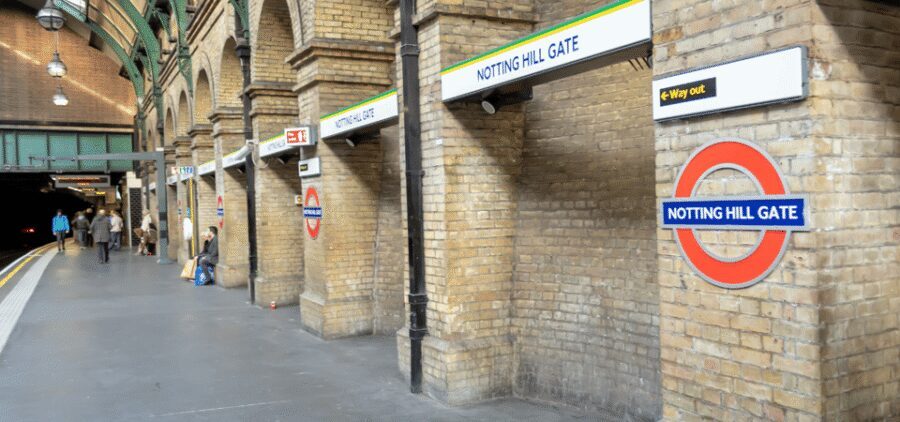
Once you leave the main hub, you’ll move into the quieter residential rhythm around Pembridge Crescent. This is where the neighborhood’s charm becomes visible in everyday details: window styles, street proportions, and the way these streets keep their calm even when Portobello Road nearby is busy.
From there, the route shifts into small lanes and low-traffic spots, including Simon Close. It’s the kind of place where the walls and gates feel more “film set” than “main road,” which is exactly why a self-guided route works well here. You can slow down to look at what’s in front of you without feeling rushed by a group schedule.
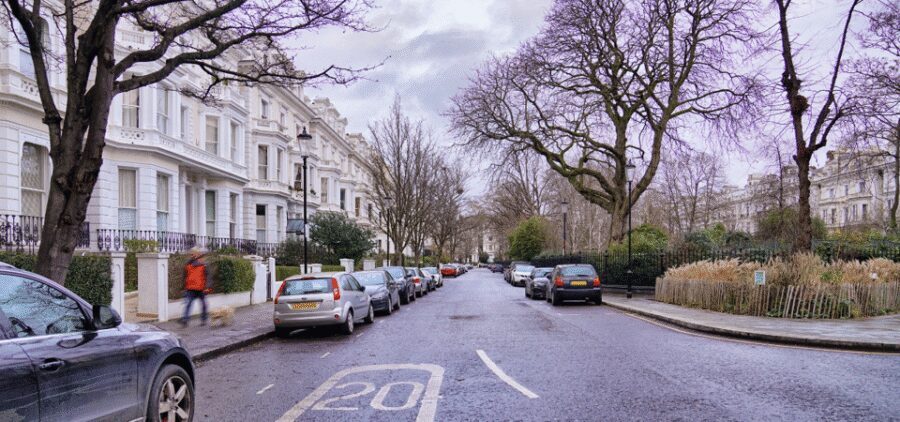
You’ll also see Denbigh Terrace, noted for old and beautiful houses. What I like about adding stops like this is simple: they help you understand Notting Hill as a living neighborhood, not just a checklist of famous backdrops. If you only want the big names, you can speed up. If you like architecture and street-level mood, you’ll probably enjoy the pace.
Denbigh Terrace to Elgin Crescent: spotting the recognizable looks
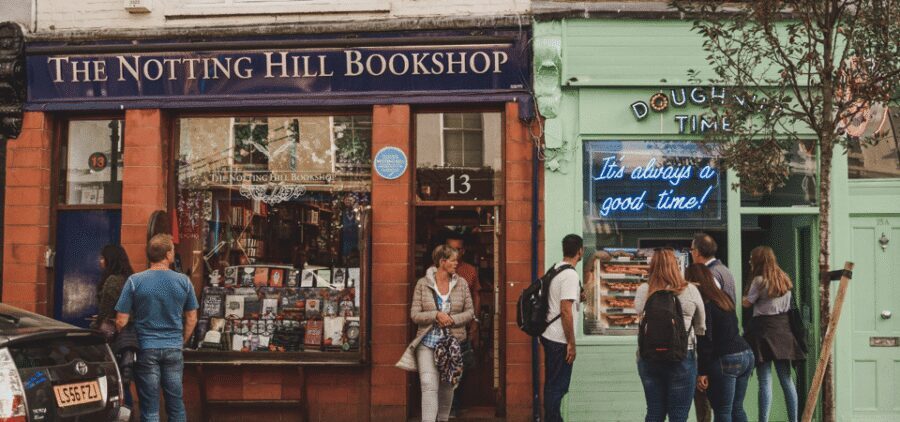
Next you’ll reach streets that are easy to remember visually. Elgin Crescent is colorful and lively, the kind of street where you’ll likely take a few extra minutes just watching people come and go. It’s also a strong contrast after the calmer side spots, so your brain gets a “new scene” signal before you move again.
Then comes Lansdowne Crescent, with the big arches that act like a landmark you can spot even if you’re a bit behind schedule. These kinds of signature features are perfect for a walking tour app because they help you stay oriented. When you can confirm where you are based on a recognizable structure, the route feels less like navigation and more like exploration.
At this point, if you’re a movie fan, you’ll start building a mental map: where the neighborhood photographs well, where the streets feel intimate, and where scenes likely “frame” in your head. Even if you’ve never seen the movies, the mix of residential charm and landmark facades gives you something to look for at every turn.
Ormrod Court and Powis Mews: the small stops that feel special

A good self-guided tour has a trick: it must give you variety without turning into an endless detour. This route does that with tucked-away locations like Ormrod Court, where you’re sent to look for the hidden spots rather than only the obvious front-street views.
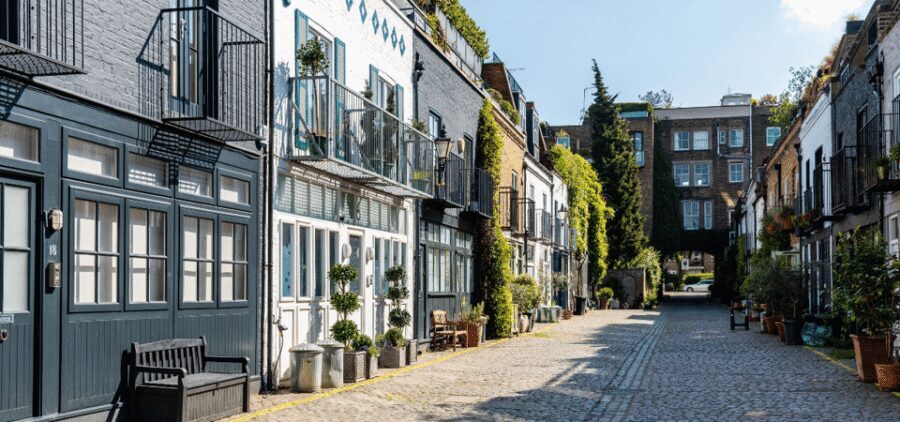
Then you’ll reach St Luke’s Mews, known for colorful houses and also mentioned as a movie-famous area. Mews streets in London can look like they’re made for quiet walking, and that’s the point here. You don’t just get told to admire; you get a moment to slow down, look across the facades, and take photos that don’t feel like everyone else’s.
Right after that, Powis Mews adds a different kind of payoff: history comes alive as part of the narrative. Even without getting too formal about it, these mews stops give the tour more texture. They also help you understand that Notting Hill’s character isn’t only in the famous streets. It’s in the side passages, the transitions, and the way the architecture shifts from one pocket to the next.
Portobello Road and Electric Cinema: the classic London “pause”
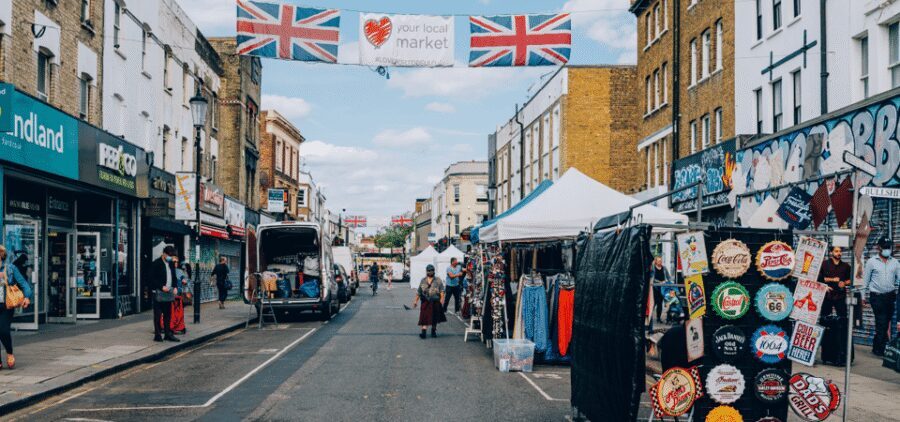
No Notting Hill walk feels complete without time around Portobello Road, and this tour guides you there as a busy market hub. This is the moment where you can do the most enjoyable kind of planning: decide if you want a quick snack, browse for a minute, or just stand there and watch the flow.
From the market energy, you move toward Electric Cinema, which brings a different kind of London charm. It’s classic film culture in a way that feels grounded, not touristy-for-the-sake-of-it. If you’re the kind of person who likes to feel the mood of a place, this stop is a good “tone reset.” After all the crescents and mews, it’s nice to land in an atmosphere tied to entertainment.
This portion is also where you’ll appreciate the app controls. If you want an extra 10 minutes at Portobello Road for photos or a coffee, you can. The audio keeps moving, but you can replay or rewind parts so you don’t feel like you missed the story.
You can also read our reviews of more guided tours in London






How the Trippy Tour Guide app works as you walk
This experience is built around one simple idea: stories should meet you where you are. The app includes 20+ narration points across popular Notting Hill locations and quieter hidden spots, so you’re not stuck reading a wall of text on your phone.
Here’s what to expect, practically:
- Stories play automatically as you follow the route
- You can pause and resume, or replay/rewind if you want the detail again
- The narration includes several languages: English, Spanish, German, French, Italian, and Chinese
That multi-language list is a plus if you’re traveling with someone who isn’t comfortable in English. Just know that the voice is generated, and playback quality can vary. One real-world note from a French audio user: the system sometimes reads words in English inside the French narration for a few phrases. If you’re counting on flawless audio in French, I’d treat it as a chance for minor glitches rather than a guarantee.
Finishing at Westbourne Park Station with a clearer sense of the area
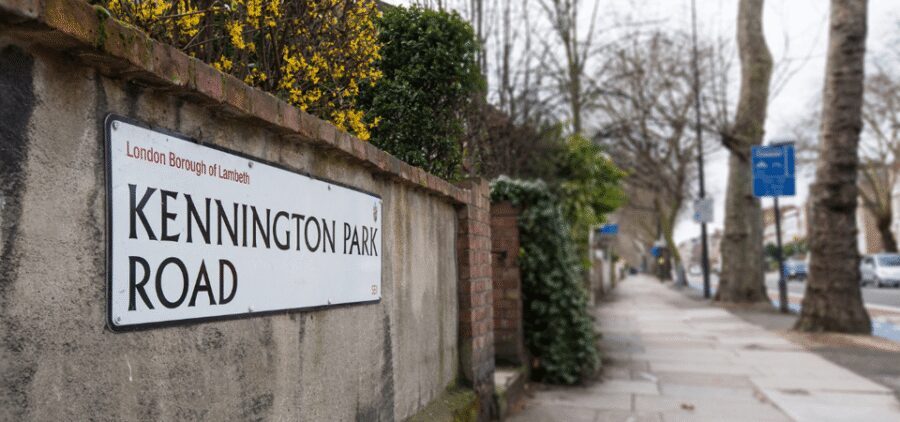
The tour ends at Westbourne Park Station, which is a smart way to close the loop. Instead of meandering back to where you started, you get to finish near another transport option. That makes it easier to keep moving after the walk, whether you’re heading to dinner or connecting onward.
By the time you reach the finish, you’ll have seen a lot of Notting Hill’s “faces” in two hours: movie-related photo moments, market activity, cinematic ambience, and residential architecture that ranges from open crescents to tucked-away mews.
For me, that’s the value of ending at a station. It makes the tour feel like a complete circuit, not a random string of streets. You walk in, you learn what to look for, and you walk out with the neighborhood mapped in your head.
Price and value: is $14 a good deal for Notting Hill?
At $14 per person, this is positioned as an inexpensive way to do a themed neighborhood walk with guidance. What you’re paying for isn’t a human guide or entry tickets. It’s the planning and storytelling layer inside the app: the navigation, the sequence of stops, and audio narration across the key spots.
If you’re the kind of traveler who normally figures things out alone, the app adds structure so you spend less time guessing which street matters and more time enjoying the setting. If you’re the kind of traveler who likes movies and wants to find the specific “recognizable” scenes, the audio and photo cues help you get there faster and more confidently than wandering randomly.
Since entry fees aren’t included, keep an eye on whether you plan to go inside any venues. But as a street-level walking experience, it delivers value because it uses your time well and keeps the experience focused on the neighborhood itself.
Who this self-guided route is best for
I think this tour suits a few clear types of travelers.
- You want Notting Hill without waiting on a group or a schedule.
- You like movie spotting, but you also want the neighborhood in between the famous frames.
- You’re comfortable navigating with a phone and want to control the pace.
If you’re traveling with kids or someone who hates “standing around while someone talks,” this format can work well because you can pause for photos whenever you want. If you rely on perfect, human-led interpretation, you might feel the difference since this is narration you play through headphones.
Quick practical tips so your walk feels smooth
A self-guided tour lives or dies on small prep steps. Here’s what will make your experience easier from start to finish.
- Bring headphones you’ll actually enjoy wearing for 2 hours.
- Start the download using Wi‑Fi so you’re not hunting for signal mid-route.
- Keep your smartphone charged. You’re using it for both navigation and audio.
- Pack water, especially if you do Portobello Road in warm weather.
- Treat the tour like a phone-guided walk: pause as needed, then use replay/rewind when you want details again.
Also, if you’re doing this in a language other than English, be aware that audio playback can have little glitches. It shouldn’t ruin the walk, but it can be noticeable.
Should you book this London Notting Hill walking tour?
I’d book it if you want a low-cost, self-paced way to see Notting Hill’s most photo-friendly streets, including the iconic movie nods and the market-and-cinema atmosphere around Portobello Road and Electric Cinema. The combination of 20+ narrated stops, clear direction, and phone controls is a practical match for a neighborhood with lots of turns.
Skip it or reconsider if you strongly prefer a live guide, or if AI audio quality issues would bother you in your chosen language. For most independent travelers, though, it’s a smart way to spend two hours walking through a neighborhood you’ll want to remember later.
FAQ
How long is the Notting Hill walking tour?
It’s listed as a 2-hour self-guided walking tour.
Where does the tour start and where does it end?
You start at Notting Hill Gate and finish at Westbourne Park Station.
What’s included in the tour price?
The price includes the Trippy Tour Guide app, over 20 narration points, and detailed directions. Audio is included in multiple languages.
Do I need to download an app, and which one?
Yes. You’ll use the Trippy Tour Guide app. The tour is not part of the GetYourGuide app.
Do I need headphones?
Yes, the tour info specifically notes that you should bring headphones.
Are entry fees included?
No. Entry fees are not included.
Can I control the audio while walking?
Yes. You can start, stop, replay, or rewind the audio as you like.