REVIEW · OXFORD
Oxford: History of Medicine Tour – by Uncomfortable Oxford™
Book on GetYourGuide →Operated by Uncomfortable Oxford · Bookable on GetYourGuide
Oxford medicine gets uncomfortable fast.
This 1.5-hour walk uses Oxford landmarks to trace epidemics, anatomy, and early antibiotic stories, and then asks the hard questions about who gets protected. I like that it stays grounded in what you can see in the streets, and it keeps the conversation on health equity and medical ethics, not just trivia.
I also like the delivery: the tours are led by university researchers trained by Uncomfortable Oxford, and the explanations are meant to feel lively, not like a textbook. If you’re lucky enough to have a guide in the style of Jonathan, you’ll get clear, easy-to-follow storytelling that still leaves room for serious thinking.
One possible drawback: this isn’t a sightseeing-only medicine route. It leans into bias, inequities, and tensions between public health and individual rights, so if you’re hunting for specific famous medical house stops or a museum-style penicillin culture display, you may feel a bit frustrated by how much is conversation versus site-hunting.
In This Review
- Key takeaways before you go
- Starting under the Hertford Bridge: setting the tone for medical Oxford
- New College walk: when public health hits daily life
- Bodleian Quadrangle: plague lessons and the anatomy question
- Clarendon Building and the Kings Arms Pub: rights, resistance, and real debate
- Oxford University Museum of Natural History: dissection stories you can picture
- War Memorial Garden and Radcliffe Observatory Quarter: science, society, and who is counted
- Ending at St Luke’s Chapel: tying medicine to ethics and lasting impact
- What the $29 price gets you in Oxford time
- Comfort, weather, and pacing: how to make the tour feel good
- Who should book this Oxford history of medicine tour
- Should you book it?
- FAQ
- Where do I meet the guide?
- How long is the tour?
- About how far do we walk?
- Does the tour go inside Oxford colleges or libraries?
- What stops are included?
- Is it wheelchair accessible?
- What language is the tour in?
- Can I cancel if my plans change?
- Is the tour okay for kids?
Key takeaways before you go
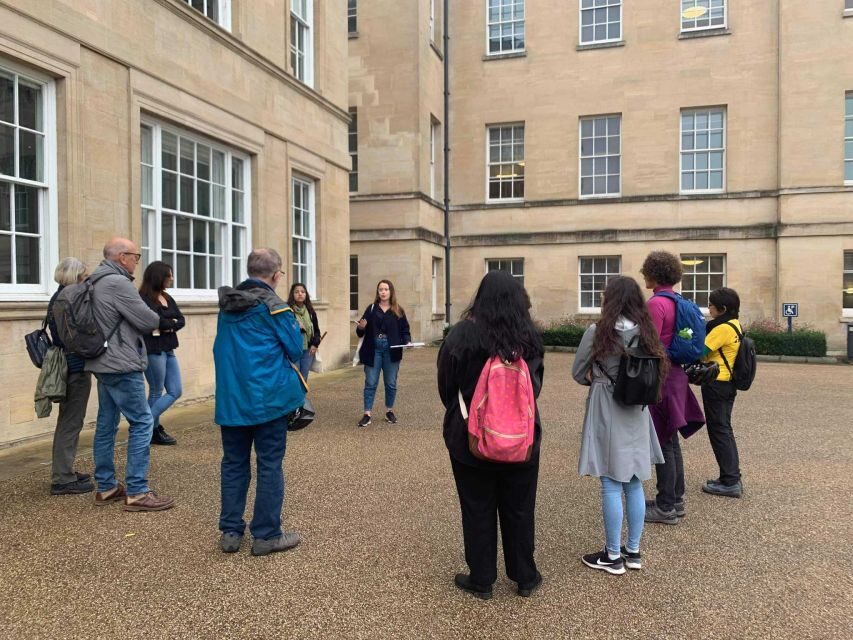
- A 2 km, 90-minute format that’s long enough for meaning, short enough to fit into a busy Oxford day
- Medieval plague to penicillin trials told as a long argument about health and power, not a straight timeline
- Dissection and anatomy at Oxford framed through what science costs and who pays
- Public health vs individual rights treated as an ongoing tension, not a one-off historical debate
- Stories shaped by empire, race, class, and gender so you understand medicine as a social system
- University-researcher guides who combine expertise with performance, so it feels like a guided discussion on the move
Starting under the Hertford Bridge: setting the tone for medical Oxford
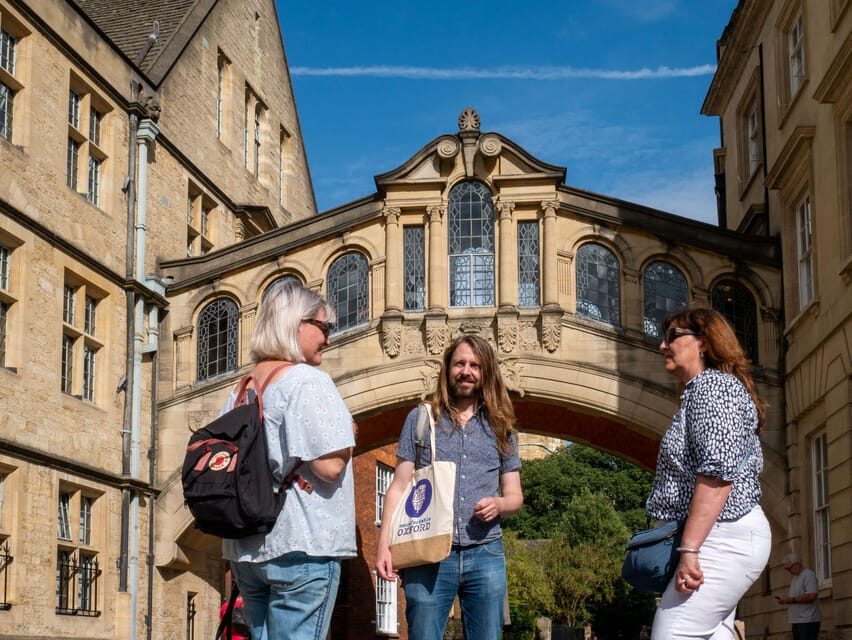
Your tour begins under the Bridge of Sighs, also known as Hertford Bridge. It’s a strong opening place because Oxford’s buildings already look like they’re holding secrets, and the guide uses that mood to frame the entire experience: medicine here is never just medicine. It’s politics, class, ethics, and control of bodies.
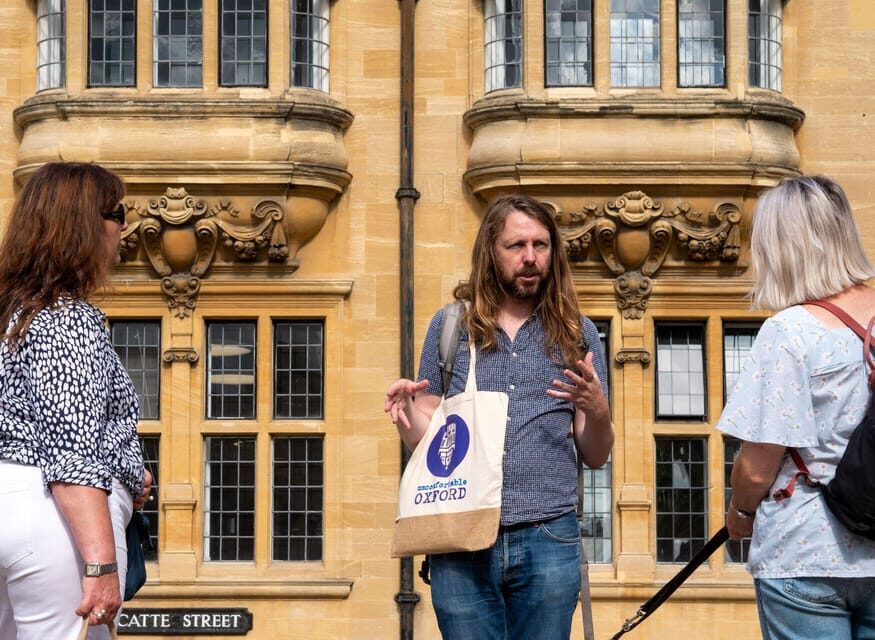
The guide will be wearing a bright blue vest and holding an Uncomfortable Oxford tote, so you won’t have to play guessing games. Do yourself a favor and show up a few minutes early. Oxford is full of people at the start of the day, and you want to get your bearings fast.
From the first moments, expect a tour built around themes rather than a museum route. You’ll be hearing about epidemic disease in medieval Oxford, then moving toward anatomy and dissection ideas, and later toward the early trials of penicillin. The common thread is how medical knowledge spreads, who gets access, and how public health decisions affect real human lives.
You can also read our reviews of more historical tours in Oxford


New College walk: when public health hits daily life
After a short walk toward New College, the guide turns the focus toward what life looked like when disease wasn’t an abstract threat. Medieval outbreaks weren’t just scary stories. They shaped movement through the city, influenced how authorities responded, and created winners and losers in the name of safety.
New College matters because it’s one of those Oxford spaces that feels timeless. That’s exactly why the guide’s approach works. You’re not only learning facts about disease; you’re learning how institutions and built spaces get tied to health practices. You start to see how the city itself becomes part of the medical story.
A practical note: you’ll spend a lot of time outdoors and walking between stops, and the tour runs in all weather. Even if it’s mild, bring something for wind or rain. Your guide will keep going, and you don’t want cold discomfort to drown out the ideas.
Bodleian Quadrangle: plague lessons and the anatomy question
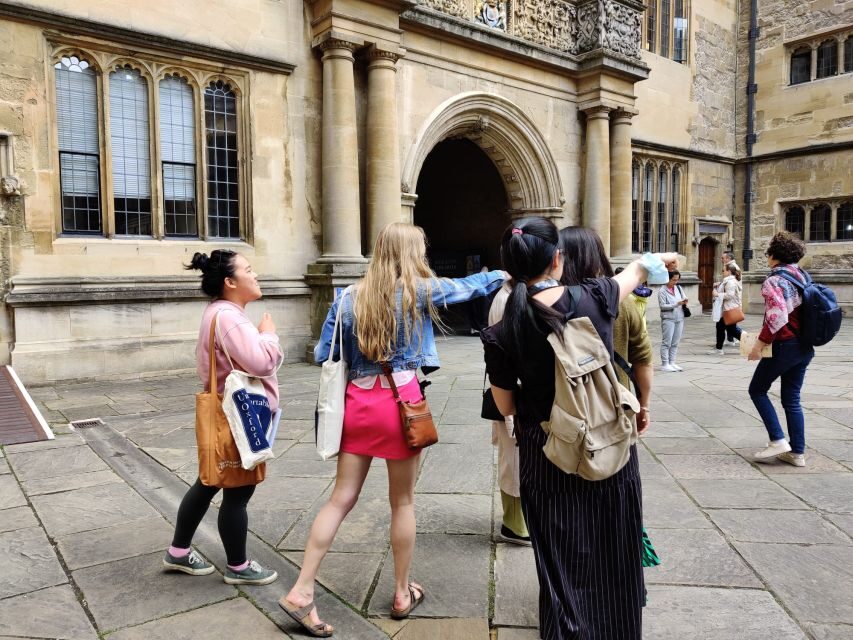
Next up is the Bodleian Quadrangle area. This stop is where the tour’s “medicine isn’t linear” feeling really clicks. You’ll hear how epidemics in medieval Oxford affected communities, while the University was also pushing forward in ways that changed how bodies were understood.
This is one of the most important parts of the tour: the conversation connects public health pressures with the study of anatomy. That includes the role of dissection and how anatomy training grew out of the needs of the time. Even if you already know the basic idea that universities studied bodies, the tour frames it as a moral and political problem, not just a scientific milestone.
Here’s what I think you’ll appreciate: the guide doesn’t treat anatomy as clean progress. It’s presented as complicated work tied to ethics, permissions, and power. You start asking questions like: who was studied, who was protected, and who had a say?
Clarendon Building and the Kings Arms Pub: rights, resistance, and real debate
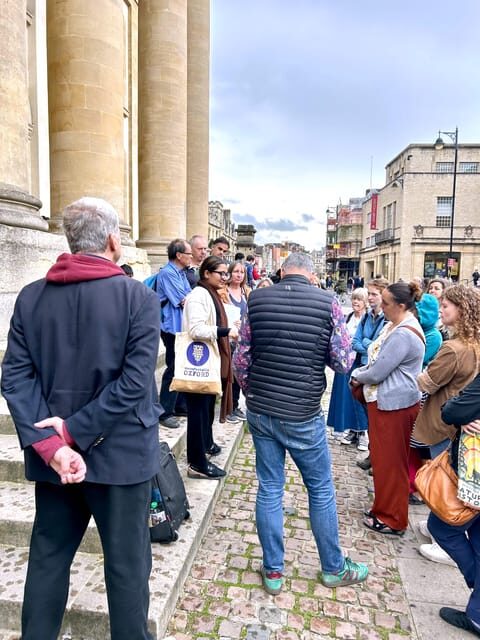
At the Clarendon Building, the tour slows down conceptually. This is where the topic of tensions between public health and individual rights becomes central. The guide brings up resistance to public health policies and highlights the idea that public safety measures can conflict with personal freedoms.
That doesn’t just stay in the past. The way it’s framed helps you connect the medieval context to modern arguments about health. You’re being trained to notice patterns: when authorities act, whose interests matter, and how fear and fairness collide.
Then you pause near the Kings Arms Pub. A pub stop may sound like a casual add-on, but it actually fits the tour’s style. It creates a natural moment for the guide to keep the discussion human. And since the tour lasts about 1.5 hours with places for sitting throughout, you’ll likely get a chance to rest your legs and reset your attention span before the next stretch.
If you like learning that mixes head and heart, this segment is a win. You’ll feel like you’re in a guided conversation, not watching a series of history photos in the rain.
Oxford University Museum of Natural History: dissection stories you can picture
The route then brings you to the Oxford University Museum of Natural History. This stop is where the tour’s anatomy and dissection themes get a physical anchor. Even though the tour does not go inside any libraries or colleges, it still uses the museum area to help you picture how “natural history” and medical thinking overlap in a university setting.
What I like here is the balance between facts and the ethical framing. The guide works through the idea that medical progress often depends on uncomfortable choices. Dissection and anatomy training aren’t treated as purely technical achievements. They’re presented as a long negotiation about permission, knowledge, and the body as a site of conflict.
If you’re the type who likes to understand why people made certain choices, you’ll likely enjoy how the guide talks about the practical realities behind the science. And if you’re sensitive to uncomfortable topics, this is still handled in a guided, thoughtful way—meant for ages 12 and older, and designed to keep the conversation appropriate while still honest.




War Memorial Garden and Radcliffe Observatory Quarter: science, society, and who is counted
After the museum area, you’ll continue toward the War Memorial Garden and the Radcliffe Observatory Quarter. This is a smart shift in tone. You move from the “how medicine works” focus into “how medicine sits in society” focus.
War Memorial Garden adds a reminder that public health and medical knowledge never land in a neutral world. Institutions respond to crises, governments make decisions, and communities carry the consequences. Then Radcliffe Observatory Quarter helps connect the broader scientific environment of Oxford to the way medical ideas developed within the University.
This part of the tour also reinforces the theme that medicine is shaped by histories of empire, race, class, and gender. Those aren’t treated as side notes. They’re treated as part of why medical knowledge and medical access have never been evenly distributed.
If you’re paying attention, you’ll start seeing the city as “health geography”—not in a map sense, but in a lived sense. Where people lived, who had influence, and how institutions responded all mattered. The built environment becomes a clue, and your guide helps you read it.
Ending at St Luke’s Chapel: tying medicine to ethics and lasting impact
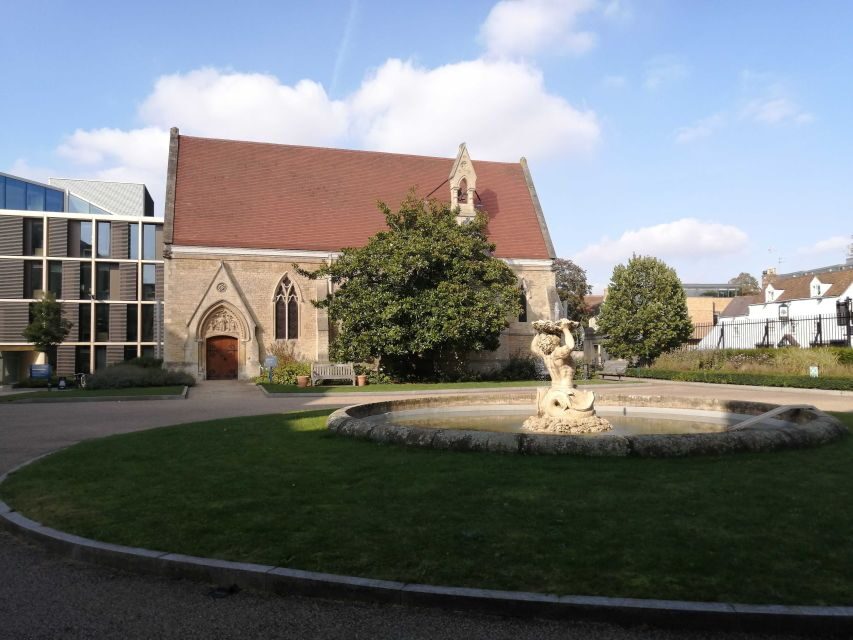
Your tour finishes at St Luke’s Chapel. Ending here works well because the chapel setting supports reflection. It’s a quiet kind of close to a tour that has been pushing you to think about illness, bodies, and power.
By the time you reach the end, the tour’s big message has usually taken shape: medical progress is not just about discoveries. It’s also about ethics, equity, and decision-making—especially when people disagree about what health policies should cost and who should bear that cost.
You should leave with a clearer sense of how Oxford’s medical story stretches from medieval outbreaks to later experiments like early penicillin trials. More importantly, you’ll leave understanding that the story has always included conflict: between public health goals and individual rights, between scientific ambitions and moral limits, and between who gets heard and who gets studied.
What the $29 price gets you in Oxford time
The price is $29 per person for about 1.5 hours, and that matters because Oxford walking tours compete with a lot of “sit inside for hours” options. Here, you get an on-the-ground education without committing your whole afternoon. That’s real value if your schedule is tight and you want something that connects history to meaning.
This tour also tends to justify the cost through its format. It’s not only a lecture from a single spot. You walk around as the ideas change. You’re moving through different Oxford settings—New College area, Bodleian Quadrangle area, Clarendon Building, the natural history museum area—so the story feels layered instead of flat.
That said, value depends on your expectations. If your ideal Oxford medicine day includes highly specific locations like a particular doctor’s house or a dedicated penicillin culture exhibit, this is not built that way. It’s built to interpret themes through the city’s spaces. You’re paying for guided meaning, not for a checklist of famous medical artifacts.
Comfort, weather, and pacing: how to make the tour feel good
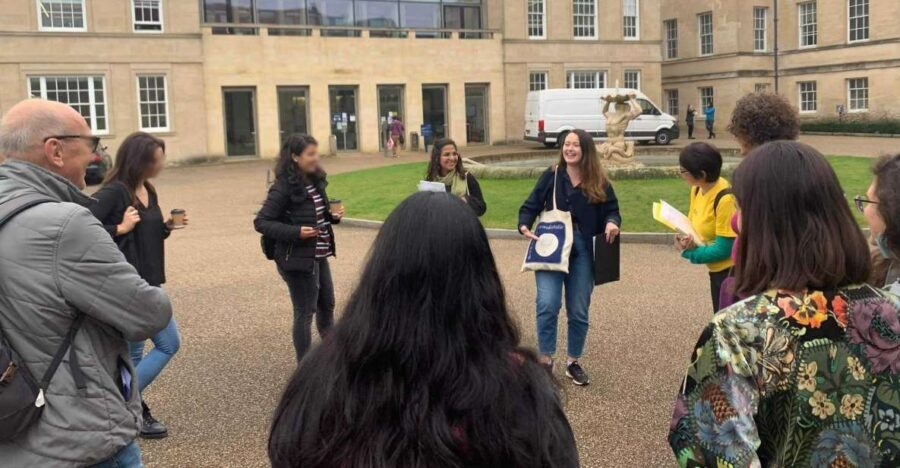
The tour runs in all weather, covers about 2 km, and lasts around 1.5 hours. The route includes mild uneven cobblestones and busy streets on weekends, so wear shoes with grip.
You’ll also appreciate the “places for sitting throughout” detail. That’s a small thing that makes a big difference. When the conversation turns thoughtful, you want to have a chance to rest your legs and keep your attention sharp.
If you’re traveling with kids, the tour is recommended for ages 12 and older. That usually means it can work for teen-focused curiosity as long as you’re okay with uncomfortable topics being discussed respectfully.
Who should book this Oxford history of medicine tour
I’d point you toward this tour if you like history with an argument. You enjoy medical stories when they also come with ethics—when you’re asked to think about bias, inequity, and how policies affect people differently.
You’ll probably like it if you want Oxford to feel like a living case study: how a university and a city handled disease, how anatomy education raised moral issues, and how later breakthroughs like early penicillin trials came out of a world filled with power struggles.
And you might want a different tour if your goal is mostly photos and famous name-checking. This route is built for discussion and ideas, and it won’t be pretending that medicine is only a neat set of triumphs.
Should you book it?
Book it if you want an Oxford walk that connects the science of medicine to the messy human side: public health tradeoffs, rights, resistance, and how social categories shaped access to care. The university-researcher format and the guided, interactive style are strong fits for people who like to learn by asking questions.
Skip it if you’re mainly hunting for very specific medicine-related sites or displays. This tour focuses on themes told through Oxford’s spaces, and if you need indoor exhibits or particular famous objects, you’ll likely feel like you’re not getting what you came for.
FAQ
Where do I meet the guide?
Meet your guide under the Bridge of Sighs, also called the Hertford Bridge. The guide will wear a bright blue vest and carry an Uncomfortable Oxford tote bag.
How long is the tour?
It lasts about 1.5 hours.
About how far do we walk?
The tour covers about 2 km.
Does the tour go inside Oxford colleges or libraries?
No. The tour does not go inside any colleges or libraries.
What stops are included?
You’ll visit places around New College, the Bodleian Quadrangle area, the Clarendon Building, the Oxford University Museum of Natural History, the War Memorial Garden, and the Radcliffe Observatory Quarter, finishing at St Luke’s Chapel. The exact stops can vary slightly.
Is it wheelchair accessible?
It is wheelchair accessible, but expect mild uneven cobblestones and busy streets on weekends.
What language is the tour in?
The tour is in English.
Can I cancel if my plans change?
Free cancellation is available up to 24 hours in advance for a full refund.
Is the tour okay for kids?
It’s recommended for ages 12 and older.