REVIEW · LONDON
Booze, Brothels & the Bard: London’s Bawdy Borough
Book on GetYourGuide →Operated by Historic London Tours · Bookable on GetYourGuide
Southwark has a way of getting under your skin. This is a 2-hour walking tour that strings together Southwark’s seedy reputation, old London landmarks, and the literary glow of Shakespeare in one tight route. I like how the guide keeps the pace lively while still making each stop make sense. I also like that it’s not just “dark history for fun” but a practical way to understand why this part of London earned the nickname Bawdy Borough.
One thing to consider: it’s not for small kids. The tour is listed as not suitable for children under 13, and it leans into prostitution-era history and prison stories. If that kind of subject matter makes you uncomfortable, you may want to pick a different neighborhood tour.
If you’re the sort of traveler who likes your London stories with grit, street corners, and real names attached, this one will feel like it fits your brain in the best way.
In This Review
- Key Highlights Worth Showing Up For
- Why Southwark Gets the Nickname Bawdy Borough
- Meeting at Borough Station, Finishing at Shakespeare’s Globe
- Marshalsea Prison: A Justice System You Can Still Sense
- Crossbones Garden and the Human Side of the Story
- The Hop Exchange and the Market-Trade Connection
- The George Inn: Pub Culture as Story Engine
- Borough Market: Where the Crowd Actually Lives
- Old Operating Theatre Museum & Herb Garret: The History of Care
- Southwark Cathedral and London Bridge Views
- Winchester Palace Remains: The Bishop’s Power Footprint
- Clink Prison Museum: When the Punishment Stayed Close
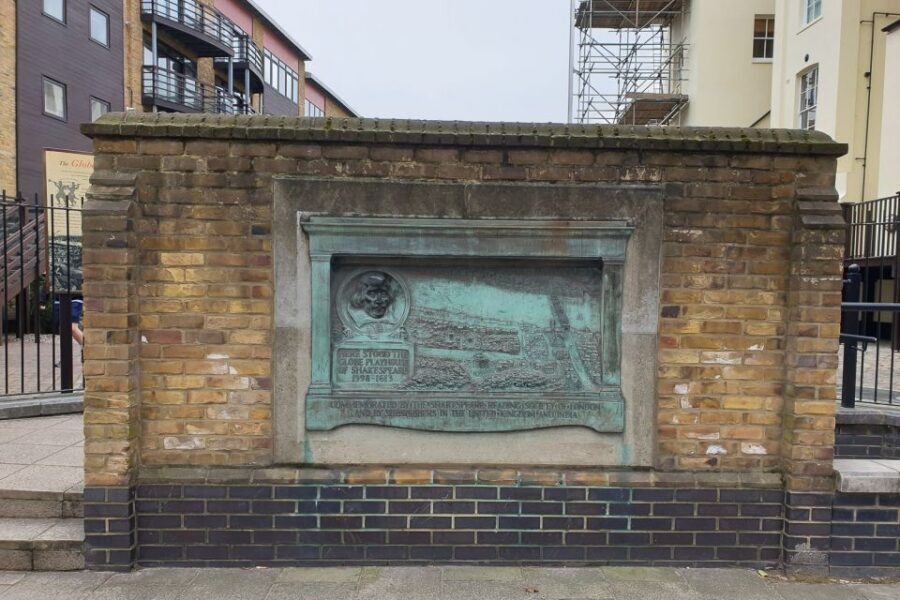
- The Original Globe Site and Shakespeare’s Presence
- Price and Value: $26 for a Two-Mile Story
- Who This Tour Fits Best (and Who Should Rethink It)
- Tips to Make the Most of It
- Should You Book Booze, Brothels & the Bard?
- FAQ
- How long is the Booze, Brothels & the Bard tour?
- What distance do I walk?
- Where do I meet the guide?
- Where does the tour end?
- Is there a group size limit?
- Is the tour suitable for children?
- What language is the tour guide?
- What happens if I need to cancel?
- What does the price include?
Key Highlights Worth Showing Up For
- A short, focused walk: about 2 miles total, with stops close together so you don’t spend the day rushing.
- Southwark after-hours history in daytime: prostitution-era context from early Romans onward, plus prison sites you can still picture.
- Two notorious prison stories: Marshalsea Prison area and the Clink Prison Museum area show how the justice system looked up close.
- Borough Market + Shakespeare in one sweep: you get the market atmosphere and then the Globe Theatre sights without changing tours.
- A guide who answers fast and clearly: the tour style is designed for quick, well-shaped explanations at each stop, with room for questions (Tom Currie is specifically noted for that approach).
Why Southwark Gets the Nickname Bawdy Borough
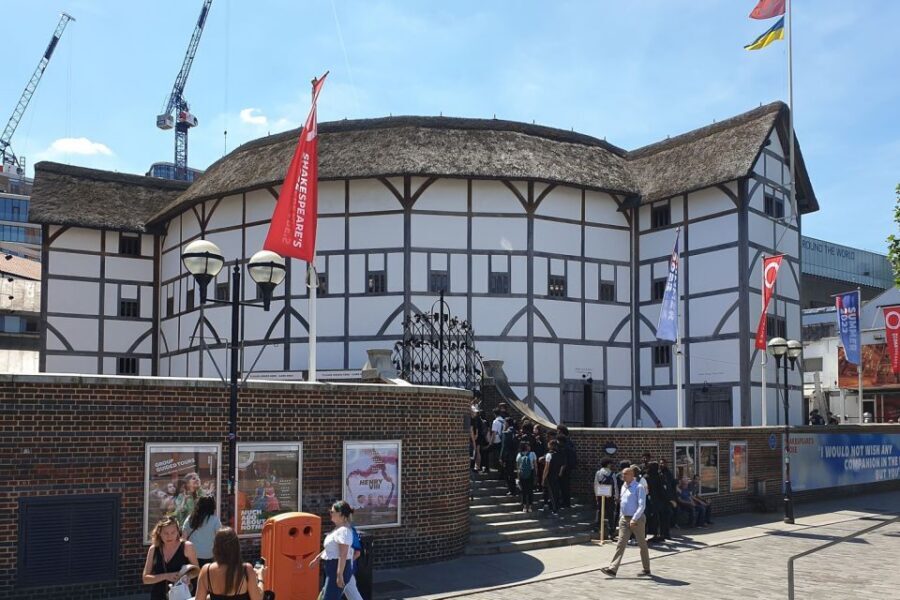
Southwark sits just across the line from the City of London. That small jurisdiction gap mattered for centuries, and the tour leans into the consequences: where rules were different, and enforcement wasn’t the same, the area became a magnet for trade that didn’t always behave. The result is an easy-to-follow route that feels like “London’s margins” you can still walk today.
What I find smart here is how the tour frames the neighborhood. Instead of treating “debauchery” like a punchline, you get a sense of how adults lived, worked, and got trapped by systems: commerce, law, poverty, and entertainment all mixing in the same streets. Even if you’re not into grim stories, the neighborhood logic clicks fast.
It also helps that the tour isn’t long. Two hours and about two miles means you get a dense orientation to this part of London without draining your whole afternoon.
You can also read our reviews of more tours and experiences in London.


Meeting at Borough Station, Finishing at Shakespeare’s Globe
Your day starts just outside Borough Station on Borough High Street, with the guide standing near the exit and an Historic London Tours sign. You end at Shakespeare’s Globe, which is a great landing point because the area has plenty to do after the tour, whether you’re planning to linger for performances or just soak up the river-adjacent views.
The route is designed so the stops are close enough that you keep moving and the story stays coherent. For first-time walkers in London, that matters. A lot of city tours are “technically close” but still take forever between points. This one keeps that friction down.
Group size is limited to 15 attendees, which changes the feel. Smaller groups usually mean you’re not fighting the crowd for hearing, and the guide can adjust on the fly when someone asks a good question.
Marshalsea Prison: A Justice System You Can Still Sense
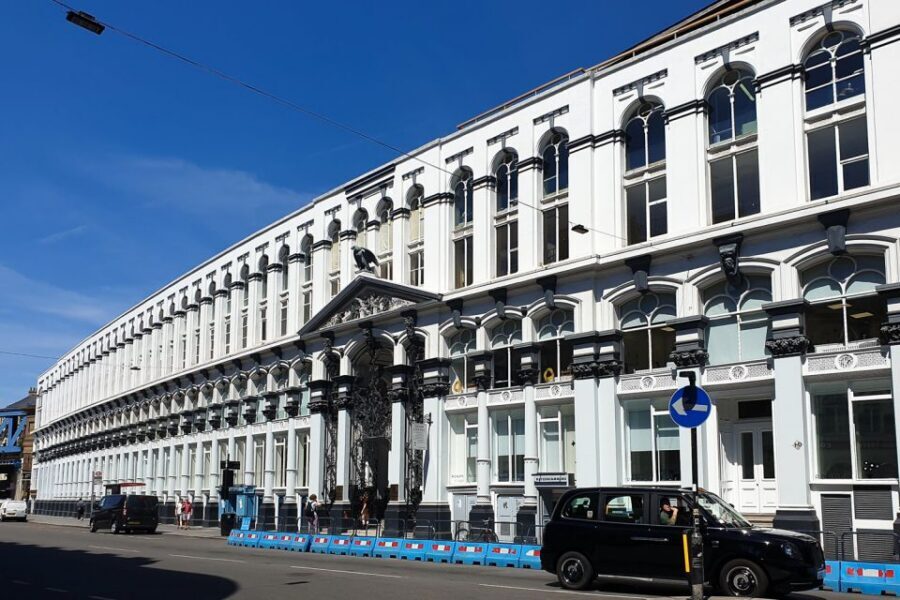
The first major stop is the Marshalsea Prison area, with a short guided moment built in. You’re not just looking at a name on a plaque; you’re learning why this prison became infamous, and how places like this shaped people’s choices and chances.
What’s valuable here is the connection between the official label (prison, court, punishment) and the lived reality. Southwark’s reputation isn’t only about pleasure. It’s also about institutions that collected hardship, and how those institutions sat right in the same streets people wandered through for food, work, and entertainment.
Even if you don’t love dark history, prison locations make neighborhoods feel real. You start picturing the movement of people through the area, not just taking photos of landmarks.
Crossbones Garden and the Human Side of the Story
Next up is Crossbones Garden. The tone shifts slightly, but the goal stays the same: to show that this neighborhood’s history isn’t abstract. This is where the tour’s “street-level” storytelling really helps you imagine what daily life meant for the people who had the least control.
It’s also a reminder that the phrase “bawdy” is misleading if you treat it like a costume. This is a neighborhood where pleasure and desperation often shared the same corners. The guide frames these contradictions in a way that makes the history feel less sensational and more understandable.
If you’re sensitive to stories involving harm or exploitation, pace yourself here. The tour keeps it respectful, but it doesn’t sanitize the reality.
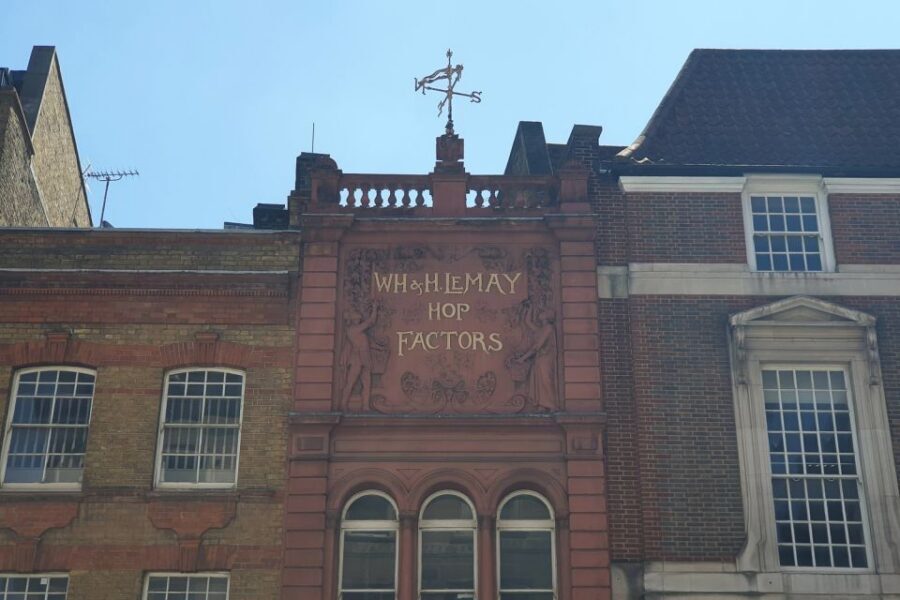
The Hop Exchange and the Market-Trade Connection
The tour moves toward the Hop Exchange. This is a clever bridge point because it connects the neighborhood’s economic pulse to its nightlife reputation. London wasn’t only built on royalty and theaters. It was built on trade, storage, shipping, and food.
By folding commercial history into the tour, you get a more believable picture of how crowds moved through Southwark. People didn’t wake up thinking about famous crimes. They came for work, supplies, and bargains, and that daily flow helped create the conditions for everything else.
This stop also gives you a breather between heavier prison material and the next string of iconic buildings.


The George Inn: Pub Culture as Story Engine
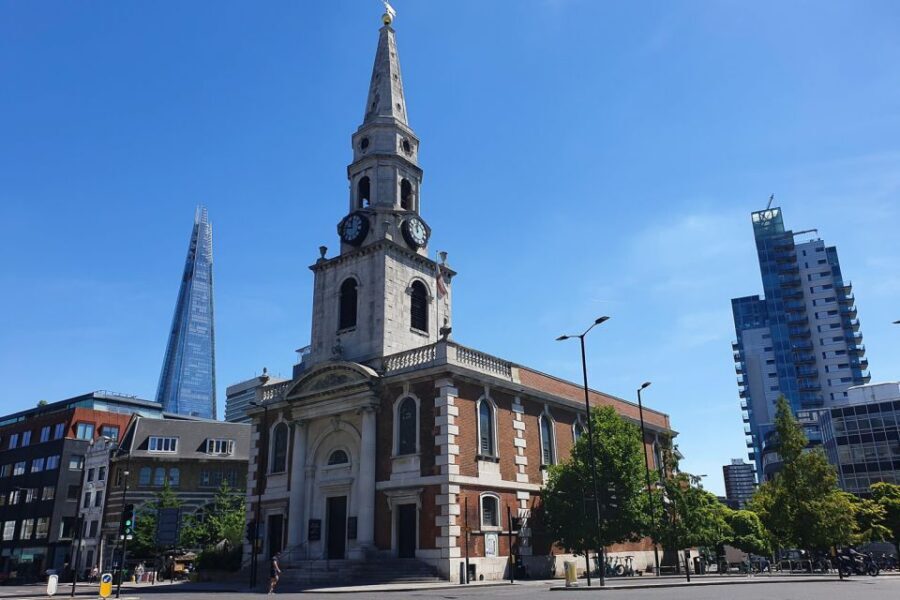
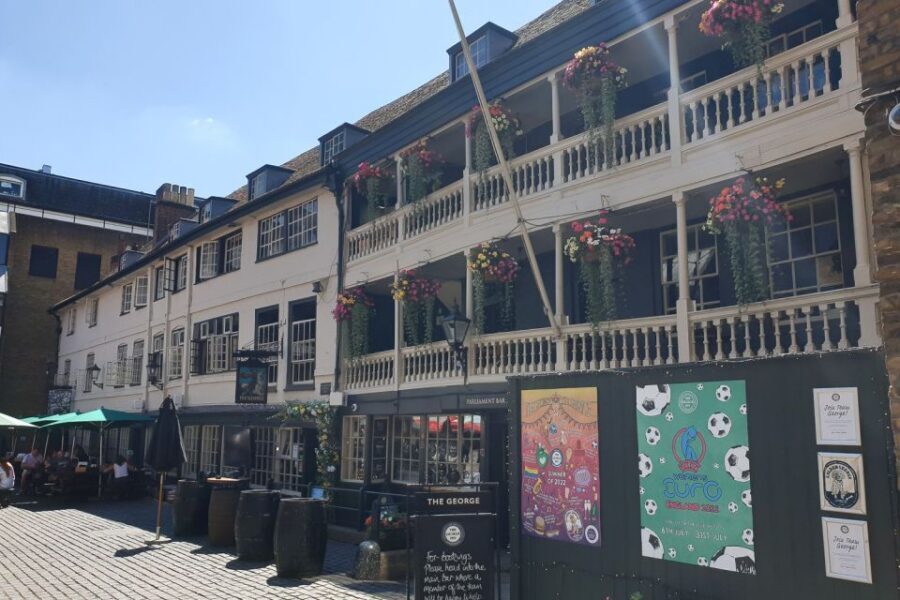
You’ll also stop at The George Inn. This is where the tour leans into the folklore angle, including the idea of a ghostly nineteenth-century pub landlady. That kind of storytelling tool can sound cheesy in other hands, but here it functions like a memory hook.
The pub reference matters because pubs were social centers. They were where information traveled, where travelers met locals, and where reputations formed. When you connect pub culture to Southwark’s other themes—law, markets, and performance—you start to see the neighborhood as a system, not a set of random stops.
It’s a good spot for questions too, because the guide can connect “what happened” with “why it mattered.”
Borough Market: Where the Crowd Actually Lives
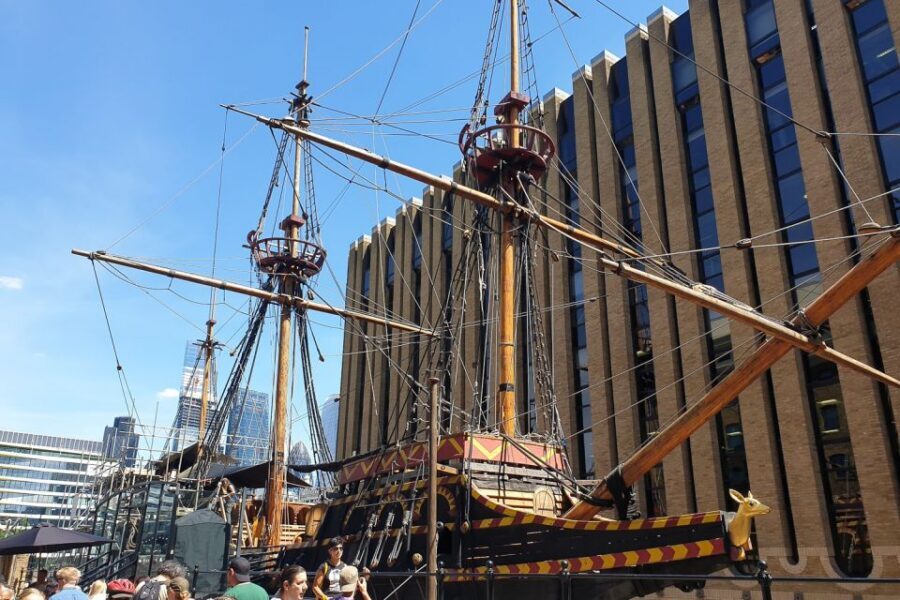
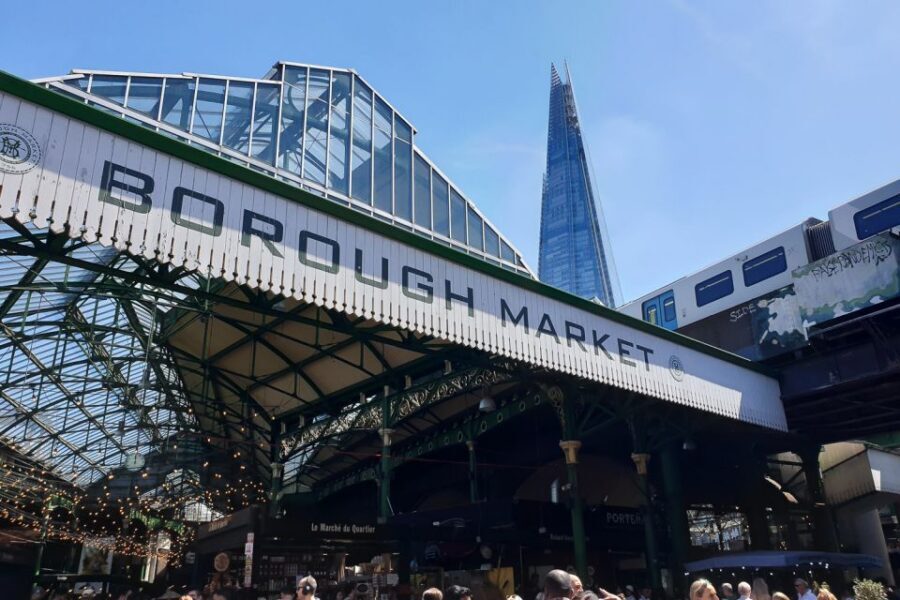
Then comes Borough Market, one of the most central and well-known food markets in London. Even without the tour framing, it’s a fun place to walk through. But on this tour, it plays a larger role: it’s the kind of long-running gathering spot that keeps a neighborhood active across centuries.
A real-life tip: if you’re going at a busy time, keep an eye on where you’re standing. The market gets crowded, and you’ll want clear space to hear the guide while still getting a feel for the street energy.
After this stop, you’ll likely understand why a neighborhood becomes famous in the first place. Markets pull people in. People pull in trade. Trade pulls in everything else.
Old Operating Theatre Museum & Herb Garret: The History of Care
Next is the Old Operating Theatre Museum & Herb Garret. This location adds a different kind of “seedy” meaning to the day. You’re still in an area known for hardship, but now you’re seeing how people tried to treat illness and manage bodies in less-modern conditions.
This stop balances the earlier prison-heavy theme. It also underscores a point that’s easy to miss on other tours: the same streets that held exploitation and punishment also held attempts at medical care, herbal remedies, and survival tactics.
If you’re the sort of traveler who likes how history connects to science and human routines, you’ll appreciate the change in tone.
Southwark Cathedral and London Bridge Views
From there you’ll reach Southwark Cathedral and then London Bridge for another guided moment. Cathedral stops tend to feel “too polite” on some tours, but here they matter because they anchor the neighborhood’s physical and spiritual landmarks in a place that also hosted vice and law.
It’s a useful contrast. You get to see how serious architecture lived side-by-side with messy human behavior. And from London Bridge, the setting helps you understand how Southwark’s geography shaped movement across the river.
Practical note: pause for the views, but don’t lose your place in the group. The guide keeps the timing tight enough that the story stays intact.
Winchester Palace Remains: The Bishop’s Power Footprint
The tour then turns to the Winchester Palace remains. This is where you learn about a medieval palace connection linked to the Bishop of Winchester—power, property, and prestige in an area known for disorder.
This stop matters because it shows that Southwark wasn’t only about the bottom rung of society. People with authority lived here too, and their presence affected who had access to influence and resources.
When the guide ties palace power to the surrounding “other” reputation, it stops being gossip and becomes a real historical pattern. You start seeing the neighborhood as a contested space where social status kept colliding with opportunity.
Clink Prison Museum: When the Punishment Stayed Close
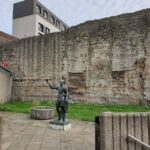
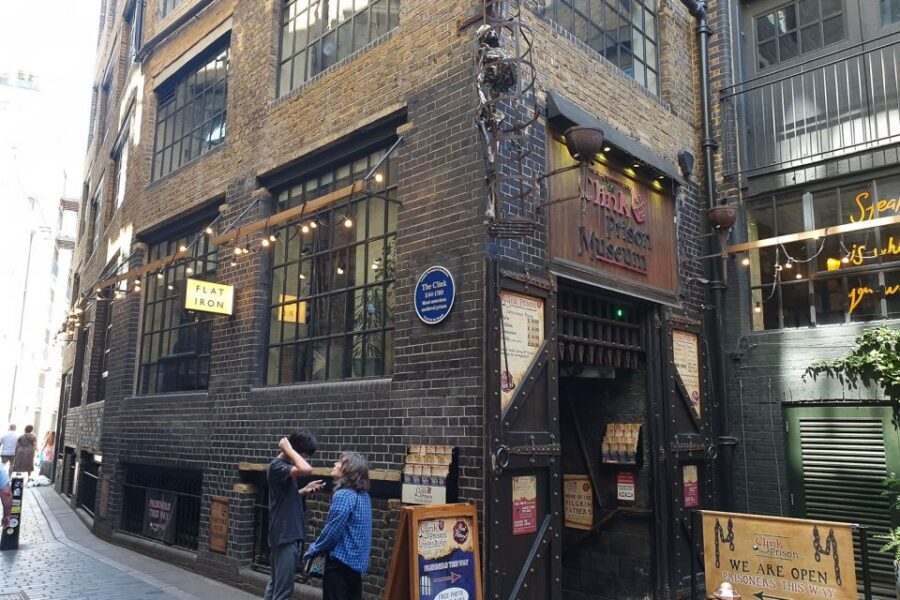
Next comes the Clink Prison Museum area. This is the second major prison stop, and the tour uses it to show how Southwark handled imprisonment and control over long stretches of time.
The value is in comparison. Two notorious prisons in one walk lets you understand that punishment wasn’t a one-off story. It was built into the neighborhood’s rhythm.
If you like tours that teach through contrasts, you’ll enjoy how the guide shapes the difference between the two prison stories while keeping them tied to the same general area you’ve already been walking through.
The Original Globe Site and Shakespeare’s Presence
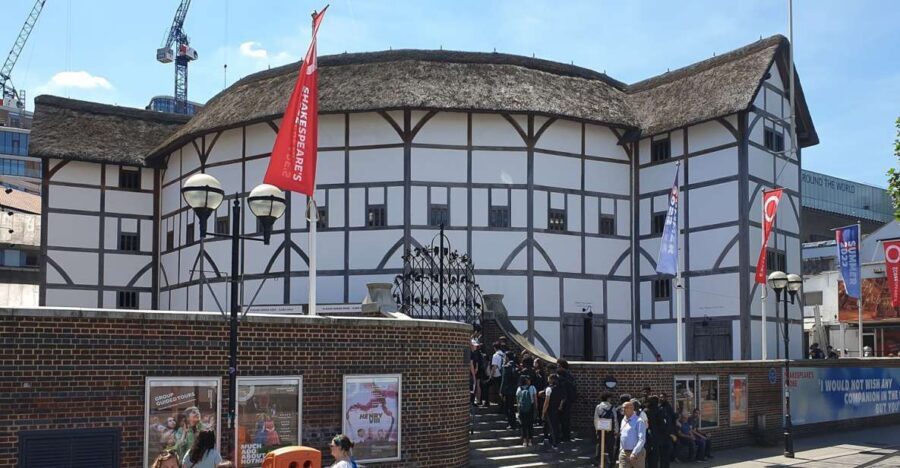
Finally, you reach Shakespeare’s world. You’ll visit the original site of the Globe Theatre, and then move on to Shakespeare’s Globe Theatre itself. This is the “Bard” half of the tour, and it’s where the neighborhood’s reputation and the theater connection start to feel like they belong together.
On this route, the guide links the neighborhood to writers—so you’re not just touring buildings, you’re learning why this part of London showed up in literature and memory. One detail highlighted in the tour description is Charles Dickens’s connection to the area, and that helps you connect past street life to the stories that survived.
If you’ve ever watched a Shakespeare production and wondered where the audience and drama culture came from, this ending gives you a believable map in your head.
Also, the tour blends old and new. You get both the sense of where the Globe began and the chance to see the modern Globe Theatre you can visit and recognize.
Price and Value: $26 for a Two-Mile Story
At about $26 per person for around two hours, this isn’t the kind of bargain that feels cheap. It feels fair because you’re paying for a guide who can connect multiple landmark types—prisons, market life, cathedral history, and the Globe—into one walk.
That matters in London, where standalone tickets add up quickly. Here, the main cost is the guide and the route planning. With stops close together, you’re also paying for time you don’t have to spend figuring out what matters and what doesn’t.
The group cap (15) also improves value. A smaller group tends to make the explanations more useful and less generic.
If you’re deciding between a neighborhood tour and a couple of museum entries, this one is stronger for context. You leave with a mental map of Southwark’s themes—law, trade, sexuality, survival, and theater—in a way that makes future visits around London feel easier.
Who This Tour Fits Best (and Who Should Rethink It)
This experience is best for adults and older teens who like London history with an edge. You’ll get the most out of it if you enjoy walking tours that teach through places: not just “what happened,” but why these streets became famous for both pleasure and punishment.
It’s also ideal if you’re going to Borough Market and the Globe anyway, because it helps you understand what you’re seeing before you spend time wandering on your own.
It may not fit you if:
- You prefer purely positive stories about London.
- You’re uncomfortable with topics tied to prostitution and prison history.
- You’re traveling with children under 13, since the tour is listed as not suitable.
Tips to Make the Most of It
Wear shoes you trust. The tour is about two miles, but London pavement isn’t forgiving, and you’ll want to stay comfortable for the full arc of stops.
Bring curiosity more than expectations. The best walking tours are the ones where you ask follow-up questions, and the format here encourages that. If you want the guide to explain the connections between the prison stories, the pub stories, and the Shakespeare ending, ask.
Finally, give yourself some time after the tour at Shakespeare’s Globe. Even if you don’t book a performance, you’ll likely want a few minutes to process what you just learned and look around without a group moving you along.
Should You Book Booze, Brothels & the Bard?
I’d book it if you want a Southwark orientation that feels specific, not generic. The mix of two prison themes, market life at Borough Market, medieval palace remains, and the Globe Theatre ending makes this one of the more unusual London walks—because it links entertainment and literature to the same neighborhood that held exploitation, punishment, and survival.
If you hate walking, avoid heavy subjects, or need a kid-friendly tour, skip it. But if you’re the type who likes learning that London’s famous streets were built on complicated human stories, this is a smart use of time.
You’ll finish with a clearer sense of how London’s “Bard” happened in the shadow of real-world vice and real-world institutions.
FAQ
How long is the Booze, Brothels & the Bard tour?
It runs for about 2 hours.
What distance do I walk?
The total talking distance is about 2 miles (3.2 km).
Where do I meet the guide?
Meet just outside Borough Station on Borough High Street, near the station exit, with the Historic London Tours sign.
Where does the tour end?
The tour finishes at Shakespeare’s Globe.
Is there a group size limit?
Yes. Ticket sales are limited to fifteen attendees.
Is the tour suitable for children?
No. It’s not suitable for children under 13.
What language is the tour guide?
The live guide provides the tour in English.
What happens if I need to cancel?
Free cancellation is offered up to 24 hours in advance for a full refund.
What does the price include?
The guide is included in the ticket price.