REVIEW · BRIGHTON
Brighton: Royal Pavilion Admission Ticket
Book on GetYourGuide →Operated by Royal Pavilion Brighton · Bookable on GetYourGuide
This palace feels like theater. With a day pass, you step into a former royal home—restored to its 1823 design—where Chinese-inspired interiors and royal artifacts turn history into something you can actually walk through.
I love the astonishing room decoration: bright colors, themed interiors, and details that make you feel like you’re seeing the place the way royal guests might have. I also love how the visit connects to real events beyond fancy living, including the building’s First World War hospital role for Indian soldiers.
One thing to plan around: cameras aren’t allowed, and the building has no passenger lift, so expect stairs unless you use the video option in the AV room.
In This Review
- Key things that make this visit worth your time
- Royal Pavilion’s 1823 Chinese-style makeover: what you’re walking into
- Where to start: entering via the Royal Pavilion Garden
- Ground-floor royal rooms: banqueting, music, saloon, and the great kitchen
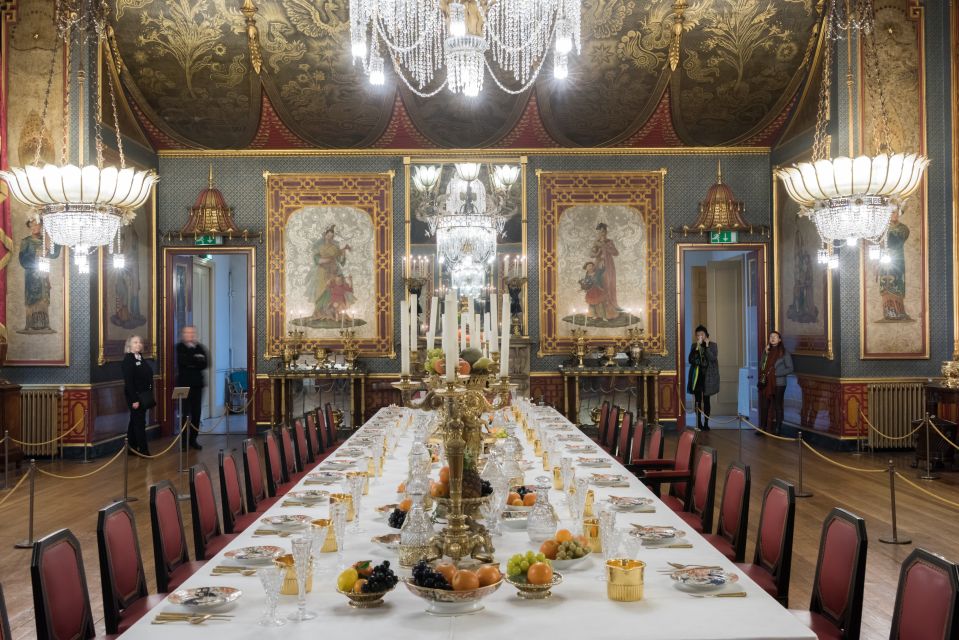
- Banqueting room
- Music room
- The restored saloon
- The great kitchen
- Upstairs rooms and Queen Victoria’s bedroom (plus the AV video option)
- Expect stairs and plan accordingly
- Make the upstairs time count
- The gardens and the First World War hospital connection
- Stroll the landscaped gardens
- Learn how the Pavilion became a hospital
- Staff, explanations, and how to get the most from the route
- Tickets, value, and practical rules you should know first
- Things you can’t bring
- Wheelchair access basics (important)
- If you’re using mobility aids
- Who should book this Royal Pavilion admission ticket
- So, is it worth booking?
- FAQ
- Is the Royal Pavilion ticket valid for just one day?
- Where do I enter for the Brighton Royal Pavilion?
- Are cameras allowed inside the Royal Pavilion?
- Is the Royal Pavilion wheelchair accessible?
- Can I bring a mobility scooter into the building?
- Are children allowed, and do they need an accompanying adult?
Key things that make this visit worth your time
- Restored 1823 layout: See rooms that match the original 1823 design concept
- Ground-floor staterooms: Banqueting room, music room, restored saloon, and the great kitchen
- Royal upstairs spaces: Queen Victoria’s bedroom is part of the route
- WWI hospital story: The Pavilion also served as a military hospital for Indian soldiers
- Staff help you see details: Q&A in rooms makes the artifacts and design click
Royal Pavilion’s 1823 Chinese-style makeover: what you’re walking into
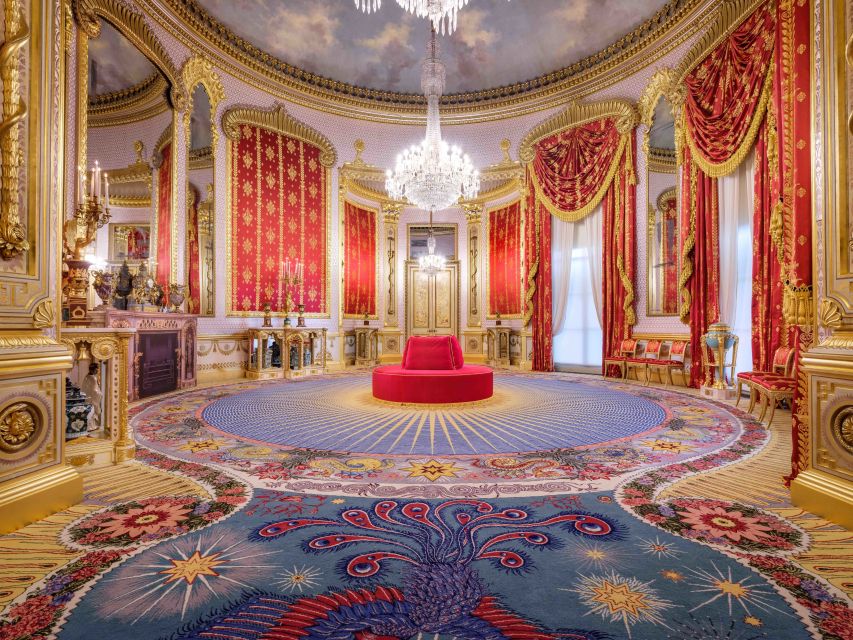
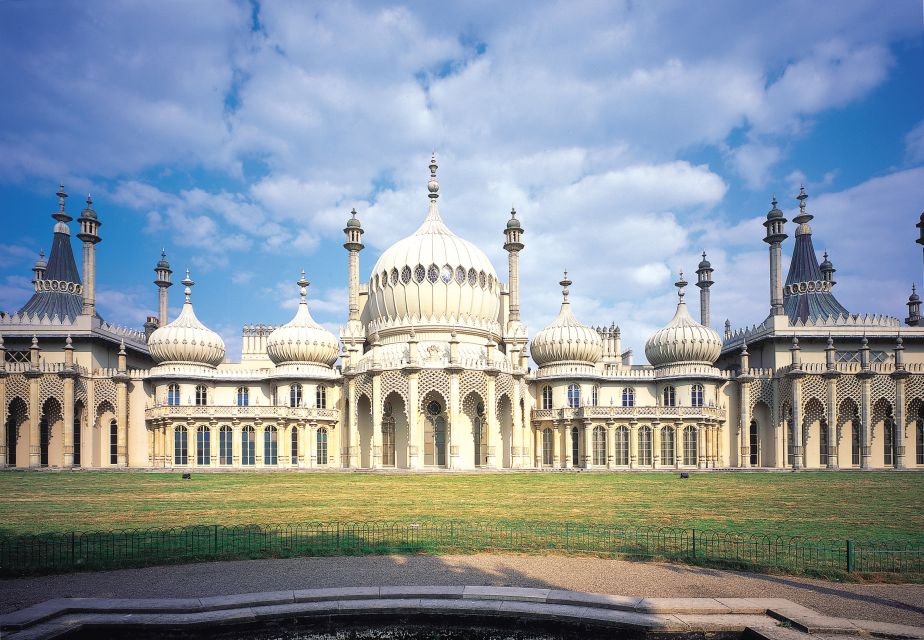
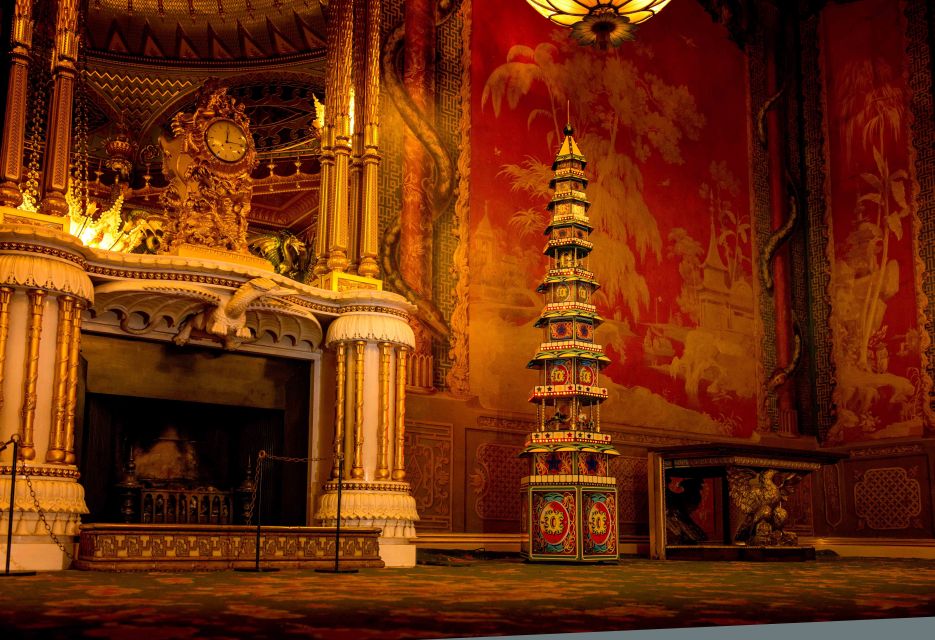
The Royal Pavilion isn’t your typical British palace-and-portraits situation. Even though it’s tied to royalty, it feels built for surprise. The big draw is that the building’s interiors were restored to reflect its original 1823 design, with Chinese-inspired style that feels bold and theatrical instead of formal and stiff.
What makes that restoration matter is the experience you get from moving room to room. Each space reads like a scene: banqueting spaces that look ready for celebration, music rooms designed to impress, and reception-style rooms that don’t look like they were meant for quiet browsing. You’re not just looking at objects—you’re seeing how design choices shape mood and power.
And because the Pavilion has lived multiple lives—royal residence, later a civic building, and even a First World War hospital for Indian soldiers—you get more than aesthetic wow. You also get context for how one iconic building can be repurposed, while still carrying its original character.
You can also read our reviews of more tours and experiences in Brighton.


Where to start: entering via the Royal Pavilion Garden
Your ticket gets you in for one day, and your entry is via the Royal Pavilion Garden. The garden access is from Pavilion Buildings (New Road) or Church Street. I like starting in the garden because it gives your brain a quick reset: before you hit rooms, you get a sense of the Pavilion as a full site, not just an interior attraction.
Once you’re inside the visitor flow, the order of rooms helps you understand the building’s “layers.” You’ll move through lavish ground-floor rooms, then go upstairs for key spaces like Queen Victoria’s bedroom. After that, the visit also turns outward—toward the gardens and the Pavilion’s institutional past, including its wartime hospital use.
Two practical notes to keep you comfortable:
- No large bags or luggage are allowed, so plan to travel light.
- Food and drinks aren’t allowed inside, but you can still use the on-site café for food once you’re in the right spaces.
Ground-floor royal rooms: banqueting, music, saloon, and the great kitchen
If you only remember one part of the visit, make it the ground floor. This is where the Pavilion’s design really hits you in the face—in the best way.
Banqueting room
This is the “royal performance” room. The point isn’t just that it’s pretty; it’s that a room like this is designed to support a specific kind of gathering. When you see the space, you start to understand why rulers cared so much about presentation and setting.
Music room
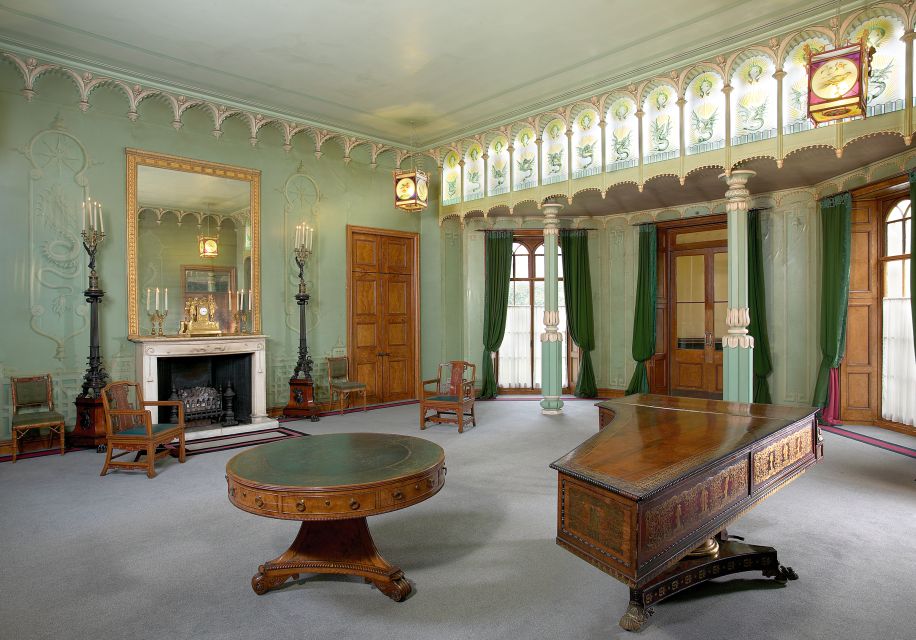
The music room keeps that same theme—creating an atmosphere for entertainment and social life. I find these rooms easier to appreciate when you imagine what the furnishings and layout would have meant for the evening vibe. Even if you’re not a “decor person,” the visual logic makes sense fast.






The restored saloon
The saloon is described as recently restored, and it shows. This is the kind of room where you’ll want to slow down. Look up at the details; then look at the transitions between spaces. The Pavilion’s style doesn’t work like one single decoration theme—it works like many parts stitched into a single look.
The great kitchen
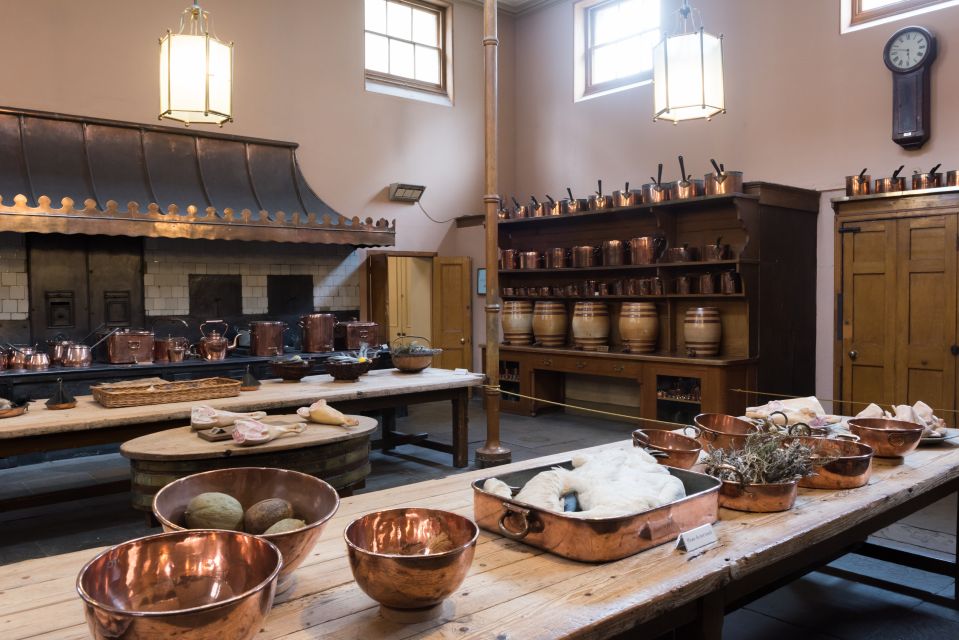
The great kitchen is also surprisingly memorable, partly because it breaks the illusion. You go from ceremonial space to working space, which helps you understand the real mechanics behind a royal household.
And here’s a real-world detail that makes this stop special: the kitchen staff explanations can include what it was like to work under intense heat conditions. That kind of context turns “kitchen” from background into a story you can picture.
Upstairs rooms and Queen Victoria’s bedroom (plus the AV video option)
Upstairs is where the visit shifts from royal “hosting rooms” into more personal, royal-life symbolism. One named highlight in the route is Queen Victoria’s bedroom, and that makes the upper level feel like a different kind of experience.
Expect stairs and plan accordingly
There’s no passenger lift in the building. If stairs are difficult for you, you can still see the first-floor experience through a video in the AV room. That’s genuinely useful because it means the visit isn’t all-or-nothing for people who can’t climb.
Make the upstairs time count
Even if you’re a quick museum walker, don’t rush upstairs. The bedrooms and upper rooms are where the building starts to feel less like an exhibition and more like a lived-in space. You’ll also get a stronger sense of how the Pavilion’s theatrical style coexisted with everyday royal routines.
The gardens and the First World War hospital connection
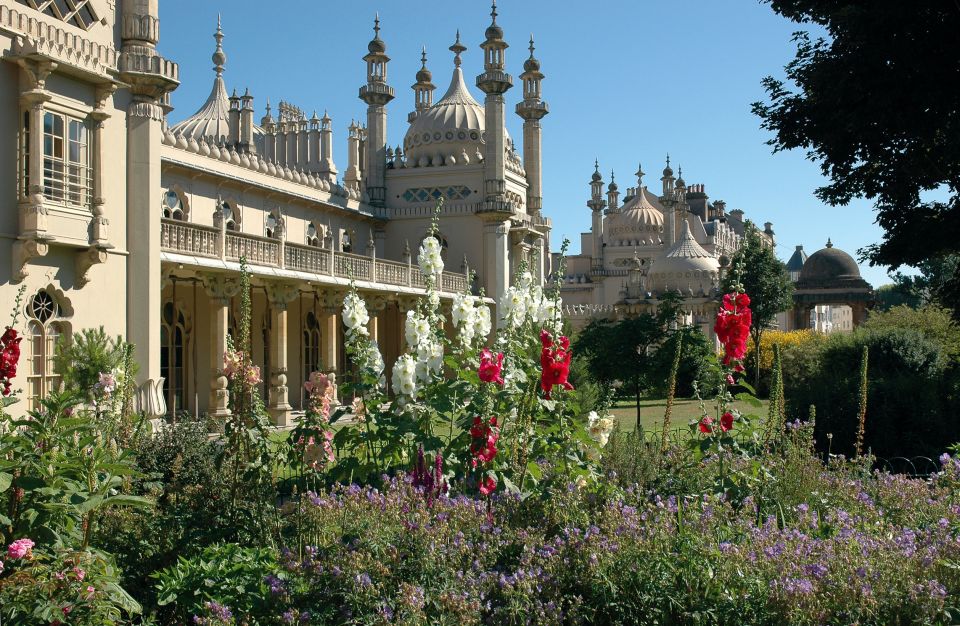
The Pavilion isn’t only about royal glamour. One of the strongest parts of the visit is the way the building’s story keeps widening.
Stroll the landscaped gardens
You’ll also have a chance for a stroll in the landscaped gardens. I like this break because it changes the pace. After seeing concentrated interior detail, stepping outside helps your brain reset, and it makes the Pavilion feel like a place where people lived and moved, not only displayed.
Learn how the Pavilion became a hospital
The Pavilion served as a military hospital for Indian soldiers during the First World War. That part of the visit matters because it reframes the building. You’re still in the same walls, but the use changes what the spaces mean.
This is the sort of history many “palace-only” visits skip. Here, you get the contrast: lavish rooms versus wartime practical needs. It’s a reminder that big public buildings can shift roles quickly, and that the stories inside them can be complicated—not just romantic.
Staff, explanations, and how to get the most from the route
This is one of those attractions where the people in the rooms can change the whole experience.
You’ll see staff members and stewards offering information in the rooms, and the best visits come from asking questions when you care about a detail. People tend to enjoy the building more when someone connects what you’re seeing to why it was designed that way, or what the room was used for.
Also, there’s an audio guide option that’s been praised for room-by-room explanations and history context. If you like structure—especially in a building with lots of small design details—an audio guide helps you keep your bearings and not miss the point of each space.
One simple strategy that works well here:
- Pick one or two rooms where you’ll go slow.
- In the rest, use the guide and let staff notes sharpen your attention.
Tickets, value, and practical rules you should know first
The ticket price is about $26 per person for a one-day admission. For a place like this, value comes from two things: the number of major rooms in the route and the way the building tells more than one story. You’re paying to see restored royal interiors, plus gardens, plus the wartime hospital angle. That mix is what makes the ticket feel like more than just a “look at the pretty palace” stop.
Things you can’t bring
Based on the entry rules, plan for:
- No cameras
- No food and drinks inside
- No luggage or large bags
- No pets (assistance dogs allowed)
- No mobility scooters
- No non-folding wheelchairs
This can surprise people because they assume a palace visit is casual. It’s not. The rules keep the rooms manageable and protect the interiors.
Wheelchair access basics (important)
The Pavilion is wheelchair accessible, but with limits. Since there’s no passenger lift, visitors who can’t manage stairs can use the AV video option for the first floor. Some manual wheelchairs may be available on request when you arrive, but they can’t be pre-booked.
If you’re using mobility aids
Because scooters aren’t allowed inside, you’ll want to be ready for indoor movement on foot or with the approved wheelchair setup. If you’re unsure, it’s worth checking in advance so you don’t arrive expecting to use a scooter inside the building.
Who should book this Royal Pavilion admission ticket
You’ll probably love this visit if you fit one of these:
- You like design and interior details—especially themed decoration and room-by-room storytelling.
- You want more than royal fantasy and you care about the Pavilion’s shift into public use, including the First World War hospital story.
- You enjoy guided pacing with a chance to wander the gardens afterward.
It might be less ideal if:
- You strongly want to take photos during the visit (the no-camera rule means you’ll need to adjust).
- You need a fully elevator-based experience inside the building (no passenger lift).
So, is it worth booking?
I think the Brighton Royal Pavilion admission ticket is a great buy if you want a “showy” palace that also has real historical weight. The restoration to the 1823 design, the standout ground-floor rooms, and the shift into the wartime hospital story give you variety in one visit. And the staff explanations and audio guide make it easier to understand what you’re seeing—especially in a building where the detail is part of the point.
If you’re okay leaving the camera behind and you plan around stairs (or use the AV option), this is one of those tickets that delivers exactly what it promises: an iconic building with strong visuals, strong stories, and a route that feels like a guided journey rather than a quick walk-through.
FAQ
Is the Royal Pavilion ticket valid for just one day?
Yes. This is a one-day admission ticket, valid for the day you visit.
Where do I enter for the Brighton Royal Pavilion?
Entrance is via the Royal Pavilion Garden, accessed from Pavilion Buildings (New Road) or Church Street.
Are cameras allowed inside the Royal Pavilion?
No. Cameras are not allowed.
Is the Royal Pavilion wheelchair accessible?
Yes, the attraction is wheelchair accessible, but note there is no passenger lift. If you can’t climb stairs, you can see a video of the first floor in the AV room.
Can I bring a mobility scooter into the building?
No. Mobility scooters are not allowed inside the building.
Are children allowed, and do they need an accompanying adult?
Children under age 14 must be accompanied by a person aged over 16.