REVIEW · LONDON
London: 2-Hour Guided Tour of the British Museum and History
Book on GetYourGuide →Operated by My tour London · Bookable on GetYourGuide
That first museum step can feel huge.
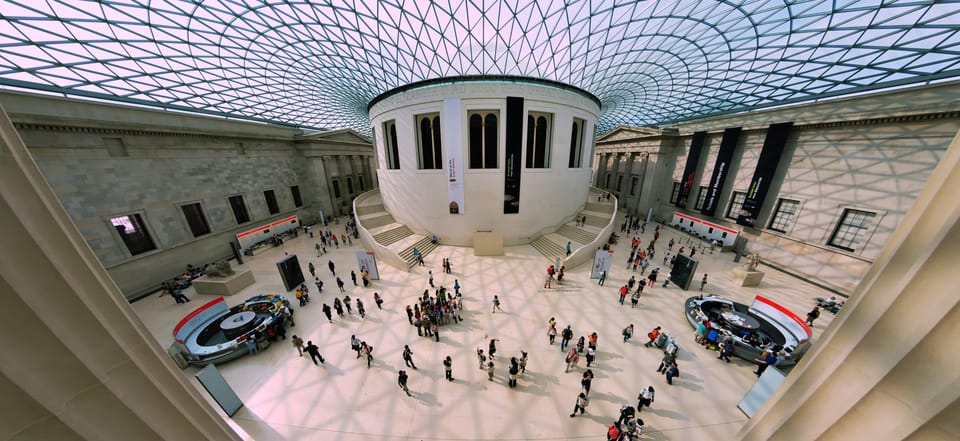
This 2-hour tour is designed to get your bearings fast inside the British Museum, with a licensed guide walking you straight to the standout stories behind the objects. I like the way the route is tailor-made for seeing the best-known highlights without wandering for hours. I also like that the tour moves across multiple civilizations, so you leave with a sense of how Egypt, Greece, Rome, and early England link together through real artifacts.
The big consideration: with a crowded museum and a live guide, comprehension matters. In at least one experience, a thick accent plus crowd noise made it hard to hear, and there were no headphones mentioned as part of the format—so if you’re sensitive to sound, arrive alert and choose your language carefully.
In This Review
- Key things to love (quick hits)
- Meeting at the British Museum portals: start point that actually matters
- What you’re paying $37 for: speed, structure, and a real guide
- Egypt first: Rosetta Stone and the real meaning of deciphering
- Greece stops: Parthenon sculptures and the ideas behind them
- Ancient Rome: mosaics, gods, heroes, and imperial engineering
- The Elgin Marbles conversation: why controversy is part of the art story
- Sutton Hoo: Anglo-Saxon treasures and early English life
- Easter Island artistry: Hoa Hakananai’a and spiritual distance
- How the guide keeps a fast route humane (and what to watch for)
- After the tour: how to extend what you learned without losing hours
- Who this tour is best for
- Quick notes on access and comfort
- Should you book this British Museum highlights tour?
- FAQ
- Where do I meet the guide for the British Museum tour?
- When will I receive my tickets?
- How long is the tour?
- What languages is the live guide available in?
- Is the British Museum wheelchair accessible for this activity?
- What’s included in the price?
- Is there free cancellation?
- Do you have reserve and pay later?
Key things to love (quick hits)
- Licensed, live guide who helps you connect stories across galleries
- Egypt highlights centered on the Rosetta Stone and deciphering hieroglyphs
- Greece + Parthenon focus with sculptures and ideas that shaped Western thought
- Ancient Rome connections shown through objects like mosaics and imperial-era art
- Sutton Hoo treasures that bring early English life into sharper view
- Hoa Hakananai’a (Moai) on the route, adding a Pacific-spiritual thread to the day
Meeting at the British Museum portals: start point that actually matters
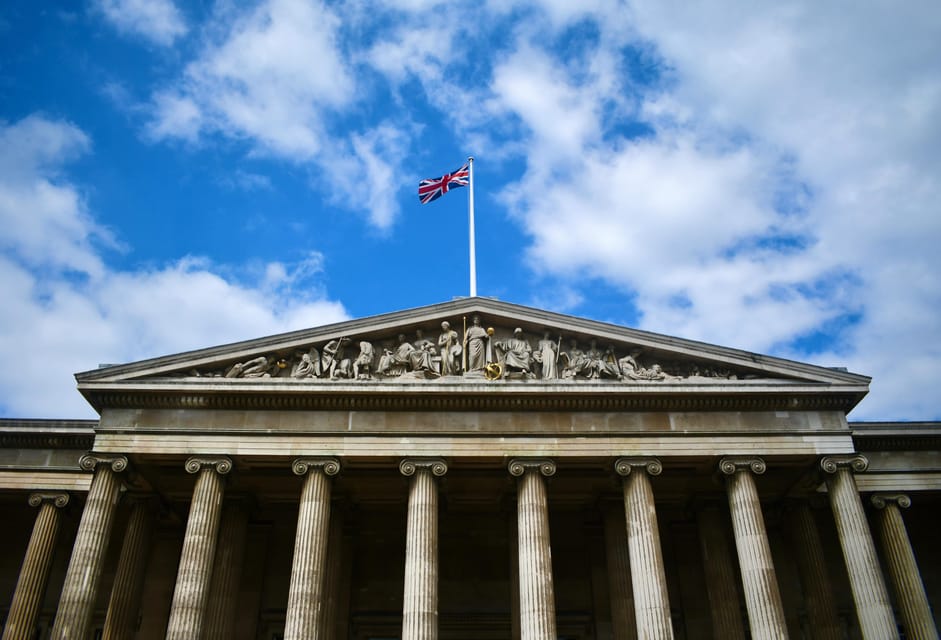
The tour starts inside the British Museum after security. Meet your guide in front of the British Museum portals on the stairs near the pillars—after you’ve passed security (not outside the gates). This detail is worth taking seriously because the museum area outside can look like a maze, and you don’t want to burn your first 10 minutes sprinting.
Also, your tickets are handled digitally. You’ll receive the entry tickets 1–2 hours before the tour via WhatsApp. If you don’t have WhatsApp, you’ll contact the provider by email so they can send the tickets another way. Do yourself a favor: check your phone battery before you get in line.
You can also read our reviews of more tours and experiences in London.



What you’re paying $37 for: speed, structure, and a real guide
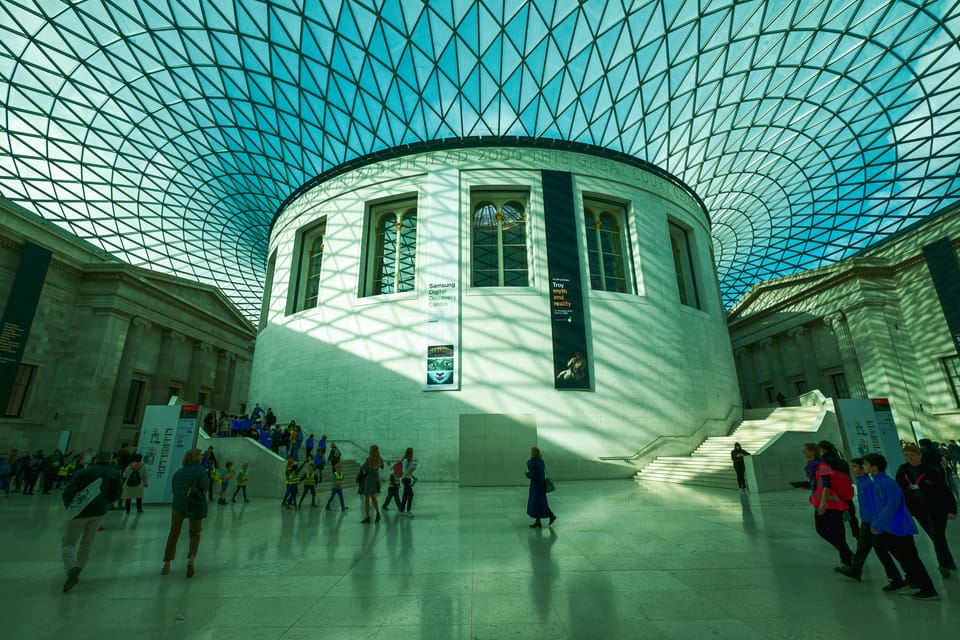
At about $37 per person for a 2-hour guided visit, this isn’t a slow museum day—it’s a focused highlights run with a licensed guide. The value is not just that you see famous objects; it’s that the guide helps you read what you’re seeing. In two hours, that structure can be the difference between a “cool, I guess” visit and a visit where the collections start making sense.
You also get entry ticket + guided tour included based on the information provided for the activity. Just double-check what your confirmation message says, since the document includes conflicting lines about entry tickets. In practice, you’ll be sent tickets shortly before the tour, so plan to have your message ready.
Egypt first: Rosetta Stone and the real meaning of deciphering
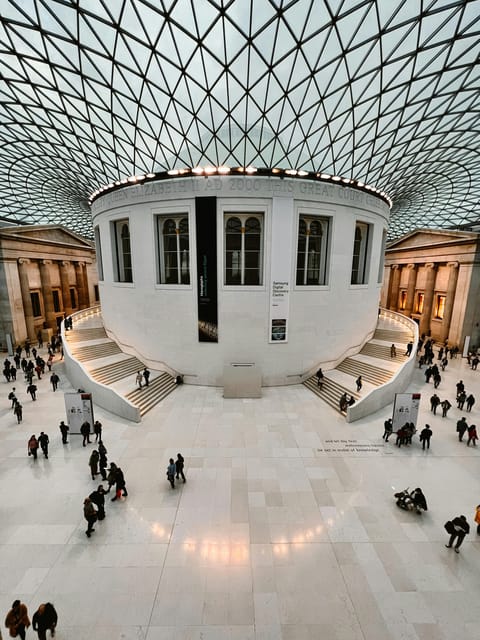
The route begins in ancient Egypt, which is a smart move. Egypt is where “history” starts behaving like detective work: you’re not only looking at artifacts, you’re learning how scholars unlocked meaning from them.
Expect to see pharaoh-related relics and then the Rosetta Stone as the key moment. The tour frames it as the turning point for deciphering Egyptian hieroglyphs—so you understand why it mattered, not just that it’s famous. If you’ve ever wondered why one object could help decode an entire writing system, this is where the tour explains the logic in a way that sticks.
A nice bonus is that the guide typically uses Egypt to set up later themes—how power, belief, and storytelling travel across time and geography. Even if your personal museum style is more “look, then read,” the guide’s pacing helps you do both without getting lost in the sheer size of the galleries.
Greece stops: Parthenon sculptures and the ideas behind them
Next comes ancient Greece, with a clear emphasis on the Parthenon legacy. You’ll have time to admire the iconic sculptures and to think about the marble inscriptions that shaped Western thought—basically, how art, philosophy, and civic identity fed into one another.
Here’s what makes this segment work in a short tour: the guide turns famous sculptures into a story about culture. You’re not just spotting beauty; you’re learning why these works became reference points later, even when their journeys through history were messy.
And yes, you’ll also encounter the Elgin Marbles in the highlights conversation. The tour labels them as controversial, and that context matters. It gives you a chance to consider the object as both art and a symbol of how museums collected cultural material through time.
Ancient Rome: mosaics, gods, heroes, and imperial engineering
After Greece, the tour moves into ancient Rome. Rome is sometimes treated as a separate topic, but this itinerary keeps tying it back to what came before—especially through objects that reflect myth, religion, and public life.
Expect to see Rome-era art such as intricate mosaics and statues depicting gods and heroes. The guide also walks you through the vibe of empire: ruling, engineering feats, and the ways Roman culture presented itself as both practical and grand.
In a 2-hour format, you won’t soak up every label in the building. Instead, you get the core “what am I looking at?” and “why does it matter?” for each major stop. That’s especially helpful with Rome, where you’ll see repeated themes—mythological figures, public imagery, and artistic styles that adapted older traditions.



The Elgin Marbles conversation: why controversy is part of the art story
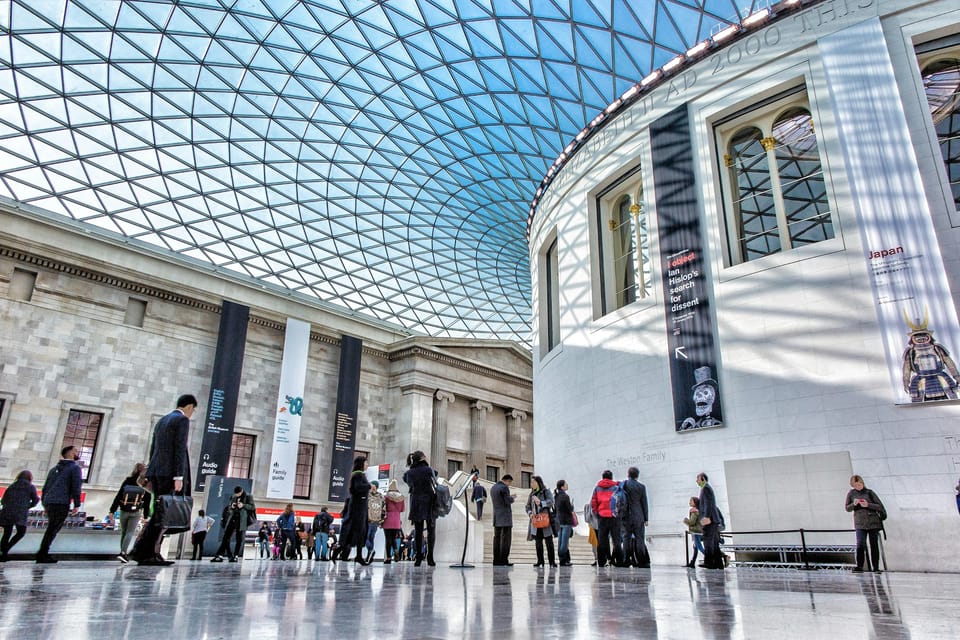
Because the tour includes the Elgin Marbles and explicitly frames them as controversial, you’ll get more than a checklist of famous statues. The value is that you learn how debate around collection and display is inseparable from the objects themselves.
Even if you’re not coming in with strong views, this part helps you leave with questions to follow later—who had them, why they moved, and what that means for how we interpret them today. It’s the kind of context that turns a photo stop into a thoughtful museum moment.
One practical tip: if the gallery is crowded, position yourself where you can hear the guide’s explanation. In the British Museum’s busiest hours, standing in a perfect photo spot can mean you miss the most important context. In other words, take the picture, then listen.
Sutton Hoo: Anglo-Saxon treasures and early English life
Now the itinerary makes a pivot that many highlight tours skip: Sutton Hoo. This is where the museum shifts from Mediterranean civilizations into the early story of England.
You’ll explore Sutton Hoo treasures that offer a glimpse into early English life. The artifacts here tend to feel more grounded to everyday human concerns—craft, burial practices, status—so the effect is often emotional, even when you only spend a short time.
This stop is also useful for structuring your follow-up self-guided wandering. Once you understand what Sutton Hoo represents, you’ll be more likely to notice how the museum organizes regional history and how that history connects to broader European developments.
Easter Island artistry: Hoa Hakananai’a and spiritual distance
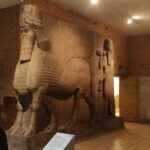
Next is one of the most distinctive inclusions on the route: Hoa Hakananai’a, a Moai from Easter Island. This is a real shift in geography and in mood.
The tour presents the Moai as embodying the spiritual essence of a distant civilization. That framing matters because Moai are not just stone statues; they’re connected to belief systems, community identity, and ritual life. In a two-hour tour, that kind of explanation can turn a “wow, big statue” moment into a meaningful cultural encounter.
A good strategy here: don’t rush your glance. Give the guide a moment, then take a breath and really look at proportions, craftsmanship, and the sense of presence the sculpture carries in the room. It’s the type of object that benefits from a slower pause, even when you’re on a schedule.
How the guide keeps a fast route humane (and what to watch for)
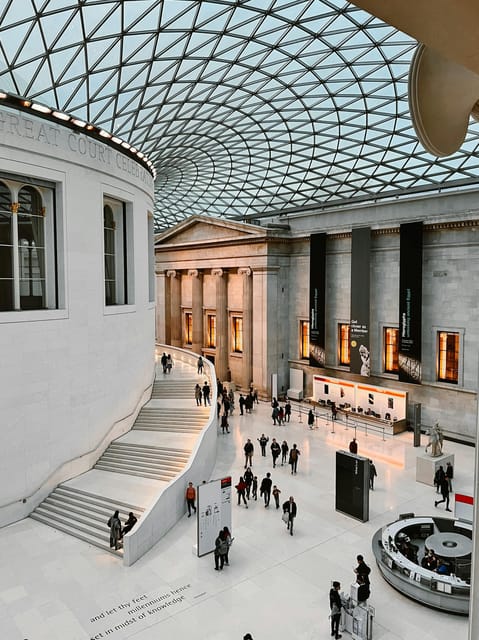
The tour is only 2 hours, which means the guide has to manage timing, crowds, and attention spans. This is where guide quality shows. One strong example from the experiences shared is Daniel, who reportedly navigated the museum’s volume and crowds skillfully and delivered a free-flowing explanation within the time limit.
Another standout example is Filomena, described as passionate and full of interesting, different anecdotes. When a guide brings that energy, the highlight route becomes less like sprinting and more like following a story with chapters.
But here’s the caution based on a negative experience: crowded galleries can swallow sound, and a thick accent can make listening hard. Also, in that case, headphones were not provided as a fix. So if you’re choosing between languages, pick the one you’re most comfortable with, and don’t assume the room will be quiet enough for every sentence to land.
If you want the best chance of hearing clearly:
- arrive early enough that you’re not flustered at the start
- stand where you can face the guide, not where the view is best for photos
- be ready to use your museum map afterward for anything you missed
After the tour: how to extend what you learned without losing hours
The best way to use a highlights tour is to treat it like a “first chapter,” not the whole book. Once you’ve seen the big anchors—Rosetta Stone, Parthenon-related works, Roman mosaics and sculpture themes, Sutton Hoo, and Hoa Hakananai’a—you’ll have a better sense of where to go next on your own.
Because the itinerary covers civilizations across time, you’ll likely find yourself pulled toward adjacent rooms that share the same themes the guide explained. That might mean returning to Egypt for writing systems, going back to Greece for art and philosophy context, or spending longer with English history pieces after Sutton Hoo.
Also, check your language notes as you move through the museum. If you enjoyed the guide’s approach, reading labels immediately after can reinforce the memory without adding extra effort.
Who this tour is best for
This tour is a good fit if you:
- want a structured way to handle the British Museum’s scale in just 2 hours
- like the idea of connecting civilizations rather than only collecting facts
- want the big-name objects with context (including the controversy around the Elgin Marbles)
- prefer a live guide to help you interpret what you’re seeing, not just glance at displays
It may be less ideal if:
- you rely on extremely clear audio and are very sensitive to accent or crowd noise
- you want time to read every label slowly (this tour is not built for that)
Quick notes on access and comfort
The British Museum is wheelchair accessible, which is a genuine advantage if you’re planning routes inside the galleries. For a group tour, you’ll still want to move carefully and ask your guide about where to stop for the best view without blocking others.
Because this is an indoor museum with crowds, wear shoes that handle lots of standing and walking. In two hours, your body feels every stair, curve, and detour.
Should you book this British Museum highlights tour?
I’d book it if you want a smart, time-saving way to see major collections and understand the connections between them. The structure—starting with Egypt and the Rosetta Stone, moving through Greece and the Parthenon legacy, then Rome, Sutton Hoo, and Hoa Hakananai’a—is exactly the kind of itinerary that makes a first visit feel worthwhile.
If you’re worried about hearing the guide, choose your tour language carefully and arrive ready to focus. And if you prefer quiet, slow museum wandering, pair this with extra self-guided time on another day.
Bottom line: for $37 and 2 hours, this tour is a solid way to turn a famous museum into a coherent story—especially if you value interpretation as much as the objects themselves.
FAQ
Where do I meet the guide for the British Museum tour?
Meet your guide in front of the British Museum portals on the stairs near the pillars after you pass the security check. Do not meet outside of the gates.
When will I receive my tickets?
Your entry tickets are provided 1–2 hours before the tour via WhatsApp. If you don’t have WhatsApp, contact the provider by email so they can send the entry tickets another way.
How long is the tour?
The tour lasts 2 hours.
What languages is the live guide available in?
The live tour guide is available in English, French, and Italian.
Is the British Museum wheelchair accessible for this activity?
Yes, the museum is wheelchair accessible.
What’s included in the price?
The tour includes the British Museum entry ticket and the British Museum guided tour.
Is there free cancellation?
Yes. You can cancel up to 24 hours in advance for a full refund.
Do you have reserve and pay later?
Yes. You can reserve your spot and pay nothing today, then pay later.