REVIEW · BRIGHTON
Brighton: Piers & Queers LGBTQ History Tour
Book on GetYourGuide →Operated by Ric's Tours · Bookable on GetYourGuide
Brighton has a lot of stories.
This Brighton Piers & Queers LGBTQ History Tour threads more than 200 years of queer life through the places you already want to see: the seafront’s Regency grandeur, the old Lanes, and then the gay district of Kemptown. I like that it mixes big names with lesser-known people, and I especially like that the guide, Ric, keeps it human and grounded, not just dates on a wall. One thing to consider: at 1.5 hours, it moves at a brisk walking-pace, so bring your curiosity and be ready to ask questions as you go.
You’ll also get a real tour experience, not a generic walk. The tour is led by a qualified Blue Badge guide, and it’s run as a small group (maximum 12), which makes it easier to hear stories and actually talk. A possible drawback for some people: if you prefer long pauses at each stop, this format is designed to cover a lot in a short time.
By the end, you’ll understand why Brighton became known as the gay capital of Britain, and you’ll have a clearer map of where to wander next. Expect references to Anne Lister (the subject of BBC/HBO’s Gentleman Jack), plus Lord Byron, Oscar Wilde, and even Dusty Springfield, along with unsung figures like a pioneering doctor who lived as a man long before women were allowed to practice medicine.
In This Review
- Key Things to Know Before You Go
- Starting at Regency Square, Then Letting the Seafront Set the Tone
- Over 200 Years in 90 Minutes: The Big Themes You’ll Track
- The Names People Recognize: Anne Lister, Byron, Wilde, and Dusty Springfield
- Finishing in Kemptown: Why Brighton Became the Gay Capital
- Unsung Heroes You’ll Remember: Doctor, Drag King, and a 1923 Marriage
- Ric’s Style and the Blue Badge Difference: Hearing It Clearly and Asking Questions
- Practicalities That Matter on a Walking Tour Like This
- Value at $52: What You’re Really Paying For
- Who Should Book This Tour
- Should You Book Brighton Piers & Queers?
- FAQ
- How long is the Brighton Piers & Queers LGBTQ History Tour?
- What does the tour cost?
- Where do I meet the guide?
- Is this a small group tour?
- What language is the tour guide?
- What areas of Brighton does the tour cover?
- Who leads the tour?
- Is the tour wheelchair accessible?
- What happens if I need to cancel?
- Can I book and pay later?
Key Things to Know Before You Go
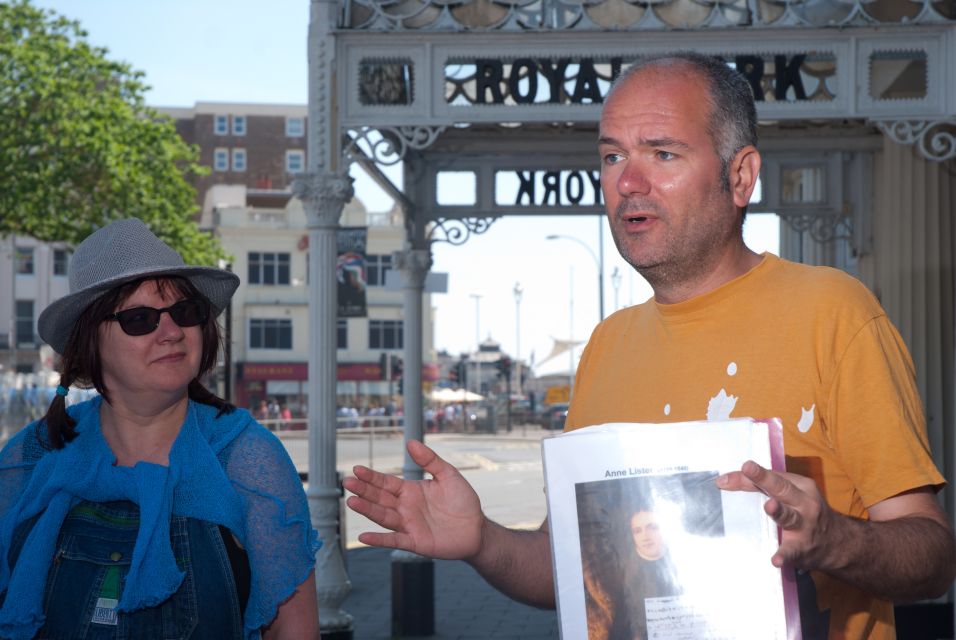
- 200+ years of LGBTQ history in 1.5 hours, from Regency times to the 1950s and beyond
- A route that follows the city’s shape: seafront → Old Lanes → Kemptown
- Stories built around both famous figures and unsung heroes you might not hear about elsewhere
- The guide is Ric, with a Blue Badge qualification and an easy, chat-friendly style
- Small group size (up to 12 people) makes questions feel welcome
- You’ll learn about specific milestones, including a same-sex marriage in 1923
Starting at Regency Square, Then Letting the Seafront Set the Tone
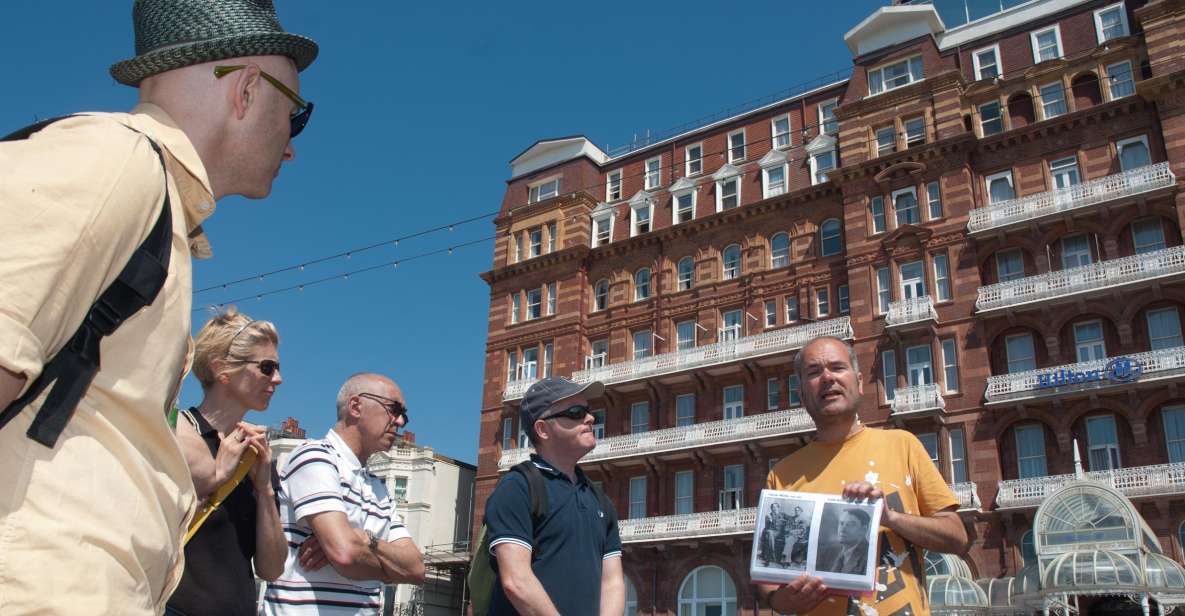
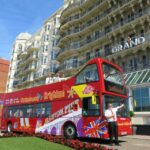
The tour begins at the statue by Regency Square (Brighton BN1 2FZ). I like this start because it gives you a solid “first bearings” moment. You’re on Brighton’s classic postcard axis, where the city’s Regency-era confidence still shows in the architecture and the open sightlines.
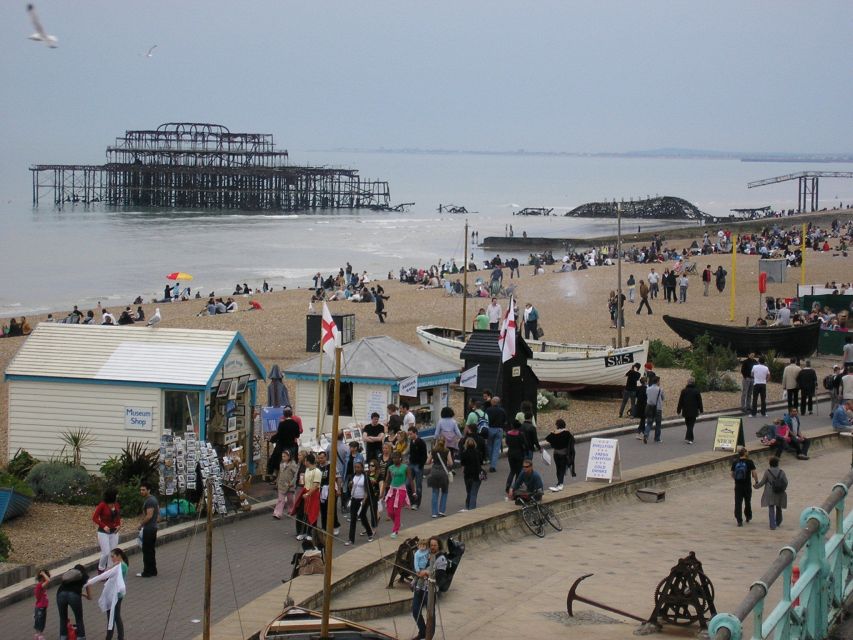
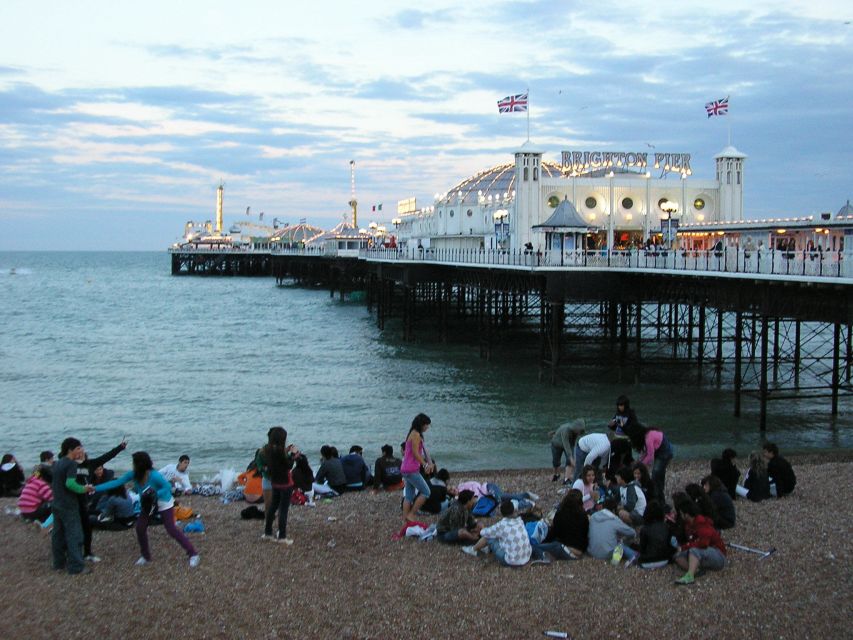
From there, you head along the seafront. This matters more than it sounds. The sea air and wide walkway make it easier to settle into a walking rhythm, so your brain can focus on stories instead of dodging crowds every ten steps. It also helps you understand why the people in these histories were drawn to Brighton in the first place: it’s a place where travel, leisure, and reinvention have always been part of the deal.
One practical note: the seafront can be windy, especially later in the day. Pack a light layer. You don’t need fancy gear, just something that keeps you comfortable so you can listen without constantly bracing against the weather.
You can also read our reviews of more tours and experiences in Brighton.

Over 200 Years in 90 Minutes: The Big Themes You’ll Track
This walk is built like a timeline you can actually feel. You move across different eras of queer life, and the tour keeps pointing out what changes over time—and what stays familiar.
Here are the main strands you’ll pick up:
- Regency dandies and the kind of social rules that made certain behavior visible, risky, or coded
- 1950s lesbian and gay life, including the pressures of that period
- Political activism, which shifts queer stories from private life to public action
- The way Brighton’s identity grows through culture, community, and repetition over decades
What I like about this structure is that it prevents the usual history problem: you don’t get only one era. You get connections. Even if you only know Brighton as a modern LGBTQ-friendly destination, you’ll see how that reputation didn’t appear out of nowhere. It was built—story by story—through people who found ways to live, organize, and survive.
Because the tour lasts 1.5 hours, you should expect a steady flow rather than long stops at every viewpoint. This is a feature, not a flaw, if you enjoy learning quickly and walking while you listen. If you tend to soak in every detail slowly, you can still do that later on your own, after you finish this route with a stronger sense of where everything sits.
The Names People Recognize: Anne Lister, Byron, Wilde, and Dusty Springfield
One of the smartest choices in this tour is how it uses familiar names as doors. You’ll hear about Anne Lister, whose Brighton trip links to Gentleman Jack (BBC/HBO). The point isn’t celebrity gossip. It’s understanding how identity and relationships were navigated in real places, at specific moments in time.
The tour also brings in Lord Byron and Oscar Wilde. These are big names, but the value here is that you learn how they connect to broader patterns—how queer life has always existed alongside mainstream fame, even when society tried to shove it into the margins.
Then there’s Dusty Springfield, which helps modern visitors make a mental bridge. If you’ve only ever heard about LGBTQ history in a museum context, a reference like this can help your brain place queer culture in everyday life, not just in politics or law.
A balanced way to think about this segment: you’re not just collecting name-droppings. You’re seeing how famous stories and less famous stories both point toward the same outcome—people searching for community, expression, and safety.
Finishing in Kemptown: Why Brighton Became the Gay Capital
The walk ends in Kemptown, described as Brighton’s gay district. Finishing there is a smart payoff. You start at the seafront and move through the Old Lanes, and then you end in the neighborhood where queer culture is most visibly part of the present.
This ending changes how you’ll experience the rest of your day. Instead of wandering Brighton with a vague sense of direction, you’re more likely to walk with purpose: you know which areas have deep historical weight, and you can spot where the city’s modern LGBTQ identity lives.
If you want to extend your day, this is the moment to slow down a little. After the tour, I’d use Kemptown as your base for food, people-watching, and browsing. You’ll have context for why the area feels the way it does, and you’ll be less likely to miss the atmosphere that makes Brighton feel different from other seaside towns.
Unsung Heroes You’ll Remember: Doctor, Drag King, and a 1923 Marriage
The tour’s strongest moments for me are the stories that don’t fit into a simple headline. These are the people who show up as reminders that LGBTQ history wasn’t only about famous authors and entertainers.
You’ll hear about a pioneering doctor who lived as a man long before women were allowed to practice medicine. That kind of story does two things at once: it gives you a concrete example of courage and it shows how gender and survival could be tangled together long before modern legal language existed.
Another highlight is an Edwardian drag king. It’s a reminder that gender expression has a long history, and that performance was often a tool—sometimes for selfhood, sometimes for social navigation, and sometimes for finding community.
And then there’s the milestone of a same-sex marriage in 1923. Even without focusing on legal technicalities, this lands emotionally. It shows that people were trying to make life official and protected, even when society did not offer much support.
These segments are also why the small group format helps. If you’re curious about how these stories played out in daily life, you’ll likely want to ask questions. Ric’s style (friendly and approachable, with real interest in your thoughts) makes that easier.




Ric’s Style and the Blue Badge Difference: Hearing It Clearly and Asking Questions
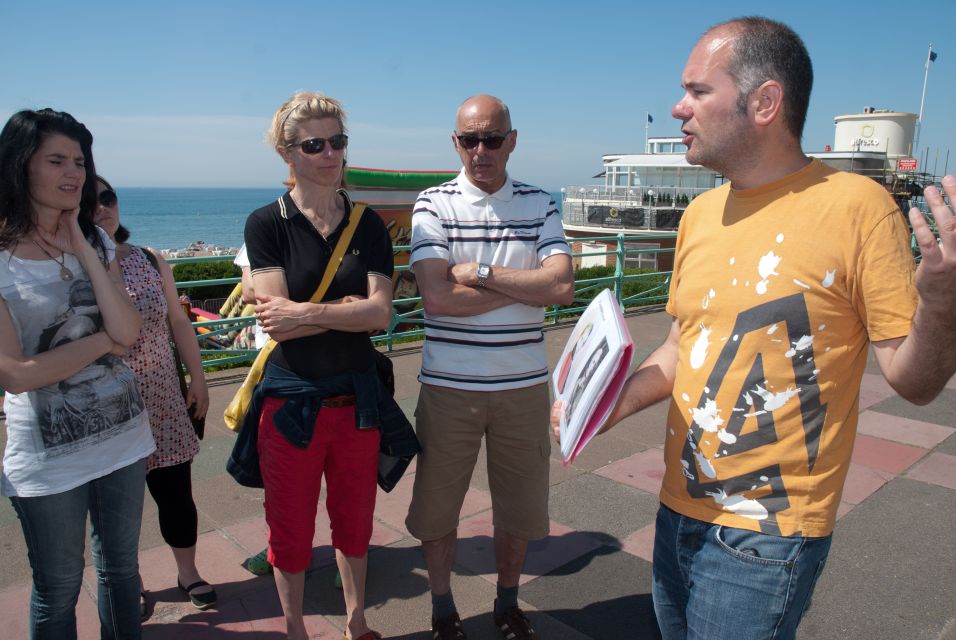
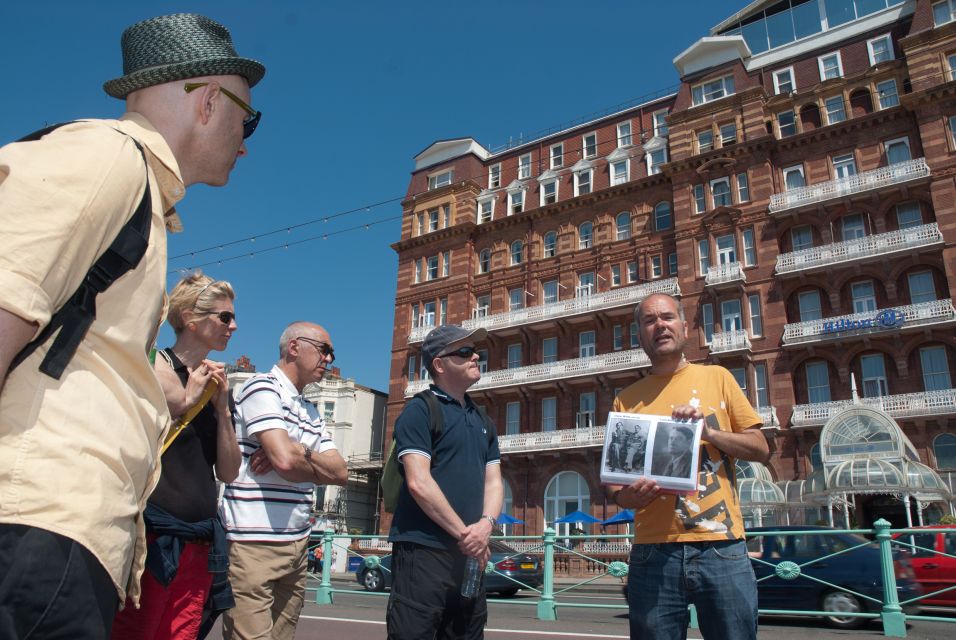
This tour is led by Ric, and the recurring theme from feedback is how easy he is to listen to. People consistently describe him as friendly, approachable, and comfortable answering questions. That matters, because LGBTQ history often raises personal questions. If the guide shuts that down, the story can feel distant. When the guide invites conversation, the whole experience becomes more human.
The Blue Badge qualification also signals something practical: you get a guide who can guide, not just talk. Blue Badge guides are trained to communicate clearly and lead thoughtfully, which is exactly what you want for a walking route with changing streetscapes.
There’s also a nice extra detail at the end. Some visitors note the chance to buy a book of Ric’s with 20 guided walking tours. Even if you don’t buy anything, it’s a useful sign that he thinks beyond a single “event.” He seems to build ways for you to keep exploring after your 1.5 hours are done.
Practicalities That Matter on a Walking Tour Like This
The tour is 1.5 hours, with a route that covers seafront areas, the Old Lanes, and ends in Kemptown. That means your comfort depends on three things: walking pace, weather, and where you stand during stops.
Walking pace: It’s designed to move you through eras fast enough to cover the range of stories. If you have limited mobility, the tour is listed as wheelchair accessible, but you’ll still want to wear shoes that work well on uneven or cobbled-feeling surfaces you might encounter in older lanes.
Weather: Brighton does what Brighton wants. Bring a light jacket and plan for wind on the seafront. You’ll spend real time outdoors, so don’t wear anything that makes listening miserable.
Listening position: in tighter spaces like the Lanes, you’ll probably want to drift toward the front or the side where you can see and hear without twisting. If you’re tall, watch your step; if you’re shorter, ask the guide to repeat or simplify when needed.
The bottom line: this is the kind of tour where you’ll enjoy it most if you treat it like a conversation with a clear path, not a museum queue.
Value at $52: What You’re Really Paying For
At $52 per person for 1.5 hours, it’s not “cheap,” but it isn’t overpriced for what you get. You’re paying for:
- A professional guided walk with a live guide (not self-guided audio)
- A small group format (maximum 12), which helps with questions
- A guided route that spans multiple areas of Brighton, including places that matter historically
- Specific stories tied to named people and moments, like Gentleman Jack, Oscar Wilde, Dusty Springfield, and the 1923 same-sex marriage
The value becomes clearer when you ask: how much would it cost you in time and effort to research all this yourself before arriving? If you’re only in Brighton for a short visit, this tour gives you a strong base layer fast.
It also helps you travel smarter. Once you finish, you’re not just going to the Lanes because they look pretty. You’ll know they’re part of the social and historical context that shaped the stories you just heard.
Who Should Book This Tour
I think this tour is especially good for:
- First-time visitors who want history + orientation
- People interested in LGBTQ stories that connect famous figures with real, everyday lives
- Anyone who likes walking tours but wants the stories to have substance
- Visitors who want a respectful, structured approach to sensitive topics, led by a guide who keeps the tone approachable
If you love social history and enjoy linking culture to place, you’ll probably finish feeling like you understand Brighton in a deeper way than before. If you’re only looking for a quick photo walk, you might find the 1.5 hours feel heavier than you expected. This one’s for people who want to learn as they move.
Should You Book Brighton Piers & Queers?
Yes, if you want a guided route that turns Brighton from scenery into story. The combination of a Blue Badge guide, a small group, and the range of eras (Regency to the 1950s and political activism) makes it a strong way to get context quickly.
I’d skip it only if you dislike walking at a moderate pace, or if you already know most of this history and are hunting for a very niche angle not covered by the tour’s main themes.
If you’re on your first full day in Brighton and you want your plans to make more sense afterward, this is exactly the kind of tour that pays off.
FAQ
How long is the Brighton Piers & Queers LGBTQ History Tour?
It lasts 1.5 hours.
What does the tour cost?
The price is $52 per person.
Where do I meet the guide?
Meet by the statue at Regency Square, Brighton BN1 2FZ, UK.
Is this a small group tour?
Yes. It’s a small group, semi-private tour with a maximum of 12 people per tour.
What language is the tour guide?
The live tour guide speaks English.
What areas of Brighton does the tour cover?
It takes you from the seafront, through the old Lanes, and finishes in the gay district of Kemptown.
Who leads the tour?
The tour is led by a qualified Blue Badge tour guide. The experience provider is Ric’s Tours, with Ric as the guide.
Is the tour wheelchair accessible?
Yes, the tour is listed as wheelchair accessible.
What happens if I need to cancel?
Free cancellation is available up to 24 hours in advance for a full refund.
Can I book and pay later?
Yes. You can reserve now and pay later to keep your travel plans flexible.