REVIEW · LONDON
London East End – Guided Walking Tour 12 guests 2,5h
Book on GetYourGuide →Operated by Babylon Tours London · Bookable on GetYourGuide
Street art turns the East End into a storybook.
This 2.5-hour guided walking tour takes you through London’s East End, an area famous for both gritty 1800s fear and today’s standout murals. You’ll connect the dots between modern graffiti legends and the wider art world, with stops around Spitalfields Market and the lanes that made names like Banksy and Shepard Fairey part of everyday conversation.
I especially like how the guide treats street art as more than pretty walls. You get real context, including links to politics and the way artists think about accessibility and meaning. I also like the pacing: you’re moving, looking, learning, and then getting pointed back toward spots you can return to on your own.
One thing to consider: this is mostly an outside walking experience. The tour does not enter the sites it references, and the format isn’t suitable for wheelchair users (though you can ask about wheelchair tours only on request). You’ll also want to bring valid photo ID and keep bags light, since large luggage isn’t allowed.
In This Review
- Key highlights worth your attention
- The East End as a living gallery (and why it works)
- Meeting at Liverpool Station: start point and what to expect on arrival
- Petticoat Lane to Artillery Passage: the quick hits that set the tone
- Old Spitalfields Market and Truman Brewery: art meets shopping and Sunday energy
- Whitechapel, Brick Lane, and the High Street: where the layers get more personal
- Lewis Chessmen and the Oxus Treasure: why these art references belong on a street tour
- Banksy and Shepard Fairey: what you learn beyond the name
- Markets, coffee stops, and where you can keep the day going
- Group size, pace, and how long 2.5 hours really feels
- Price and value: is $61 worth a street-art walking tour?
- Who should book this walk (and who should skip it)
- Should you book the London East End guided walking tour?
- FAQ
- Where do I meet the tour guide?
- How long is the London East End walking tour?
- What language is the tour offered in?
- Is food or drink included?
- Does the tour enter the sites it visits?
- How many people are in the group?
- Is the tour wheelchair accessible?
- Do I need ID?
- Are large bags or luggage allowed?
- What’s the cancellation and payment flexibility?
Key highlights worth your attention
- Jack the Ripper history meets street-art today, so the East End feels like a living timeline
- Spitalfields Market gives you shops and tastes to match the art you’re seeing
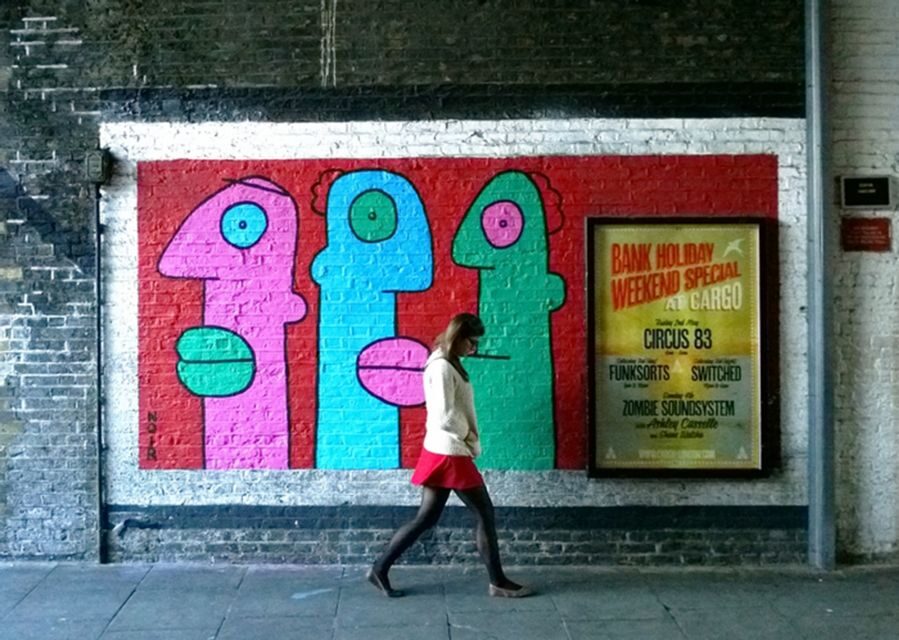
- Street-art giants like Banksy and Shepard Fairey are part of the story, not just names
- You’ll hear about major art-world reference points like the Lewis Chessmen and the Oxus Treasure
- Guides can be especially strong with the why behind political graffiti, not just what’s painted
The East End as a living gallery (and why it works)
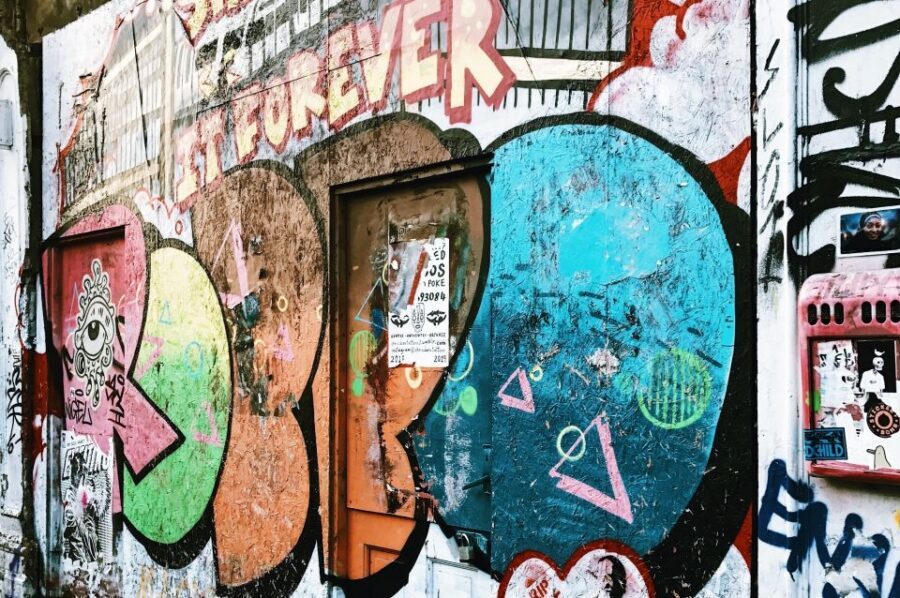
The East End is the kind of neighborhood that refuses to be simple. You can sense the layers immediately: heavy history in the ground under your feet, and then the present day shouting back through walls, shutters, and alley corners. That contrast is exactly why this tour feels satisfying. You’re not just looking at street art as decoration—you’re learning how art shows up where people live their real lives.
What makes the experience work best is the angle. The guide frames the art around questions like: what counts as art here, who gets to access it, and why the messages land where they do. That approach turns quick photo stops into something more useful. Even if you’re not a graffiti expert, you leave with sharper instincts for what you’re seeing and why it matters.
And the route is built around momentum. You start in the Liverpool Street area and keep moving through market streets and creative blocks. You get to experience the neighborhood as a walkable story, where each turn can feel like a new chapter.
You can also read our reviews of more walking tours in London



Meeting at Liverpool Station: start point and what to expect on arrival
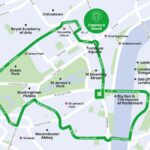
You meet by the Kindertransport statue at the entrance of Liverpool Station (outside). It’s an easy landmark once you’re oriented, and it’s a decent starting spot if you’re arriving by train.
From there, you’ll be in an English-language guided group experience. The tour is offered daily, typically in the 2 to 2.5 hour range, and it’s designed for small groups. One practical point that matters on foot: you should expect an active walk. The tour format is not for large luggage, and you can’t bring big bags along.
Also, bring valid photo ID. This is one of those small rules that can otherwise ruin your day. If you’re traveling with a passport or ID anyway, you’re fine—just make it accessible.
Petticoat Lane to Artillery Passage: the quick hits that set the tone
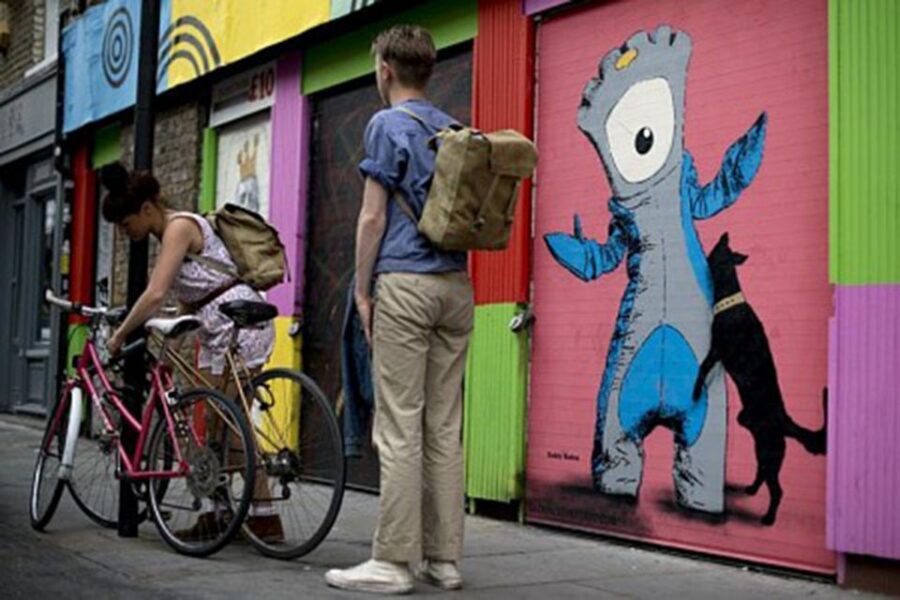
Your early moments are about orientation and atmosphere. You start with Petticoat Lane Market, where you’ll get a short photo stop and guided context before moving on. This is a good opener because it helps you understand how the East End reads: markets, daily life, and street-level creativity in the same frame.
Next comes Artillery Passage. The tour gives you another tight stop for sightseeing and photos. That short format might sound small, but it’s useful. The guide’s job here is to show you how to look—what details to notice on a wall, how street art signals community identity, and how artists borrow styles from the wider art world.
If you’re the type who likes to know what you’re seeing while you’re seeing it, this early stretch is a strong start. You’re not left guessing. You learn enough to start interpreting the walls, instead of simply admiring them.
Old Spitalfields Market and Truman Brewery: art meets shopping and Sunday energy
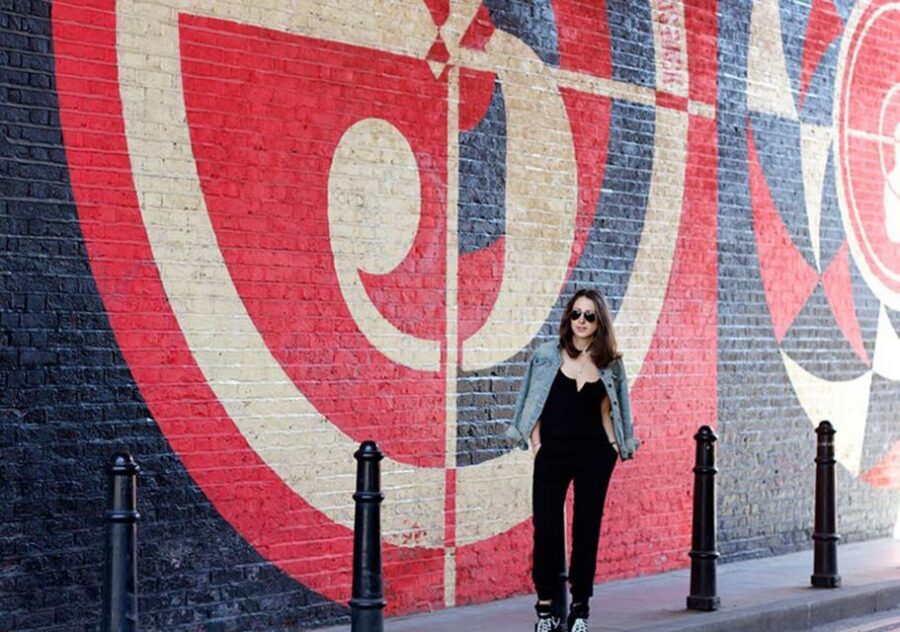
A big reason this tour earns high marks is that it doesn’t stop at street art. It brings you into the market world where you can keep exploring after the walking ends. You’ll spend time around Old Spitalfields Market, including a photo stop and guided tour time along the way.
Spitalfields is a helpful contrast to the more purely alley-and-wall sections. Here, you get the sense that creativity isn’t only visual. It’s in what’s sold, how people hang out, and how vendors and small shops create their own form of local culture. Since the tour includes time for sightseeing and guidance without going into sites, the market area helps you anchor the art with real-life neighborhood texture.
Then you move toward The Truman Brewery, another creative zone tied to the area’s modern identity. The tour keeps it practical: you’ll get a stop for guided context and photos, not a long detour. That helps the whole experience stay balanced—street art first, with markets as the natural add-on.
Whitechapel, Brick Lane, and the High Street: where the layers get more personal
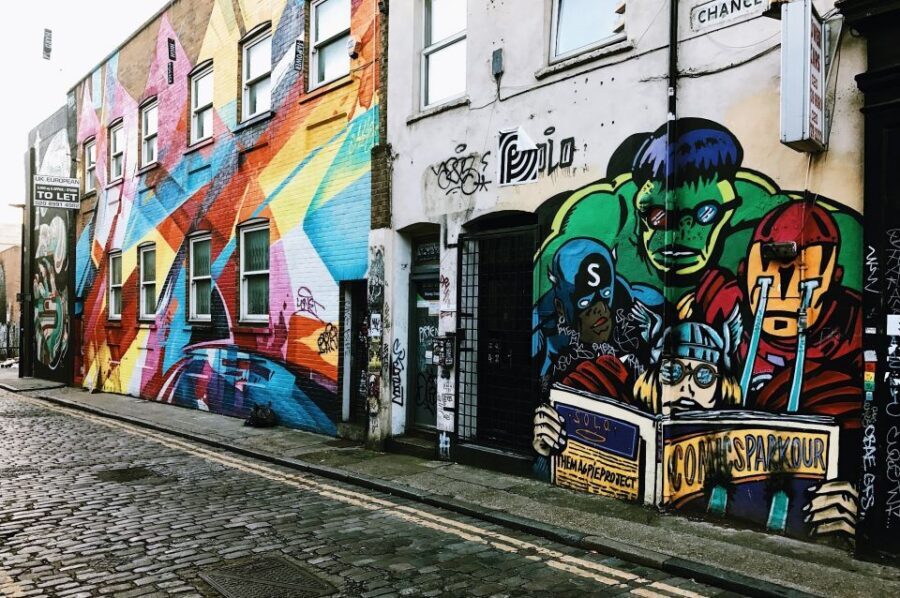
As you continue, the walk leans harder into the East End’s contradictions. Whitechapel comes next, and this stop matters because it puts you in the area’s historical shadow while the street art shows the present-day voice. The guide’s explanations help you see why street art can feel both confrontational and community-minded—often in the same image.
Then you reach Brick Lane, one of the most recognizable East End corridors. The tour includes a photo stop and guided tour time here, which is the right amount for this kind of walk. Brick Lane is popular, but the value of the tour is in the interpretation: you’re being taught what to notice, not just where to stand for a picture.
You’ll also pass along the High Street with more photo stop and guided sightseeing. This is where it starts to feel like the tour is teaching you a method. Instead of treating each mural as an isolated artwork, the guide connects themes and helps you understand how different artists and styles communicate.
You can also read our reviews of more guided tours in London






Lewis Chessmen and the Oxus Treasure: why these art references belong on a street tour
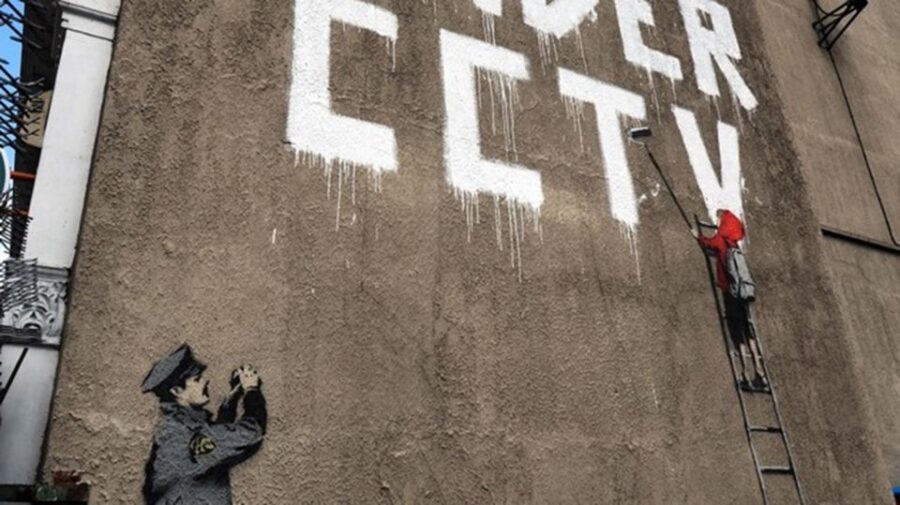
The highlights include two art-world reference points that sound like they should be museum-only: the Lewis Chessmen and the Oxus Treasure. On a street-art walk, that can seem random at first—until the guide’s bigger point clicks.
The value here is that you see street art as part of a broader art continuum. Even without entering any indoor sites, you’re hearing about major cultural artifacts and how the art world preserves and interprets meaning. The tour uses these stories to broaden your perspective: street art doesn’t exist in a vacuum. It’s in conversation with everything from ancient craftsmanship to modern graphic design.
Think of it as a portable art-history lesson. You walk away realizing that the labels and the context matter. The same way an artifact’s story changes how you view it, a mural’s story changes how you read the walls.
Banksy and Shepard Fairey: what you learn beyond the name
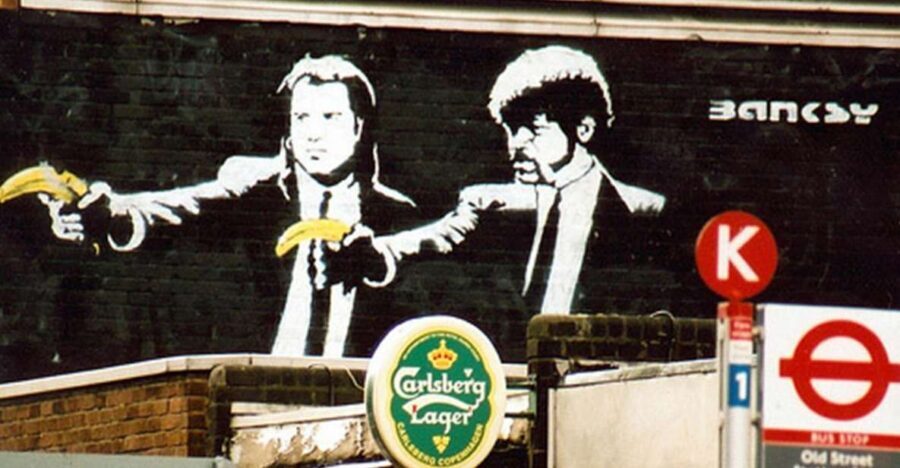
The tour highlights street art from major figures, including Banksy and Shepard Fairey, and that makes it easy to understand why people book. But the payoff is what happens after the names.
If your guide is like those highlighted on past tours, you’ll likely get commentary that reaches beyond identifying a style. One guide example was Jake, described as explaining the history and timeliness of places on the walk. Another guide example was Becky, noted for strong links between political graffiti and the political context behind it. That kind of framing is what turns street art from surface-level cool into something you can actually talk about later.
You’ll also hear about how artists choose symbols and messages, and how those choices can make the work accessible to more people—or deliberately challenge people to look harder.
Markets, coffee stops, and where you can keep the day going
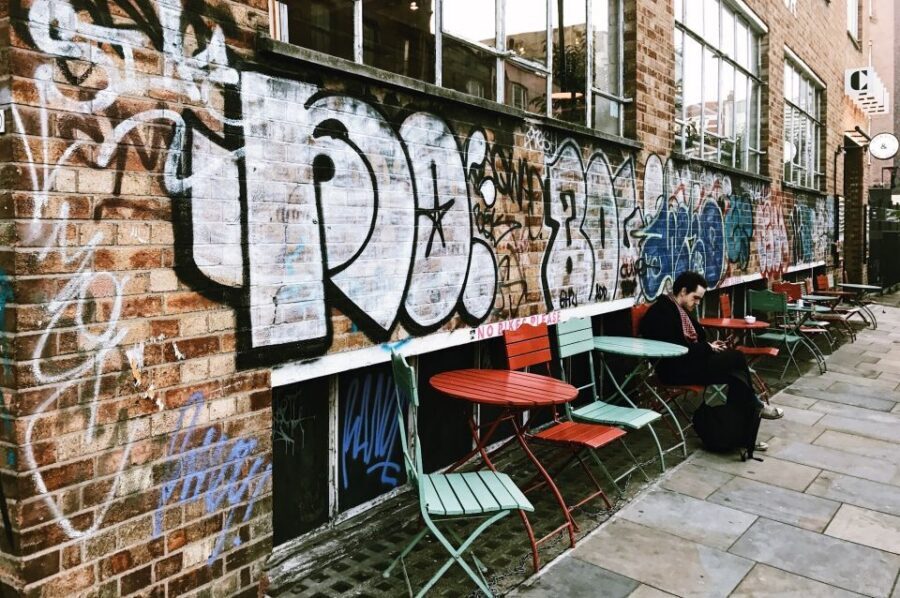
The tour isn’t built around eating as part of the package, but it does point you toward places where the neighborhood’s flavor is part of the experience. Since food and drink aren’t included, you stay flexible. The guide can help you figure out what to look for nearby so you don’t waste time deciding later.
There’s also a practical social element in the route. The East End sections pass through areas where people linger—especially around market streets. That makes it easy to stretch your afternoon even if you’re not doing another formal activity. You can take the ideas from the murals and use them like a map: go back to places the guide suggests for a second look, or follow the same lanes at a different hour when the light and crowds feel different.
Group size, pace, and how long 2.5 hours really feels
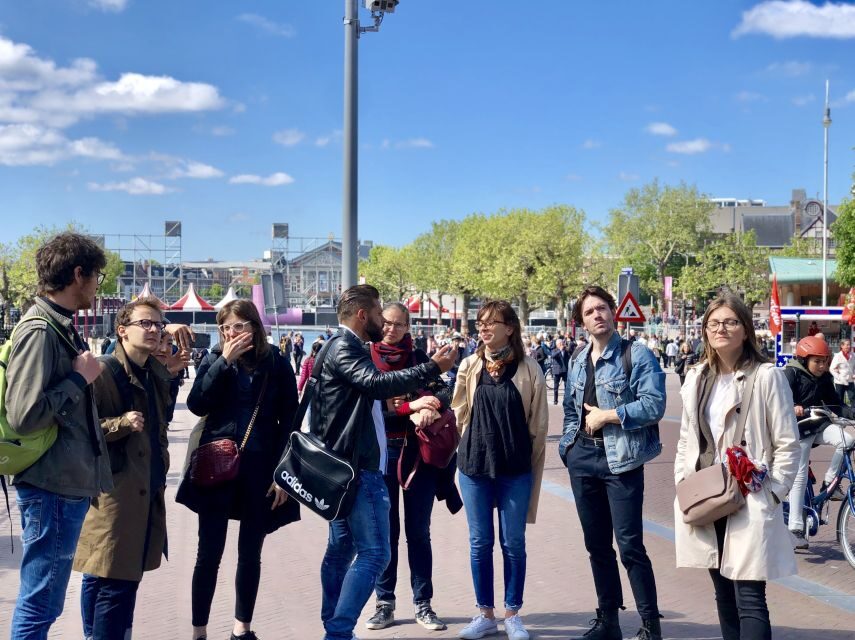
This experience is designed for a small group format, usually up to 12 guests, and there’s a private option. Semi-private options are capped at 8 guests maximum, which tends to make questions easier and help the guide keep your group together.
The tour runs daily and typically lasts 2.5 hours (with the option noted as 2 to 2.5 hours). In practice, the stops add up to photo breaks and guided sightseeing rather than deep indoor time. That’s a good match for people who want a focused overview without committing to a half day or more.
If you enjoy walking with structure—enough guidance to understand what you see, but not so much that you feel dragged—this length is a sweet spot.
Price and value: is $61 worth a street-art walking tour?
At $61 per person for about 2.5 hours, you’re paying for a few things that are hard to replicate on your own: a local guide, a curated route, and interpretation. The tour includes a professional local tour guide, and that matters because street art can be noisy with false assumptions. The guide helps you connect the art to themes and time, which turns the walk into something more than wandering.
You also get value from being pointed toward places with staying power. The stops aren’t random tourist pinpoints; they’re anchored around areas like Spitalfields Market and creative brewery space, where you can keep exploring after the guided portion ends.
One cost-to-expect: you’ll spend extra money if you want to buy snacks or lunch, but food and drink aren’t included, so you control your budget. Also, the tour doesn’t enter sites, which can affect your expectations. If you want mostly outdoor viewing plus storytelling, this is a good fit. If you expected museum-style entry, you’ll want to know that up front.
Who should book this walk (and who should skip it)
This tour is a great match if you:
- Like street art but want the why behind it
- Enjoy market streets and want a structured way to see Spitalfields and nearby areas
- Prefer small-group energy and clear guidance over long self-guided wandering
- Want art history connections without a museum schedule
It might be less ideal if you:
- Need wheelchair-friendly access for the full experience (the tour is listed as not suitable for wheelchair users, though you can ask about wheelchair tours only on request)
- Want indoor site visits, because the tour does not enter the places it references
- Prefer heavy food-focused sightseeing (there’s no food included)
Should you book the London East End guided walking tour?
If your goal is street art with real context, this is an easy yes. You get the East End in motion: markets, creative streets, and explanations that help you read the walls instead of just taking photos. The inclusion of art references like the Lewis Chessmen and the Oxus Treasure is also a smart way to widen your lens without adding a museum day.
I’d book it if you’re traveling with a day that needs direction. A guided walk helps you avoid the common trap of seeing only the most obvious murals and missing the themes. If you’re comfortable walking, bringing ID, and keeping bags small, you’ll likely feel like the time is well spent.
If you want, tell me what day of the week you’re going and what kind of street art you’re most into (political graffiti, pop-image styles, or general East End culture). I can suggest a simple plan for before and after the tour so you get the most out of your afternoon.
FAQ
Where do I meet the tour guide?
Meet by the Kindertransport statue at the entrance of Liverpool Station (outside).
How long is the London East End walking tour?
The tour lasts about 2.5 hours, and it can be offered in the 2 to 2.5 hour range.
What language is the tour offered in?
The live tour guide speaks English.
Is food or drink included?
No. Food and drink are not included.
Does the tour enter the sites it visits?
No. The tour does not enter the sites visited.
How many people are in the group?
It’s described as 12 guests for this option, and semi-private tours have a maximum of 8 guests. Private group options are also available.
Is the tour wheelchair accessible?
The tour is listed as not suitable for wheelchair users. Wheelchair tours are mentioned as being available only on request, so it’s best to ask the provider.
Do I need ID?
Yes. Please bring valid photo ID (passport or ID card).
Are large bags or luggage allowed?
No. Luggage or large bags are not allowed.
What’s the cancellation and payment flexibility?
It offers free cancellation up to 24 hours in advance for a full refund, and there’s a reserve now and pay later option.