REVIEW · CANTERBURY
Canterbury: Private Guided Walking Tour with Official Guide
Book on GetYourGuide →Operated by Canterbury Tourist Guides Ltd · Bookable on GetYourGuide
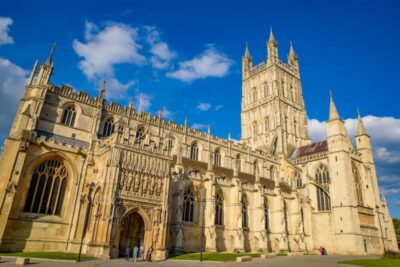
Canterbury can feel small, but the stories are huge. This private guided walking tour focuses on the medieval streets you’d miss on your own, then lands you right at the Cathedral Precincts for an insider view of pilgrim Canterbury.
I like two things a lot: the guide’s knack for connecting landmarks to characters like Thomas Becket and Chaucer’s pilgrims, and the fact that you can set the tone with your group beforehand, including a slower pace if you need it. You also get practical photo stops along the way, so you’re not just walking—you’re collecting moments.
One thing to consider: the sidewalks in the center are often narrow and uneven. Even though the route has no big hills, it can be tricky for anyone who’s sensitive to rough pavement.
In This Review
- Quick hits you’ll actually use
- Why Canterbury’s lanes need a guide
- Meeting at Buttermarket: where pilgrim Canterbury begins
- Butchery Lane and Mercery Lane: trade streets with built-in photo stops
- Canterbury Cathedral Precincts: what you get and what you skip
- Crooked House, ducking stool, and Eastbridge Hospital
- The Precinct walk to King’s Mile and The Marlowe
- High Street finish: a smooth landing point
- What your guide gets right (and how they tailor it)
- Price and group size: is $202 per group good value?
- Practical tips for a smooth 90-minute walk
- Should you book this private walking tour?
- FAQ
- What is the duration of the Canterbury private guided walking tour?
- How much does the tour cost?
- Where do we meet the guide?
- Is entrance inside Canterbury Cathedral included?
- Which language is the guide available in?
- Does the tour change if access is restricted?
- Is the walking route wheelchair accessible?
- Are video recordings allowed during the tour?
- Is the tour available at different times of day?
Quick hits you’ll actually use
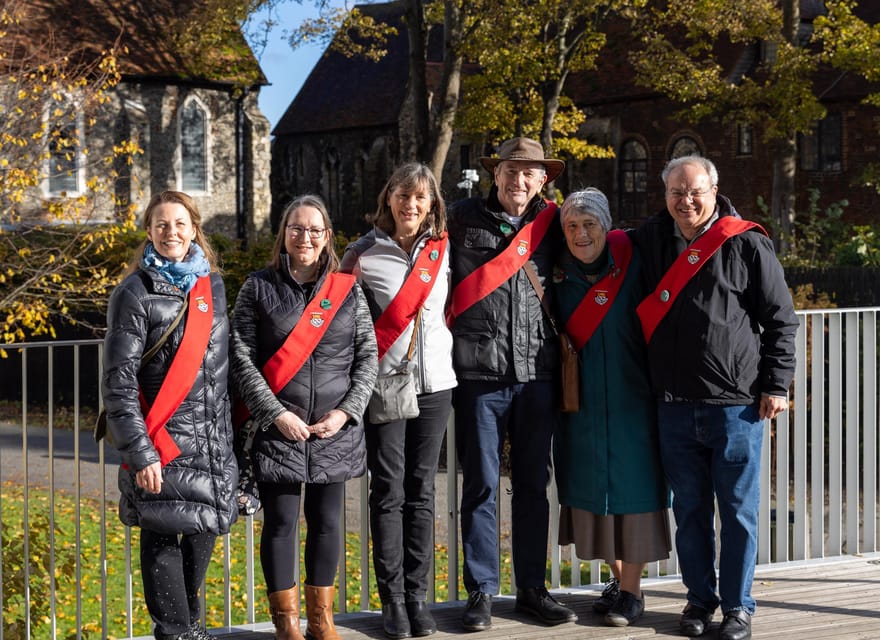
- Green Badge guide with local storytelling that explains why each street and building mattered
- Cathedral Precinct access (grounds only), plus the outside view of monastery ruins and/or cloisters
- Tailored pacing and interests, from architecture to literature to family-friendly timing
- Iconic oddities on the route, like the Crooked House, ducking stool, and a pilgrim-era hospital
- Photo-stop flow through key lanes, including Butchery Lane, Mercery Lane, and High Street
Why Canterbury’s lanes need a guide
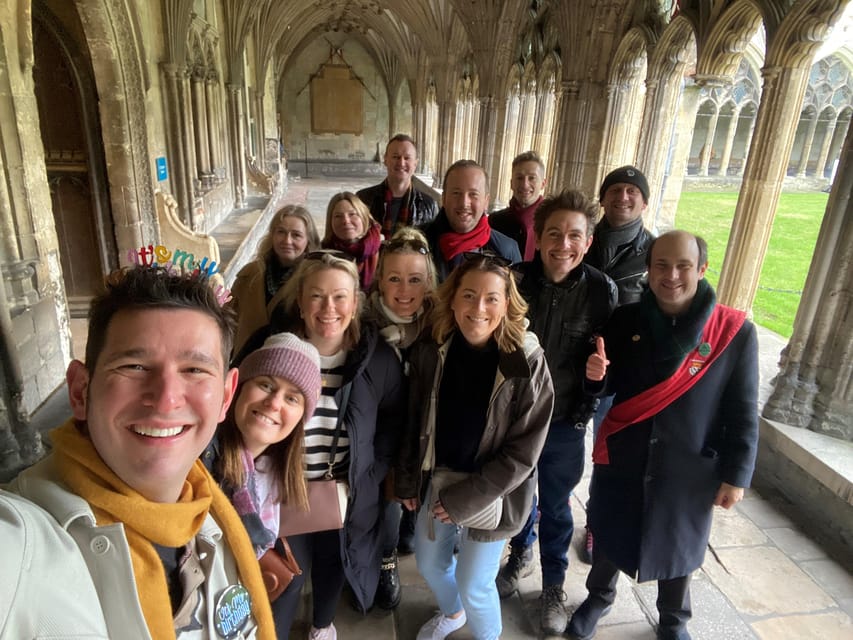
Canterbury works best when you have context. The city looks like a compact pocket of old stone, timber, and cobbles—but every turn has a “why” behind it.
On this tour, you’ll walk at a human pace for about 1.5 hours with a qualified Green Badge City Guide. That matters because Canterbury’s meaning is layered: religion, royalty, trade, literature, and punishment all show up in the same few streets.
You’ll also notice the guide doesn’t only point. A good guide here turns buildings into clues—who walked those lanes, what changed over time, and which parts stayed recognizable even as the city evolved.
You can also read our reviews of more tours and experiences in Canterbury.

Meeting at Buttermarket: where pilgrim Canterbury begins
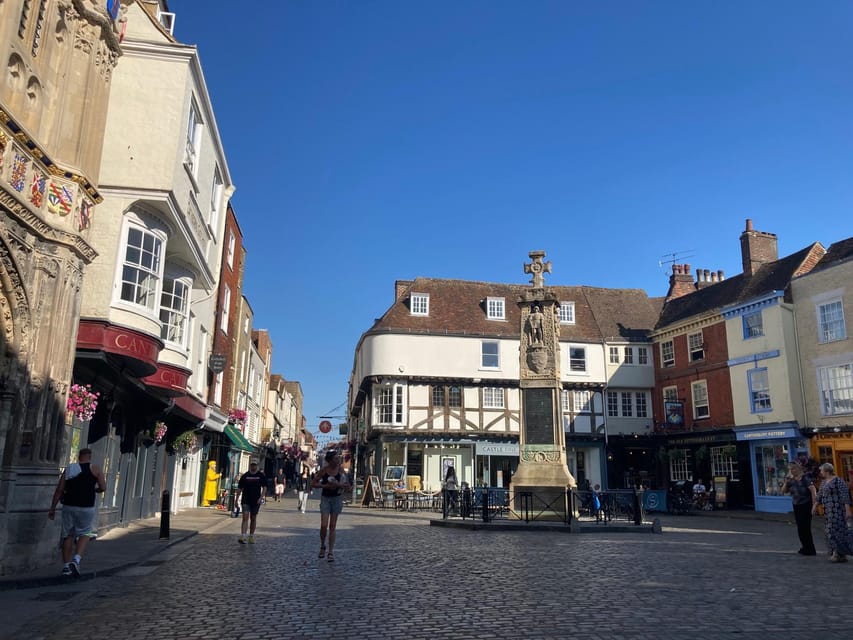
You start at Buttermarket, a classic launch point just off the main cathedral area. Your guide meets you there wearing a bright red sash, and you’ll show your booking on arrival.
This start location is smart. It gets you close to the Canterbury Cathedral approach—especially around the Christchurch Gate entrance area—without forcing you to figure out the medieval street maze alone. It also sets expectations: you’re not doing a drive-by. You’re going lane by lane.
If you’re traveling in a group, the private format is a real advantage. You can ask questions as you go, and your guide can adjust for what your people care about—history details, architecture, or a calmer tempo for families.
Butchery Lane and Mercery Lane: trade streets with built-in photo stops
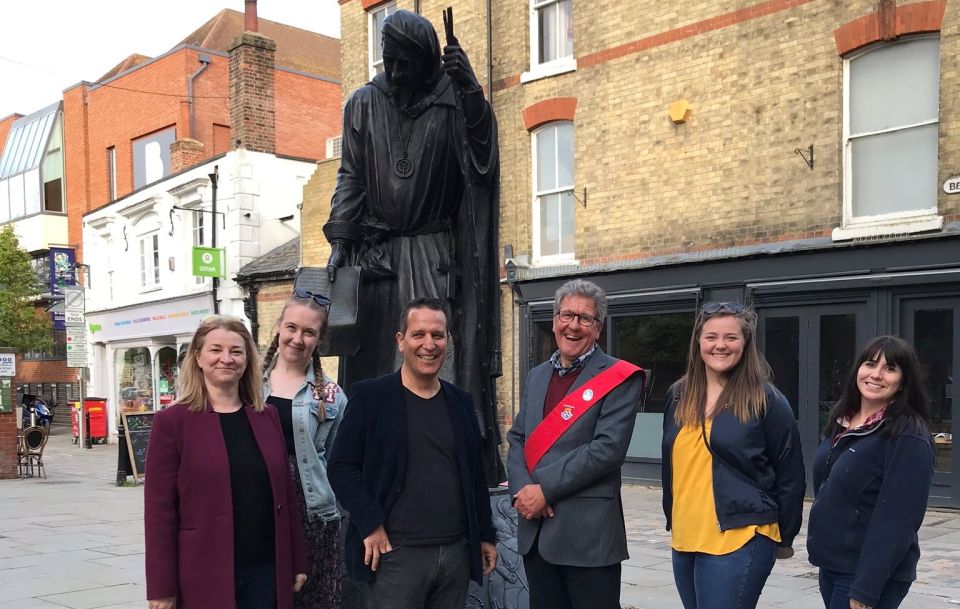
The tour moves through two lanes that are easy to admire and easy to misunderstand without context: Butchery Lane and Mercery Lane.
Each one includes a guided stretch with a photo stop built in (about 10 minutes each). That’s useful because these streets are narrow, and your photos will come out better when you pause at the right angles instead of trying to stop “somewhere in the middle.”
What makes them worth your time here is the guide’s focus on how these lanes fed the life of medieval Canterbury—where people bought food, where services clustered, and how pilgrims would have moved through the area.
Even if you’re not chasing “every single landmark,” these stops help you build a mental map of the city fast.
Canterbury Cathedral Precincts: what you get and what you skip
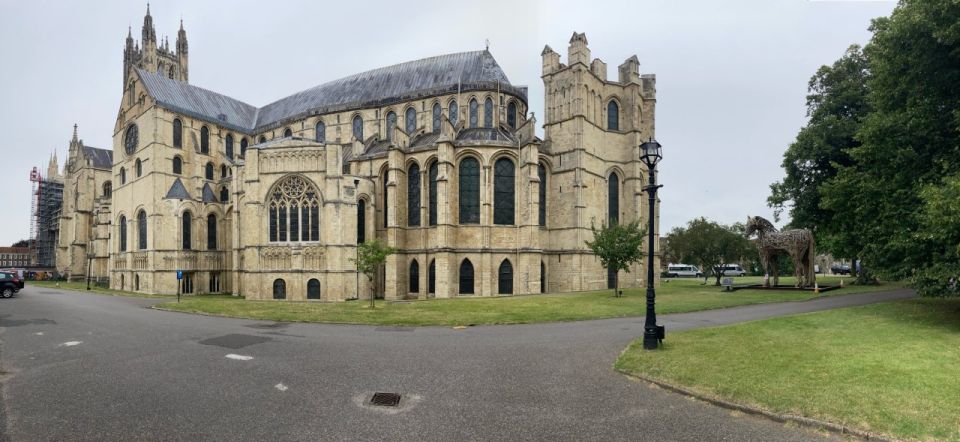
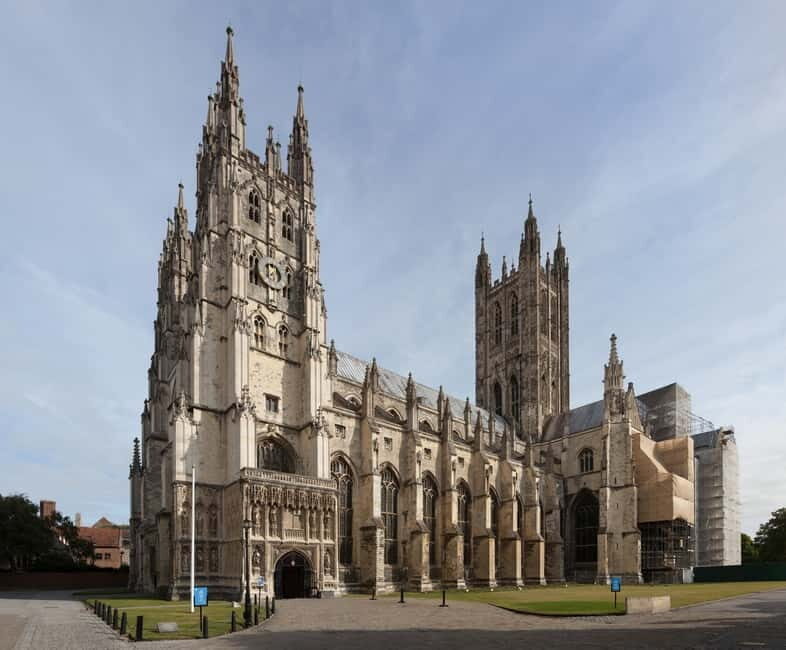
This is the heart of the experience. The tour includes access to the Cathedral Precincts (grounds)—and it’s called out as the only Canterbury tour in this style that includes this level of precinct access.
That access is valuable for one simple reason: it gives you room to understand the cathedral as a complex, not just a single building. You can see more of the surrounding spaces and the cathedral’s setting as the medieval center of power and pilgrimage.
A key detail: this tour does not include going inside Canterbury Cathedral itself. That’s not a deal-breaker, but it does shape your expectations. Think of this as an excellent “outside + precincts + stories” visit that pairs perfectly with a separate cathedral interior ticket if you want both.
Near the end, you’ll also journey around the outside of the cathedral to see ruins of the old monastery and/or cloisters, depending on what access allows. That outside view is often where the “this was once bigger” feeling lands.
Crooked House, ducking stool, and Eastbridge Hospital
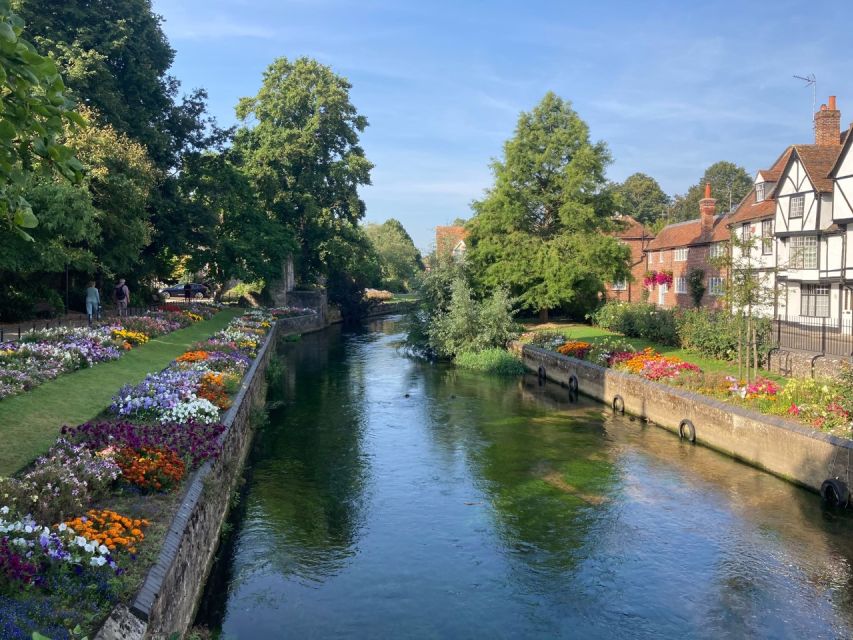
Canterbury isn’t all saints and sermons. Part of the fun on this walk is the mix of the famous and the strange, and the guide brings them together into one story.
On your route you’ll spot quirky buildings such as the Crooked House and the Old Weavers House. You’ll also hear about the infamous ducking stool—a darker, more human side of historical punishment that makes the city feel real rather than museum-like.
Then there’s Eastbridge Hospital, described here as a place of hospitality for pilgrims since 1190. That’s the kind of detail that helps you connect the dots between what you see on stone and what people were actually doing day to day—passing through, needing help, and finding care.
The best part is that the guide ties these stops to the big names you’ll also hear about: Thomas Becket’s murder, Chaucer’s pilgrims, and royal visits. So the odd items don’t feel random; they become part of the same Canterbury story.




The Precinct walk to King’s Mile and The Marlowe
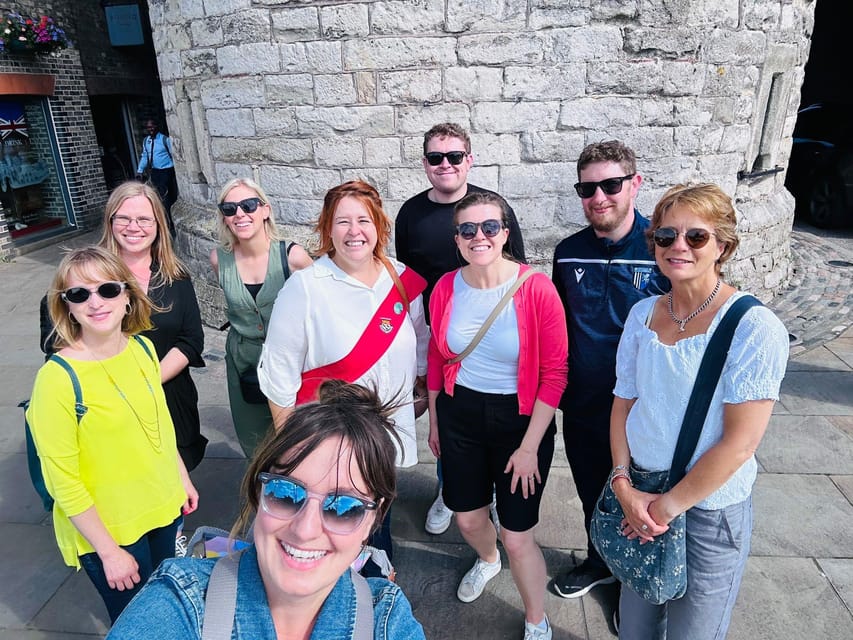
As you continue, you shift from cathedral-centered space into lanes and views that show how Canterbury’s center works. You’ll do photo stops along The King’s Mile and then around The Marlowe area.
The King’s Mile stop matters because it’s a named stretch with a sense of tradition. It helps the city feel organized, not just old. It also acts as a transition point: from precincts and medieval church influence toward education, literature, and the way Canterbury’s identity kept evolving.
At The Marlowe, the guide includes sights like the Marlowe Theatre and its moving statue. This is where modern Canterbury shows up without wiping the medieval vibe away. If you like when a city shows different eras side by side, this section delivers.
High Street finish: a smooth landing point
The tour wraps on High Street, which is practical in two ways. First, it’s a good place to finish if you plan to keep wandering on your own afterward. Second, it gives you a sense of scale: you end where daily life and shopping energy meet the historic core.
The whole walk is designed to feel like a loop of understanding. You begin near the cathedral approach, travel through lanes that shaped commerce and pilgrimage, then end at a main street that connects the old center with the rest of the city.
What your guide gets right (and how they tailor it)
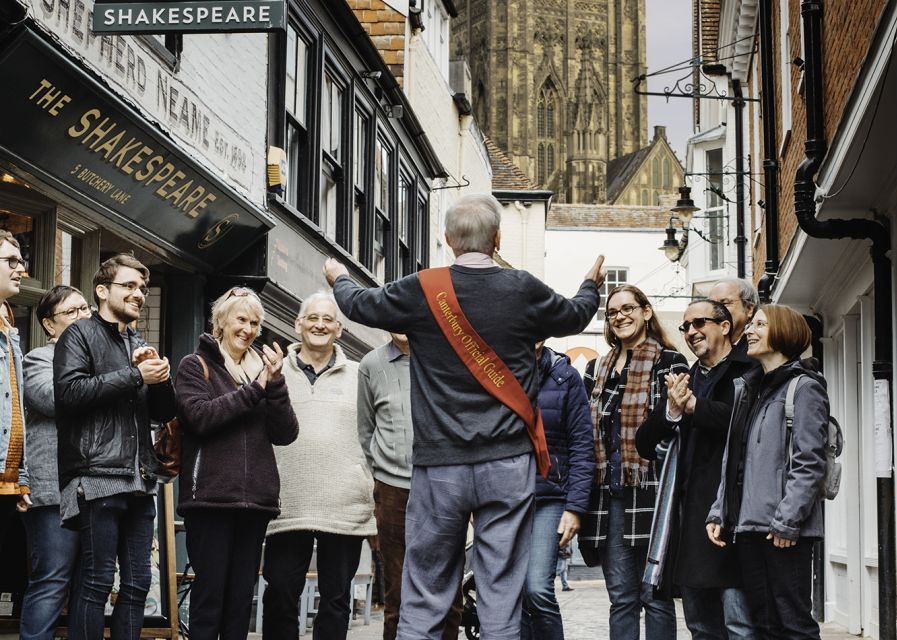
Private guiding is only worth it if the guide can read the room. Here, that’s built in: you can tell the team your group details and interests before the tour, and your guide can tailor the pacing and focus.
That flexibility is useful for families or anyone who doesn’t want to feel rushed. It’s also great for people who do want specifics, like architecture cues or literature-related stories.
From past groups, guides such as Karen (German-speaking), Pauline (French-speaking), and Lenny (English-speaking) have been singled out for keeping the tour fun and energetic, even when weather was cold or windy. There’s also a strong theme of adjusting anecdotes so kids and teens stay engaged, not just adults.
If you want the day to feel like a conversation with someone who cares, this is the setup that makes it happen.
Price and group size: is $202 per group good value?
At $202 per group up to 10 for about 1.5 hours, this can be good value if you’re traveling with a friend group, family, or anyone who wants private guiding without paying per person.
The math is simple: if your group is near the top end (up to 10), the cost per person drops fast compared with many per-person city walking tours. Even if you’re a smaller party, you still get the core advantage—your guide can tailor questions and pacing rather than repeating the same speech for everyone.
Also remember what’s included: Cathedral Precinct grounds access plus a guide who can handle route adjustments when access changes. That included access is the main value driver here, because it shapes what you can see beyond the strict outside viewpoint.
For solo travelers, it may be pricier than shared tours, but if you want flexibility and a quieter pace, private can still be worth it.
Practical tips for a smooth 90-minute walk
A few details can make or break your comfort level in Canterbury’s center.
- Pavements are narrow and uneven. You won’t face big hills, but uneven ground is real, and it matters if you’re in sturdy shoes or need extra stability.
- Routes can vary due to access restrictions. That’s normal for historic sites and doesn’t mean you’ll lose the main story arc.
- Cathedral Precinct access can change at short notice. Build a little patience into your plan, since this tour includes the precincts but not every day guarantees identical conditions.
- No video recording is allowed. If you like filming, you’ll need to stick to photos and normal observation.
- Weather-proof the day. This runs in all conditions, so pack like it’s a walking tour in the UK—layers and a rain option.
- If you’re late, your guide may shorten the tour for very late arrivals. It’s fair, and it protects the guide’s schedule.
If you’re wheelchair traveling, it’s listed as wheelchair accessible. Still, ask yourself whether uneven pavements will be manageable for your specific mobility setup.
Should you book this private walking tour?
I’d book it if you want Canterbury explained in a way that connects people and events to real streets. The private format is especially worth it when you care about specific themes—Becket, Chaucer, architecture, or how the city worked for pilgrims.
You should consider alternatives if your top priority is going inside Canterbury Cathedral itself. This tour focuses on the precincts and outside areas, so pair it with a separate cathedral interior visit if you want both.
If you like walking, photo stops, and a guide who can adjust the pace for your group, this is a strong choice. For a compact city with big stories, it’s one of the more efficient ways to understand Canterbury without feeling like you’re cramming.
FAQ
What is the duration of the Canterbury private guided walking tour?
The tour lasts about 1.5 hours.
How much does the tour cost?
It’s priced at $202 per group, up to 10 people.
Where do we meet the guide?
You meet your guide at Buttermarket. The guide will wear a bright red sash.
Is entrance inside Canterbury Cathedral included?
No. The tour includes access to the Cathedral Precincts (grounds), but it does not include entrance inside Canterbury Cathedral.
Which language is the guide available in?
The live guide is available in German, French, and English.
Does the tour change if access is restricted?
Routes can vary slightly with each guide, and access restrictions can cause short-notice changes. Precinct access may also change at short notice.
Is the walking route wheelchair accessible?
Yes, it’s listed as wheelchair accessible, though pavements are narrow and uneven in places.
Are video recordings allowed during the tour?
No, video recording is not allowed.
Is the tour available at different times of day?
Evening tours are available in summer. The schedule depends on availability for starting times.