REVIEW · CANTERBURY
Canterbury Walking Tour with a Local
Book on GetYourGuide →Operated by Humrahe · Bookable on GetYourGuide
Canterbury has a way of pulling you in fast. A walking tour here feels like moving through layers of the city at a human pace, not just ticking off sights.
Two things I like a lot: you get to see Canterbury’s historic center on foot, and the route can be tailored to your interests instead of running the same script for everyone. I also appreciate that the tour is set up as a real local walk, with insider-style context about everyday culture, not a strict history lecture.
One drawback to consider: this is not positioned as a deep-dive historical tour, so if your main goal is cathedral-level storytelling, you’ll want to make your expectations clear to your guide before you start.
In This Review
- Why a local-style Canterbury walk works
- Getting your bearings in Canterbury’s old heart
- Cobblestones, timber frames, and ancient walls on foot
- Tailored conversations with your guide (and how that changes the walk)
- Market streets to riverside paths: shifting the mood in one walk
- Landmarks you’ll likely pass, and what to ask so tickets don’t surprise you
- Price and value: what $48 buys you in Canterbury
- Who this walk suits best (and who should consider other options)
- Timing, shoes, and the little things that decide whether you enjoy it
- Should you book the Canterbury Walking Tour with a Local?
- FAQ
- How long is the Canterbury Walking Tour with a Local?
- What’s included in the price for $48?
- Are entrance tickets included for major attractions?
- Is there a way to book without paying today?
- Can I cancel for a refund?
- Is the tour wheelchair accessible, and is the guide available in English?
Why a local-style Canterbury walk works
- Tailored route: you can steer the walk toward what you actually care about.
- Historic streets at walking speed: cobbles, timber-framed houses, and old walls feel real when you’re there on foot.
- Two different moods: busier market areas and quieter riverside paths, often within the same morning or afternoon.
- You meet the city through daily life: pilgrim and student history is part of the background, but the guide focuses on culture and local rhythm.
- A guide can shape the whole day: when it clicks, the route goes beyond the obvious tourist lanes.
Getting your bearings in Canterbury’s old heart

Your walk typically starts in Canterbury’s historic center, where the city feels compact and walkable. The first minutes matter here. Once you’re on the cobbled streets, you naturally slow down and notice the timber-framed façades and the tight pattern of lanes.
This kind of start is good value because you’re not spending the first half-hour figuring out where to go. Instead, you’re getting oriented—what’s where, why areas developed, and how different parts of town relate to each other. If you’ve only got a few hours, that early direction is a big deal.
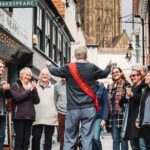
The tour is also set up to feel personal. You’re not just following a numbered list of stops. You’re walking with someone who can adjust the route as you go, which helps if you’re more into atmosphere and photos or more into city culture and everyday habits.
You can also read our reviews of more walking tours in Canterbury
Cobblestones, timber frames, and ancient walls on foot
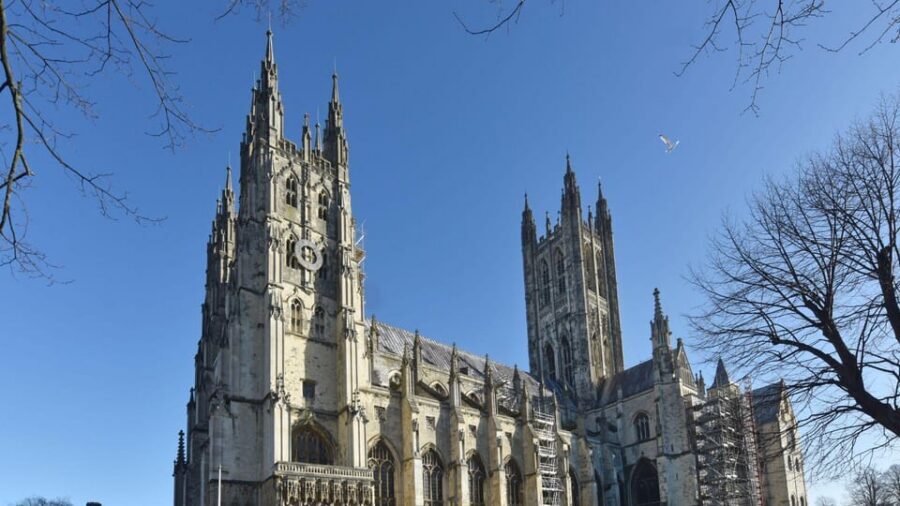
Canterbury’s look is the reason many people come. But on your own, it can be hard to tell what you’re actually looking at. A local guide helps you read the street-level details.
Expect to pass through areas lined with timber-framed houses and to spend time along parts of the city’s older defenses, including ancient city walls. Even if you don’t get a full architectural breakdown, you’ll start to understand why the city feels the way it does—how old boundaries shape what you see today.
A walking route like this also gives you practical advantages. Views often open up just when you turn a corner or step beside a wall segment. When you’re not rushing between far-flung stops, it’s easier to pause, take photos, and keep moving without getting worn out.
What to watch for: Canterbury’s streets are old and can be uneven. Comfortable shoes are not a suggestion here. If you’re dealing with knee issues, plan for slower pacing and consider bringing a bit of water so you can handle the 1–6 hour range without getting grumpy.
Tailored conversations with your guide (and how that changes the walk)

This tour is described as the kind of experience where a guide acts like a friend showing you around. That matters because it affects what the walk feels like, not just what you see.
One guide named Aaron is specifically mentioned as fun and effective, and he was praised for taking people to nice places even outside the tourist center. That’s a strong clue about what can make your experience feel special: you don’t just stay in the most obvious area.
At the same time, there’s an important expectation setting. The tour is not advertised as a historical tour. In plain terms, you shouldn’t assume every stop comes with a deep, chapter-by-chapter explanation of dates, dynasties, or architecture minutiae.
How to use that: ask your guide early what they’ll focus on. If you want more culture and local life, say so. If you’re hoping for detailed historical context, ask whether they can provide it—or if you should pair this with a separate ticketed site experience.
Market streets to riverside paths: shifting the mood in one walk
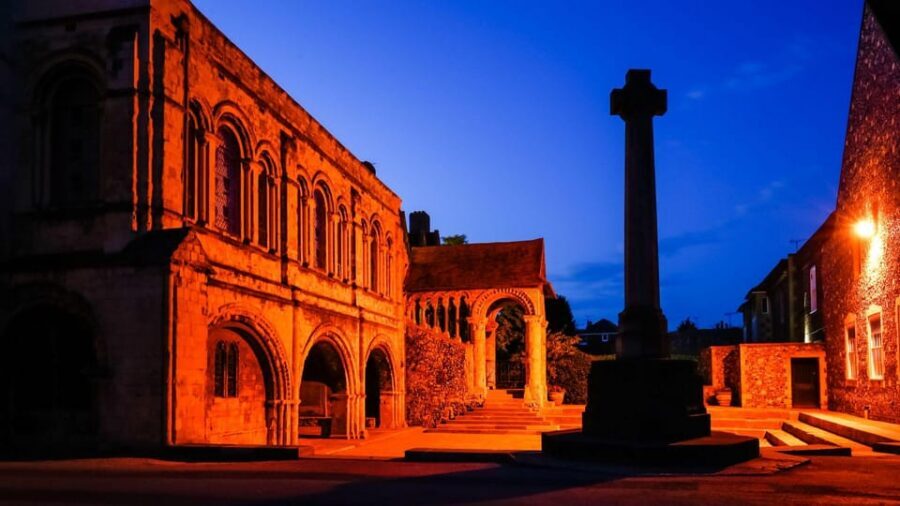
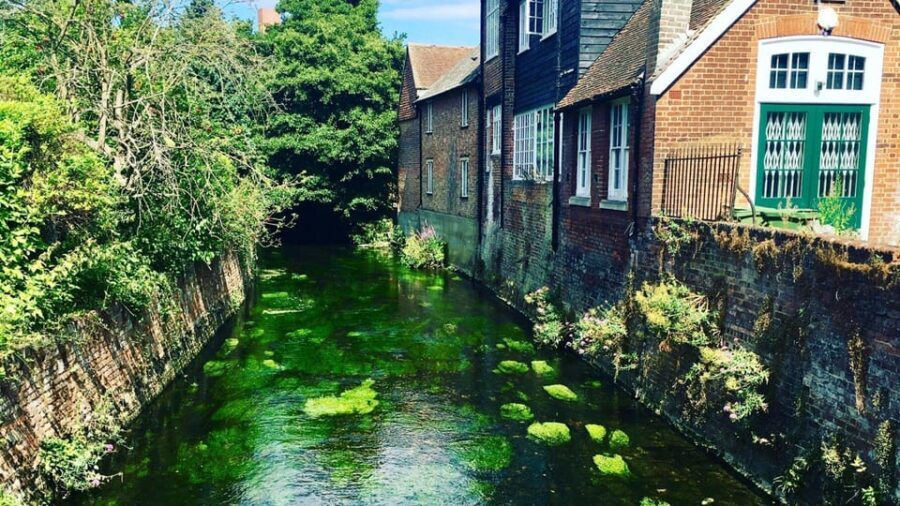
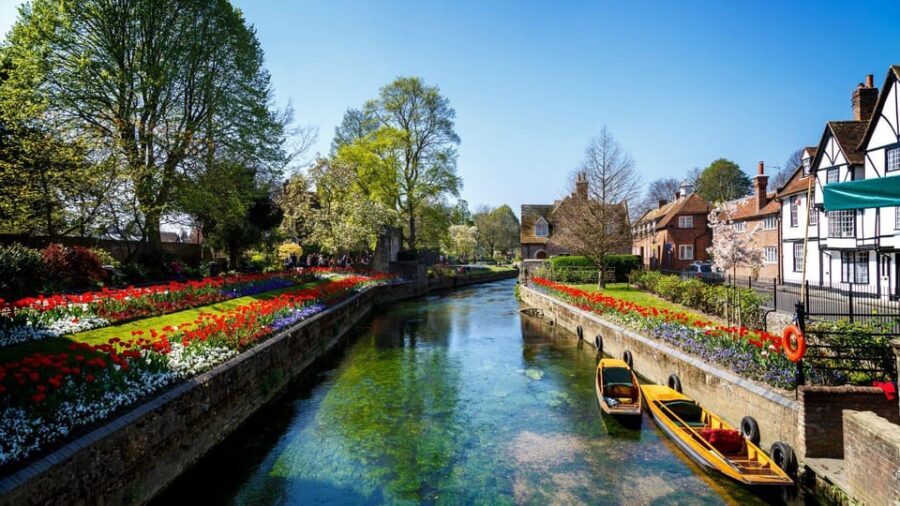
A smart part of this experience is the balance between lively and quiet zones. You’ll spend time in areas that feel more active and market-oriented, then you can transition toward calmer riverside paths.
That change of scenery gives you a mental reset. When you’re walking through an atmospheric old city, fatigue can creep in. Moving from busy streets into quieter riverside stretches helps you keep your energy and attention. It also makes photos easier, because lighting and crowd levels change fast.
It’s also where the local tone shows up. Market zones tend to feel like the city’s daily engine. Riverside stretches, by contrast, help you slow down and take in how the city sits in relation to the water.
Practical tip: if you’re someone who likes to plan your time tightly, ask your guide how flexible the route is during the first hour. Because the tour is flexible and can run anywhere from 1 to 6 hours, you can often shape the overall length based on how the walk feels.
Landmarks you’ll likely pass, and what to ask so tickets don’t surprise you
The walk is built around classic Canterbury touchpoints: iconic landmarks, hidden corners, and scenic viewpoints. But the exact mix can vary with what you pick and how your guide tailors the route.
Here’s what you should know so you’re not caught off guard: food, drinks, transportation, and tickets to sites not included are not part of the tour price. If the route includes major ticketed attractions, you’ll need to cover entry yourself.
Your best move is to ask two simple questions at the start:
- Which stops are free to view, and which ones are ticketed?
- If we pass a ticketed site, are we going inside or just viewing from outside?
Also note the extra rule for private tours with entry-fee attractions: if attractions with entry fees come up, you may be asked to cover the guide’s entry as well (optional and for private tours only). It’s not something you want to learn at the door.
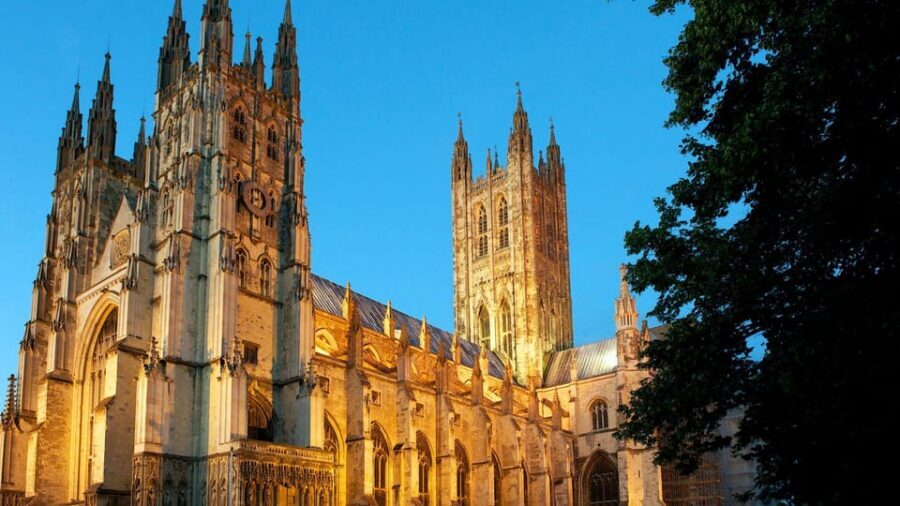
If cathedral or museum entry matters to your trip, consider treating it as a separate planned moment. That way your walk stays relaxed and you aren’t negotiating decisions mid-route.






Price and value: what $48 buys you in Canterbury
At $48 per person, this walk sits in the practical middle ground. For some cities, guided tours cost much more for far less. Here, the value comes from the format: private group flexibility and a guide who shapes the day around you.
Duration matters too. It runs from 1 to 6 hours, so you can match it to your schedule. If you only have an hour or two, you’re buying the benefit of direction and pacing. If you have the time, you’re buying more chance to slow down, ask questions, and see multiple moods of the city.
What you’re not buying is admissions or meals. So plan your budget accordingly:
- Set aside money for any ticketed site stops.
- Plan a snack or meal separately so the guide isn’t forced to rush to fit the walk into your food timing.
- Bring or buy water as needed.
If you’re traveling in a small group or as a couple, a private, flexible walk often feels more efficient than trying to arrange multiple self-guided stops. You still get the freedom of walking at your own pace, with someone there to help you pick the next turn.
Who this walk suits best (and who should consider other options)
This Canterbury walking tour is a good fit if you want atmosphere, street-level context, and local-style guidance. It works especially well for people who enjoy wandering but still want someone to help them avoid aimless wandering.
It’s also a strong choice for visitors who care about culture and how a city lives today, not just what happened centuries ago. The tour description explicitly frames it like a friend showing you around, so you’ll get the most satisfaction if you treat it as an experience, not a lecture.
Less ideal for:
- People who want a fully structured history talk with deep factual interpretation at every major stop.
- Anyone who expects all major ticketed attractions to be included.
One more point: group type is private group, and the tour is described as wheelchair accessible. If you need accessible routing, mention it early so the guide can plan the best pace and street choices.
Timing, shoes, and the little things that decide whether you enjoy it
The tour duration can be 1–6 hours, and starting times depend on availability. So pick a time that matches your energy. Mid-morning often feels ideal in historic cities because the streets are awake, but you’re not fighting the late-day crush.
Comfort rules the day. Wear shoes you trust on uneven ground and cobbles. If you’re the type who carries a small daypack, add water and a light layer. Canterbury’s weather can shift, and walking for hours makes small changes feel bigger.
Arrive on time. Since this is a local-guide walk with flexible pacing, starting late can throw off the rhythm quickly. If your group is traveling with a tight schedule, build a buffer so you’re not stressed when you meet the guide.
Most of all: drive the walk with your questions. Ask what matters to you. The tour is tailored to your interests, which means your curiosity is part of the product you’re buying.
Should you book the Canterbury Walking Tour with a Local?
I’d book it if you want an easy, flexible way to experience Canterbury’s core—cobbled lanes, timber-framed buildings, and old city walls—with a guide who can steer toward what you care about. The $48 price makes sense when you think of it as guided time plus local context, not admissions.
I’d pause and set expectations carefully if your trip goal is purely historical deep knowledge or you strongly expect specific ticketed attractions to be part of the walk. Since the tour is not positioned as a historical tour and tickets aren’t included, you’ll enjoy it more if you treat major admissions as separate add-ons.
And here’s the practical takeaway: if you’re booking, message your interests ahead of time. You’ll get better results when your guide knows whether you’re chasing local culture, street atmosphere, or a more interpretive history angle.
FAQ
How long is the Canterbury Walking Tour with a Local?
The tour runs for 1 to 6 hours, depending on the starting time and availability.
What’s included in the price for $48?
You get a guided walking city tour with insider insights. Food, drinks, and transportation are not included.
Are entrance tickets included for major attractions?
No. Tickets to sites not included in this tour are not covered.
Is there a way to book without paying today?
Yes. There’s a reserve now & pay later option, where you can book your spot and pay nothing today.
Can I cancel for a refund?
You can cancel up to 24 hours in advance for a full refund.
Is the tour wheelchair accessible, and is the guide available in English?
Yes, the tour is wheelchair accessible, and the live tour guide speaks English.