REVIEW · CANTERBURY
Canterbury: City & Cathedral Private Guided Tour
Book on GetYourGuide →Operated by Canterbury Tourist Guides Ltd · Bookable on GetYourGuide
Canterbury always feels like it has stories stuck to the walls. This private tour pairs a guided walk through 2,000 years of lanes and characters with a focused visit inside Canterbury Cathedral, England’s first cathedral and a UNESCO World Heritage Site.
I especially like that you get an official Green Badge city guide plus a qualified Cathedral guide once you step through the doors. You also get the moment that made this place world-famous: the spot tied to Thomas Becket’s murder in 1170. One consideration: at $342 per group up to 2, this is priced for small parties, so if you’re chasing the lowest cost, a daily group option may fit better.
The flow is simple and efficient: about 90 minutes around the medieval streets and cathedral Precincts, then a 75-minute tour inside the cathedral. You’ll skip the ticket line, and the pace is built for asking questions—just note that video recording isn’t allowed.
In This Review
- Key highlights you’ll feel right away
- Why a private Canterbury city-and-cathedral tour is such a good format
- Starting at the Butter Market and the fast orientation trick
- Butchery Lane, Mercery Lane, and the street-level stories that make it real
- Butchery Lane: a quick stop that sets the tone
- Mercery Lane: where shopping history becomes social history
- High Street: the main artery context
- Eastbridge Hospital of St Thomas the Martyr and The Marlowe: faith, care, and culture
- Eastbridge Hospital of St Thomas the Martyr
- The Marlowe
- The Precincts: where the mood shifts before you even enter Canterbury Cathedral
- Entering Canterbury Cathedral: 75 minutes that actually pays off
- Perpendicular Gothic Nave: the space that makes you stand still
- The Crypt: atmosphere you can feel
- Trinity Chapel and the cathedral’s major details
- Thomas Becket’s murder site and why Canterbury became a pilgrimage magnet
- What the $342 price really covers (and when it’s worth it)
- Who this private tour is best for
- Small practical notes that matter on the day
- Should you book this Canterbury City & Cathedral Private Guided Tour?
- FAQ
- How long is the Canterbury City & Cathedral private guided tour?
- Where does the tour start?
- Does the tour include entry into Canterbury Cathedral?
- What do you see during the cathedral visit?
- Is this tour wheelchair accessible?
- Are there any restrictions on recording during the tour?
- Can I cancel for a refund?
Key highlights you’ll feel right away
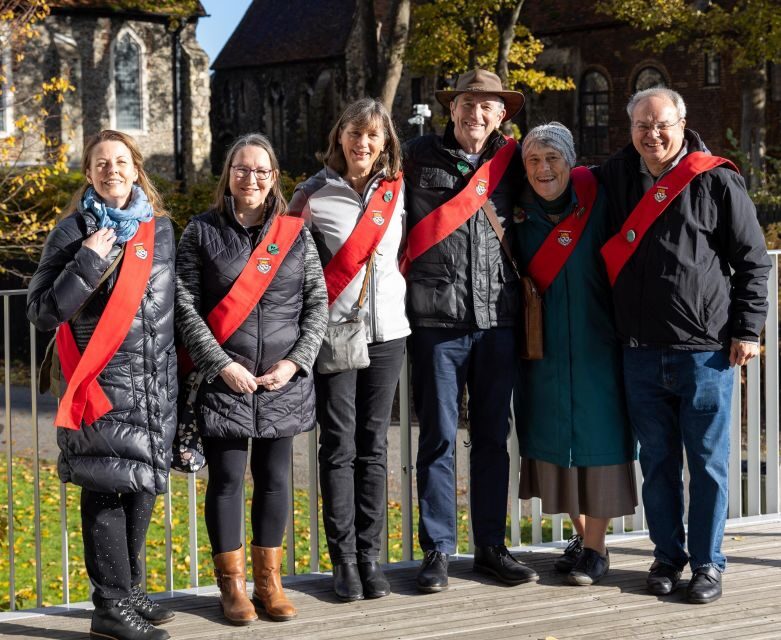
- Official Green Badge guide for the city walk, with stories tied to real corners and streets
- A qualified Cathedral guide once you enter Canterbury Cathedral
- Thomas Becket’s 1170 murder site and how it turned Canterbury into a pilgrimage draw
- UNESCO World Heritage Site stops, including the Crypt and Trinity Chapel
- Photo stops in lanes like Butchery Lane and Mercery Lane, so you can actually see what the guide is pointing at
Why a private Canterbury city-and-cathedral tour is such a good format
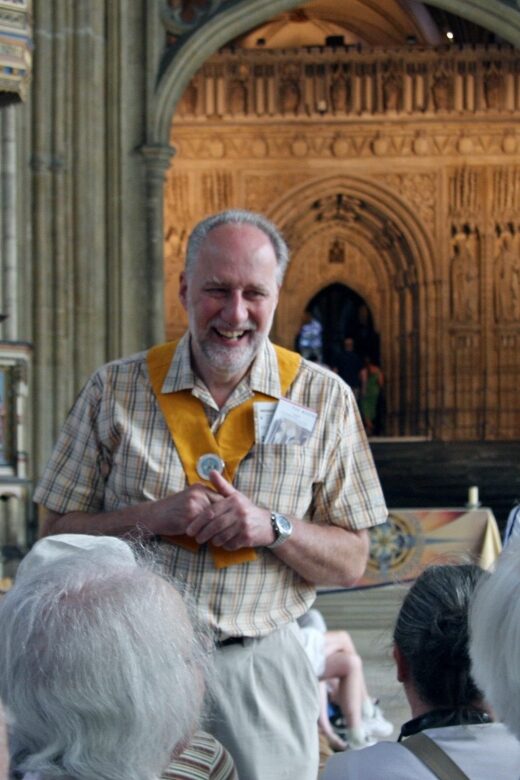
Canterbury can be a bit of a “go-go-go” place if you’re trying to DIY it. This setup solves that. You get a clear order: first you build the city context with a walking route, then you switch gears and get a guided read of the cathedral spaces.
I like tours that don’t treat the cathedral as a random checklist. Here, you’re walking from medieval street life into the church that shaped pilgrim power, local politics, and everyday fear (yes, plague makes an appearance in the stories). You’ll come away understanding why people came to Canterbury—not just that they did.
The private part matters too. With a dedicated guide for your group, you can pause for a question, slow down for a photo, or move past an area that doesn’t interest you. The cathedral is the kind of place where that flexibility pays off.
You can also read our reviews of more guided tours in Canterbury
Starting at the Butter Market and the fast orientation trick
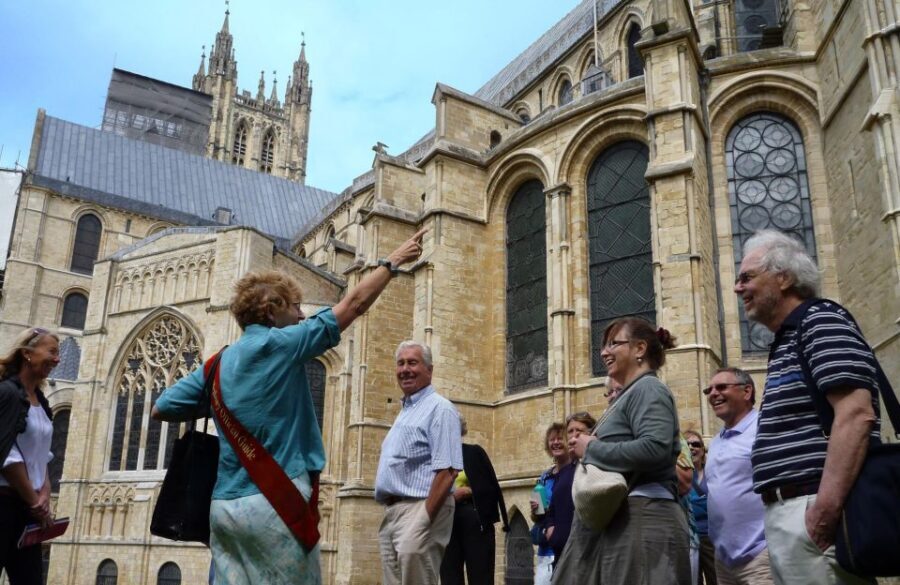
Your tour starts at the Butter Market area, with the guide in a red sash near the War Memorial. The Buttermarket is a small square right by the cathedral entrance area, which is handy because you’re basically beginning your cathedral story before you even walk into the main building.
You’ll start with a short photo stop there, which sounds small, but it works. I like when a tour gives you a mental map immediately—so later, when the guide talks about the cathedral Precincts and the streets feeding into them, you’re not mentally lost.
Practical tip: wear shoes that handle cobbles and uneven ground. Canterbury’s medieval lanes aren’t built for people in soft sneakers or with a “vacation shuffle” pace.
Butchery Lane, Mercery Lane, and the street-level stories that make it real
After the Butter Market, you move through a chain of streets that feel like they’re stitched together from older Canterbury layers.
Butchery Lane: a quick stop that sets the tone
This is one of those streets where you can almost feel how daily life used to work—markets, trades, and the everyday commerce that fed a town with pilgrimage traffic. You’ll have a photo stop and guided explanations here, short and focused.
Mercery Lane: where shopping history becomes social history
Mercery Lane is next, with another photo stop and a brief visit. This is the kind of street where a guide’s job is to translate the past into things you can picture: who lived near these lanes, how commerce shaped neighborhoods, and why certain streets mattered more than others.
If you like history that’s tied to physical places (not just dates), this part should feel satisfying. You’re moving at walking pace, not museum pace.





High Street: the main artery context
Then you reach High Street for another photo stop and guided tour time. Think of this as the “how the town flows” stop. You’ll likely hear how major routes connect to the cathedral’s gravity—why people followed certain paths and how the town grew around religious power.
Eastbridge Hospital of St Thomas the Martyr and The Marlowe: faith, care, and culture
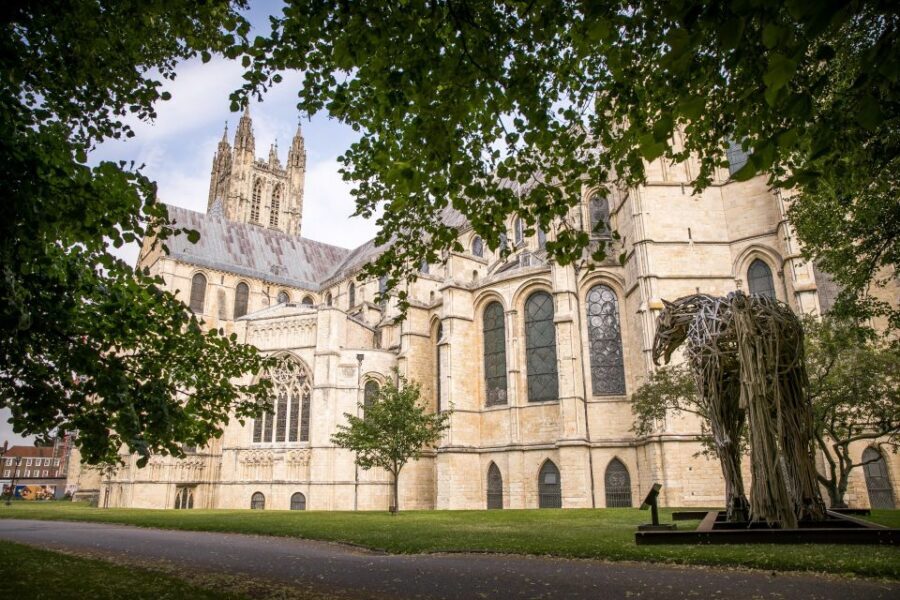
This tour doesn’t only focus on grand medieval drama. It also touches the quieter institutions that show how a city functioned.
Eastbridge Hospital of St Thomas the Martyr
You stop for a photo and guided explanation around Eastbridge Hospital of St Thomas the Martyr. Even without turning this into a long detour, the guide can connect charitable care and religious life to the broader Canterbury story.
This kind of stop is valuable because it breaks the pattern of only looking at buildings. It helps you see Canterbury as a place with systems—care, work, and public life—running alongside the big cathedral narrative.
The Marlowe
You’ll also have a stop for The Marlowe. This gives the tour a chance to link Canterbury’s religious identity to broader English cultural life, rather than making everything feel medieval-only. It’s also an easy anchor point: you move from lane to landmark, and the guide uses that to stitch the timeline in your head.
The Precincts: where the mood shifts before you even enter Canterbury Cathedral
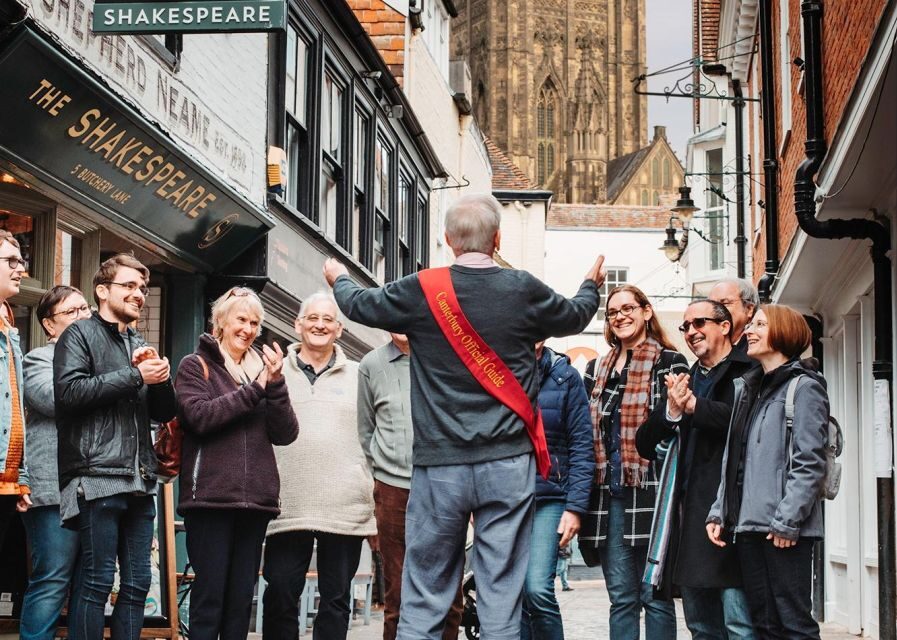
The Precincts stop is one of the longer stretches on the walk plan, with about 30 minutes of photo stop and guided touring time. This part matters because it’s the threshold zone—the area that sits between the ordinary city streets and the cathedral’s world of rules, ritual, and sacred space.
I like guides who treat the Precincts like more than “waiting time.” Here, you’re using that space to get your bearings. The guide can explain how pilgrim movement worked, how the cathedral’s presence shaped town identity, and how stories of fear and upheaval—plague and peasant revolts are named in the tour themes—fit into a city that also attracted worshipers from far away.
Also, you’ll get better at noticing details once you step inside. If your eyes are already tuned to the cathedral zone, the interior tour becomes more meaningful.
Entering Canterbury Cathedral: 75 minutes that actually pays off
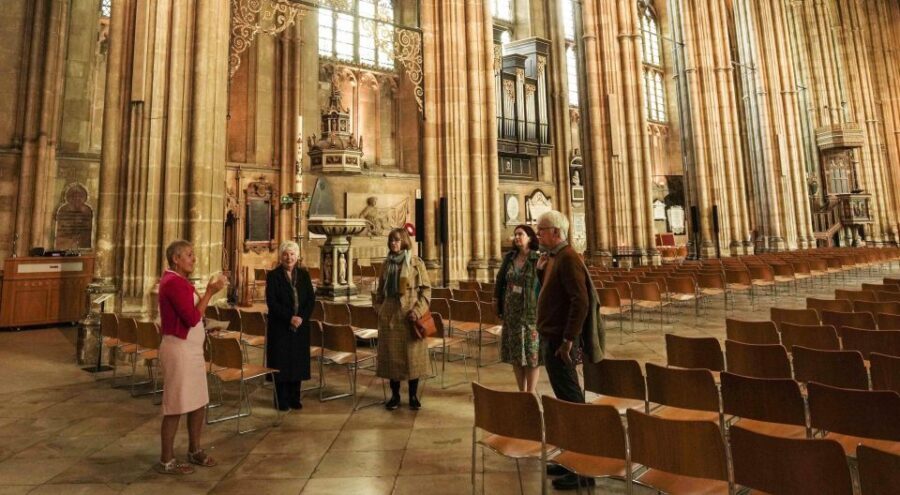
Now for the big moment: you’ll visit Canterbury Cathedral with a private cathedral guide. This includes entrance and about 75 minutes inside, focused on the spaces that define the building’s power.
The tour is described as a look at 1,400 years of history through the architecture and key features. In plain terms, you’re not wandering alone, and you’re not stuck with vague “look up here” directions either.
Perpendicular Gothic Nave: the space that makes you stand still
One of the centerpieces is the Perpendicular Gothic Nave. This is the main hall space people remember because the vertical lines and scale tend to pull your attention upward. A good guide helps you read the room rather than just admire it.
The Crypt: atmosphere you can feel
Next is the Crypt, described as atmospheric. This is where you learn how the cathedral’s sacred meaning goes beyond the daylight spaces. You’ll get context that helps you connect the building to the people who used it, not just the stonework.
Trinity Chapel and the cathedral’s major details
You’ll also see the Trinity Chapel, plus guided explanations of the cathedral’s glorious glass and stonework. Even if you’re not a church-architecture person, this is the part where you start to understand why Canterbury mattered—and why the building still dominates the skyline of meaning.
Thomas Becket’s murder site and why Canterbury became a pilgrimage magnet
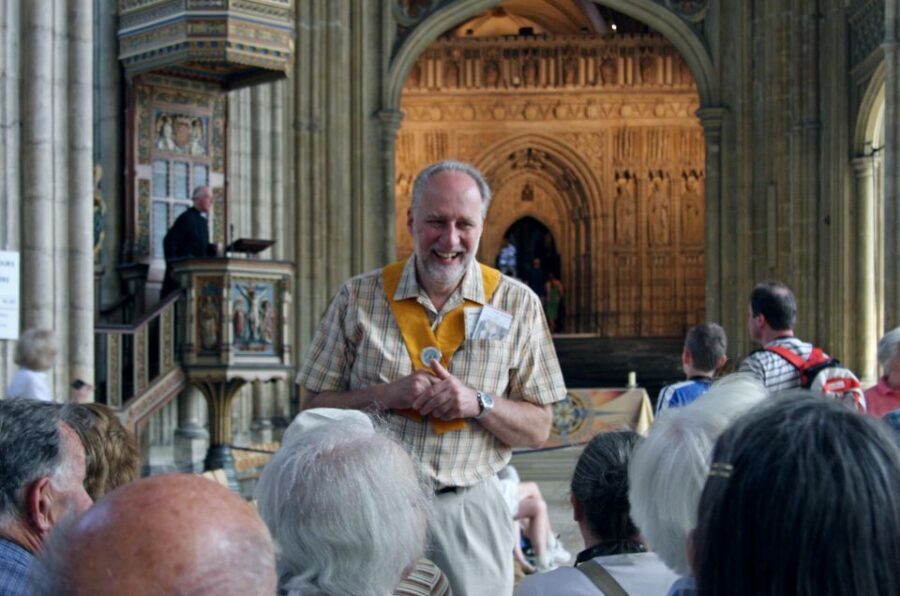
This tour makes room for the story that changed Canterbury’s fate. You’ll see the spot where Thomas Becket was murdered in 1170, and you’ll hear how that event fed Canterbury’s reputation as a pilgrimage destination.
The guide connects it to the wider cultural story too, including the way Chaucer’s Canterbury Tales helped cement the idea of pilgrimage as a living narrative. I like this because it turns a single historical moment into a chain reaction: politics and violence lead to worship and travel, and travel leads to story-making.
If you’re the kind of traveler who likes to understand cause-and-effect in history, this section is likely the highlight. It also gives you a reason to care about everything you just walked through in the city lanes.
What the $342 price really covers (and when it’s worth it)
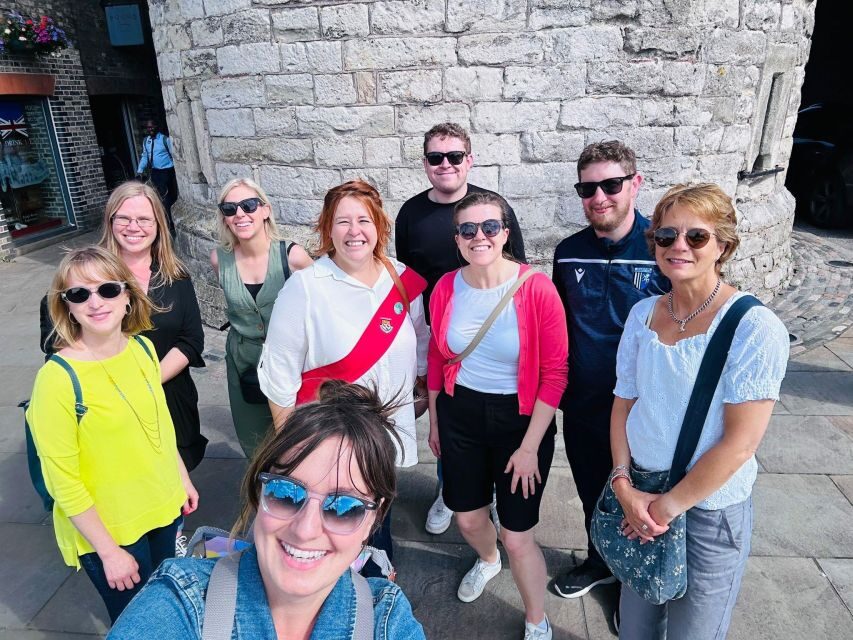
At $342 per group up to 2, this is not a budget tour. The value comes from three things you don’t usually get at this speed:
- Two expert guides: one fully qualified Canterbury City Green Badge Guide for the city walk, plus a qualified Cathedral guide for the interior.
- Skip the ticket line and entrance included, so you’re not losing time trading money for time.
- Private pacing for the full 165 minutes, including 90 minutes city and 75 minutes cathedral.
If you’re traveling as a duo and you’d rather pay more to avoid group friction, it’s easier to justify. It also makes sense if you care about questions—private guides tend to answer more directly because they’re not juggling a full group.
If you want a cheaper option, the operator also runs daily walking tours at 11am and 2pm (April–October). Those include the city lanes and cathedral grounds, but not the inside of the cathedral. So think of this private tour as the pick for cathedral interior lovers.
Who this private tour is best for
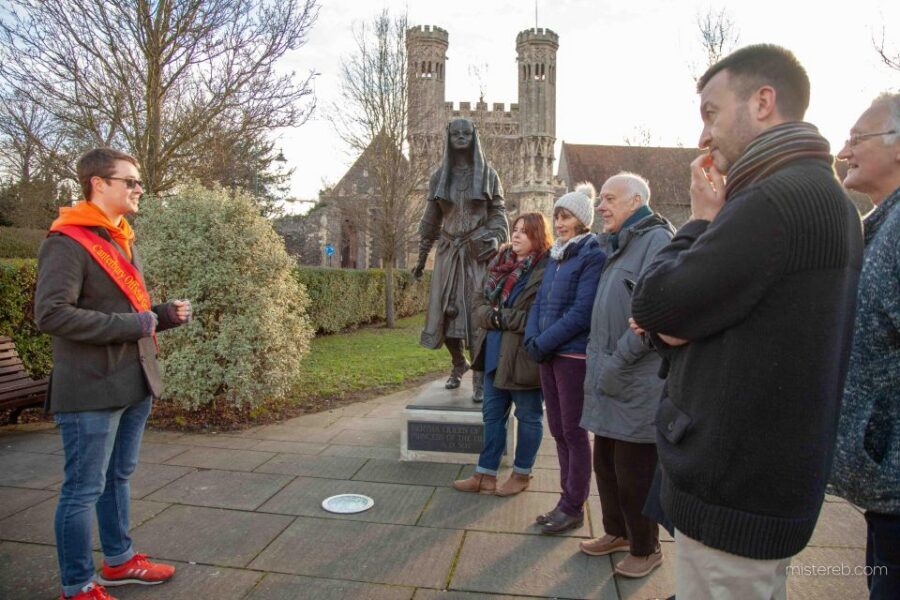
This tour is a strong fit if you:
- Want a guided path through medieval lanes without getting lost or bored
- Care about the cathedral interior—the Nave, Crypt, and Trinity Chapel—rather than only looking from outside
- Like a guide who can tailor the pacing to your questions
- Are traveling with one other person (since it’s priced per group up to 2)
It may be less ideal if you’re:
- Traveling solo and trying to find the lowest price point
- Only interested in the cathedral exterior or grounds
- Short on time and you want a quick drop-in experience rather than a full 165-minute guided arc
Small practical notes that matter on the day
- You’ll be walking on cobbled, medieval lanes, so good footwear matters.
- The tour lasts about 165 minutes. It’s long enough to feel complete, but short enough that you won’t be stuck for an entire half-day.
- There’s a suggestion that you can request a short break between the city walk and the cathedral portion if you contact after booking or message the provider once confirmed.
- Video recording isn’t allowed, so plan on photos and note-taking.
One more thing: the guides you may meet include people like Sue, Ian, and Alex—each noted for being organized, engaging, and strong on answering questions. That’s a good sign because Canterbury rewards curiosity.
Should you book this Canterbury City & Cathedral Private Guided Tour?
If you want Canterbury in a way that feels structured, story-driven, and worth your ticket price, I’d lean yes—especially as a pair. You’re paying for access to the cathedral interior with a real guide, plus a properly guided city approach first, so the cathedral doesn’t feel like an isolated monument.
I’d hold off if you’re mainly price-sensitive or you’re happy with the cathedral grounds only. In that case, the daily walking tours can give you much of the city experience at a lower cost, while you decide whether you want to upgrade later for the inside.
In short: book this when the cathedral interior and the Thomas Becket story matter to you, and you want a smooth route through Canterbury without playing historian-hopscotch.
FAQ
How long is the Canterbury City & Cathedral private guided tour?
It runs for about 165 minutes, with roughly 90 minutes for the city and historic Precincts walk and about 75 minutes inside Canterbury Cathedral.
Where does the tour start?
Meet near the War Memorial, with the guide wearing a red sash. The Buttermarket is a small square outside the Cathedral entrance and is the starting location for the walk.
Does the tour include entry into Canterbury Cathedral?
Yes. Entrance is included, and you also get a guided tour inside Canterbury Cathedral for about 75 minutes.
What do you see during the cathedral visit?
You’ll cover major areas including the Perpendicular Gothic Nave, the Crypt, and the Trinity Chapel, and you’ll also see where Thomas Becket was murdered in 1170.
Is this tour wheelchair accessible?
Yes, it’s listed as wheelchair accessible.
Are there any restrictions on recording during the tour?
Video recording is not allowed.
Can I cancel for a refund?
Free cancellation is available up to 24 hours in advance for a full refund.