REVIEW · CAMBRIDGE ENGLAND
Cambridge: Ghost Tour Led by University Alumni Guide
Book on GetYourGuide →Operated by Alumni Tours · Bookable on GetYourGuide
Cambridge gets scary fast on this walk. I like that it’s guided by a current student or University of Cambridge alumni (you may hear names like Francesco, David, Annie, or Emily depending on your departure). I also love the way the stories stay grounded in real university life and local lore, from Oliver Cromwell ghost chatter to witchcraft and plague-era supernatural talk.
One thing to keep in mind: ghost sightings aren’t guaranteed. It’s an outdoor walking tour with no indoor breaks planned, at a moderate pace, so you’ll want to arrive on time and wear comfy shoes you can move in without fuss.
In This Review
- Key things that make this ghost tour work
- Cambridge ghost stories, told by people who know the place
- Start at King’s College or the Cambridge Alumni Tours meeting point
- Clare College: the university’s past as your first scary chapter
- Market Hill: how the city’s old streets shape the story
- The Haunted Bookshop: stories that feel extra believable
- The Eagle, Cambridge: pub haunting and local legend energy
- Free School Lane: where you get the creepy lane feeling
- Peterhouse: the headlines and the historical weirdness
- Finish at Little St Mary’s Church: a grounded ending
- No props, no costumes: how this changes the fear level
- What the tour includes, and what it doesn’t
- Indoor college access: plan around it
- Price and value: what $30.98 buys you for one hour
- Who should book this Cambridge ghost walk
- Should you book? My straight answer
- FAQ
- How long is the ghost tour?
- Where does the tour start and end?
- Is the tour indoors or outdoors?
- Are ghost sightings guaranteed?
- Is this tour shared or private?
- Are pets and wheelchair users allowed?
Key things that make this ghost tour work
- Alumni or student guide voice: the energy tends to feel firsthand, not canned.
- No props, no jump scares, no costumes: the fear stays in the storytelling, not tricks.
- Cambridge University legends in a tight loop: you hit major old-world spots in about an hour.
- Pub, lanes, and colleges: you get both “proper history” and the spooky side streets.
- A story structure you can follow: each stop adds a new layer to the city’s reputation.
- You’re searching, not promised: you’ll hear classic sightings and legends, but you’re not promised a supernatural moment.
Cambridge ghost stories, told by people who know the place
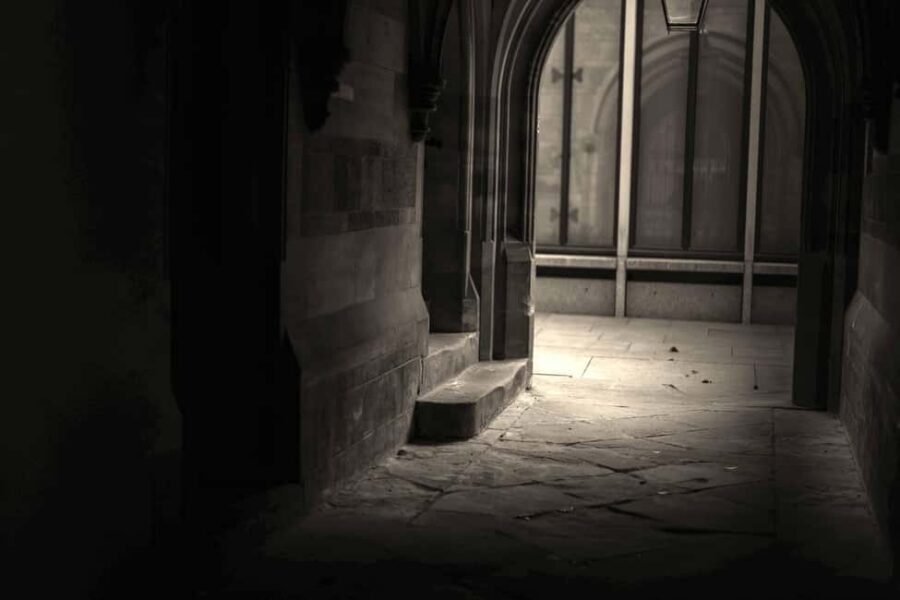
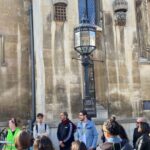
This one-hour ghost walk is built for a very specific kind of night out: you want Cambridge to feel like Cambridge, but with the lights a little lower and the legends turned up. The tour is shared and entirely outdoors, so it moves at an easy-to-moderate pace through central spots tied to the university’s long memory and the city’s darker myths.
The big value here is the guide. This isn’t just a performer reading a script. You’re walking with a current University of Cambridge student or alumni, and that shows in how the stories connect to campus history and the actual feel of the streets. In the guide names you might get, you can see the range: Francesco, David, Annie, Emily, Lindsay, Arushi, Tiffany, and Lynsey show up in the departures people describe. The common thread is storytelling that mixes atmosphere with context, so you come away with more than spooky vibes.
And because there are no props and no jump scares, the tour doesn’t try to scare you with theatrics. It leans on older tales: unrest, rumors, and the kind of strange occurrences that thrive when a city is both scholarly and ancient.
You can also read our reviews of more guided tours in Cambridge England

Start at King’s College or the Cambridge Alumni Tours meeting point
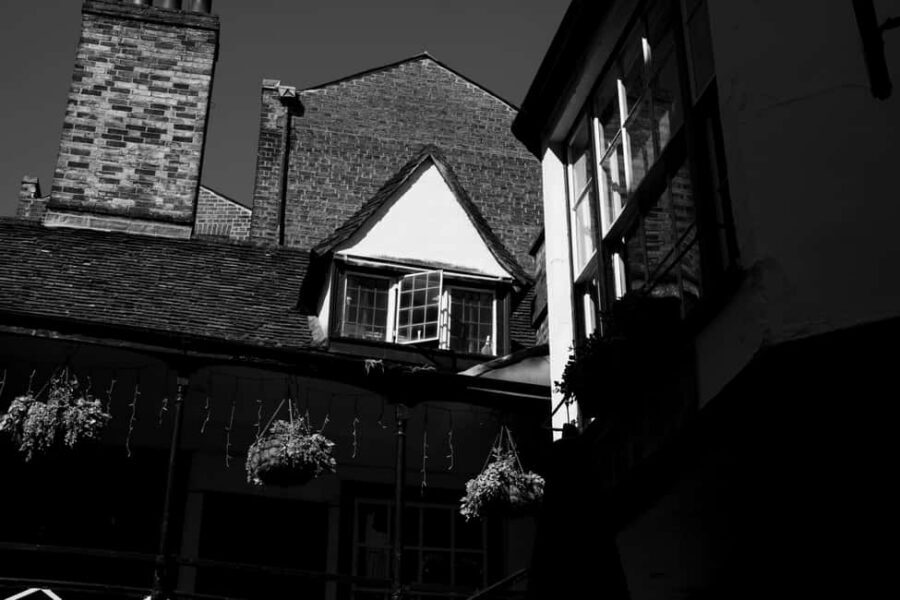
Your tour starts at one of two central options. Depending on what you book, you’ll meet near King’s College, Cambridge or at Cambridge Alumni Tours, King’s College.
Why this matters: Cambridge is compact, but timing and meeting points can still make or break a one-hour plan. Because the guide won’t wait for late arrivals, I’d treat the start like a train departure. If you’re arriving from a different part of town, give yourself extra minutes to find the group and settle in before stories begin.
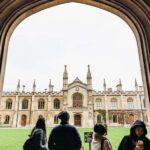
Also, if you like walking tours that feel like they build momentum fast, starting near King’s College is helpful. You’re already surrounded by the classic Cambridge look: stone, old lanes, and the sense that this place has been in the public imagination for centuries.
Clare College: the university’s past as your first scary chapter
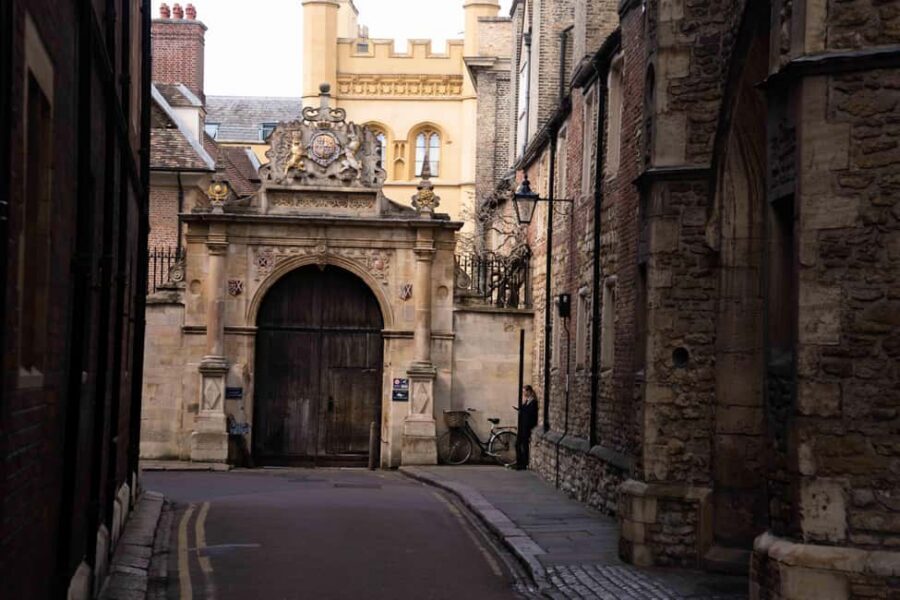
The first major stop after you gather is Clare College. This is a great early anchor because it sets the tour’s theme: Cambridge isn’t just haunted in the fantasy sense. It’s haunted in the way history becomes rumor, and rumor becomes legend.
At this stage, you’ll usually get the balance right away: the guide links spooky claims to how the university system lived and worked. That matters because the tour’s stories include things like witchcraft and other darker themes. Without context, that stuff can sound random. With it, you understand why certain stories stuck around and how they fit the city’s identity as a place of learning that also attracted fear, superstition, and mystery.
A practical note: this is where your comfortable-shoe choice pays off. Even if the pace is moderate, you’ll be standing and walking frequently, and college surroundings tend to have uneven patches and tight spots.
Market Hill: how the city’s old streets shape the story
Next you move to Market Hill. This stop is less about a single “haunted object” and more about the city itself. It helps you feel the geometry of Cambridge: where crowds gather, where stories travel, and how a place with daily life can still carry centuries of weird reports.
If you’re hoping the tour becomes more than college trivia, this is the kind of stop that helps. Market Hill gives the ghost stories room to breathe. It also helps the tour avoid feeling like it’s only one institution talking about itself. Cambridge has always been a meeting point, and the guide’s storytelling tone often reflects that.
For you, it means you’ll get a better mental map of central Cambridge while the guide threads the darker elements into the same timeline.
The Haunted Bookshop: stories that feel extra believable
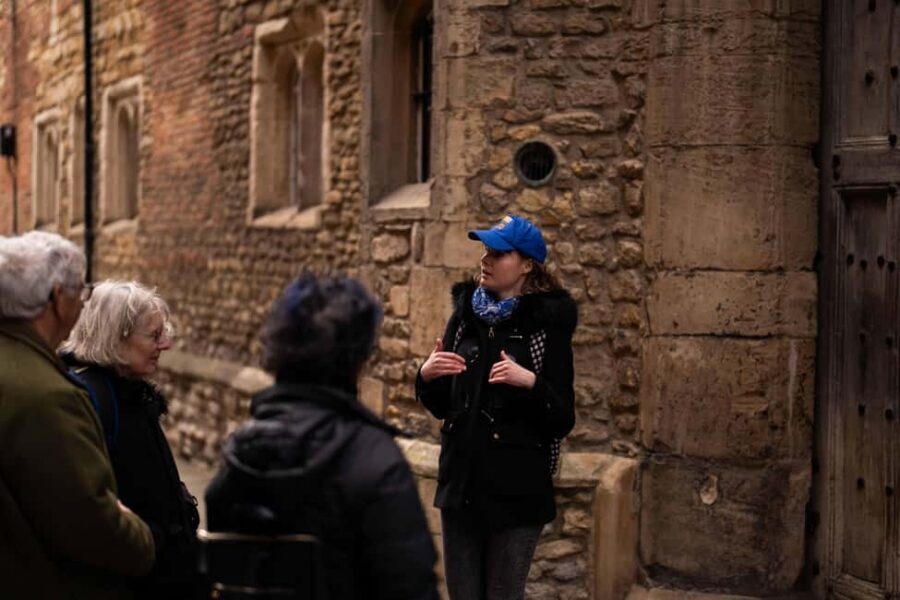
One of the more fun stops is The Haunted Bookshop. A bookshop is perfect for ghost lore because it naturally fits the theme of how tales get preserved. Here, you can expect the guide to emphasize folklore and the way rumors become repeatable.
What I like about placing a stop like this mid-tour is that it resets your attention. After the college talk, you shift into something more personal: stories as objects, stories as collections, stories as something people trade through generations. It’s also a good point to ask questions if your group includes curious types. The tour’s format is built for interaction, and guides with names like Francesco or David often do well at keeping the conversation flowing rather than just marching through facts.
Drawback to consider: because this is still part of a moving walking tour, you won’t have long to browse or linger like you would on your own. Plan to enjoy the stop as a story moment, not a shopping break.

The Eagle, Cambridge: pub haunting and local legend energy
Then you head to The Eagle, Cambridge. This is one of the stops that matches the tour’s most classic kind of ghost story: the restless spirit that supposedly haunts a local pub.
This matters for pacing and mood. Pub legends tend to come with a particular kind of realism. People gather, people talk, and the city’s darker rumors become part of the social rhythm. Hearing that kind of legend in a real pub setting adds an extra layer of atmosphere, especially in the evening.
What you should expect: the guide ties the haunting claims back to what the pub and its surroundings represent in Cambridge life. You’re not just getting a scare story. You’re getting a piece of how the city mythologizes itself.
If you’re traveling with friends and want the tour to feel lively without turning it into a party, this is the stop that usually delivers that balance.
Free School Lane: where you get the creepy lane feeling
Free School Lane is another highlight stop. The tour builds toward the kind of Cambridge that feels tucked away: lanes, corners, and the sense that you’re walking through the city’s older memory rather than its modern schedule.
This is also where you may hear about a spooky lane behind Corpus Christi and other lesser-known corners. The tour promises you’ll search for ghosts as you explore these sights, and the lane style helps that idea make sense. Narrow streets and older college-adjacent areas do a lot of the mood work for you.
If you’re the type who worries you’ll be bored by a ghost tour that only talks at you, this is one of the parts where movement keeps your attention up. You’re walking while the guide speaks, so you’re always switching visual inputs: stone walls, shadows, and the way light lands on old paths.
Peterhouse: the headlines and the historical weirdness
The tour’s “big campus mystery” moment comes at Peterhouse, Cambridge. You’ll hear about strange occurrences connected to this area that supposedly made headlines nationwide.
This is where the tour often turns from atmospheric stories into stronger narrative structure. Your guide will likely connect the ghost talk to the idea of public interest: how a university community plus unsettling reports can turn into something people repeat far beyond campus.
I like this stop because it tends to make the ghost stories feel less like random horror and more like a history of attention. Something happened, people talked, and the story grew legs. Even if you’re a skeptic, you’ll probably find the explanations and framing worth paying attention to, because the guide isn’t just saying spooky words. They’re placing the rumor in a recognizable social context.
Weather warning: Peterhouse and the surrounding streets can feel cool and damp depending on the season. Layer up. Even if it’s only a one-hour walk, the evening air can hit hard.
Finish at Little St Mary’s Church: a grounded ending
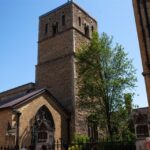
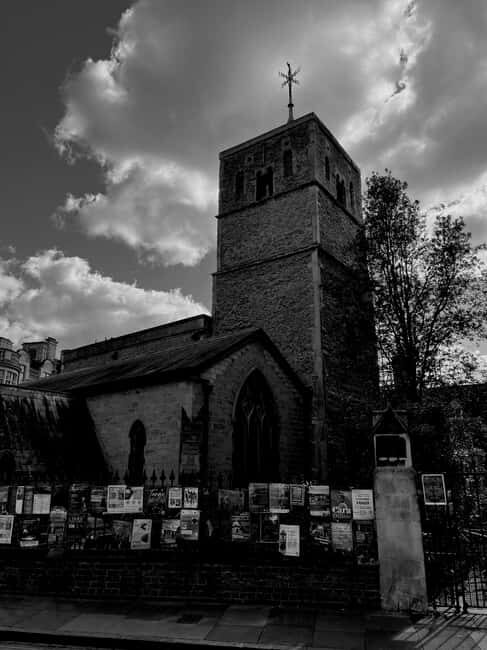
Your tour ends at Little St Mary’s Church. Ending at a church makes sense for ghost lore because churches sit at the center of so many older European ghost stories: traditions, warnings, and the idea that the sacred and the eerie overlap.
This is a good landing spot for finishing your night. It’s not just a random corner to get dropped off. It’s a place that feels historically anchored, so the story arc closes with weight rather than fading out.
For your planning, it’s also easy to use as a starting point for what comes next. If you’re continuing your Cambridge evening, finishing near Little St Mary’s keeps you in the core area where it’s easier to find dinner plans.
No props, no costumes: how this changes the fear level
This is a story-led tour with no spooky props, no jump scares, and no costumes. That doesn’t make it less eerie. It changes what kind of eerie you get.
Instead of relying on jumpy theatrics, the guide uses pacing, atmosphere, and Cambridge-specific context: plague influence on supernatural events tied to college lore, ghost stories around pubs and colleges, and sightings that have been repeated for centuries.
If you’re traveling with kids or teens, this no-gimmick style can be a plus. One of the themes in the way people describe these tours is that it can be spooky without turning into nightmare fuel. If you’re easily startled, this format tends to feel more respectful than the loud-and-lurching kind of ghost tour.
What the tour includes, and what it doesn’t
What’s included is simple: a walking tour with a University of Cambridge student or alumni guide. That’s it. No food. No drinks. No promised museum-style inside access unless you specifically book additional options.
This “just the walk” setup can be a great value if you already have dinner plans. But if you’re hungry, don’t gamble on the tour somehow turning into a snack break. I’d eat before you go.
Indoor college access: plan around it
The tour is conducted outdoors, and indoor access to structures is not included unless you booked extra options. You’ll still hear stories tied to the colleges, and you’ll see the kind of stone-and-courtyard atmosphere that fuels the legends, but don’t expect to go inside everything.
If you really care about architecture or want photos from inside, you’ll likely need to handle that separately. The ghost walk is best treated as a cinematic route through Cambridge’s haunted map, not a college entry ticket.
Price and value: what $30.98 buys you for one hour
At $30.98 per person for about 60 minutes, the price is in the zone of a focused guided experience rather than a half-day tour. Here’s why I think it’s fair for what you get:
- You’re paying for a guide who is part of the university ecosystem (student or alumni), not just a generic storyteller.
- You cover multiple central stops in a tight time window, so you get variety without spending your whole evening in transit.
- The tour is structured around major landmarks and story hotspots, including the Haunted Bookshop and stops tied to pub and college legend.
The only real cost-risk is weather. It’s outdoors, and you’re asked to wear weather-appropriate clothing. If the night is truly grim and you hate cold-wet walking, you might feel less satisfied for the money. But if you’re okay bundling up and enjoying street-level Cambridge, it’s a good way to turn a regular walk into an evening story.
Also, since this is a shared walking tour, your per-person value improves compared with private guiding, and the operator does offer private group available (exact pricing isn’t provided, but the option exists).
Who should book this Cambridge ghost walk
I’d book this if you want:
- Cambridge with atmosphere, not just guidebook facts
- a guided route that hits multiple legend-heavy stops in about an hour
- a storytelling style that’s spooky without turning into a stunt show
It may not be the best fit if:
- you need indoor access as part of your plan
- you’re uncomfortable with uneven surfaces and frequent walking
- you rely on hearing accessibility services, since it’s conducted in English and there’s no mention of special accommodations for hearing
It can also be a nice fit for skeptical minds. A few guides’ styles in the people-led descriptions point to a balance where you get reasons, history, and superstition together. You might walk away thinking about what you believe, rather than trying to prove or disprove anything.
Should you book? My straight answer
If you’re in Cambridge for a night and you want something that feels local, story-driven, and tied to the university’s real identity, book it. The one-hour format keeps it efficient, the student or alumni guide angle adds authenticity, and the lack of props and jump scares makes it easier to enjoy even if you’re picky about “scary” tourism.
But don’t book it if you’re expecting guaranteed supernatural proof. This is about legends, folklore, and the way Cambridge carries its past through lanes, colleges, and pubs. If you’re good with that kind of night, you’ll likely have a memorable hour.
FAQ
How long is the ghost tour?
The tour lasts about 1 hour.
Where does the tour start and end?
It starts at a meeting point that can be either Cambridge Alumni Tours at King’s College or King’s College, Cambridge. It ends at Little St Mary’s Church.
Is the tour indoors or outdoors?
It is an outdoor walking tour. Indoor access to structures is not included unless you specifically book additional options.
Are ghost sightings guaranteed?
No. Ghost sightings are not guaranteed, though the guide will do their best to bring the haunted tales to life.
Is this tour shared or private?
It’s a shared walking tour, and private group options are available.
Are pets and wheelchair users allowed?
Pets are allowed on the tour, and wheelchair users are welcome. The route includes uneven surfaces, so it’s smart to take care with footing and plan for a walking-focused experience.