REVIEW · CAMBRIDGE ENGLAND
Cambridge: University Walking Tour
Book on GetYourGuide →Operated by Round Church Guided Walks · Bookable on GetYourGuide
Cambridge University changes when you hear its stories.
This 2-hour walk starts inside the Round Church and uses a guide’s storytelling to connect faith, reform, and science to the University’s worldwide impact. I love that the tour doesn’t feel like a checklist, it feels like you’re watching eight centuries connect into one clear narrative.
Two things I especially like: the way guides explain Cambridge through a handful of big ideas (not random trivia), and the smart mix of recognizable landmarks and the kind of character sketches that make people like Newton or Wilberforce feel real. One drawback to plan around: college entry is never guaranteed, and the route moves at a moderate to fast pace, so it’s not built for wheelchair users or mobility limits.
In This Review
- Key Highlights You’ll Actually Notice
- Why This Cambridge Walk Feels Different from a Usual Tour
- Start at the Round Church: Where the Tour Sets Its Tone
- The University’s “Power Centers”: Senate House and the Campus Mindset
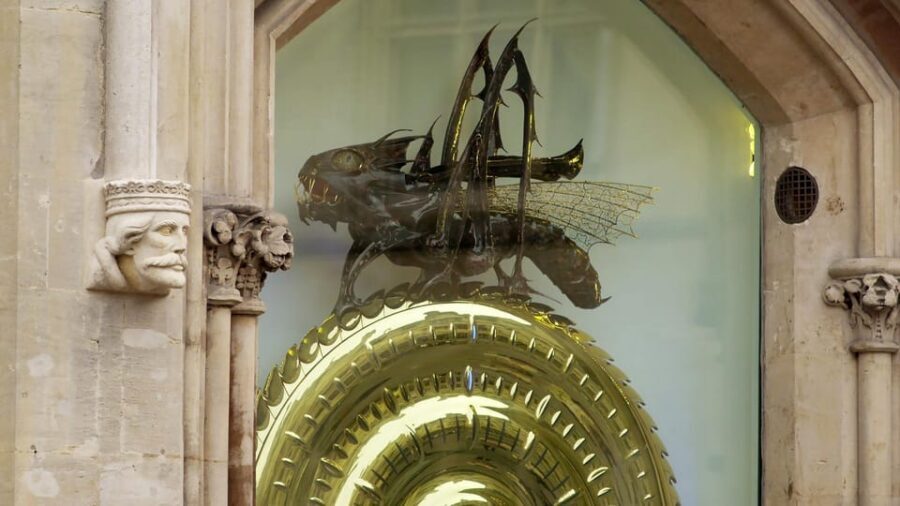
- Corpus Clock: The Odd Detail That Becomes a Discussion
- Cavendish Laboratory: When Science Isn’t Abstract
- How the Tour Builds the World-Impact Story
- College Visits: What You Might See and Why It Isn’t Guaranteed
- What to Expect from the Walking Style and Timing
- Price and Value: Is $22 a Good Deal Here?
- Who This Tour Suits Best (and Who Should Skip It)
- Practical Tips So You Enjoy Every Stop
- Should You Book This Cambridge University Walking Tour?
- FAQ
- Where does the tour start?
- What time does the walking tour run?
- How long is the tour?
- What’s included with the ticket?
- Are colleges guaranteed to be visited?
- Is the tour wheelchair accessible?
- Is it in English?
- What’s the policy on audio recording and pets?
- What should I bring?
Key Highlights You’ll Actually Notice
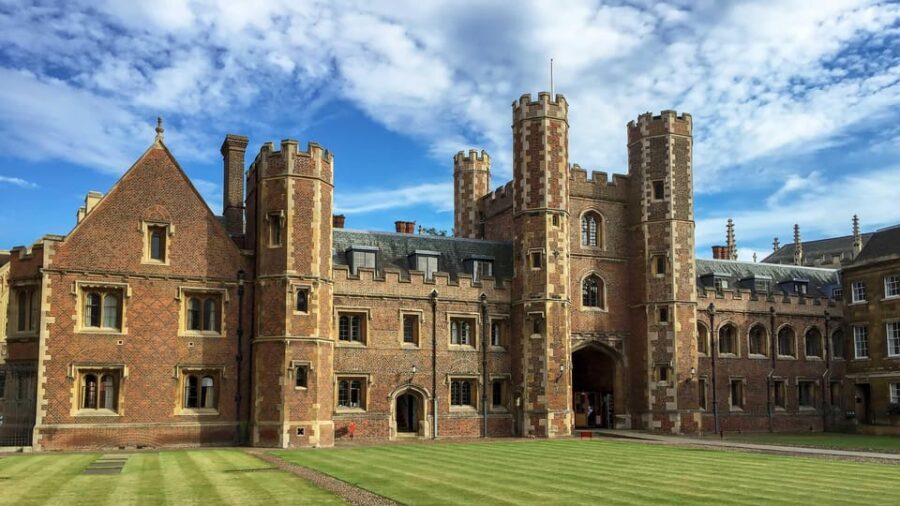
- Round Church entry included: exhibition plus a 23-minute film when open
- Small-group feel: up to 15 people, with time for questions
- Signature photo stops: Senate House, Corpus Clock, Cavendish Laboratory
- Famous alumni in context: Newton, William Wilberforce, John Milton, and more
- Christian heritage lens: how the University grew out of early religious roots
- College visits depend on access: exam term and opening schedules can limit entrances
Why This Cambridge Walk Feels Different from a Usual Tour
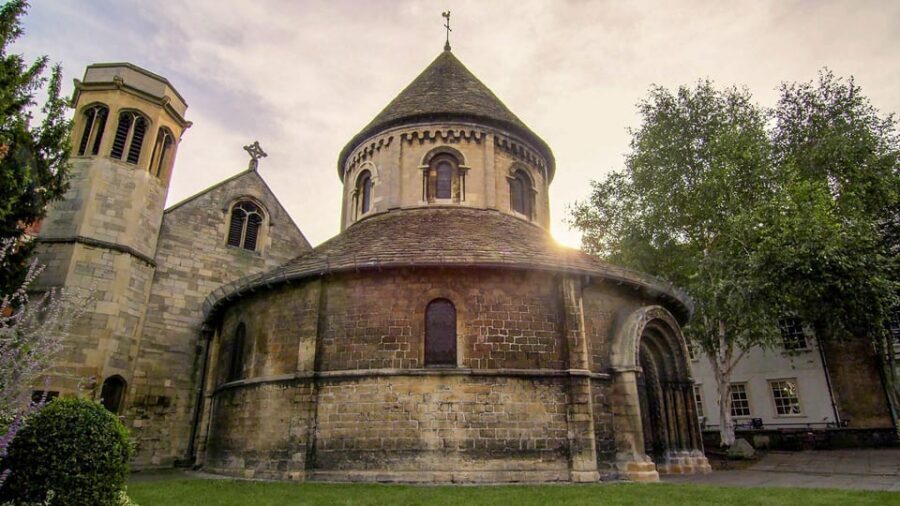
Cambridge can be all buildings and backdrops if you go on autopilot. This walk gives you a storyline, so you don’t just see stone and spires—you understand why the University became what it is.
The central approach is “a few big ideas” over eight centuries. You’ll hear how the University emerged from earlier Christian monastic life, what the Protestant Reformation changed, and how modern science took shape in a place where religion and scholarship kept tangling together.
You’ll also get a human angle. Instead of only dates and facts, the tour brings in the Cambridge figures who helped shape England and the world—Isaac Newton’s scientific influence, William Wilberforce’s reform work, and John Milton’s legacy—so the city feels like it produced thinkers with consequences.
You can also read our reviews of more walking tours in Cambridge England
Start at the Round Church: Where the Tour Sets Its Tone
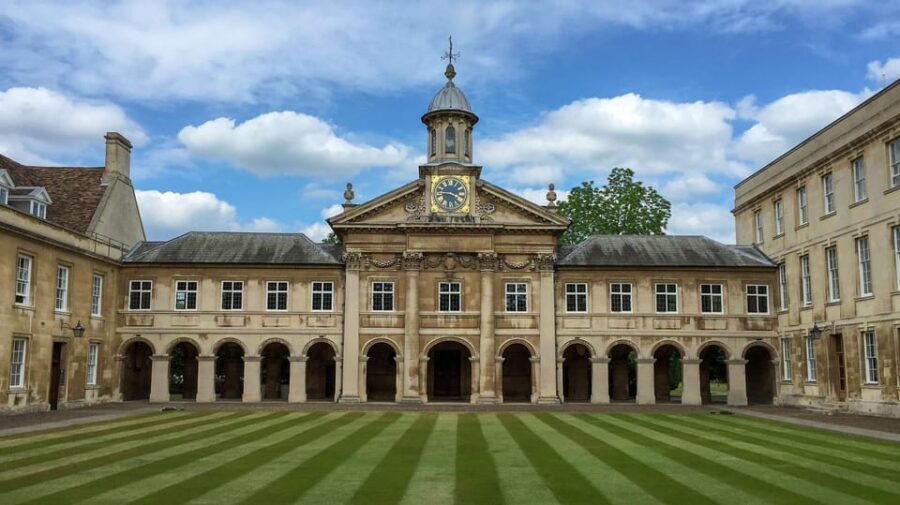
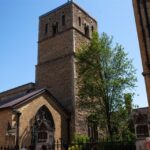
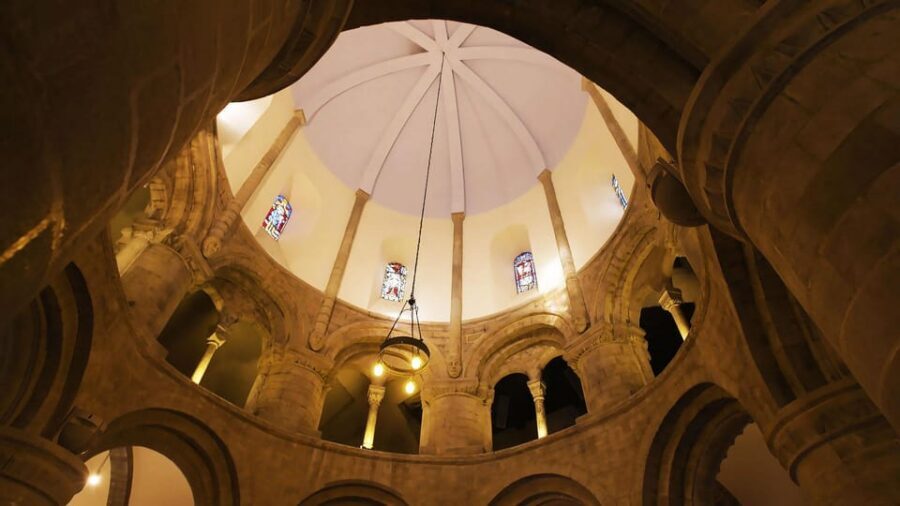
Your tour begins inside the Round Church Visitor Centre. Come in and check in at the welcome desk ahead of the scheduled start.
That opening matters. You’re not rushing into streets right away. You get an exhibition and, when the schedule allows, a 23-minute film before you start walking. It’s a strong primer for what you’ll see next, especially if you want Cambridge to make sense beyond the postcard views.
Expect a mix of interpretation styles: some parts are reflective and historical, others are more story-driven. Guides also seem to bring personality to the day. In recent tours, people noted guides like Dave and Ian delivering facts with humor and answering spontaneous questions on the spot.
The University’s “Power Centers”: Senate House and the Campus Mindset
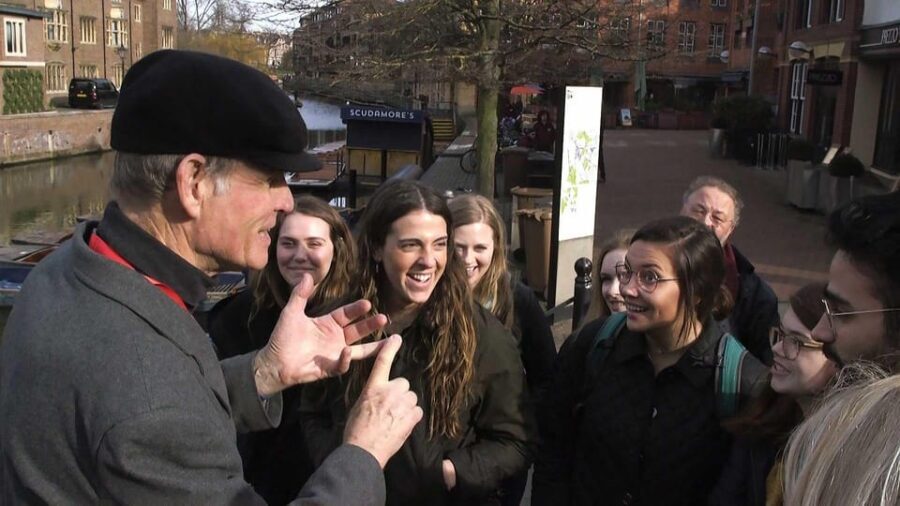
One of the main stops is Senate House. This is where you start seeing Cambridge as an institution with real influence, not only a collection of colleges.
On this walk, Senate House isn’t treated like a photo op. You’ll be guided through how governance, learning, and public impact fit together. That framing helps when you later see science buildings and college exteriors, because you can connect them back to the University’s structure and ambitions.
A key value here is context. When you understand how Cambridge organized ideas and authority over time, you read the city differently. Even the small details around major buildings feel purposeful instead of decorative.
Corpus Clock: The Odd Detail That Becomes a Discussion
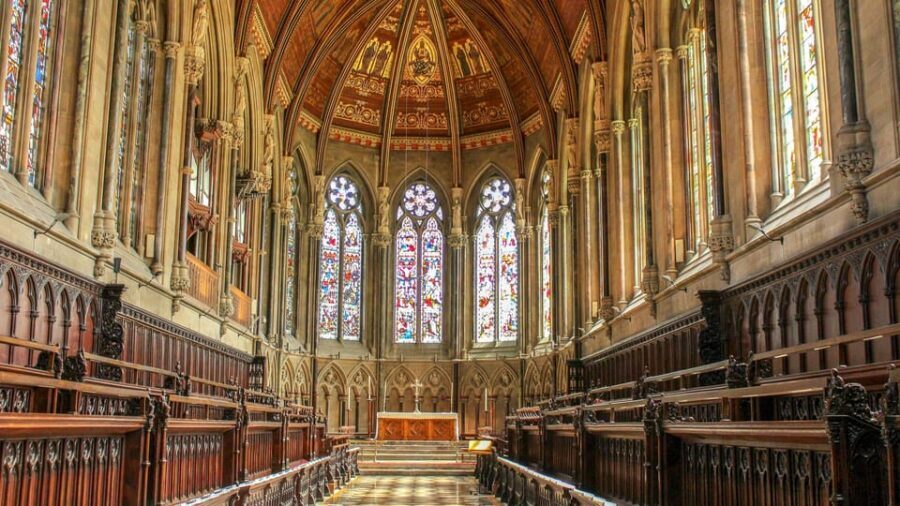
You’ll also pass the famous Corpus Clock. It’s one of those landmarks that strangers recognize instantly, but it can still feel empty if no one explains what you’re looking at.
Here, it’s used as a springboard: technology, modern interpretation of time, and the way Cambridge blends tradition with change. You’ll likely hear how the University’s evolution shows up not just in grand architecture, but in practical, everyday design choices too.
It’s also a good break in the walk rhythm. It gives you a moment to slow down, look closely, and let the guide connect a quirky object to the bigger theme—how Cambridge builds knowledge systems, not just monuments.
Cavendish Laboratory: When Science Isn’t Abstract
Next up is Cavendish Laboratory, where the tour shifts from governance and heritage into the world of science. This is where the tour’s “big ideas” approach really helps.
You’re not just told that Cambridge contributed to modern science. You’re shown the idea that science developed inside a wider cultural environment—an environment shaped by belief, debate, and reform. That helps the whole story feel less like a museum label and more like a chain of cause and effect.
In past tours, guides such as Julia, John/Jon, and Martin were praised for keeping the pace entertaining while still answering deeper questions. That matters here because Cavendish can be technical territory; the guide’s job is to keep it understandable without turning it into a lecture.

How the Tour Builds the World-Impact Story
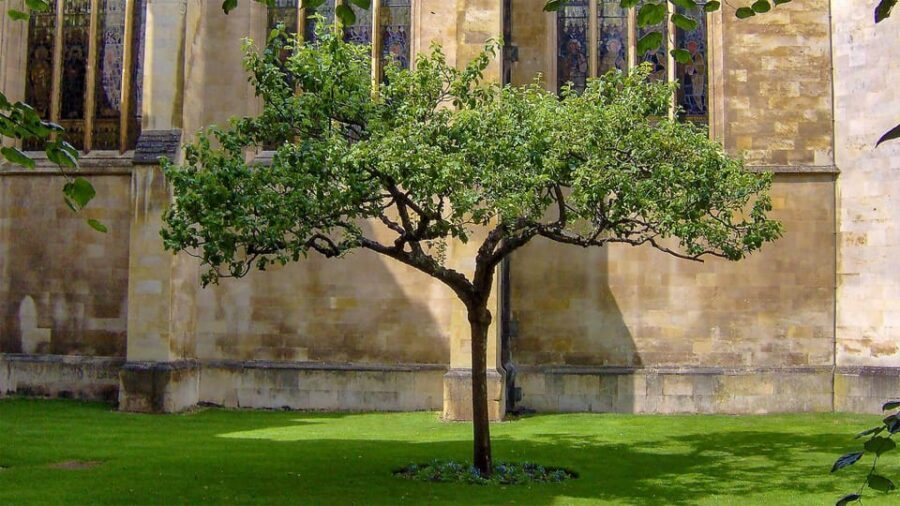
A huge part of why people love this walk is the way it links Cambridge to global change. You’ll hear about movements connected to the rule of law and religious freedom, and how ideas coming out of Cambridge circles traveled outward over time.
The tour also points out the uncomfortable parts of history—especially the campaign to abolish the British slave trade. That’s not presented as a detached topic. It’s framed as part of how intellectual life can influence public ethics and law.
Then comes the “saints, sinners, sceptics, and scholars” mix. You get a reminder that Cambridge history isn’t only winners and geniuses. It includes moral struggle, disagreement, and people testing ideas in real-world ways.
If you like biographies and big societal shifts, this is the section that will keep you listening even when you’re standing still for a few minutes at viewpoints.
College Visits: What You Might See and Why It Isn’t Guaranteed
You may visit about 1–2 colleges, depending on opening availability. That’s one of the most exciting parts for many people, because college exteriors and courtyards can look dramatically different from street level.
But plan with flexibility. The tour cannot guarantee entry into college grounds, and it won’t enter colleges during University exam term, typically late April through the end of June. Even outside those dates, access can vary.
This is the main consideration I’d flag. If your dream is walking into college spaces like a campus insider, you may leave slightly disappointed if doors are closed on the day.
Still, the trade-off is that you’ll see other key University sites as part of the core story. And college exteriors can be very useful on this tour because the guide points out what to notice and how each place fits the larger narrative.
What to Expect from the Walking Style and Timing
The walk lasts 90–120 minutes, and it generally feels like a tight, story-led stroll rather than a long ramble. Starting point is inside the Round Church Visitor Centre.
The route moves at a moderate to fast pace, and there’s some standing around to hear about sites. If you’re traveling in winter or cold shoulder seasons, you’ll want warm layers and a hat, because you can be stationary for stretches.
Group size is capped at 15 people, which is one reason people mention being able to ask questions and hear the guide clearly. You’ll likely feel like the guide is talking to the whole group, not performing at you from a distance.
Pushchairs can fit, but the tour is not wheelchair accessible. If mobility is an issue, this is the kind of tour you should treat as unsuitable rather than “maybe.”
Price and Value: Is $22 a Good Deal Here?
At around $22 per person for about 2 hours, this is strong value if you want more than a generic overview.
Here’s why: you’re paying for expert local guidance, a small-group limit, and built-in admission to the Round Church with exhibition and a film (when available). Many Cambridge experiences charge similar amounts for walking plus information, but without a paid attraction attached.
You’re also getting a focused theme—Christian heritage and how ideas shaped the University. That theme matters. It turns familiar landmarks into “why this, why now” moments, which makes the experience feel worth it even if you’ve read a few things about Cambridge already.
It’s not the cheapest way to walk around Cambridge on your own. But if you want real interpretation, not just architecture hunting, it’s a fair price for what’s included.
Who This Tour Suits Best (and Who Should Skip It)
This walk is a great fit if you:
- Like city history told through people and ideas, not only buildings
- Want a clear narrative about Cambridge’s religious and intellectual roots
- Enjoy recognizable landmarks like Senate House and Corpus Clock with explanations
- Want a guided experience that stays short enough to fit a packed day
It may not be the best match if you:
- Need wheelchair accessibility or have mobility limits (this tour isn’t wheelchair accessible)
- Are hoping for guaranteed college entry every time
- Prefer a slow, leisurely pace with minimal standing
It also isn’t designed for unaccompanied minors. If you’re traveling with children, you’ll need to keep the adult-to-child ratio sensible, since those under 16 must be accompanied by a responsible adult.
Practical Tips So You Enjoy Every Stop
Bring comfortable shoes. The walking pace is not casual, and Cambridge’s sidewalks and crossings add up after a while.
Weather matters. Bring weather-appropriate clothing and water. Even on days that aren’t too cold, you’ll spend time outdoors.
Photography is fine—bring a camera if that’s your thing. Just remember audio recording isn’t allowed, so plan to take notes or rely on your guide’s spoken explanations.
Pets are limited: pets aren’t allowed, but assistance dogs are allowed. Dogs can come, though college access rules mean they must stay outside any colleges visited.
Should You Book This Cambridge University Walking Tour?
Yes, if you want Cambridge to make sense fast and you’re curious how faith, reform, and science fed into one another over centuries. The small-group format, Round Church entry, and the storyline built around big ideas make this feel like more than a simple walk.
If your top goal is entering colleges no matter what, keep your expectations flexible because college access depends on opening availability and exam schedules. And if mobility is a concern, choose a different style of tour that better fits your needs.
FAQ
Where does the tour start?
The tour begins inside the Round Church Visitor Centre. You should come inside the church and check in at the welcome desk ahead of the scheduled start time.
What time does the walking tour run?
Tours meet at 2:15pm on Wednesdays, Thursdays, Fridays, and Saturdays.
How long is the tour?
The walk lasts about 90–120 minutes, roughly 2 hours.
What’s included with the ticket?
You get a guided walking tour with an expert local guide, plus entrance to the Round Church including an exhibition and a 23-minute film (subject to opening times). You also visit key historic sites in Cambridge, and you may enter about 1–2 colleges depending on access.
Are colleges guaranteed to be visited?
No. The tour may not be able to enter colleges, and access isn’t guaranteed. During University exam term (late April to end of June), the tour cannot enter colleges.
Is the tour wheelchair accessible?
No. It is pushchair accessible, but it is not wheelchair accessible, and it is not suitable for people with mobility impairments.
Is it in English?
Yes, the live tour guide speaks English.
What’s the policy on audio recording and pets?
Audio recording is not allowed. Pets are not allowed, but assistance dogs are allowed. Dogs are permitted, but visitors with dogs must remain outside any colleges visited.
What should I bring?
Bring comfortable shoes, a camera, water, and clothing suited to the weather.