REVIEW · LONDON
Jack the Ripper: Solve the Crime Walking Tour (Kids Free!)
Book on GetYourGuide →Operated by Top Sights Tours LLC. · Bookable on GetYourGuide
Jack the Ripper walks start here.
What makes this tour so gripping is how it pairs a timed, step-by-step route through Whitechapel with real visual material like police photos and a copy of the letter that helped create the Jack the Ripper nickname. I also like the way the guide brings the atmosphere to life using images during the walk, so the story feels immediate instead of textbook. One thing to consider: this is a gruesome topic, and the guide discusses murder scenes and evidence, so it may be too intense if you prefer lighter sightseeing.
You’ll spend about 2 to 2.5 hours tracing the places linked to the murders in sequence, with stops at streets, buildings, and alleyways that still feel close to what Victorian London residents would’ve seen. It’s not just spooky narration. It’s a walk where you’re asked to connect the clues, watch the visuals, and follow the logic of the investigation as it was imagined at the time.
If you’re the type of traveler who likes to understand a place by the people who lived there (even the worst parts of their lives), this tour has a strong pull. And yes, the tour is set up so kids can join too. More on that later.
In This Review
- Key things I’d look forward to
- Whitechapel after dark: what kind of walk this is
- Meeting at Whitechapel Gallery and getting there fast
- Following the murders in order: streets, alleyways, and crime-scene stops
- The letter that created the Jack the Ripper nickname
- Police photos, evidence, and the doorway clue
- Value for $29: what you get in 2 to 2.5 hours
- Kids free: when it works and when it doesn’t
- Who should book, and who should pass
- Should you book Jack the Ripper: Solve the Crime Walking Tour?
- FAQ
- Where do I meet the guide?
- What time does the tour start?
- How long is the walking tour?
- What’s included with the ticket price?
- Do I get to see photos or evidence-related material?
- What crime-related locations will we see?
- What is the letter stop about?
- What languages is the tour in?
- Are kids actually free to join?
Key things I’d look forward to
- Crime-scene focused route that follows the murders in sequence
- Police photos and evidence visuals shown during the walk
- A copy of the letter linked to how the nickname Jack the Ripper took off
- A specific doorway clue tied to the only reported evidence
- Guided, on-foot East End experience built around places that still look like they belong to 1888
- Kids free, plus umbrellas provided for weather and street time
Whitechapel after dark: what kind of walk this is

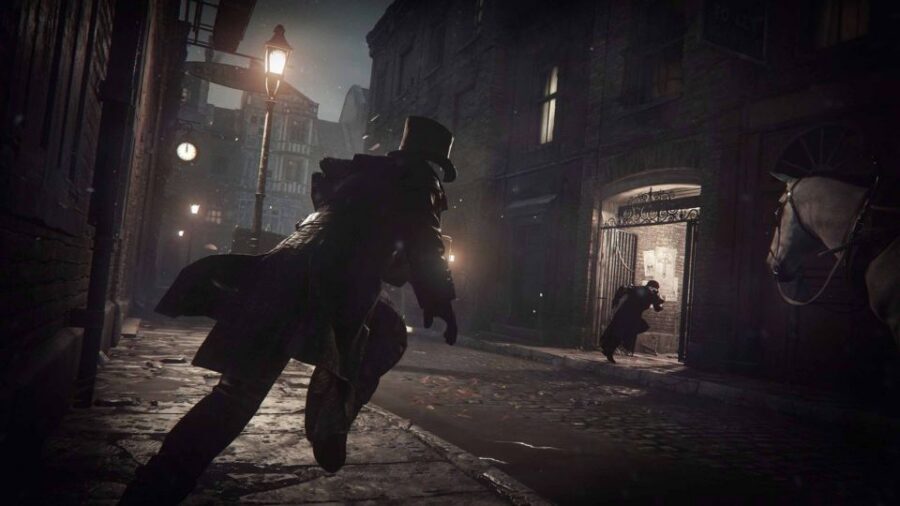
This is a night walking tour through the Victorian East End area of London, and it leans hard into the serious side of the story. The guide sets the scene in the autumn of 1888, when the killer was first known as the Whitechapel Murderer, and then the case shifted when a mysterious letter went to a London news agency. That shift matters, because the name Jack the Ripper eventually became global.
You should expect narrow streets, old-style buildings, and the kind of eerie stillness you get when you’re walking where the events happened and where the buildings mostly haven’t been replaced. The atmosphere is part of the design. The other part is the evidence discussion: you’ll see images tied to victims and police findings, and you’ll hear how the investigation story was understood at the time.
The important balance is this: it’s not just jump-scare horror. It’s a guided walk that treats the case as a mystery. The guide even invites you to put on your detective hat and try to solve the identity puzzle, even though the case remains unsolved.
You can also read our reviews of more walking tours in London



Meeting at Whitechapel Gallery and getting there fast
You’ll meet at the entrance of the Whitechapel Gallery, and the tour departs 7:30 PM sharp. Plan to arrive about 10 minutes early so you can get grouped up and start on time.
For transit, you’re directed to use Aldgate East Station, specifically Exit 3. There are two Aldgate stations, so don’t accidentally show up at the wrong one. If you’re coming from central London, build in a little time for platform and street-level confusion. At night, that extra buffer is worth it.
From a practical standpoint, this kind of tour works best when you’re not rushing to catch it. Start with relaxed steps. You’ll be outdoors for the majority of the experience, and your best photos and best listening both depend on arriving calm and ready.
Following the murders in order: streets, alleyways, and crime-scene stops
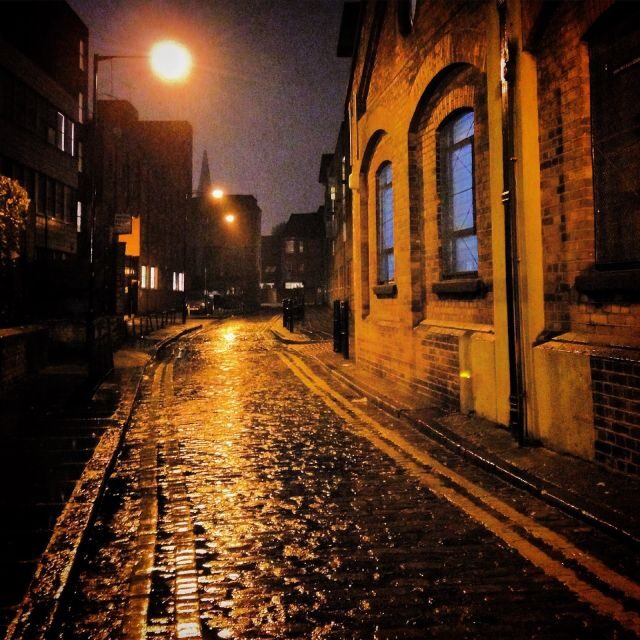
Once the group is moving, the tour’s structure is clear: you’ll follow Jack the Ripper’s murders in sequence. That matters because the East End can feel like a maze when you’re standing in it for the first time. By walking the case in order, you get a mental map instead of scattered stops.
Along the way, you’ll make a few key types of stops:
- You’ll take in photo stops that help you picture what the area looked like then.
- You’ll do guided walking segments where the guide points out streets, buildings, and alleyways tied to where victims were murdered and where they were found.
- You’ll pass places connected to daily life, not just crime—like the pubs and buildings where victims worked, lived, or drank.
That daily-life detail is what makes the area feel human, not just creepy. It’s also what helps the stories stick. You’re not only learning the locations; you’re learning what kind of street life existed around those locations.
One practical note: the route involves a good chunk of walking on older London streets at night. Wear shoes that handle uneven pavement and be ready for the ground to be a bit darker and harder to read after sunset. The tour includes umbrellas, which is handy if the weather decides to be British about it.
The letter that created the Jack the Ripper nickname
A major part of the tour is the turning point in the case: the letter linked to how the name Jack the Ripper became famous. You’ll actually see a copy of that letter as part of the walk.
This isn’t just trivia. The nickname became part of the public story, and public stories shape how investigations are remembered and mythologized. The guide uses the letter as a pivot to explain why the world started calling the killer by a name rather than just describing him as the Whitechapel Murderer.
What I like about this approach is that it helps you separate:
- What was known locally
- What was amplified through news and public attention
- What became a legend
If you’ve ever felt like the Jack the Ripper story is mostly rumor or oversold mystery, the letter stop gives the tour a more grounded, documentary feeling. It also helps you understand why so many people still chase the same question today: who was this person, and why did the world want a name?
Police photos, evidence, and the doorway clue
Another highlight is the evidence-style presentation. You’ll see police photos of the victims and evidence, and the guide also uses images during the tour to help you follow the story.
One review specifically praised a projector setup, describing how pictures made the experience feel like you were seeing life in the 1800s rather than just hearing about it. I’d take that as a sign to lean in during the visual parts. If you like details, this is where your attention will pay off.
You’ll also visit the doorway where Jack the Ripper’s only clue was discovered. That stop is the kind of moment that changes the tour from spooky story to investigation track. A doorway might sound like a small detail until you realize it’s treated as the key evidence point in the narrative.
If you’re trying to solve the crime, this is where you’ll start building your own theory. Even with no definitive answer, you can still think like a detective: What does the clue suggest? What would have been seen at the time? What does the area’s layout imply?





Value for $29: what you get in 2 to 2.5 hours
At around $29 per person for a 2 to 2.5 hour walk, this tour isn’t trying to be cheap or premium theater. It’s priced like a specialized guided experience with visual materials and a case-focused route.
Here’s the value angle that matters for you:
- You’re paying for a guided walk built around specific crime-scene locations, not just a general East End stroll.
- The tour includes umbrellas, which is small but useful when you’re committing to an evening outside.
- The guide experience level comes through in the way the story is delivered and how the guide connects the place to the case.
The guide is also described as having lived in the center of London for over 20 years, with 5 of those years in Whitechapel. That kind of local familiarity helps with the walking part: people who know the area tend to explain it more clearly, and you’re more likely to understand what you’re seeing while you’re seeing it.
And here’s the practical bonus: the tour is described as private or small-group available. Small groups are more than a comfort factor. They usually mean better pacing, more question time, and fewer people blocking the view of visual aids.
Kids free: when it works and when it doesn’t
The tour clearly states that kids are free, and it gives a fun nudge to bring detective hats. That’s a nice touch, and it signals that the guide knows families may be part of the mix.
Still, the tour description warns that it is not for the faint of heart. Since the tour includes murder scenes, police photos, and evidence discussion, you’ll want to judge your child’s tolerance level before you commit.
This is my balanced take: if your kids like mysteries and can handle dark topics without getting scared or upset, this can be a memorable way to learn London’s East End through a real story. If your kids get rattled by graphic details, keep a closer eye on their reaction during the evidence sections.
Either way, if kids are joining, the best way to enjoy it is to keep your expectations clear: this is a crime-solving walk, not a kid-friendly ghost tour.
Who should book, and who should pass
This tour is a strong match if you:
- Like mystery stories where the guide points to specific places, not just general legends
- Enjoy visual learning—especially police photos and the letter copy
- Want a structured walk that follows events in sequence, so the area doesn’t feel random
- Prefer a guided experience that includes interaction, question energy, and a sense of play
You might want to skip it if:
- You are very sensitive to murder-themed content and evidence imagery
- You hate night walking and would rather do a daytime sightseeing tour instead
- You want a light, casual history stroll with no heavy subject matter
Also, if you’re only in London for a very short time and you’re hunting for the most famous attractions, this may not be the fastest route. But if you’re looking for something specific, local, and story-driven, it can be one of the more memorable nights you’ll spend.
Should you book Jack the Ripper: Solve the Crime Walking Tour?
If you like true-mystery storytelling tied to real places, book it. The tour’s biggest strength is that it treats the case like an investigation: you walk a logical path, you see evidence-style visuals, and you get the letter that helped shape the name people still use today.
If you’re unsure, I’d make your decision based on one question: can you handle a murder-focused topic with police photos and a doorway clue? If yes, you’ll probably enjoy the careful structure, the night East End setting, and the guide’s local connection to Whitechapel.
If no, don’t force it. There are plenty of other London walks that keep things lighter.
FAQ
Where do I meet the guide?
Meet your guide at the entrance of the Whitechapel art gallery. It’s located at Exit 3 of Aldgate East Station (make sure you use Aldgate East).
What time does the tour start?
The tour departs at 7:30 PM sharp. Arrive about 10 minutes early.
How long is the walking tour?
It lasts 2 to 2.5 hours.
What’s included with the ticket price?
You get a walking tour of the East End of London and umbrellas are included. Kids are free.
Do I get to see photos or evidence-related material?
Yes. You’ll view police photos of victims and evidence, and the guide uses images during the walk (including a projector in some cases).
What crime-related locations will we see?
You’ll see crime scenes tied to Jack the Ripper’s victims, streets and alleyways linked to the murders, and the doorway where Jack the Ripper’s only clue was discovered.
What is the letter stop about?
The guide shows you a copy of the mysterious letter that helped create the Jack the Ripper nickname.
What languages is the tour in?
The tour is in English.
Are kids actually free to join?
Yes, kids are free. Bring detective hats if you’d like, since the guide encourages it.