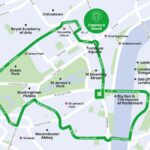
REVIEW · LONDON
London: 30 Top Sights and Churchill War Rooms Tour
Book on GetYourGuide →Operated by Top Sights Tours LLC. · Bookable on GetYourGuide
London moves fast. This tour gives you a well-aimed route through the city’s biggest landmarks and the WWII bunker beneath Westminster. I like the mix of classic sights with stories you can’t get from a phone screen, and I especially like that Churchill’s War Rooms are built into the plan. One thing to consider: it’s a lot of walking in 5 hours, and you’ll spend real time on the street rather than sitting in museums.
The best part is the flow. You start near The Ritz, swing through Buckingham Palace and Parliament-area landmarks, then connect to the London Bridge side with a short Underground segment before ending with a guided tour experience underground. On top of that, guides like Mark and Will tend to keep the pace tight and the facts clear, while actor-leaning guides such as Adrian can make the storytelling extra vivid.
In This Review
- Key things to know before you go
- Why a 5-hour Westminster-to-London-Bridge loop works
- Starting outside The Ritz and getting your bearings fast
- Buckingham Palace to Trafalgar Square: the ceremony-to-stories warm-up
- Whitehall and Downing Street: politics you can point at
- Westminster Abbey and the Big Ben area: why these landmarks feel heavy
- The short Underground hop, Southbank views, and St Paul’s angles
- Borough Market and the London Bridge icon block
- Churchill War Rooms: the WWII bunker experience you’ll remember
- Pacing, comfort, and what to pack for 5 hours
- Price and value: what $114 buys you in real terms
- Who should book this London landmarks plus Churchill tour
- Should you book this tour?
- FAQ
- Where is the meeting point?
- How long is the tour?
- What’s included in the price?
- Do I need money for the Underground?
- Will the guide stay with me at Churchill’s War Rooms?
- Is the Changing of the Guard included?
Key things to know before you go
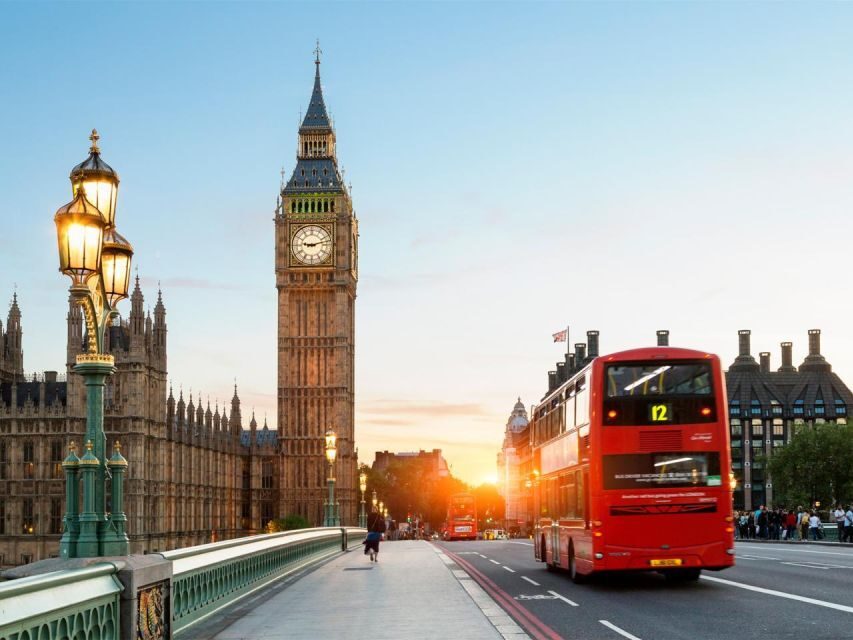
- 30 sights in one outing: You get a true London sampler, not a single-neighborhood stroll.
- Westminster + London Bridge in the same day: You cover both postcard sides of the river.
- Skip-the-line at Churchill’s War Rooms: One less queue to fight.
- You get street-level context: Parliament, government, and wartime London make more sense once you walk it.
- A real underground experience: Cabinet War Rooms turns WWII into something you can picture.
- Big group landmarks, but still guided: Even with many stops outside, the route is structured so you’re not guessing where to look.
Why a 5-hour Westminster-to-London-Bridge loop works
If you have a short trip window, you need two things: momentum and good orientation. This London highlights tour is built for both. In about 5 hours, you’ll string together major monuments around Westminster and the Tower/London Bridge zone, so you stop seeing London as separate photos and start understanding how the neighborhoods connect.
I like that the route feels deliberate. You move from ceremony (palaces and government buildings), to the heavyweights of British politics (Parliament and Westminster Abbey area), and then toward the river and the historic fortifications around London Bridge and the Tower. You’ll also get a short Underground hop to keep the day efficient, so you spend less time backtracking.
The potential drawback is simple: 5 hours is compact. You will be outside a lot, and most stops are quick looks and photos rather than deep, inside-the-building time. If you want slow museum wandering, you might prefer a longer, single-topic tour.
You can also read our reviews of more tours and experiences in London.



Starting outside The Ritz and getting your bearings fast
You meet outside The Ritz London at 150 Piccadilly, near two red telephone boxes and two souvenir stands, under the Ritz sign. The nearest Tube stop is Green Park Underground, and you take the left-hand exit, then walk toward the hotel.
Why does this matter? Starting at this end of central London helps you hit Buckingham Palace and the Whitehall/Parliament corridor early, when you’re freshest and when the streets are easiest to read. It also anchors the day in classic London geography: this is the zone where politics, monarchy, and public life overlap.
One extra practical note: the tour runs in English with a live guide, and guides can vary by date. Past groups have included guides such as Mark, Will, Christopher, Connor, and Nathaniel, and the common thread in their comments is pace control. That means you’re more likely to know where to stand for the good views and how to connect the stories between stops.
Buckingham Palace to Trafalgar Square: the ceremony-to-stories warm-up
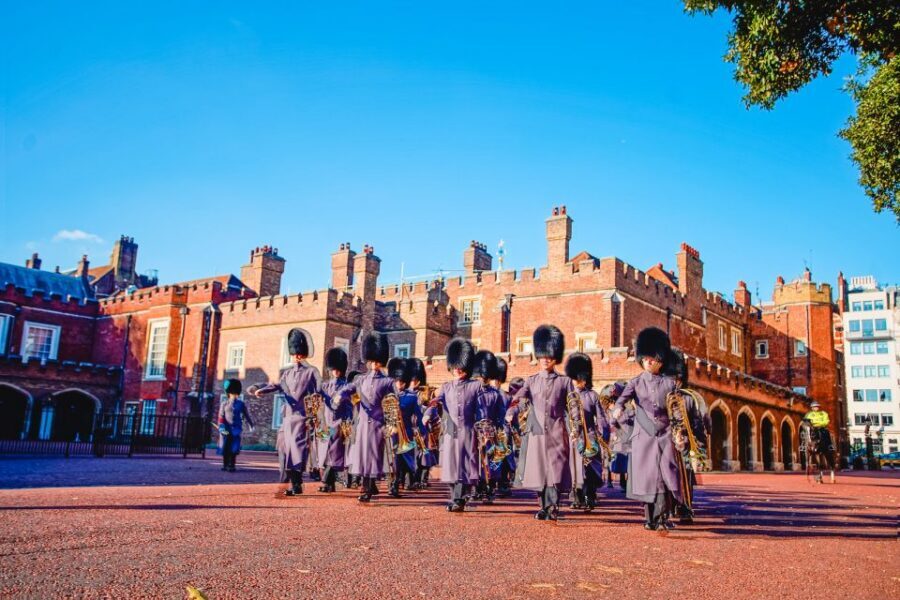
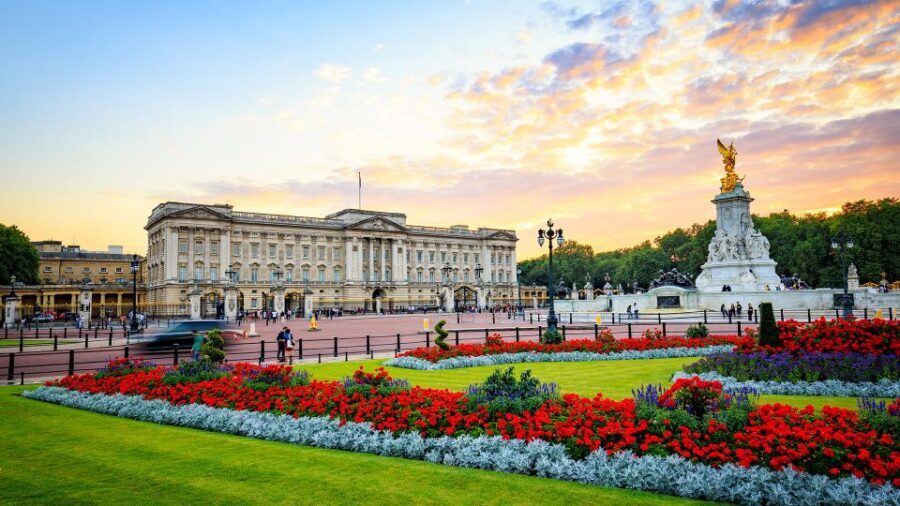
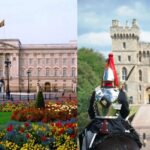
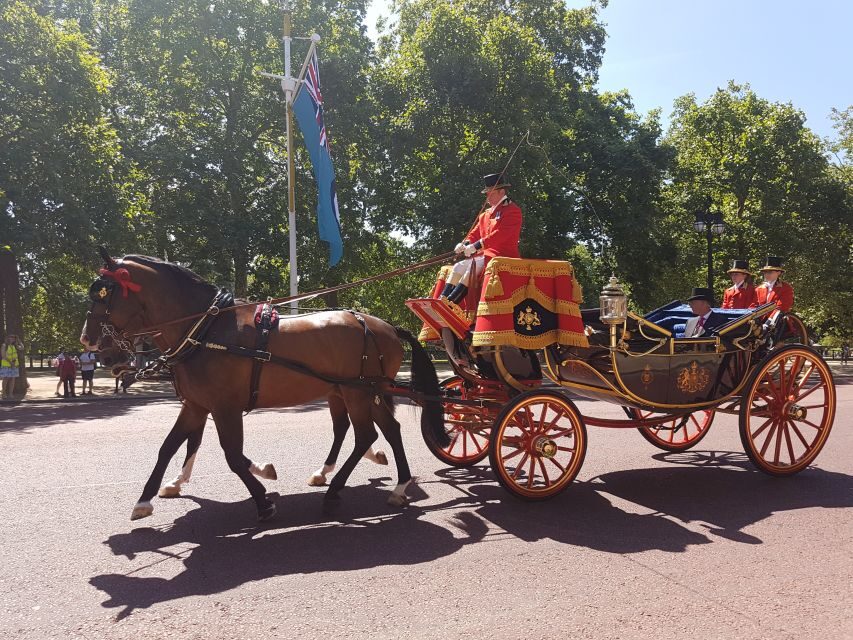
The tour starts with Buckingham Palace for a photo stop and guided time, plus time to walk the nearby area. Even if you just see it from the outside, Buckingham Palace is a useful first anchor because it signals what this part of London is all about: public spectacle, monarchy, and the choreography of national identity.
From there, you head toward Trafalgar Square for a guided look and a short walk. The square is a major visual junction—big open space, famous monuments, and an easy place to understand how the city’s center pulls people in.
I also like that this section is not overloaded. It’s a warm-up before you hit Westminster. If your legs are already tired from jet lag, you’ll still feel you’re getting value immediately, since you cover iconic landmarks early rather than waiting until later in the day.
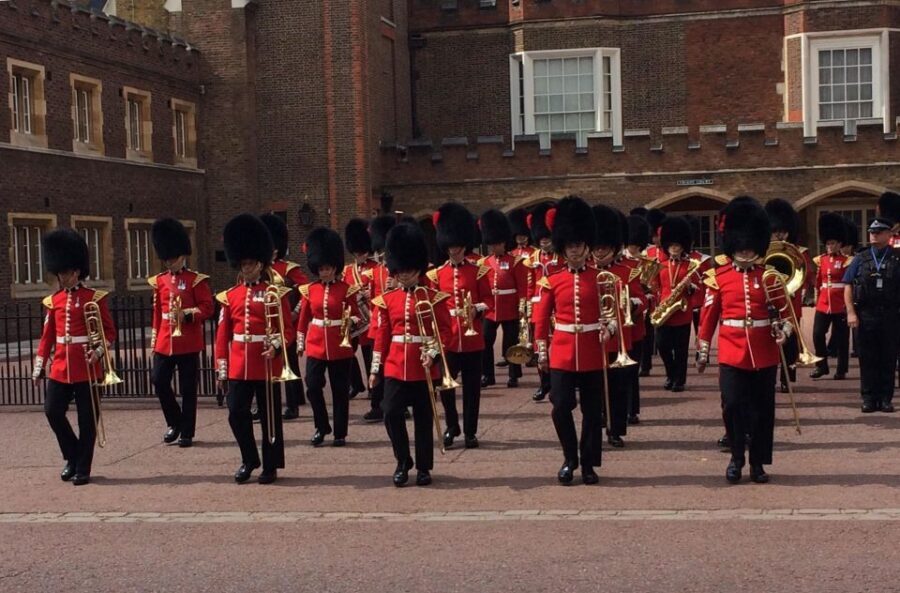
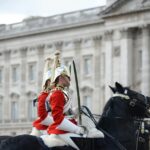
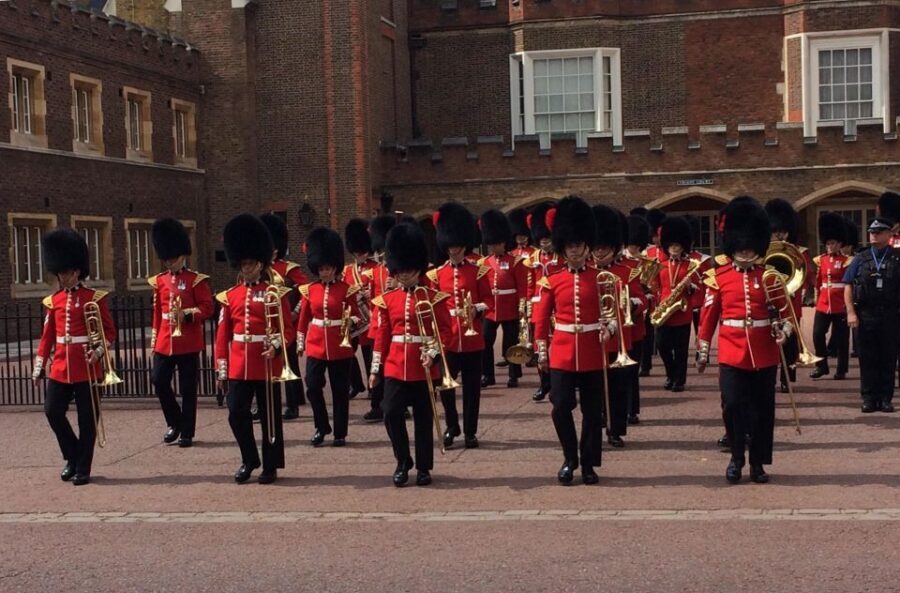
If you’re hoping to catch the Changing of the Guard, timing matters. The ceremony happens only on Mon/Wed/Fri/Sun for the 10am tour, and it’s subject to change due to weather and British Army scheduling.
Whitehall and Downing Street: politics you can point at
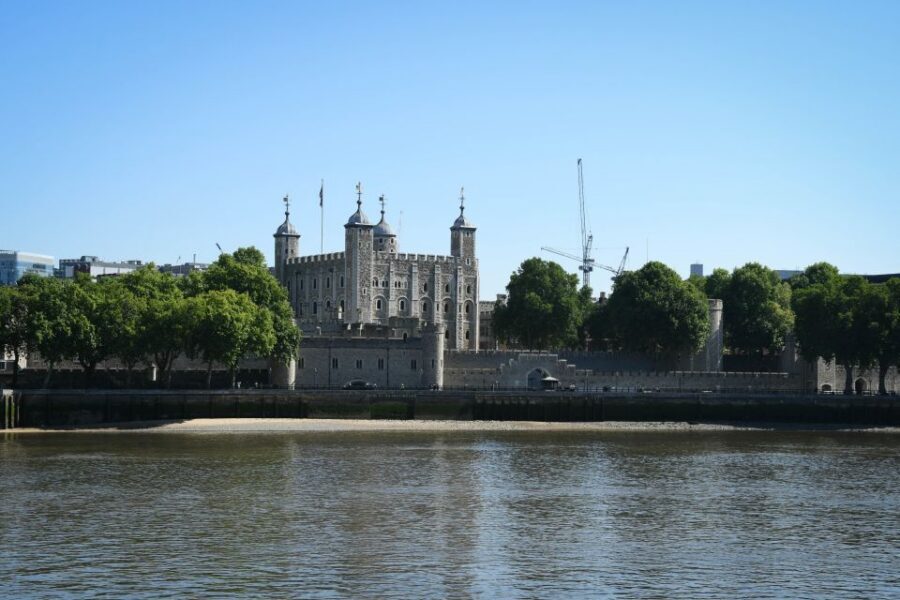
Next comes the Whitehall corridor, including Horse Guards Parade and time around the buildings that represent the machinery of government. You’ll also have a guided stop by 10 Downing Street and walk through the wider Westminster/Whitehall area.
Here’s what makes this more than just sightseeing: on a walk, you can see spacing, entrances, and the scale of official buildings. From street level, it’s easier to grasp why people experience government as something physical and close, not abstract.
Parliament Square and its surroundings add another layer. You get photo time plus guided context, which helps you understand why this little pocket of central London has such gravity.
Potential drawback: these are mostly exterior stops. You’re not touring government offices; you’re learning how the buildings function as part of the city’s identity. If you expect a lot of indoor access during this portion, you’ll need to set expectations.
Westminster Abbey and the Big Ben area: why these landmarks feel heavy
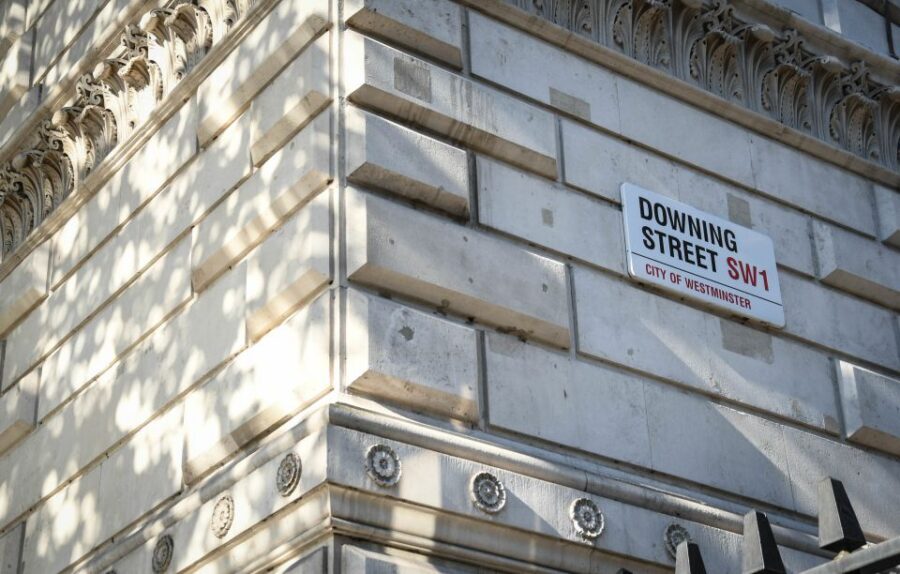
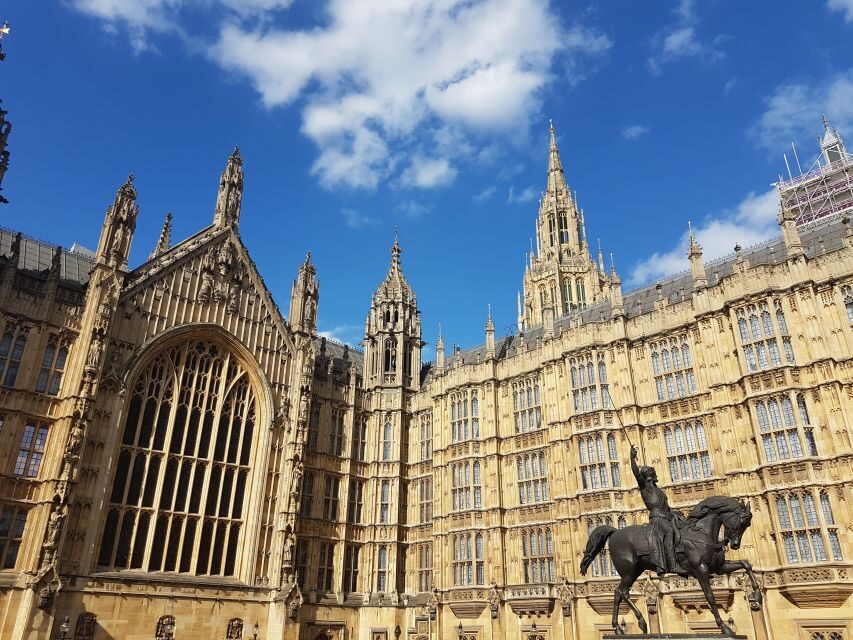
You’ll spend guided time around Westminster Abbey and the Big Ben/Houses of Parliament zone. This is the part of London where the architecture alone can make you slow down, even if the group keeps moving.
What I like about including this cluster is the way it ties together different London themes. Westminster Abbey isn’t just a famous building; it’s part of the long story of British public life. And Big Ben and the Houses of Parliament are the living spine of the same area—where the city’s ceremonial image meets the daily realities of leadership.
You’ll also get the feeling of how much London compresses. In one day, you’re shifting from monarchy-linked symbolism to government operations, with the streets acting like a timeline you can walk through.
If the weather’s cold or rainy, this is where you’ll feel it most. Plan for layers and a reliable outer shell. Also, remember you’re out walking for the majority of the day, so comfortable shoes matter more than anything else.



The short Underground hop, Southbank views, and St Paul’s angles
At one point, the itinerary includes a subway/metro segment (about 20 minutes). This is the tour’s practical tool for connecting neighborhoods without turning the day into a marathon.
Then you head toward Southbank Centre for guided sightseeing and walking time, and on to St Paul’s Cathedral. This sequence matters because it breaks up the heavy Westminster atmosphere. Southbank area views help you reset visually, and St Paul’s adds a different kind of drama—grand, historic, and very photo-friendly from multiple angles.
If you’re a first-time visitor, this chunk helps you understand that London isn’t only about government buildings and bridges. It’s also a city of riverside life, performance, and big-canvas landmarks visible across streets and water.
One tip: St Paul’s is easier to photograph when you know what angle you want. Since your guide has the route planned, you’ll benefit from listening when they suggest where to stand rather than trying to improvise in a crowd.
Borough Market and the London Bridge icon block
The tour continues toward Borough Market and the London Bridge area, with guided time and walking stops. Borough Market is a smart inclusion because it adds everyday London texture. You’re not only seeing official landmarks; you’re seeing where food culture and local life have long pulled people in.
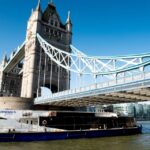
Then comes the big icon stretch. You’ll admire London Bridge and see major nearby landmarks, including Shakespeare’s Globe Theater, HMS Belfast, Tower Bridge, and the Tower of London. Even when you’re just looking from the outside, these names hit with instant context. The Globe signals theatre history; HMS Belfast connects to naval heritage; Tower Bridge and the Tower of London make the river feel like a defensive gateway and a symbol of power.
Why this matters for first-timers: the Tower/London Bridge zone is where London’s medieval and modern identities overlap. After Westminster, this feels like a second chapter—more maritime and fortified, more about crossings and control of movement.
Potential drawback: this is a long list of famous spots in a single day. If you’re the type who likes to linger, you may want to set one or two personal priorities. For example, decide in advance whether you want your best photos at Tower Bridge or spend more time looking toward the Tower of London.
Churchill War Rooms: the WWII bunker experience you’ll remember
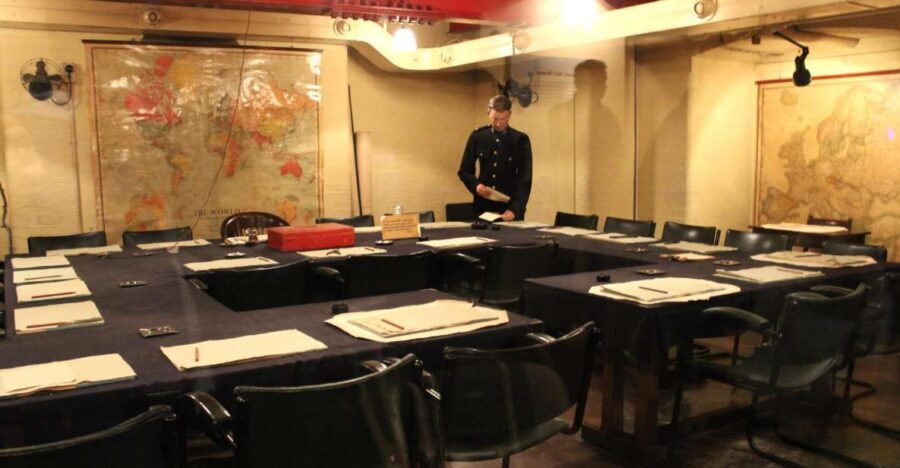
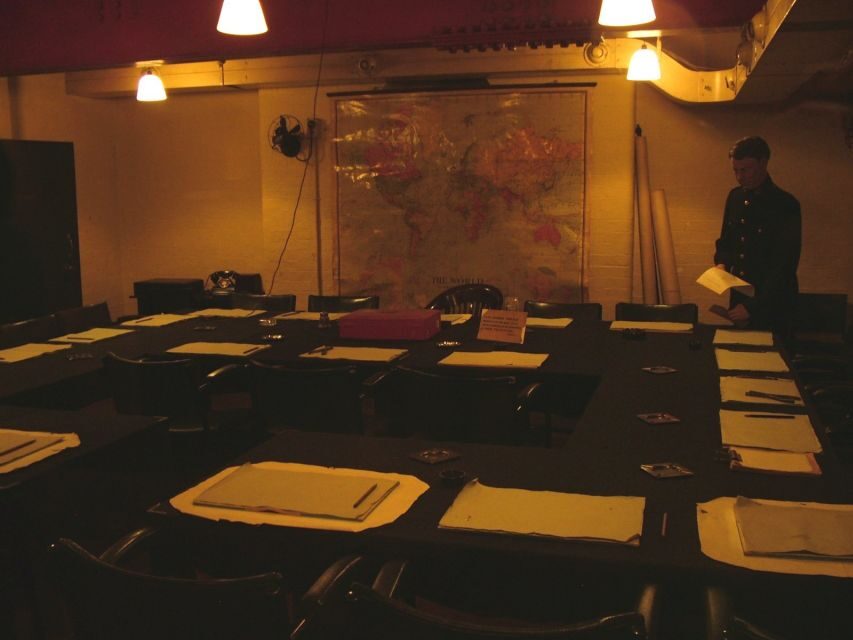
After the walking portion, you head to Churchill’s War Rooms. Here’s the key detail: your guide brings you there, but you won’t be accompanied during your visit. The tour time at the war rooms is about 2 hours, which is enough to take in the story without feeling rushed.
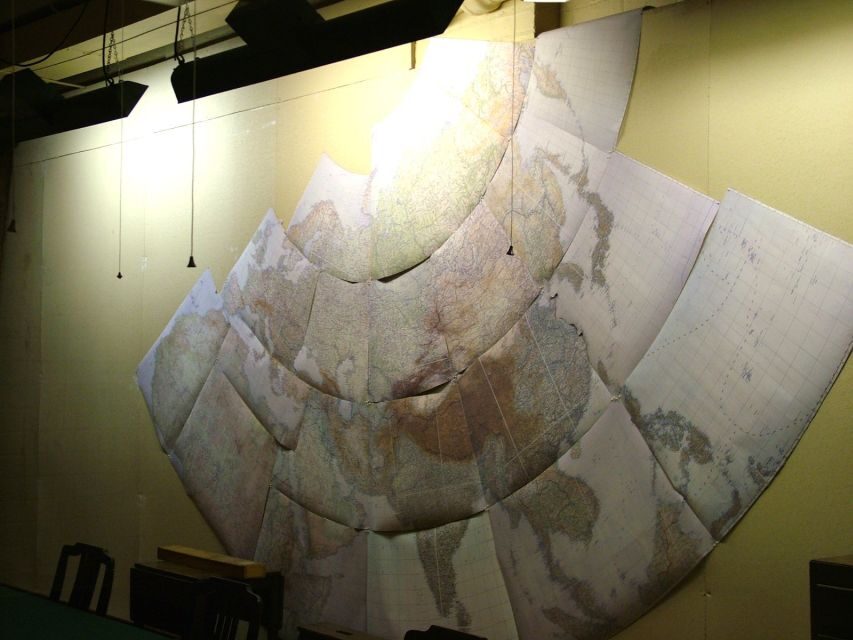
What makes Churchill’s War Rooms so special is the setting. This isn’t a casual exhibit about WWII. It’s a working-style underground space where you can picture staff spending long hours from 1938 onward. The experience is built around historic images, objects, and interviews—so the war feels like real work, not just headlines.
I love that this portion changes the tone of the day. The walking stops are grand and public. The bunker is enclosed and intense. It’s a reminder that behind London’s surface, enormous decisions were being made in rooms designed for secrecy.
One small consideration: since you explore on your own at this stage, you’ll get the most out of it if you come ready to pay attention. If you like reading labels and looking closely at artifacts, you’ll likely spend the full 2 hours. If you skim exhibitions, you may wish you had a bit more guided time—though the skip-the-ticket-line access helps keep your schedule smooth.
Pacing, comfort, and what to pack for 5 hours
This is a 5-hour outing, and it can feel like a lot even when you’re enjoying it. The upside is that the route is structured so you’re not walking in circles—you’re moving through a logical sequence of London highlights.
From past groups, guides such as Mark, Connor, and Nathaniel have stood out for keeping energy up and using breaks when needed. It’s not guaranteed that you’ll get long pauses, but it’s common for groups to pause for things like toilets and quick refuels such as coffee or snacks, especially in cold weather.
What to pack:
- Comfortable walking shoes with grip for wet pavement
- Layers for changing temps between shaded streets and open squares
- A plan for staying fueled, since snacks and drinks are not included
- A topped-up Oyster Card/Travel Card or contactless bank card for a few Underground rides
Wheelchair accessibility is listed, and the tour has wheelchair-friendly access, which is a big plus for travelers who want to bring mobility needs without improvising a route alone.
Price and value: what $114 buys you in real terms
At $114 per person, the value comes from two things: a guided walk covering top sights and an included entrance ticket to Churchill’s War Rooms. You’re not just buying a museum ticket. You’re buying a map of the day—guided context, organized stops, and a route that hits Westminster and the London Bridge/Tower area in one go.
Skip-the-line access at the war rooms also helps you protect time. And since transport isn’t included, you’ll control your own Tube cost using your Oyster/contactless card, while still benefiting from the tour’s planning for the key Underground connection.
Where the value can feel less strong is if you only care about one theme. If your heart is purely in one category—say, only the Tower or only Westminster—you might prefer a more focused tour. But if you want a London sampler plus WWII depth, this price lines up nicely with the day you get.
Who should book this London landmarks plus Churchill tour
This is a great fit if:
- You’re visiting London for the first time and want a guided overview fast
- You like walking with explanations rather than following a map alone
- You want both iconic sights and a WWII stop that changes the tone of your trip
- You prefer a structured day rather than building your own itinerary
It might be less ideal if:
- You hate walking for hours and prefer mostly indoor time
- You expect long inside tours for every stop outside of Churchill
- You want a very slow pace with lots of free wandering
If you fall somewhere in between, you can still make it work by choosing one or two personal priorities for photos, and letting the guide handle the rest.
Should you book this tour?
I’d book it if you’re short on time and want the best kind of London first impression: big landmarks connected by actual context, then a powerful underground WWII experience at the end.
To make the decision easy, ask yourself this: Do you want to see a lot of London in one day, plus get into Churchill’s War Rooms without ticket-line stress? If yes, this tour is a strong choice. If your ideal day is slow, indoor, and deeply detailed at one site only, you might be happier with a more focused alternative.
FAQ
Where is the meeting point?
You meet outside The Ritz London at 150 Piccadilly, W1J 9BR. Look for two red telephone boxes and two souvenir stands underneath one of the Ritz signs. The nearest Tube station is Green Park Underground; take the left-hand exit and walk toward the hotel.
How long is the tour?
The total duration is about 5 hours.
What’s included in the price?
You get a walking tour of the top 30 London sights plus an entrance ticket to Churchill’s War Rooms. The Churchill War Rooms entry includes skip-the-ticket-line access.
Do I need money for the Underground?
Yes. Transport isn’t included, but you will use the Underground as part of the route. Bring a topped-up Oyster Card/Travel Card or a contactless bank card for a few journeys.
Will the guide stay with me at Churchill’s War Rooms?
No. Your guide takes you to the Churchill War Rooms after the walking tour, but you will not be accompanied during your visit. You’ll spend about 2 hours inside.
Is the Changing of the Guard included?
It depends on the day and time. The Changing of the Guard ceremony takes place only on Mon/Wed/Fri/Sun on the 10am tour, and it can change or be cancelled due to extreme weather.