REVIEW · LONDON
London: Architecture Tour of Benjamin Franklin House
Book on GetYourGuide →Operated by Benjamin Franklin House · Bookable on GetYourGuide
Franklin’s London house hides real surprises. You get an hour inside the Benjamin Franklin House, the only remaining home where he lived in London for 16 years, and you’ll see why it’s a Grade I listed building with original Georgian and Victorian details.
I love how the tour uses architecture as the thread. You’ll move from room to room with stops tied to Franklin’s life and ideas, including Craven Street Bones and surgeon Hewson’s Anatomy school, plus a hands-on moment with Franklin’s instrument.
One thing to plan for: it’s a five-storey townhouse with uneven, sloping floors and stairs between every level, and there’s no wheelchair access. Restrooms are in the basement, and there’s no accessible restroom.
In This Review
- Key highlights worth your time
- Entering Benjamin Franklin House: why the building matters as much as the man
- Meeting at 36 Craven Street and setting yourself up for an easy start
- The ground-floor start: a Georgian kitchen that turns into a life lesson
- Upstairs to Margaret Stevenson’s parlour: rooms for conversation and power
- Craven Street Bones and Hewson’s Anatomy school: science in an old address
- Franklin’s parlour and the 16-year stay: experiments, politics, and leaving for America
- The Glass Armonica Room: a hands-on finale that makes the story stick
- What to expect physically: stairs, uneven floors, seating, and photo limits
- Guides and atmosphere: when the story is told well, the rooms come alive
- Value and who should book: $16 for a focused hour inside a real historic house
- Should you book this architecture tour?
- FAQ
- How long is the tour?
- What is included in the ticket price?
- Where do I meet for the tour?
- Is the tour in English?
- Can children attend, and is there a child ticket price?
- Are photos allowed?
- Is there audio recording during the tour?
- Is the House wheelchair accessible?
- What items are not allowed inside?
Key highlights worth your time
- Only remaining Benjamin Franklin home in London, where he lived for 16 years
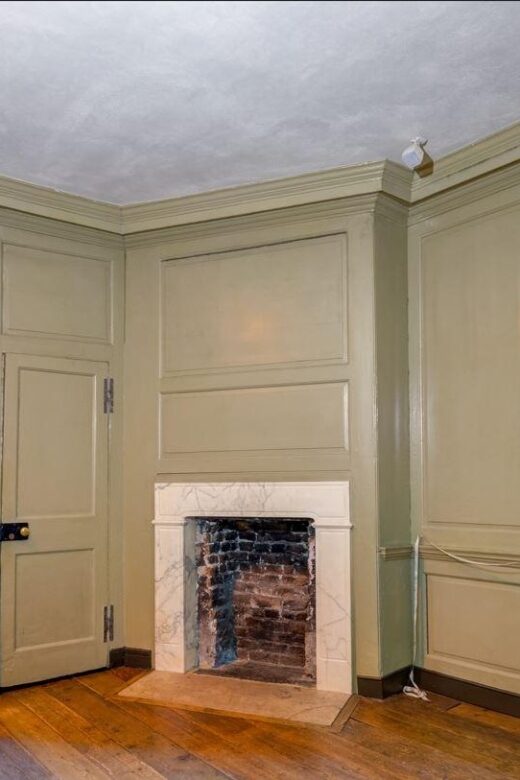
- Grade I Georgian and Victorian features that you can actually stand in and see
- Craven Street Bones plus the story of surgeon Hewson’s Anatomy school
- Margaret Stevenson’s parlour and Franklin’s political conversations with influential visitors
- Glass Armonica Room where you’re invited to try playing a tune
Entering Benjamin Franklin House: why the building matters as much as the man
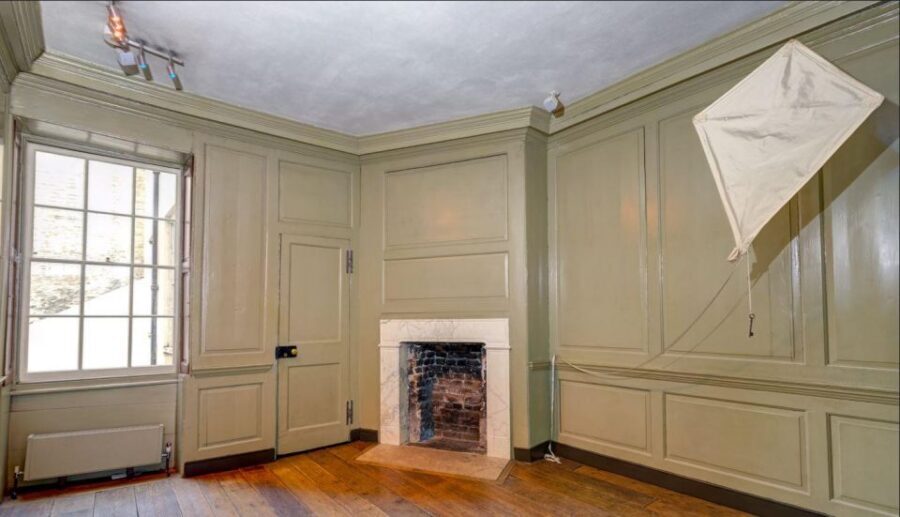
This isn’t a museum-style walk-through where everything stays behind glass. In a place like the Benjamin Franklin House, the walls, staircases, and room shapes help explain how someone lived, worked, and hosted.
Franklin came to London for a reason that goes beyond celebrity. The tour frames it as a practical chapter of his life, then connects it to the way the house itself was used from the 1730s onward. You’ll also see how the building’s current form comes from conservation work that brought the house back to public life in 2006.
For me, the best part is that the tour doesn’t treat architecture like background. It treats the building like a character in the story—one with rules, odd angles, and spaces that shaped daily life.
You can also read our reviews of more tours and experiences in London.



Meeting at 36 Craven Street and setting yourself up for an easy start
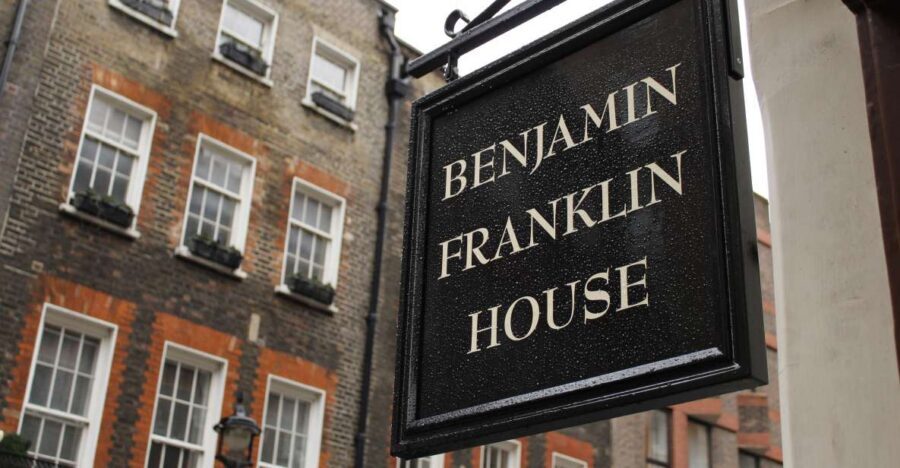
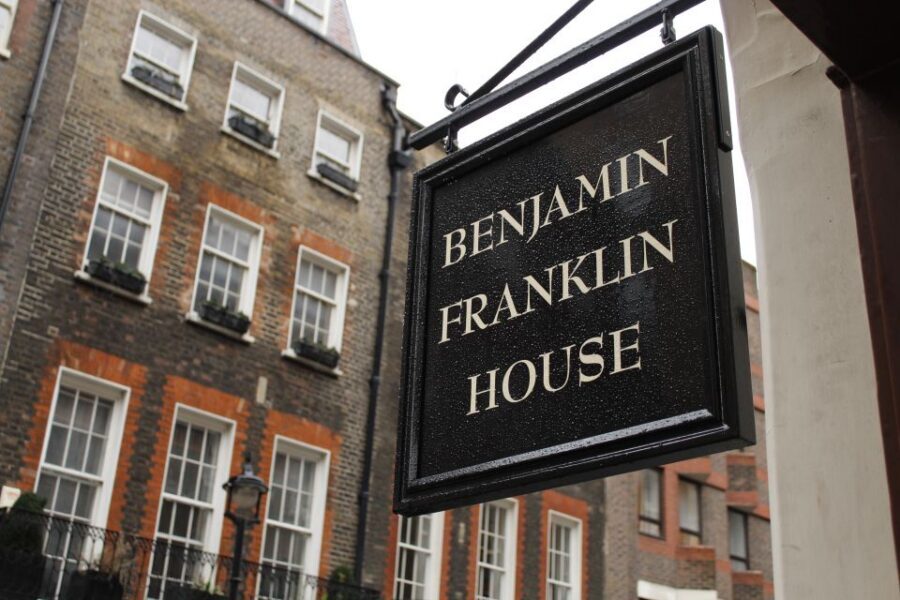
You’ll meet at 36 Craven Street by knocking on the door below the Benjamin Franklin House sign. That’s a small thing, but it keeps the experience focused and simple: you’re inside the right address, with the right people, fast.
Once you’re in, the format is straightforward. The tour runs for about an hour and ends with time for questions, so you can go in with a curiosity list—Franklin’s experiments, why he left, or what the rooms were used for.
One practical tip: don’t assume the house will feel like a modern building. It’s an old townhouse with uneven, sloping floors, five storeys, and stairs between each level. It’s manageable if you take it slowly and keep a steady pace.
The ground-floor start: a Georgian kitchen that turns into a life lesson
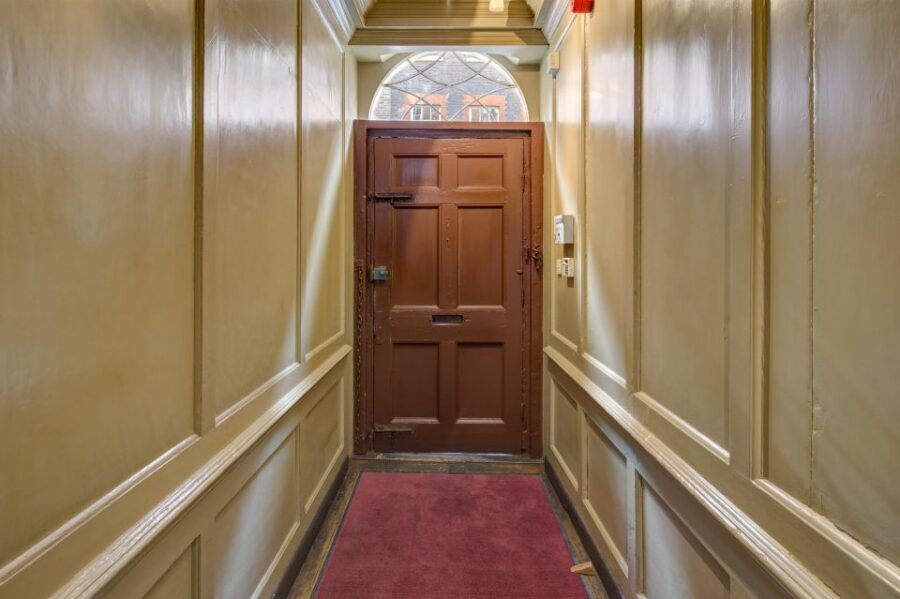
The tour begins by easing you into Franklin’s London story while you’re physically inside the spaces he would have known—or at least the spaces that kept the household rhythm across eras. That’s where the architecture tour idea pays off.
When you reach the kitchen, you get a specific kind of history: food in the Georgian sense. The guide ties this stop to Franklin’s thoughts on the London diet, and you’ll also learn about what would have shaped daily meals in that setting.
This isn’t just trivia. Food tells you what people valued, what was affordable, what was fashionable, and what a city was like on ordinary days. In a house this small and vertical, even a kitchen stop can feel personal.
Upstairs to Margaret Stevenson’s parlour: rooms for conversation and power
Next comes the move upstairs, where the story adds a key name: Margaret Stevenson. She’s the wealthy widow from whom Franklin rented the floor, and the tour uses her parlour to connect architecture to relationships.
This is also where Franklin stops being only a famous figure and becomes a working Londoner with a social world. You’ll hear about the influential visitors he met and discussed current affairs with while he was based there.
The tour also balances the public image with the private angle—Franklin’s relationship with the Stevenson family and what it meant for his London stay. If you like biographies that show the human side, this parlour stop is a high-value section.
Craven Street Bones and Hewson’s Anatomy school: science in an old address
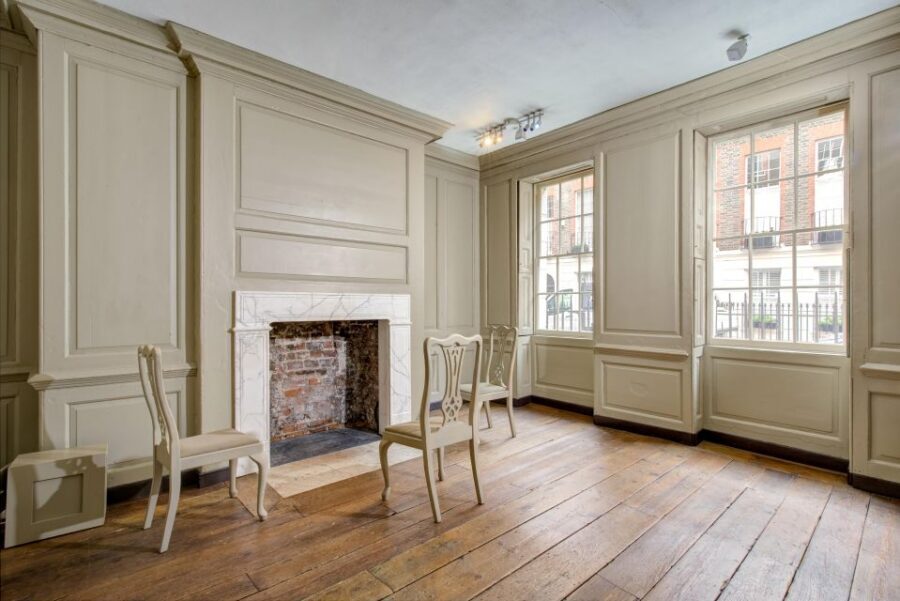
Then you’ll shift into the more unusual, memorable material: Craven Street Bones and surgeon Hewson’s Anatomy school. It’s a reminder that London wasn’t just politics and philosophy—there was intense scientific activity happening too.
What I like about this part is the way it helps you see Franklin as part of a broader intellectual ecosystem. You’re not just learning what he believed in isolation; you’re learning how ideas circulated through institutions, teachers, and practical education.
Even if you’re not a science person, the subject has an immediate effect: it changes how you read the building. You start to notice the sense of purpose in the rooms and the movement between floors.


Franklin’s parlour and the 16-year stay: experiments, politics, and leaving for America
The tour’s central emotional moment is Franklin’s rented floor and parlour—the place tied to his 16-year London period. Here, the guide focuses on his experiments and his political beliefs, plus his eccentric streak.
You’ll also learn how the Stevenson relationship shapes the story. Franklin wasn’t only renting space; he was building a working life in London, including conversations and connections that fed into his wider thinking.
Finally, the tour brings the thread to a clear turning point: Franklin left London and the Stevenson family in 1776 when he returned to America to sign the Declaration of Independence, never to return to London. That’s a strong ending for an architecture tour, because it reframes the house as a chapter with a closing page.
The Glass Armonica Room: a hands-on finale that makes the story stick
The last big stop is the Glass Armonica Room. This is where the experience moves from listening to doing. You’ll be invited to try your hand at playing a tune on Franklin’s instrument.
For many people, this is the moment that makes the whole hour feel real. Architecture explains the setting; science and politics add context; then music turns it into something you can physically connect to.
It’s also a smart pacing choice for a compact tour. After heavier topics like anatomy education and politics, the instrument stop offers a lighter, memorable payoff without dragging the schedule.
What to expect physically: stairs, uneven floors, seating, and photo limits
This house has plenty of built-in “plan ahead” realities. It’s a five-storey townhouse with a staircase between each floor, and the floors and stairs are uneven and sloping. Handrails are on all staircases, and there’s visitor seating in all historic rooms, but you’ll still want to take care on the stairs.
Accessibility is limited. There is no wheelchair access, and restrooms are downstairs in the basement with no accessible restroom. If you need step-free routes, you should treat this as an important decision point before booking.
Photo and media rules are clear. Flash photography isn’t allowed, and audio recording isn’t allowed. The tour encourages photos and questions, which is a nice combination—you can document what you see without turning the visit into a recording session.
Guides and atmosphere: when the story is told well, the rooms come alive
The quality of the guide can really shape how the house lands for you. For example, a guide named Volunteer Ron is noted for being both enthusiastic and deeply invested in Franklin and the house’s details.
Another guide mentioned is Brian, who shares extra detail and context along the way. When guides bring that extra layer, you spend less time wondering what you’re looking at and more time understanding why it matters.
You’ll also feel the house’s people-to-place focus. Even in a small building, the staff and guides create an environment where questions are welcome at the end.
Value and who should book: $16 for a focused hour inside a real historic house
At $16 per person for an hour-long tour with entry included, this is strong value if you want more than a quick look. You’re paying for access plus interpretation, and you’re seeing multiple key rooms tied directly to Franklin’s life and ideas.
It’s also great if you like history that isn’t stuck behind glass. You’re walking through a townhouse with Georgian and Victorian elements, then linking those physical spaces to experiments, politics, and education.
This tour fits especially well for:
- People who love architecture and want the building explained in plain terms
- Anyone curious about Franklin beyond the textbook version
- Families with kids over 12, since children under 12 enter for free
If your goal is a long, slow museum-style day with lots of wandering, you might want to pair this with additional time elsewhere in London. But as a compact, high-context experience, this hour is a good use of time.
Should you book this architecture tour?
I think you should book it if you want an hour that connects place, person, and ideas without wasting time. The Franklin story here is tied to the building itself—kitchen to parlour to instrument room—and that makes it easier to remember than a generic overview.
You should think twice if stairs and uneven floors would be a problem for you. Since there’s no wheelchair access and restrooms are in the basement, plan around the physical setup before you go.
If that’s workable, this tour is a smart choice: you’ll leave with real names (like Margaret Stevenson and surgeon Hewson), vivid room-specific stories, and at least one hands-on moment to anchor the visit.
FAQ
How long is the tour?
Tours last about an hour.
What is included in the ticket price?
Your price includes entry to the House and the hour-long tour, with time to ask questions at the end.
Where do I meet for the tour?
Meet at 36 Craven Street by knocking on the door below the Benjamin Franklin House sign.
Is the tour in English?
Yes, the tour guide speaks English.
Can children attend, and is there a child ticket price?
Children under 12 enter for free.
Are photos allowed?
Visitors are encouraged to take photos, but flash photography is not allowed.
Is there audio recording during the tour?
No, audio recording is not allowed.
Is the House wheelchair accessible?
No. There is no wheelchair access, and there is no accessible restroom.
What items are not allowed inside?
Pets are not allowed (assistance dogs are permitted). Smoking indoors and vaping are not allowed, and drinks, alcohol and drugs, and bare feet are also not allowed.