REVIEW · LONDON
London: Beatles In My Life Walking Tour with Richard Porter
Book on GetYourGuide →Operated by London Northwest.com Ltd · Bookable on GetYourGuide
Beatles London, mapped street by street. This 2-hour walk tracks recordings, marriages, and gossip from Swinging London, with Richard Porter linking the places to the songs. I love the built-in Abbey Road photo moment and the way Richard Porter turns facts into funny, easy-to-follow stories. The only catch: it is a proper walking tour and it is not suitable for wheelchair users, so plan for uneven sidewalk time.
You start at Marylebone Station’s main archway entrance, and you’ll spot your guide holding Beatles walks leaflets with a Beatles Bag and wearing a Beatles shirt and/or hat. The tour runs rain or shine, and it mixes walking with a short Underground hop to get you into the right part of London for the Abbey Road end.
At $26 per person for a guided, story-led route that culminates with the famous crossing, this is strong value for music fans who want more than just a photo. You’ll still want comfy shoes and patience, because London crowds and traffic noise can make it harder to hear every detail if you drift away from the guide.
In This Review
- Key highlights
- Following Richard Porter from Marylebone Station
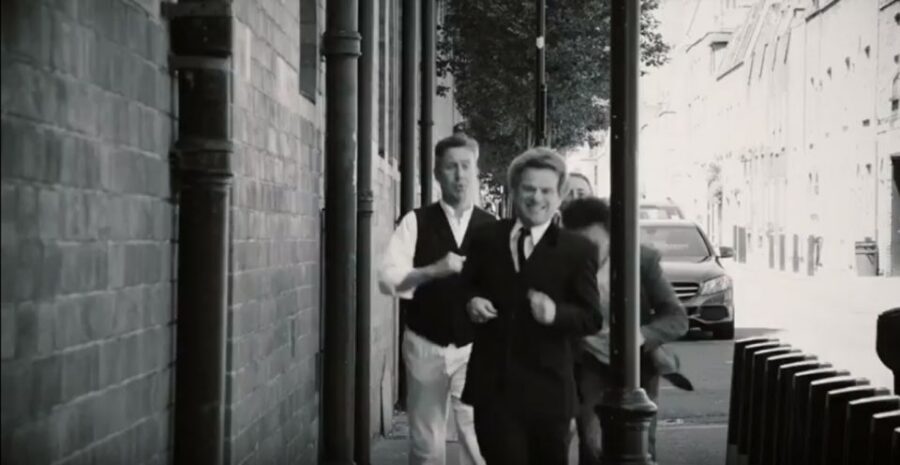
- The A Hard Day’s Night opening scenes, recreated on the street
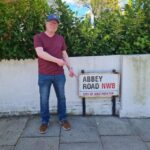
- Abbey Road crossing: photos, timing, and the feeling of the ending
- Ringo Starr, John Lennon, and Jimi Hendrix: overlapping legends in real neighborhoods
- Where two Beatles were married—and where one was married twice
- Bigger than Jesus: the interview, the impact, and the London angle
- Hey Jude at the studio: hearing a hit as something made, not magic
- Practical tips for a smooth 2-hour walk
- Should you book this Beatles In My Life walking tour?
- FAQ
- Where is the meeting point for the tour?
- How long is the London: Beatles In My Life walking tour?
- What is included in the price?
- Is the Underground fare included?
- What should I bring?
- Is luggage allowed?
- Is the tour wheelchair accessible?
- What language is the guide?
Key highlights
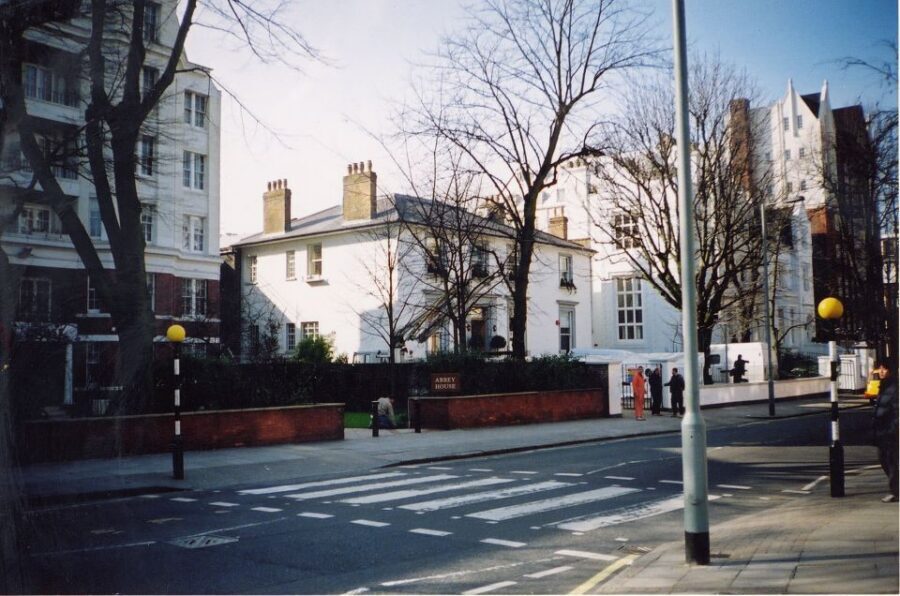
- Abbey Road crossing photo time with a classic London moment at the end of the walk
- A Hard Day’s Night reenactment that turns movie scenes into real street-level geography
- Homes and creative overlaps tied to Ringo Starr, John Lennon, and Jimi Hendrix
- Marriage locations for two Beatles, plus one Beatle linked to a second marriage
- Hey Jude recording studio visit tied directly to the sound you know
Following Richard Porter from Marylebone Station
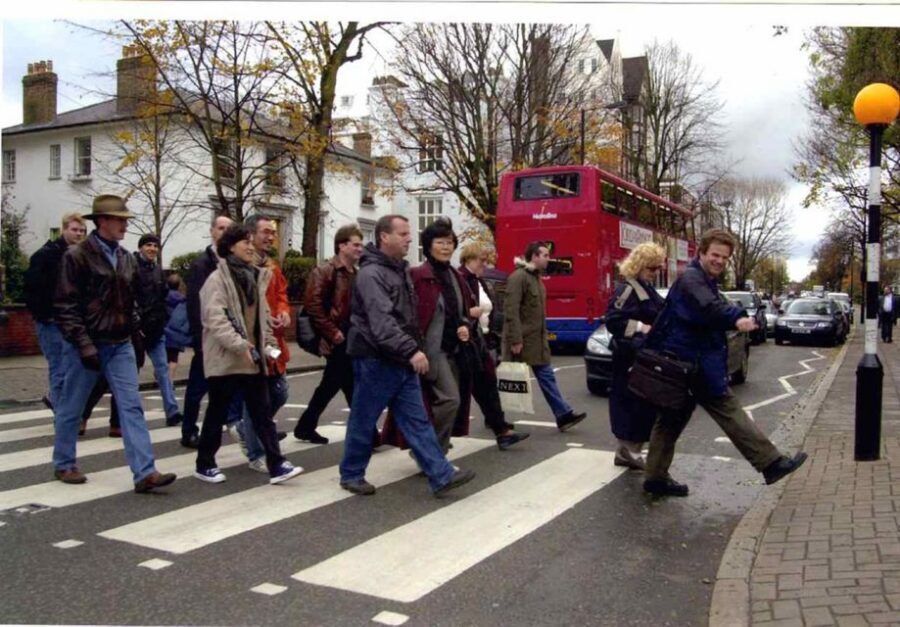
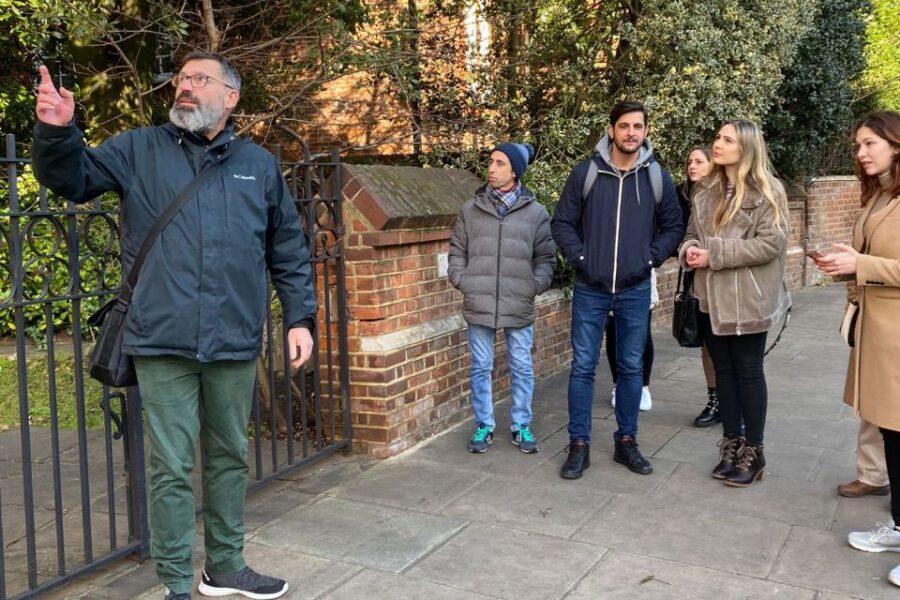
This tour is built for people who like their sightseeing with context. You meet outside the main archway entrance of Marylebone Station. When you see the guide holding Beatles walks leaflets (plus the Beatles Bag) and wearing a Beatles shirt and/or hat, you know you’re in the right place.
From there, you head out on foot and you’ll also take a short Underground ride to reach the Abbey Road area. The big reason this works is simple: walking-only can leave you stuck doing too much zigzag in the wrong neighborhoods. This way, you still get that street-level feel, but you also spend your 2 hours where the Beatles story actually concentrates.
One practical note: the Underground element is included, but the fare for the short tube journey is listed as not included. So you’ll want to budget a little extra for the transit fare so you’re not scrambling mid-tour.
You can also read our reviews of more walking tours in London



The A Hard Day’s Night opening scenes, recreated on the street
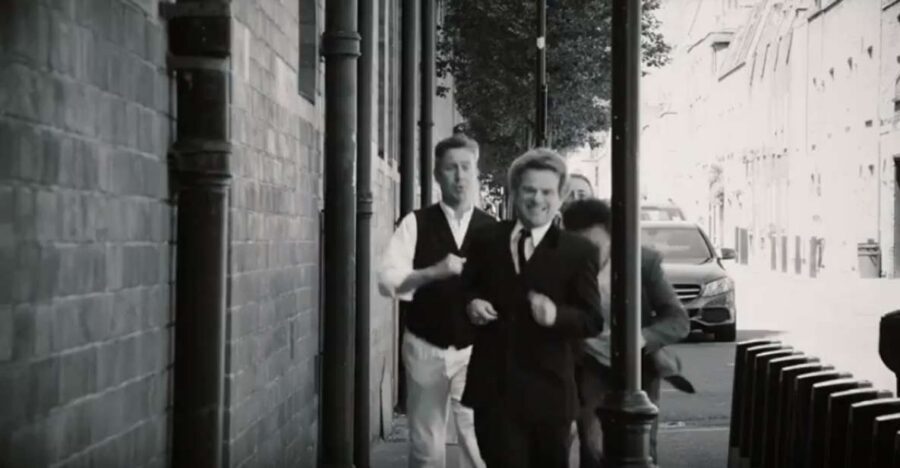
A lot of Beatles tours show buildings. This one tries to show how it felt when the music and the movies met the city. One of the most fun planned moments is the reenactment of the opening scenes from A Hard Day’s Night.
What you get from this is more than a stunt. You start to see how London locations became part of the Beatles brand: quick, recognizable, and easy to picture even if you’ve never been to these streets before. And because it’s tied to a specific film moment, it gives your brain a hook for remembering the stops. When you walk away, you’re not just collecting names—you’re connecting places to pop-culture scenes.
If you’re a fan of film as much as music, this part tends to land especially well. Even if you’re not the type to study music history, reenactment-style moments turn the tour into an experience you can replay in your head while you’re back at your hotel.
Abbey Road crossing: photos, timing, and the feeling of the ending
Yes, you’ll cross Abbey Road and take photos. But the useful part is how the tour sets it up as a finale.
The tour includes photo opportunities throughout the walk, and it saves the big wow for the Abbey Road end. That matters because by the time you reach the crossing, you’ve already heard stories about the Beatles’ living spaces, creative routines, and the larger London scene around them. So the crossing doesn’t feel like a random selfie stop. It feels like the last chapter.
Also, your tour is designed to end where you can actually stand in the middle of the story—so you’re not just peering at a distant landmark. Plan for the normal reality of Abbey Road day-to-day: crowds and camera phones. Go in calm, slow down for photos, and be ready for a few moments where you may have to wait your turn.
One last thing I’d keep in mind: the walk ends at Abbey Road, and you’ll likely need to get yourself back to your starting area or your next plan afterward. The tour does not turn into a full-day transportation service. It’s a tight 2-hour arc, then you’re off.
Ringo Starr, John Lennon, and Jimi Hendrix: overlapping legends in real neighborhoods
This tour leans into something that makes Beatles London interesting: the city isn’t just Beatles-only. You’re also sent to places connected to Jimi Hendrix, and you’ll see how different strands of London music life ran on parallel tracks.
Stops include where Ringo Starr lived (including stories tied to Ringo’s apartment with his first wife), places associated with John Lennon, and locations connected to Jimi Hendrix living and writing famous songs. Even though you’re on a Beatles-focused route, that Hendrix layer gives you perspective. It reminds you that London in that era was a creative pressure cooker, not a one-band bubble.
You’ll also hear about Paul McCartney recording demos and his “Yesterday” dream. That’s the kind of detail that changes how you listen to the songs later. Instead of hearing Yesterday as only a finished studio product, you start thinking about the private process behind it—ideas, quiet moments, and the way a tune can begin as a thought before it becomes something everyone knows.
What I like most about this part is that it’s not just name-dropping. The tour uses these addresses and homes to explain how the Beatles lived, worked, and socialized. That’s why it feels like a walking biography rather than a list of famous spots.
Where two Beatles were married—and where one was married twice
In Beatles history, relationships weren’t background noise. They were part of the story people couldn’t stop talking about. This tour takes you to locations tied to the weddings of two of the Beatles and highlights where one Beatle was married twice.
Why this matters for you, even if you’re not in the weeds of personal history: it gives you a timeline. When you’re walking across London and hearing song stories, the personal timeline helps you understand the emotional weather behind the music. It also keeps the tour from feeling like it’s only about “the sound.” You’re seeing the human layer—who was with whom, and how those connections played into public curiosity.
Just be aware of the tone. These stops focus on facts and context, not gossip for gossip’s sake. If you want the heavier side of Beatles fandom, this tour gives you that angle without turning it into a messy detour.





Bigger than Jesus: the interview, the impact, and the London angle
One of the most important cultural moments connected to the Beatles is John Lennon’s Bigger than Jesus interview and the backlash and fallout that followed. This tour includes a stop-and-story moment about how that interview landed and why it mattered.
What you get from this isn’t just the headline. The tour uses the London setting to show how fast the Beatles went from music phenomenon to world conversation. When you hear the interview discussed alongside the places where the Beatles lived and worked, it helps you understand why the band felt so tightly woven into everyday life at the time.
For many fans, this is where the tour stops being only “cool places” and becomes “how did it all become bigger than music.” If you care about the social impact of art, this segment is a strong anchor.
Hey Jude at the studio: hearing a hit as something made, not magic
The tour includes a stop at the studio where the Beatles recorded Hey Jude. That’s huge value if you’re the type who loves understanding how songs are built.
Here’s why a studio stop hits differently than a roadside landmark: it reframes the song as a process. Instead of treating Hey Jude like an untouchable classic, you’re standing near the kind of place where recordings were planned, captured, and shaped until they worked.
This studio-focused moment also supports the tour’s overall structure. You’re not just walking through biographies—you’re walking through creative output. Earlier you’re learning about demos and ideas (like Paul’s Yesterday dream). Later you get a direct tie to a finished, famous recording (Hey Jude). That line from idea to song is the practical payoff for the time you spend outside.
Practical tips for a smooth 2-hour walk
This tour is straightforward, but a few details can make your experience better.
- Bring comfortable shoes. You’ll be on foot for a good part of the 2 hours, and London sidewalks can be uneven.
- Wear something that handles London weather. The tour runs rain or shine, so you’ll want a rain layer even in mild forecasts.
- Expect photo moments. The tour is built around seeing and photographing key spots, especially Abbey Road.
- Keep your hearing in mind. Busy streets and traffic noise can drown out a guide if you’re not close enough. Try to stay oriented toward the front so you don’t miss details.
- Follow the bag rules. Luggage or large bags are not allowed, so travel light.
- Accessibility is limited. It is not suitable for wheelchair users.
If you’re bringing kids or going with mixed music tastes, this tour can still work because it’s not only facts—it has reenactments, photo pauses, and a story rhythm that helps people stay with it.
Should you book this Beatles In My Life walking tour?
Book it if you’re a Beatles fan who wants the story behind the songs, not just famous addresses. This works especially well if you care about connections—where the Beatles lived, how films like A Hard Day’s Night influenced the public image, and how creative life in London shaped what we hear today. The Abbey Road finale and the Hey Jude studio stop give it clear, satisfying endpoints.
Skip it if you dislike walking, need wheelchair-friendly routes, or you’re looking for a quiet, museum-style pace. It’s a lively street experience, built on movement and storytelling, not slow indoor viewing.
If you want a focused 2-hour Beatles fix with real characters (Richard Porter, author of Guide to the Beatles London) and concrete stops tied to recordings and famous moments, this is a solid choice.
FAQ
Where is the meeting point for the tour?
You meet outside the main archway entrance of Marylebone Station. The guide will be holding Beatles walks leaflets and carrying a Beatles Bag, and wearing a Beatles shirt and/or hat.
How long is the London: Beatles In My Life walking tour?
The tour lasts 2 hours.
What is included in the price?
It includes a fully guided walking tour, a short trip on the Underground to Abbey Road, and photo opportunities.
Is the Underground fare included?
The short tube journey to St John’s Wood for Abbey Road is not included, so you’ll need to pay the fare separately.
What should I bring?
Wear comfortable shoes. The tour also takes place rain or shine, so plan for weather.
Is luggage allowed?
No. Luggage or large bags are not allowed.
Is the tour wheelchair accessible?
No. It is not suitable for wheelchair users.
What language is the guide?
The tour is guided in English.