REVIEW · LONDON
London: Beatles Walking Tour with Abbey Road Crossing
Book on GetYourGuide →Operated by London Walks and All · Bookable on GetYourGuide
Abbey Road feels like a time machine. This Beatles walking tour threads together the band’s London landmarks with a live guide named Grant, who keeps the stories grounded and easy to follow. The big payoff is the classic stop at the Abbey Road Crossing, where you get set up for that iconic picture, plus photo or video help if you want it.
I also like how the tour isn’t just cute postcard stops—it connects dots, including the John Lennon Blue Plaque moment and the sharper, real-world stories that sit behind it. The main drawback to plan for: it’s a fair amount of walking over 2.5 hours, and if your group moves slower or you’re not into a quick pace, you may feel it.
In This Review
- Key Beatles moments you can’t miss
- Where the tour starts in St John’s Wood (and how the 2.5 hours feel)
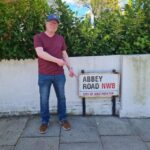
- Abbey Road Crossing: the zebra shot and the story behind it
- Walking from Paul’s orbit to Marylebone’s film locations
- Apple Boutique, Apple Corp, and the Beatles-are-in-London feeling
- John Lennon’s Blue Plaque and the drug-bust story
- The BBC area, Speakeasy Club, and the early infrastructure
- Carnaby Street, a John Lennon statue, and Bag ’o’ Nails
- 3 Savile Row: the last ever Beatles concert
- Pace, shoes, and who this tour really suits
- Price and value: is $26 worth it?
- Quick decision: should you book this Abbey Road Beatles tour?
- FAQ
- How long is the Beatles walking tour?
- Where do I meet the guide?
- Where does the tour end?
- Does the tour include Abbey Road Crossing and Abbey Road Studios?
- Is public transportation included?
- Is there an entrance fee included for attractions?
- What should I bring?
- Is the tour suitable for wheelchair users or people with mobility impairments?
Key Beatles moments you can’t miss
- Abbey Road Crossing photo stop, with video/photo support during the zebra crossing moment
- Abbey Road Studios area, explained as the world’s most famous recording-studio setting
- Tube hop to Marylebone Train Station, used as a film-location point tied to A Hard Day’s Night
- John Lennon Blue Plaque and the drug-bust story, including why Lennon and Yoko were arrested
- Apple Corp and Apple Boutique locations, plus the story around Beatles marriages in the area
- 3 Savile Row, the venue of the last ever Beatles concert at the end of the tour
Where the tour starts in St John’s Wood (and how the 2.5 hours feel)
You’ll meet in St. John’s Wood, outside the Helter Skelter Coffee Shop. From there, the tour moves in a steady line through Beatles territory, starting with locations tied to Sir Paul McCartney’s London home before you work your way toward the Abbey Road area. The guide uses a storytelling style that helps you picture what you’re seeing, not just scan street corners.
The total time is about 2.5 hours, and that matters because you’re not doing this one stop at a time. You’re moving between multiple neighborhoods—walk segments plus a short Tube journey to Marylebone Train Station—so come prepared for a continuous tour rhythm. If you like “watch, then walk, then watch again,” you’ll be in your element.
One more practical note: this is live and in English. You’ll want a good camera setup and enough water for a couple of hours outdoors, since the tour expects you to be outside in typical London weather.
You can also read our reviews of more walking tours in London



Abbey Road Crossing: the zebra shot and the story behind it
This is the moment Beatles fans plan for. The tour leads you to the Abbey Road Crossing, the zebra stripes that have become a worldwide symbol. You’re also guided on how to capture the photo properly, and you may even get help getting video or pictures during your crossing moment.
What I like here is that the tour doesn’t treat Abbey Road like a single photo booth. It links the crossing to what makes the area matter: the neighborhood around the studio, and the way the Beatles turned a real London street scene into something mythic. The guide named Grant also shows supporting context using historical footage on an iPad, which helps you connect the street you’re standing on with the visuals you already know.
Then you move to the Abbey Road Studios location. You’re not going inside for an attraction fee as part of this tour, but you’ll learn what’s so distinctive about the studio’s place in pop music—why so many people chase this address, not just the photo spot. Even if you’ve read about Abbey Road before, being walked through it by someone who can point out the storytelling pieces makes the area feel less like trivia and more like a place where music happened.
Walking from Paul’s orbit to Marylebone’s film locations
After the Abbey Road focus, the tour continues with more London mapping: the guide keeps your route tied to Beatles milestones rather than random celebrity filming spots. You’ll take a short Tube journey to Marylebone Train Station, which is the kind of change of pace that helps when you’re on your feet for hours.
Marylebone matters in this story because it’s connected to filming—this stop ties to A Hard Day’s Night. If you love seeing how movies translate to real streets, you’ll appreciate this section because it gives you a “before-and-after” feeling: the station you see today and the film version your brain already holds.
This is also where having the guide’s pacing right becomes important. One person in the tour comments on how moving quickly can cause the group to lose cohesion. That’s a good warning for you: if anyone in your party needs slower steps, it’s worth mentioning it early so the guide can help you keep up.
Apple Boutique, Apple Corp, and the Beatles-are-in-London feeling
The tour spends time on the Apple Corp story and nearby storefront locations, including the Apple Boutique. This is one of those stops that can land differently depending on your Beatles level. If you’re the kind of fan who likes business-era details—the transition from Beatlemania to branding—you’ll probably enjoy it a lot.
If you’re more focused on songs and iconic scenes, you might find Apple Boutique less gripping than the Abbey Road moment. That’s not a flaw in the tour so much as a mismatch in expectations: some stops are about cultural impact and places the Beatles touched, not every stop will feel equally emotional.
Still, there’s value in understanding what the Beatles’ presence looked like on the ground in London—how the brand and offices worked in the city, not just how the band looked on stage. The guide also covers the location of where two Beatles were married three times, which gives this section a personal, story-driven angle instead of being only about shops.
John Lennon’s Blue Plaque and the drug-bust story
If you want the tour to feel grounded in real life rather than only the cute poster image, this section is where it delivers. You’ll see the Blue Plaque for John Lennon, and the guide explains a darker chapter tied to a drug bust that led to Lennon and Yoko being arrested.
This is valuable because it balances the “legend” part of Beatles London with consequences and headlines. You’re not just looking at a wall marker; you’re hearing why the marker exists and what it represents in the wider story of the 1960s. It’s also one of the moments where a good guide can matter more than you’d expect. When the story is told clearly, you start to understand why certain sites are treated like landmarks while others fade.





The BBC area, Speakeasy Club, and the early infrastructure
The tour also passes the BBC area and the former site of the Speakeasy Club. On paper, those might sound like filler stops, but the way the guide connects them can turn them into “aha” moments—especially if you care about how fame gets built and amplified.
You’ll also hear about how Beatle Mania was created and where Brian Epstein’s NEMs offices were located. For me, that’s the point where a Beatles walking tour stops being only nostalgic and starts becoming about systems: promoters, TV/radio ecosystems, and the office work behind the scenes. Even if you already know the big names, it helps to see the places where the engine was sitting.
If your group is tired or your attention span is fading, this is where the guide’s ability to keep the thread moving becomes crucial. Still, even quick glances at these sites can give you a bigger sense of the city’s role in turning a band into a worldwide phenomenon.
Carnaby Street, a John Lennon statue, and Bag ’o’ Nails
Next up is Carnaby Street, including a statue of John Lennon. This stop helps shift the mood toward the “London as a character” side of the Beatles story. Carnaby Street is tied to style and youth culture, and pairing that with Lennon’s iconography makes the neighborhood feel like part of the music’s message.
Then comes Paul’s favorite club, the Bag ’o’ Nails, where the tour points out the location connected to where he first met Linda. That’s one of the quieter, more human parts of the walk. The stories here feel less like big headline events and more like the texture of life around the band—who met whom, where relationships grew, and how London became personal.
If you’re traveling solo or with another Beatles fan, this section often works well because it gives you different photo angles and more room for reflection between busier sites.
3 Savile Row: the last ever Beatles concert
The tour finishes at Burlington Arcade, with the final featured site being 3 Savile Row, described as the venue of the last ever Beatles concert. This is the kind of ending that feels purposeful. After all the joy-filled stops—zebra crossings, studio locations, clubs—you get a clean emotional landing.
I like that the tour doesn’t end on a random storefront. It ends on a concrete location tied to a specific, meaningful moment. And because you’re finishing downtown, it’s usually easy to connect onward afterward for dinner, a quick museum detour, or just a long walk to process what you just saw.
Pace, shoes, and who this tour really suits
Let’s be honest: this is a walking tour. Some parts are on foot between landmarks, and there’s also a Tube segment. The people who tend to love this kind of tour are the ones who enjoy steady walking plus constant context—short pauses, then another street corner, then another story.
It is not suitable for:
- Children under 10
- People with mobility impairments
- Wheelchair users
- People with heart problems
- People over 95
So if you have mobility needs, double-check carefully. Even if you’re young and fit, the pace can feel brisk if your group gets separated. One person noted the group fell behind at least once and the guide didn’t immediately realize it. That tells you what to do as a smart participant: stay close, watch the guide, and if you need a slower rhythm, speak up early.
The good news from other experiences is that the guide is patient and story-focused. Grant has also been praised for using historical footage on an iPad and for being willing to help with photos and video. That kind of support can make the route feel smoother, even if the walking is non-stop.
Price and value: is $26 worth it?
At $26 per person for about 2.5 hours, you’re paying mainly for three things: a guide, a route that links dozens of Beatles-relevant locations, and a couple of “high recognition” moments like Abbey Road Crossing and the finish at 3 Savile Row. This tour also includes a Tube journey to Marylebone Train Station, which is one less transit hassle you have to plan on your own.
What’s not included is also important. There are no meals, and entrance fees to attractions aren’t covered. If your plan includes paid museum time, add that separately. For a Beatles fan who wants the city mapped into a single afternoon plan, this price is fair because it compresses a lot of key sites into one guided loop.
In plain terms: if you want a Beatles itinerary you can follow without guessing routes or digging up facts, this is a solid value. If you prefer slow pacing with lots of sit-down time, or you hate walking between street-level landmarks, you might feel the cost doesn’t match the experience.
Quick decision: should you book this Abbey Road Beatles tour?
Book it if you:
- Want a focused London Beatles walking route in 2.5 hours
- Care about the big photo moments like Abbey Road Crossing
- Enjoy guided storytelling that ties places to events, including the John Lennon Blue Plaque and the drug-bust context
- Like a guide who supports explanations with historical footage on an iPad (from Grant)
Skip or switch plans if you:
- Need step-by-step slow pacing or lots of rest breaks
- Have mobility limitations that make extended walking hard
- Are only in it for one iconic stop and don’t want a multi-stop route
If you can comfortably walk for a couple of hours and you like Beatles context more than just selfies, this tour is one of the better ways to turn London streets into a real narrative.
FAQ
How long is the Beatles walking tour?
It runs for about 2.5 hours.
Where do I meet the guide?
You meet outside the Helter Skelter Coffee Shop in St. John’s Wood.
Where does the tour end?
The tour finishes at Burlington Arcade, with the last featured stop at 3 Savile Row, the venue of the last ever Beatles concert.
Does the tour include Abbey Road Crossing and Abbey Road Studios?
Yes. You’ll visit the Abbey Road Crossing and see the Abbey Road Studios location and learn about its history.
Is public transportation included?
Yes. The tour includes a short Tube journey to Marylebone Train Station.
Is there an entrance fee included for attractions?
No. Entrance fees to attractions are not included.
What should I bring?
Bring comfortable shoes, a camera, and water.
Is the tour suitable for wheelchair users or people with mobility impairments?
No. It is not suitable for wheelchair users or people with mobility impairments.