REVIEW · LONDON
London: British Museum Highlights Tour: How Beauty Was Born
Book on GetYourGuide →Operated by MyLondonGuide · Bookable on GetYourGuide
Beauty has a backstory worth walking for.
If you like museums but hate the stress of choosing where to go, this British Museum highlights tour is a smart fix. You get a guided route through big-name objects, each one tied to how people over thousands of years imagined beauty, meaning, and even morality.
I like the small-group setup (maximum 8), because it keeps the tour from turning into a herd shuffle. And I love the way the theme stays clear: not just what you’re looking at, but why it helped shape later ideas about art and appearance. You’ll also get fast track entry so you spend more time inside the galleries and less time in pre-museum limbo.
One drawback to plan around: the tour is not for wheelchair users and it involves a moderate amount of walking, so you’ll want comfortable shoes and realistic expectations if you have mobility limits.
In This Review
- Quick Hits: What Makes This Tour Work
- Why a 2-Hour British Museum Route About Beauty Feels Like a Win
- Meeting at Edward VII Entrance and Using Express Security Smartly
- Rosetta Stone: Lost Languages and the Moment Meaning Clicks
- Parthenon Marbles: Ancient Greece and the Long Shadow of Beauty
- Egyptian Mummies: Life, Death, and the Meaning of Bodies
- Love and Fate in Ancestors’ Art: Tragic Stories That Still Land
- Medieval Comic Books and Jesus’ Childhood Narratives
- Group Size, Walking Pace, and What to Bring on the Day
- Price and Value: Is $33.67 Worth It for Two Hours?
- Who This Tour Suits Best
- Should You Book the British Museum Highlights Tour on Beauty’s Origins?
Quick Hits: What Makes This Tour Work
- Fast track security gets you moving quickly at a busy museum
- Small group (up to 8) keeps the guide’s attention focused
- Rosetta Stone is explained as the key to understanding hieroglyphs
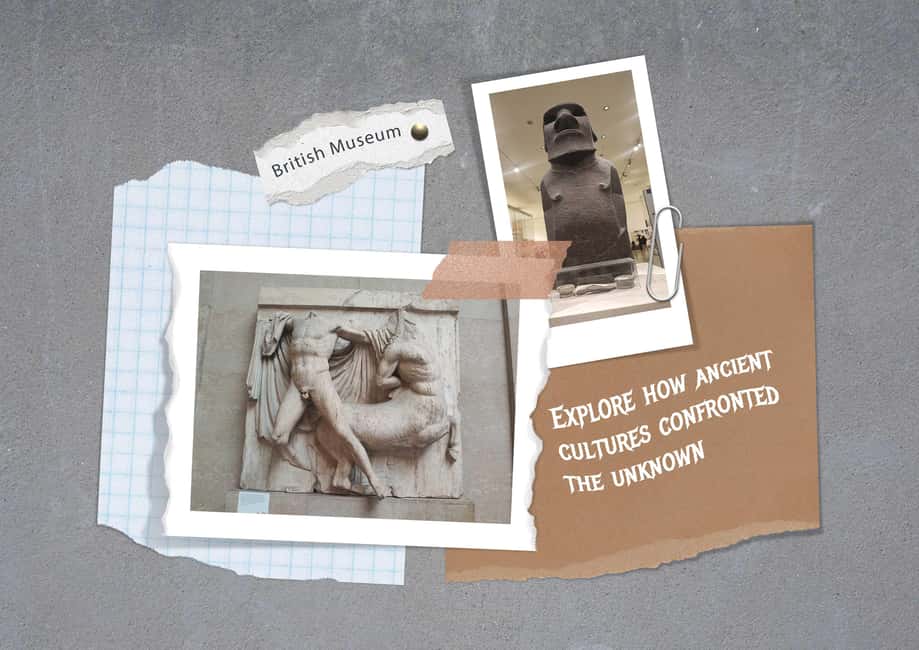
- Parthenon Marbles connect ancient Greek ideas to modern beauty standards
- Egyptian mummies get framed as a story about life and death
- Medieval comic books add a surprising angle to Jesus-related imagery
Why a 2-Hour British Museum Route About Beauty Feels Like a Win
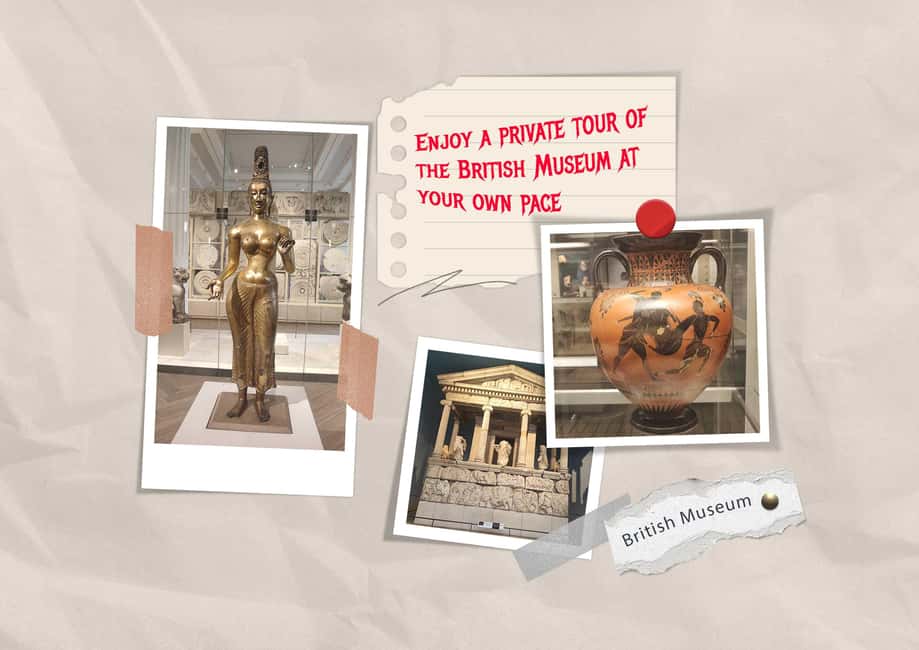
The British Museum is massive, and even committed history fans can feel overwhelmed. What I like about this tour is the framing: it turns the museum into a story you can follow in about two hours, not a maze you have to conquer on your own.
Beauty here isn’t treated like skin-deep fashion. It’s about design choices, ideals, and how societies used art to communicate what mattered. That makes the stops more engaging than a checklist of famous artifacts.
And the pacing is built for real life. You’re doing a moderate walk, but you’re not spending half your day simply getting from one wing to another.
You can also read our reviews of more tours and experiences in London.



Meeting at Edward VII Entrance and Using Express Security Smartly
You meet at the group entrance to the British Museum (Edward VII’s Entrance), and the guide is holding a sign that reads My London Guide. That matters more than you’d think. When a museum is crowded, the difference between finding your group quickly and wandering around stressed-out is huge.
You’ll also use fast track entry with an express security check. In practice, this is the part that saves you time, especially if you’ve already spent the morning on public transport. The tour ends back at the meeting point, so you’re not guessing your way out through multiple halls.
Bring a bottle of water if you need it, but remember you can’t eat in the exhibition halls during the tour.
Rosetta Stone: Lost Languages and the Moment Meaning Clicks
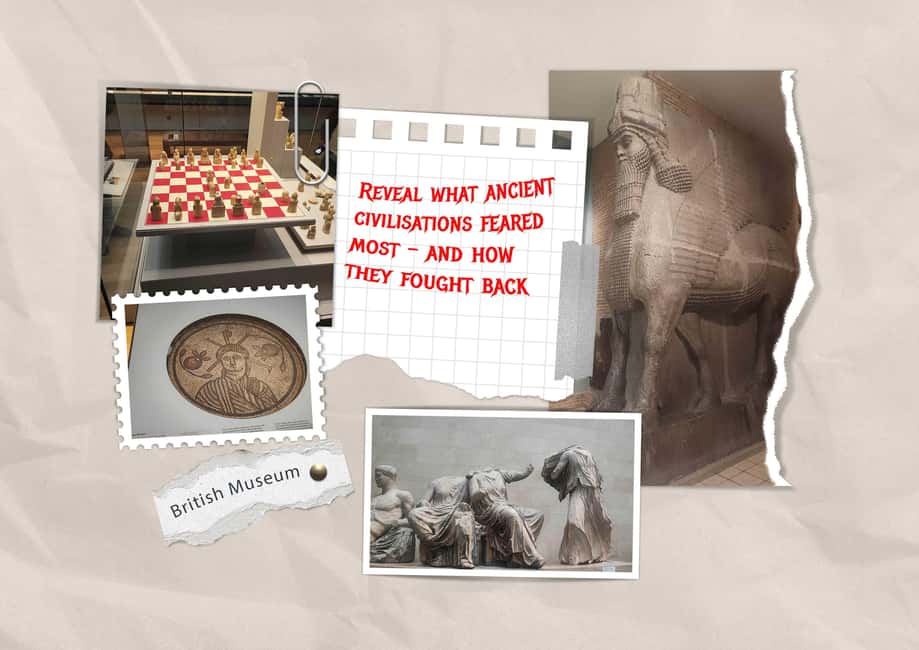
One of the most iconic pieces in the museum gets handled with a clear payoff. The tour uses the Rosetta Stone as your starting point for how language and knowledge unlock whole worlds.
Why this stop works: it’s not just an object you recognize from textbooks. It’s the story of how hieroglyphs could be understood at all. When you connect that to the wider theme—how beauty ideas evolved—you start to see a pattern: information, translation, and shared meaning are what allow cultures to influence one another over time.
Practical tip: this is a good place to take photos without flash and let your guide’s explanation guide where you look. The object is famous, but details are easier to notice when you know what to listen for.
Parthenon Marbles: Ancient Greece and the Long Shadow of Beauty
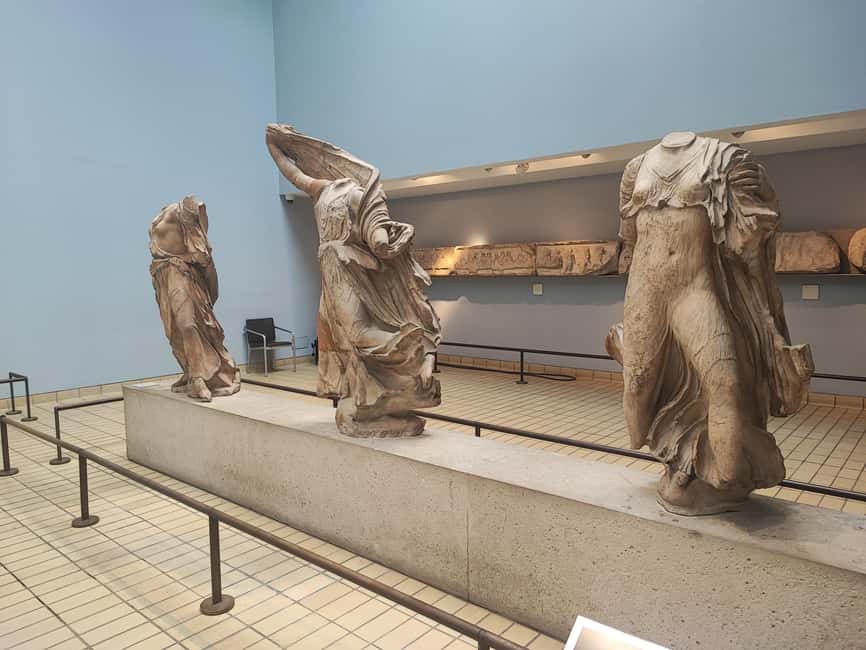
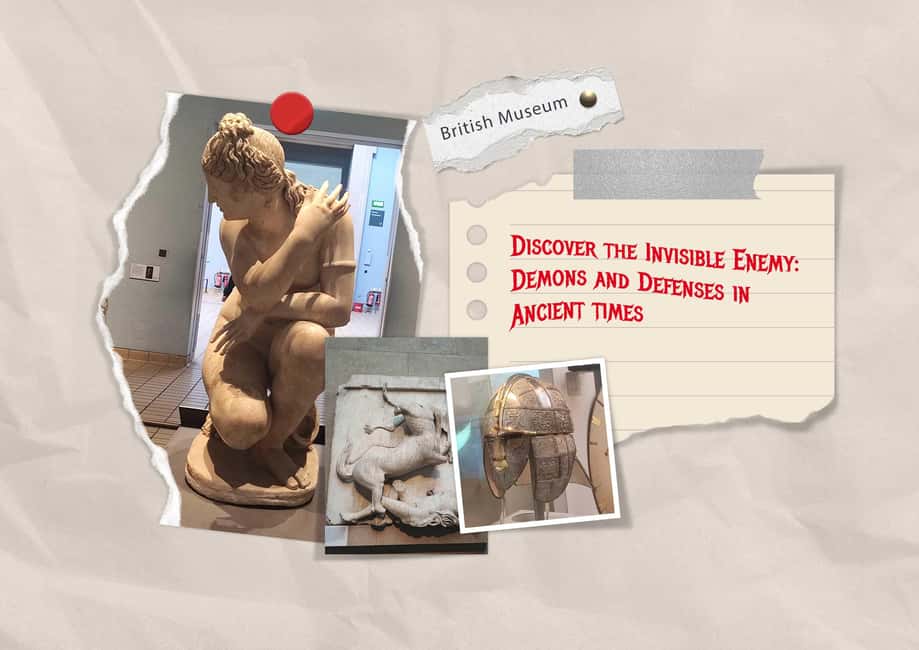
Next comes the Parthenon Marbles, presented as part of the evolution of beauty. This is where the tour makes ancient art feel relevant rather than distant.
Ancient Greece gave later cultures language for art and form—ideas that spread far beyond Athens. The marbles are your visual anchor for that influence. You’re not just seeing sculpted figures; you’re seeing a cultural mindset about balance, proportion, and how storytelling can be built into stone.
One thing to keep in mind: this stop can be eye-opening if you’ve only ever treated Greek art as “classical” and moved on. The guide’s job here is to connect the look of the work to the beliefs behind it—especially the way later societies borrowed those ideals when they talked about what beauty should be.
Egyptian Mummies: Life, Death, and the Meaning of Bodies
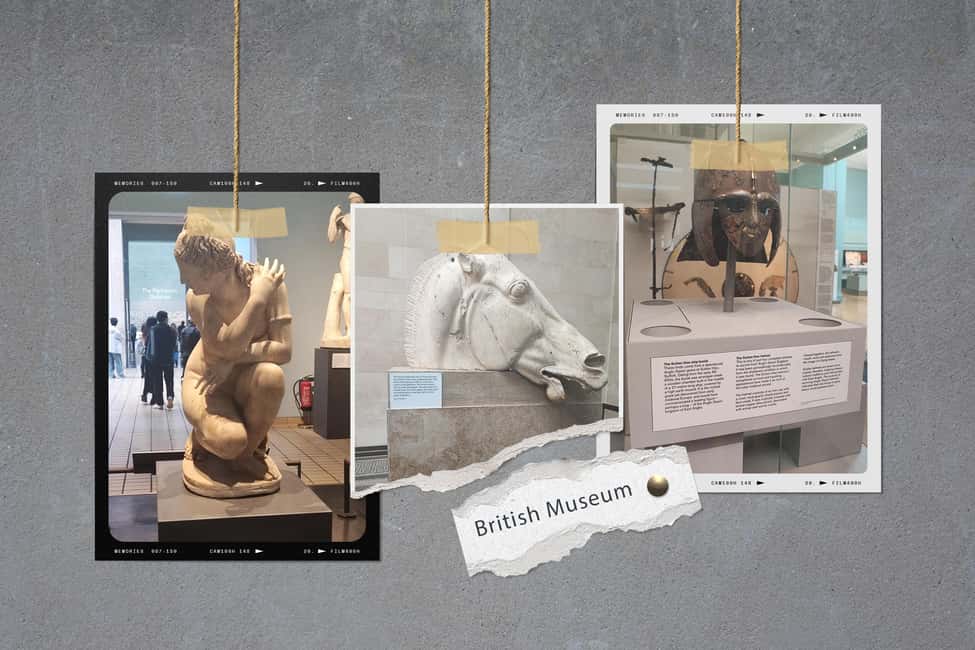
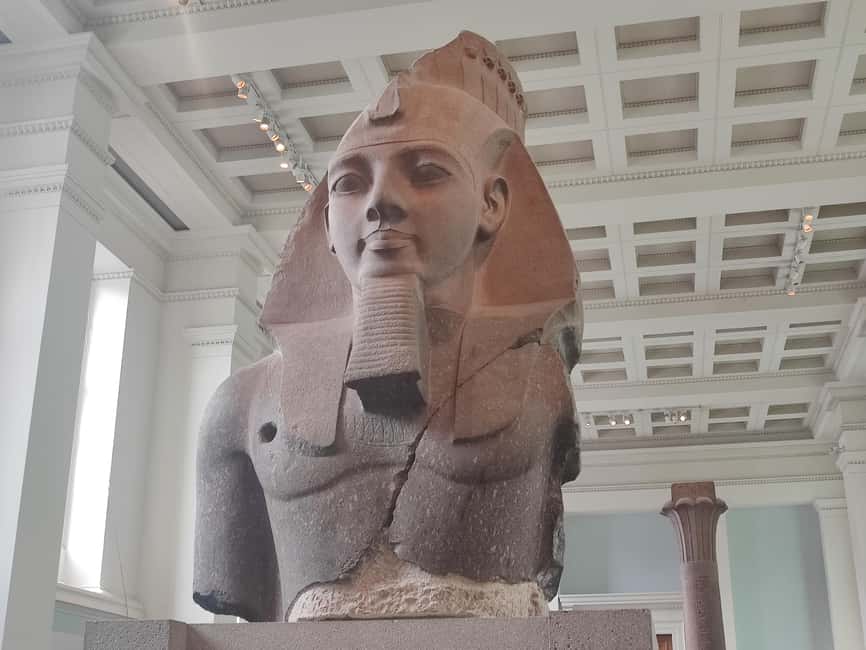
The tour shifts to Egypt with Egyptian mummies, framed around the dance of life and death. This isn’t presented as spooky shock value. It’s presented as a cultural system—how people thought about the body, continuity, and what happens next.
What I like about including mummies in a beauty-themed route is that it challenges modern assumptions. Beauty today often feels tied to youth or surface appearance. In ancient Egypt, the body and its preservation could be tied to religion, memory, and identity.
You’ll likely find it emotionally different from the Greece stop, but it fits the theme well: societies set standards based on what they believe is important, and art is one way those beliefs get shown.
Tip: if you’re a photo person, you can still bring your camera here, but no flash is allowed. Plan on steady, natural-light shots rather than relying on camera flash.



Love and Fate in Ancestors’ Art: Tragic Stories That Still Land
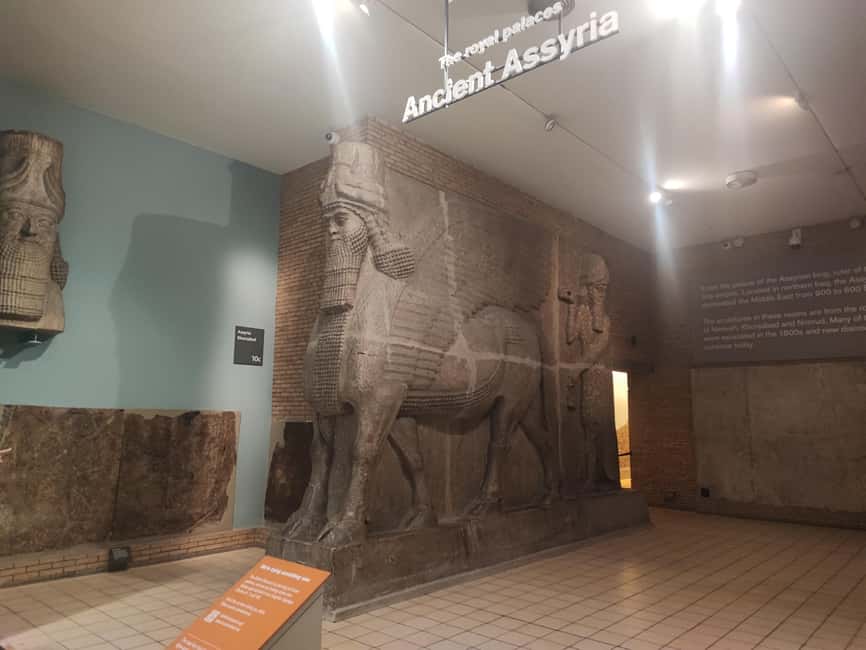
Then the tour moves into love and fate through ancestors’ art, described as tragic love stories that resonated with audiences long ago.
This is a strong stop if you enjoy symbolism. Art from older cultures often works like a mood board for the values of the time—who had power, what people feared, and what stories felt worth repeating. Even if you don’t know the myth or context ahead of time, your guide’s storytelling approach helps you read the images instead of just passing by them.
A practical consideration: because the theme is emotional, this stop tends to reward attention. If you’re the type who only glances at objects, you may miss the point. Give it a bit of focus and it clicks.
Medieval Comic Books and Jesus’ Childhood Narratives
The final themed stop is medieval comic books tied to the childhood of Jesus, plus the idea of alternative narratives beyond the traditional accounts.
This is the most surprising part of the route, and that’s exactly why it’s included. The museum can make the past feel serious and distant. Medieval storytelling shows the opposite: people shaped religious ideas in visual formats that could be shared, remembered, and retold.
If you like the human side of history—how ordinary people received stories—this stop can be a real shift. It also keeps the tour’s “how beauty ideas evolved” focus broader than art style. Here, beauty includes the way stories were presented: how images, scenes, and character depictions taught values.
Group Size, Walking Pace, and What to Bring on the Day
This is a semi-private tour with a maximum of 8 guests. That size is ideal for a themed museum visit. You can hear the guide, ask questions, and avoid getting stuck staring at the back of someone else’s head.
You’ll also want to plan for moderate walking. The museum is indoor, but moving between galleries still adds up. Comfortable shoes matter.
Bring:
- Comfortable shoes
- Camera
- Water
Not allowed:
- Flash photography
- Backpacks
Also note: large bags and backpacks aren’t allowed inside the museum. Food and drinks aren’t permitted inside the exhibition halls, so plan a snack break outside before or after your tour time.
One more helpful note: the tour runs in English with a live guide, so if English is your main language, you’ll be in good shape.
Price and Value: Is $33.67 Worth It for Two Hours?
At $33.67 per person for about 2 hours, the value comes from two things you can feel immediately:
1) Time saved via fast track entry and express security.
If you’ve ever queued at major London sights, you know that time is not just money. It’s also patience, energy, and decision fatigue.
2) A guided theme that turns chaos into a plan.
You’re not paying for access to the museum. You’re paying for a route with interpretation: Rosetta Stone → Greece → Egypt → emotional storytelling → medieval visual culture. That’s a lot of payoff in a short window.
This tour is also “lean.” It’s not promising you the entire museum. It’s aiming you at the right objects for the right theme, and that’s what makes the price feel reasonable for a first visit or a tight schedule.
Who This Tour Suits Best
I’d point you toward this tour if:
- You want museum highlights with actual meaning attached
- You like themed tours more than wandering
- You’re traveling with limited time and want a plan that makes the museum manageable
- You enjoy a mix of art, religion, and cultural ideas behind aesthetics
You should skip it if:
- You use a wheelchair or need accessibility support for mobility impairments
- You hate walking through multiple galleries even at an indoor pace
Should You Book the British Museum Highlights Tour on Beauty’s Origins?
If you’re visiting the British Museum and you want your first look to feel like a story, this is an easy yes. The up-to-8 group size, the fast track entry, and the fact that every stop is tied to how beauty ideas changed over time make the two hours feel intentional instead of rushed.
Book it if you like art explanations that connect objects to big human themes: language, form, beliefs, love, death, and storytelling. Skip it only if mobility limits you or if you prefer fully independent museum time with no guided structure.