REVIEW · LONDON
London: Churchill’s Life & WW2 with Tour of War Rooms
Book on GetYourGuide →Operated by Walks - UK · Bookable on GetYourGuide
Churchill’s London hits hard. You get a guided walk that links speeches, strategy, and the key places around Westminster, then you step into the underground Churchill War Rooms where decisions were made during World War II. I love how the route mixes big icons like Big Ben with real wartime references like the Battle of Britain Monument and Whitehall’s WWII landmarks. I also love the small-group feel (up to 15) and the way the guide keeps the story moving, stop to stop. One drawback: the War Rooms can get crowded on weekends and school holidays, so if you hate lines and tight spaces, plan carefully.
The first part of the tour gives you the fast geography of wartime London—how this part of the city looked and worked when the bombing started. The second part turns the lights down and slows you down with an audio guide so you can explore at your own pace. You’ll want comfortable shoes and a moderate walking pace, because this is a true walking tour with security checks along the way.
In This Review
- Key Highlights You’ll Care About
- Walking Churchill’s WWII Route From the RAF Memorial
- Battle of Britain Monument and Boudica Statue: Strength Under Pressure
- Big Ben, Parliament Square, and Westminster Abbey Exterior Photos
- Downing Street and Whitehall: Where Wartime Strategy Meets the Streets
- Horse Guards Parade to the Guards Memorial: A Real Respect Moment
- Churchill War Rooms: Underground Bunkers and an Audio Guide You Control
- Price and Logistics: Does $106.41 Feel Like Value?
- Who This Tour Fits Best (and Who Might Skip It)
- Touring Tips So You Enjoy Every Step
- Should You Book Churchill’s Life & WW2 With War Rooms?
- FAQ
- How long is the Churchill’s Life & WW2 with Tour of War Rooms experience?
- Where does the tour start?
- Does this include entry to the Churchill War Rooms?
- Is the Churchill War Rooms section guided by a person?
- Is this a walking tour, and how much do I need to walk?
- What language is the tour in?
- Are strollers or baby strollers allowed?
- Is it wheelchair accessible?
- Do I need to pass security?
Key Highlights You’ll Care About
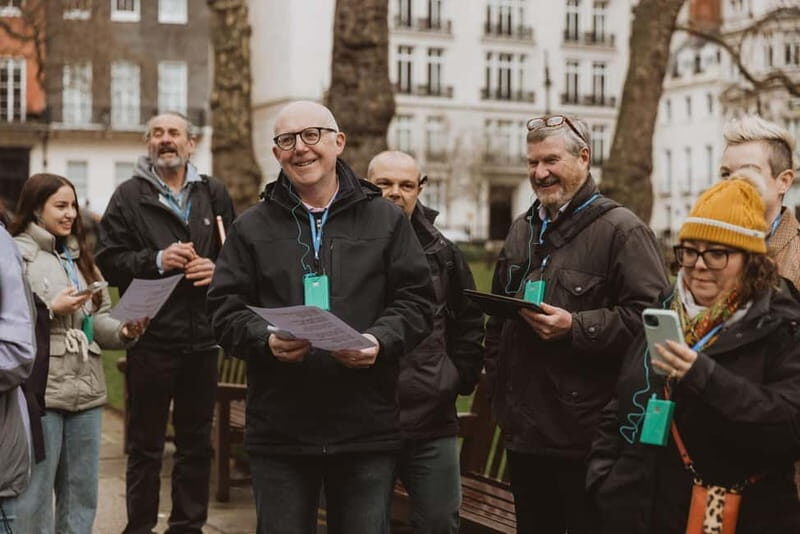
- Underground War Rooms + audio guide: you can read the rooms at your speed after your guided introduction.
- A tight, Westminster-focused route: you link landmarks to what Churchill was doing, not just what they look like.
- Big Ben through the Blitz lens: you’ll learn how the clock tower survived bomb damage and became a hope symbol.
- Downing Street and Whitehall stops: strategy talk fits right into the streets where it happened.
- WWII memorial moments: you pause at the Guards Memorial to honor service during the war.
Walking Churchill’s WWII Route From the RAF Memorial
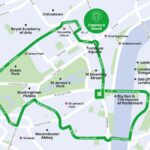
This tour is built like a story map. You start near the Royal Air Force Memorial, and from there your guide threads together Churchill’s influence across London’s landmarks. Expect a mix of short guided segments and quick pauses so you can absorb what you’re seeing without getting stuck in one spot too long.
The group size matters here. With a cap of 15, the tour doesn’t feel like a cattle drive, and you get room for questions. In one smaller group situation described by a previous group, there were only six people—those trips tend to feel extra personal because the guide can respond to what you ask.
Logistically, you should arrive early. Plan to show up about 15 minutes before the start time. Your guide holds a green Walks sign, which makes it easy to spot the group right at the meeting point.
You can also read our reviews of more tours and experiences in London.



Battle of Britain Monument and Boudica Statue: Strength Under Pressure
Right away, you set the emotional tone. Near the RAF area, you get a guided introduction that frames the air war and the pressure Britain was under. Then you move to the Battle of Britain Monument, where your guide explains how Churchill’s speeches helped stiffen British resolve during the darkest days.
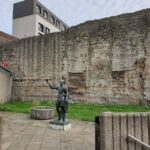
One stop I really like for texture is the brief visit around the Boudiccan Rebellion area (the Boudica Statue). It’s not a Churchill museum piece. Instead, it’s a reminder that resilience has older roots here, and your guide connects that idea to how Churchill often referenced strength in his calls for determination. If you like history that connects cultures and symbols—not just dates—this is a good moment.
Time-wise, these early stops stay short (think 5–10 minutes in most cases), which is ideal. You get key context without losing energy before the bigger sights.
Big Ben, Parliament Square, and Westminster Abbey Exterior Photos
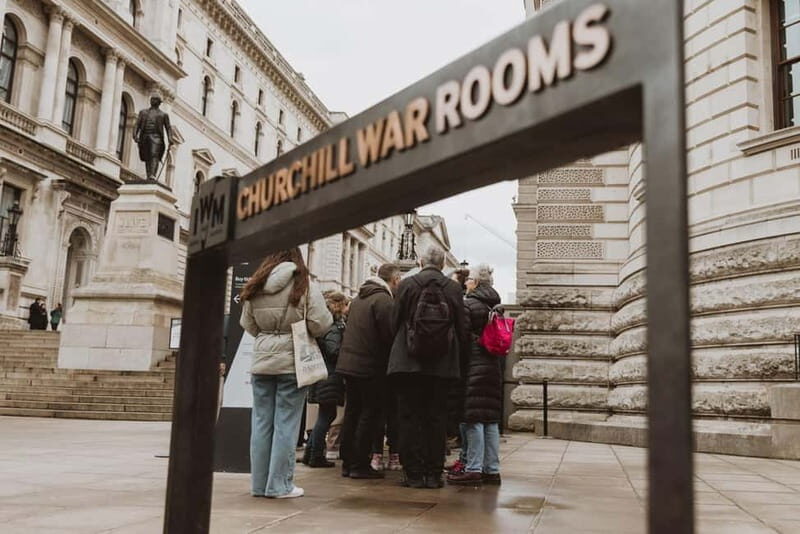
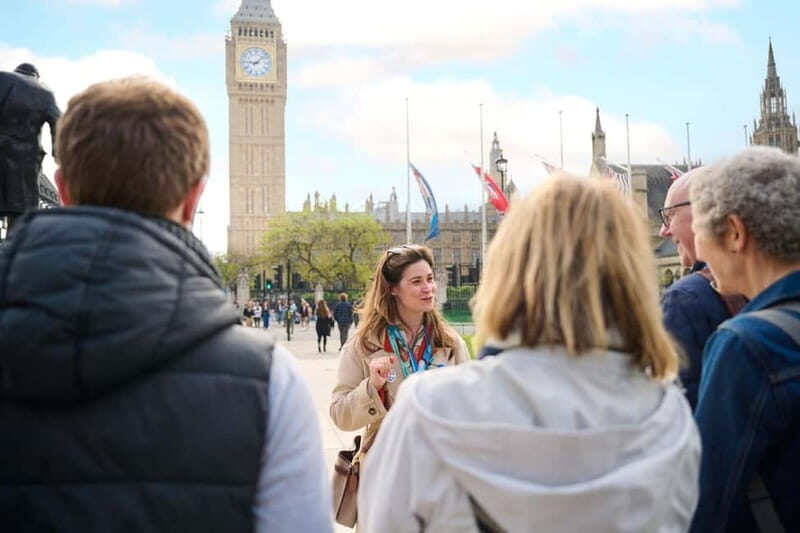
Soon you’re in the heart of the Westminster photo circuit, but with wartime meaning attached. At Big Ben, your guide focuses on the clock tower’s survival through bomb damage and how it became a hope symbol instead of just a landmark. You’ll look at the same skyline most visitors photograph, but you’ll understand why Churchill-era Londoners would have cared so much.
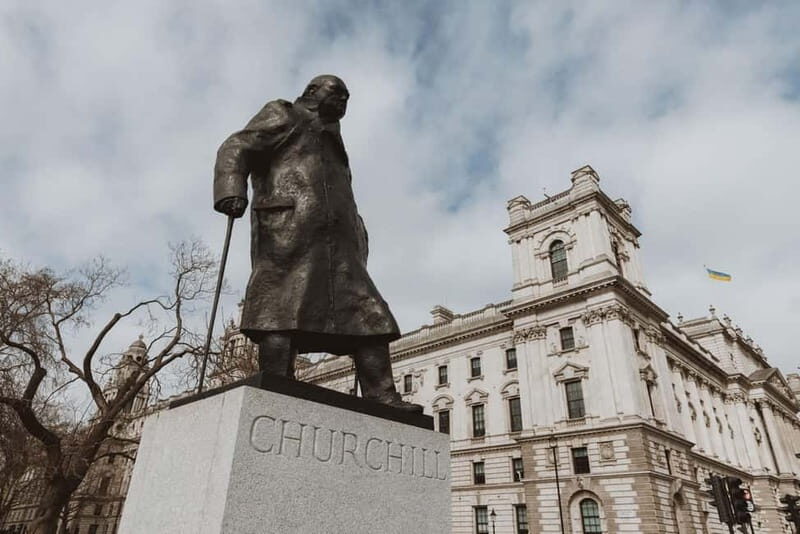
From there, you head into Parliament Square and the surrounding area. You get time around the Houses of Parliament view and the Churchill Statue, with your guide recounting stories of Churchill’s leadership during the Blitz and the way he worked to protect British democracy while the city took hits.
A short exterior stop at Westminster Abbey follows. You’re not going inside on this tour, so manage expectations: this is a look-and-learn moment. Still, it’s a useful pacing break, because you’re able to reset your brain before the more politically charged part of the route.
Practical tip: if it’s busy outside, keep your phone/camera ready but don’t get stuck framing one perfect shot. Your guide’s timing works best when you stay close and listen.
Downing Street and Whitehall: Where Wartime Strategy Meets the Streets
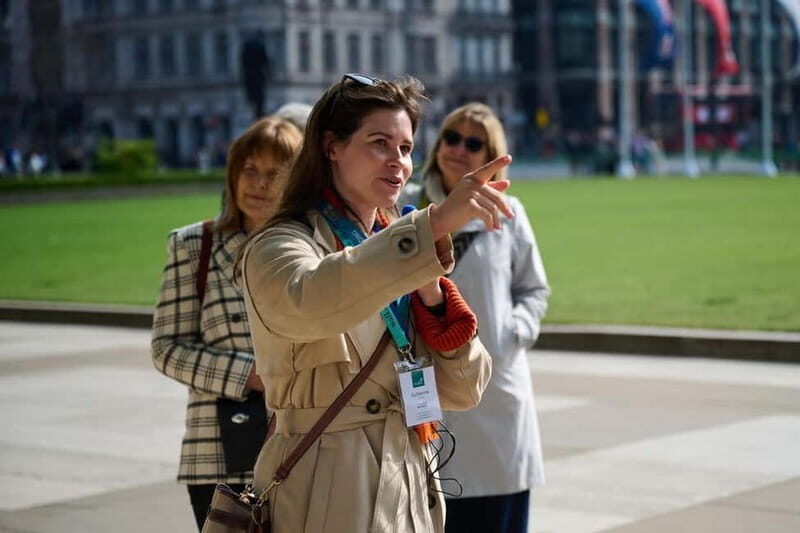
This is the section where the tour shifts from landmarks to decisions. You’ll have a stop at 10 Downing Street where you learn how Churchill strategized during the war. Even from the outside, it lands differently once you’ve already heard the story behind his calls and choices.
Then comes Whitehall, the long street packed with government buildings and military-adjacent symbolism. Your guide uses it to connect Churchill’s wartime role to the physical geography of the city—where people worked, met, and planned.
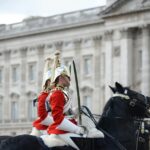
And it keeps building toward more formal memorial meaning. Your route includes Horse Guards Parade for a brief stop, and your guide explains Churchill’s connection to this historic site. It’s quick, but it helps you see Churchill not only as a voice on the radio, but as someone tied into Britain’s public institutions.
If you like understanding how power works in real life, this stretch is a strong match.
Horse Guards Parade to the Guards Memorial: A Real Respect Moment
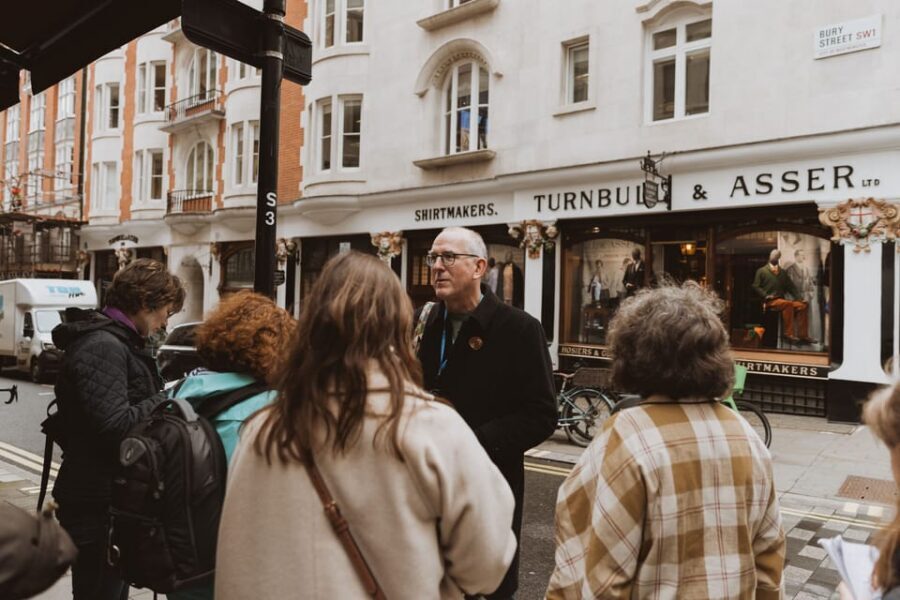
Right after the political streets, the tour gives you a pause that feels more reflective. You’ll stop at the Guards Memorial with guided context about those who served during World War II. This is one of those moments where the tour slows your attention, even if the stop itself is short.
I like this placement late in the walking route. By this point, you’ve heard plenty of speeches, strategy, and survival stories. The memorial stop doesn’t compete with the narrative—it gives it weight.
Keep in mind that this part of London can be windy and exposed. If you run cold easily, bring a light layer. It will save your mood later when you move underground.



Churchill War Rooms: Underground Bunkers and an Audio Guide You Control
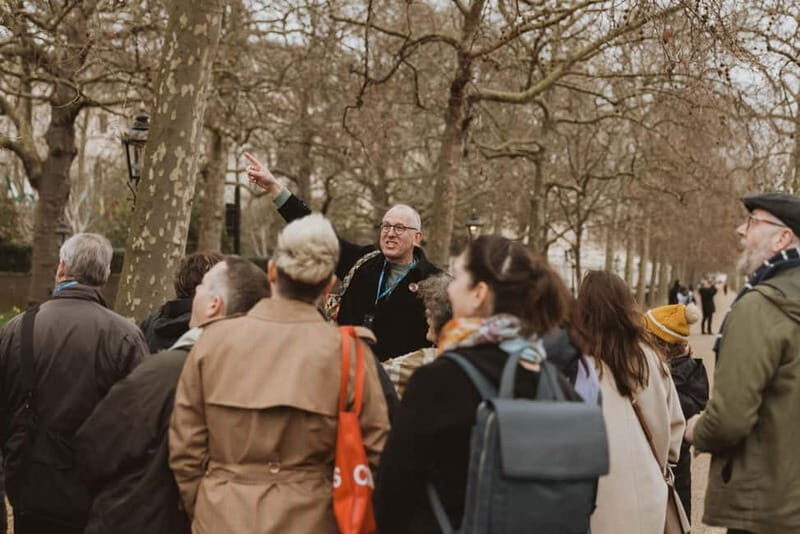
Now for the main event. The Churchill War Rooms are an underground network of hidden bunkers where crucial decisions were made that helped stop Nazi advances. One key detail I think matters for expectations: these rooms remain untouched since 1945. That means you’re not walking through a modern set. You’re in preserved spaces tied to the wartime workflow.
The tour gives you a long block here—about 1.5 hours. Unlike the street portion, the War Rooms time is audio-guided, which changes the feel in a good way. You’ll still have your guide’s structure, but once inside you can move at your own speed, linger on the rooms that grab you most, and not feel rushed every 2 minutes.
What you’ll focus on includes Churchill’s private office and the map room, along with other rooms tied to how wartime planning worked. Audio helps because it can explain what you’re seeing without requiring you to keep your head up while a guide walks at speed.
Crowds are the big variable here. The War Rooms can be busy on weekends and school holidays, and that can make the route feel tighter than you’d like. If you hate crowd crush, aim for a weekday if you can, or pick a time that’s not peak visitor rush.
Security is also part of the real-world experience. All guests must pass through security, so build in patience and keep any bags ready to check.
Price and Logistics: Does $106.41 Feel Like Value?
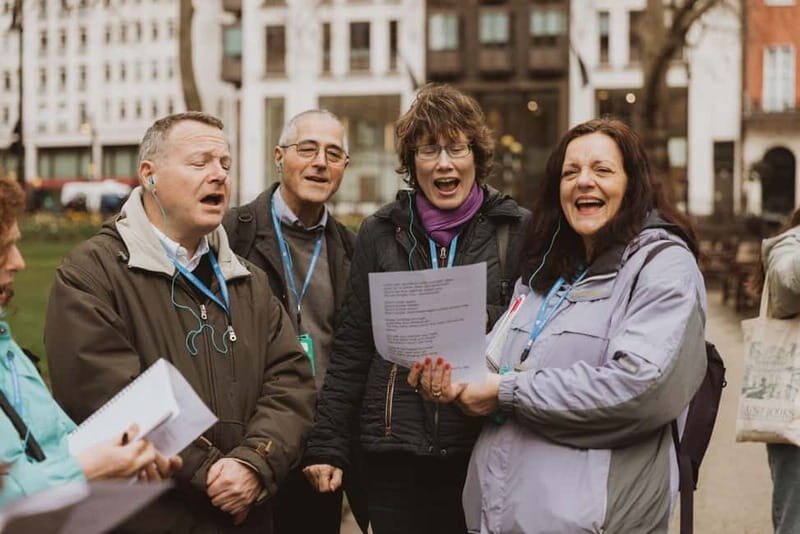
At $106.41 per person for about 3 hours, you’re paying for three things that tend to cost real money and effort on your own: a guided walking route, pre-reserved War Rooms tickets (with the audio guide), and a small group experience.
Here’s how I think about the value:
- If you tried to plan this alone, you’d still need to piece together the route, time the War Rooms entry, and figure out what to prioritize at each landmark.
- The guide does the heavy lifting by turning iconic stops into a connected story of leadership and wartime decisions.
- The War Rooms portion is the expensive part of the experience, and pre-reserved access saves you from the stress of trying to time it on the day.
Now the trade-offs. This is not hotel pickup and drop-off. You’ll want to get yourself to the meeting point near the RAF Memorial area. Also, it’s a walking tour with a moderate pace. It’s not built for slow mobility or frequent rest breaks.
Who This Tour Fits Best (and Who Might Skip It)
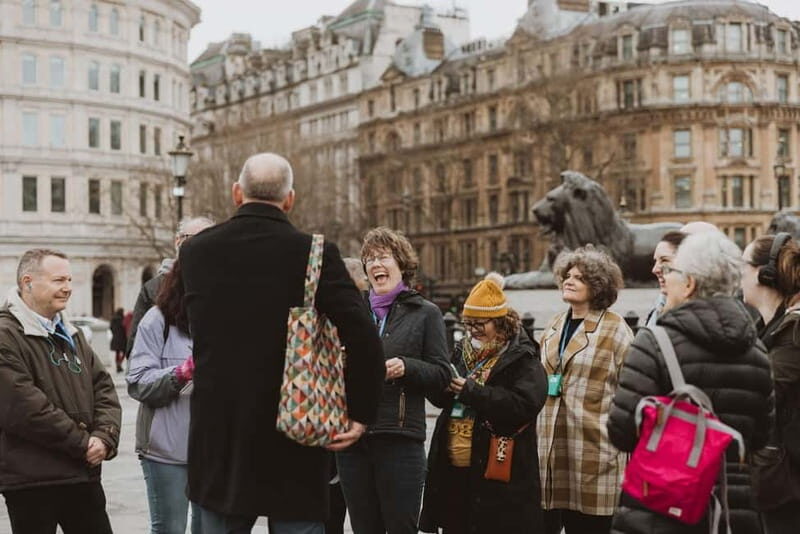
This works best if you like:
- WWII history that is tied to where the events happened
- photo-friendly Westminster landmarks with real context
- a guide who can answer questions without turning the tour into a lecture
It may not be ideal if:
- you strongly dislike crowds, especially inside the War Rooms
- you need stroller-friendly movement or wheelchair support (more on this in the FAQ)
Also, the audio-guided War Rooms part is part of the design. If you’d rather have nonstop live narration inside, this is still good, but the format shifts more control to you.
Touring Tips So You Enjoy Every Step
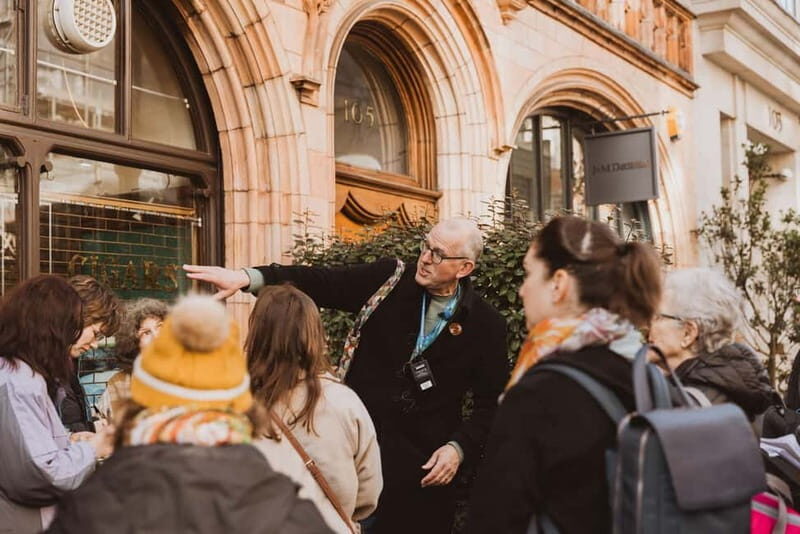
A few small moves make a big difference:
- Wear shoes you can walk in for several blocks without thinking about it.
- Bring a light layer if it’s chilly or windy around Westminster.
- Keep your phone charged. You’ll likely want to compare landmark views later.
- Treat the War Rooms audio like your personal pace knob. Don’t rush just because you see other people moving faster.
If your guide calls out particular details, take notes mentally. Those are usually the details that make the street story click once you’re underground.
Should You Book Churchill’s Life & WW2 With War Rooms?
I’d book this if you want a clear, connected Churchill story in London and you plan to spend real time at the War Rooms. The guided walk helps you understand what you’re looking at, and the audio time lets you actually absorb it without feeling herded.
It’s also a smart choice if you’re the kind of person who likes learning while walking rather than sitting in one place. Plus, the small-group size keeps the tone human.
I’d think twice if you’re sensitive to crowds or you want an option that avoids security lines and interior congestion. The War Rooms are worth it, but you should respect that it’s a popular site.
If you get a great guide, the experience gets better fast. Past guides have included people like Kate, who blended Churchill’s personal life with his wartime achievements, and Peter, who kept things funny and lively while answering questions. Salvadore also comes up for strong storytelling about both Churchill and London’s wartime setting. You don’t control who you get, but it’s a good sign when multiple guides leave a positive mark.
FAQ
How long is the Churchill’s Life & WW2 with Tour of War Rooms experience?
It runs about 3 hours total. The Churchill War Rooms portion is about 1.5 hours.
Where does the tour start?
The tour meets at the Royal Air Force Memorial. You’re asked to arrive about 15 minutes early, and your guide will be holding a green Walks sign.
Does this include entry to the Churchill War Rooms?
Yes. Your tickets to the Churchill War Rooms are pre-reserved and include an audio guide.
Is the Churchill War Rooms section guided by a person?
The War Rooms portion is audio-guided. You’ll still have a guided walking tour outside the War Rooms.
Is this a walking tour, and how much do I need to walk?
Yes, it’s a walking tour with stops around Westminster and nearby areas. You should be able to walk at a moderate pace.
What language is the tour in?
The live tour guide is English.
Are strollers or baby strollers allowed?
No baby strollers are allowed.
Is it wheelchair accessible?
There’s conflicting information: the activity notes wheelchair accessibility, but the operator also states it is not suitable for guests with mobility impairments or wheelchairs. If accessibility is a concern, you should contact the provider before booking.
Do I need to pass security?
Yes. All guests must pass through security before entering the War Rooms.