REVIEW · LONDON
Churchill’s Wartime London Walking Tour
Book on GetYourGuide →Operated by Evan Evans Tours · Bookable on GetYourGuide
This Churchill walk has real grit. You’re guided through Westminster’s war-era power centers, linking Winston Churchill’s leadership with his bond with Franklin D. Roosevelt, while stopping at places that still show the Blitz story in stone. I like the personal audio headset that keeps the guide’s commentary clear in a loud, busy area, and I love how the route pairs famous icons with real wartime traces, from Big Ben to bomb-damaged streets. One heads-up: you’ll cover a lot of ground for an 80-minute walk, and it is not suitable for reduced mobility.
The tour feels like walking through the decision-making rooms of WWII, without needing a museum ticket on day one. You’ll see Parliament Square, the Parliament complex, Downing Street, and a photo stop at a Churchill statue, plus Whitehall monuments tied to the Allied war effort. For me, the best part is the mix of speeches, names, and visible scars that make the history feel specific, not textbook.
If you want a relaxed stroll at an easy pace, this may not fit. With an 80-minute duration and a route subject to change, you’ll want comfortable shoes and a plan for weather, including bringing an umbrella.
In This Review
- Key things to know before you go
- Walking the Churchill route from Victoria Embankment
- Big Ben to Parliament Square: where leadership meets the street
- Downing Street and the Churchill statue photo moment
- The House of Commons zone and wartime decision stories
- Seeing bomb damage and a Blitz church ruin in plain sight
- Whitehall monuments: Allied leaders, Battle of Britain remembrance, and the Cenotaph
- Churchill War Rooms finish: what to do next
- Price and value for an 80-minute Westminster briefing
- Tips for comfort, pacing, and actually enjoying Westminster
- Who this Churchill wartime London walking tour fits best
- Should you book this Churchill’s Wartime London Walking Tour?
- FAQ
- How long is Churchill’s Wartime London Walking Tour?
- Where do I meet the guide?
- What’s included in the price?
- Is admission to Churchill War Rooms included?
- What landmarks will I see?
- What should I bring?
- Is the tour suitable for people with reduced mobility?
- What language is the tour guide?
- Is there free cancellation?
Key things to know before you go
- Live guide + personal audio headset keeps wartime stories easy to follow in busy streets
- Westminster landmarks connect Churchill’s role to the places where policy decisions happened
- Visible Blitz damage and a destroyed church ruin show WWII impacts where you can still see them
- Allied statues in Whitehall include Churchill, Eisenhower, Franklin D. Roosevelt, and Sir Arthur Harris
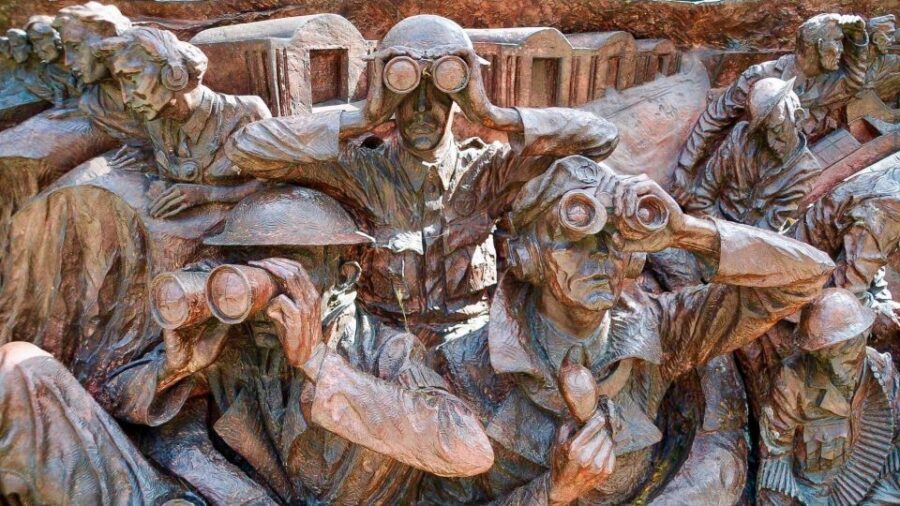
- Battle of Britain and women’s WWII memorials plus the Cenotaph ground the walk in remembrance
- Finish at Churchill War Rooms so you can decide what to do next after the street-level tour
Walking the Churchill route from Victoria Embankment
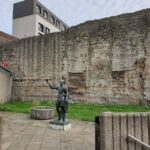
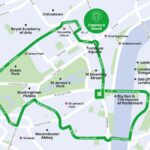
The tour starts at the Boadicea and Her Daughters statue by Victoria Embankment, with the nearest Tube stop listed as Westminster (Exit 2). This is a smart starting point because it puts you right in the Westminster flow, with the landmarks you care about already close enough to feel like you’re building a story step by step.
From the first minutes, you’re not just sightseeing. You’re tracing Churchill’s WWII footprint through the heart of London’s government district, and you’ll hear how his wartime choices connect to the leadership relationship between the UK and the US. The pace is designed for an 80-minute window: enough time to hit the major sights, plus the kind of “wait, look at that” moments that make you remember the day.
The personal audio headset matters more than it sounds. Westminster sidewalks can be chaotic, and having live commentary delivered clearly makes a difference, especially when you’re trying to follow a guide’s explanations while also keeping an eye on where you’re walking.
You can also read our reviews of more walking tours in London



Big Ben to Parliament Square: where leadership meets the street
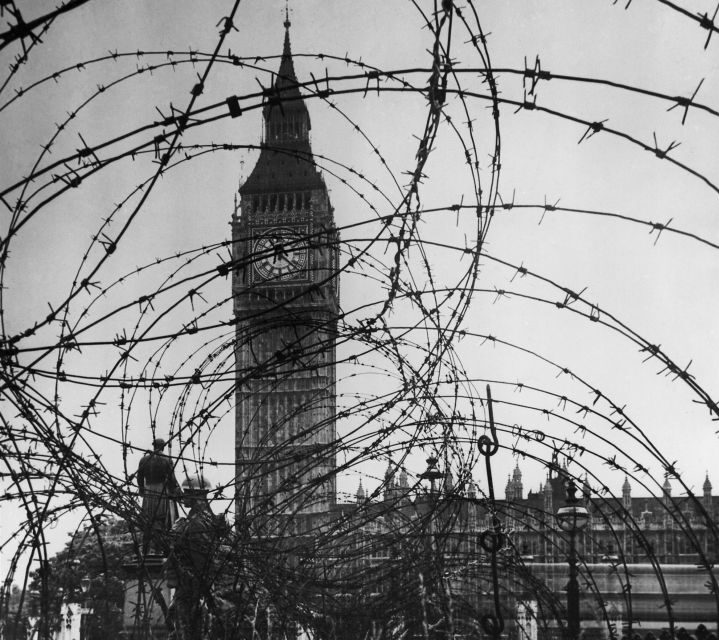
You’ll walk from the big arrival area toward Big Ben and then through Westminster’s landmark zone. Big Ben isn’t just a photo stop here. It works as a visual anchor for the larger theme: WWII Britain deciding what to do next in a world that was rapidly changing.
From there, you move through Parliament Square, which is a key moment because it’s a public space tied directly to the machinery of government. This is where the tour’s focus on Churchill’s wartime speeches and decisions at the House of Commons becomes easier to grasp. You’re standing in the general neighborhood where words became policy, and the guide’s storytelling helps you connect those speeches with the physical layout of the area.
Practical tip: plan for stop-and-go walking. Even at a steady pace, Westminster is crowded and you’ll pause for photos and explanations. If you’re prone to rushing, remind yourself to slow down—this is the kind of walk where the details come from watching your footing, listening carefully, and taking short pauses at the stops.
Downing Street and the Churchill statue photo moment
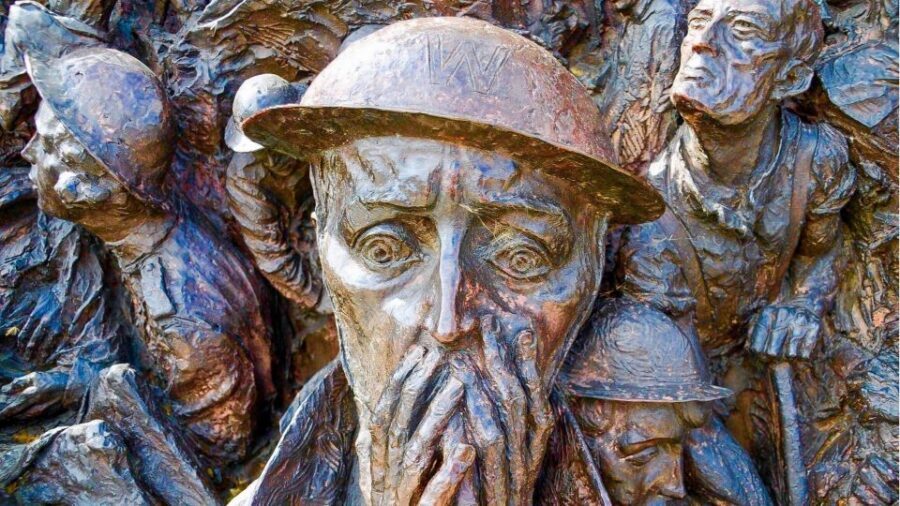
Next up is 10 Downing Street, a sight most people recognize instantly, even if they’ve never been this close in person. The value isn’t only seeing the gates. It’s the context: Churchill’s wartime leadership, the pressures on the British government, and the human scale of how decisions were made right there in the Whitehall government zone.
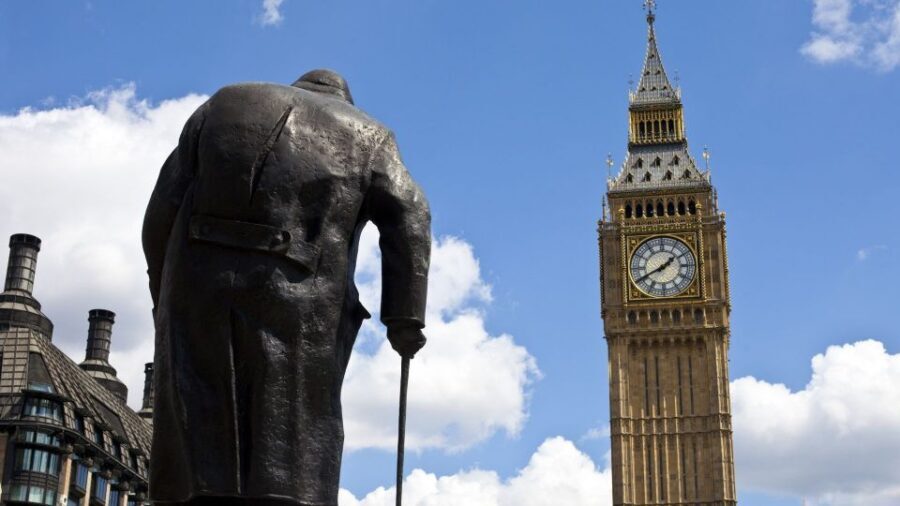
You’ll also get a photo opportunity at a statue of Sir Winston Churchill. This is worth it because it offers a clean moment to reframe the day. After walking between official buildings, you get a more direct “name-to-face” connection. It makes later monument stops feel less like random plaques and more like a connected memory map.
One thing to be ready for: Downing Street and the surrounding streets can be busy with people trying to photograph, pass through, or catch up to a tour group. Wear shoes you can walk in comfortably for the whole session, not just for the big stops.
The House of Commons zone and wartime decision stories
As the route keeps moving through Westminster, you’ll hear wartime facts and stories tied to Churchill’s role, including references to his speeches and the decisions made around the House of Commons. The tour’s design is to keep you oriented in a place where political history is literally built into the street plan.
What I like about this part is that it isn’t only dates and names. You’re getting the “why it mattered” angle, which helps the history stick. You’re also walking, which sounds basic, but it changes your attention. When you’re on your feet, it’s easier to remember where you heard something because you’re associating it with a location.
If you enjoy politics but don’t want a full museum day, this segment gives you a focused Westminster primer: you learn enough to understand what you’re looking at, without burning the whole day.
Seeing bomb damage and a Blitz church ruin in plain sight
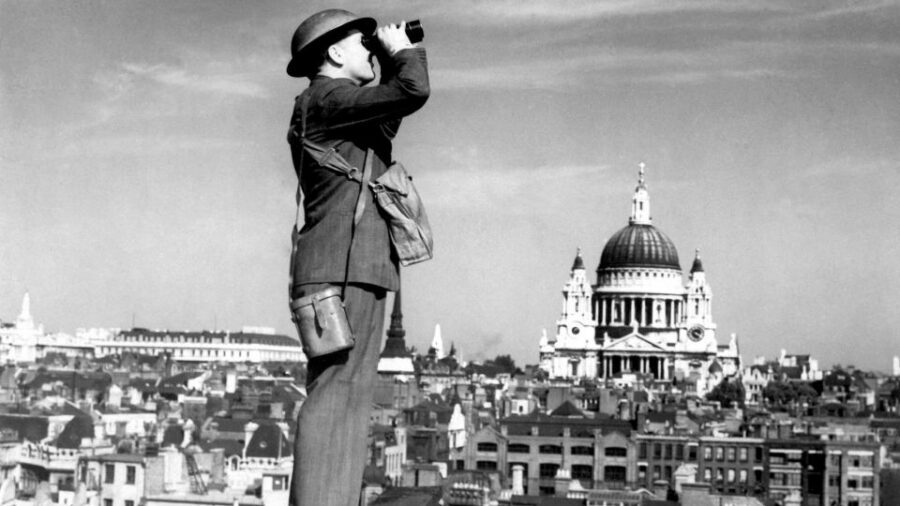
This is one of the most powerful parts of the walk, because the damage is not behind glass. You’ll see visible signs of bomb damage from the war, and you’ll visit the remains of a church destroyed during the Blitz, left as a testament to devastation.
This is the moment where the tour stops being only a “Churchill highlights” route and becomes a human-history experience. Seeing destruction in its original location changes the feeling of the stories. It also helps you understand why these memorials and monuments feel urgent, not decorative.
Practical advice: bring your umbrella even if the sky looks okay. The walk is outdoors, and you don’t want a sudden drizzle to ruin your ability to pay attention and take photos. Also, keep your camera ready but don’t stop in the wrong spot. Use the natural pause points where the group gathers, and keep moving when the guide cues the next stop.





Whitehall monuments: Allied leaders, Battle of Britain remembrance, and the Cenotaph
After the Westminster core, you head into Whitehall, a spine of monuments and memorials that fits the tour theme extremely well: the WWII alliance story and how Britain remembers.
Here’s what you can expect to see:
- Statues dedicated to Churchill, Eisenhower, Franklin D. Roosevelt, and Sir Arthur Harris
- Several monuments tied to the Battle of Britain
- Memorials linked to Women of WWII
- The Cenotaph, Britain’s national war memorial
This section works because it connects different roles and different kinds of contributions into one walking sequence. You’re not only looking at leaders; you’re seeing the commemorative focus on air defense, service, and remembrance. And because the guide ties the stories back to Churchill’s wartime decisions and Allied coordination, the names don’t float in the air—they land.
My favorite kind of monument stop is the one where you learn what the names mean, not just that they’re there. In this walk, you get that kind of explanation as you move through the Whitehall memorial corridor.
Churchill War Rooms finish: what to do next
The walk finishes at Churchill War Rooms. Even though admission is not included, finishing here is a smart setup. You can decide whether you want the deeper, indoor experience after you’ve already mapped the story onto the streets.
What I like about this finish is the pacing. You’re not ending on an abstract location. You end right at a place that matches the tour theme, so your motivation stays high. If you’re the type who likes to read, see, and then return home with a fuller understanding, you’re set up well.
If you’re short on time and don’t plan to go inside, you’ll still leave with a guided orientation of the Westminster and Whitehall war landscape. That alone makes the walk feel worthwhile, even without ticketed attractions during the tour itself.
Price and value for an 80-minute Westminster briefing
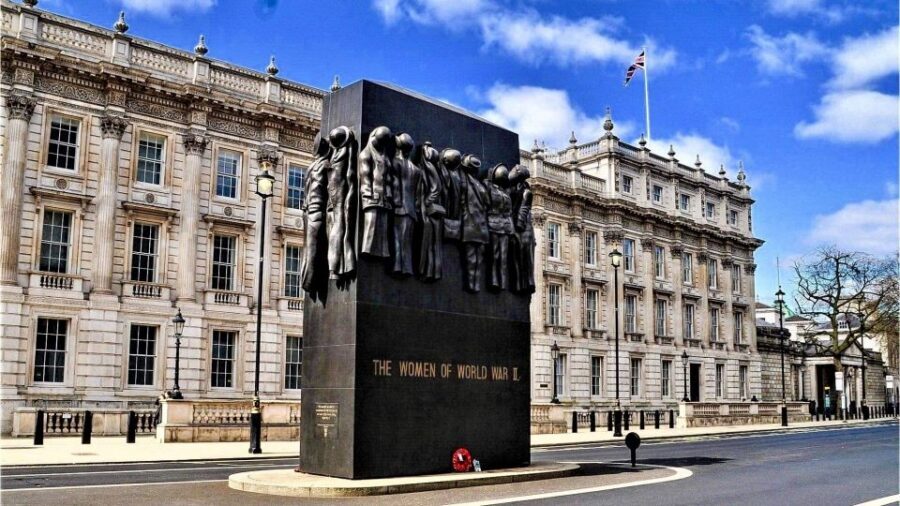
At $40 per person for about 80 minutes, this tour sits in the “pay once for guidance” category rather than the “daily attraction bundle” category. The value comes from two things you actually feel in the street: the live guide’s storytelling and the audio headset that helps you keep up.
You also get a tight route through high-demand landmarks that many visitors spend longer than they expect trying to fit together on their own. Here, the order matters: big icons first for orientation, then Whitehall memorials and visible wartime traces for meaning, and a finish at Churchill War Rooms for follow-up.
What to consider: since you’re paying for a guided walk, your money goes farther when you’re willing to listen and walk rather than only snap photos. If you show up wanting a slow sightseeing loop, the 80-minute structure may feel too intense. If you enjoy context and want to make sense of what you’re seeing, the price feels fair.
Tips for comfort, pacing, and actually enjoying Westminster
A few practical things will make a big difference:
- Wear comfortable shoes. This is not a sitting tour.
- Bring an umbrella, because weather in London can shift fast.
- Expect the route and points of interest to be subject to change. Keep a flexible mindset.
- If you have reduced mobility, plan on a different format. This walk is not suitable for that.
Also, use the audio headset early. The sooner you’re comfortable with the sound, the easier it becomes to catch the guide’s stories when you’re walking past busy streets and landmarks.
Finally, keep your expectations on track: this is a focused WWII Westminster walk, not an all-day London history program.
Who this Churchill wartime London walking tour fits best
This tour is a great fit if you want:
- Churchill-focused history without a full museum day
- A Westminster orientation that helps you understand what you’re seeing
- A walking format that mixes major landmarks with visible WWII damage and memorials
- Live storytelling delivered through an audio headset for clarity
It’s also a good choice if you’re planning a Churchill War Rooms visit and want street-level context first. The finish location makes it easy to build a two-part day.
If you’re someone who struggles with steady walking, or you’re expecting an easy, short loop, choose carefully. The route is 80 minutes long, and the walk is part of the experience.
Should you book this Churchill’s Wartime London Walking Tour?
I’d book it if you want a well-guided, concentrated walk through Westminster and Whitehall that connects Churchill’s WWII leadership with the Allied remembrance landscape. The strongest reasons to go are the live guide storytelling (delivered clearly through personal audio), the Churchill and Roosevelt connection theme, and the chance to see bomb damage and a Blitz church ruin where it happened.
I’d skip or rethink it if your main goal is a relaxed photo walk, or if you know you won’t manage an active 80-minute route comfortably. History is only fun when you can keep up.
If you land in the first group—curious, ready to walk, and interested in how WWII shaped these places—this one is a solid use of your time in London.
FAQ
How long is Churchill’s Wartime London Walking Tour?
It lasts 80 minutes.
Where do I meet the guide?
Meet by the Boadicea and Her Daughters statue at Victoria Embankment, London SW1A 2JH. The nearest Tube station is Westminster (Exit 2).
What’s included in the price?
You get the walking tour of Westminster, a professional tour guide, and a personal audio headset for live commentary.
Is admission to Churchill War Rooms included?
No. Admission tickets to The Churchill War Rooms are not included.
What landmarks will I see?
You’ll see Big Ben, the Houses of Parliament, Parliament Square, 10 Downing Street, and a photo opportunity at a statue of Sir Winston Churchill. You’ll also see wartime headquarters and multiple monuments in Whitehall including the Cenotaph.
What should I bring?
Bring comfortable shoes and an umbrella.
Is the tour suitable for people with reduced mobility?
No. It is not suitable for guests with reduced mobility.
What language is the tour guide?
The tour is in English.
Is there free cancellation?
Yes, free cancellation is available up to 24 hours in advance for a full refund.