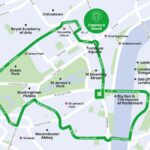
London’s alleys have stories. If you like your sightseeing off the main drag, this guided walk through the City and East London is a smart way to do it. You start in the financial heart near the Royal Exchange, then slip into narrow lanes where trade, crime, and survival get woven into the street scene.
I love how the route blends famous landmarks with quieter corners, like the Monument to the Great Fire and the garden around St Dunstan in the East. I also like that you end in Shoreditch territory where street art is part of the day, plus you can hunt for vintage clothing on Brick Lane. One caution: it’s fully outdoors, so bring weather-ready clothes and comfortable shoes for uneven public paths.
With a guide like Senne (from recent feedback), the walk stays upbeat while still handling darker topics with care. You’ll get plenty of time to look closely, not just walk past things, and the pace works well for mixed ages—one review even praised how the guide kept an 8-year-old engaged.
In This Review
- Key things you’ll notice on this London walk
- Royal Exchange to the first side-street shortcuts
- Monument to the Great Fire: why this stop matters
- Leadenhall Market arcades and 30 St Mary Axe contrasts
- Spitalfields and Ten Bells: markets with a real pulse
- Brick Lane is the finale—and the mood shift is the point
- The Jack the Ripper part: respectful, short, and useful
- Price and value for $33 in central London time
- How the route pacing helps (and where it can feel tricky)
- Who should book this walking tour
- Should you book London’s Hidden Secrets of the City?
- FAQ
- How long is the London Hidden Secrets of the City guided walking tour?
- Where does the tour start?
- How do I recognize the guide at the start?
- What sights will we see during the walk?
- Where does the tour end?
- Is the tour indoors or outdoors?
- Is food included?
- Does the route include many stairs or steep hills?
- What languages are offered?
- What is the price and booking style?
Key things you’ll notice on this London walk
- Royal Exchange start, then straight into alleyway London where the City feels older than the postcards
- Great Fire context at the Monument, then a quieter story of survival nearby
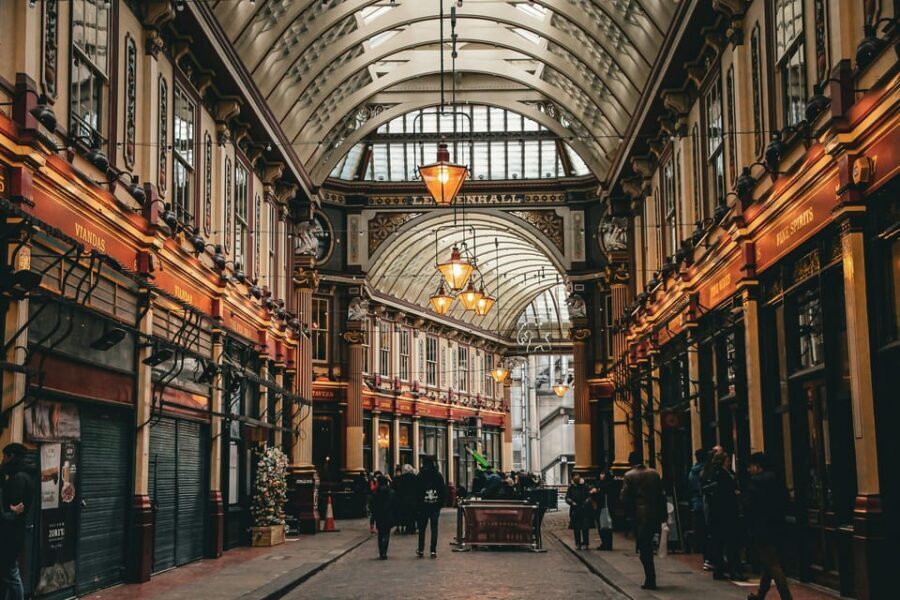
- Leadenhall Market arcades that feel like you’ve stepped into a different century
- Spitalfields markets and food stalls as a lively contrast to the banking streets
- Street art focus on Brick Lane, including a Banksy sighting
- A respectful Jack the Ripper nod without turning it into a shock-fest
Royal Exchange to the first side-street shortcuts
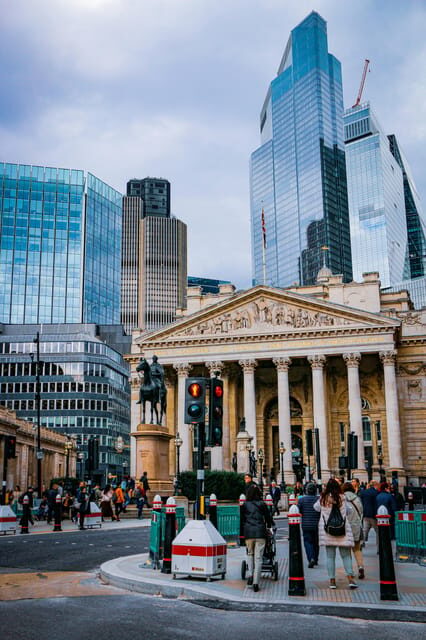
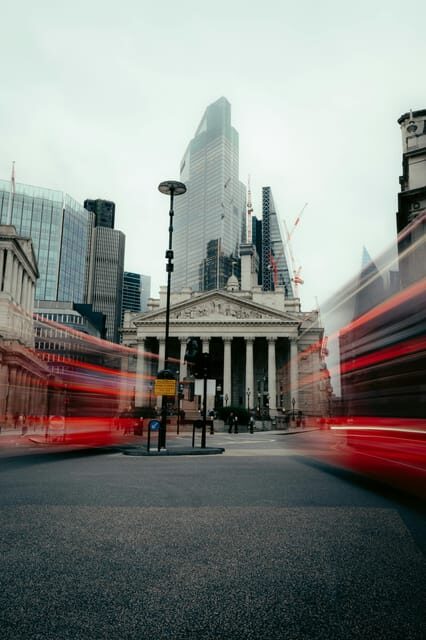
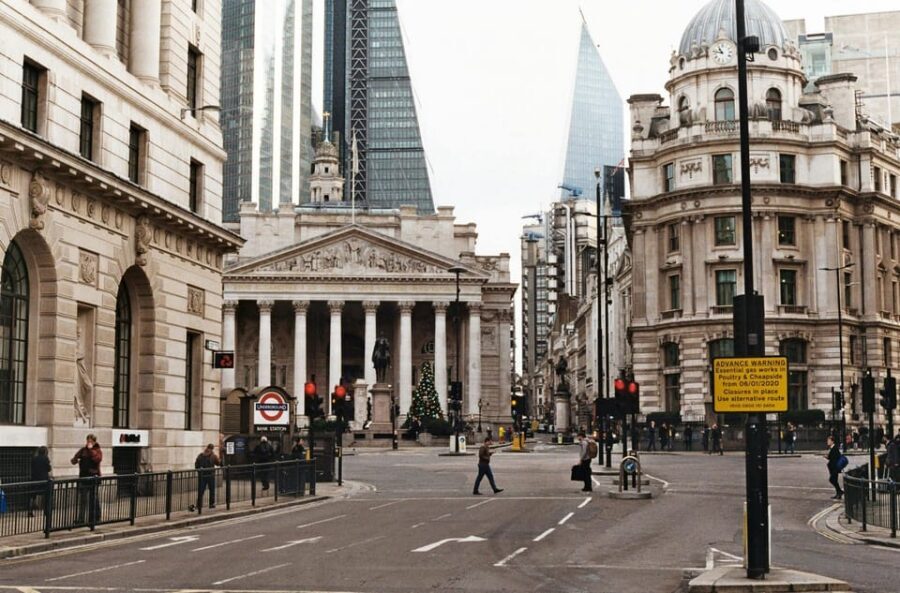
This tour is built around a simple idea: London isn’t only big monuments. It’s also the narrow passageways that connect them. You’ll begin at the London Troops War Memorial statue, right by the main entrance of The Royal Exchange, and your guide will be easy to spot with a blue flag.
From there, the route makes you do one useful thing fast: slow your pace and look sideways. The Royal Exchange area is all about power and money, but the streets right around it are the story layer most people miss. You’ll spend about 10 minutes here, enough time to reset your bearings before the walk turns into something more intimate.
If you’ve been to central London before, this is the part where the tour can surprise you. You get the sense of how people once moved—merchants, traders, and yes, the not-so-honest types who also learned which lanes were easiest to disappear into.
You can also read our reviews of more walking tours in London



Monument to the Great Fire: why this stop matters
Next comes the Monument to the Great Fire of London, with a short stop that still packs weight. The idea isn’t to sit and read plaques. It’s to stand in the right spot, understand what happened, and then connect that event to the way the nearby area feels today.
From the Monument, you’ll move toward St Dunstan in the East Church Garden. That little pause works well because it shifts the day from spectacle to survival—how a city rebuilds itself and how the layout and character of streets can reflect that recovery. You’ll only be here around 5 minutes, but it’s timed to keep your attention sharp.
A good walking tour does one thing well: it gives you context that makes the next streets easier to read. This part sets that up.
Leadenhall Market arcades and 30 St Mary Axe contrasts
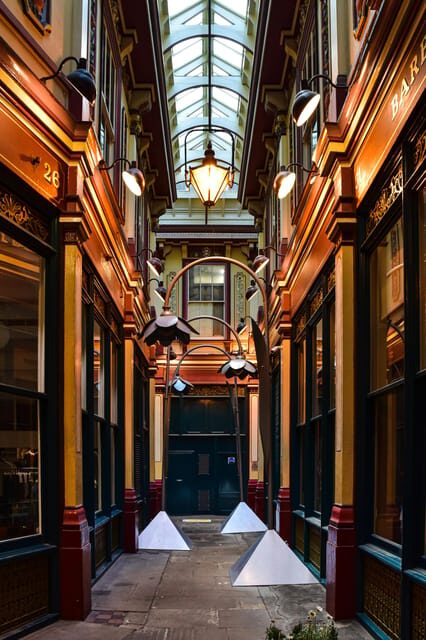
Leadenhall Market is one of those places where you can instantly tell why covered passages survived. You get about 10 minutes here to take in the Victorian-market setting, with cobbled paths and the covered arcades that make it feel like a little pocket world.
If you’re a Harry Potter fan, this stop will likely land well. The area is known as a favorite setting vibe for fans, and the covered lanes make it easy to picture film magic without needing to search for it yourself.
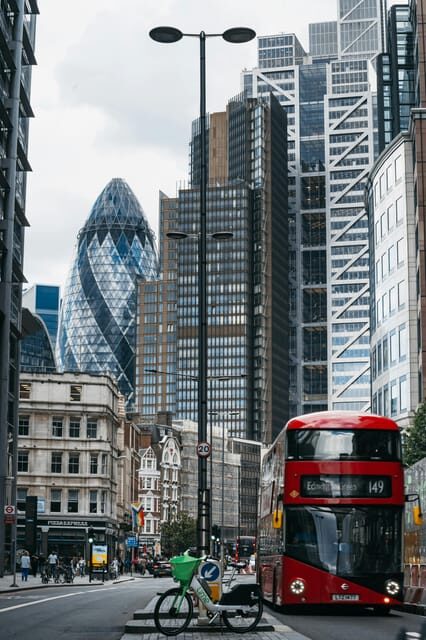
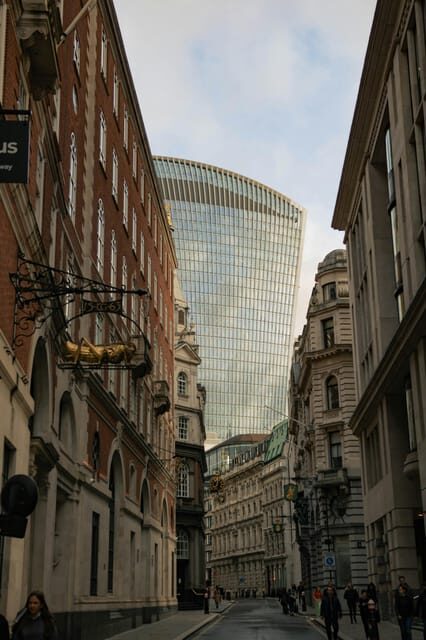
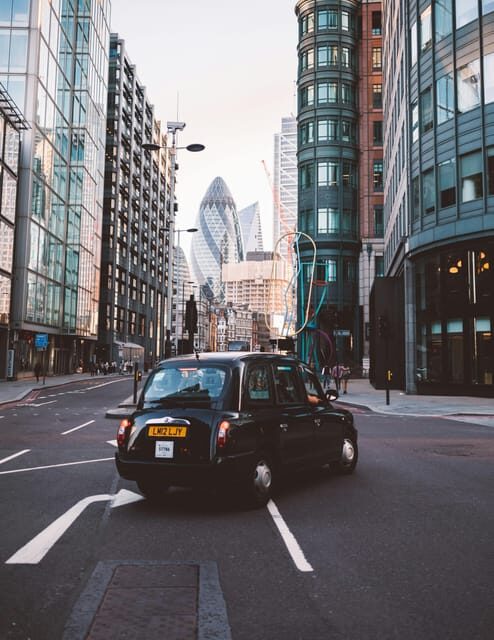
Then you’ll get a quick look at 30 St Mary Axe, better known as the Gherkin. You’ll only have about 5 minutes at this modern skyline landmark, but it’s a smart contrast point. One minute you’re in older street structure; the next you’re seeing how London layers the new on top of the old.
For me, the value here is the rhythm. The tour doesn’t treat the City as one long museum exhibit. It treats it as a living stack of eras you can walk through.
Spitalfields and Ten Bells: markets with a real pulse
After the City-to-modern contrast, the tour swings east toward Spitalfields. You’ll pass the Ten Bells area and get around 5 minutes to notice details in a part of town that still has that market-street texture.
Then you’ll spend about 15 minutes at Old Spitalfields Market. This is a practical stop, because it’s where you can decide what kind of energy you want next. Food and drinks aren’t included on the tour, but the market visit is. If you want a snack mid-walk, this is the place to do it without hunting.
I like this segment because it helps you compare London modes in one day: the City’s financial edge on one side, and market life on the other. Even if you don’t buy anything, it adds human scale. You’re not only looking at buildings; you’re seeing how people move through them.
Brick Lane is the finale—and the mood shift is the point

The endgame is Brick Lane in Shoreditch. This is where you’ll spend about 15 minutes sightseeing, and the tour’s theme shifts from historical clues to street-level London today.
You’ll get a street art look that includes a Banksy in real life, plus the surrounding wall-to-wall creativity that makes this area famous. It’s a different kind of “hidden secrets” than dark alley stories. Here, the secrets are visual—layers of paint, posters, and signatures you can miss if you rush.
And yes, there’s also the practical shopping angle. One highlight calls out the chance to find vintage clothing on Brick Lane. That’s the kind of add-on that makes a tour feel worth it, because the route ends where you can actually use what you discover.
If you’re trying to make one walk do double duty—culture now and cool memories to take home—this ending helps.
You can also read our reviews of more guided tours in London






The Jack the Ripper part: respectful, short, and useful
The tour includes a dark history element focused on the Jack the Ripper story. The good news is that it’s described as a respectful nod, not a full-on Ripper production.
Why that matters for you: it keeps the day from turning gloomy. You still get the feeling of how the area might have felt during that late-19th-century mystery period, but you’re not trapped in one topic for the whole afternoon. The guide can also keep it grounded, linking the mood of shadowy corners to the broader theme of how London’s streets hide stories.
You’ll walk through corners and understand that this is a real place with real streets—exactly the sort of setting where a mystery sticks to the memory long after you leave.
Price and value for $33 in central London time
At about $33 per person for a 2.5-hour guided walk, this is priced like a budget-friendly way to get structure and context. The key value is that you’re not just strolling—you’re following a designed route from landmark to landmark, with time built in for looking closely.
What’s not included matters. Food and drinks aren’t provided, so if you want lunch or a drink you’ll need to plan on buying it yourself, and Old Spitalfields Market is where that fits naturally. Also, the included item is just the experienced guide, so if you’re expecting museum entry fees or anything like that, you won’t find it here.
Still, the overall deal is strong for what you get: a route across multiple neighborhoods, a mix of eras, and a guide who can turn street details into something you remember.
How the route pacing helps (and where it can feel tricky)
The tour runs entirely outdoors. That means you should dress for the weather and bring the kind of shoes you’d wear for uneven sidewalk surfaces.
The good news: the information you have says the tour does not include stairs or many inclines. That helps a lot for comfort during the 2.5 hours. The fine print to keep in mind is that public paths can vary, so if you have limited mobility, it’s smart to think ahead about uneven ground and curb edges.
For most people, the walking time and stop durations should feel manageable. You’ll have short sightseeing blocks—often 5 to 10 minutes—so the tour won’t feel like one long slog.
Who should book this walking tour
This fits best if you want a City + East London combo in one session and you like your sightseeing with story threads. It’s also a good pick for people who have visited London before and think they know the basics. The route is designed to nudge you into the less obvious street patterns.
I’d especially recommend it if you care about:
- how places connect across time (fire rebuilding, Victorian markets, modern architecture)
- street art as part of a day plan, not a random detour
- a guided narrative that touches darker events without going over the top
If you prefer indoor attractions, scheduled museum time, or a food-first tour, you might find the format less satisfying since food isn’t included.
Should you book London’s Hidden Secrets of the City?
Yes, if you want a focused, guide-led walk that moves through real London scenes rather than only checking boxes. The combination of Royal Exchange to Brick Lane, plus the balance of historical context and modern street art, gives you a well-rounded afternoon without needing extra tickets.
I’d book it sooner rather than later if your schedule allows, because the entire experience is built around that specific route flow—starting in the City, then sliding east, finishing in Shoreditch with street art and shopping potential.
Go in expecting a walk with stories, not a sit-down lecture. Bring weather-ready clothes, keep your phone charged for finding street art details, and you’ll come away with London that feels more personal than what you get from a quick pass through the big sights.
FAQ
How long is the London Hidden Secrets of the City guided walking tour?
It lasts about 2.5 hours.
Where does the tour start?
The meeting point is next to the London Troops War Memorial statue, in front of the main entrance of The Royal Exchange.
How do I recognize the guide at the start?
Your guide will be holding a blue flag.
What sights will we see during the walk?
You’ll go past or visit spots such as the Royal Exchange, the Monument to the Great Fire of London, St Dunstan in the East Church Garden, Leadenhall Market, 30 St Mary Axe (the Gherkin), Ten Bells Spitalfields, Old Spitalfields Market, and Brick Lane.
Where does the tour end?
It finishes at Brick Lane.
Is the tour indoors or outdoors?
The tour takes place entirely outdoors.
Is food included?
No. Food and drinks are not included, though there is a food market visit at Old Spitalfields Market.
Does the route include many stairs or steep hills?
The tour does not include stairs or many inclines, but public paths can have varying conditions.
What languages are offered?
The live guide speaks Dutch and English.
What is the price and booking style?
The price is $33 per person. You can reserve now and pay later, and you can cancel up to 24 hours in advance for a full refund.