REVIEW · LONDON
London: Jack the Ripper Small Group Tour
Book on GetYourGuide →Operated by Empire Tours and Productions LLC (United Kingdom) · Bookable on GetYourGuide
Jack the Ripper feels close to the ground here.
This 2-hour walk through Whitechapel and nearby streets turns big myths into street-level accuracy and small groups. You’ll hear stories backed by evidence, see interactive moments like evidence-led storytelling and re-enactment-style details, and walk where key events unfolded. I especially like the respectful way the darker parts are handled, and the fact that you can ask questions as you go. One drawback: the subject matter is heavy, and it’s not suitable for wheelchair users.
You start at Aldgate East, then work your way through the East End in a tight, well-paced route. The tour is offered in English or Spanish, and the live guide is listed as English and French—so double-check your language choice at checkout. If you want the best mood, plan for an evening slot and bring layers; wet, cold weather can make the streets feel even more real.
Key takeaways (what makes this tour worth your time)
- Aldgate East meet-up that’s easy to spot next to Fashion Warehouse, with clear advice on which station exit to use
- Victim-focused storytelling that aims for sensitivity while still covering the murders clearly
- Evidence, stories, and re-enactment-style moments that keep the walk from becoming a lecture
- A tight 2-hour pace that still leaves room for questions and theories
- Multiple guides with distinct styles, including moments like Ollie’s victims’ viewpoint and Cova’s theories
- Night-friendly atmosphere, with guides encouraging you to do it after sundown
In This Review
- Aldgate East Start: Fashion Warehouse and the fastest route to your guide
- Whitechapel Road on Foot: where the story becomes streets you can see
- Spitalfields Market: daily life around the case, not just the murders
- Ten Bells Pub: the pause stop that makes the East End feel real
- Brick Lane Walk: street art and grit side-by-side
- Aldgate East again: investigations, theories, and what still lingers
- Interactive format in 2 hours: pacing, small group feel, and Q&A time
- Price and logistics: why $26 works when the guide is strong
- When to go: night mood, weather, and comfort choices
- Who this tour suits best (and who should think twice)
- Should you book the London Jack the Ripper Small Group Tour?
- FAQ
- How long is the Jack the Ripper small group tour?
- Where do I meet the guide?
- What languages are available?
- Is food or drink included?
- Is the tour suitable for wheelchair users?
- Can I cancel for a full refund?
- Is there a reserve & pay later option?
- How do I check starting times?
- What if I arrive late?
Aldgate East Start: Fashion Warehouse and the fastest route to your guide
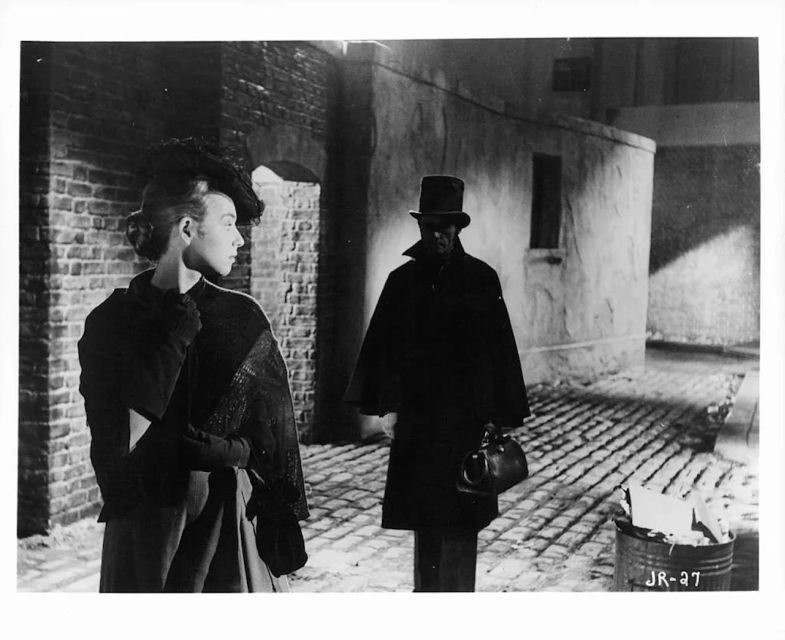
If you’ve ever arrived late to a tour and missed the first five minutes, you know how annoying that is. Here, you really want to be on time. The meeting point is Aldgate East station, directly beside where your guide will be waiting at Fashion Warehouse.
I like how specific the start instructions are, because Aldgate East has multiple exits. One practical tip from recent guests: remember there are 4 exits, so pick the right one the first time and save yourself a scramble. Once you’re outside, you’re already in the right part of London to understand why the East End mattered in 1888.
After you meet, the mood shifts fast. This isn’t a museum tour where you can stare at facts behind glass. It’s a walking route where you look at street shapes, doorways, and corners while a guide ties them to what investigators and residents would have noticed.
Whitechapel Road on Foot: where the story becomes streets you can see
The tour’s core is a street walk through Whitechapel, centered on Whitechapel Road—the area that shaped the Ripper’s most infamous days. What makes this section work is how the guide uses the neighborhood itself as the evidence.
In practice, you’ll hear the case laid out with the kinds of details that usually get lost in pop-culture versions. Guides often explain the timeline and the competing theories, but they also spend time on context: who lived here, what people’s lives were like, and why certain locations mattered.
I also appreciate the way the tour handles tone. You can’t avoid that this is violent history, but the best guides keep it human. Several guides in the recent lineup—like Ollie, Becky, and Sarah—are praised for storytelling that balances realism with respect. One guest specifically noted that the story is told from the victims’ viewpoint, and that it’s recounted with sympathy and sensitivity. That matters, because without that approach, a case this dark can feel like entertainment.
Expect interactive moments too. The format isn’t just you listening. You’ll get prompted to follow evidence, and you may see re-enactment-style storytelling cues that help you visualize what the streets looked like during the time period.
Practical tip: wear shoes you trust for uneven pavement and cold patches. The tour is short—about two hours—but it’s still a real walk.
You can also read our reviews of more tours and experiences in London.



Spitalfields Market: daily life around the case, not just the murders
After Whitechapel, you shift into Spitalfields, where the story gains texture. Instead of only focusing on the worst day-by-day events, the guide points you to places that show what life around the case looked like—work, trade, and neighborhood rhythms.
Spitalfields is also a great “how the area changed” stop. Today, you can see modern London layered over old streets, which helps you understand why the Ripper story sticks so hard to this part of the city. The point isn’t to claim everything looks identical since 1888. It’s to show you where the bones of the area still line up with the past.
A useful benefit of stopping around areas like Spitalfields Market is that it helps you stop thinking of the case as an abstract headline. You start thinking of it as something that unfolded in a working neighborhood, where people had errands, schedules, and routines—until they didn’t.
If you like history that feels grounded (not just dramatic), this section tends to land well. Several guests highlighted the guides’ ability to explain the area clearly so it’s easy to imagine what it was like back then.
Ten Bells Pub: the pause stop that makes the East End feel real
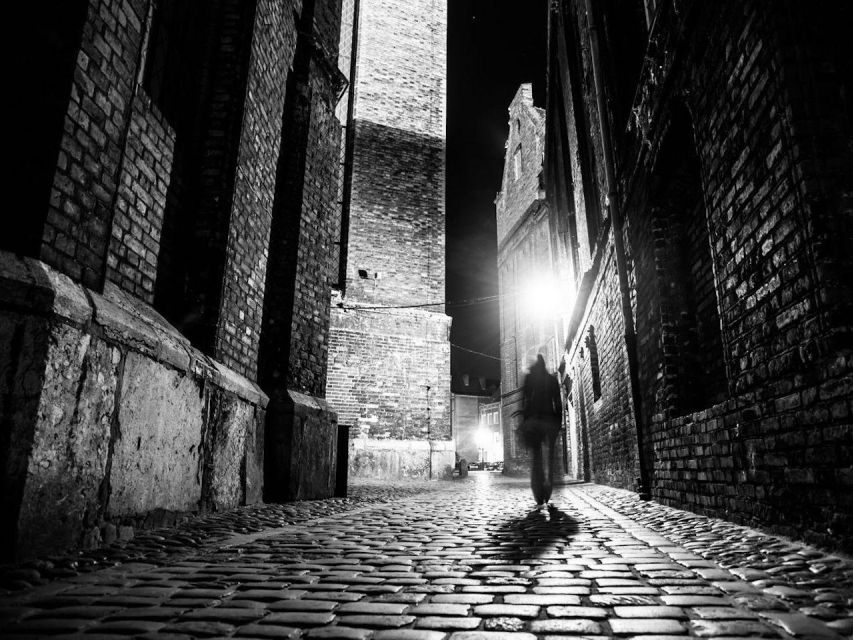
The tour includes a stop connected to the Ten Bells Pub, a location strongly tied to how people remember the Ripper era. Whether you treat the pub connection as a piece of “what’s said” or something closer to documented detail, it works as a storytelling anchor.
Here’s what I like about this stop: a pub is social geography. It’s where regulars gather, where information moves, and where rumors can become “facts” in people’s minds. That’s why it’s such a powerful place in a case that mixes investigations, fear, and public belief.
You’ll hear it in the guide’s explanation, along with how the case was understood at the time. The best versions of this tour don’t sensationalize; they use the setting to explain how daily life and public attention collided.
And yes, you may feel the chill more here than you expect—especially in the evening. One guest even said the cold January night and the grey weather added to the experience, because the streets and the story matched each other.
Brick Lane Walk: street art and grit side-by-side
Then comes Brick Lane, and this is where the tour gets interesting in a different way. Brick Lane today is known for street art and a strong food scene. The guide doesn’t ask you to pretend the neighborhood is frozen in time.
Instead, you’ll hear how the area has transformed over the years while still keeping a sense of the old grit. That contrast helps you understand how locations survive even when fashions and faces change.
This section also gives your brain a breather. After serious case details, walking through a lively modern street—while your guide ties it back to the East End atmosphere of 1888—helps the story stick without feeling nonstop.
If you’re the type who loves seeing how a city evolves, Brick Lane is a smart addition. You end up with more than “where it happened.” You get “how London keeps layers.”
Aldgate East again: investigations, theories, and what still lingers
Because the meeting point is Aldgate East, it’s fitting that the tour gives you more than one connection to the area. You’ll hear ties to the case around Aldgate East, including how investigations and local mystery get discussed.
This part is also where guides tend to bring their personality. Some—like Cova and Conza, based on recent comments—are praised for mixing strong background with their own theories. That’s not the same as making things up. It’s the difference between what’s known for sure and what’s argued about by historians, researchers, and investigators.
I like this balance because it keeps you from leaving with a single rigid narrative. Instead, you learn how competing ideas get formed, why uncertainty remains, and why this case still holds attention.
If you came for spooky atmosphere, you’ll get it. If you came because you enjoy detective work and context, you’ll also get that. The tour is structured to keep you thinking, not just absorbing.





Interactive format in 2 hours: pacing, small group feel, and Q&A time
At $26 per person for about 2 hours, the value comes from what you do with the time. A short walking tour like this works only if it has a clear structure. And here, the structure is built around street stops plus interactive storytelling.
Why that matters: you’re not stuck listening the whole time. Small group tours let you ask questions, and the best guides adjust based on the vibe of the group. People mention guides like Becky and Sarah for being engaging, clear, funny in a light-touch way, and willing to handle questions as you go.
The evidence component is also key. Several guests called out the use of pictures and evidence, and that’s a big deal for a case like this. Without visuals, the story can blur. With evidence-led discussion, the details feel more anchored.
Also, the tour isn’t a food experience. Food and drink aren’t included, so if you plan to go straight after work or during dinner time, bring a water bottle or plan a snack before you start.
Price and logistics: why $26 works when the guide is strong
Let’s talk value plainly. $26 isn’t a fortune, but a Jack the Ripper tour can still feel like a cash grab if it’s just generic spooky storytelling.
Here, the value holds up because you’re paying for:
- a guided walk led by an expert, not a script read at you
- small group interaction, so you’re not lost in a crowd
- street-level context, which is hard to replicate on your own in a useful way
- an interactive format, including evidence and re-enactment-style storytelling moments
The big variable is the guide’s skill. Recent feedback repeatedly praises guides such as Ollie, Becky, Sarah, Jay, Cova, and Angie for being knowledgeable, engaging, and respectful in tone. That doesn’t mean every guide is identical, but it suggests the provider consistently hires people who can hold a group’s attention and steer the story with care.
One consideration: late arrivals can be a problem. The tour doesn’t wait, so factor in extra time to get to Aldgate East and the Fashion Warehouse area.
When to go: night mood, weather, and comfort choices
Jack the Ripper stories were made for night walks. More than once, guests recommended doing this tour when the sun is down, because the atmosphere makes the locations feel sharper.
Even if you don’t love horror vibes, night changes how you experience the streets. You slow down naturally. You pay attention to corners and angles. You also feel the emotional weight more, which is exactly what a case like this is about.
Weather plays a role too. Some guests said wet, grey, cold conditions actually improved the experience—partly because it fit the mood of Whitechapel.
So dress like it might be uncomfortable:
- layers for cold
- a coat with some protection
- shoes that won’t slip if the pavement is damp
If you’re going in winter, it’s better to be warm than tough.
Who this tour suits best (and who should think twice)
This is ideal for you if you want:
- a walking tour rather than a slideshow
- a guide who connects the case to real street locations
- a respectful approach to a violent topic
- a short commitment—2 hours—with time for questions
It might not suit you if:
- you need wheelchair accessibility (it’s listed as not suitable for wheelchair users)
- you’re sensitive to discussions around violent murders
- you want a light, casual evening out (this is a serious subject)
The good news: the guides are praised for being sympathetic and for keeping the tone controlled. If you’re cautious about how the story is handled, this tour’s format suggests you’ll get that care.
Should you book the London Jack the Ripper Small Group Tour?
I’d book this if you’re already curious about Jack the Ripper and want the case tied to where it happened. The combination of small-group pacing, evidence-led storytelling, and street stops like Whitechapel Road, Spitalfields Market, Ten Bells Pub, and Brick Lane gives you a full evening without dragging it out.
If you hate dark history or you’re very temperature-sensitive, you might skip it. But if you can handle a thoughtful, respectful walk through grim events—and you like learning in the open air—this is one of the better ways to spend a couple of hours in London’s East End.
FAQ
How long is the Jack the Ripper small group tour?
The tour lasts about 2 hours.
Where do I meet the guide?
Meet at Aldgate East station, next to the meeting point at Fashion Warehouse. Your guide will be waiting there.
What languages are available?
The tour can be booked in English or Spanish, and the live guide languages are listed as English, French.
Is food or drink included?
No. Food and drink are not included.
Is the tour suitable for wheelchair users?
No. It’s listed as not suitable for wheelchair users.
Can I cancel for a full refund?
Yes, you can cancel up to 24 hours in advance for a full refund.
Is there a reserve & pay later option?
Yes. You can reserve now and pay later, with no payment needed today.
How do I check starting times?
The duration is 2 hours, and you should check availability to see starting times.
What if I arrive late?
The provider notes they cannot wait for late arrivals, so plan extra time to reach Aldgate East and Fashion Warehouse.