REVIEW · LONDON
London: Jack the Ripper Tour
Book on GetYourGuide →Operated by See Your City · Bookable on GetYourGuide
Victorian London turns into a living crime board on this Jack the Ripper walking tour. You follow a Ripperologist through Whitechapel, working through theories, “evidence” talk, and real places linked to the 1888 murders.
Two things I especially like: you get suspect cards that make the story feel interactive, and the guide keeps it grounded in specific locations around East London, not vague scary wallpaper. You also get cultural context, including the link to the era that shaped Sherlock Holmes.
One consideration: the tour is in Italian, and a couple of past guests were disappointed when they couldn’t clearly understand the guide. If your Italian is limited, think about whether you’ll be comfortable following a full hour-plus mystery in that language.
In This Review
- Key highlights worth your attention
- Entering 1888: what this tour feels like on the ground
- Your Ripperologist guide and the suspect-card game
- Where you start: St Marys Whitechapel Church Memorial and a fast orientation
- Ten Bells Spitalfields: the stop that anchors the whole mystery
- Christ Church London and Mitre Square: places where stories change tone
- Brick Lane: the East End corridor where past and present brush shoulders
- Spitalfields Market and Petticoat Lane: understanding the neighborhood behind the headline
- The “evidence” and theory part: how the guide keeps it from becoming pure legend
- Timing, outdoor walking, and what to bring for a 2-hour case file
- Where the value really comes from (and when it may not)
- Who should book this Jack the Ripper tour
- Should you book it or not?
- FAQ
- How long is the Jack the Ripper walking tour?
- What language is the live guide?
- Where does the tour meet?
- Where does the tour end?
- Which stops will we pass or visit during the walk?
- Is the tour wheelchair accessible?
- Is food or drinks included?
- Is the tour suitable for children?
- Is the tour indoors or outdoors?
Key highlights worth your attention
- Suspect cards: you’re not just listening, you’re weighing possibilities as you walk
- Whitechapel street stops: real East End settings like Ten Bells and Brick Lane
- Evidence-style storytelling: you hear about photographic evidence and competing theories
- Victims and everyday life: Whitechapel’s poverty and routines set the scene for the crimes
- Sherlock Holmes context: how the cultural moment helped shape the famous detective
Entering 1888: what this tour feels like on the ground
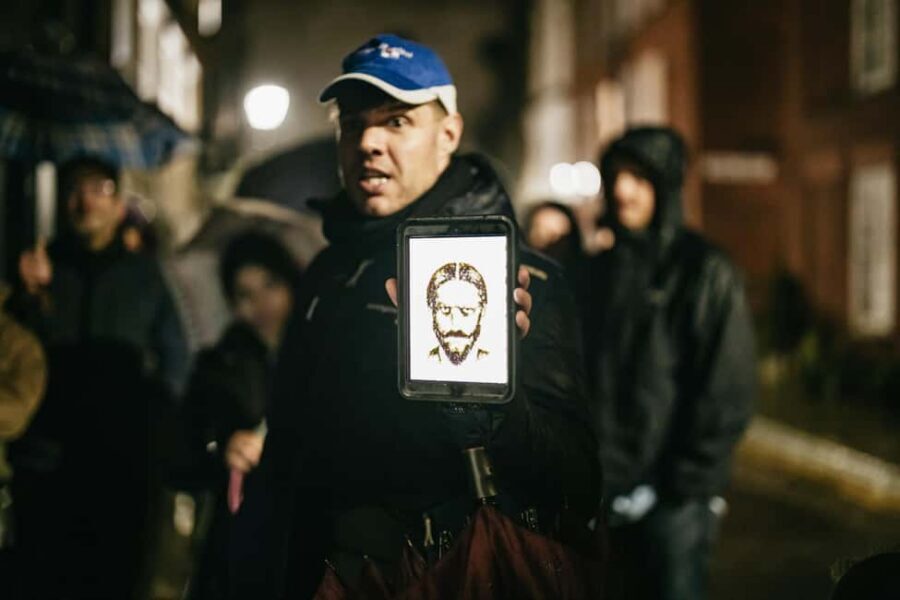
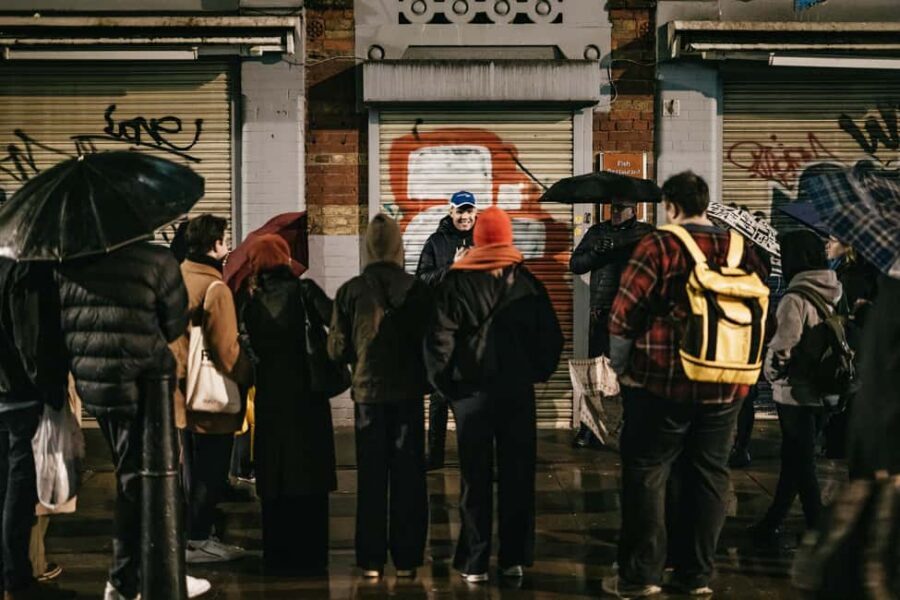
This is a walking tour built like a case file. The pace is designed for conversation and clues as you move, with the guide treating the story like an investigation: who might have done it, what evidence suggests, and why Whitechapel became the center of attention.
What makes it more than a standard “dark history” stroll is the structure. You’ll get suspect cards, and the guide guides you through alleged perpetrators and why people think they could be connected. You’ll also hear about the victims and the neighborhood around them—especially how Whitechapel worked as an impoverished area in the 1880s. That helps you understand why this area mattered, beyond the shock factor.
And yes, there’s a clear cultural angle too. The tour connects the Whitechapel murders to the wider context that later fed into British crime storytelling, including the world that shaped Sherlock Holmes. It’s the sort of framing that helps you connect dots instead of just collecting names.
You can also read our reviews of more tours and experiences in London.



Your Ripperologist guide and the suspect-card game
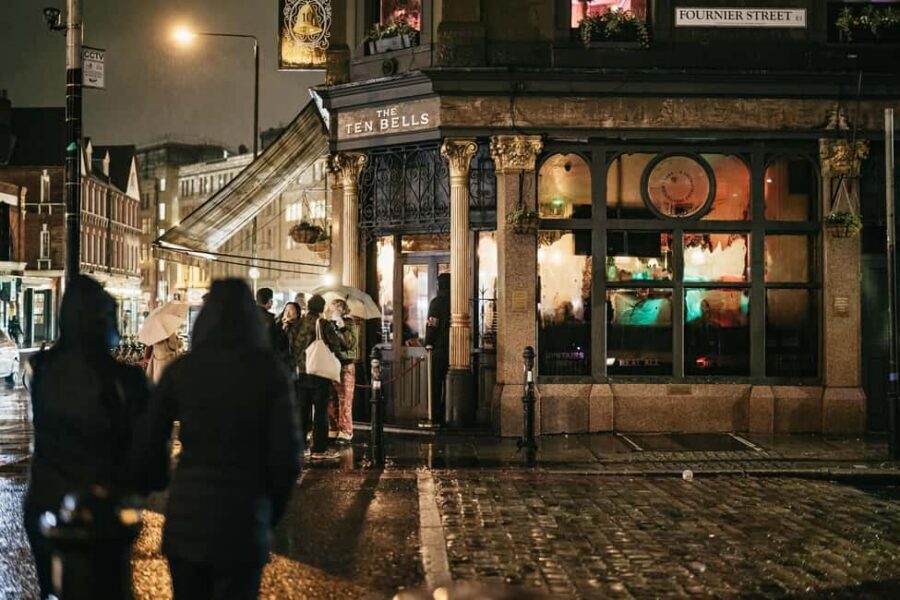
The tour is led by a live Ripperologist guide. The format matters: you’re not only hearing a narrative; you’re asked to think through possibilities as the story moves from place to place.
Here’s what to expect from the “casework” angle:
- The guide talks through alleged perpetrators and the theories linked to them.
- You’ll hear about photographic evidence and how it’s used in the discussion.
- You get suspect cards tied to the mystery theme, so you can keep your own notes as you go.
One thing I’d file under “this is why it’s worth it”: the guide is specifically positioned to explain the theories in a way that stays linked to the geography. Instead of dumping history facts, the tour uses the streets as your reference points. That’s what makes the experience memorable once you’ve walked out of Whitechapel and the headlines fade.
And about the guides: one name that shows up in strong feedback is Perla—praised for enthusiasm and professionalism while leading in Italian. That’s exactly what you want here: a guide who can carry the story clearly in the language they’re using.
Where you start: St Marys Whitechapel Church Memorial and a fast orientation
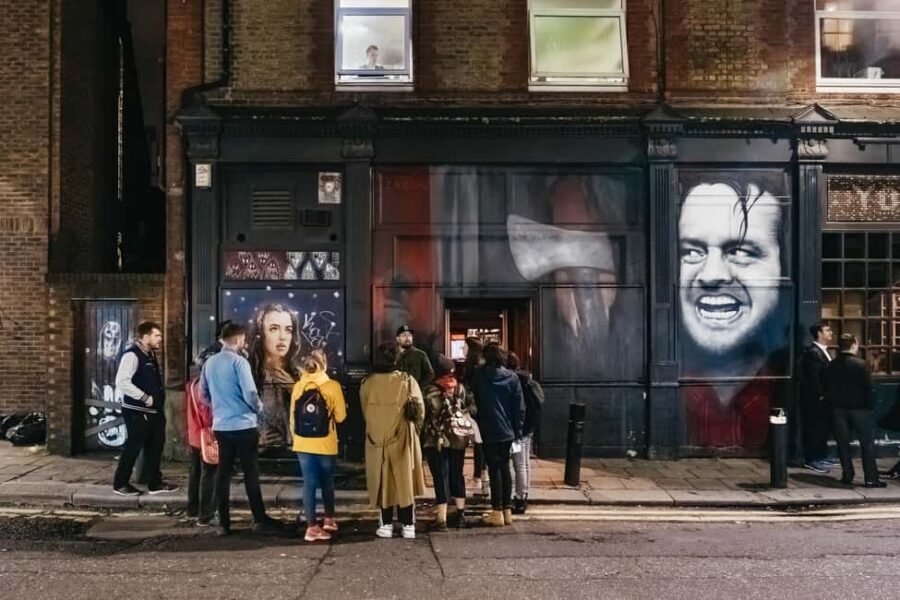
The tour starts at St Marys Whitechapel Church Memorial, and that opening matters. Before you reach the darker landmarks, you get orientation—who the people were, what Whitechapel looked like, and why 1888 became such a turning point.
From a practical point of view, the early part of the walk is where you’ll get your bearings. Since this is entirely outdoors, and the route involves public paths, the first minutes help you settle into the rhythm: listen, look up at the street-level details, then move on.
If you’re someone who likes a clear storyline, this start is helpful. It sets the case up so the later stops make sense as you compare theories to locations you can actually stand in front of.
Ten Bells Spitalfields: the stop that anchors the whole mystery

Ten Bells Spitalfields is both passed by during the walk and also where the tour finishes. That makes it the anchor point for the story structure: you’re introduced to it, then you return.
Why Ten Bells matters in this kind of tour is simple—you get a recognizable East End landmark tied to the era’s atmosphere. It gives the guide a place to reference how the area functioned day-to-day, while also framing the darker moments that made the headlines.
Practical note: pubs and busy streets can mean sound and foot traffic. If you want to hear every word, position yourself so you’re not half-turned away from the guide when the story focuses on a specific spot.
This is also where the tour’s storytelling style tends to shine. You’ll hear the guide connect the “why” questions—like why Whitechapel was chosen—with what people claim to know (and what they can’t prove). Ending here means you can sort what you learned without rushing off immediately afterward.
Christ Church London and Mitre Square: places where stories change tone
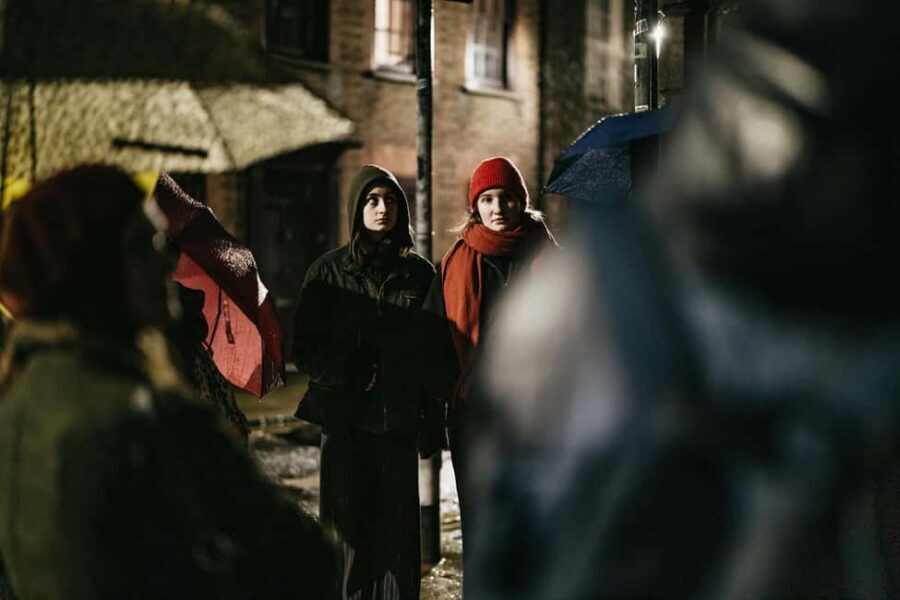
Two stops that shift the mood are Christ Church London and Mitre Square.
These are the points where a walking tour can either become a checklist or stay a conversation. In this case, the best version of the experience is when the guide uses the buildings and street corners as cues for different layers of the story—what daily life looked like, where attention may have concentrated, and why some theories stick more than others.
What I like about including stops like these is that they broaden your view. You’re not only seeing the places that get mentioned because of the murders—you’re also getting a sense of the neighborhood’s texture. The tour aims to explain everyday life in Whitechapel, not just the headlines.
The one drawback to keep in mind: outdoor walking tours depend on weather and street conditions. Around notable buildings and squares, crowds and traffic flow can vary. If you’re sensitive to noise or sudden stopping, you may want to arrive a few minutes early so you can find a comfortable spot when the guide addresses the group.



Brick Lane: the East End corridor where past and present brush shoulders
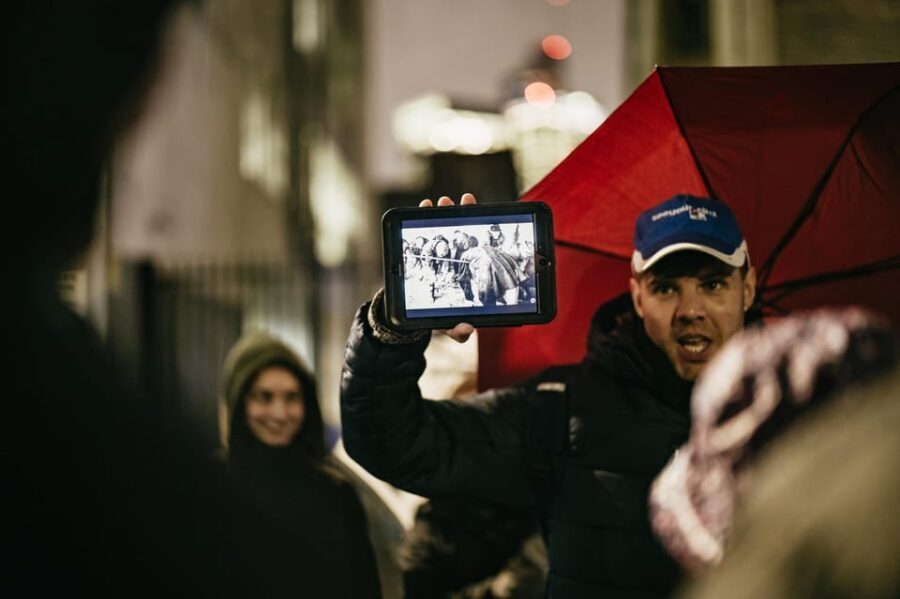
Brick Lane is one of the stops that tends to feel most alive, because it’s a place people actually visit today. During this tour, it becomes more than a street name—it’s part of the story’s timeline.
The guide brings you into the logic of the case through location. That means you’ll connect the neighborhood’s layout and conditions to the claims people made about the crimes. It’s also where you can start noticing how the tour blends two modes:
- Crime investigation talk—suspects, evidence-style discussion, and theories.
- Neighborhood context—why Whitechapel was vulnerable and what daily life was like.
If you like walking tours that give you more than “and then we went here,” Brick Lane is a good place for that. It’s where the past feels less like a museum label and more like a street you can picture from the descriptions.
One practical consideration: Brick Lane can be busy. Build in patience. If your goal is to photograph quietly or stand in one spot for a long time, you might feel slightly rushed when the group moves.
Spitalfields Market and Petticoat Lane: understanding the neighborhood behind the headline
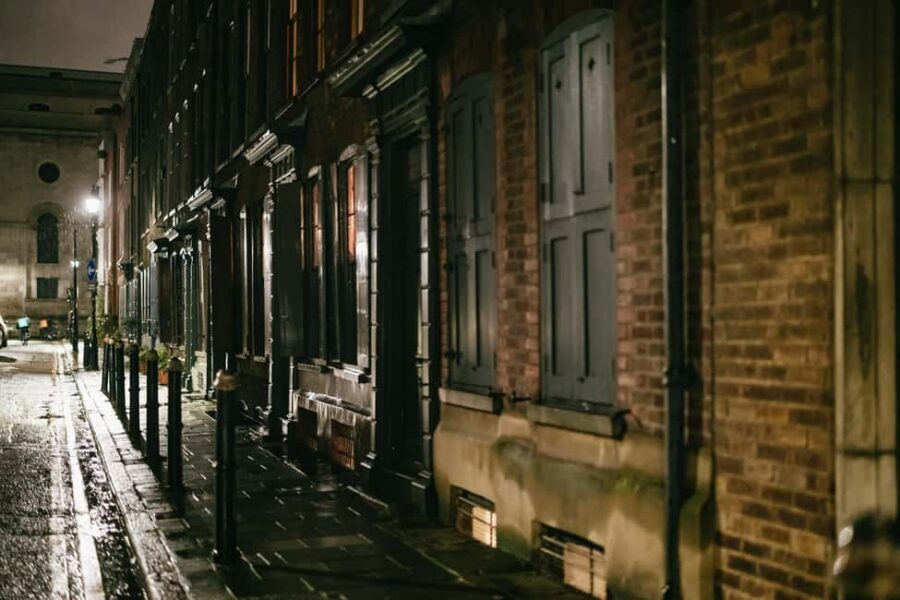
The tour highlights Spitalfields Market and Petticoat Lane, and you’ll see the overall East End setting tied to them.
This is a major value point. The murders weren’t just crimes in a vacuum—they happened in a neighborhood shaped by economics, crowding, and routine. When a tour includes market areas and lane streets, you get a better sense of why this story keeps attracting attention: it’s not only about the perpetrator theories, it’s also about what the area offered the era’s residents and newcomers.
In practical terms, this section of the walk helps you understand questions like:
- Why would someone choose a place like Whitechapel?
- What did evidence discovery and reporting look like at the time?
- What everyday life looked like around the time of the attacks?
Even if you’re already familiar with Jack the Ripper basics, this is where the tour can surprise you by adding the neighborhood logic you might have skipped before. It’s also where the conversation about victims can feel less abstract.
The “evidence” and theory part: how the guide keeps it from becoming pure legend

Not all Ripper tours handle the theories the same way. This one leans into a structured way of thinking: you’ll hear about photographic evidence and how it’s used when people argue about suspects.
You’ll also be asked to consider whether Jack the Ripper was ever close to being caught, why Whitechapel was targeted, and where evidence was discovered. Those are big-picture questions, and the tour uses the street stops to keep them tied to locations rather than turning the discussion into only a trivia contest.
Theories are still theories here. The practical way to enjoy this portion is to treat it like historical “what if” reasoning—listen for why each theory appeals to people and what parts of the story are uncertain.
This is also where the Sherlock Holmes context comes in. The tour links the murders and the cultural moment to the rise of famous detective storytelling. If you like how Victorian-era ideas formed the blueprint for later fictional detectives, you’ll likely enjoy the way the guide connects crime, media, and the public imagination.
Timing, outdoor walking, and what to bring for a 2-hour case file
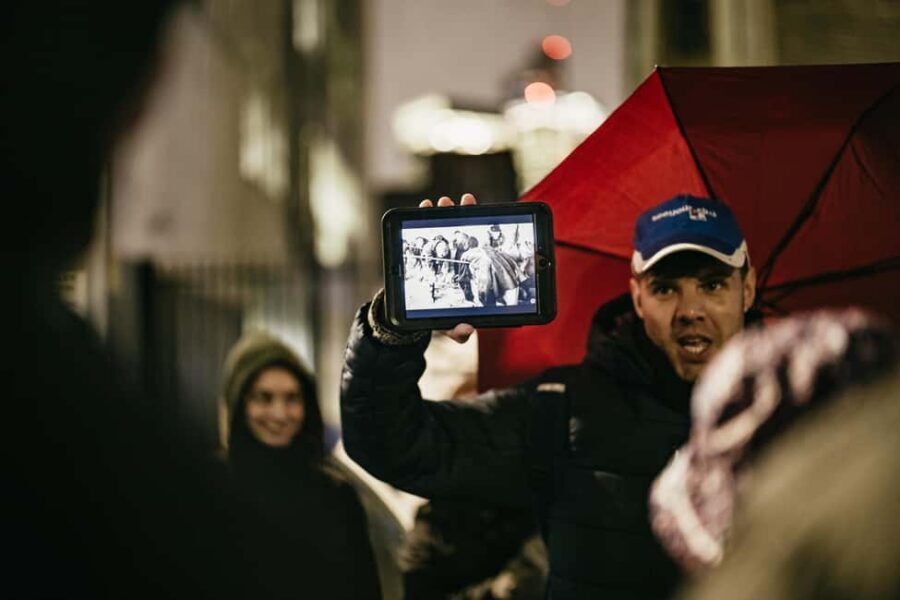
This tour runs for 2 hours. That length is a sweet spot: long enough to cover several meaningful locations and hear the theory discussion, short enough that you don’t feel stuck outside all day.
Because it’s entirely outdoors, dress for the weather. Also remember you’ll be walking on public paths with varying conditions. The tour is wheelchair accessible, but if you use mobility aids, it’s smart to plan for uneven surfaces and real-world street conditions.
What I’d bring:
- Comfortable shoes for city sidewalks
- A light layer or rain protection, depending on the forecast
- A charged phone if you want to reference landmarks afterward (the tour itself doesn’t include a tech guide)
Food and drinks aren’t included, so plan water or a snack before you start if you need one.
Where the value really comes from (and when it may not)
For $26.94 per person and a 2-hour walking format, the value is strongest if you want a guided story with structure. You’re paying for:
- A live Ripperologist guide
- Suspect cards and a case-style approach
- Multiple East End landmarks tied to the Ripper legend
- Victorian neighborhood context, not just one-liner ghost vibes
Where the value can drop is language fit. The tour guide speaks Italian. Since there’s past feedback where an Italian tour didn’t translate well for some participants, you should be realistic: if you only know a few phrases, you may end up missing key parts of the evidence-and-suspect reasoning.
If you’re confident in Italian, you’ll likely find the guide experience to be a big part of the payoff. If you’re not, you may want to look for another language option (if available on the dates you’re traveling) or choose this only if you’re okay relying on the general flow rather than every detail.
Who should book this Jack the Ripper tour
This one fits best if you:
- Want a walking tour that includes Victorian Whitechapel context, not just the headline murders
- Like mystery storytelling that includes theories and an evidence-style discussion
- Enjoy the cultural link to later detective fiction, including Sherlock Holmes
It may be less ideal if you:
- Need a language other than Italian to fully follow the story
- Prefer light, non-graphic history. This tour includes graphic details and visual content, and minors must be accompanied by an adult.
Also, because it’s outdoors and has varying public-path conditions, think about your comfort with street walking rather than assuming it’s like a museum loop.
Should you book it or not?
If your dream is a Whitechapel Jack the Ripper experience that mixes location, theories, and everyday life context, I’d say yes—especially for the suspect-card format and the way the guide ties evidence talk to real street corners.
The main reason to hesitate is language. Since the tour is in Italian, make sure that works for your group. If you’re comfortable enough to follow an Italian story at walking pace, this looks like good value for a focused 2-hour East End case file.
If Italian is a stretch, don’t gamble on piecing it together. One bad match can turn a mystery tour into a lot of standing around. Get your language comfort right, and you’ll be set.
FAQ
How long is the Jack the Ripper walking tour?
The tour lasts 2 hours.
What language is the live guide?
The live tour guide speaks Italian.
Where does the tour meet?
Meet at the west entrance to Altab Ali Park, at the large iron arch gate on the corner of White Church Lane and Whitechapel High Street.
Where does the tour end?
The activity finishes back at the meeting point, and the itinerary also finishes at Ten Bells Spitalfields.
Which stops will we pass or visit during the walk?
Stops include Brick Lane, Christ Church London, Spitalfields Market, Mitre Square, Petticoat Lane, and Ten Bells Pub.
Is the tour wheelchair accessible?
Yes, the tour is listed as wheelchair accessible, though public paths can vary in condition.
Is food or drinks included?
No. Food and drinks are not included.
Is the tour suitable for children?
Participants under 18 must be accompanied by an adult, and the tour contains graphic details and visual content.
Is the tour indoors or outdoors?
It takes place entirely outdoors.