REVIEW · LONDON
London: Jack the Ripper Walking Tour
Book on GetYourGuide →Operated by Where Now Tours · Bookable on GetYourGuide
Night falls in Whitechapel for a reason. This Jack the Ripper walking tour turns East End streets into a real, step-by-step case file, using photo evidence and a guide-led explanation of the canonical five murders. I also like that you get theories about who Jack might have been, not just a single spooky story. One heads-up: the case involves gruesome details, so it may not be suitable for everyone.
You meet outside the Bell Pub near Aldgate station, right where the neighborhood’s older layers still show through. Expect cobbled streets, Victorian-era feel, plus a look at French Huguenot architecture from the late 1700s and the pub atmosphere around Brick Lane. If you want lots of quiet sightseeing time with zero dark subject matter, you’ll probably feel a bit out of place here.
At $21.55 per person for about 2 hours, you’re paying for a focused guided walk, not a museum ticket. You’ll spend roughly 45 minutes actually walking, and you’ll get case study materials along the way; food and drinks aren’t included.
In This Review
- Key things I’d circle before you go
- Whitechapel after dark: what this tour does differently
- Meeting outside The Bell near Aldgate: timing and route rhythm
- Stop-by-stop: from Whitechapel streets to Spitalfields murder-site photos
- Whitechapel: the case starts where the neighborhood lived
- Brick Lane: history, architecture, and old-pub energy
- Fournier Street and the photo stop pattern
- Ten Bells in Spitalfields: the street-corner moment people remember
- Spitalfields and the London Fruit Exchange area
- White’s Row, Artillery Passage, and Aldgate-side stops
- Mitre Square: finishing back at Aldgate Station
- Case files and photo evidence: how the guide keeps it anchored
- The guides (Jamie and Ryan) and the storytelling style
- What to bring, what to wear, and how rough it gets
- Wheelchair access and walking expectations
- Price and value: is $21.55 worth two hours?
- Who should book this tour, and who might choose another plan
- Should you book the London Jack the Ripper walking tour?
- FAQ
- FAQ
- Where do I meet for the London Jack the Ripper walking tour?
- How long is the tour?
- How much walking is involved?
- Is the tour suitable for kids?
- Is the tour wheelchair accessible?
- What language is the guide?
- Does the tour run in bad weather?
- What’s included in the price?
- Is food or drink included?
- Is there a cancellation deadline?
- Can I pay later?
Key things I’d circle before you go
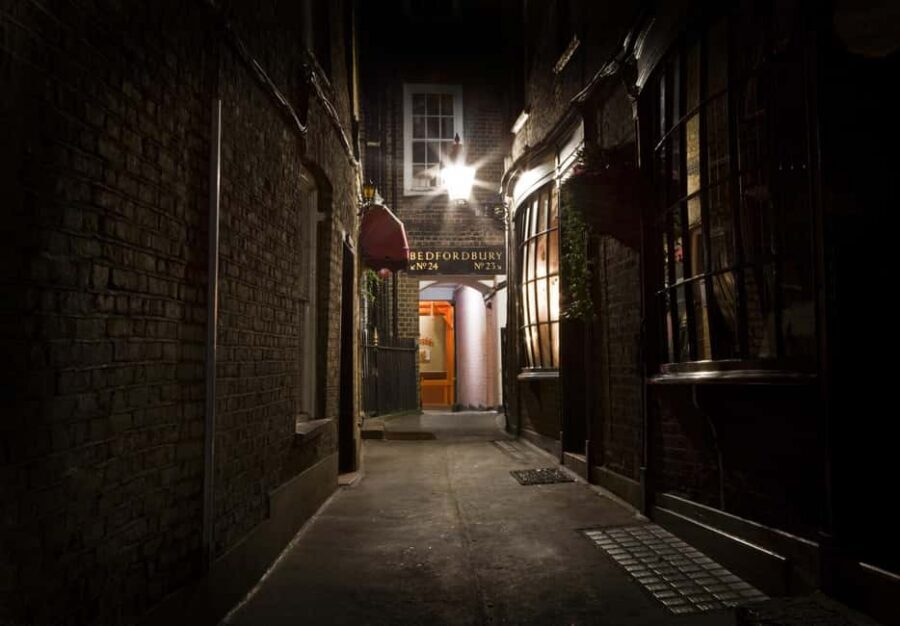
- Expert Ripperologist guidance that keeps the story grounded in locations and evidence
- Photo evidence and case study material used as you walk the route
- Whitechapel + Spitalfields route with photo stops at key murder-related sites
- Architecture and street texture: Huguenot buildings and Brick Lane pub culture
- Identity theories explained so you can form your own opinion
- Rain or shine walking plan with comfortable-shoe expectations
Whitechapel after dark: what this tour does differently
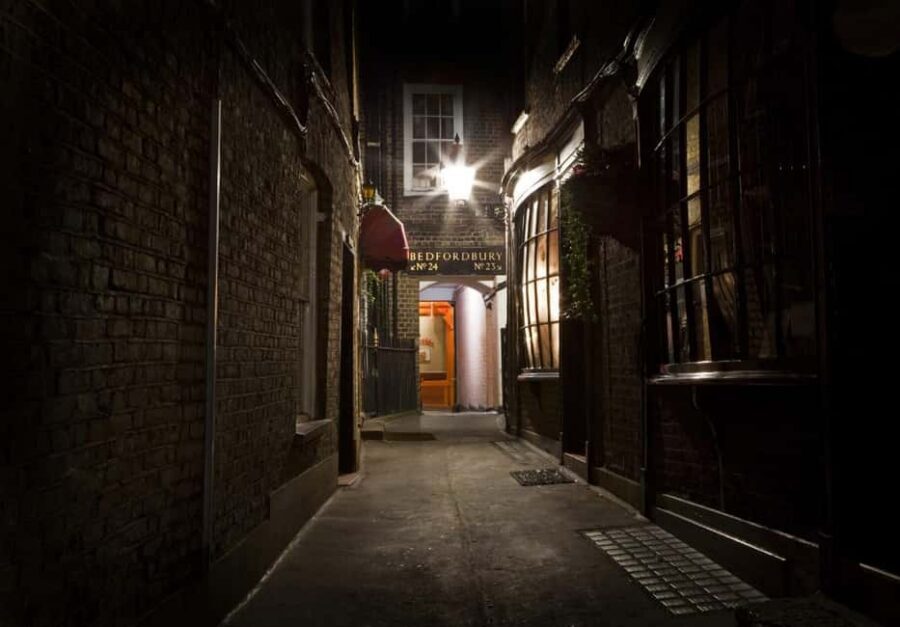
This isn’t the usual “ghosts and legends” kind of true crime walk. You’re led through Whitechapel and the surrounding streets with the emphasis on the case itself: where the victims were found and how the investigation is usually framed. That case-first approach is what makes the experience feel more like a historical session than just a spooky stroll.
I also like that the tour uses case study materials instead of relying only on narration. You’ll see picture evidence and supporting visuals during stops, which helps the story land. The guide also covers competing theories about Jack’s identity, so you can judge the arguments rather than memorizing one version.
One more detail that matters: the vibe is guided and structured. You’re not free-roaming with a map. You’ll have a “stop, explain, move” rhythm that keeps the time tight and the topic clear, especially if you’re short on evenings.
You can also read our reviews of more walking tours in London



Meeting outside The Bell near Aldgate: timing and route rhythm
Plan to start near Aldgate station at the Bell Pub area. The exact meeting point can vary depending on which start option you booked, so I’d treat “arrive a few minutes early” as non-negotiable. If you’re trying to hit the spot last second, you’ll waste energy in a neighborhood that’s easier to navigate when you’re already on the correct street corner.
The tour lasts about 2 hours, with roughly 45 minutes of walking total. That’s a nice balance: you get enough movement to feel like you’re covering ground in the East End, but you’re also spending plenty of time standing still for photos and explanation.
The itinerary has a clear flow: you begin in the Aldgate/Whitechapel orbit, then work through Brick Lane, Spitalfields, and nearby streets tied to the case, finishing back at Aldgate Station. It’s designed for an evening pace where you can keep up even if you’re not used to walking in London’s uneven areas.
Stop-by-stop: from Whitechapel streets to Spitalfields murder-site photos
Here’s how the route typically “feels” as you go, and what each stop contributes.
Whitechapel: the case starts where the neighborhood lived
You begin by moving into Whitechapel, where the guide connects the story to the streets themselves. This is where the tour leans into the East End context: the way Victorian London shaped everyday life, including social and economic pressures people faced. That context is key, because it explains why this case became so notorious and why the story stuck.
Expect a guided walk with narration that sets up the core case question: what happened, where it happened, and what evidence people point to.
Brick Lane: history, architecture, and old-pub energy
Next comes Brick Lane. You’ll do a photo stop and sightseeing moment, with time to look around rather than just passing through. The tour specifically calls out the area’s long-running pub culture, and you’ll also get a sense of how the neighborhood mixes older streets with later layers of London life.
This stop is a good reset. You’re still in “case mode,” but you’re allowed to look outward: storefronts, streetscape, and the feel of the area.





Fournier Street and the photo stop pattern
Then you hit Fournier Street, another photo stop plus guided explanation. The format repeats in a few places: pause, look, then get the “what happened here” piece from the guide. If you like true crime that stays grounded in exact locations, this approach is satisfying because you’re always connecting story to place.
One thing to watch: because these are photo stops, the time you spend at each location can be short. Bring your patience for quick windows to take photos, and don’t plan to linger on your own.
Ten Bells in Spitalfields: the street-corner moment people remember
At The Ten Bells (Spitalfields), you’ll stop for photos, sightseeing, and explanation. This is the kind of location where the tour’s storytelling tends to click for many people: it’s instantly recognizable as part of the Jack the Ripper cultural map, yet your guide brings it back to the case timeline and the surrounding neighborhood.
After this, you keep moving through the Spitalfields area, with stops that are clearly tied to where the victims were discovered.
Spitalfields and the London Fruit Exchange area
You’ll also visit Spitalfields for a photo stop and explanation, then continue toward the London Fruit Exchange area. The point of these segments isn’t shopping or food tasting. It’s spatial: you’re building a mental map of how far (and in what direction) events unfolded across the neighborhood.
If you like “follow the evidence” walks, these are the segments that help you stop seeing the story as a legend and start viewing it as a chain of real locations.
White’s Row, Artillery Passage, and Aldgate-side stops
Later stops include White’s Row, Artillery Passage, and then St Botolph without Aldgate. You’ll get more photo stop moments plus guide-led sightseeing.
By the time you reach these Aldgate-side locations, you’re basically close to the tour’s finish. That timing helps. You’re not left feeling like the best parts are far away. You can stay focused, absorb the evidence flow, and still end the tour without dragging your feet.
Mitre Square: finishing back at Aldgate Station
The final stop is Mitre Square, with another photo/sightseeing moment, and then the tour ends at Aldgate Station. The closure matters: you end where you can quickly connect to the rest of London rather than being stuck far away in the East End after the last explanation.
Case files and photo evidence: how the guide keeps it anchored
This tour centers the case using case study materials and picture evidence, plus a guided discussion of theories about Jack’s identity. The “canonical five murders” are a core part of the narrative, and you’ll visit the locations tied to where the victims were discovered.
What I like about this approach is that you’re not just hearing a dramatic story. You’re being asked to look at evidence and weigh competing ideas. The guide talks through different identity theories, which makes the experience feel like historical reasoning, not just myth repetition.
You’ll also see how the case affected London afterward. That broader impact angle is useful because it helps you understand why people still talk about Jack over a century later.
One practical note: the subject is heavy. The tour is designed for all ages, but it explicitly warns that the murder details may not be suitable for everyone, especially anyone under 18 without an accompanying adult. So if you’re bringing teens or younger kids, plan for the possibility that the guide may adjust what visuals are shown.
The guides (Jamie and Ryan) and the storytelling style
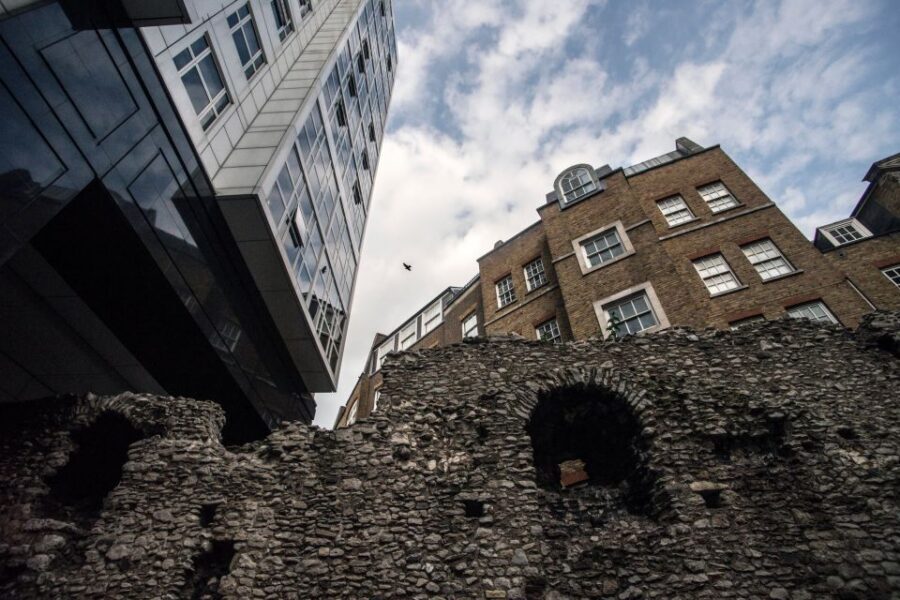
The experience strongly depends on the guide. In the supplied details, names like Jamie and Ryan come up, and what they’re praised for is consistent: lively storytelling, lots of interaction, and clear answers to questions.
If you get a guide like Jamie, expect a performance-minded style. He’s described as entertaining and engaging, and also careful about showing more gruesome images to younger teens only when they’re checked in and supported. That’s a big deal for families who want the educational value without leaving kids overwhelmed.
With a guide like Ryan, the emphasis in the details is on friendliness, questions, and keeping the group engaged even when it’s crowded (like on Halloween). You’ll also get help finding quieter spots so you can still hear and see what the guide is explaining.
Across guides, one pattern shows up: they use visuals during stops and keep conversations flowing, rather than lecturing for two straight hours. That interactivity matters because you’re standing still in tight spaces, and the guide needs to keep everyone oriented.
What to bring, what to wear, and how rough it gets
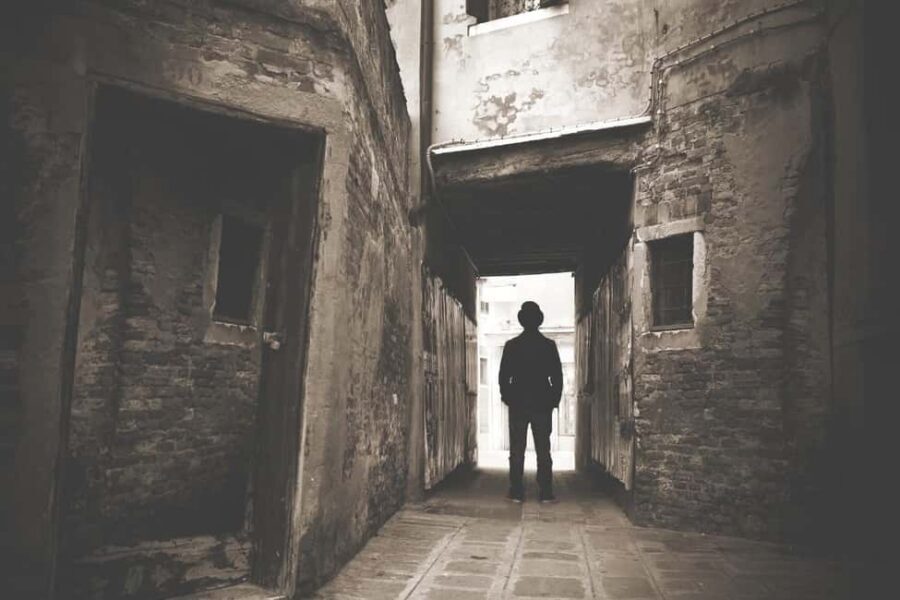
Wear comfortable shoes. The route involves cobbled streets, and you’ll spend a good chunk of time standing for photo stops while still listening closely. The tour also runs rain or shine, so dress for weather that can change quickly in London.
Bring weather-appropriate clothing. If rain is in the forecast, consider a jacket that won’t soak through fast and something to keep your phone camera protected during photo stops.
As for content level: the tour includes gruesome details tied to the murders and victims. The tour is for all ages, but anyone under 18 must be accompanied by an adult and the guide flags that details may not be suitable. If you’re sensitive to violent true crime, this is a “know your limits” situation.
Wheelchair access and walking expectations
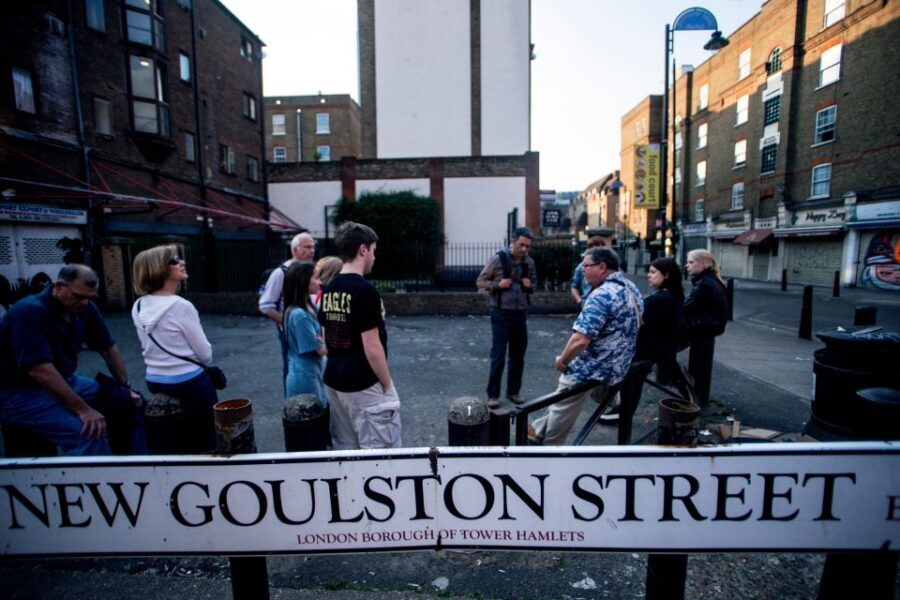
The tour is listed as wheelchair accessible, which is great news. Still, the route includes walking time (roughly 45 minutes), so it’s smart to go in expecting short, frequent stops and uneven ground.
If mobility is a concern, I’d focus on two things: confirm the route practicality for your specific needs when you book, and arrive with enough time to get situated at the Bell Pub meeting point.
Price and value: is $21.55 worth two hours?
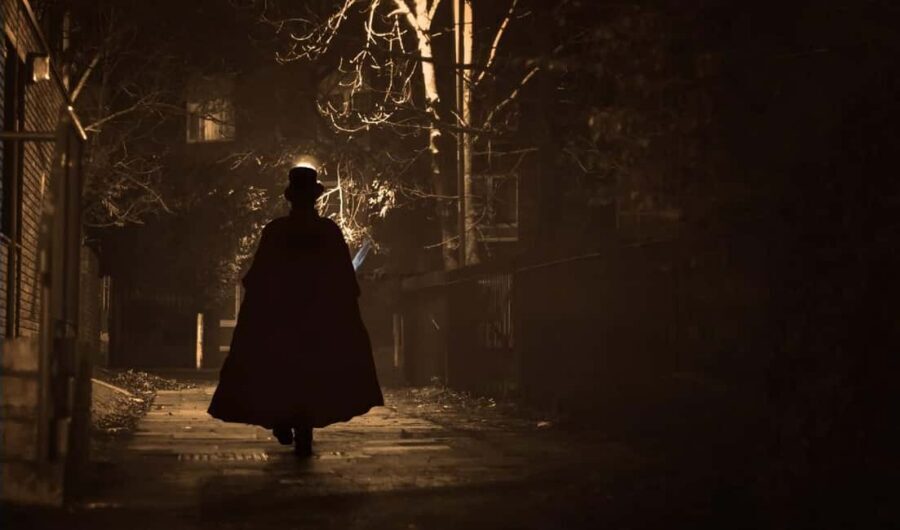
At $21.55 per person for 2 hours, the value comes from what’s included: a guide, a walking tour, and case study and picture evidence. You’re paying for a guided narrative that ties together locations, visuals, and theories about identity, rather than a self-guided walk with a vague audio track.
Also, there’s a bonus for private tours: a free guide book is included. If you’re booking privately (or with a small group), that guide book can turn the experience into something you can revisit later. That alone can justify the cost if you like reading after the walk.
Food and drinks aren’t included, so plan to eat before or after. The tour timing makes it easy to pair with a normal dinner plan in the Aldgate/Whitechapel area.
Who should book this tour, and who might choose another plan
You’ll probably enjoy this most if you like:
- True crime that focuses on real locations and evidence
- A guided walk with visual support rather than just storytelling
- Learning the social context behind why the case became famous
You might want to skip or adjust expectations if:
- You dislike violent details and graphic crime narratives
- You’re looking for a purely light, sightseeing-only evening
- You’re traveling with someone who may be uncomfortable with murder-related visuals, even if they’re curious about the story
For first-time London visitors, it’s a memorable way to see an area like Whitechapel beyond postcards. For London repeat visitors, it’s a different lens: you’ll get a sharper sense of neighborhood geography and how the case routes people through it.
Should you book the London Jack the Ripper walking tour?
If you want a guided, evidence-based Jack the Ripper walk that uses photo evidence, case study material, and a clear route through Whitechapel and Spitalfields, this is an easy yes. The two-hour format is long enough to feel complete, but not so long you’re exhausted before the final stops.
The main reason to hesitate is the topic. If you’re very sensitive to gruesome crime details, or you’re bringing kids who may struggle with the subject even with an adult present, choose your timing and support carefully. If that part is manageable, the route, the visuals, and the guide-led theory discussion are exactly what makes this worth your evening.
FAQ
FAQ
Where do I meet for the London Jack the Ripper walking tour?
You meet outside the Bell Pub near Aldgate station. The exact meeting point may vary depending on the option you booked.
How long is the tour?
The tour duration is 2 hours.
How much walking is involved?
The tour includes roughly 45 minutes of walking.
Is the tour suitable for kids?
All ages are welcome, but anyone under 18 must be accompanied by an adult. The tour involves details of the murders that may not be suitable for all ages.
Is the tour wheelchair accessible?
Yes, the tour is listed as wheelchair accessible.
What language is the guide?
The live guide speaks English.
Does the tour run in bad weather?
Yes. The tour takes place rain or shine.
What’s included in the price?
You get a guide, a walking tour, and case study and picture evidence.
Is food or drink included?
No. Food and drinks aren’t included.
Is there a cancellation deadline?
Yes. You can cancel up to 24 hours in advance for a full refund.
Can I pay later?
Yes. The option listed is reserve now & pay later.