REVIEW · LONDON
London: Secrets of the London Underground Walking Tour
Book on GetYourGuide →Operated by Evan Evans Tours · Bookable on GetYourGuide
Suddenly, the Tube feels like a movie set. This 2.5-hour walk turns everyday rides into original station history and spooky station legends you can actually point to. You start at Baker Street Station and get a guided route that mixes architecture, tech changes, and human stories.
I especially like how the tour connects the Tube’s evolution to what you can see on the walls and in the station design. The included audio headset also keeps things clear, even when you’re near crowds and trains.
One heads-up: you’ll do moderate walking and there are steps in the Underground. This isn’t a fit for wheelchair users or customers with reduced mobility, and it also means you should not plan on lingering in every nook.
In This Review
- Key highlights I’d plan around
- Baker Street Station to the Tube’s origins: your first time-warp
- Steam trains, electrified rails, and why tunnels looked the way they did
- Abandoned stations and the 40+ stops left behind
- Haunted stops and wartime reuse: Pharaohs, nuns, and the Blitz
- London Transport Museum: turning station talk into something you can see
- Price and logistics that affect the real cost
- Pace, comfort, and what to expect from the group day
- Guides you might encounter: how the tour stays lively
- Who should book this Underground Secrets tour
- Should you book the London Underground Secrets tour?
Key highlights I’d plan around
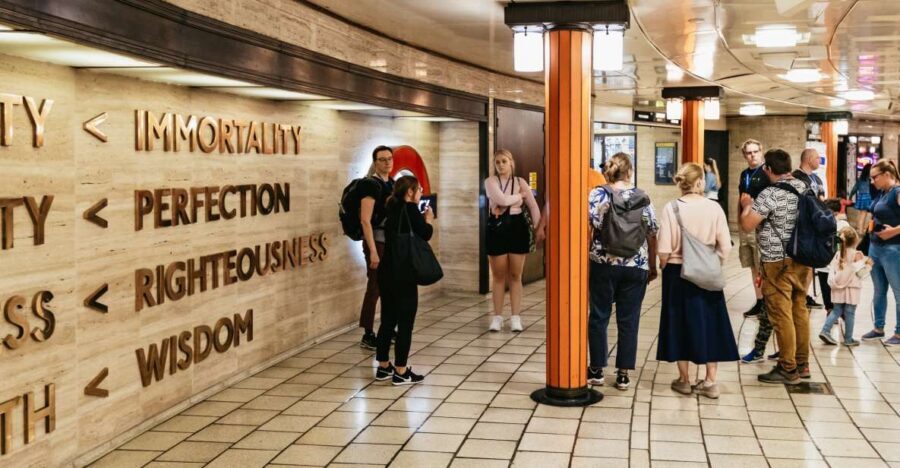
- Baker Street’s 1863 roots: one of the Tube’s earliest stops becomes your timeline anchor.
- Steam to electrification: you learn what changed as the network modernized.
- The roundel symbol: why the Underground’s logo matters beyond branding.
- Abandoned stations: you hear why 40+ stops were left behind and what that did to the map.
- Blitz repurposing and museum storage: the Tube wasn’t just transit during WWII.
- Haunted and disused-station stories: Pharaoh-daughter and nun sightings enter the conversation.
Baker Street Station to the Tube’s origins: your first time-warp
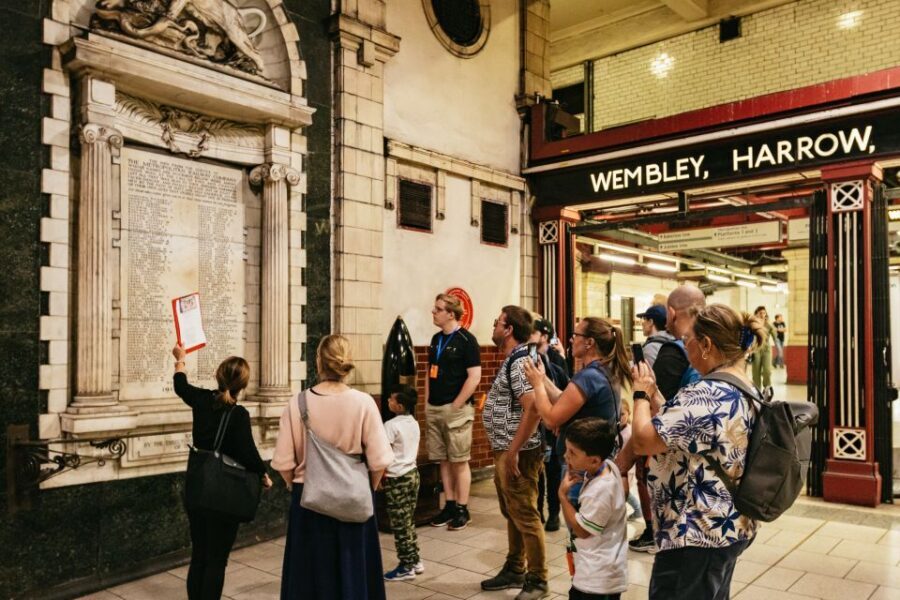
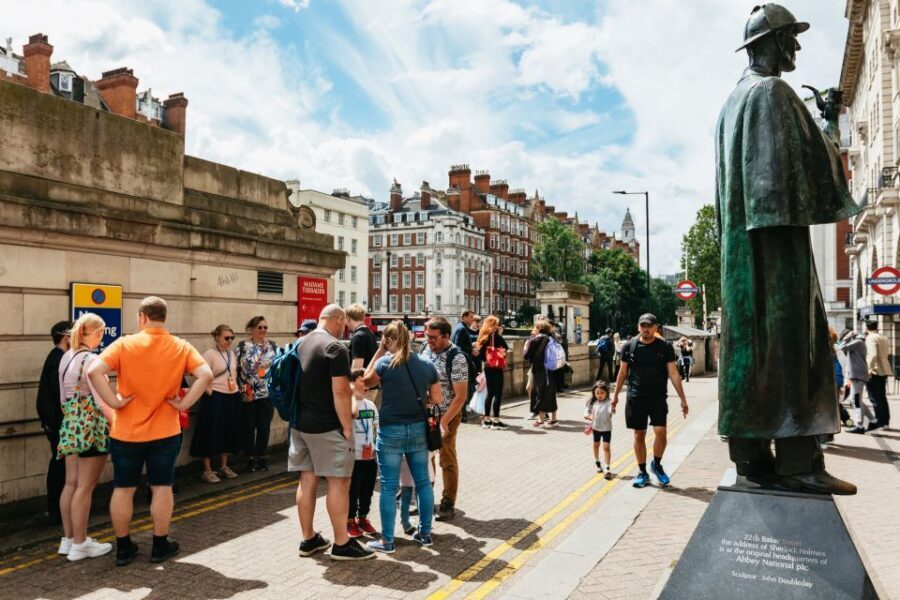
You begin at Baker Street Station, meeting your guide by the Sherlock Holmes statue outside the station. That choice makes sense. It places you at a familiar London landmark, then immediately ties you to the start of underground rail travel in the city.
From there, expect a first run of orientation: a photo moment, short guided stops, and enough walking to get the group synced up. Baker Street matters because it connects to the Metropolitan Railway, which was an early step toward what we now call the Tube. The tour also highlights the fact that one of the original stations dates to 1863, so you’re not just hearing “old-timey London” as a slogan. You’re learning with a real, dated place in front of you.
If you like city exploring that feels efficient, this opening section works. You’re not wandering blindly. Your guide points out details you’d miss if you were just getting from A to B, and you get the sense that the Tube’s physical layout is part of its story.
You can also read our reviews of more walking tours in London



Steam trains, electrified rails, and why tunnels looked the way they did
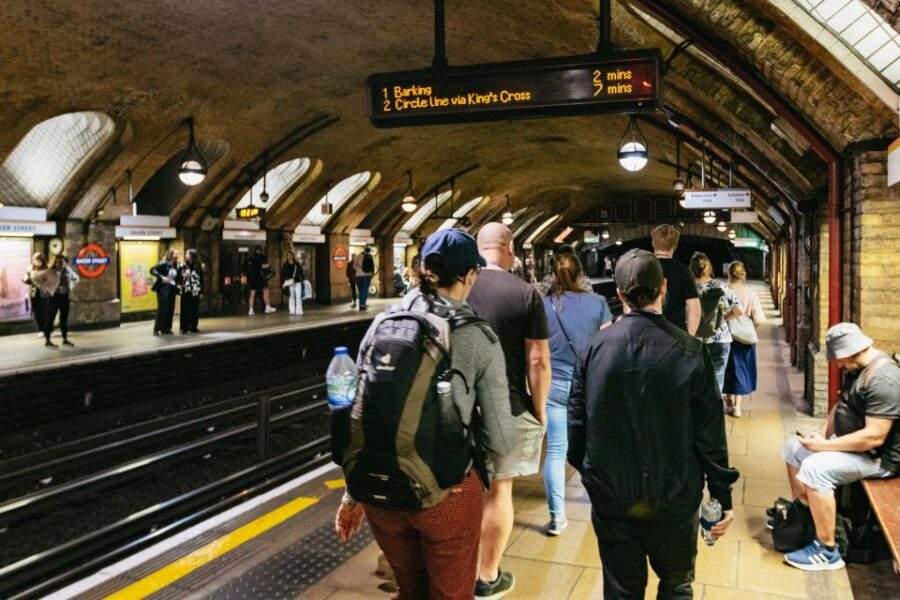
The Underground is famous for speed and convenience today. This tour flips that. It slows you down to understand the “how” behind the network’s growth.
One big thread is the shift from steam-powered trains to electrified rails. You’ll hear why that transition mattered, not just as a technical upgrade, but as a turning point in how the system could operate and expand. Another thread is the process behind the earliest tunnels—how early construction tackled the challenge of digging under a living city.
And then there’s a design element that turns out to be practical history: the Underground roundel. Logos usually feel like decoration, but on this walk the symbol becomes a clue. It’s a way to understand how the Tube built identity as it became part of everyday life.
This section is also where the guide’s skill really shows. From the review pattern, guides like John, Aaron, Peter, and Angela are often praised for keeping the information moving and answering questions without turning the tour into a lecture. It helps you stay curious while still learning real facts.
Abandoned stations and the 40+ stops left behind
At some point, your route shifts into a slightly eerie (and very real) topic: why so many stations ended up abandoned. The tour frames this as more than trivia. It’s a window into how the Tube changed its plans as the city grew.
You’ll learn that more than 40 stations have been left out of regular service. Your guide explains the evolution of routes and how parts of the network fell out of use as new lines and connections took over. The key value here is perspective. You start seeing the Underground not as a fixed structure, but as a living system that has constantly adapted.
A small practical consideration: this is mostly a surface-level walk through station stories and visible features. Some people go in expecting a bigger “go inside the disused station” moment. When that doesn’t happen, it can feel like a mismatch. If you want purely behind-the-scenes access to sealed platforms underground, you might find this tour better suited to story and context than to physical exploration.
Haunted stops and wartime reuse: Pharaohs, nuns, and the Blitz

If you’re into ghost stories, this is one of the tour’s best hooks. The walk includes haunted and disused station tales tied to specific legends, including reports of a ghost associated with a Pharaoh’s daughter and another linked to a nun. Whether you treat it as folklore or take it with a grain of London practicality, it makes the stations feel human.
But the spookiness doesn’t replace the historical weight. You also hear how the Underground was repurposed during WWII. The Tube became a refuge during the Blitz, and parts of the network were used as an aircraft factory and as storage for treasures from the British Museum.
That combination is what makes this section stick. The Underground is not only haunted in campfire stories. It also has a record of doing serious work when London needed it most. The tour helps you connect those dots while you’re standing in places that still carry the network’s memory.
If you want a tour that balances spooky legends with credible context, this is where you’ll feel the payoff.
London Transport Museum: turning station talk into something you can see
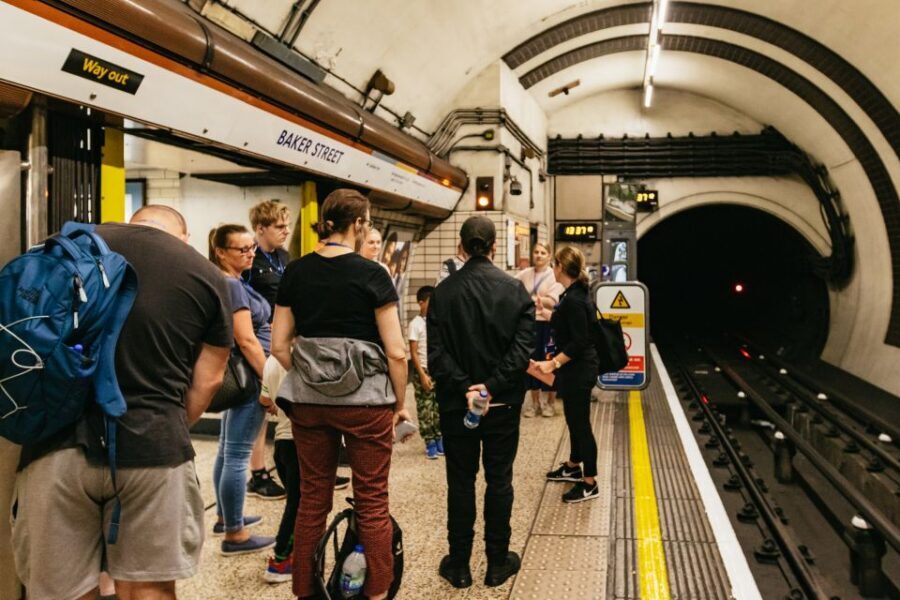
Midway through, you head to the London Transport Museum for a visit. This is a smart move for two reasons.
First, it gives your brain a breather. You’ve been walking through station clues and system evolution, and then the museum helps anchor it with physical exhibits. Second, it’s a chance to turn what your guide is saying into visuals you can process at your own pace.
Even if you’re not a museum person, this stop often helps you remember the Tube’s development with less effort. You’re learning about transport, and it’s hard to beat seeing artifacts, visuals, and interpretive displays that match the tour themes.
One more reason I like this kind of pairing: your guide can connect museum context back to what you saw outside. That kind of “back-and-forth” makes the tour feel like one continuous story, not separate activities.





Price and logistics that affect the real cost
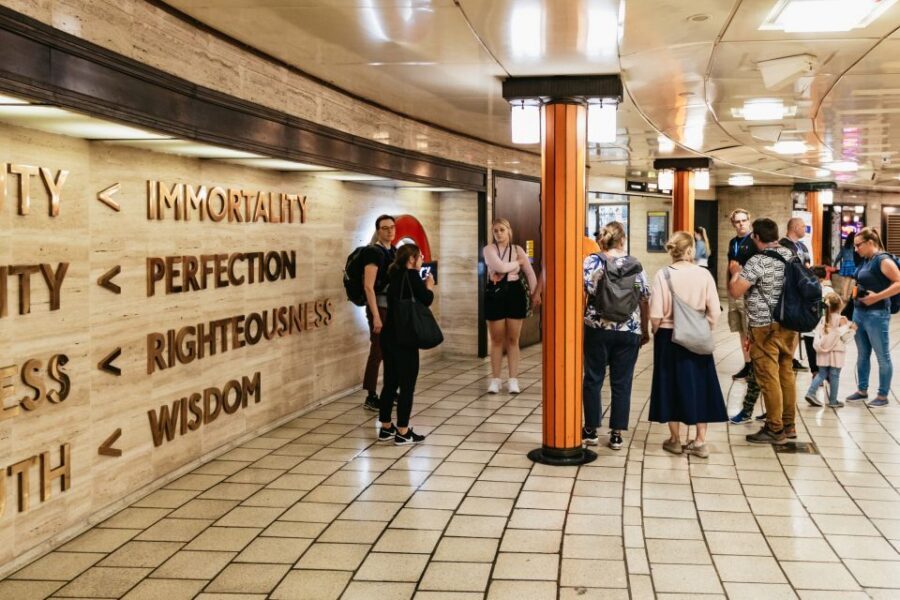
The tour price is $40 per person for 2.5 hours. That includes a tour guide and an audio headset. What it does not include is a key part of your day: you need a London Underground ticket / Oyster card (or a Zones 1–2 travel card) because travel cards are required for this tour and are not included.
So the true cost is the $40 plus your transport fare. If you’re already planning to use the Tube a lot that day, the added cost can feel small. If you’re only doing a couple of trips, you may want to double-check your day travel plan before you book.
Also plan for the walk itself. Expect moderate walking and lots of station stairs. Because the Underground has many steps, it’s not suitable for wheelchair users or customers with reduced mobility.
And do mind the restrictions: no baby strollers, and no luggage or large bags. If you’re traveling with heavy gear, it’s the kind of tour that makes you wish you’d packed lighter.
Pace, comfort, and what to expect from the group day
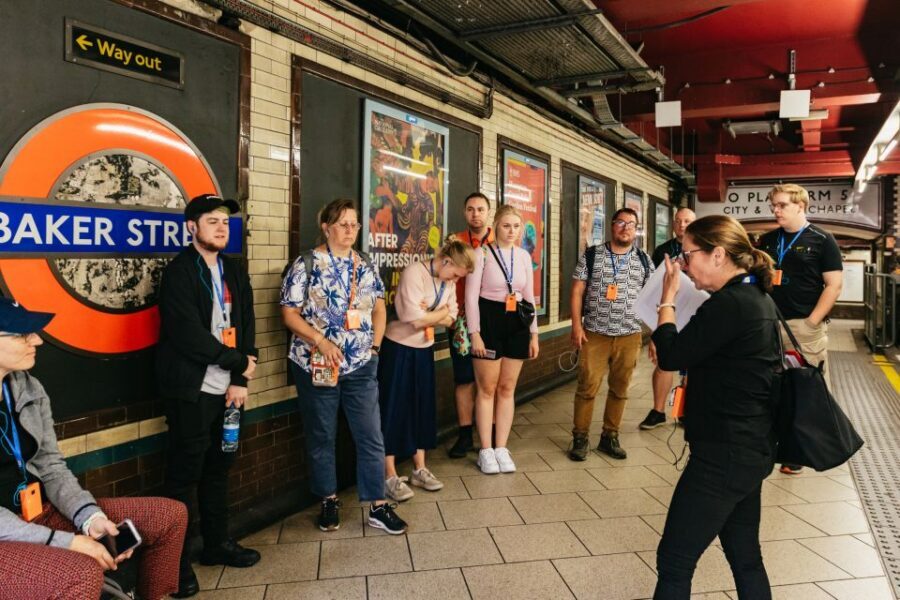
The experience is designed as a guided walk with short public transport movement, plus museum time. You’ll get photo moments and guided stops, and the audio kit helps you hear explanations even when you’re outside in noisy areas.
From the reviews, guides like Aran, Nick, Aaron, and Peter are frequently credited for clear speaking and good group management. One nice bonus: a few reviews mention the guide handling questions from kids and keeping families engaged, which suggests the tone is flexible enough for mixed groups.
Still, a practical note: service disruptions can happen. One review references a day with rail complications and a detour, which meant extra walking. If you’re booking this on a day you have a tight schedule, keep some buffer time.
The good news is the tour is only 2.5 hours. You can usually make it work even with a busy London itinerary, as long as you start with the right transit card and wear shoes that can handle steps.
Guides you might encounter: how the tour stays lively
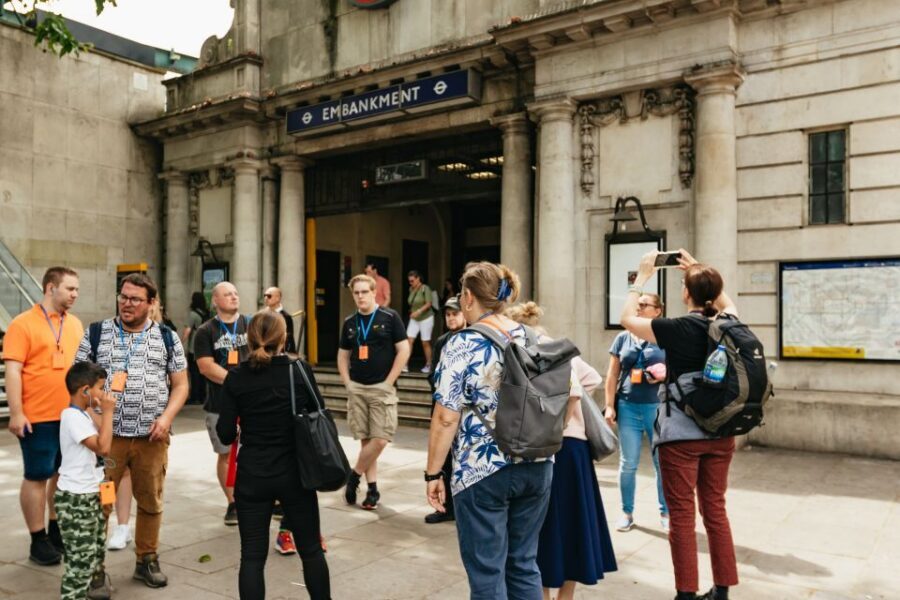
The tour experience rises or falls on the guide. The review trail is consistent on one thing: guides are often described as both entertaining and strong at explaining how the Underground works as a system.
Names that show up repeatedly include John, Aaron, Peter, Angela, Aran, and Nick. Several reviews highlight a sense of humor and an ability to keep “facts” from feeling flat. If you like history told as a story—less memorizing, more seeing how decisions shaped the city—this tour fits that style.
There are also a couple of minor friction points worth knowing. One review notes the headset audio could be crackly above ground while still working better underground. Another disappointment mentioned not getting to go down into a disused station. Neither is a deal-breaker for everyone, but it’s good to calibrate expectations: you’re on a guided route built around station stories and viewpoints, not a guaranteed expedition into closed platforms.
Who should book this Underground Secrets tour

I think this tour is a great match if you:
- Use the Tube regularly and want to see it with fresh eyes
- Like transport history, design details, and how cities adapt
- Enjoy spooky legends tied to real locations, especially when paired with wartime facts
- Want a guided overview without needing to research in advance
It may be a weaker match if you:
- Need step-free access or have mobility limitations
- Expect extensive inside access to disused underground stations
- Are traveling with bulky luggage or strollers
For the best day, you’ll want to arrive ready to walk, already have your Zones 1–2 travel card or Oyster, and go in with the mindset that the Underground is a layered city—one that still shows its past if you know where to look.
Should you book the London Underground Secrets tour?
If you’re curious about how London’s Tube became what it is—plus you like a little ghost-story flavor—this is a strong choice. The $40 price includes the guide and audio headset, and you’ll spend the time seeing meaningful station context tied to steam, electrification, the roundel, abandoned spaces, and WWII reuse.
Book it if you want a smart, story-driven walk that makes the network feel personal. Skip it if you can’t manage stairs or you’re specifically chasing hands-on exploration of disused platforms.
If you want to see the Tube as more than a commute, this tour is built for that exact goal.