REVIEW · LONDON
London Soho District – Guided Walking Tour 12 guests 2,5h
Book on GetYourGuide →Operated by Babylon Tours London · Bookable on GetYourGuide
Soho moves fast, but the stories slow it down. This walk threads together London pop culture and real-world change, from Piccadilly Circus neon to the quieter corners where history happened.
I especially love how the guide turns familiar streets into a map of ideas, not just photo spots. A professional art historian keeps the pace friendly and the facts clear, and I like that you get a real sense of the neighborhood’s evolution, not a checklist.
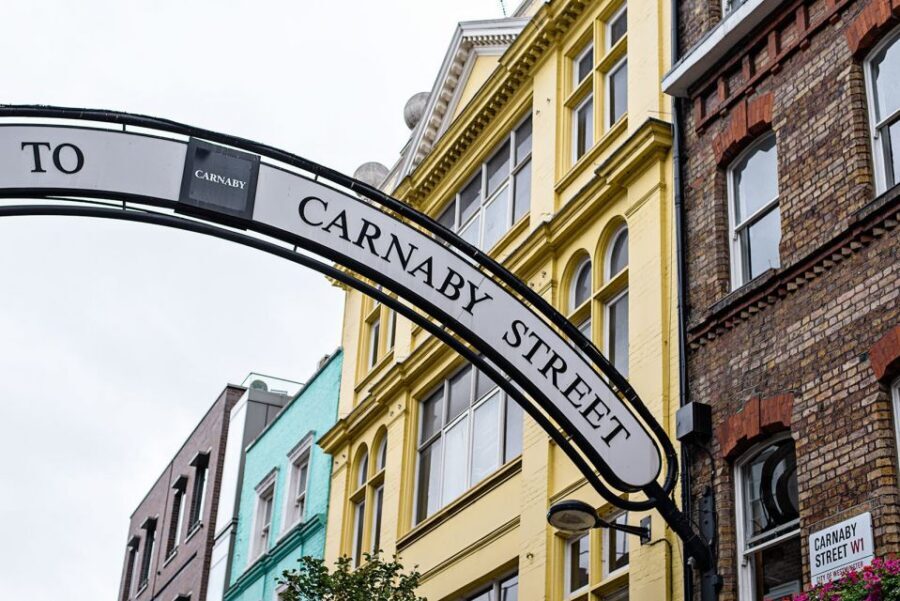
One thing to plan for: Carnaby Street is mostly shops today. If you’re expecting a long stretch that feels like 1960s street theater, you may find it a bit brief and modern.
In This Review
- Key highlights worth your attention
- Starting at the Criterion Theatre: your Soho orientation in 10 minutes
- Piccadilly Circus to Golden Square: neon first, then the ideas behind the streets
- Soho’s music turns: Hendrix, Beatlemania, and why the area mattered
- The London Palladium stop: classic London, explained simply
- Carnaby Street expectations: fun shopping, but keep it realistic
- Broadwick Street and John Snow: Soho gets its dark turn
- Berwick Street Market to Meard Street: small streets, big vibe
- Dean Street and Soho Square: where the LGBT community fits the story
- Greek Street threads and Karl Marx’s former residence connection
- Chinatown ending: dumplings that cool your feet
- Timed entry to Buckingham Palace after the walk
- Value for $61: what you’re really paying for
- What I’d watch out for before you book
- Should you book the Soho walking tour with Chinatown and Buckingham Palace?
- FAQ
- How long is the London Soho District guided walking tour?
- Where do I meet the guide?
- Is food included on the tour?
- Can I bring a large bag or suitcase?
- Do I need photo ID?
- Is the tour wheelchair accessible?
- Is there Buckingham Palace entry?
- What if my plans change last-minute?
Key highlights worth your attention
- Criterion Theatre meeting point right by Piccadilly Circus screens, so you start oriented instead of guessing
- Music landmarks in Soho tied to big names like Jimi Hendrix and the phrase Beatlemania
- Golden Square and women’s suffrage adds political weight to the entertainment streets
- John Snow and the cholera outbreak gives Soho a surprising public-health side
- LGBT movement stops around Soho Square that help you understand today’s nightlife culture
- Chinatown dumplings before the Palace: food + a famous visit timed after the walk
Starting at the Criterion Theatre: your Soho orientation in 10 minutes
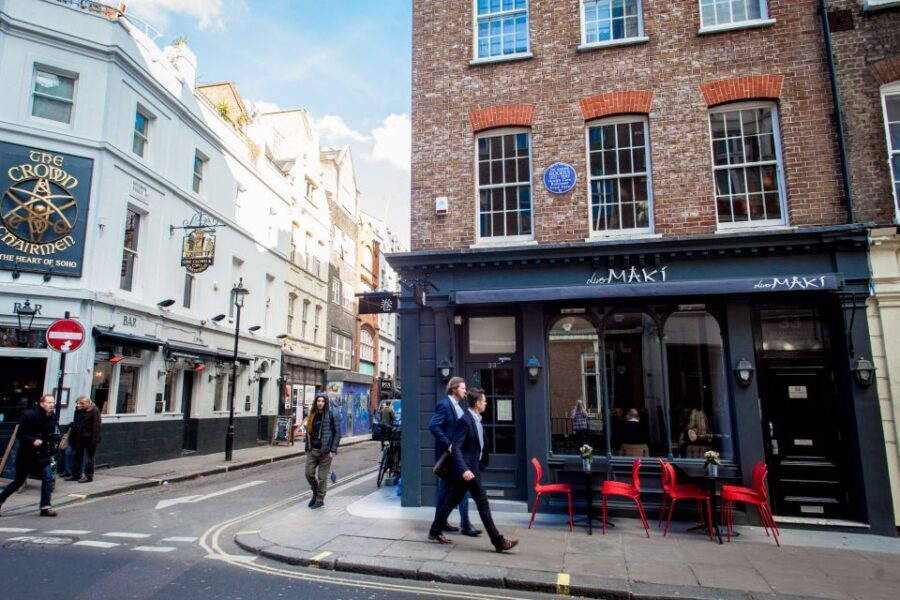
You begin at the Criterion Theatre entrance in Piccadilly Circus, opposite the famous screens. That spot matters. It’s loud, bright, and instantly recognizable, which means you waste less time regrouping and more time walking.
From there, you head out into Soho’s street maze. The tour isn’t built like a race. It’s paced as short segments, with frequent photo stops and quick guided explanations as you move. Expect a small group setup (around 12 people in the standard format), plus options for semi-private and private versions. Either way, the rhythm stays the same: stop, look, learn, walk.
Bring a passport or ID card. Wear comfortable shoes and plan for a bit of walking. Also, keep your bag small. Large luggage and suitcases aren’t allowed, so if you’re carrying anything bulky from another part of London, sort that out before you come.
You can also read our reviews of more walking tours in London



Piccadilly Circus to Golden Square: neon first, then the ideas behind the streets
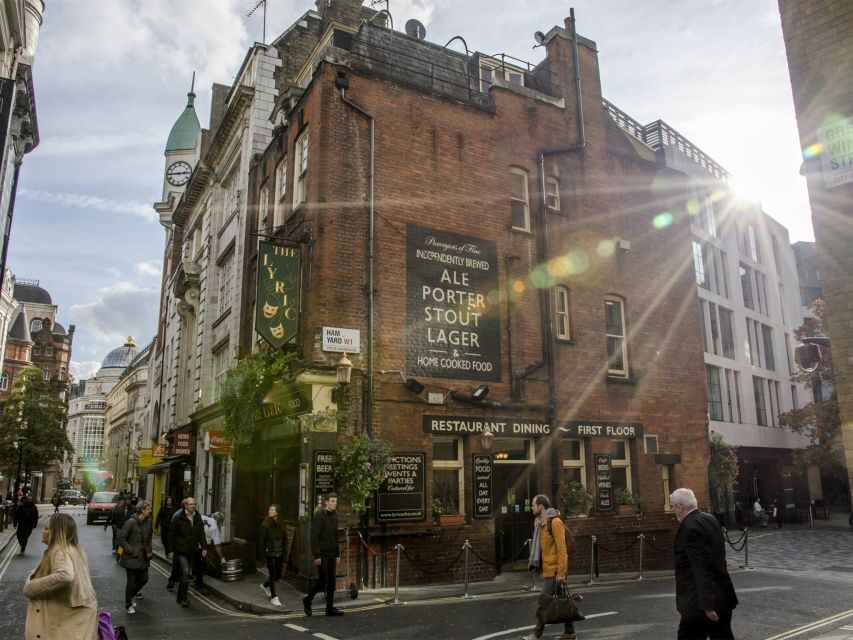
The first big emotional hit is Piccadilly Circus itself. You get a photo stop there, but the point isn’t just the lights. The guide uses the spectacle as a doorway to how Soho became a magnet for culture, crowds, and reinvention.
Next comes Golden Square. This is where you’ll feel the tour shift from entertainment into activism. You’ll hear about the women’s suffrage movement connected to the area. It’s a great reminder that Soho wasn’t only about nightlife and music—it was also about people pushing for change in public life.
The walking distance between stops is short, but the story coverage feels dense. That’s the real value here: you’re not just moving through London’s famous geography; you’re learning why these places mattered to the people who lived, protested, performed, or gathered here.
Soho’s music turns: Hendrix, Beatlemania, and why the area mattered
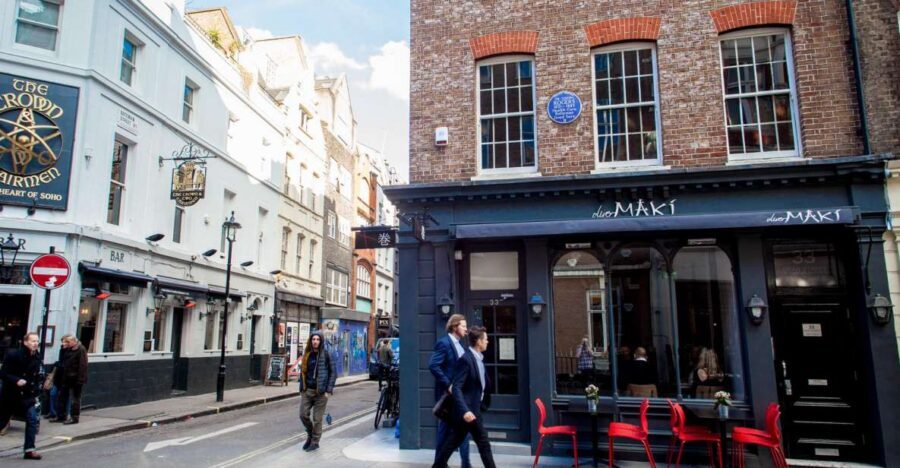
Soho has a reputation for art, and this tour gives you the receipts. In the middle of the walk you’ll hear music-related stories tied to the city’s scene—specifically, the venue where Jimi Hendrix first performed in London and the spot where the term Beatlemania was coined.
You also get references to major recording work connected to songs that later became global touchstones, including Bohemian Rhapsody. You won’t leave with a studio tour or a backstage pass, because this is a walking experience through the streets. But you do leave with a strong sense of why the term and the performances mattered: Soho was a place where music culture accelerated, not just appeared.
If you care about how trends start, this part clicks. The guide links the street setting to the era’s personalities and the kind of venues that made it possible for artists to break through.
The London Palladium stop: classic London, explained simply
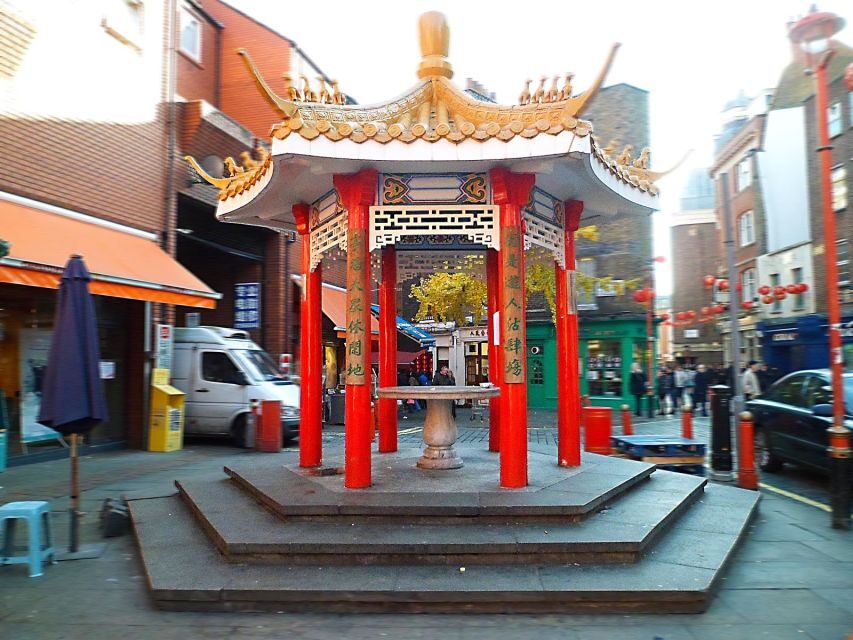
At the London Palladium, you get another photo stop and guided context. This kind of stop works well in a short tour because the building is instantly recognizable, but the story is what makes it more than a postcard.
You’ll hear how the theater world shaped Soho’s identity—part of why the neighborhood became known for show business and spectacle. Even if you’ve walked past theaters before, a good guide helps you read them like landmarks in a story.
If you’re planning a theater night later, I’d treat this stop as your warm-up. You’ll understand better why these venues mattered to the neighborhood’s creative reputation.
Carnaby Street expectations: fun shopping, but keep it realistic
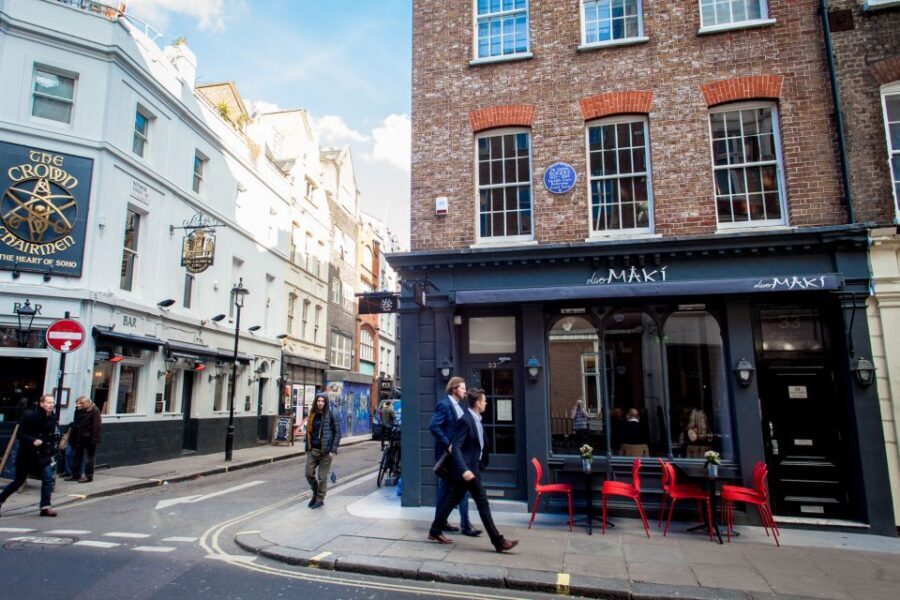
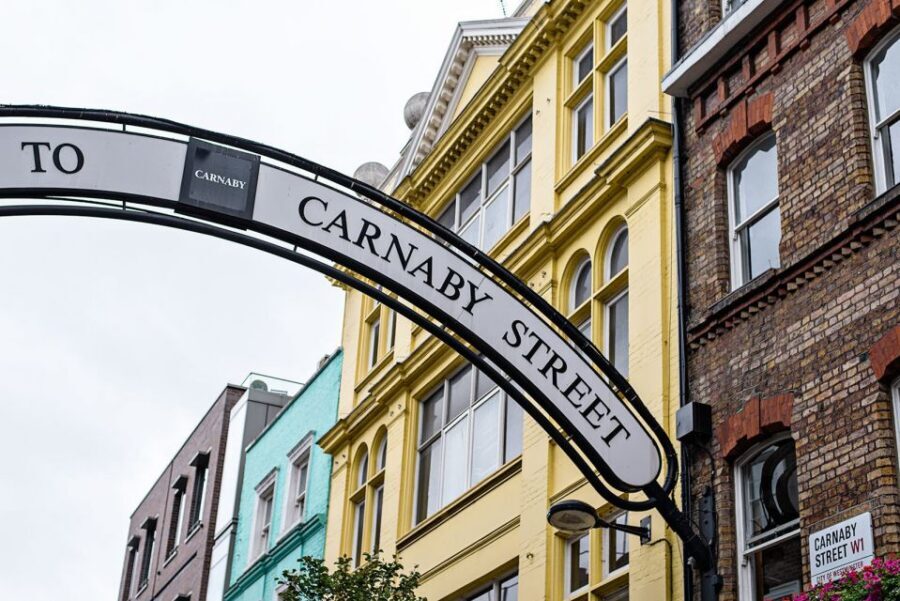
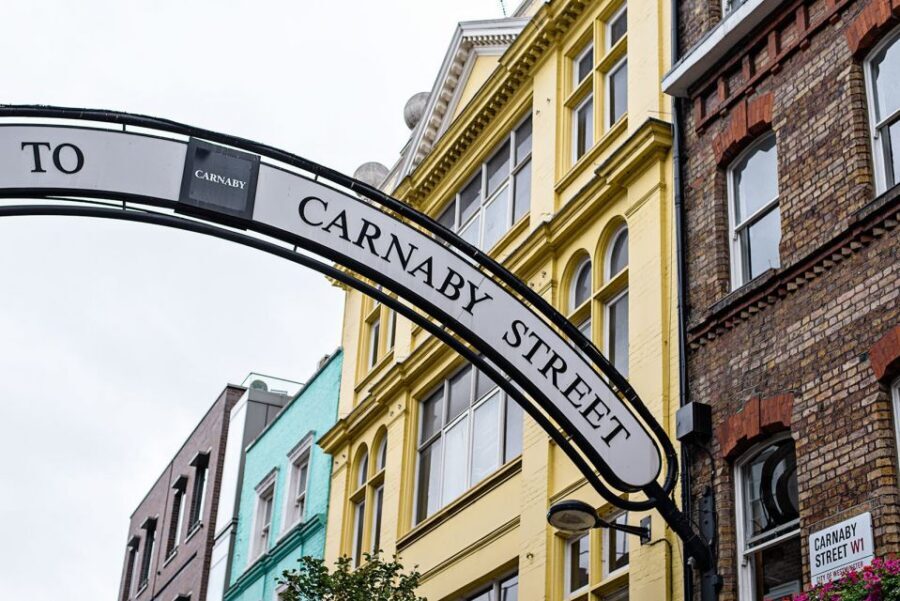
Carnaby Street is one of Soho’s most famous shopping streets, and the tour includes a stop there with time to look around. This is where you’ll see storefronts and the kind of retail mix that still defines the area.
Here’s the realistic note: Carnaby Street can feel short, and today’s storefronts are not the same as the 1960s street vibe people imagine. If your mental picture is of a whole long stretch of classic pop-culture history, adjust it. You’ll still get helpful context, but you’ll also get what the street looks like now: modern shops, quick glimpses, and retail energy.
This is also the best moment to decide if you want to do light shopping. You’ll pass places you can pop into quickly, but the tour itself isn’t a shopping spree. It’s a history-and-neighborhood walk with shopping as an optional side effect.
You can also read our reviews of more guided tours in London



Broadwick Street and John Snow: Soho gets its dark turn
Then the tour swings into one of the most fascinating sections: illness, survival, and public health. You’ll hear about a cholera outbreak connected to the Broad Street area and learn about John Snow, known for his role in understanding how cholera spread.
This part works because it’s not random trivia. It’s a reminder that cities carry consequences, and neighborhoods that look playful and stylish can also be the stage for major crises. The guide explains the context in a way that makes you look at the street differently once you understand what happened there.
If you like stories that mix culture with cause-and-effect, this is one of the strongest stops.
Berwick Street Market to Meard Street: small streets, big vibe
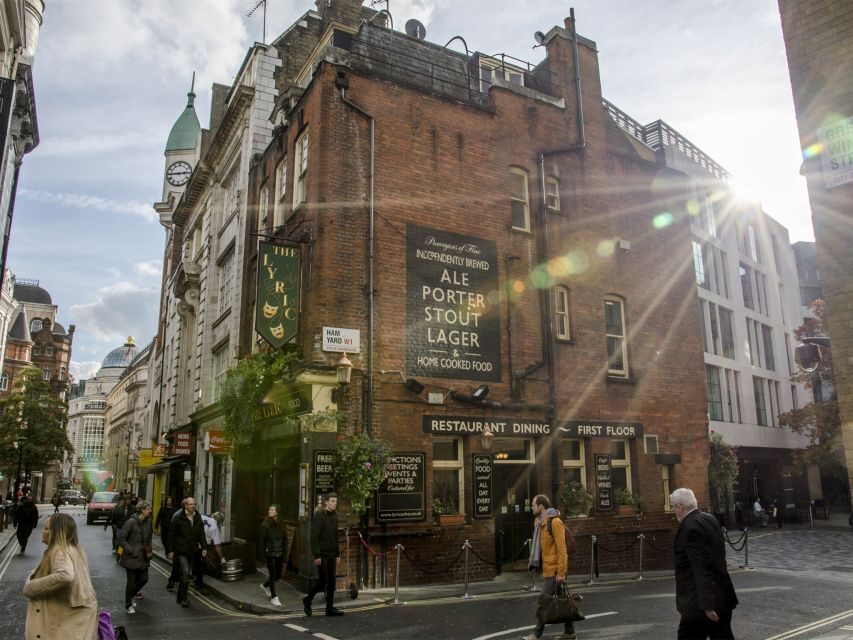
Between major landmarks, Soho shows its character through smaller streets. You’ll walk through areas connected to Berwick Street Market and pass along Meard Street, with photo stops and short guided moments along the way.
This segment is less about one single named event and more about atmosphere plus connections. The guide helps you connect the street layout to how people used to move, gather, and look for opportunities. It’s the kind of information that’s easy to miss if you walk on your own.
If you’re the type who likes to understand a neighborhood’s “how it works” layer, you’ll appreciate these in-between stops.
Dean Street and Soho Square: where the LGBT community fits the story
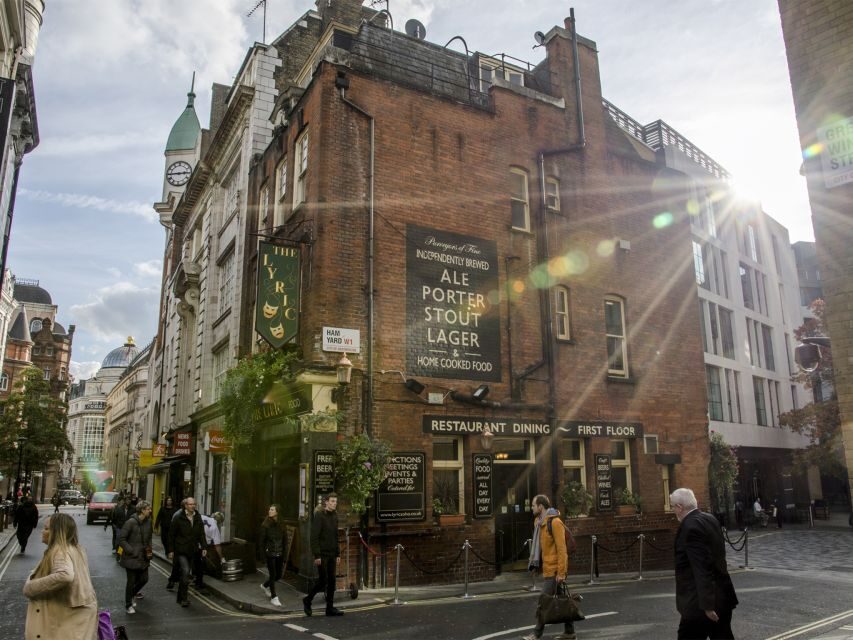
Dean Street and Soho Square are key to the Soho identity puzzle. At Soho Square, you’ll learn about some of the district’s early nobility and how later residents and current activity changed who held the attention.
Then the focus turns to the LGBT community that congregates at local bars. This isn’t treated like a token highlight. The guide uses it to explain why Soho became a place where people found community, visibility, and the freedom to express themselves.
Soho Square also gives you a natural mental reset. You’ve been moving fast through scenes tied to music, retail, and politics. Here, you get a broader view of how the neighborhood’s social life developed over time.
Greek Street threads and Karl Marx’s former residence connection
As the route continues, you’ll hear how Soho influenced the former residence of Karl Marx. Greek Street is referenced as part of the storytelling maze that makes Soho feel intellectually layered, not just visually loud.
It’s one of those tour moments that makes you realize the neighborhood wasn’t only about entertainment and protest. It was also part of the wider currents of thought sweeping through London during periods of social change.
If Marx and labor history aren’t your main interest, you’ll still get something useful: an example of how Soho sat alongside bigger political ideas rather than floating alone as a party district.
Chinatown ending: dumplings that cool your feet
The walk eventually leads into Chinatown. This ending matters for two reasons.
First, it gives you a genuine food break at the exact moment your energy typically drops. Second, it changes the vibe. The streets you walked through start to feel like a story you just stepped out of, and Chinatown feels like a new scene.
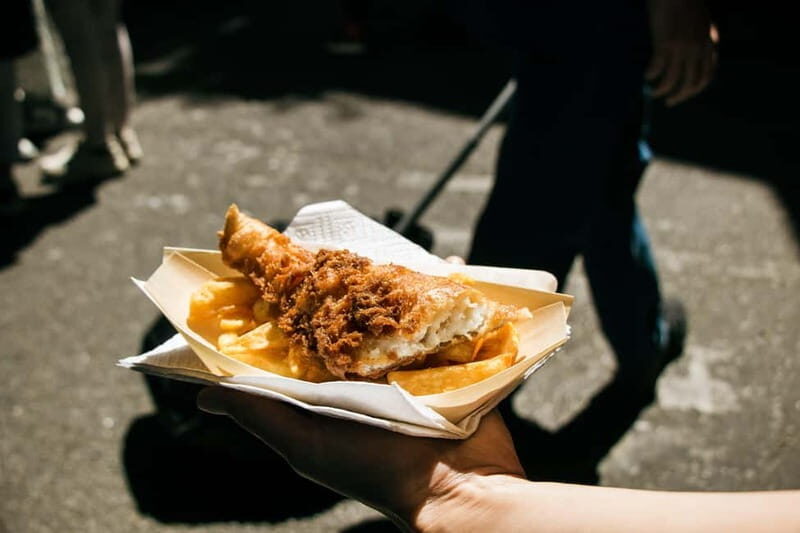
You’ll stop for a guided food experience that’s described as authentic and focused on dumplings. You’ll have time to relax and eat before you head to what comes next.
And because food and drinks aren’t included on the tour itself, it’s worth paying attention to how you budget for the meal in Chinatown. The tour clearly aims to get you fed, but you still need to be prepared for the practical side of paying for what you order.
Timed entry to Buckingham Palace after the walk
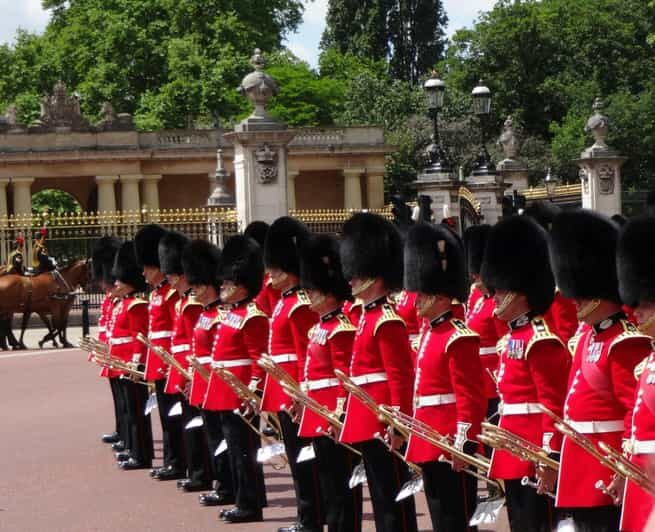
One of the biggest value boosters is the timed entry to Buckingham Palace after your guided tour. That combination is smart: you get two very different kinds of London in one day.
Plan your timing so you don’t arrive to the Palace rushed. A walking tour can take more out of you than you think, especially if you’re stopping for photos and reading street-level explanations while you move.
Also remember that increased security measures at many attractions can limit what you can enter. This tour doesn’t promise inside visits at each stop. The Palace ticket is the place where you’re most likely to expect a more formal entry process, but the walking stops are more about seeing and learning from the street setting.
Value for $61: what you’re really paying for
At about $61 per person for a 2.5-hour guided walk, the value is less about ticking off sights and more about what a good guide gives you: context.
You’re paying for:
- a professional art historian guide
- a tight route through the parts of Soho that connect music, politics, public health, and community life
- the structure of short guided stops instead of a self-guided wandering session
- the payoff at the end with Chinatown food, then timed Palace entry after
If you’re traveling with limited time in London, paying for a guide can save you from doing the hard work of figuring out what each street means. And if you love stories like Hendrix’s early London connection or the Beatlemania coinage, this is the kind of walk where the facts actually change how you look at the city.
What I’d watch out for before you book
This is an excellent walk when you want a guided storyline through Soho’s biggest threads. But a few practical points can make or break your experience.
- Carnaby Street is modern. Keep expectations realistic on what you’ll see and how much will feel like the 1960s in the physical space.
- Bag policy: no large bags or luggage, so plan storage if you’re moving between sights.
- Inside access isn’t guaranteed: security rules mean some stops can’t be visited from the inside.
- Some route changes can happen: national celebrations can alter the route. You’ll still see the highlights, but refunds or discounts may not apply in those situations.
- Food and drinks aren’t included: you’ll eat in Chinatown, but you should plan for the cost of what you order.
Should you book the Soho walking tour with Chinatown and Buckingham Palace?
I’d book it if you want Soho to make sense fast. This works especially well if you’re a music fan, you like understanding social movements (women’s suffrage and the LGBT community), and you don’t mind a bit of walking to connect the dots.
You should think twice if you’re mostly shopping-focused or you want mostly inside-venue visits. Carnaby Street is better for a quick look and light shopping than for a long retro walk, and several stops are street-based by design.
If you’re hoping to pack London into one efficient day, the pairing of Chinatown food plus timed Buckingham Palace entry is a strong reason to choose this tour. Just come with comfortable shoes, bring your ID, and let the guide do the heavy lifting of turning streets into stories.
FAQ
How long is the London Soho District guided walking tour?
It runs for about 2.5 hours.
Where do I meet the guide?
Meet by the Criterion Theatre entrance in Piccadilly Circus, opposite the Piccadilly Circus screens, outside the main entrance.
Is food included on the tour?
Food and drinks are not provided as part of the tour ticket.
Can I bring a large bag or suitcase?
No. Luggage or large bags aren’t allowed.
Do I need photo ID?
Yes. You’re asked to bring valid photo ID such as a passport or ID card.
Is the tour wheelchair accessible?
The tour is not suitable for wheelchair users, but wheelchair accessible tours are available by request only.
Is there Buckingham Palace entry?
Yes. You get timed entry to Buckingham Palace after your guided tour.
What if my plans change last-minute?
You can cancel up to 24 hours in advance for a full refund.