REVIEW · LONDON
London: Tate Modern Official Guided Tour
Book on GetYourGuide →Operated by Tate · Bookable on GetYourGuide
Modern art clicks faster with help.
This official Tate Modern guided tour is a tight 1-hour sprint through the museum’s main collections, built for people who want the big ideas without spending all day guessing. I especially like that the guide keeps pointing out what to notice first, and how the pieces connect across style and time.
My second favorite part is the small stuff: the guide shares architecture and history facts that make the gallery feel less random and more purposeful. One thing to consider: it’s only one hour, so if you love lingering in front of one artwork, you may feel a little time-pressed.
In This Review
- Key Takeaways Before You Go
- Entering Turbine Hall: where your tour really starts
- What a 1-hour official tour actually does for you
- The guide’s role: turning famous works into understandable choices
- Seeing more than one style: early 1900s to modern day
- Architecture and gallery history: the hidden lesson built into the route
- How the stops feel in motion: what you’ll notice along the way
- Price and value: is $26 worth a one-hour taste?
- The balance: learn fast, then choose what to do next
- Who this tour suits best (and who might want more time)
- Practical tips: bag checks, timing, and getting value out of the hour
- Should you book this Tate Modern official guided tour?
- FAQ
- How long is the Tate Modern Official Guided Tour?
- Where do I meet the guide?
- What language is the tour guide?
- Is the tour wheelchair accessible?
- Is there a bag search before the tour?
- What happens if I arrive late?
- What is the cancellation policy?
Key Takeaways Before You Go
- Official guide, live and in English: You’ll get real-time explanations as you walk through the collections.
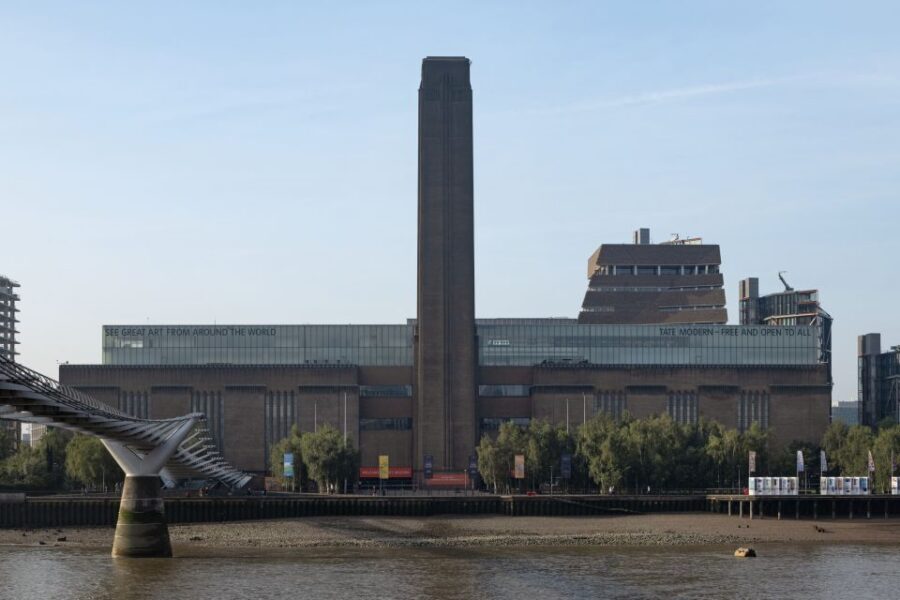
- Meet in Turbine Hall, Level 0: Show up at the ticket desk, and aim for the Turbine Hall entrance with clear signage.
- A focused 60-minute overview: You see a curated slice of Tate Modern, with time to move between major works.
- A time span that stretches from early modernism to today: The tour frames art history across more than a century.
- You’ll learn more than just what you’re seeing: Expect architecture and gallery history context during the route.
- A bag search is in place: Plan for security checks and don’t plan to arrive late.
Entering Turbine Hall: where your tour really starts

The smartest way to start your day is to treat Turbine Hall like your “command center.” You meet your guide at the ticket desk on Level 0, and the museum directs you toward the Turbine Hall entrance, so it’s easy to orient even if you’ve never been there before.
Before you head inside, remember there’s a bag search at the entrances. That means you’ll want to arrive with time to spare, not right at the start time. And if you’re late, you can’t join the tour once it’s underway, so don’t play games with the clock.
You can also read our reviews of more guided tours in London



What a 1-hour official tour actually does for you
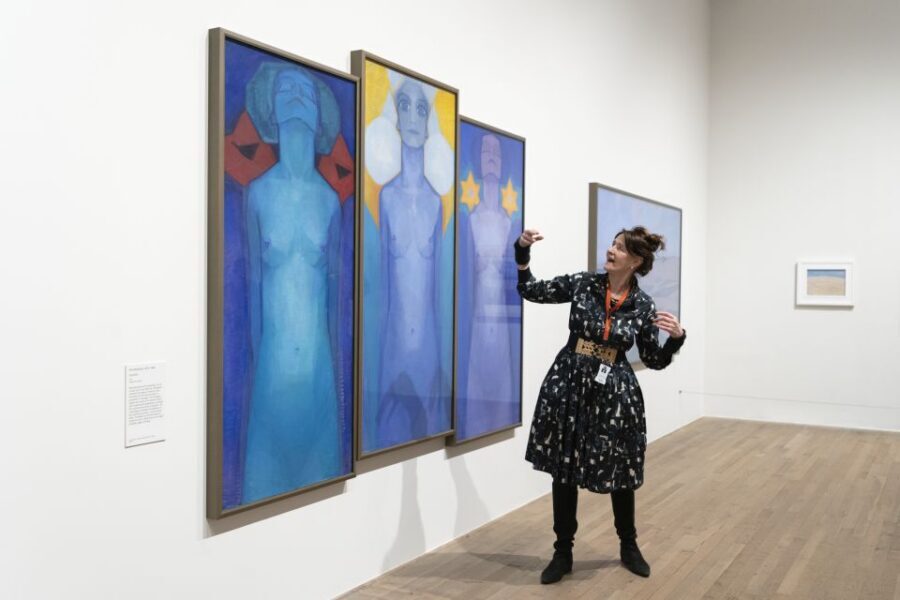
One hour sounds short. At Tate Modern, that’s a feature, not a bug. The tour is designed as an overview: you move through the museum’s main collections and see the kinds of works that tend to define modern art for the wider public.
What you gain is direction. Instead of walking in circles and hoping something grabs you, you get a guided route that helps you interpret what you’re looking at while you’re still in the mood to absorb it. It’s a great format if you want a fast “yes, I get it” moment before you explore on your own.
The guide’s role: turning famous works into understandable choices
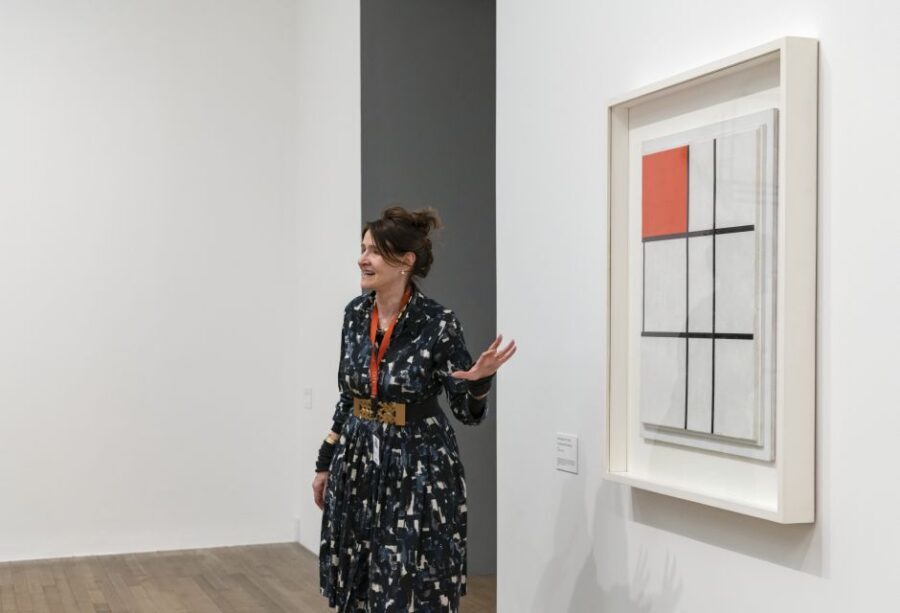
The guides on this tour are often praised for one core skill: they connect the artwork to context you can use. People talk about guides like George for explaining the gallery and the works clearly, and guides like Maurizio for keeping the group moving while still making the art feel meaningful.
This matters because modern art can feel like it’s speaking a different language. A good guide doesn’t just label what you’re seeing. They help you understand why the artist made certain choices and what those choices mean, so your attention sticks instead of sliding off the surface.
Seeing more than one style: early 1900s to modern day
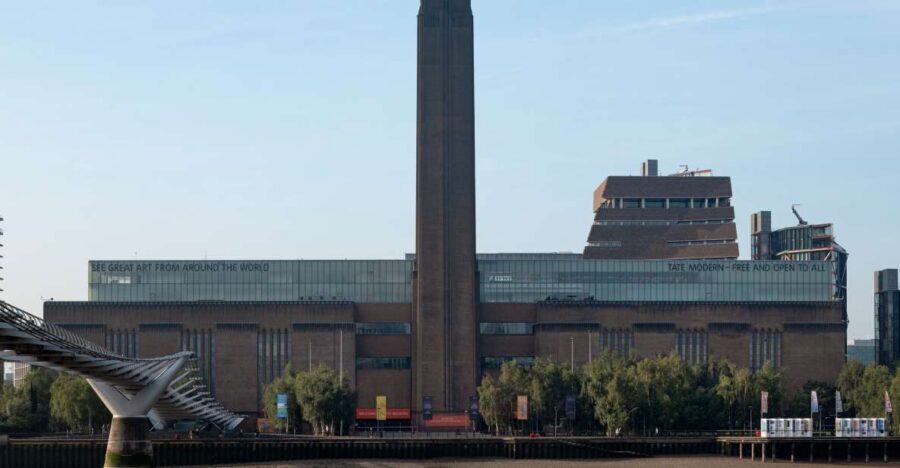
The Tate Modern story doesn’t stay stuck in one decade. During the tour, you move across more than a hundred years of art, starting with modernism in the early 1900s and reaching exciting works created more recently.
That timeline helps you spot patterns. When you see different eras side by side, you start to notice how ideas evolve: materials, styles, and ways of expressing emotion or politics change over time. Even if you don’t love every piece, you usually leave with a better sense of where the modern art you see today comes from.
Architecture and gallery history: the hidden lesson built into the route
A lot of museum visits are about the art only. This tour also gives you little-known facts about the museum’s history and architecture as you walk. That turns the building into part of the experience instead of just a container for exhibits.
In practical terms, that added context changes how you move. You start paying attention to sightlines, layout, and the way spaces shape your viewing habits. You also get a better sense of how Tate Modern grew into one of London’s major landmarks, which makes your visit feel more grounded and less like a random gallery hop.





How the stops feel in motion: what you’ll notice along the way
Even without a long schedule, you can expect the tour to feel like a sequence of “come look at this” moments. You’ll see must-see pieces across painting, sculpture, and other forms of artwork, with the guide choosing works that represent different styles and artistic approaches.
The benefit of that structure is pacing. You get explanation right when the artwork is fresh in your mind, instead of trying to reconstruct it later from memory. If you’re the kind of person who likes to ask questions, this tour format can also give you a useful starting point so your follow-ups make sense.
Price and value: is $26 worth a one-hour taste?
At $26 per person for a live, English-guided museum tour, the value depends on how you like to travel. If you enjoy independent museum time but want a strong “orientation boost,” this price can be a smart investment. You’re paying for interpretation and a guided route that saves you guesswork.
If you’re the type who likes to study every label and spend long stretches in one room, an hour might feel skimpy. But for an overview—especially on a first visit—this tour is a cost-effective way to get the museum’s main ideas in a short window.
The balance: learn fast, then choose what to do next
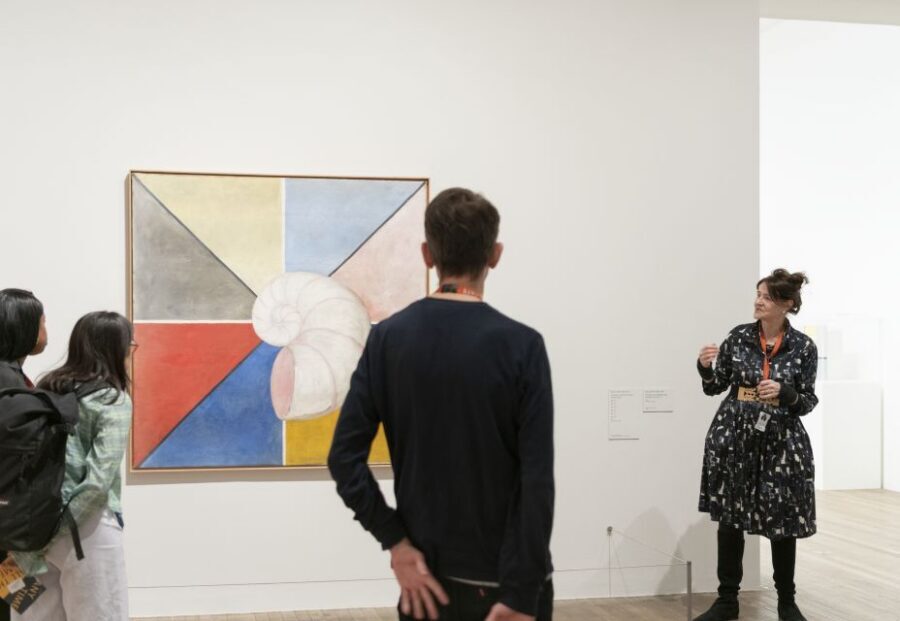
A well-paced museum tour can do two things at once: it teaches you enough to understand the museum, and it points you toward what you want to explore deeper later. That’s the sweet spot here. You get an overview of selected works and artists, and then you’re set up to keep going at your own speed.
If you’re unsure where you stand on modern art, this approach helps. You don’t have to commit to hours of uncertainty before you find something that clicks.
Who this tour suits best (and who might want more time)
This tour is ideal for:
- People visiting Tate Modern for the first time who want an overview route
- Art-curious travelers who don’t want to be left alone with confusing labels
- Anyone short on time in London but still determined to see the museum properly
It may be less ideal if you:
- Want a long, slow museum day where you can stay with one artwork for a long stretch
- Prefer self-guided exploring with no structured path
The nice part is that the tour is a starter course. You’re not locked into the one hour forever—you can use the guide’s framing to direct your independent time afterward.
Practical tips: bag checks, timing, and getting value out of the hour
Start with timing. Because you can’t join if you arrive late, plan extra minutes for the security check and for finding the ticket desk in Turbine Hall. If you’re meeting a guide, it’s worth acting like punctuality is part of the experience, not an annoying formality.
Next, come ready to look with intention. In one hour, you won’t absorb everything, so pick a couple of moments to focus on during the tour. When you understand how to interpret one style, it becomes easier to interpret the next one too.
Finally, wear comfortable shoes. Tate Modern is a big museum, and even on a short route you’ll be moving between rooms. It’s not the kind of outing where you want to be thinking about your feet instead of the art.
Should you book this Tate Modern official guided tour?
I’d book it if you want a high-impact introduction to Tate Modern without wasting your limited time. The combination of an expert guide in English, a structured walk through major collections, and architecture-and-history context makes the $26 feel more like “buying clarity” than “buying access.”
Skip it or consider adding more independent time if you know you want a slow, long stay in front of art. The one-hour format can feel tight, and you might want extra hours to go deeper than the tour can cover.
FAQ
How long is the Tate Modern Official Guided Tour?
The tour lasts 1 hour.
Where do I meet the guide?
Meet your guide at the ticket desk in the Turbine Hall, Level 0. The best entrance to use is the Turbine Hall, guided by the signage.
What language is the tour guide?
The live tour guide language is English.
Is the tour wheelchair accessible?
Yes, the tour is wheelchair accessible.
Is there a bag search before the tour?
Yes. A bag search is in operation at the entrances.
What happens if I arrive late?
You won’t be able to join the tour if you arrive late.
What is the cancellation policy?
You can cancel up to 24 hours in advance for a full refund.