REVIEW · LONDON
Notting Hill Walking Tour
Book on GetYourGuide →Operated by Brit Icon Tours · Bookable on GetYourGuide
Notting Hill is more than a movie set. This 2-hour walk with a local expert guide takes you through Portobello Road market energy and straight to the blue door and other film landmarks that people talk about for a reason.
I especially like how the guide turns the neighborhood into a story you can walk through. You’ll also get time to pose for photos at famous spots tied to the Hugh Grant and Julia Roberts era, without the usual rush-and-snap feeling. One thing to keep in mind: crowds can build fast on market days, so the pace may feel quicker than you’d expect.
In This Review
- Key Moments You’ll Get on This Notting Hill Walk
- Meeting Notting Hill Gate Outside Calder’s Pharmacy
- Portobello Road Market: Where the Neighborhood Actually Feels Alive
- The Blue Door and Hugh Grant Film Stops: Photo Time, With Context
- Music Studios, Rock-Star Hangouts, and the Soundtrack Side of Notting Hill
- Celebrity Homes and What They Mean When You’re Walking the Streets
- Film Extras You Might Catch: Paddington, Love Actually, Banksy, and More
- How the 2-Hour Route Works on the Ground
- Price and Value: Is $22.90 Worth It?
- Should You Book This Notting Hill Walking Tour?
- FAQ
- Where is the meeting point for the Notting Hill walking tour?
- How long is the Notting Hill Walking Tour?
- What does the tour cost?
- What’s included in the experience?
- Is the tour guide available in English?
- Is there free cancellation?
- Is reserve and pay later available?
Key Moments You’ll Get on This Notting Hill Walk
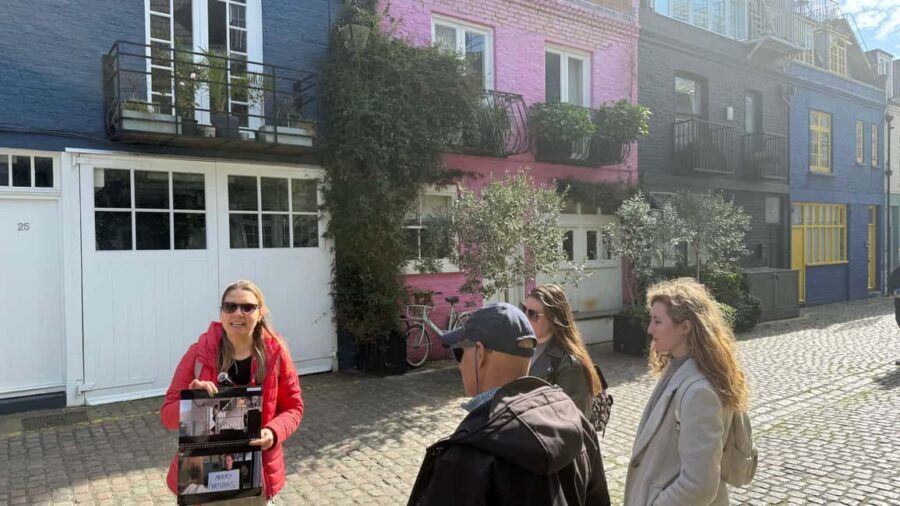
- Portobello Road market on market day: buskers, spice shops, cafés, and international food stalls
- The famous blue door photo stop: plus nearby filming-area context
- Hugh Grant film locations: including the travel bookshop associated with the movie
- Music-studio and rock-star connections: record studios and music bars tied to famous names
- Celebrity-home stories: including homes linked to Madonna and other well-known residents
- Film and street-art extras: Paddington and Love Actually details, plus mention of an original Banksy artwork
Meeting Notting Hill Gate Outside Calder’s Pharmacy
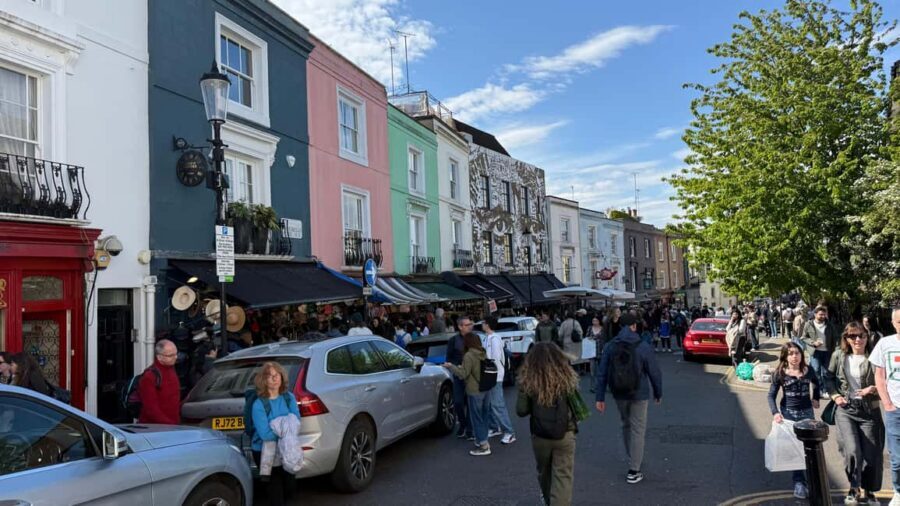
The tour starts at the most practical place possible: outside Notting Hill Gate Station, in front of Calder’s Pharmacy, 55–57 Notting Hill Gate (W11 3JS). You leave the station at Exit 1 and look for your guide waiting by the pharmacy.
This matters because Notting Hill can feel like a maze of small streets. Starting here gives you an easy jump-off point and a clear way to regroup. Also, since the walk ends back at the meeting point, you don’t have to worry about finishing somewhere far from transit.
At the start, the guide typically sets expectations fast: what you’ll see, how long you’ll spend on photos, and how to keep the group moving when sidewalks get tight. If your biggest goal is photography, it helps to be ready to move at a walking pace rather than stopping every two steps on your own.
You can also read our reviews of more walking tours in London



Portobello Road Market: Where the Neighborhood Actually Feels Alive
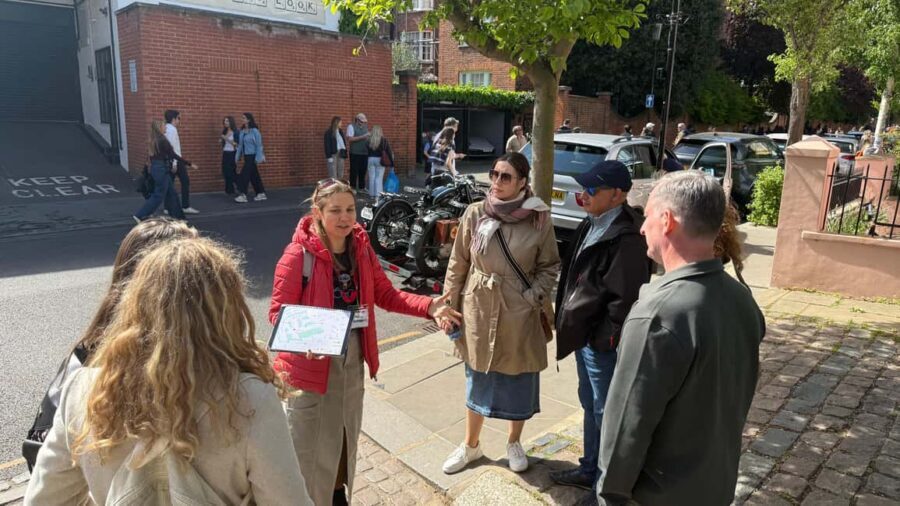
Portobello Road is the heart of this area, and on this tour you don’t just look from the sidewalk—you experience the buzz up close. Expect the sights and sounds that show up on market days: buskers performing along the route, spice shops lining the street, cafés pulling people in, and food stalls with international options.
What I like here is that the market doesn’t get treated like a single photo viewpoint. Instead, you get a guided sense of how Notting Hill’s everyday life connects to its reputation. That’s the difference between seeing market chaos from a distance and understanding what draws people here in the first place.
You may also step inside parts of Portobello Road’s commercial spots during the walk. That’s a big value-add if you want more than just exterior shots. The walk is set up so you can notice details you’d usually miss when you’re rushing between landmarks.
One practical note: market days can get crowded. If you’re slower-paced, travel with kids, or simply prefer breathing room, you’ll want to stay close to the group early on so you don’t have to fight your way back later.
The Blue Door and Hugh Grant Film Stops: Photo Time, With Context
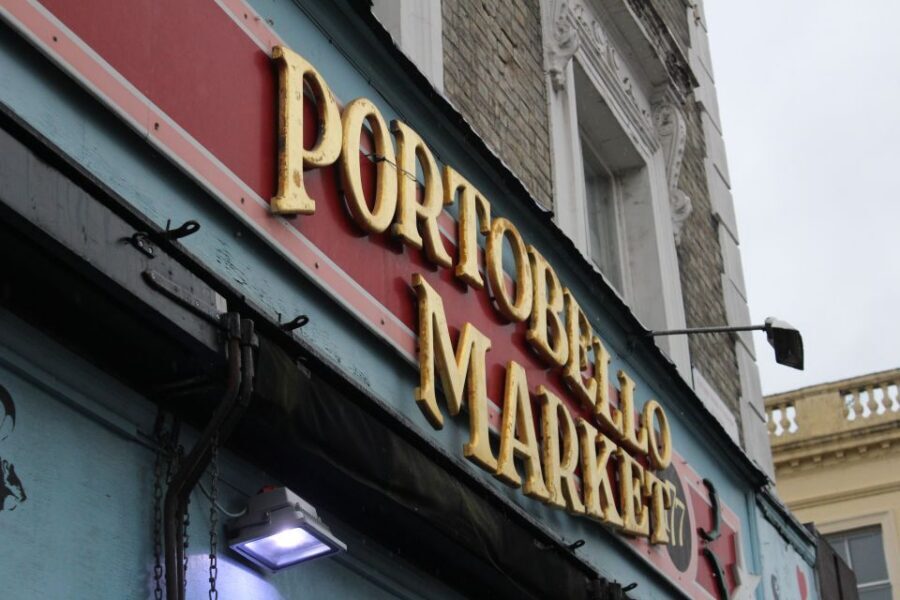
Yes, you’ll get the famous photo moment. The tour includes a stop where you can pose by the blue door, a Notting Hill landmark people recognize instantly.
Then the guide helps connect what you’re seeing to the film-world details—especially around the movie featuring Hugh Grant and Julia Roberts. A standout is the travel bookshop stop tied to that film. This is the kind of location that looks random if you’re just walking past it, but suddenly makes sense when someone explains how the place fits into the movie’s feel and the neighborhood’s vibe.
I like that the photos aren’t the only point. The best guides here balance the celebrity angle with street-level reality: how the streets function, why this area became a magnet, and what people were actually doing long before it became a film setting.
A tip for your camera roll: give yourself a minute at each major stop. Moving slower for the first photo helps you avoid rushing through the best one when the group signals to keep moving.
Music Studios, Rock-Star Hangouts, and the Soundtrack Side of Notting Hill
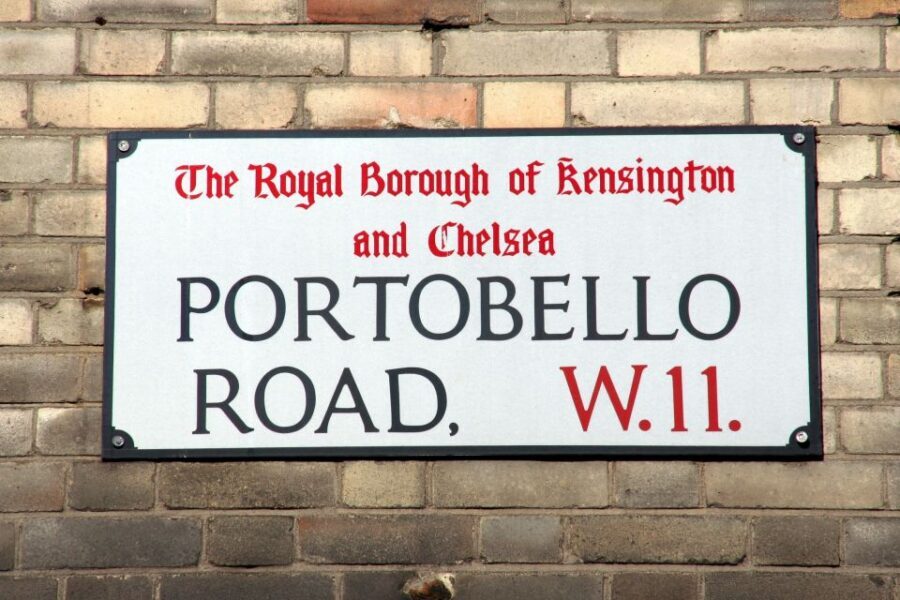
Notting Hill isn’t only houses and film locations. It has a music side, and this tour brings that into the conversation. You’ll see parts of the area where music studios and music venues are tied to stories about famous artists.
In particular, guides have been known to reference record studios and pubs associated with rock royalty—names like The Beatles and The Rolling Stones come up. You might also hear about studios connected to other major figures, including mention of a home once owned by Madonna.
The value here is timing. If you visit Notting Hill on your own, it’s easy to focus only on what’s recognizable. This part of the walk adds texture: it shows that the neighborhood’s “cool” reputation didn’t appear out of thin air—it’s been shaped by culture for a long time.
If music history is your thing, keep an eye out as you walk. Even when you can’t see a famous name directly on a doorway, the guide’s context helps you understand why a venue matters.
Celebrity Homes and What They Mean When You’re Walking the Streets
This tour includes stories about famous residents living in the neighborhood. You may hear about homes linked to major figures, including a Madonna connection and other celebrity-home tidbits that help explain why Notting Hill became such a magnet.
One reason I think this portion works is that you’re not just collecting names. You’re seeing the residential streets and learning how the area’s architecture and location contribute to the celebrity pull. You also learn how the neighborhood balances daily life with its movie-and-tourist fame.
Of course, celebrity-home stories have limits. You’re not there to stare at windows or treat private property like an attraction. The guides tend to keep it respectful and story-driven, using what’s visible from the street.
If you’re the kind of person who wants real neighborhood energy over fame, this still works—because celebrity talk here is used to explain the neighborhood’s identity, not to replace it.





Film Extras You Might Catch: Paddington, Love Actually, Banksy, and More
Beyond the big movie anchors, this walk often includes extra pop-culture stops that surprise you once you’re there. People mention film-area details connected to Paddington and Love Actually, including a pink house associated with the movie.
Another standout item is a mention of an original Banksy artwork. Even if you don’t consider yourself a street-art expert, it helps you connect Notting Hill to the broader London scene where street art and creativity have always mattered.
A few guides also add story flourishes—some include a spooky moment or a light interactive twist. It’s not constant theatre, but it breaks up the walk in a way that keeps things from turning into a list of landmarks.
If you’re visiting for the first time, these extras can feel like the tour’s secret sauce. They make the neighborhood feel less like a checklist and more like a place with layers.
How the 2-Hour Route Works on the Ground

This is a 2-hour guided walk, and that time needs to do a lot of jobs: get you to major highlights, allow photo stops, and still keep you moving through the market area without losing the group.
What helps most is pacing that respects the crowd level. On busy days, the guide keeps the line together so you don’t end up spread out in the middle of Portobello Road. The trade-off is that the walk can feel brisk, and if you’re far behind you’ll struggle to catch up.
If you’re worried about keeping up, here’s what I’d do: start strong. It’s the first ten minutes that decide whether you’ll enjoy the rest. Wear comfortable shoes and be ready to walk continuously for the duration.
For timing, market-day visits can make the route feel fuller. One easy scheduling idea people like is choosing Saturday if it matches your trip, because it’s a top pick for Portobello Road market energy.
Price and Value: Is $22.90 Worth It?
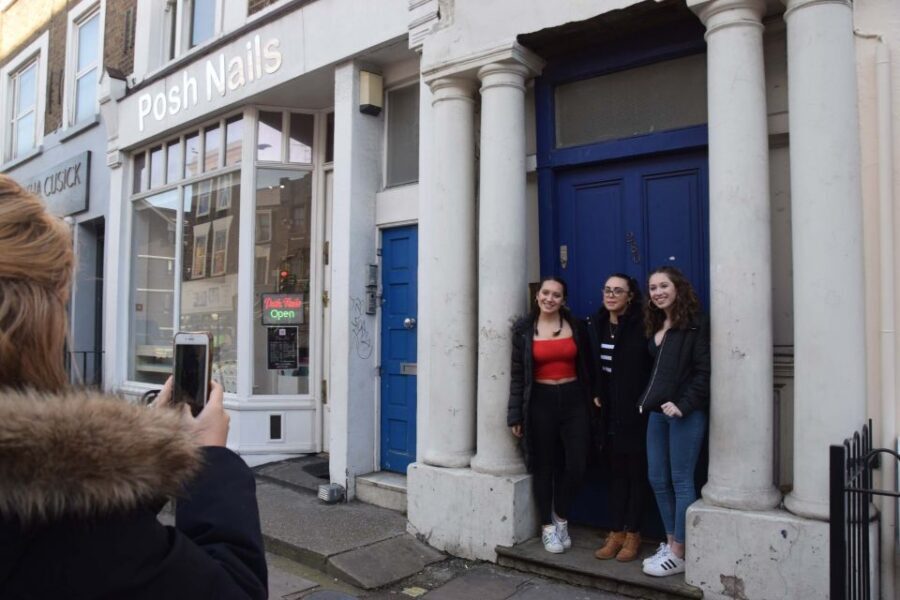
At $22.90 per person for a 2-hour live guided tour, you’re paying for more than walking. You’re paying for someone local who can connect film locations, street culture, and the neighborhood’s identity while you’re actually in the streets.
It works out to roughly $11–12 per hour for a live guide. In London terms, that’s a solid value if you care about context. If your goal is only to snap a few photos and leave, you could do it on your own. But if you want the meaning behind the places—why the blue door is iconic, how Portobello Road’s market life shapes the area, and how music and celebrity stories fit into the same streets—this price feels fair.
The tour also holds up because it’s tightly focused: film sites, market atmosphere, and cultural connections, all in one walk. You’re not spending time figuring out what to prioritize.
Should You Book This Notting Hill Walking Tour?
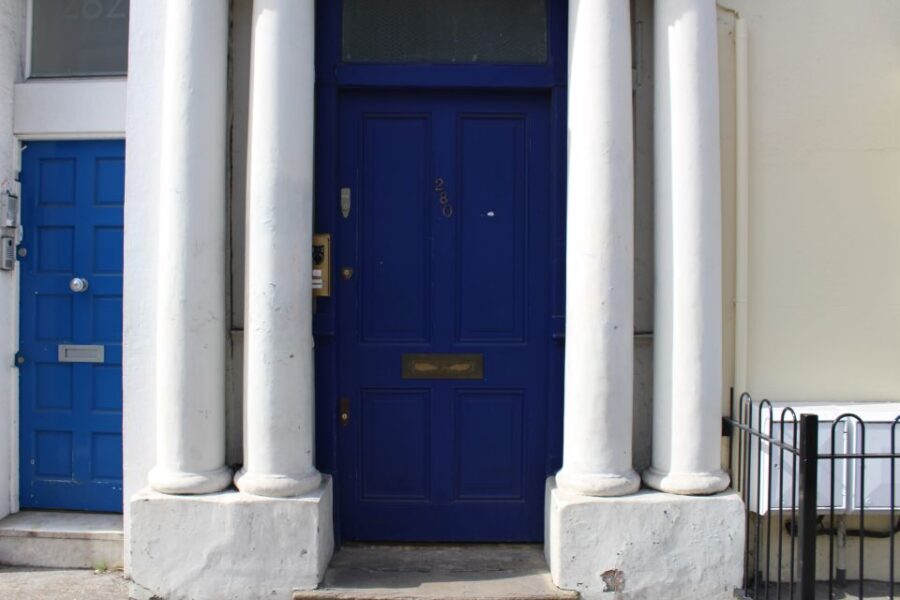
If you want Notting Hill in one guided hit, I’d book it. It’s strong for first-timers because it gives you anchors (Portobello Road, the blue door, Hugh Grant film spots) and then fills in meaning with streets, music connections, and pop-culture extras.
You might skip it if you already know you only want to browse for shopping and don’t care about stories. Also consider your pace comfort: on crowded market days, you’ll want to stay close to the group so you can actually enjoy the photos instead of rushing to catch up.
For most people—especially anyone who loves film locations, London street culture, and a guided walk that feels like it’s made for walking—this one is a good call.
FAQ
Where is the meeting point for the Notting Hill walking tour?
The tour meets outside Notting Hill Gate Station in front of Calder’s Pharmacy, 55–57 Notting Hill Gate W11 3JS (at Exit 1).
How long is the Notting Hill Walking Tour?
The tour duration is 2 hours. Starting times depend on availability.
What does the tour cost?
The price is $22.90 per person.
What’s included in the experience?
The experience includes a guided tour.
Is the tour guide available in English?
Yes. The live tour guide language is English.
Is there free cancellation?
Yes. You can cancel up to 24 hours in advance for a full refund.
Is reserve and pay later available?
Yes. You can reserve your spot and pay nothing today.