REVIEW · LONDON
Secret Old London Walking Tour
Book on GetYourGuide →Operated by Fun London Tours · Bookable on GetYourGuide
A weirdly good way to see old London fast. This Secret Old London Walking Tour strings together medieval streets, Tudor-era drama, and the kind of wartime scars most guides skip. You’ll start at Barbican and end up in places that feel like they’ve been waiting for a story to catch up.
I particularly love the medieval atmosphere—especially the moments in and around a historic churchyard where everything sounds quieter than you expect. I also like the era-hopping payoff: Roman traces, execution-site imagination, and a church shell from the Blitz, all in one compact loop.
One thing to consider: it’s a walking tour with no listed refreshment stops, so come ready for movement. And on colder days, if you hate standing still for explanations, you might want to wear layers—one reviewer wished for more walking during picture moments.
In This Review
- Key Highlights You’ll Actually Feel
- Starting At Barbican: The Fast Track Into London’s Grit
- Charterhouse Square and the Black Death Calm
- Smithfield: Jousting Space, Execution Reality
- St Bartholomew the Great: Where Movies Meet Medieval London
- The Shell of a Blitz-Destroyed Church: Modern London Doesn’t Look Away
- The Park Memorial Moment: A Short Pause That Hits
- Roman London: Finding the Roman Amphitheatre Perimeter
- Hidden Memorial to Heroic Self Sacrifice
- What the Tour Feels Like With Real Guides Behind the Microphone
- Who This Walk Is For (and Who Might Skip It)
- Price and Value: Why $26 Can Work
- Logistics That Actually Matter During the Walk
- Should You Book Secret Old London?
- FAQ
- How long is the Secret Old London Walking Tour?
- Where do I meet the guide?
- How much does it cost?
- Is the tour wheelchair accessible?
- Are refreshments included?
- What’s not allowed during the tour?
Key Highlights You’ll Actually Feel
- A tight 1.5-hour loop that hits medieval, Roman, and WWII layers without dragging you all day
- Charterhouse Square’s Black Death setting, where the calm view hides a horrifying past
- Smithfield’s execution associations, including William Wallace referenced in the tour framing
- St Bartholomew the Great as a movie-and-Sherlock-style landmark you’ll understand much better after the walk
- Blitz-bombed church shell moments, where the city’s modern skyline can’t fully soften the damage
- Roman amphitheatre perimeter locating, so you leave with a mental map, not just a pile of facts
Starting At Barbican: The Fast Track Into London’s Grit
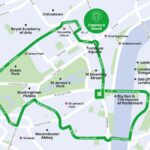
You’ll meet outside Barbican Underground Station, a useful choice because it’s easy to reach and you can get your bearings quickly. From there, the walk wastes no time. You’re not doing a slow amble through postcard London—you’re moving through an area where old street lines still matter, and your guide ties each corner to something darker, older, or both.
This tour’s value is how it makes the city feel readable. You learn where things are and why they mattered, then you stand where the stories unfolded. That’s a big deal for a city like London, where it’s easy to look right past the past.
Because it’s only 1.5 hours, you’ll notice how the guide keeps the pace. Multiple reviews mention a great tempo and entertaining storytelling, and that matters here: good pacing helps the history click instead of turning into a lecture you forget the moment you stop walking.
You can also read our reviews of more walking tours in London



Charterhouse Square and the Black Death Calm
One of the tour’s strongest emotional shifts is landing at Charterhouse Square. The space is tranquil, even pretty in a quiet-urban-park way. But your guide reframes it fast: about 600 years ago, this was tied to the Black Death, acting like a dumping ground for London’s worst plague.
Here’s what I like about this stop. It’s not just the fact of plague—it’s the contrast. The square’s modern calm doesn’t erase the old function. Instead, you start seeing how London absorbs tragedy into everyday space. That is a very London lesson, and it makes the rest of the walk hit harder.
A practical note: this part can feel exposed depending on weather. Bring comfortable shoes because you’re on foot and you’ll be stopping often enough that you’ll want to stay steady and warm.
Smithfield: Jousting Space, Execution Reality
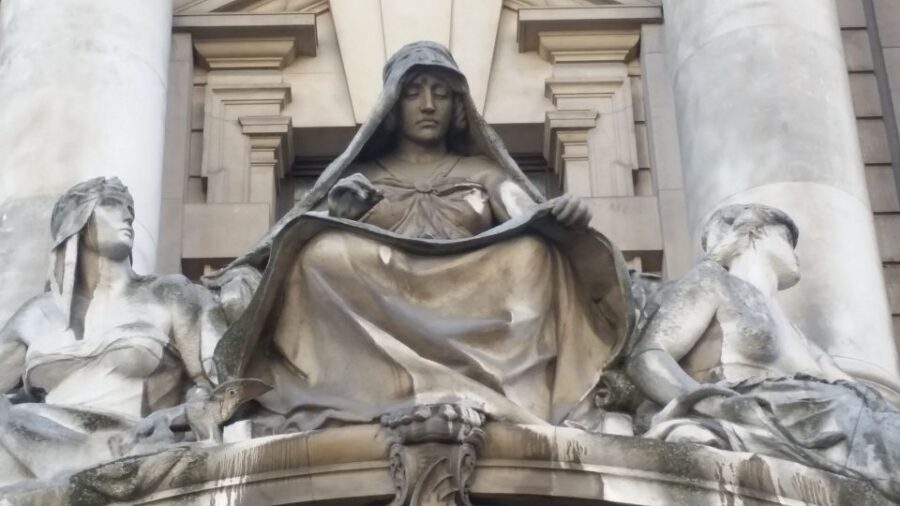
Next comes Smithfield, an open space with a reputation for drama. The walk frames it as medieval jousting ground and also as one of the city’s execution locations, including the tour’s mention of William Wallace. Smithfield is one of those places where the present looks straightforward—until your guide layers in what happened here.
This is where the tour earns its name. Your imagination has to work, sure, but your guide gives it a structure. The goal isn’t shock for shock’s sake. The goal is to help you understand how public punishment shaped a public world: crowd logic, fear, spectacle, and the way power showed itself in plain sight.
One thing to be aware of: one reviewer said there was no mention of William Wallace, even though it’s included in the tour information. If William Wallace is a must for you, consider asking the operator before you go. It’s a small thing, but it can change how satisfied you feel at this stop.
St Bartholomew the Great: Where Movies Meet Medieval London
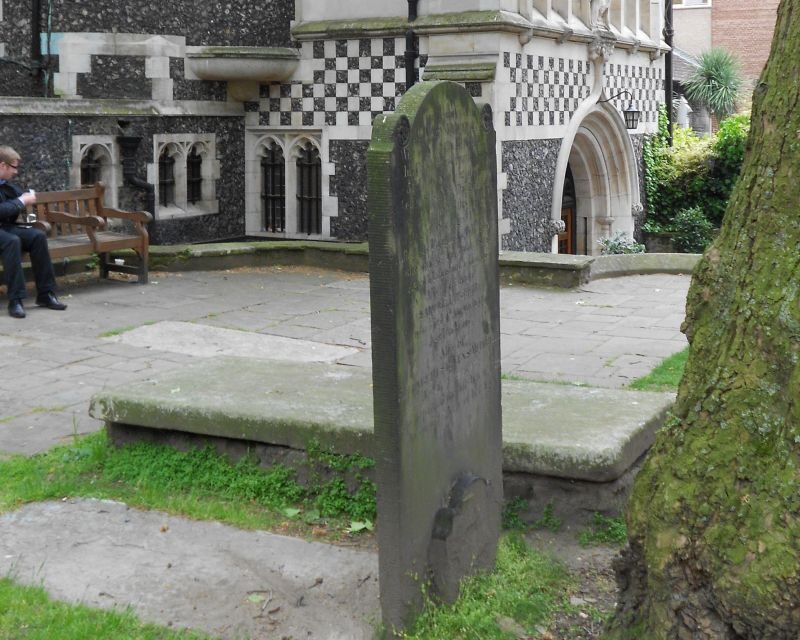
Between Charterhouse Square and Smithfield you’ll hit St Bartholomew the Great, a medieval church that also shows up in pop culture. The tour description points to films like Four Weddings and a Funeral and Sherlock Holmes, and that’s useful context because it gives you an entry point.
What you’ll appreciate here is scale and texture. Even if you’ve seen church exteriors before, this one feels different once you understand where it sits in the area’s story. It isn’t just a pretty stop; it’s part of the same zone where crowds gathered, lives turned, and reputations mattered.
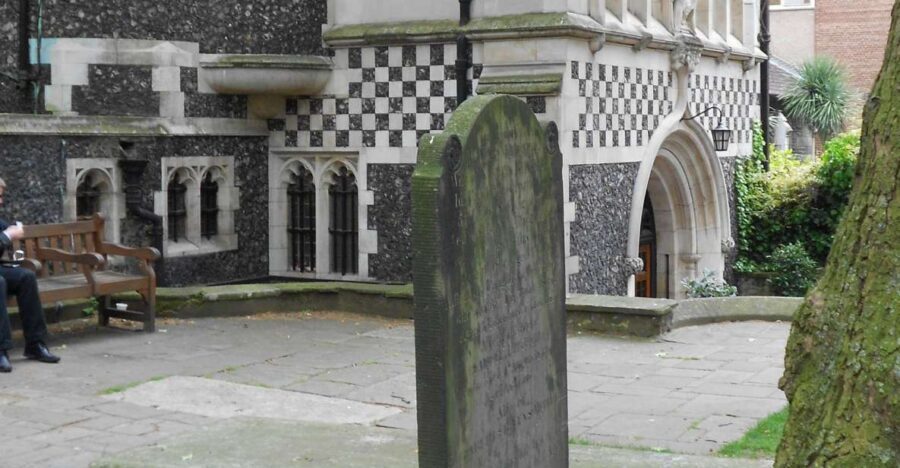
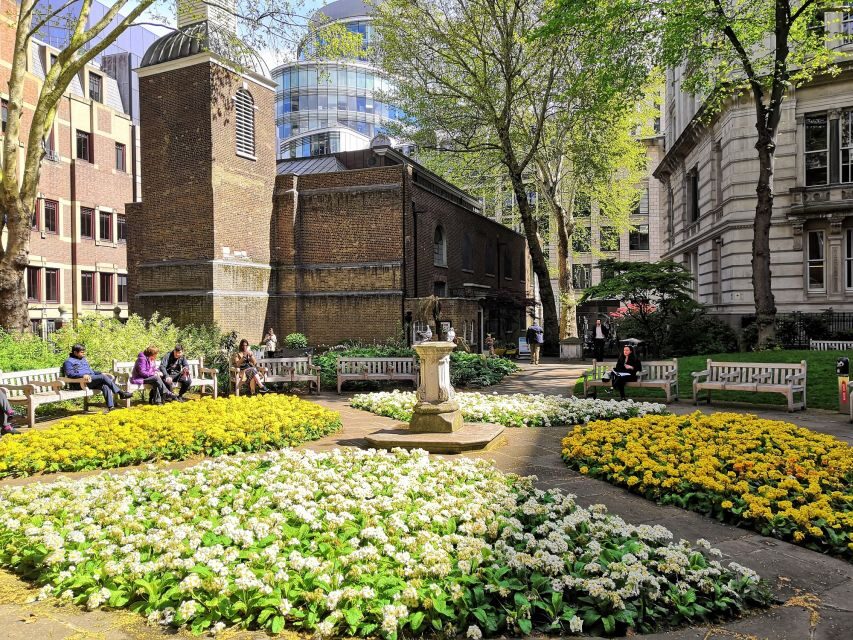
Also, church time changes your pace. You slow down on purpose. You look harder. And because you’re standing in a real historic churchyard atmosphere, the tour’s darker themes land with more weight than if they were just described over a sidewalk.
The Shell of a Blitz-Destroyed Church: Modern London Doesn’t Look Away
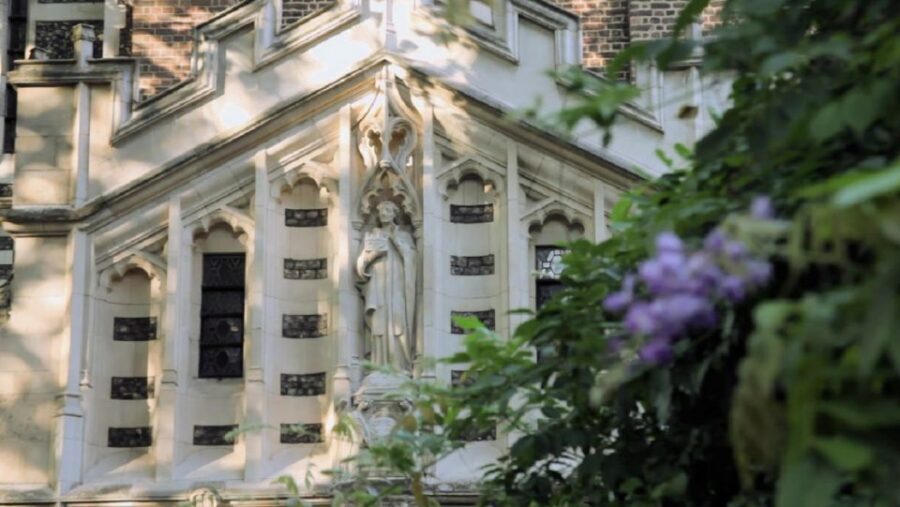
Then the walk pivots to wartime London. You’ll pass through the shell of a church destroyed in the Blitz, a moment that feels raw in a way that screenshots can’t capture. This is one of those stops where the city’s survival looks physical.
The value here is perspective. Medieval London is often treated like a museum. WWII ruins don’t get that museum treatment. Instead, they sit inside the same modern framework as today’s commuters and office buildings. That makes it harder to keep history as a distant idea. It’s part of the street you’re standing on.
You should also expect this stop to test your comfort. If the day is cold or windy, you’ll feel it—because you’ll be standing, looking, and listening.





The Park Memorial Moment: A Short Pause That Hits
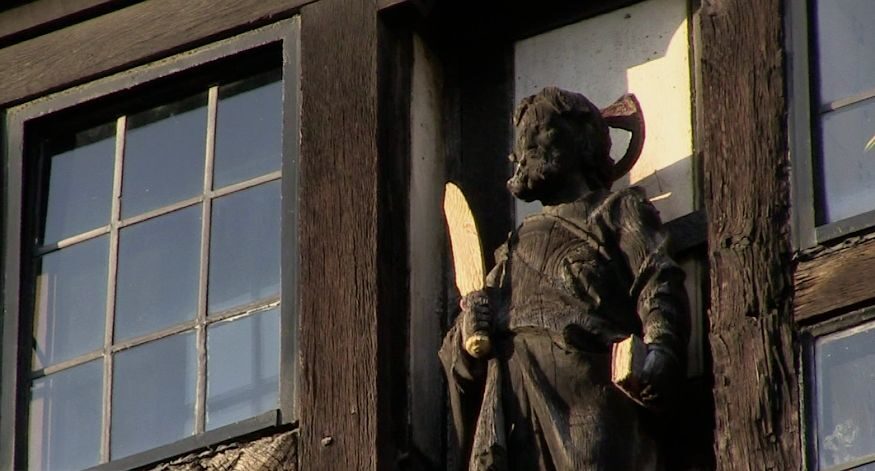
The walk also includes a park with the kind of memorial that makes you stop and breathe for a second. The tour highlights it as one of the most touching memorials on the route. Even without a name provided in the tour details, the point is clear: you’re not just doing adrenaline history.
This is where the tour shifts from spectacle to consequence. If you like your history human-sized—how people grieved, remembered, and held onto meaning—this is likely the emotional center of the walk.
Practical tip: if you get cold standing still, dress for it. Some reviews mention pacing, and one noted they wanted more movement to stay warm. If you’re the type who feels the cold faster, layer up early.
Roman London: Finding the Roman Amphitheatre Perimeter
Now for the “wait, where is it?” part. The tour takes you to the location of the city’s long lost Roman ampitheatre and helps you locate the perimeter. That’s a smart way to teach Roman London without pretending the entire structure still rises in front of you.
What you’ll do with your guide is build a mental map of where something once existed in a built-over city. That skill is useful beyond this tour. After this, you’ll start noticing how Roman traces survive under later layers—street patterns, property shapes, and the logic of where big public spaces tend to sit.
This stop also tends to reward curious questions. If you’re the type who wants to understand how a city grows in place, you’ll enjoy this part because it’s about structure and geometry, not just dates.
Hidden Memorial to Heroic Self Sacrifice
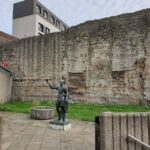
Another highlight is the hidden memorial tied to heroic self sacrifice. The details of the person or inscription aren’t specified in the tour information you provided, but the guide-led approach matters: you’re not just walking past a sign. You’re being guided to notice it, and you’re given the why behind it.
I like memorial moments on walking tours because they force you to slow down and look directly at meaning. They also add variety to a route that otherwise leans into plague, executions, and war ruins.
And based on the overall guide praise, this stop likely works because the storytelling tone keeps it respectful rather than melodramatic.
What the Tour Feels Like With Real Guides Behind the Microphone
This tour’s biggest repeat theme in the reviews is the guides. People consistently mention both passion and fun delivery, plus a strong sense of direction.
A few names show up clearly:
- Jess is described as very informative and passionate, with some reviewers praising the way the talk made things feel alive. One also noted the weather turning nicely—rain stopped right as the tour started, then sun came out.
- Rosie gets called out for being entertaining and full of stories, including insights beyond simple dates—politics, architecture, and even language history.
- Pepe is praised for in-depth knowledge and a lively, engaging style.
- Jeremy earns compliments for being fun and approachable, with knowledge that comes through clearly.
That combination matters. In a tour like this, facts alone aren’t enough. You need someone who can connect “where you’re standing” to “why it mattered.” The guide does that here.
You’ll also notice a mix of tones across reviews: some mention it’s relaxing even while the content is intense. That balance is important. History can get heavy fast, but the tour seems built to keep it moving and understandable.
Who This Walk Is For (and Who Might Skip It)
You’ll probably love this tour if you want history with edges. If you like your London darker and more human—plague sites, punishment spaces, wartime damage—and you don’t mind that some moments are emotionally intense, this fits.
It’s also a good choice if you enjoy learning how cities evolve. The Roman amphitheatre perimeter and Blitz church shell are perfect examples of learning to “read” a built environment.
If you want only cheerful sightseeing, this isn’t that. If you hate standing in cold spots without a clear bathroom plan, you might prefer a longer tour with more breaks. But if you’re okay with layers and walking for 90 minutes, it’s a strong value way to see parts of the City of London you won’t naturally stumble into.
Price and Value: Why $26 Can Work
At $26 per person for 1.5 hours, you’re paying for one main thing: a live guide who can connect multiple eras in a tight route. You’re not paying extra for separate ticketed entrances listed in the tour info, and the included value is simple—the guide does the heavy lifting.
Is it expensive? Not really, for central London. Is it cheap? Also not the point. The real question is whether you’ll enjoy the format. If you like walking-plus-storytelling, this price makes sense because you’re getting a lot of guided “stand here and picture it” moments.
Just note what’s not included: refreshments. So if you need a drink or snack to feel human on a tour, plan accordingly before you meet up.
Logistics That Actually Matter During the Walk
A few rules can affect your comfort day-to-day:
- No video recording. Photos are implied, but video isn’t allowed, so keep that in mind.
- No luggage or large bags. Travel light, especially if you’re combining this with other sightseeing.
- Pets aren’t allowed. Dogs are not permitted, except guide dogs.
- It’s suitable for anyone over 12.
- It’s wheelchair accessible, which is good news if you need that option.
Meeting at Barbican also helps. You’re starting at a transport hub, so you can link this to other parts of your day without a complicated commute.
And yes: bring comfortable shoes. The tour is short, but it’s still a walking experience, and you’ll likely spend some time stationary while the guide explains what you’re looking at.
Should You Book Secret Old London?
Yes, if you want London that feels lived-in, not staged. This tour’s best strength is the way it layers eras in real space: plague-era context at Charterhouse Square, execution-site atmosphere at Smithfield, a medieval churchyard stop at St Bartholomew the Great, a WWII Blitz-damaged church shell, a park memorial pause, and then Roman geometry via the amphitheatre perimeter.
I’d skip it (or at least reconsider) if you dislike dark history themes or you really want frequent breaks with amenities. It’s designed to keep moving, and it’s priced for the guide experience, not for comforts.
If you’re traveling for a weekend or just want one well-shaped history outing without committing to a half-day, this one is a solid bet. Book it, wear layers, and be ready to look at familiar streets like they’re about to explain themselves.
FAQ
How long is the Secret Old London Walking Tour?
It lasts 1.5 hours.
Where do I meet the guide?
You meet outside Barbican Underground Station.
How much does it cost?
The price is $26 per person.
Is the tour wheelchair accessible?
Yes, it’s listed as wheelchair accessible.
Are refreshments included?
No. Refreshments aren’t included.
What’s not allowed during the tour?
You can’t bring pets or luggage/large bags, and video recording isn’t allowed. Dogs are not permitted except for guide dogs.