REVIEW · LONDON
Turmoil, Templars, Oliver Twist: London’s Squalor & Splendor
Book on GetYourGuide →Operated by Historic London Tours · Bookable on GetYourGuide
Holborn is a time machine. This short, focused walk strings together Saxon turmoil, Knights Templar sites, Charles Dickens drama, and London’s justice system in about two hours.
I especially love the contrast moments: Freemasons’ Hall brings real architectural splendor into a street-level neighborhood, and the tour ends up feeling both cinematic and grounded. I also really like that you get a concrete, visual stop at London Silver Vaults, tied to the world’s largest collection of retail silver.
One consideration: this is a real walking tour. Plan on about a 2.5-mile stroll, and it’s not suitable for children under 13.
In This Review
- Key things to look forward to
- Holborn in two hours: Saxons, squalor, and splendor on foot
- Bow Street Police Museum and the Bow Street Runners’ street-level justice
- Aldwych, the Royal Courts of Justice, and the city’s serious paperwork
- Temple Church and the Knights Templar headquarters you can feel in the details
- Oliver Twist by foot: Fagin’s den and an execution location
- Freemasons’ Hall and the institutions behind London’s power
- Hatton Garden and London Silver Vaults: money, material, and retail silver
- Old Bailey and Bridewell Centre: London’s notorious prison side
- Holy Sepulchre Church and the final steps near New Bridge Street
- Is the $26 price fair for a 2-hour storytelling walk?
- Should you book this Holborn walk?
- FAQ
- How long is the tour?
- How far will we walk?
- Where does the tour start and where does it end?
- How many people are on the tour?
- Is it suitable for children?
- What language is the tour in, and can I change plans?
Key things to look forward to
- A two-thousand-year storyline told across one manageable route in Holborn
- Oliver Twist street stops focused on Fagin’s den and an execution location
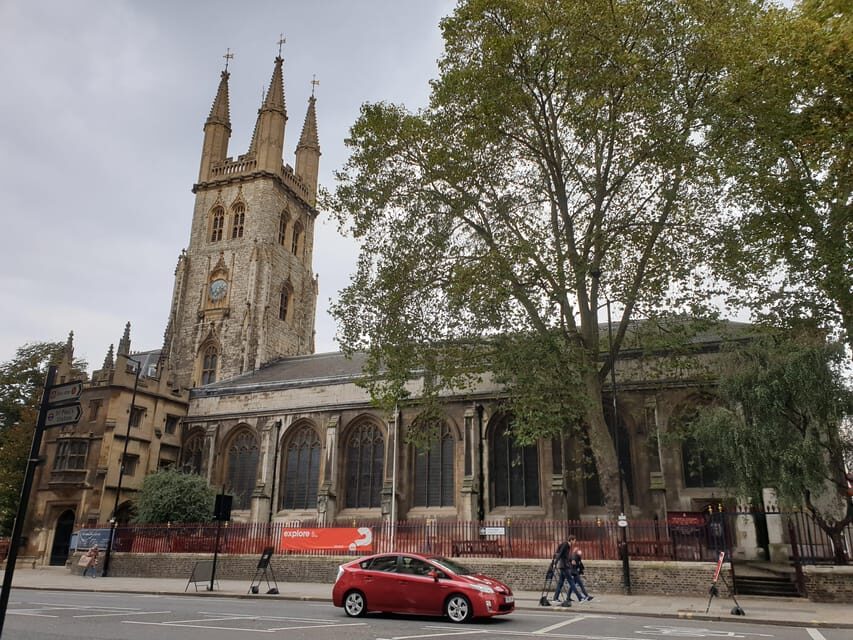
- Knights Templar focus anchored at Temple Church
- Justice and prisons in the open with Bow Street Police Museum, Old Bailey, and Bridewell Centre
- Freemasons’ Hall as a wow stop, not just a name-drop
- London Silver Vaults with the world’s largest collection of retail silver
Holborn in two hours: Saxons, squalor, and splendor on foot
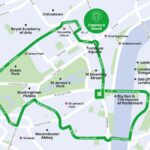
This is the kind of London walk that teaches you how the city thinks. You start in the Covent Garden orbit and end near Blackfriars, crossing one old corridor of power, crime, and worship in roughly 2.5 miles.
What makes it work is the pacing. You spend about five minutes at each key stop, then you move on. That keeps the tour from turning into a lecture, and it helps you remember locations, not just dates.
There’s also a practical ceiling on group size. With tickets limited to fifteen, you get a better chance to ask questions and stay oriented. If you like your history with momentum, this format fits.
You can also read our reviews of more tours and experiences in London.



Bow Street Police Museum and the Bow Street Runners’ street-level justice
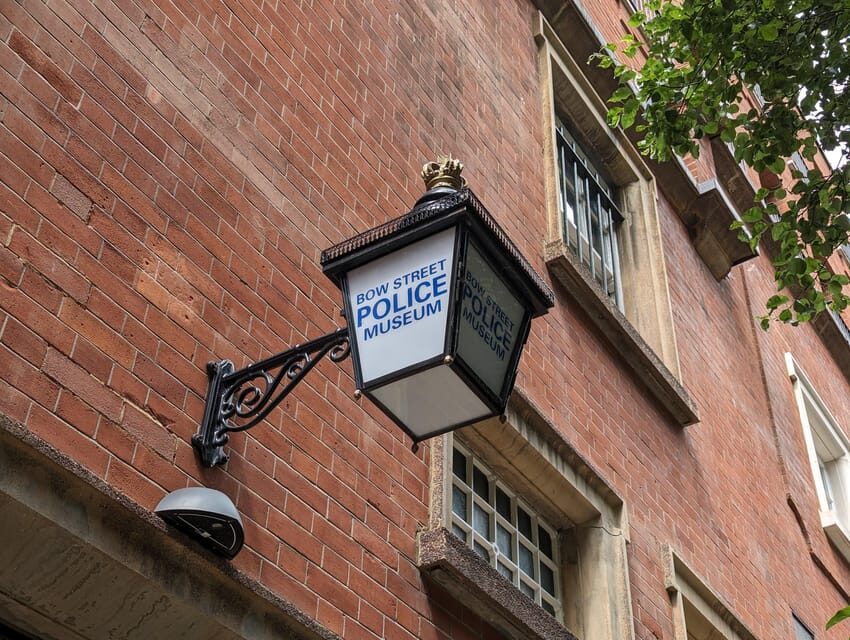
The tour kicks off at Covent Garden, then quickly turns toward law and order. The Bow Street Police Museum stop is short, but it sets the tone: this isn’t only about famous buildings, it’s about how policing shaped daily life.
You’ll also hear about the Bow Street Runners, which helps connect the dots between London’s early approaches to catching trouble and later formal court systems. Even if your idea of London crime comes from novels or TV, this stop gives you a real-world starting point.
Why this matters for your day: it trains your eye. Once you understand the policing angle, later stops like the Old Bailey and Bridewell Centre land harder, because you’re not treating them like isolated landmarks.
A small drawback: if you’re hoping for long inside visits, this tour is mostly outside storytelling with quick guided moments. The tradeoff is that you cover more ground in less time.
Aldwych, the Royal Courts of Justice, and the city’s serious paperwork
Next you’ll pass through the Aldwych area and reach the Royal Courts of Justice. These are stops where London’s “systems” show up in stone and ceremony—courts where decisions get made and reputations get reshaped.
The best value here is not that you’ll learn one detailed legal fact. It’s that you’ll see the court environment as part of the same thread as policing and prisons. You start to notice how authority moved from street-level enforcement toward formal institutions.
If you’re a history-by-context person, you’ll appreciate how the guide ties the route together. The walk keeps switching genres—religion, crime, finance, literature—so the court stops feel like checkpoints in the story rather than standalone photos.
Temple Church and the Knights Templar headquarters you can feel in the details
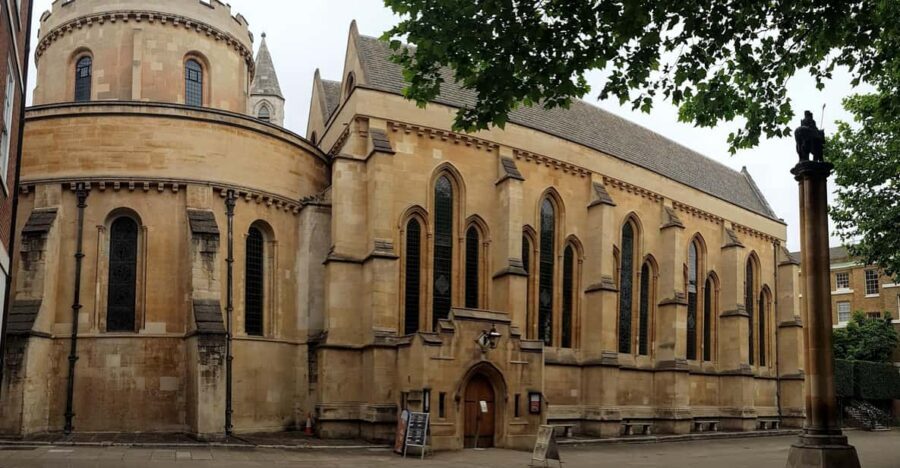
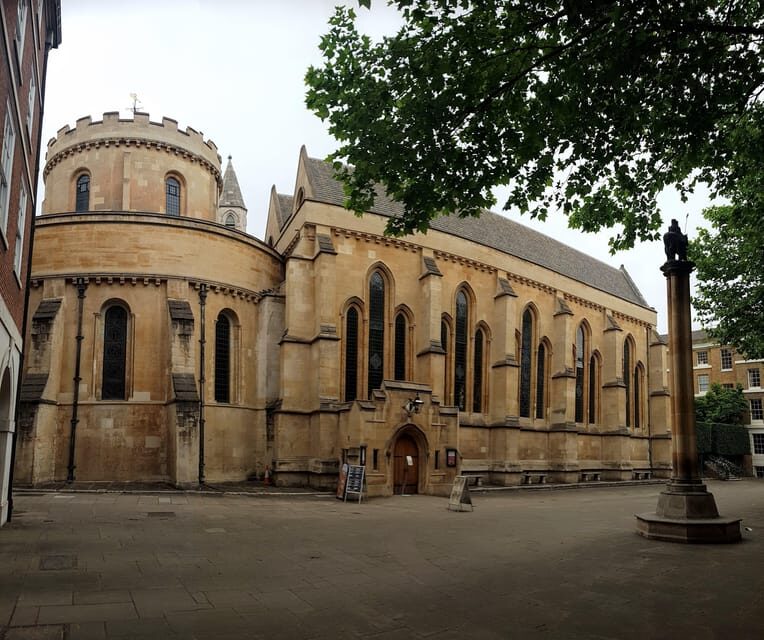
Then the tour sharpens into spiritual and military symbolism at Temple Church, tied to the Knights Templar headquarters theme. Even without going deep into lore, the setting is the point: stone churches in this part of London don’t feel like background. They feel like statements.
This is also where the tour starts doing something clever for you as a traveler: it uses place to explain power. The Templars weren’t just a medieval “chapter.” They connect to how people organized authority and resources, and the guide uses the location to make that idea click.
Why this is worth your time: it breaks the usual London history pattern of only focusing on royals or only focusing on crime. You get a different angle on institutions—who had influence, how they operated, and how that legacy lingers in buildings.
Oliver Twist by foot: Fagin’s den and an execution location
Now comes the literary jolt. The tour uses the Holborn area to point you toward the Oliver Twist locations tied to Fagin’s den and an execution. It’s not just name-checking Dickens; it’s turning scenes into street coordinates.
This is one of the stops I think you’ll enjoy most if you like watching stories become real. You’ll start to recognize how London’s layout helped create the kind of drama Dickens wrote about: crowded lanes, grim punishment sites, and neighborhoods where reputation mattered.
Practical tip: take a moment to look around before you move on. Even in a short stop, if you scan the street rhythm—corners, sight lines, open spaces—you’ll understand why these scenes feel plausible.
The main consideration here is tone. Dickens crime material is dark. If you want only uplifting history, you may find the prison-and-punishment theme heavy. If you’re okay with that, it’s also the most memorable part of the narrative.



Freemasons’ Hall and the institutions behind London’s power
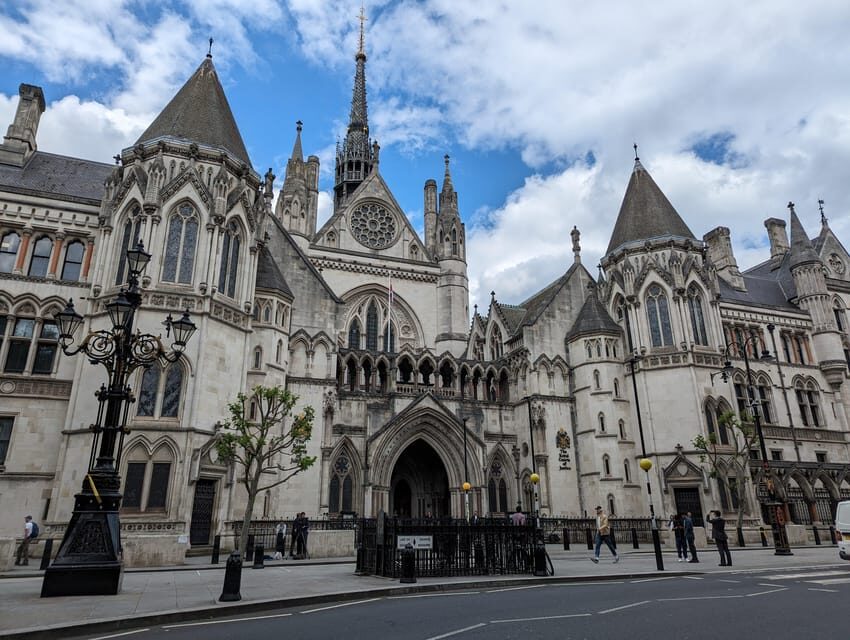
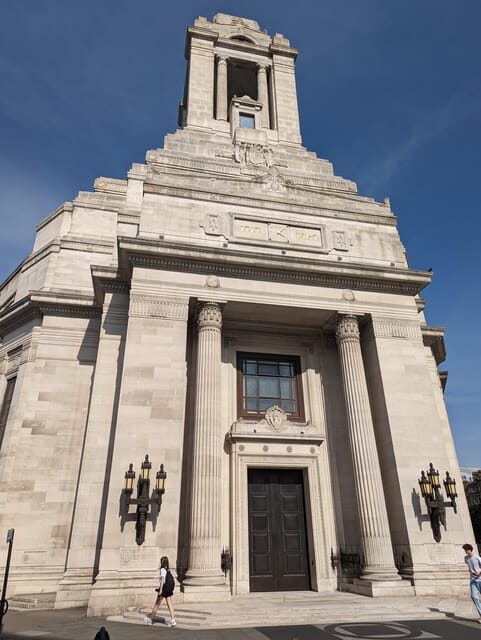
After the Dickens beat, the tour swings toward Freemasons’ Hall. This is a “splendor” stop in the literal sense, and the guide uses it to explain the draw of secretive or semi-secret institutions in London life.
I like how this portion balances style with meaning. You’re seeing a place that looks important, but you’re also learning why groups like these mattered—socially, politically, and economically. It helps you understand that London’s big story wasn’t only kings and criminals. It was also networks.
As you continue through the area, you’ll also pass stops tied to long-running neighborhood identity, including Aldwych earlier and Staple Inn along the way. The point isn’t that each building is a must-see on its own. The point is that you’re seeing London as a set of evolving roles: trade, legal authority, religious presence, and organized groups all layered together.
If you’re the type who likes to connect the dots, this is where the tour starts feeling like a map you can carry in your head.
Hatton Garden and London Silver Vaults: money, material, and retail silver
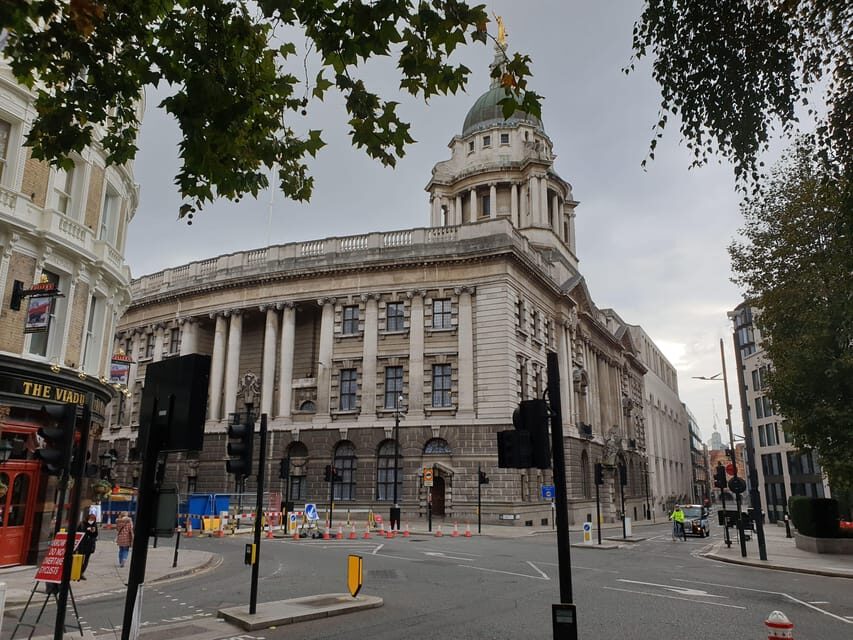
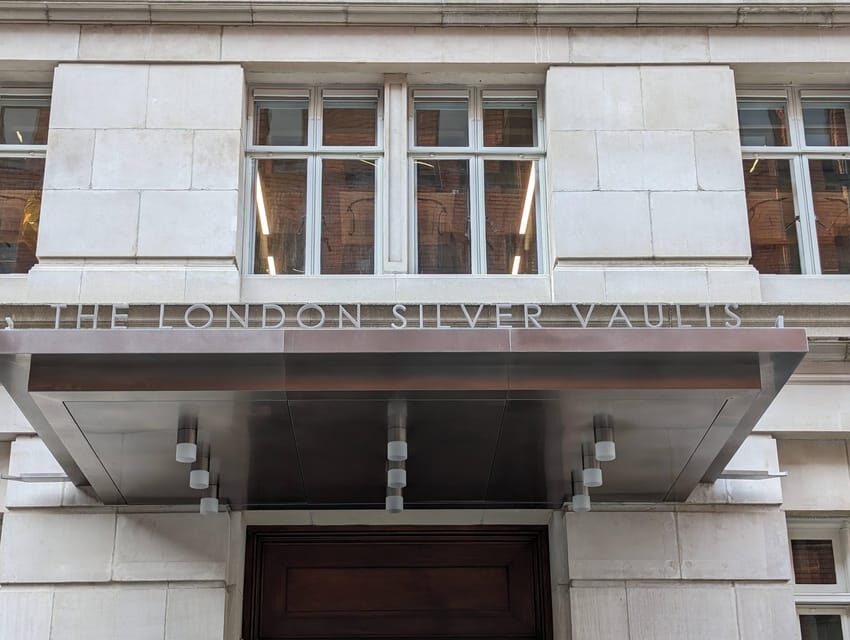
The tour then touches Hatton Garden, a stop that works well because it sits at the intersection of commerce and reputation. You’ll also be guided through London Silver Vaults, tied to the highlight that it holds the world’s largest collection of retail silver.
This combination is smart for you as a traveler. London can feel abstract when it’s all architecture and names. Silver is the opposite. It’s tangible. It shows how wealth was displayed, traded, and collected.
What to expect in this segment: a quick guided look that’s more about framing than browsing. You’ll learn what makes the collection notable, and you’ll likely find it easier to understand the economic side of London’s “squalor & splendor” theme when you can see the objects themselves.
One small drawback: if you’re expecting a long shopping spree, don’t plan on it. This tour is built for storytelling momentum, not extended retail time.
Old Bailey and Bridewell Centre: London’s notorious prison side
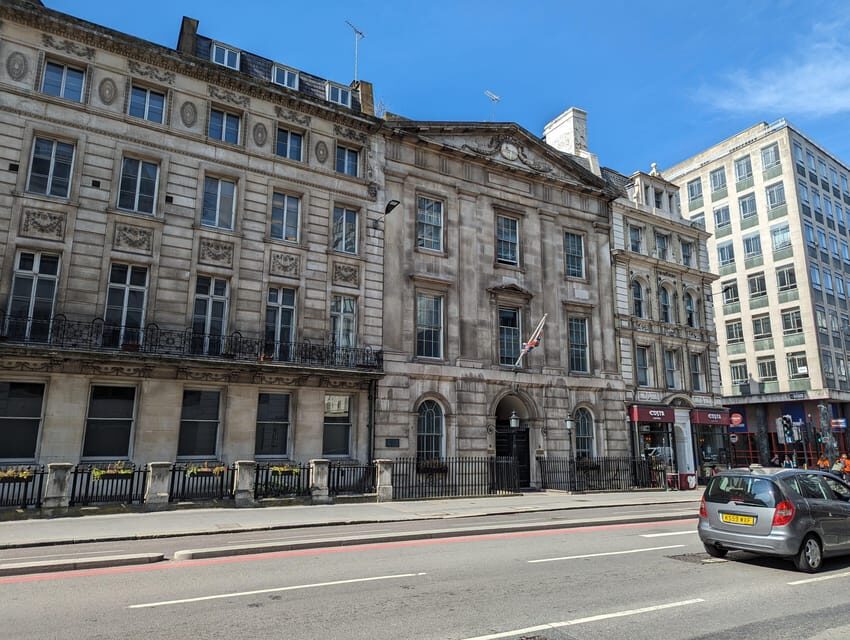
Then the route turns properly grim with the Old Bailey and the Bridewell Centre. These are the moments where the “justice” theme stops being theoretical and becomes part of your emotional geography of London.
Even with short stop times, you’ll come away with a clearer sense of how punishment and public process shaped behavior. And since earlier parts of the tour already set up the policing angle, the prisons don’t feel random. They feel like the system’s consequences.
Why this works: it gives you a full loop. Policing ideas lead into court authority, which leads into confinement and punishment. That chain is a big reason this tour feels more than sightseeing.
If dark topics make you tense, pace yourself. You can always step back for a minute when the guide turns to prison details. The format still works because you’re not stuck in one room for an hour.
Holy Sepulchre Church and the final steps near New Bridge Street
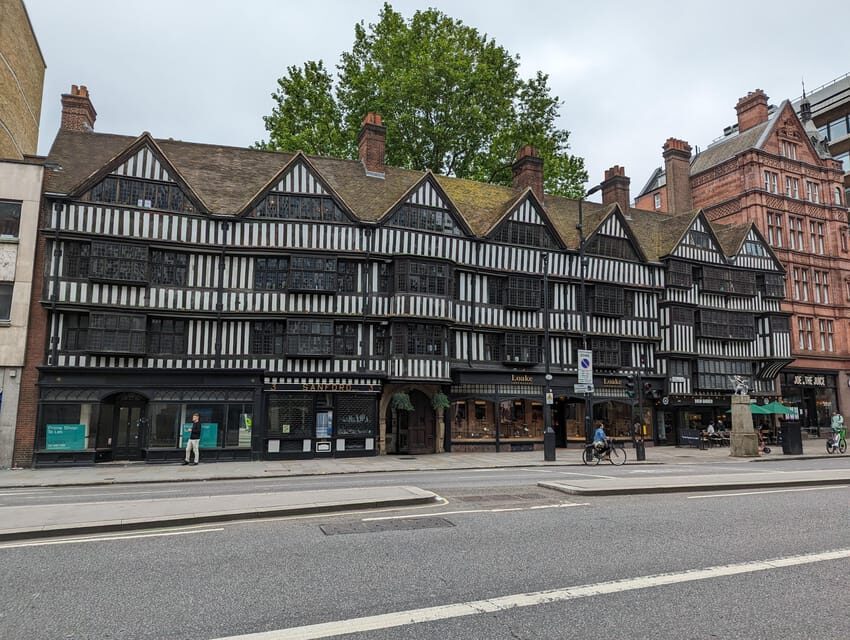
Near the end, you’ll be guided at Holy Sepulchre Church before finishing near 36–37 New Bridge St, London EC4V 6BJ. This closing section matters because it helps stitch religion and community back into the story after the justice stops.
The tour has a tight loop: you move through institutions that shaped life—churches, courts, policing, secretive groups, and prisons—and you end with one last street-level anchor point. That makes it easier to remember the route as a connected walk rather than a stack of disconnected sites.
If you’re planning the rest of your day, this is a useful finish zone. You’re near major transport and you can immediately turn the history lens onto whatever you choose next—coffee, a museum, or another wandering loop.
Is the $26 price fair for a 2-hour storytelling walk?
For $26 per person over about two hours, this is strong value if you like dense, guided interpretation over long museum time. You’re not paying for one big indoor attraction. You’re paying for a route that packs several themes into a small footprint.
The biggest “value” lever here is efficiency. About five minutes per stop means you see a lot and get context at each point. Combine that with a small group size, and you’re more likely to get the answers you want rather than watching the guide talk into the distance.
Who it suits best:
- Adults and older teens who like crime, architecture, and literature crossovers
- People who enjoy walking history more than sitting in one place
- Travelers who want a clear storyline across Holborn, not a random collection of sights
Who might skip it:
- Anyone who wants a kid-friendly outing (it’s not suitable for children under 13)
- People who dislike walking about 2.5 miles total, even at a casual pace
Should you book this Holborn walk?
I think you should book if you want London history in a tight package. You’ll get Saxon-era context, Knights Templar connections, Dickens locations for Oliver Twist, plus real “justice system” stops at Old Bailey and Bridewell Centre. It’s a lot of themes for a short outing, and the route is built so the story stays coherent.
Book it especially if you like guides who keep the conversation moving and answer questions on the spot. If you hate dark prison topics, you’ll still learn a lot, but you might prefer a lighter route.
If you’re choosing between a big-ticket museum day and a guided streetscape day, this is the option that turns streets into plot points. That’s the magic here.
FAQ
How long is the tour?
The tour lasts about 2 hours.
How far will we walk?
The total distance is about 2.5 miles.
Where does the tour start and where does it end?
It starts outside Covent Garden Station exit holding an Historic London Tours sign, and it ends near 36–37 New Bridge St, London EC4V 6BJ.
How many people are on the tour?
Ticket sales are limited to fifteen attendees.
Is it suitable for children?
No. It is not suitable for children under 13.
What language is the tour in, and can I change plans?
The tour is in English with a live guide. Free cancellation is available up to 24 hours in advance for a full refund, and you can reserve and pay later.