REVIEW · BATH
Bath: Guided Walking Tour
Book on GetYourGuide →Operated by PAUL ELLIOTT · Bookable on GetYourGuide
Bath moves fast, even on foot. This guided walk threads together Bath Abbey, Roman-era clues, and the city’s famous Georgian planning, with Paul Elliott shaping it all into a story you can picture. I especially like the way the tour brings the Georgian period to life in a short time, and how it builds in lots of photo-worthy stops without turning it into a museum sprint. One consideration: it is not for pushchairs or wheelchair users, and the walking includes uphill sections toward the city walls.
You’ll start with a quick meet-and-greet and then follow a route packed with recognizable names: Sally Lunn’s, Queen Square, Theatre Royal, and the big set pieces like The Circus and the Royal Crescent. Instead of stopping for admission tickets at every point, the guide gives explanations along the way, so you leave with context and an idea of what you might want to visit longer on your own. I’d think about your pace and comfort level first, since it’s designed as an easy 2-hour stroll with many stops, not a sit-down tour.
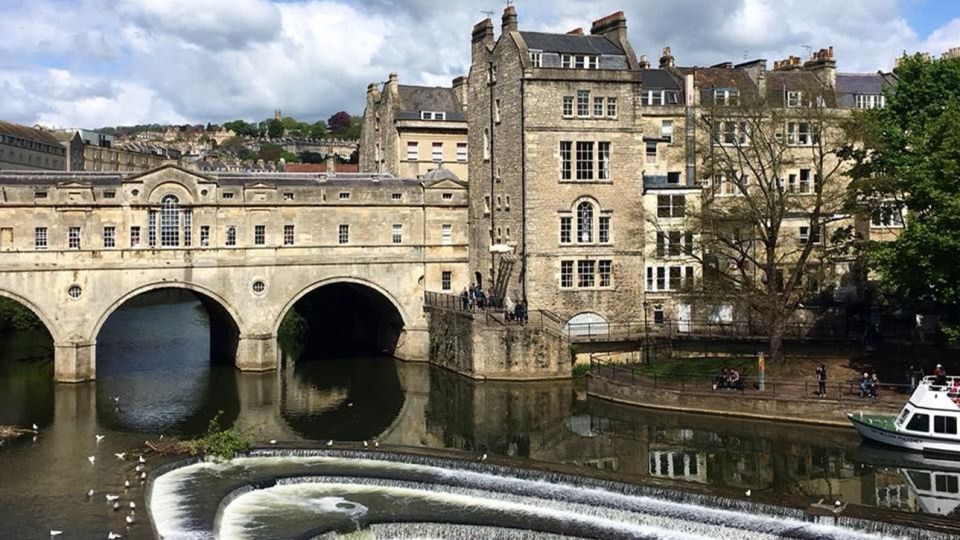
Plan to keep your eyes open for small details: a tree that’s part of the story, the feel of alleyways leading up to the Georgian core, and the way the route sets you up to see major viewpoints like Pulteney Bridge and Bath’s defining terraces. The value here is the combination of landmarks plus clear narration, at $26 per person for two hours.
In This Review
- Key things to notice before you go
- Bath in Two Hours: What This Walk Really Gives You
- Meeting at The Abbey Hotel North Parade and Getting Oriented
- Sally Lunn’s and Abbey Green: The Small Stops That Set the Scene
- Roman Baths Without Tickets: Learning the Origin Story First
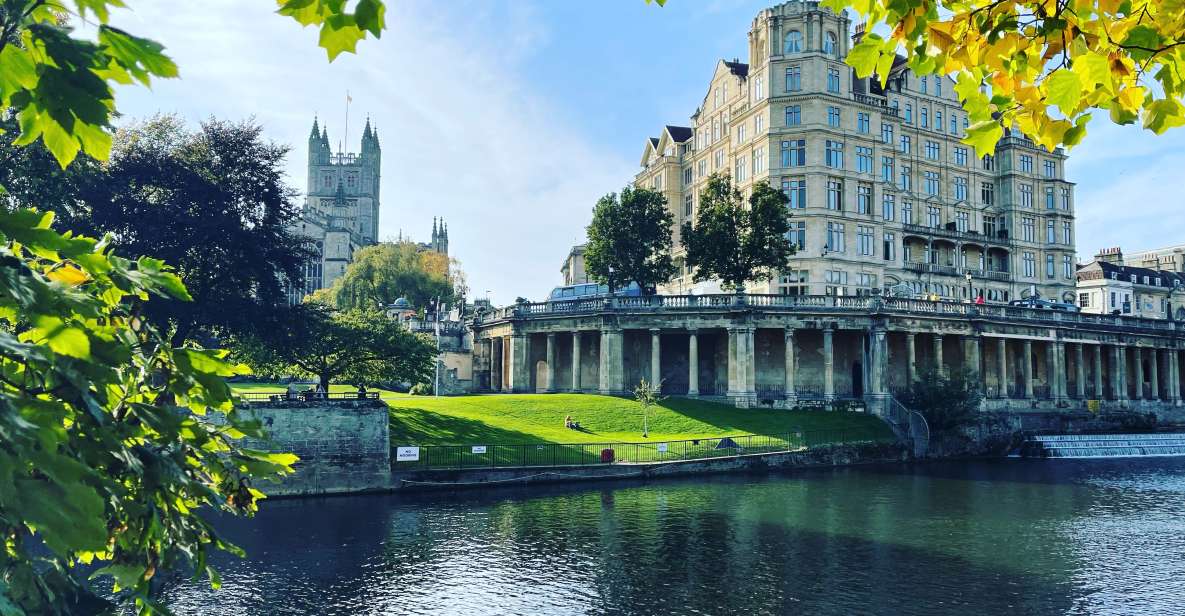
- Bath Abbey and the Churches Before It
- Climbing Into the Georgian Heart: John Wood and Ralph Allen Stone
- Queen Square to The Circus: The Stops That Make Bath Look Like Bath
- The Royal Crescent and the View Down the Line
- Royal Victoria Park to Theatre Royal: A Change of Pace With Purpose
- Bath Thermae as the Finish: Modern Bathing in an Old City
- Price and Value at $26 for Two Hours
- Who This Tour Best Fits (and Who Should Skip It)
- Should You Book This Bath Guided Walking Tour?
Key things to notice before you go
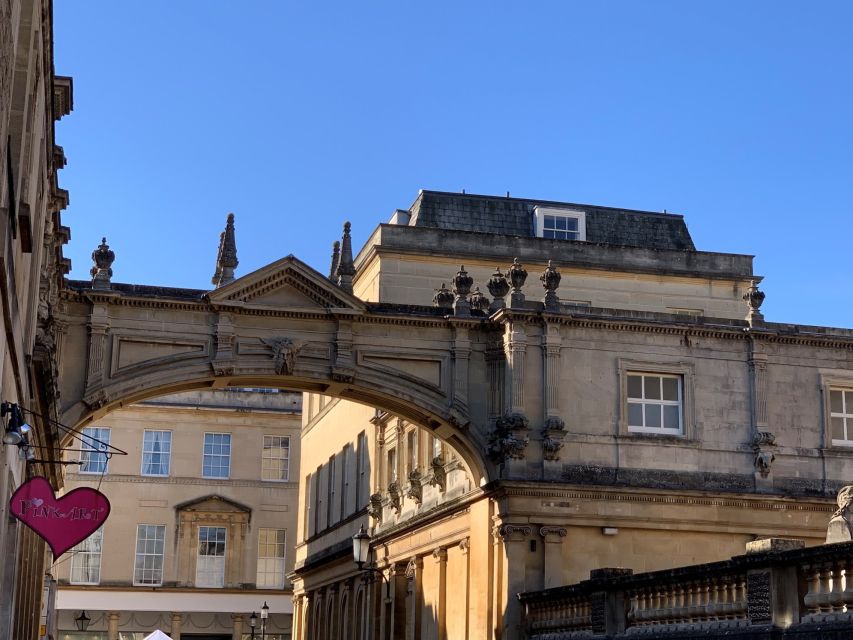
- Paul Elliott’s storytelling connects Bath Abbey, Georgian design, and Roman-era origins into one route.
- Georgian highlights are timed well for a short tour: Queen Square, The Circus, and the Royal Crescent.
- Roman Baths are explained, not ticketed so you can decide later if you want to enter.
- Photo opportunities are built into the walk, especially around the Georgian streets and crescents.
- The walking style is practical but restrictive: no strollers/pushchairs, and not suitable for wheelchair users.
- One mixed experience exists in the feedback, so if you’re sensitive to a brusque tone, it’s worth choosing carefully.
Bath in Two Hours: What This Walk Really Gives You
This is one of those tours that helps you get your bearings fast, then rewards you with structure. In two hours, you get a guided route through the places that define Bath’s identity: religious landmarks, Roman-era beginnings, and the master-planned Georgian streets that made Bath famous.
I like that the narration includes both the big names and the “how it connects” details. You don’t just see Queen Square or the Royal Crescent; you learn why they matter and how the city’s layout reflects different eras. That’s what makes the walk feel more useful than a casual wander.
The only real drawback is that the route isn’t designed for everyone. It’s not suitable for wheelchairs, and it also isn’t a good match for pushchairs or very young children. If you’re traveling with a stroller, it’s better to look for a different format, because this one is built around walking and tighter spaces.
You can also read our reviews of more tours and experiences in Bath.



Meeting at The Abbey Hotel North Parade and Getting Oriented
Your tour starts at The Abbey Hotel North Parade (Bath BA1 1LF). The first minute matters: you’ll have a short meet-and-greet with the guide, Paul Elliott, and then you’ll set off right away. This helps you avoid the common problem of “we’re meeting somewhere vague and no one knows where to look.”
From the start, the tour’s goal is clarity. The walking route is planned to connect landmarks in a logical sequence, so the stories build instead of feeling random. You’ll also get a quick sense for the city’s geography—how Bath’s key points relate to each other and how the terrain shapes the walk.
This tour is in English, and it keeps moving. If you like to ask questions and get answers on the fly, this is the kind of format that can feel satisfying because the guide is actively pointing things out while you’re there.
Sally Lunn’s and Abbey Green: The Small Stops That Set the Scene
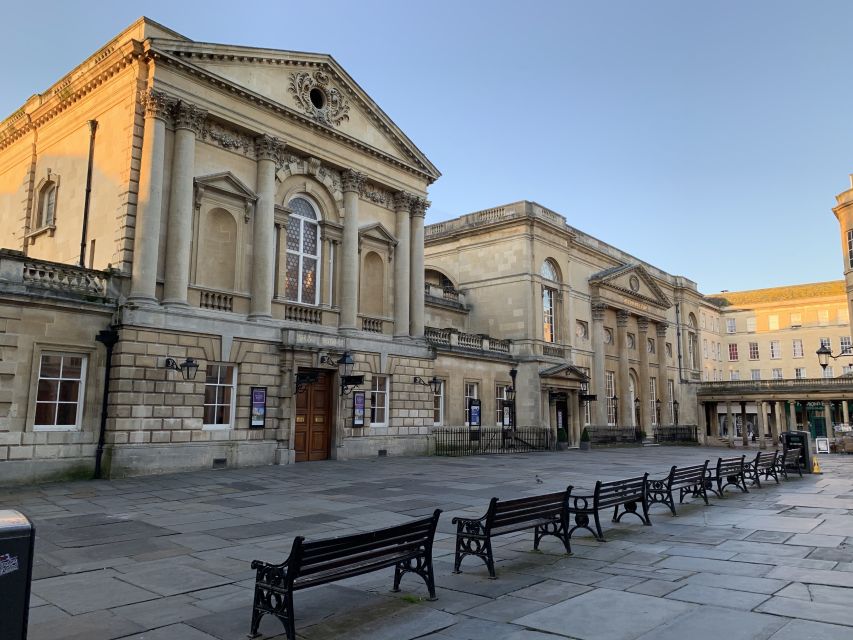
Early on, you’ll stop at Sally Lunn’s, described as Bath’s oldest house. Even if you do not go inside (admission isn’t included as part of the tour), it’s still a memorable moment because it’s a tangible reminder that Bath wasn’t built only for grandeur. It’s a city with everyday life woven into the architecture.
Then you’ll move to Abbey Green, where the guide brings together nature and history. You’ll see the old London Plane tree and learn about the site of the old monastery. That combination matters: one glance makes it easier to understand how Bath’s religious center influenced the surrounding area long before the Georgian set pieces took over.
This is also where you start learning the tour’s rhythm. You’re not expected to read plaques. You’re listening while the guide points out the real-world anchors—trees, street-level landmarks, and the layout around the Abbey Green area.
A practical note: because you’ll be moving through older streets and near historic buildings, expect uneven or tight-feeling sections. This is part of the charm, but it’s also why the tour excludes pushchairs.
Roman Baths Without Tickets: Learning the Origin Story First
One smart choice in this tour is that the guide explains the Roman Baths without visiting. That’s a big deal for value. You get the origin story—how the site was founded during the era of Prince Bladud—without paying admission immediately.
This approach works especially well if you’re the type who likes context before committing to an indoor ticket. After a clear explanation like this, you’ll be better prepared if you decide to return later and enter the Roman Baths on your own schedule.
The guide also explains the city’s old entry point, including the original East Gate, which leads down toward the river Avon. From there, you’ll see the route that connects into the famous riverside view near Pulteney Bridge.
What this means for you: by the time you reach the Georgian landmarks, you’ll understand why Bath became Bath. It wasn’t only about fashionable terraces; it was built on earlier foundations—religion, water, and a strategic location by the Avon.
Bath Abbey and the Churches Before It
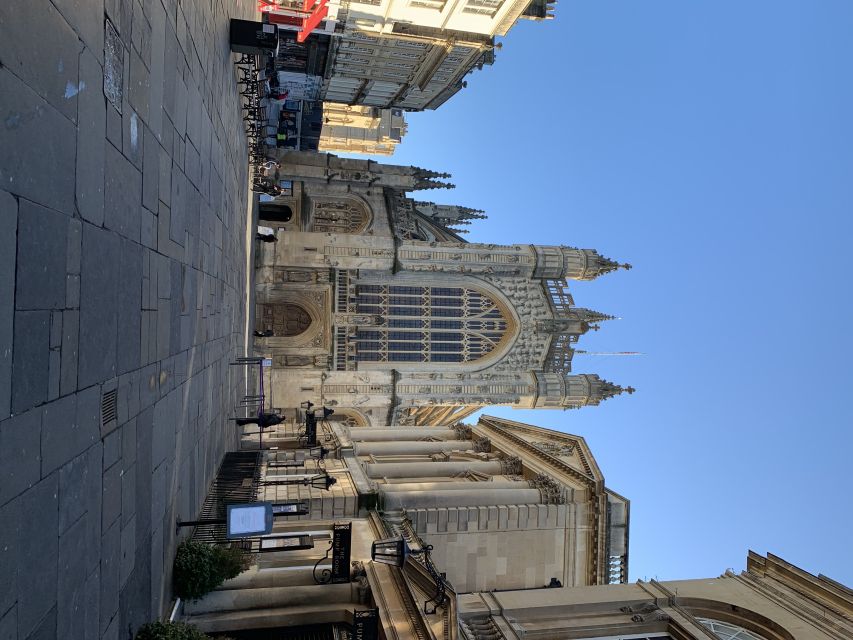
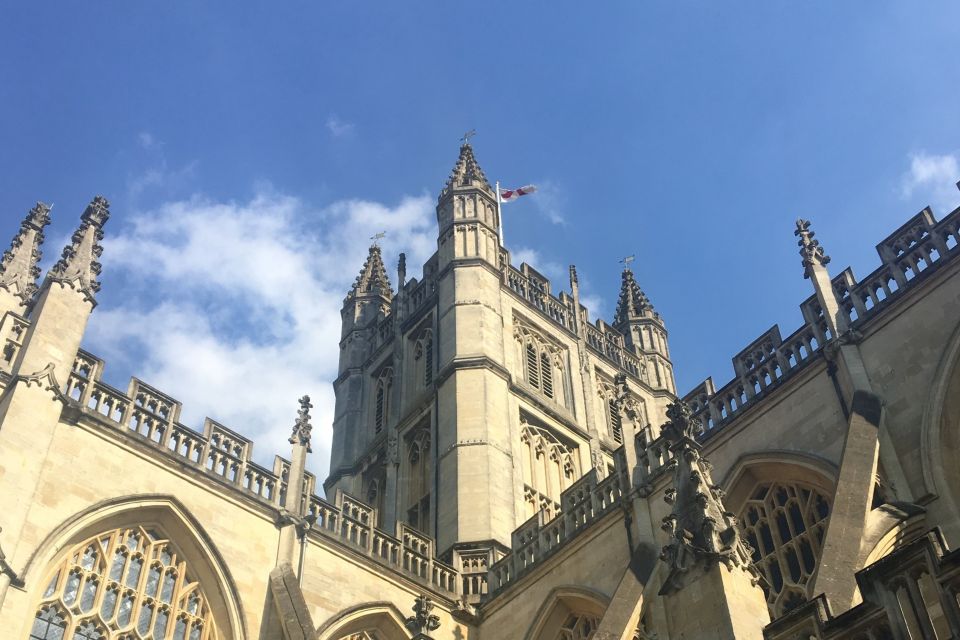
Bath Abbey is not just another stop on a list. The tour includes a full explanation of Bath Abbey and previous churches, which helps you see it as an evolving site rather than a single static building.
That kind of layered explanation is exactly why guided walking tours can be worth it. From the outside, big historic buildings can blur together. With narration that connects prior church sites to what you’re seeing now, you’ll likely notice more than you expected—how the site’s significance repeats across eras.
This segment also sets the tone for the rest of the walk. Once you understand Bath Abbey’s place in the city’s development, the later Georgian planning feels less like a random “pretty streets” detour and more like a continuation of Bath’s identity—just expressed through a different era and style.
If you’re hoping for a long, detailed inside-the-building experience, this tour won’t be that. It’s built for walking time and outdoor context. But as a guide-led overview, it’s strong.





Climbing Into the Georgian Heart: John Wood and Ralph Allen Stone
The route includes walking through alleyways heading up toward the top wall of the city, arriving at the “real Georgian sector.” This is one of the key reasons the tour works so well in only two hours: it gives you the moment where Georgian Bath becomes unmistakable.
You’ll hear about the idea behind the Georgian area, associated with John Wood, and you’ll learn about the stone used for the famous architecture, connected to Ralph Allen. That’s the kind of detail that turns “pretty facades” into “planned design.” You start to see the city as someone’s project, not just buildings that happened to get built.
Along the way, you’ll pass from older street patterns into the more formal Georgian landscape. Even if you only catch glimpses through side streets, the guide’s explanations help you understand what you’re seeing and why it looks the way it does.
A consideration: this part involves uphill walking. Since the tour is not suitable for wheelchairs and pushchairs, it’s important to be honest with yourself about your comfort level on slopes and uneven stone or older pathways.
Queen Square to The Circus: The Stops That Make Bath Look Like Bath
After the Georgian setup, the tour becomes a set of “yes, that’s the picture” moments. You’ll see Queen Square, pass by the Jane Austen Centre, and then move on to the Assembly Rooms and The Circus.
This is where the tour’s photo-friendly planning shines. The Circus and the surrounding viewpoints are the kind of places where the right angle makes the architecture click immediately. And because the guide is narrating as you walk, you’re less likely to miss the story behind the view.
Queen Square is another strong anchor because it’s recognizable and gives you a sense of the urban scale. Passing the Jane Austen Centre also helps you connect Bath’s Georgian reputation with its later cultural status.
The overall effect: these stops are not random. They’re arranged to keep you in the Georgian mindset long enough to feel the city’s design logic.
The Royal Crescent and the View Down the Line
Then comes The Royal Crescent, described as the masterpiece of the route. You’ll see it as the high point, and the walk continues with the energy still in your head.
Even if you’ve seen images online before, being on the ground in that area changes the experience. You can sense the width, the symmetry, and the way the crescent becomes a focal point for the whole street plan. That’s what the guide’s narration helps with: it explains what you’re looking at beyond the surface beauty.
From here, the tour transitions away from the tight Georgian grouping and into the city’s next phase—more open spaces and the direction toward the Theatre Royal.
If you’re a photographer, this is one of the places where you’ll probably want a few extra seconds to frame a shot. The architecture is designed for eye-catching views, but you still need to stop and choose your angle.
Royal Victoria Park to Theatre Royal: A Change of Pace With Purpose
The route continues downhill through Royal Victoria Park en route to the Theatre Royal. This part matters because it breaks up the “grand street” feel with greenery and a gentler sense of space.
It also helps you understand Bath as a city of movement. The Georgian landmarks are impressive, but the park and the theatre add variety, showing that Bath’s cultural life is not only about architecture.
The Theatre Royal is a fitting stop because it shifts your attention from buildings that were built for elite town life to a place built for public entertainment. It’s still historic, still important, and it adds a different kind of perspective.
One practical note: downhill walking can be easier for some people and harder for others. If you have knee issues, plan for careful footing, since older city paths can be uneven.
Bath Thermae as the Finish: Modern Bathing in an Old City
The tour ends at Bath Thermae, a newer bathing facility in the city. This is a clever way to close the story because it connects Bath’s identity to what it’s known for: water and bathing culture.
You’ll finish at Hot Bath St (Bath BA1 1SJ). The tour doesn’t include admission for Bath Thermae, so you can decide what you want to do next. But even from the outside, ending here makes sense. It’s like the final chapter of the narrative: ancient Roman bathing ideas meeting modern experiences.
This final stop also works as a photo moment. It’s a different look from the Georgian crescents, and it gives your walk a strong ending point you can remember.
If you want to keep the day going, it’s also a convenient finish location, since you’ll be near areas where you can extend your evening meal and explore on foot.
Price and Value at $26 for Two Hours
At $26 per person for a 2-hour guided walk, the value is all about what you’re getting: a structured route, a guide-led narrative, and major landmarks handled efficiently.
Two details make the price feel fair:
- No admission costs are included, so you’re paying for the walk and the explanations, not ticket stacks.
- The tour includes key context points like the Roman Baths explanation without requiring you to buy in immediately.
If you’d otherwise spend your day bouncing between stops without a plan, this kind of guided sequence can save you time and help you prioritize. Even if you end up returning later to one or two places for tickets on your own, you’ll likely know what you’re choosing and why.
The only caveat is that the tour is restrictive physically. If you need step-free access or mobility support, the tour may not be the right fit, and that changes the value.
Who This Tour Best Fits (and Who Should Skip It)
This tour is a good match if you want a guided Bath overview and you like walking with a plan. It’s especially suited to:
- Adults and older teens who want major Bath highlights in a tight time window
- People who prefer learning through landmarks rather than museum-only visits
- Travelers who want photo stops and a clear route with explanations
It’s not suitable for:
- Wheelchair users
- People who rely on pushchairs or need stroller access (strollers are not allowed)
- Children under 5 years
- Babies under 1 year
- Pets are not allowed (assistance dogs are allowed)
One more balance point from the feedback you should know about: while many people praised Paul Elliott’s knowledge and tips, there is at least one report describing a negative interaction. I can’t predict how every session will feel, but if you know you’re sensitive to a harsh tone or you need a very gentle, patient guide style, I’d consider alternative tour options or verify the group setup before booking.
Should You Book This Bath Guided Walking Tour?
Book it if you want a guided route that hits Bath’s most famous eras fast, with Georgian landmarks, Abbey-focused context, and Roman-era foundations explained in plain language. If you’re working within limited time, this is a smart way to see the structure of the city rather than collecting random photos.
Skip it if you need wheelchair access, stroller-friendly routes, or a tour designed for very young kids. And if you’re worried about how a guide might handle a tense moment in a group, trust your instincts and choose a tour that matches your comfort level.
If your goal is to leave Bath with clear context and a memory of the Royal Crescent, The Circus, and Bath Abbey as connected parts of one story, this 2-hour walk is an excellent place to start.