REVIEW · LONDON
Burnings, Butchery & Black Death: London’s Bloody Past
Book on GetYourGuide →Operated by Historic London Tours · Bookable on GetYourGuide
London gets darker on this walk. This Smithfield route turns medieval punishments, plague aftermath, and Dickensian streets into one moving story, from Barbican to near Farringdon. You’ll hear how the city dealt with the Black Death in the 1300s, plus the grim side of daily London life.
I love the way the guide connects real landmarks with the stories—so execution history doesn’t feel like a textbook. I also like how the route keeps coming back to Smithfield as the center of both animal and human slaughter, not just a name on a map.
One consideration: this is heavy subject matter, and it is not suitable for children under 13.
In This Review
- Key highlights
- Two Hours From Barbican: How the Walking Tour Works
- Smithfield Market: The Center of London’s Bloody Reputation
- Charterhouse Square, St John’s Gate, and Cloth Fair: Streets That Point Toward the Past
- Church Stops: St Bartholomew the Great and St Bartholomew’s Hospital
- Black Death at Smithfield: What It Really Means to “Dispose” of Corpses
- Middle Ages Executions and the William Wallace Story
- Dickens, Oliver Twist, and How Smithfield Became a Slum
- St Bartholomew’s Hospital to Ely Place: Ending Near Farringdon
- Price and Value: Why $26 for Two Hours Makes Sense
- Should You Book Burnings, Butchery & Black Death?
- FAQ
- How long is the tour?
- How far will I walk?
- Where do I meet the guide?
- Where does the tour end?
- What is the group size?
- Is the guide language English?
- Are churches included on the route?
- Is the tour suitable for children?
- FAQ
- Can I get a full refund if plans change?
- Can I reserve now and pay later?
Key highlights
- Smithfield’s animal-and-human slaughter past and how long it shaped the area
- Black Death corpse disposal in the 1300s, and how the city handled mass death
- Middle Ages executions, including the grim reality around William Wallace
- Dickens and Oliver Twist—how Smithfield later became known as a slum
- A short, focused route of about two miles from Barbican toward Farringdon
- Small group size (15 max) that makes the tour feel personal and question-friendly
Two Hours From Barbican: How the Walking Tour Works
This is a tight 2-hour walking tour built around a single geographic idea: Smithfield and the streets that fed into it. You’ll cover about two miles, with short stops that keep the story moving instead of dragging. The pace is ideal if you want something focused without spending half a day in transit.
Because ticket sales are limited to 15 attendees, you’re not stuck listening in the back while everyone else tunes out. It also makes it easier to hear the details during the darker parts of the talk, and it leaves room for questions. In the feedback, guides like Tom are praised for mixing facts with humor and staying responsive—so the tone tends to be lively, not clinical.
The walk starts just outside Barbican Station on Aldersgate Street (look for an Historic London Tours sign) and finishes near Farringdon Station, at Ely Place. If you’re mapping your day, this is a nice “anchor” activity: do it early or mid-day, then keep exploring nearby on your own once your bearings are set.
You can also read our reviews of more tours and experiences in London.



Smithfield Market: The Center of London’s Bloody Reputation
Smithfield is the star. For centuries, it was London’s working site for slaughter—both animals and people—and that matters because it explains why certain districts gain a reputation over time. Once you understand Smithfield as a place where bodies were processed, the later stories about plague, executions, and neglect stop feeling random. They feel like the grim logic of urban life.
On this walk, Smithfield is where the tour leans hardest into real-world consequences. You’ll spend time at Smithfield Market and related market areas (including London Central Markets/Smithfield Market). You’re not just being told that something bad happened. You’re being shown why the city ended up needing systems for handling death at scale—and what that said about the people living nearby.
If you like London that goes beyond the postcard layer, this is a strong choice. Many city walks skim through famous buildings; this one uses the city’s working spaces to explain how power, fear, and public order shaped ordinary streets.
Charterhouse Square, St John’s Gate, and Cloth Fair: Streets That Point Toward the Past
The tour doesn’t drop you into Smithfield immediately. It starts with a broader set of nearby stops that help you build a mental map of how people and goods moved through the area. That’s useful, because the stories make more sense when you can picture the connections.
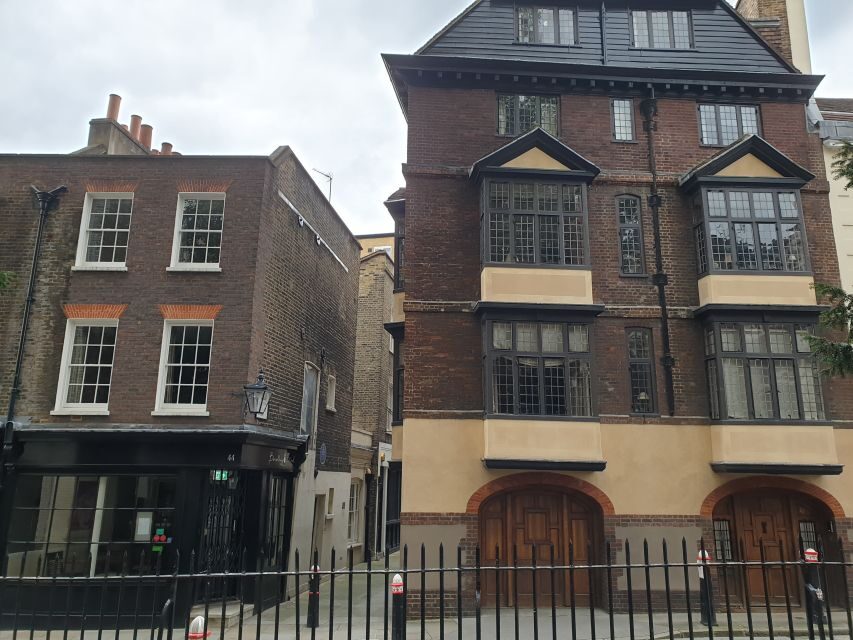
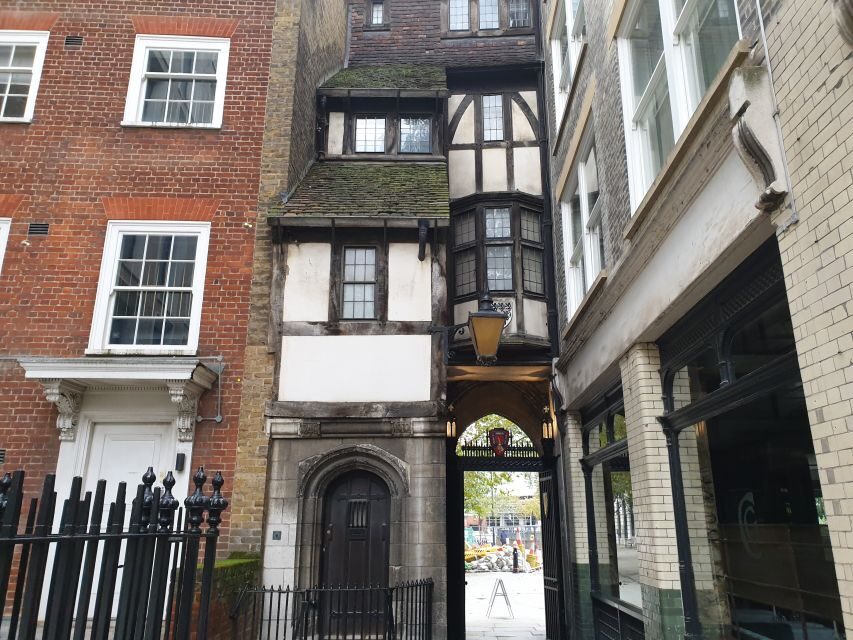
At Charterhouse Square, you get a quick guided moment to set context—just enough orientation before the route tightens around Smithfield. Then you continue to St John’s Gate. This kind of stop works well on a theme tour: it gives the guide a chance to connect the famous and the overlooked, tying the area’s old-world identity to the darker side of the city’s past.
Cloth Fair is another smart waypoint. Cloth and trade sound harmless compared to slaughter and plague, but the contrast is the point. London was a working machine, and even “normal” commerce sat alongside brutal realities. By the time you reach the core story spots, you’re not seeing history as a single grim event—you’re seeing it as a system.
One small drawback: the tour packs a lot of content into a relatively short walk, and each stop is guided for a short period. If you’re the type who likes long pauses and slow photos, you may find yourself wanting more time at your favorite location. Still, that’s also why the tour stays engaging.
Church Stops: St Bartholomew the Great and St Bartholomew’s Hospital
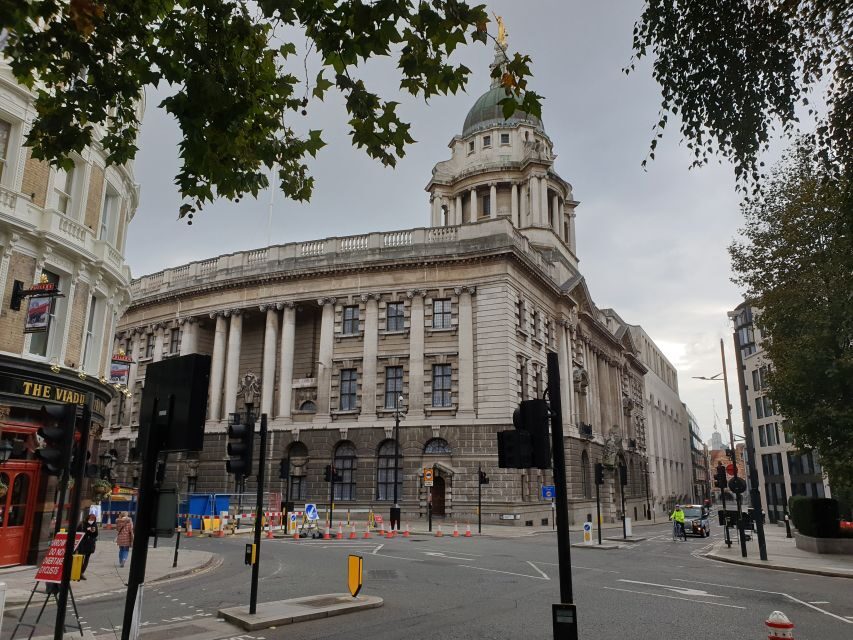
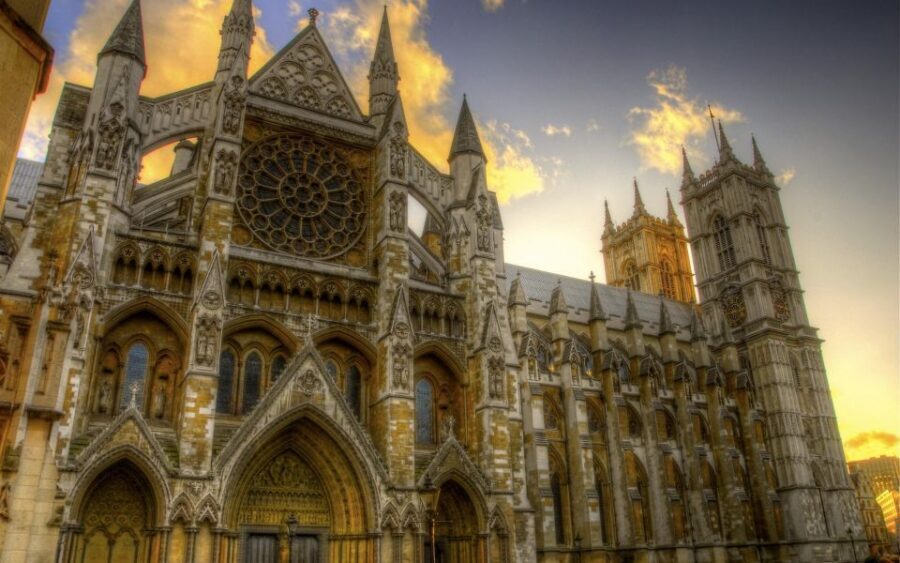
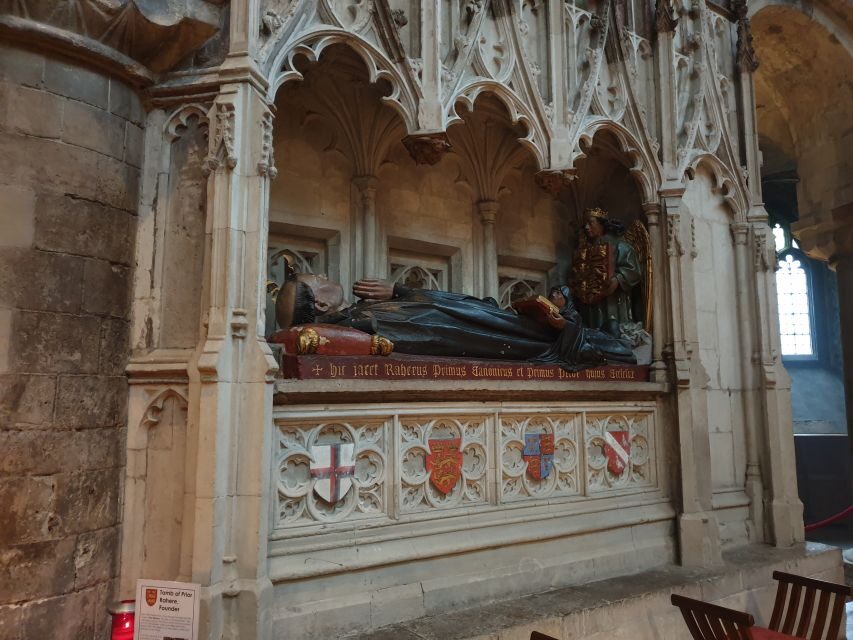
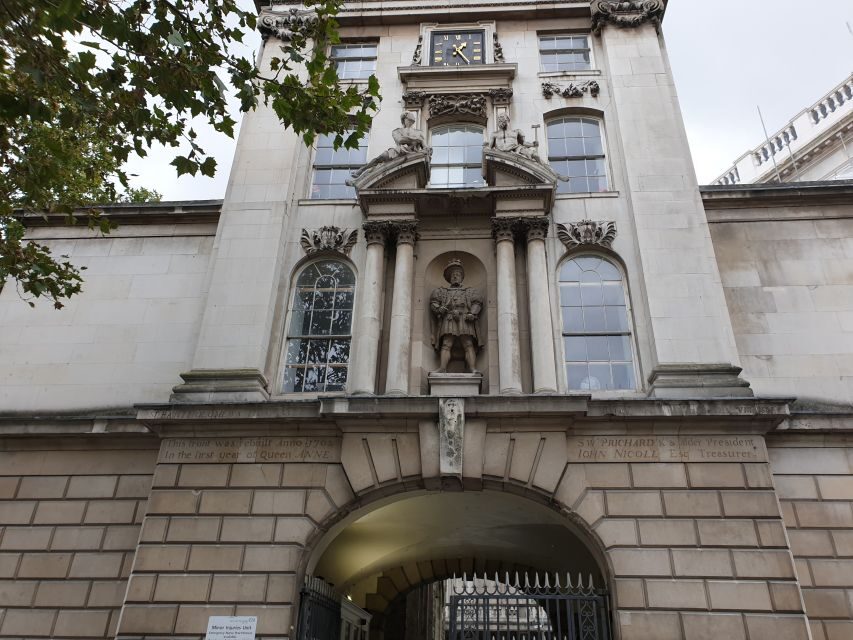
A big part of the experience is how it uses churches. You’ll visit St Bartholomew the Great and also St Bartholomew’s Hospital. These stops add weight because religious buildings in London are often where care, community memory, and civic history overlap.
Here’s the practical angle: church entry is included only if there are no services in progress. So your experience depends on timing and what’s happening that day. If the church doors are open, you get that extra atmosphere—silence, stone, and scale—to help the stories land.
Even when you can’t go inside, these are useful landmarks. They anchor the tour in places that served real people, not just spectacle. That matters because the tour isn’t only about punishment—it’s also about the city’s attempts to manage suffering and aftermath.
Black Death at Smithfield: What It Really Means to “Dispose” of Corpses
The Black Death portion is the moral center of the walk. You’ll learn how the city dealt with the tens of thousands of corpses from the 1300s, using Smithfield and surrounding arrangements as part of the story of disposal.
This is one of those historical topics where modern language can make things feel abstract. The guide’s job is to put detail back in without turning it into gore for gore’s sake. The result is unsettling, but it’s also informative: you come away with a clearer picture of how a city copes when death outpaces normal systems.
If you want context that connects plague to urban design and public health logic, this section is worth it. A lot of London history tours focus on royal events and wars. This one focuses on the everyday breakdown that happens when an epidemic overwhelms the city.


Middle Ages Executions and the William Wallace Story
When the tour turns to execution methods used in the Middle Ages, it keeps the focus on what public punishment was for: intimidation, control, and deterrence. It’s a grim chapter, but the value is in understanding how law and violence blended in public space.
A highlight here is the Sir William Wallace Memorial stop. If you know William Wallace mainly through Braveheart, this portion is a reality check. You’ll hear how the story of him at execution gets separated from the myth people love, including the detail that he was in no fit state to shout Freeeedoooommmm while being executed. The point isn’t to ruin the movie for you. It’s to show how survival, injury, and spectacle affected what actually happened.
If you’re sensitive to violent history, go in with your eyes open. The guide keeps it story-driven and often humorous, but the subject matter is still about public killing.
Dickens, Oliver Twist, and How Smithfield Became a Slum
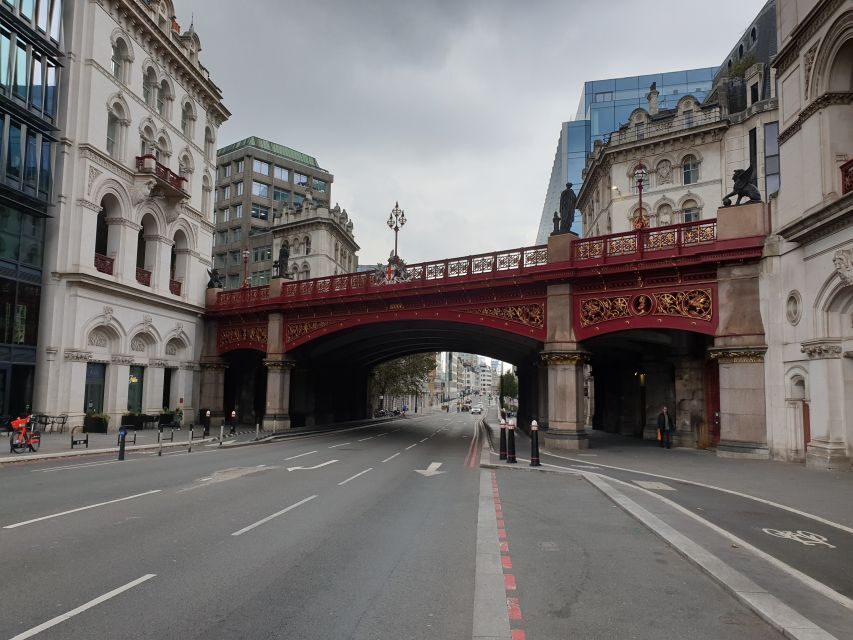
By the time you reach the later storyline, the tour explains how Smithfield didn’t just fade after the medieval period—it evolved. You’ll learn how the area became a notorious slum, and how Charles Dickens memorialized it in Oliver Twist.
This is where the walk clicks for a lot of people. You stop thinking of history as a single era and start seeing how reputations build. Market areas, slaughter connections, and overcrowding can all reinforce each other over time. The tour uses that logic to explain why Dickens would set part of Oliver Twist nearby.
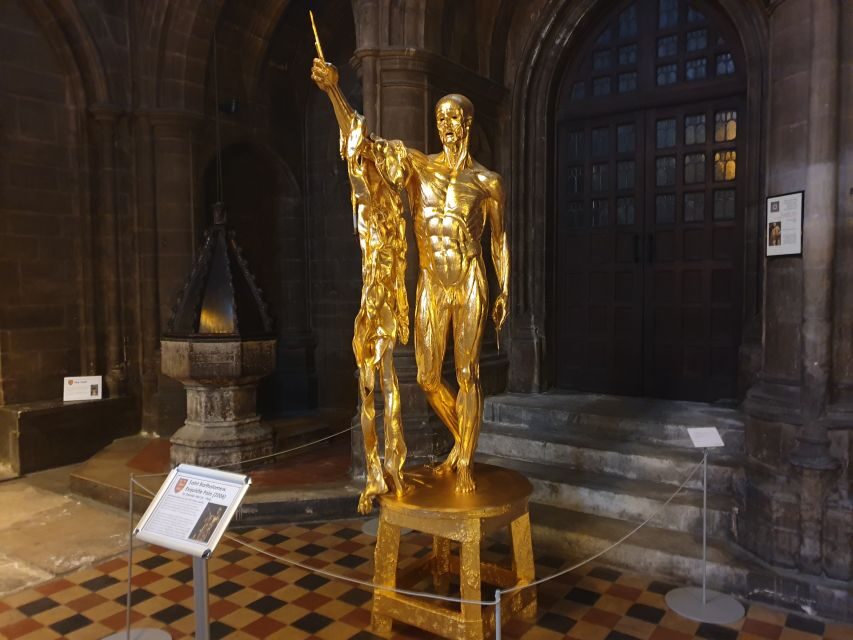
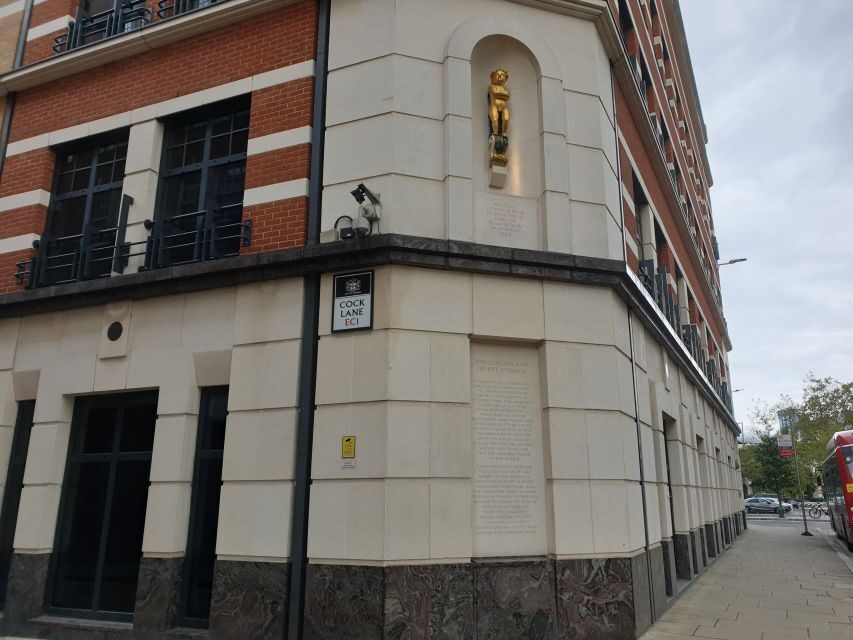
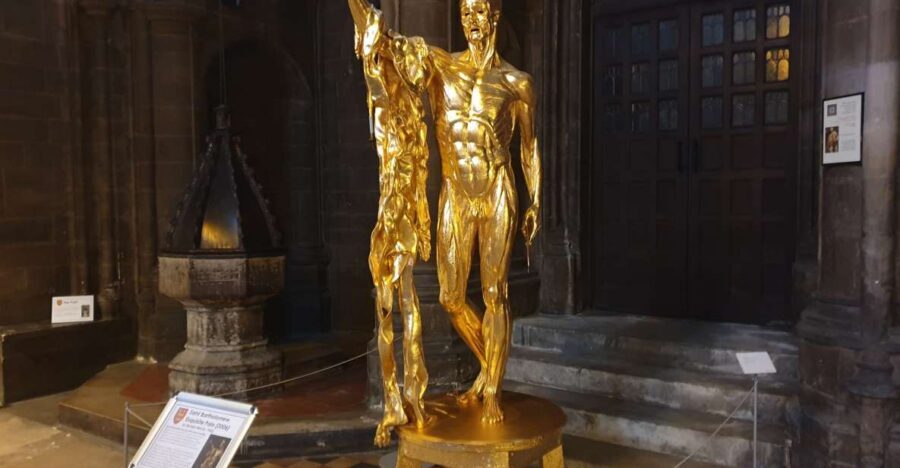
You’ll also pass by Golden Boy of Pye Corner, a stop that adds a different kind of London flavor. It’s symbolic and memorable, and it helps break up the heavier content without losing the theme. For me, these symbolic stops are smart on a tour like this: they give your brain a place to rest while still keeping the overall story coherent.
St Bartholomew’s Hospital to Ely Place: Ending Near Farringdon
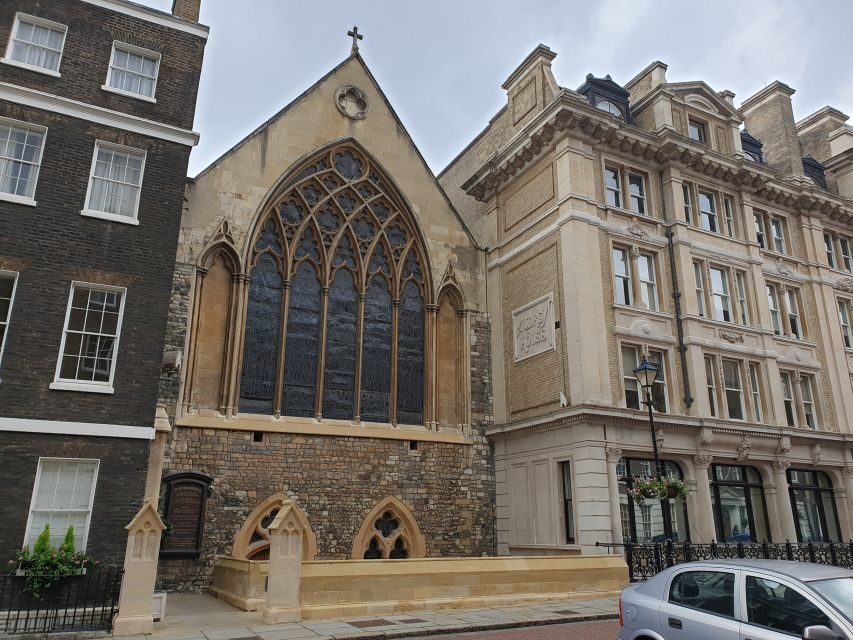
The final stretch brings you toward Ely Place, finishing near Farringdon Station. This ending works well because you land close to a major transport hub, so you can continue your day without a long slog back across town.
It also gives you a sense of closure. You’ve built the story from working spaces (like Smithfield) through public punishment and plague aftermath, then you end in a calmer zone where the city feels more like a place you can safely wander after the dark talk.
If you’re planning a follow-on activity, this is a good moment to do something light nearby. After hearing about plague and executions, you’ll feel better switching gears: grab coffee, pick a museum, or do a relaxed walk of your own while the city is still fresh in your mind.
Price and Value: Why $26 for Two Hours Makes Sense
At $26 per person for a 2-hour walk, the key value isn’t just the time. It’s the format. You get a themed route that ties together multiple eras—plague disposal in the 1300s, medieval executions, and Dickensian slum memory—using real neighborhoods as the “text.”
The other value lever is the small group limit. With about 15 attendees, the guide can keep momentum and still handle questions. That turns the experience into more of a conversation than a lecture, which is especially helpful when the subject matter is intense.
Also, the tour includes church entry when services aren’t in progress. That’s not always guaranteed on city walks, so it’s a nice extra when it works out.
All together, it’s good value for people who want London that feels specific. If you prefer broad “greatest hits” sightseeing, this may feel too focused. But if you want a story you can walk through, it’s a strong deal.
Should You Book Burnings, Butchery & Black Death?
Book it if you want London history with teeth. This tour is for people who like their city stories grounded in places, not just plaques. You’ll get a clear sense of why Smithfield mattered—before it was famous for being grim, and after it became the kind of neighborhood Dickens could transform into literature.
Skip it if you want something gentle, kid-friendly, or purely architectural. This is not a soft stroll. And it’s not suitable for children under 13, so it’s also a no-go if you’re traveling as a family with younger kids.
If you’re happy with dark topics and you’d rather understand how the city managed mass death and public punishment than just photograph landmarks, you’ll likely find this walk memorable for the right reasons.
FAQ
How long is the tour?
The tour lasts about 2 hours.
How far will I walk?
You’ll walk roughly 2 miles total.
Where do I meet the guide?
Meet just outside Barbican Station on Aldersgate Street, with the guide standing there with an Historic London Tours sign.
Where does the tour end?
The tour ends near Farringdon Station at Ely Place.
What is the group size?
Ticket sales are limited to fifteen attendees.
Is the guide language English?
Yes, the live guide is English.
Are churches included on the route?
Church entry is included, as long as there are no services in progress.
Is the tour suitable for children?
It is not suitable for children under 13.
FAQ
Can I get a full refund if plans change?
You can cancel up to 24 hours in advance for a full refund.
Can I reserve now and pay later?
Yes, you can reserve now and pay later.