REVIEW · CAMBRIDGE ENGLAND
Cambridge: The Original Uncomfortable Cambridge™ Tour
Book on GetYourGuide →Operated by Uncomfortable Cambridge Tours · Bookable on GetYourGuide
Cambridge can feel like a postcard. This tour treats it like a question. You’ll walk the core sights while learning how the university shaped ideas of race, class, and gender, and why modern controversies still matter. It’s led by an Uncomfortable Cambridge guide, and you get a university-researcher reading list to keep thinking after the walk.
I like two things a lot. First, it moves fast through the big visual landmarks (King’s College, Great St Mary’s, and the Backs area) without dragging. Second, the guide keeps you involved with prompts that turn history into something you actually react to, not just facts you hear. One drawback: it doesn’t go inside any colleges, so if you’re craving indoor “wow” moments, this may feel more like an interpretive city walk than a traditional sightseeing tour.
If you’ve ever wondered why Cambridge looks so polished while its past isn’t, this is a smart way to get your bearings fast.
In This Review
- Key things to know before you go
- Meeting at Cambridge Tourist Information Centre: quick start, clear direction
- What makes it Uncomfortable Cambridge: looking at inequality in plain sight
- The 9-minute viewpoint and the 2 km city loop: get oriented without overwalking
- King’s College: iconic beauty, plus the harder questions behind it
- Great St Mary’s and The University Church: religion, authority, and everyday power
- The Old Schools to the Backs & Darwin College: town-and-gown friction in real space
- The Corpus Clock: when a university symbol becomes a conversation starter
- How the 1.5 hours actually feels: pacing, discussion, and what to carry away
- Price and value at about $26: what you’re really paying for
- Who this tour suits best (and who might want something else)
- Should you book this Uncomfortable Cambridge™ tour?
- FAQ
- Where do I meet the guide?
- How long is the tour?
- What does the tour include?
- Does the tour go inside any colleges?
- How much walking is involved?
- Is the tour wheelchair accessible?
- Are carers included?
- Is the tour available in English?
- Can I cancel if my plans change?
Key things to know before you go
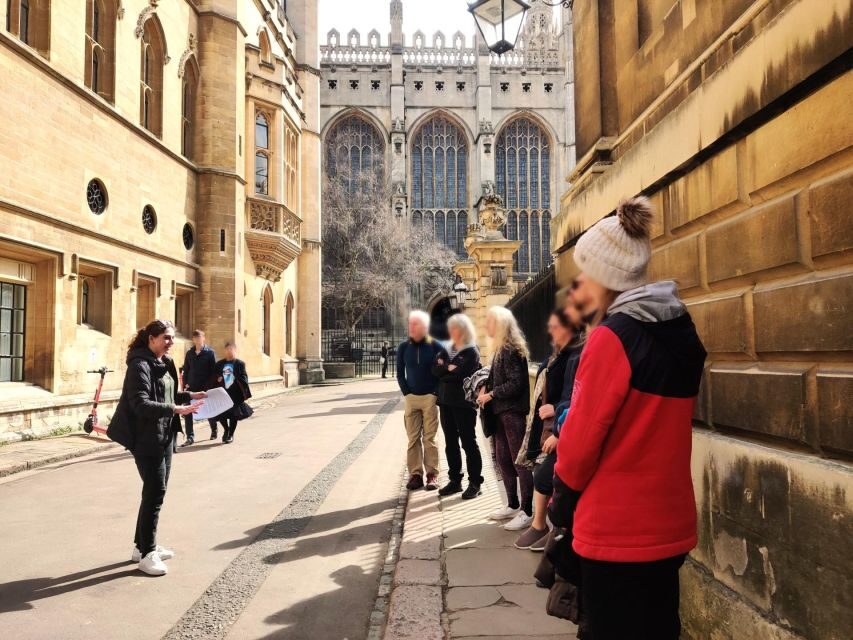
- It’s not a college-internal tour: you’ll view key areas from the outside and talk history in the streets.
- The theme is Uncomfortable: statues, names, colonial objects, and the legacy of imperialism in the city and university come up.
- You’ll cover about 2 km in 1.5 hours, with street crossings and uneven cobblestones.
- Discussion is part of the experience: expect conversation, not just lectures.
- Short, focused stops: each landmark has a pointed takeaway you can repeat later.
Meeting at Cambridge Tourist Information Centre: quick start, clear direction
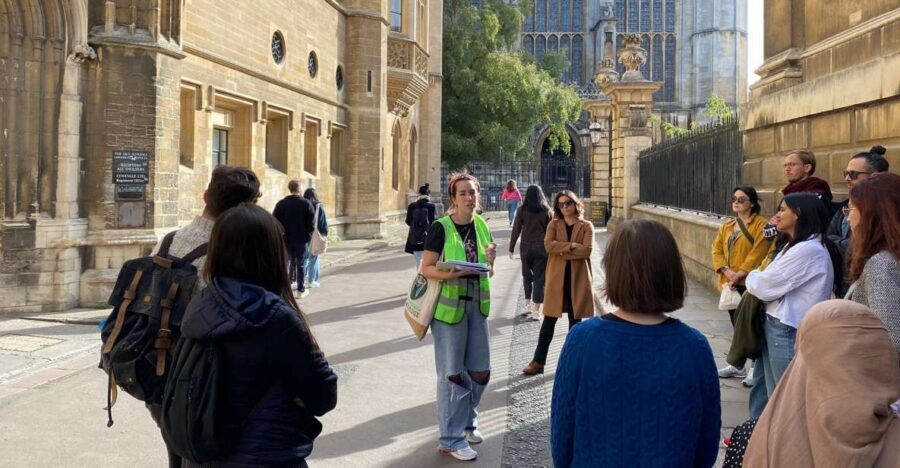
You meet outside the main entrance to the Cambridge Tourist Information Centre. That’s useful because it means the tour doesn’t try to be mysterious. Your guide will wear a badge and carry a green Uncomfortable Cambridge tote bag, so it’s easy to spot the right person even if you arrive a couple minutes early and your brain is still booting up.
From there, the walk is set up to help you understand Cambridge as a place where ideas were built and enforced. You’re not just collecting sights. You’re learning how the university, the town, and the people caught between them all shaped the city you see today.
One practical note: central Cambridge streets can be busy on weekends. If you’re sensitive to crowds, aim for an off-peak time when you can.
You can also read our reviews of more tours and experiences in Cambridge England.

What makes it Uncomfortable Cambridge: looking at inequality in plain sight
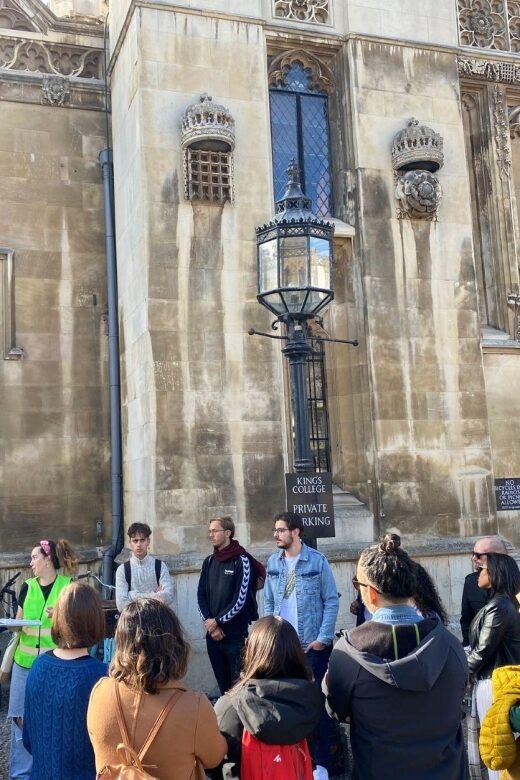
This is the heart of the tour. The guiding idea is that Cambridge isn’t just old architecture. It’s also a system that benefited some people and excluded others. The tour frames the city and university around underrepresented histories, and it challenges the usual “everyone got a fair deal” version.
You’ll cover general Cambridge history and the city-centre sites, but you’ll also confront themes people often skip. Expect conversations about race, class, and gender—including how access to education worked in practice, not just in speeches. The tone can be reflective, and sometimes slightly prickly, in a good way. It’s not about making the city feel guilty; it’s about seeing clearly.
A detail I really appreciate: the tour doesn’t treat controversies as gossip. It links modern debates about statues and naming to older power structures, and it connects items like colonial objects and the legacy of imperialism to what the university and city inherited and preserved. That gives the walk real purpose. You’ll leave with more than “that’s a nice building.” You’ll have a better sense of why certain symbols stayed in place, and who they served.
The 9-minute viewpoint and the 2 km city loop: get oriented without overwalking
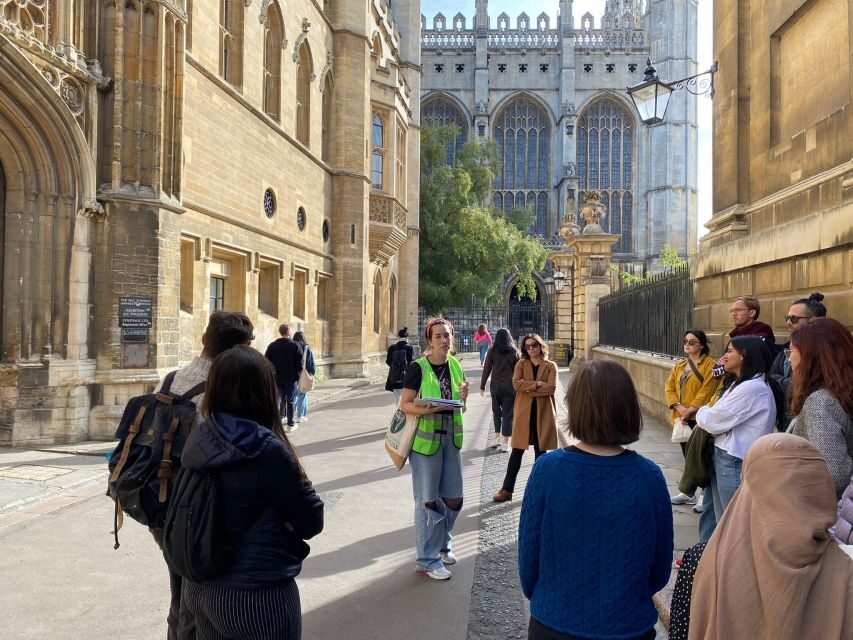
Before the landmarks stack up, you get a short orientation phase. There’s a scenic viewpoint segment on the way (about 9 minutes). The goal here is simple: help you understand the city’s layout so the later stops don’t feel like random postcards.
Then the tour settles into a compact loop that totals about 2 km. That matters because 1.5 hours is not long. You’ll want your legs to feel fresh enough for discussion at the stops. This format is great if you’re doing Cambridge in a tight schedule—one afternoon, one morning, or a first visit where you want context fast.
The ground is mostly manageable, but plan for cobblestones. The walk includes some uneven sections and street crossings. There’s also one ramp on and off a bridge. For most people, it’s doable at an easy pace, but if you have mobility challenges, it’s worth planning your routes and taking breaks when the guide offers them.
King’s College: iconic beauty, plus the harder questions behind it
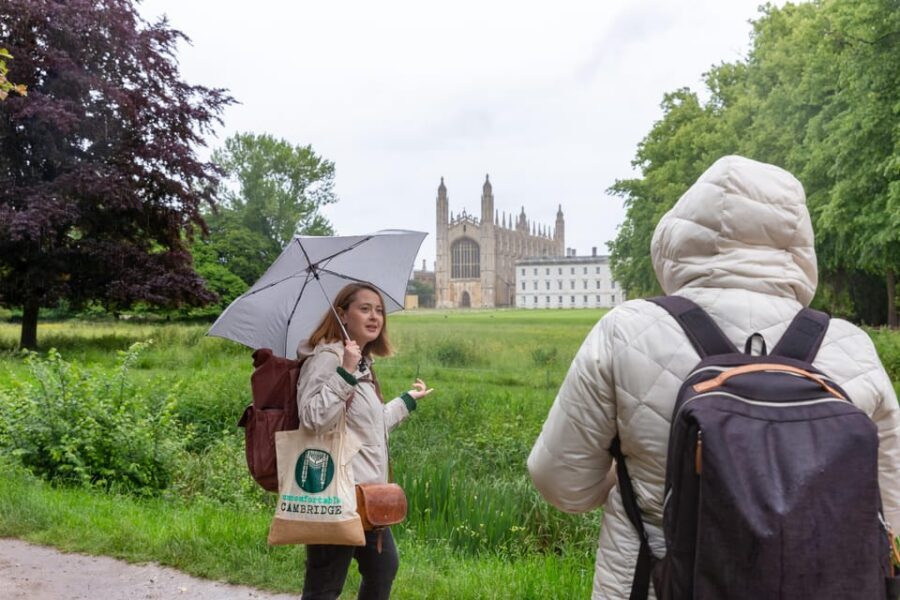
King’s College is the first major stop, and it’s a smart choice. The building looks like Cambridge’s “default image,” which makes it a perfect place to talk about how default images are built.
From there, the guide connects what you see to the broader history of who got to participate in university life and who didn’t. You’ll hear about the origins and development of the colleges and how the university’s influence extended beyond walls and into the surrounding town.
The drawback for some people: King’s College is famous, but you won’t be doing an inside visit. You’re there for meaning and context from the outside—so your takeaway depends on how well you engage with the guide’s framing. If you’re open-minded (and you’re okay with hearing the uncomfortable bits), this stop lands well.
What I like about starting here: it sets a clear contrast. If you’re expecting only architecture, the tour quickly reframes that expectation.
Great St Mary’s and The University Church: religion, authority, and everyday power
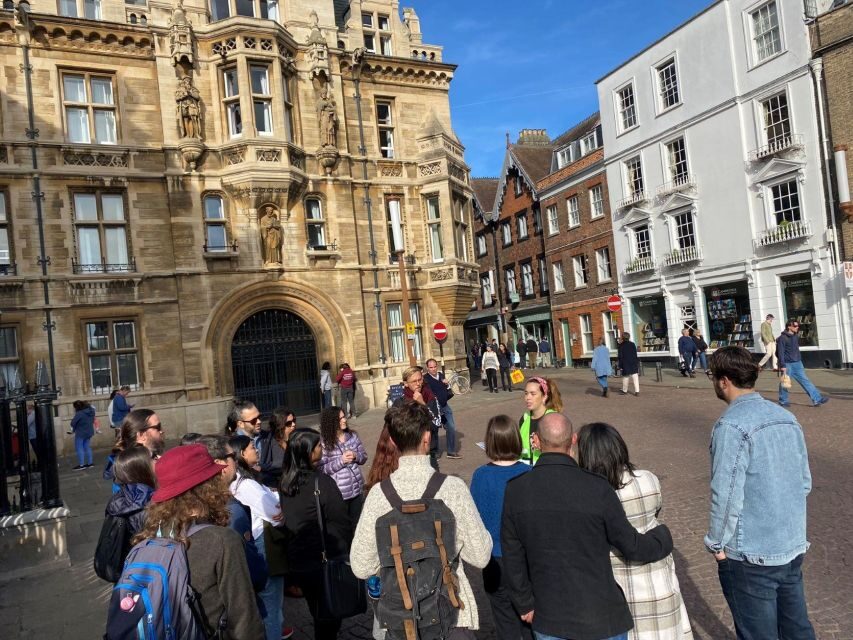
Next up is Great St Mary’s, the University Church. This is where Cambridge’s “institutional seriousness” becomes visible. Even if you don’t know the details, you can feel the function of the space: it helped knit the university’s identity together.
The tour uses this stop to add texture to the earlier theme. Instead of treating the university as a floating world of scholars, the walk places it in the real social systems of the city. You’ll get a sense of how authority operated through education and institutions, and why public religious or civic spaces mattered to control, belonging, and legitimacy.
If you care about how communities formed, this stop is a strong connector. It bridges “big history” with “how people actually lived.” One thing to keep in mind: the tour stays focused on interpretation, so don’t expect a long architectural lecture. The value is in the way the guide ties the building to power and access.






The Old Schools to the Backs & Darwin College: town-and-gown friction in real space
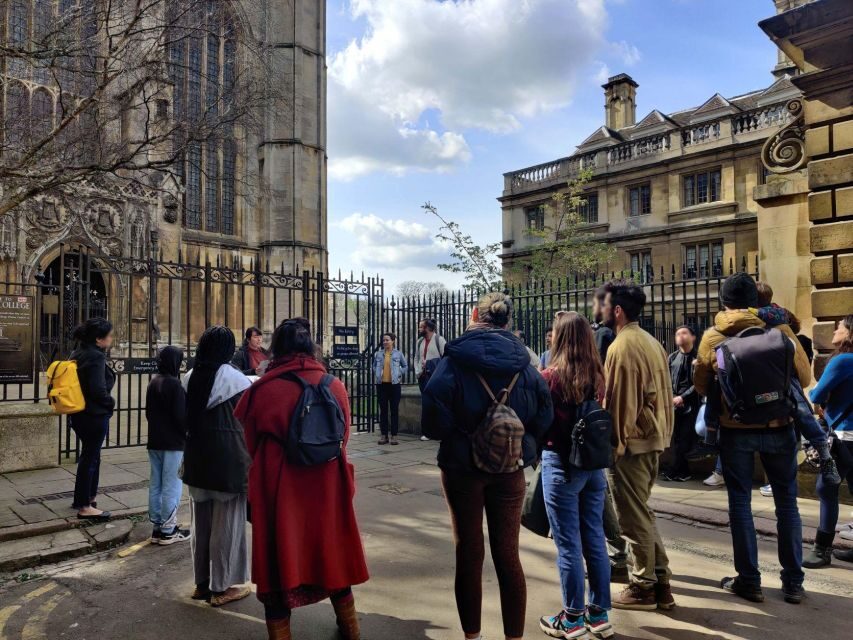
This stretch is where Cambridge starts feeling less like a museum and more like a lived-in place.
You’ll visit the Old Schools and then move toward The Backs area and Darwin College. The route works because these locations help illustrate the town-and-gown relationship. Cambridge wasn’t only a university. It was also neighbors, workers, and people with different levels of power and permission.
The best part here is how the tour links the academic world to local communities. You’ll hear histories about minorities and how women’s education fit into the university story—exactly the kind of angle that traditional tours often skip. One review highlighted how the guide built conversations around attitudes to women’s education, and that interactive approach is the reason this segment feels memorable rather than repetitive.
A practical note: this part of the walk is outside viewing. You’ll be thinking through context, not chasing indoor details. If you like “look, then interpret,” this is where the tour clicks.
The Corpus Clock: when a university symbol becomes a conversation starter
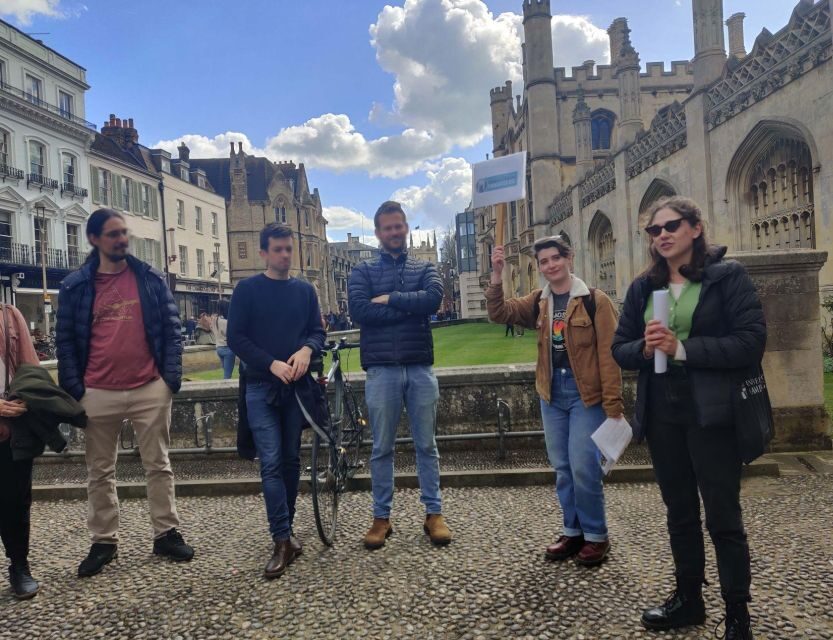
The Corpus Clock is the final highlighted stop, and it’s a clever way to end. It’s not the kind of site you’d always put at the top of a first-time list, but that’s exactly why it works on this tour.
Why? The clock gives you a physical symbol you can talk about without needing a background in clocks or engineering. The guide uses it to land on the idea of time, measurement, tradition, and the university’s place in public life. In other words: you end with a “small object” that carries big meaning.
This stop also helps balance the earlier heaviness. You still get the interpretive lens, but the mood can shift toward curiosity and conversation. It’s a good landing point before you head back to the starting area.
How the 1.5 hours actually feels: pacing, discussion, and what to carry away
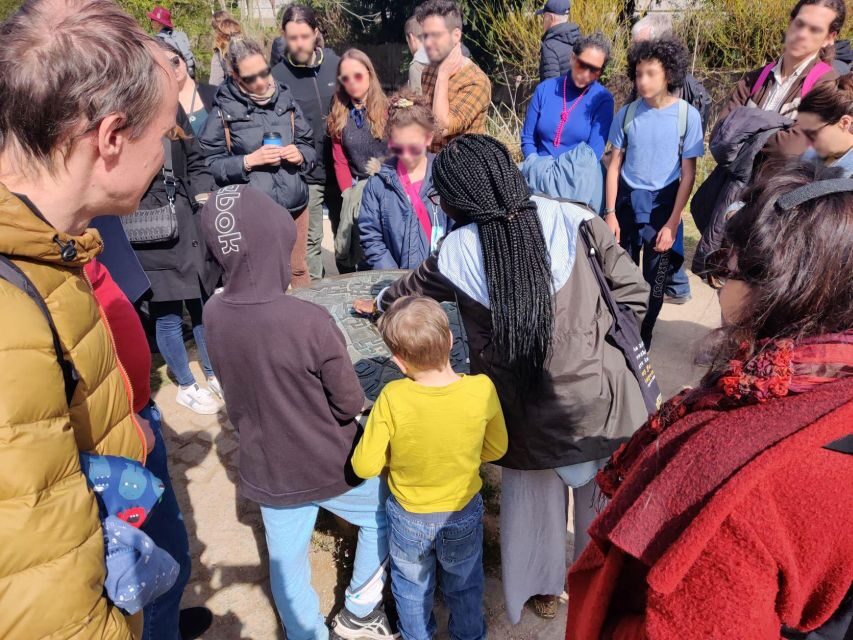
A 1.5-hour walking tour is a sprint, not a marathon. That’s ideal for Cambridge because you’re seeing multiple anchors without burning your whole day. The route is compact enough that you won’t feel like you’re only doing logistics and transitions.
The tour also builds in discussion. You’re not just standing still for photos. The guide prompts you to react and to think about how you feel about difficult history and modern controversies. Reviews specifically praised guides for making the group talk—so you can expect the experience to be social in a thoughtful way, not stiff.
I also like that you get a reading list compiled by University researchers and a Uncomfortable Cambridge souvenir sticker. The sticker is small, but the reading list is where the value grows. It turns a short tour into something you can extend at home, especially if Cambridge themes stuck with you.
If you prefer quiet head-down touring, you might need to mentally prepare. This is a conversation-first style, and that’s the point.
Price and value at about $26: what you’re really paying for
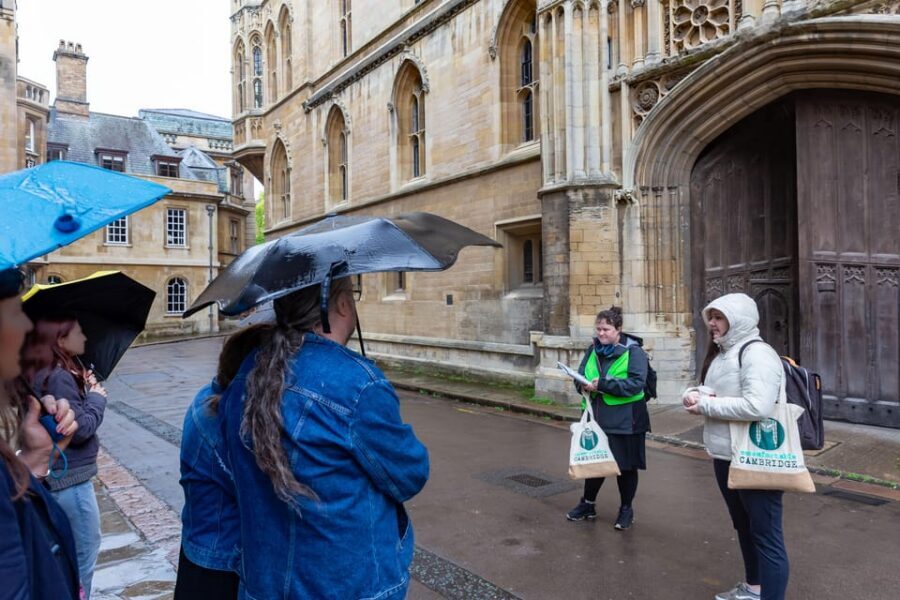
At $26 per person, the cost is pretty reasonable for Cambridge. But the value isn’t just that you’re paying for a guide and a route. You’re paying for interpretation that changes how you see the city.
You’re getting:
- A Certified Uncomfortable Cambridge tour guide
- A reading list compiled by University researchers
- A small souvenir sticker
- A route that hits core city-centre landmarks over about 2 km
That reading list plus the conversation-led approach is what makes it feel more substantial than a standard “point and explain” walk. Traditional tours often stop at architectural highlights. This one ties those highlights to inequality and modern debate, so you come away with questions you can keep using when you explore on your own.
The one cost tradeoff to note: since the tour does not go inside colleges, you won’t get the type of interior access some visitors expect. If your priority is purely inside-the-building sights, you might choose a different tour. If your priority is context, this price makes a lot of sense.
Who this tour suits best (and who might want something else)
This fits best if you’re:
- Visiting Cambridge for the first time and want context fast
- Interested in how universities connect to society, not just architecture
- Open to discussion about race, class, and gender and modern controversies
- Short on time but willing to walk around city-centre highlights
It might be less ideal if you:
- Want a classic checklist of interiors and photo stops
- Prefer history without emotionally challenging themes
- Have very limited mobility and feel uncomfortable with cobblestones and street crossings (even though the tour is designed to be wheelchair accessible)
In short, it’s for curious, reflective travelers who want Cambridge to make more sense, not just look pretty.
Should you book this Uncomfortable Cambridge™ tour?
I’d book it if you want a first-time Cambridge experience with a point of view. The $26 price for 1.5 hours is fair, and the emphasis on underrepresented histories plus the conversation-led style makes it more than a quick overview.
Skip it if your main goal is entering college buildings or you’d rather avoid the university’s contested past. That discomfort is literally the theme. But if you’re okay with that, you’ll get a clear, practical mental map of Cambridge and a better way to read what you see afterward.
If you’re unsure, think of it like this: this tour helps you understand the why behind the photos.
FAQ
Where do I meet the guide?
Meet your guide outside the main entrance to the Cambridge Tourist Information Centre.
How long is the tour?
The tour lasts 1.5 hours.
What does the tour include?
You get a Certified Uncomfortable Cambridge tour guide, an Uncomfortable Cambridge souvenir sticker, and a reading list compiled by University researchers.
Does the tour go inside any colleges?
No. The tour does not go inside any colleges.
How much walking is involved?
The tour covers about 2 km.
Is the tour wheelchair accessible?
Yes. It’s wheelchair accessible, mostly flat, with some cobblestoned streets, and includes one ramp on/off a bridge. There are places to sit or lean if needed.
Are carers included?
Carers attend free, and no booking is required.
Is the tour available in English?
Yes, the live tour guide speaks English.
Can I cancel if my plans change?
Yes. Free cancellation is available up to 24 hours in advance for a full refund.