REVIEW · LONDON
City of London Historical Walking Tour
Book on GetYourGuide →Operated by Dragon Lore Tours · Bookable on GetYourGuide
That green dragon has a lot to explain.
This City of London Historical Walking Tour strings together the big turning points you usually hear about separately: Celtic beginnings, Roman street life, Saxon and Viking layers, then the Norman shift. Two things I especially like are how it keeps the focus on the City’s own identity (not Westminster’s agenda) and how the guide uses a story-telling pace that makes the square mile feel like a real place with memory. The meeting point makes it easy to start with context—Barbie Green, opposite the ruins—and you’ll spot the guide by the longish hair and beard plus a felt image of a green dragon on their backpack.
You’re also paying for a tight, small-group format and a post-walk handout. The tour runs for about 2.5 hours with a small group limited to 8, plus a post-tour PDF that summarizes the locations and themes, which helps you remember what you just saw. The main drawback to plan for: there’s no food served, so if you’re out all morning, eat before you go and bring a drink with you.
In This Review
- Key things I’d circle on your map
- Barbie Green to the City’s stubborn beginnings
- Celts, Romans, Saxons, Vikings, Normans: the City as a layered story
- Defying monarchy: how the City helped shape democracy
- Magna Carta and the surprising idea of a corporation
- Salters’ Hall and Guildhall: civic power you can feel
- Royal Exchange to Mansion House: money, governance, and status
- The dragon emblem and the 17th-century survival story
- Price and value: is $30 fair for 2.5 hours?
- Who this tour suits best
- Should you book this City of London walk?
- FAQ
- Where does the tour meet?
- How long is the City of London Historical Walking Tour?
- What does the tour cost?
- Is food included on the tour?
- Is the tour wheelchair accessible?
- What languages are offered?
Key things I’d circle on your map
- Barbie Green starting point: you begin with the City’s early story, not the usual tourist circuit
- Dragon lore: the dragon emblem is explained as part of civic identity, not as a random logo
- Magna Carta connection: you get the City’s role in the legal foundations story
- Civic defiance theme: the tour links the City’s stubborn independence to England’s democracy
- Power landmarks in sequence: Salters’ Hall, Guildhall, Royal Exchange, and Mansion House build the picture step by step
- Survival in the 1600s: plague, fire, and revolution show how rights and privileges endured
Barbie Green to the City’s stubborn beginnings
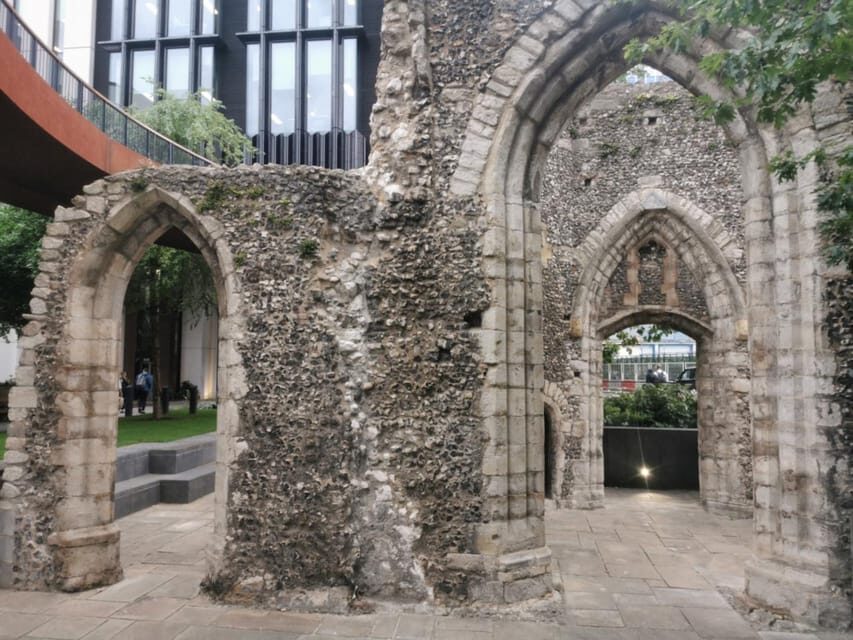
You start at Barbie Green, across from the ruins, and that’s a smart move. It signals right away that you’re not doing a highlight reel. You’re walking into a place where the past is close enough to trip over, if you’re not paying attention.
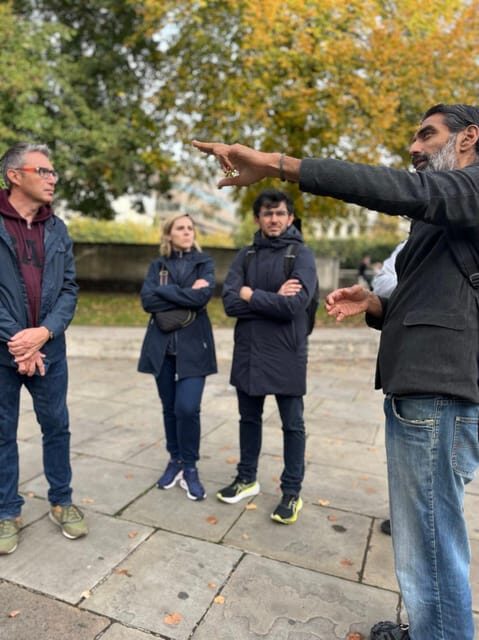
The guide—often Arjun, based on past tour reports—is the type who talks like he’s guiding you through a timeline you can actually see. You’ll recognize him by the longish hair and beard, and the felt green dragon on his backpack. That dragon detail matters, because the tour doesn’t treat the emblem like decoration. You’ll keep hearing the same message: the City has always had its own rules, its own institutions, and its own attitude toward authority.
Also, this is a walking tour in central London territory, so plan for steady footwork. You’ll get repeated short guided segments at each stop rather than one long lecture, which makes it easier to stay focused on a gray day too.
You can also read our reviews of more walking tours in London



Celts, Romans, Saxons, Vikings, Normans: the City as a layered story
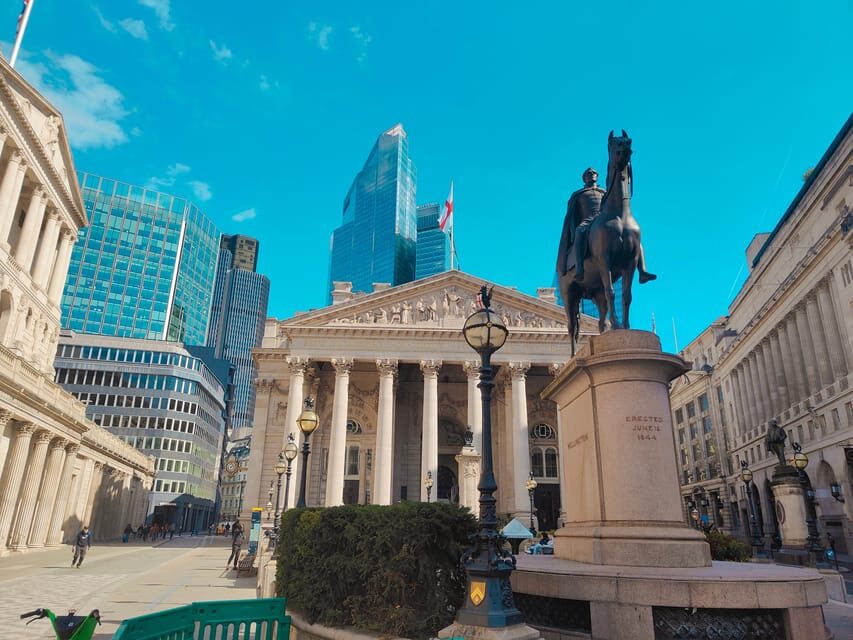
One reason this tour works is that it follows how the City of London evolved through competing cultures. Instead of jumping from one famous monument to another, you move through eras that shaped how people organized power, trade, and daily life.
You’ll trace the story from Celtic roots into the Roman period, then onward through Saxon and Norman influence. The tour is careful about the difference between London-as-a-brand and the City of London as a specific political unit. That distinction is the backbone of the whole experience. It helps you understand why the City could act like the envy of kings—because it wasn’t just another neighborhood. It was an engine.
Along the way, you’ll also get how diverse peoples and shifting rulers affected what the City became known for. The message is consistent: the square mile wasn’t stable, but it was persistent. Even when everything changed, the City kept its identity and its grip on influence.
Defying monarchy: how the City helped shape democracy

Here’s where the tour gets more political, but in a practical way. You’ll learn how the City developed a reputation for defying royal authority. The guide frames it as more than attitude. It’s about institutions and the long work of getting rights recognized.
This theme is tied directly to the story of English democracy and legal foundations. You’ll walk through the City’s own argument for self-governance, and why that mattered when monarchs expected obedience. In plain terms, you’ll see how power negotiated with power.
That’s also why the tour feels different from the standard London approach. Westminster gets the headlines, sure. But you’ll come away understanding that the City’s claim to autonomy helped bend the future—especially in how law and privilege were handled.
Magna Carta and the surprising idea of a corporation
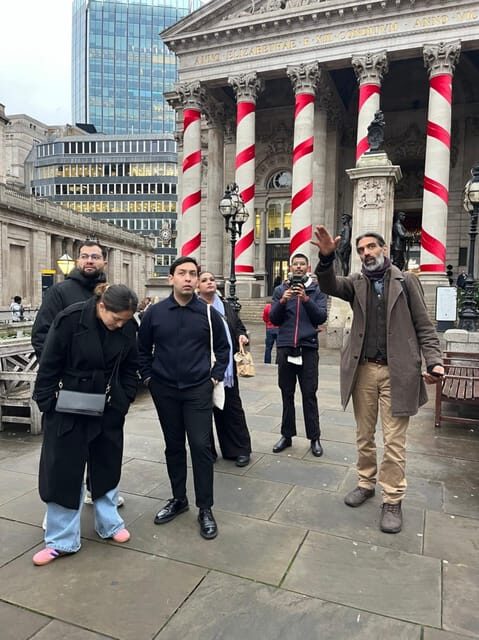
You also go where many history walks stop short: the birthplace of the Magna Carta and what it symbolizes about the City’s role. Even if you already know the Magna Carta headline, this tour connects the dots to local civic power.
Then comes a fun twist, stated in the tour’s framing: the City is presented as a place where a corporation was born, one that later helped drive an empire. You don’t need to be a politics nerd to appreciate what this means on the ground. Standing in the City, it becomes easier to understand how merchant leadership, civic governance, and commercial organization could scale up beyond England.
So the tour doesn’t treat history as museum glass. It shows you a living logic: how rules, trade, and self-organization helped create lasting influence.
Salters’ Hall and Guildhall: civic power you can feel
The itinerary is built like a storyline in landmarks. You start with early context at Barbie Green, then you move through stops that each add one piece to the puzzle of how the City’s authority formed.
A key moment comes at Salters’ Hall, where you’ll get a guided explanation that fits into the tour’s larger theme: the City was shaped by organized civic bodies, not only by the crown. It’s the kind of place where you can start to see why the City developed an identity that felt separate from royal control.
Next, you reach Guildhall, London, with a longer guided stop. This is where the City’s governance story becomes concrete. The tour’s pacing makes you notice details you might otherwise walk past—how the City operated as a system. You end up thinking about who had a voice, how communities organized, and why the City’s institutions could outlast dramatic national events.
In between these anchors, there are short, repeated guided pauses that function like chapter breaks. They help you connect the centuries—so you’re not just collecting names, you’re building a timeline in your head.
You can also read our reviews of more city tours in London






Royal Exchange to Mansion House: money, governance, and status
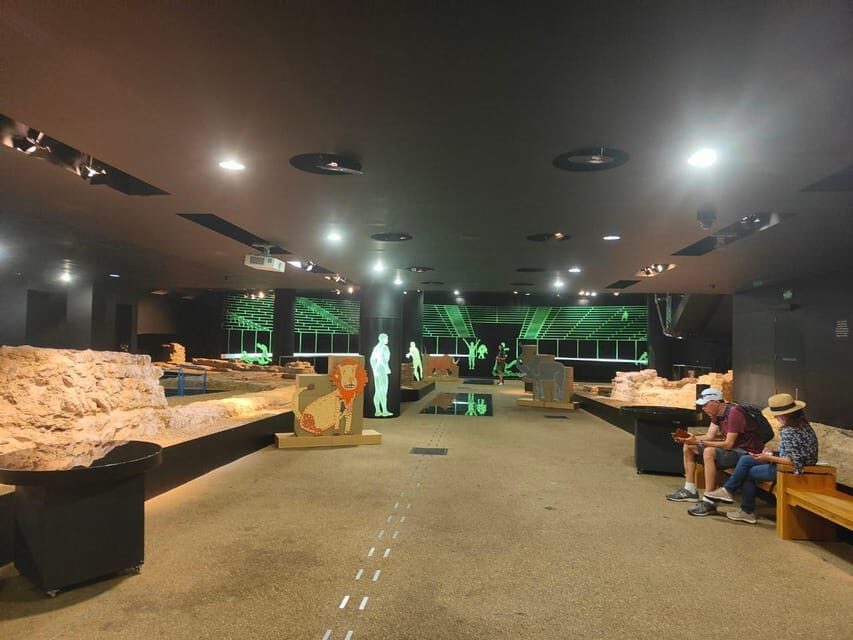
After Guildhall, the tour shifts from civic basics into the world of commerce and official power. You’ll visit the Royal Exchange, then continue toward Mansion House.
The Royal Exchange stop works because it explains the City’s influence in a way that matches what you see. The City didn’t just argue for rights—it also built the machinery that let ideas and wealth travel. It’s a short visit, but it’s designed to make the Magna Carta and corporation themes feel less abstract.
Then Mansion House brings you back to governance and official civic identity. Even without heavy architectural close-ups provided by the tour description, you’ll still walk away with a clearer sense of how the City handled status and authority. The point isn’t to stare at a building. The point is to understand the system that shaped England’s legal and commercial posture.
The stops aren’t random. Each one supports the same story: the City kept its privileges through change, and its institutions helped it stay influential.
The dragon emblem and the 17th-century survival story
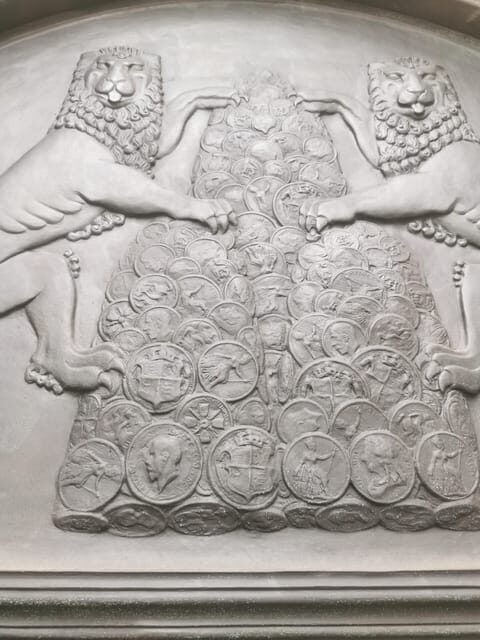
The tour’s closing arc is one of resilience. You’ll be guided through the City’s endurance during the 17th century, with its mix of plague, fire, and revolution.
This matters because it’s not just tragedy. It’s survival plus adaptation. The guide ties the danger and disruption to the City’s long fight for rights and privileges that lasted for generations. In other words, the City didn’t only have a past—it had a plan for what came next.
And yes, the dragon emblem returns here with more meaning. You’ll learn why the dragon became part of London’s identity, and you’ll likely start noticing how symbols can represent civic survival, not just branding. When the tour connects the emblem to the City’s hard moments, the dragon stops being a cute logo and becomes a reminder that identity is something you protect.
You finish near the Bank of England, which is a fitting endpoint if your brain is still running on the democracy-and-law theme. The whole walk quietly suggests that modern institutions don’t appear out of nowhere. They build on earlier habits—how a community organizes power and defends its place.
Price and value: is $30 fair for 2.5 hours?
At $30 per person for roughly 2.5 hours, this is priced like a focused walking tour rather than a big-venue production. The value comes from three things you can feel right away:
- Small group size (limited to 8) makes the experience easier to follow and leaves room for conversation
- A post-tour PDF gives you something concrete to review after you head out of the City
- You’re not repeating the same mainstream photo spots. You’re learning how the City became distinct—and why that distinction mattered
Also, it’s wheelchair accessible, which is a practical plus if you want a history walk that can work for more mobility levels.
Two small planning notes: there’s no food served, and it’s primarily English live guiding, though you can request other languages in advance. If you’re booking from outside the UK, this matters more than you’d think, because a good translation keeps the legal and civic details from getting lost.
Who this tour suits best

This works especially well if you like history with a cause-and-effect feel. It’s for you if you want to understand why the City of London had power that didn’t always match the crown’s expectations, and how that shaped legal foundations like the Magna Carta story.
It’s also a great match if you’ve visited London multiple times and you’re craving something with fewer obvious tourist cues. The whole tour is built around the idea that the square mile has a life story most people don’t notice until someone points it out.
If you only want headline landmarks and fast sightseeing photos, you might find the civic-and-legal focus more intense than you expected. But if you enjoy walking while learning, and you like seeing London as more than monuments, this one is a strong fit.
Should you book this City of London walk?
I’d book it if you want a different London view—one that explains how the City became a political and economic powerhouse, why it pushed back against monarchy, and why symbols like the green dragon matter.
I’d skip it if you need a relaxed, snack-included tour, or if you’re only interested in the most famous attractions with minimal context. The tour is short, focused, and story-driven. It expects you to show up ready to pay attention.
If you’re on the fence, here’s a simple test: do you enjoy history that connects law, trade, and identity? If yes, this is an easy choice for your London plans.
FAQ
Where does the tour meet?
The meeting point is at Barbie Green restaurant, opposite the ruins.
How long is the City of London Historical Walking Tour?
It lasts about 2.5 hours.
What does the tour cost?
The price is $30 per person.
Is food included on the tour?
No food is served on this tour.
Is the tour wheelchair accessible?
Yes, it is listed as wheelchair accessible.
What languages are offered?
The live tour guide is English, and the tour also offers multilingual options if you tell them your language in advance.